

Best Early Literacy Games 2026






Parents want the best early literacy games that feel like play while helping young children develop reading skills. Early literacy games introduce letters, sounds, words, and stories in ways that keep kids excited and focused. In 2026, top choices blend phonics practice with interactive stories and creative activities for preschoolers and kindergarteners.
A well-rounded mix of learn to read games, phonics games for preschoolers, and sight word games for kids supports early reading development, while spelling games for 5-year-olds online and reading readiness activities reinforce essential literacy skills through play.
Discover the Best Early Literacy Games 2026 - Fluvsies Academy
Why Early Literacy Games Matter for Young Children

Early literacy games give kids a head start by making letter sounds, word recognition, and simple reading feel natural and enjoyable. Children who play these games often show stronger confidence when they pick up books or join story time at school. Phonics games that focus on phonics and vocabulary help build the foundation many kids need before formal reading lessons begin.
Parents notice improvements in attention, language use, and eagerness to learn when the activities match a child’s age and interests. The right early literacy games also support emotional growth by mixing learning with relaxing play elements like mindfulness or imaginative stories.
Early literacy games work best when they adapt to each child’s pace and include progress updates for parents. This combination turns short play sessions into meaningful skill-building time without pressure.
How to Choose Effective Early Literacy Games in 2026
Look for educational kids games that cover core skills like phonics, sight words, and vocabulary while keeping content age-appropriate and free from distractions. Options designed with input from child psychologists tend to balance focus, creativity, and emotional safety.
Check whether the educational game offers variety across language, logic, and real-world topics so children stay engaged longer. Many families prefer ad-free experiences that protect young minds and provide clear reports on what their child is learning. In 2026, the strongest early literacy games also connect digital play with offline ideas, such as drawing letters or acting out stories, to reinforce skills at home.
Best Early Literacy Games 2026
1. Fluvsies Academy - Best Early Literacy Games for Preschoolers
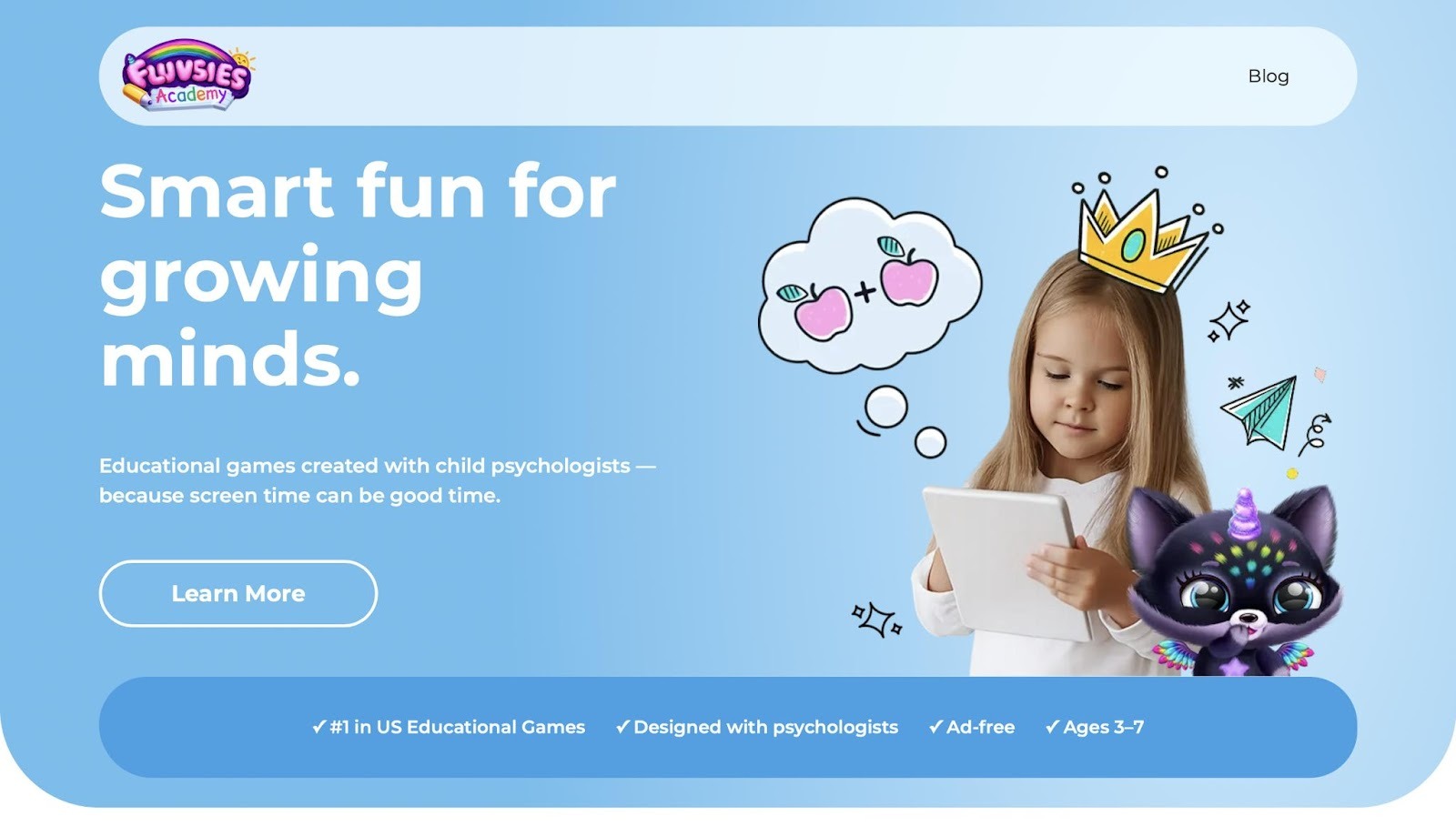
Fluvsies Academy delivers engaging early literacy games that turn everyday play into skill-building adventures for kids ages 3 to 7. The app features dedicated language and phonics activities where children explore letter sounds, word building, and simple stories through colorful characters and relaxing gameplay. Vocabulary grows naturally as kids step into professions like baker or astronaut, learning new words while practicing creativity and life skills. Designed with child psychologists, every element prioritizes focus, emotional safety, and joyful learning in an ad-free environment that lets kids immerse themselves fully.
Standout features include a holistic approach that weaves in mindfulness, kids’ yoga, and healthy habits alongside academic games. Parents receive progress reports that highlight improvements in attention, language use, and overall development. The games support active learning for reasoning and problem-solving as well as passive exploration through imaginative stories. Fluvsies Academy feels like a complete early learning companion that grows with each child, making literacy practice something they look forward to every day.
Discover Fluvsies Academy
Fluvsies Academy is a leading educational app designed for children aged 3–7. It transforms screen time into meaningful learning through fun, interactive games. Developed in collaboration with child psychologists, the app focuses on holistic development.
Key Features
- Ad-free environment for safe play.
- Games covering language, phonics, math, and logic.
- Activities for attention, sorting, and creativity.
- Real-world life skills like healthy habits and mindfulness.
- Exploration of professions to build vocabulary and imagination.
Educational Approach
Fluvsies Academy emphasizes guided play that balances focus, empathy, and emotional safety. It's the first holistic learning app for kids, ranked #1 educational game in the US. Progress reports help track your child's growth. Free printables extend learning beyond the screen.
Benefits for Families
Parents gain peace of mind with expert-backed games.
Kids build confidence, skills, and a love for learning. Ideal for preschoolers seeking joyful education.
Download Fluvsies Academy today and watch your child thrive!
2. TutoClub
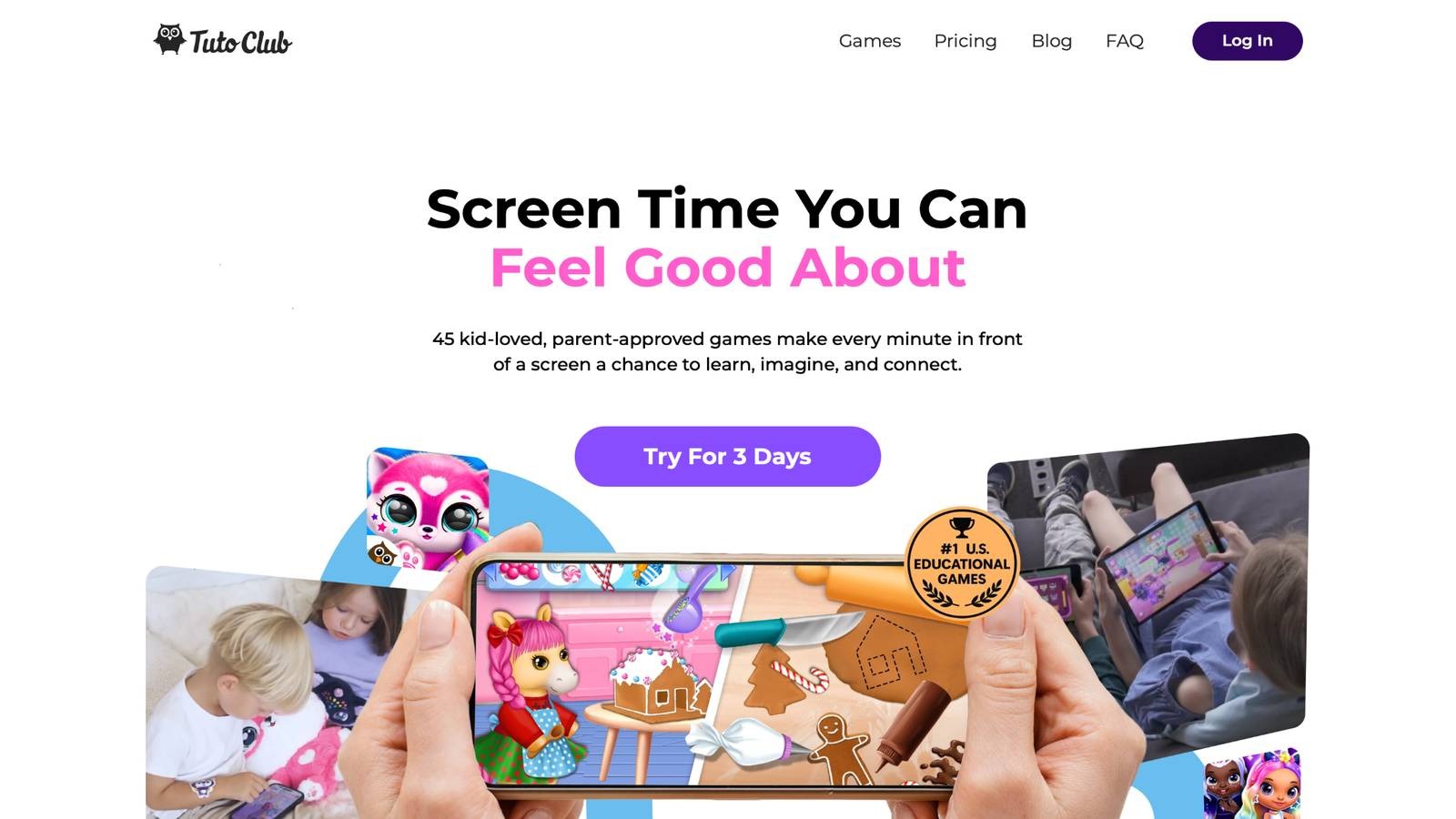
TutoClub delivers a rich selection of educational games that build early literacy skills through creative play and imaginative adventures. Developed by the TutoTOONS studio based in Lithuania, this platform gives families unlimited access to more than 45 ad-free titles suitable for children ages 2 to 8. Young learners explore fun themes such as caring for virtual pets, solving gentle puzzles, and creating stories in enchanted settings that naturally promote language development, vocabulary expansion, and communication.
Activities encourage kids to describe actions, express feelings, and practice new words in context while fostering empathy and problem-solving abilities. The safe, COPPA and GDPR compliant environment keeps screen time productive and distraction-free, allowing children to focus fully on playful learning experiences that feel relaxing and rewarding. Regular updates introduce fresh content to keep engagement high and support ongoing skill growth across creativity, social awareness, and foundational literacy elements. Parents value how the games blend entertainment with real developmental benefits, making TutoClub an excellent option for turning digital play into meaningful opportunities for language and emotional growth.
Key features
- Diverse games focused on language, creativity, and real-world skills
- Safe, engaging content suitable for young learners
- Opportunities for imaginative storytelling and problem-solving
- Unlimited access with automatic new releases and updates
Facts and information
TutoClub features over 45 educational games that help children develop through hands-on digital play while maintaining a calm and positive experience.
3. ABCmouse
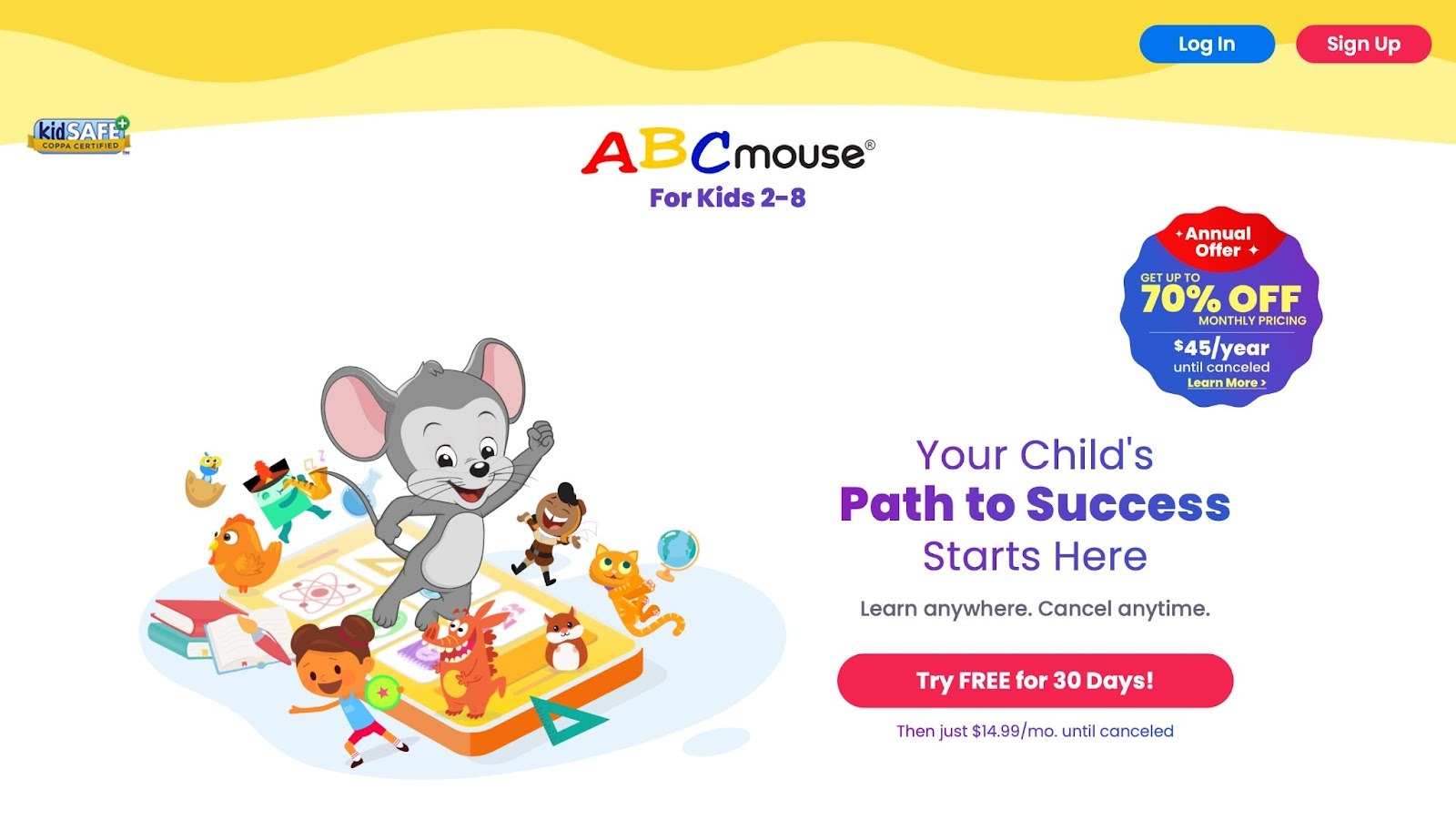
ABCmouse provides a complete early education curriculum centered on literacy development with hundreds of interactive games, books, and activities for children ages 2 to 8. The platform guides kids through personalized learning paths that cover letter recognition, phonics, sight words, vocabulary building, and beginning reading comprehension in a structured yet playful format. Colorful animations, songs, and rewards motivate learners as they progress from basic sound recognition to reading short stories and understanding narrative elements.
Activities integrate literacy with math, science, and art for well-rounded growth while keeping sessions exciting and age-appropriate. Parents receive detailed progress tracking that highlights strengths and areas of improvement across multiple subjects. The virtual classroom setup makes daily practice feel like an enjoyable routine that builds confidence and prepares children for school success. ABCmouse stands out for its extensive library of leveled readers and guided lessons that adapt to each child’s pace, supporting steady advancement in reading skills without overwhelming young users.
Key features
- Hundreds of literacy activities and leveled readers
- Songs, games, and interactive books for phonics practice
- Progress tracking across multiple subjects
- Personalized learning paths with rewards and animations
Facts and information
ABCmouse supports literacy development alongside other core subjects, giving kids a balanced foundation through consistent and engaging daily play.
4. Reading Eggs
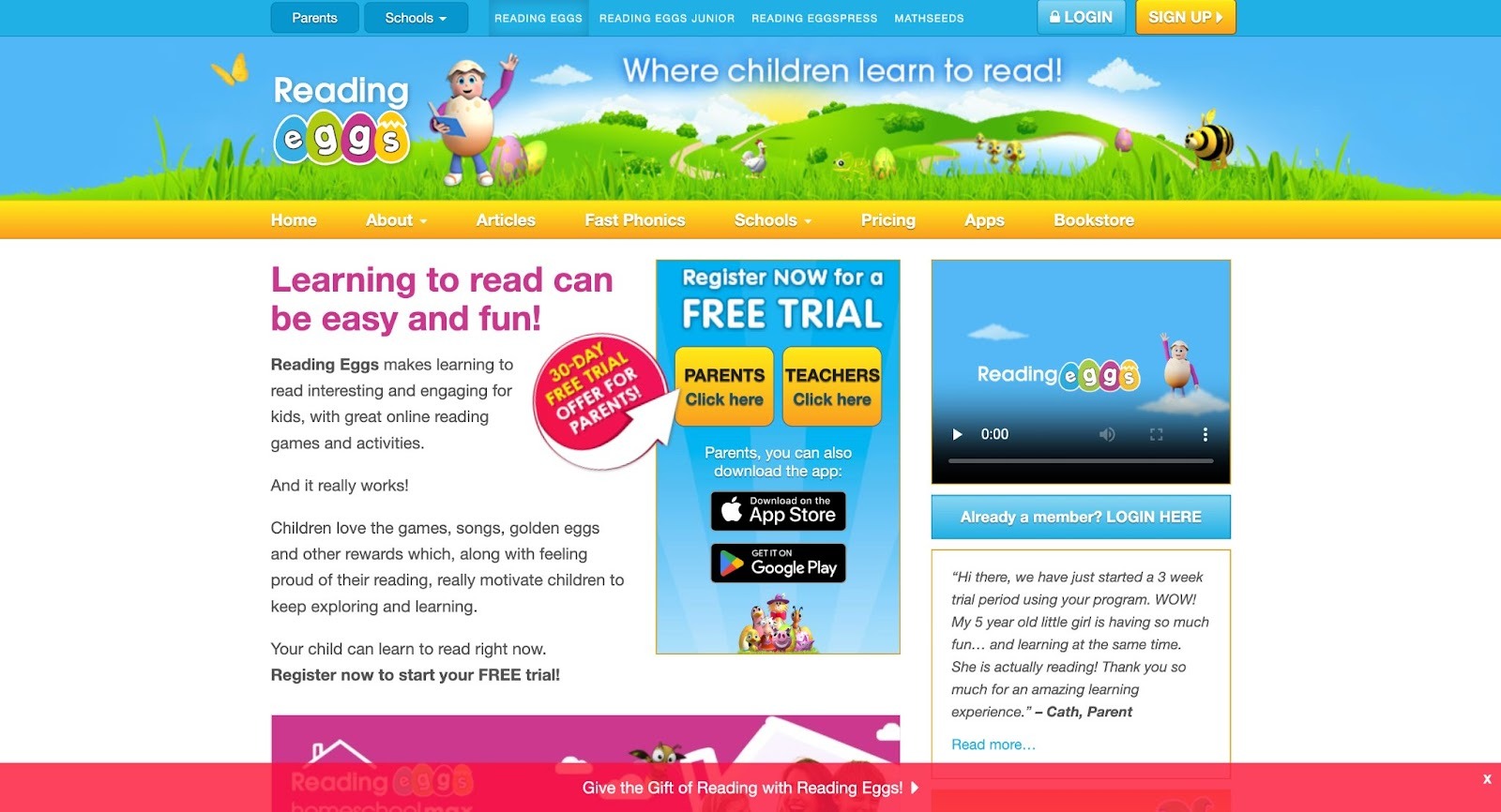
Reading Eggs combines systematic phonics instruction with interactive games, stories, and books to help children ages 3 to 7 master early reading skills step by step. The program begins with letter sounds and moves through blending, sight words, vocabulary, and comprehension using short, motivating lessons that feel like play. Animated characters and rewards keep children enthusiastic while they build fluency and confidence in their reading abilities.
Adaptive placement tests ensure lessons match each child’s current level for optimal progress. The platform includes a large collection of digital books and activities that reinforce skills in fun ways, from matching exercises to story-based challenges. Families appreciate the clear structure that leads to noticeable improvements in decoding words and understanding texts. Reading Eggs creates a supportive pathway from preschool phonics foundations to more advanced reading readiness that prepares kids for kindergarten and beyond.
Key features
- Personalized placement and adaptive lessons
- Interactive stories and comprehension games
- Focus on phonics, vocabulary, and fluency
- Motivational rewards and character-driven activities
Facts and information
Reading Eggs offers clear pathways from preschool phonics to more advanced reading, making it a reliable choice for steady literacy progress.
5. Starfall
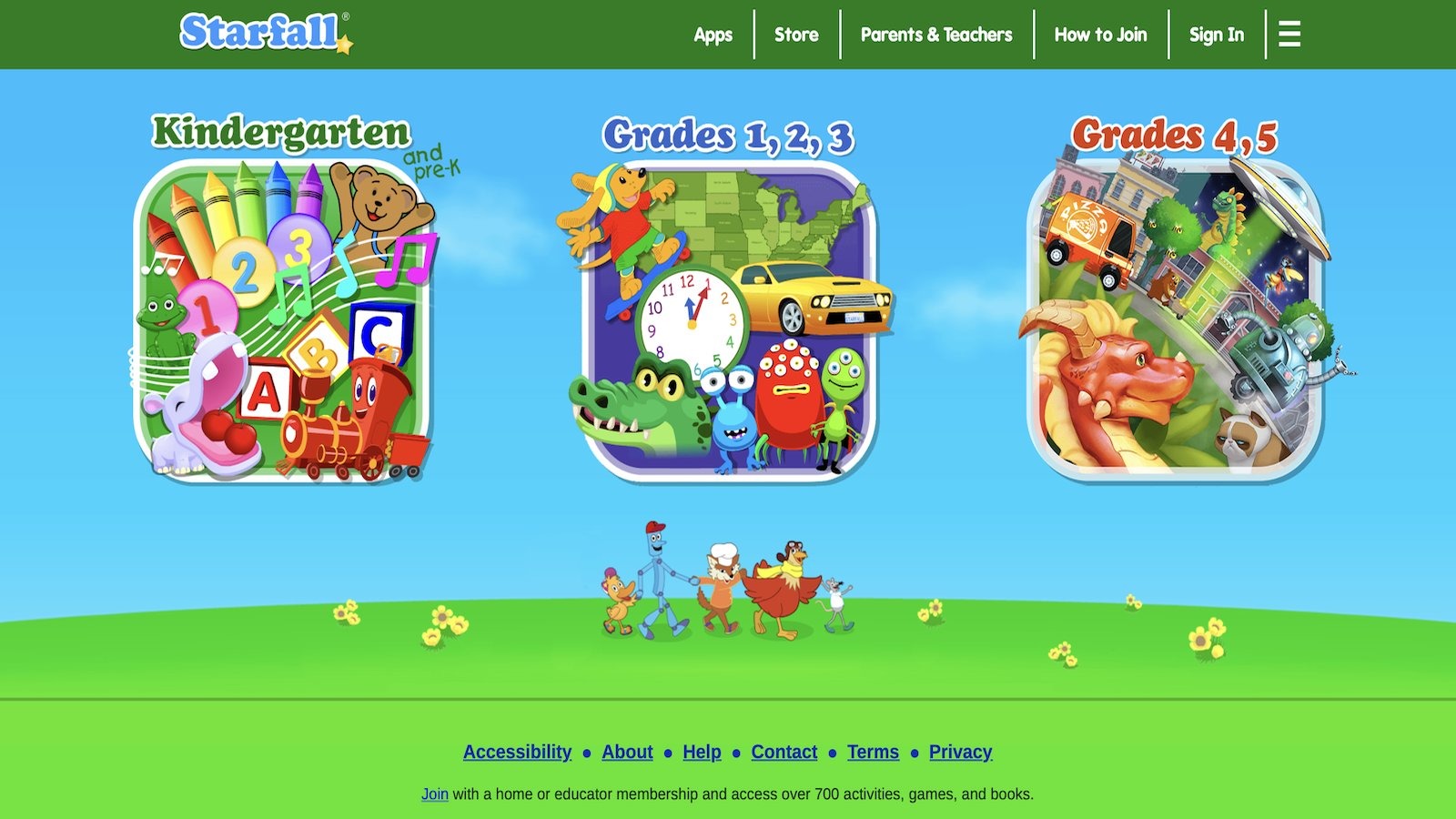
Starfall introduces letters, sounds, and simple words through gentle, supportive phonics games, stories, and songs that suit beginners ages 3 to 7. The platform features animated adventures and matching activities that reinforce skills without pressure, helping children gain solid phonics knowledge in an accessible format. Easy-to-follow lessons build reading confidence gradually while incorporating elements like sign language support in some sections for broader accessibility.
Kids enjoy exploring colorful worlds where they practice sound recognition and basic word formation through interactive play. Starfall remains popular for its straightforward approach that aligns well with early classroom methods and provides free resources alongside premium options. The screen-friendly design keeps sessions short and focused, making it ideal for daily practice that feels fun rather than instructional. Many families use it as a gentle entry point to literacy that grows with the child’s abilities.
Key features
- Phonics-based games and stories
- Sign language support in some activities
- Easy-to-follow lessons for beginners
- Animated adventures and matching exercises
Facts and information
Starfall has supported many young learners in gaining solid phonics knowledge through its accessible and engaging design.
6. Khan Academy Kids
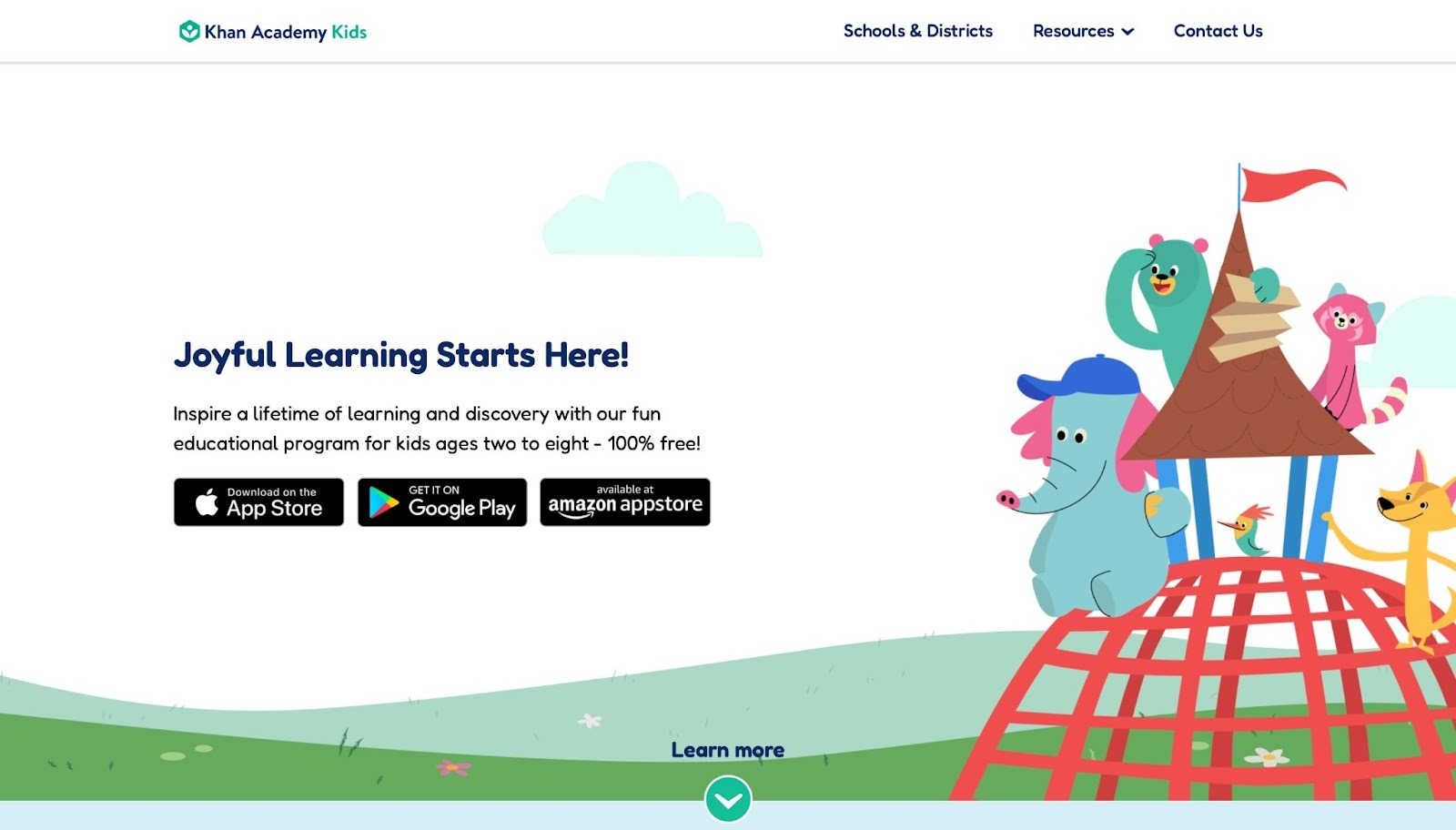
Khan Academy Kids offers free literacy games and activities aligned with early education standards for children ages 2 to 7. The app guides kids through letters, sounds, stories, and vocabulary using colorful lessons and play-based challenges in a calm, organized environment. Personalized paths support independent learning while covering phonics, comprehension, and language basics alongside math and social-emotional skills.
Parents gain simple progress insights that show what their child is mastering. The platform combines literacy practice with engaging stories and interactive exercises that promote curiosity and steady skill development. Khan Academy Kids provides a complete free option that families trust for daily use without ads or distractions. Its structured yet flexible format helps young learners build strong foundations in a supportive setting that feels both educational and enjoyable.
Key features
- Free access to guided literacy activities
- Stories, songs, and interactive exercises
- Progress insights for parents
- Integration of literacy with other early learning areas
Facts and information
Khan Academy Kids combines literacy with math and social-emotional learning, giving families a complete free option for daily skill practice.
7. Homer
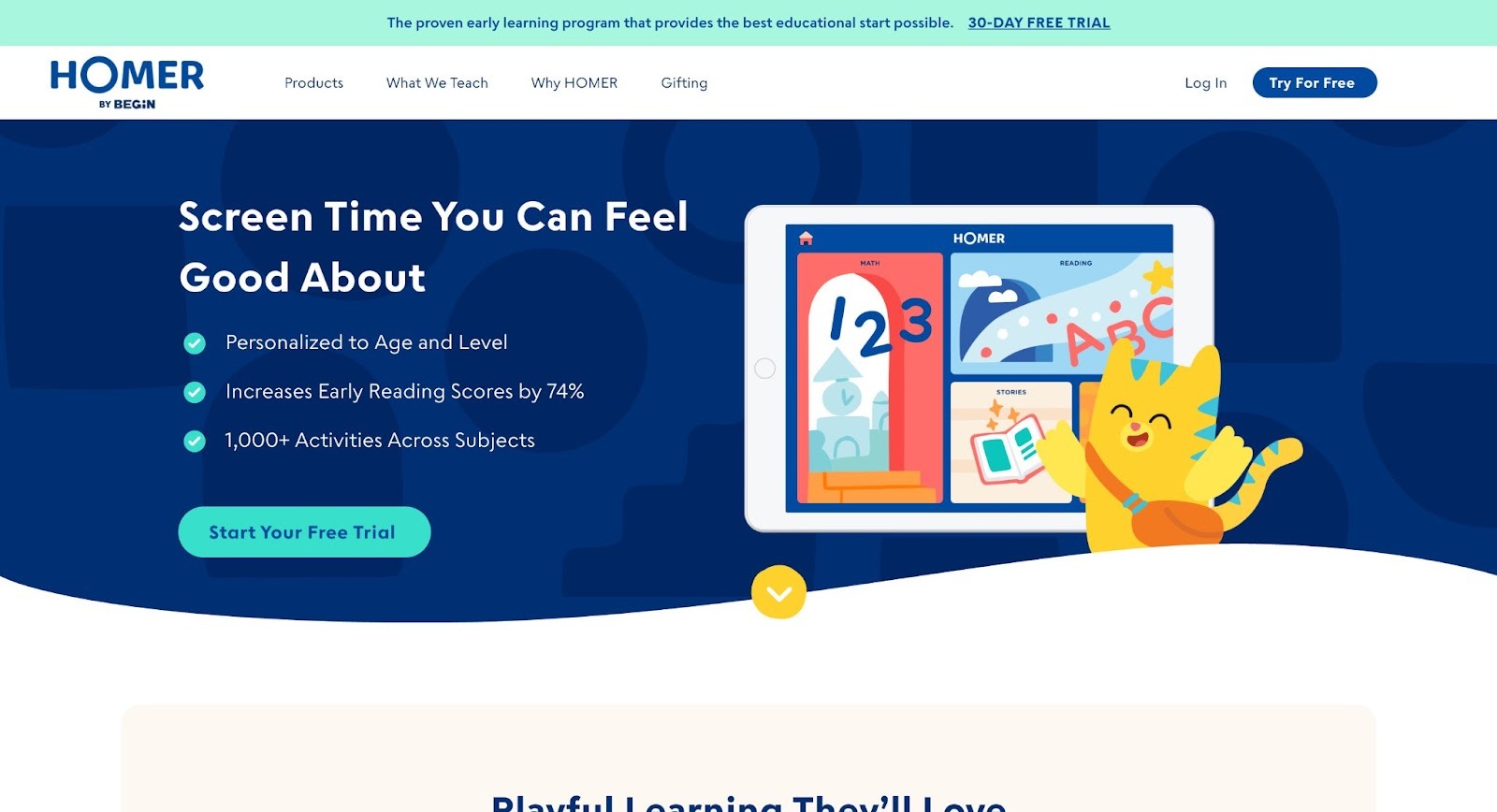
Homer creates customized reading paths with games, stories, and skill-building activities that adapt to each child’s unique level and interests for ages 2 to 8. Children work on phonics, vocabulary, and comprehension while exploring emotions and creative thinking through interactive play. The platform keeps sessions fresh with new content tailored to individual preferences, helping kids connect reading with personal experiences.
Story creation tools and adaptive challenges build confidence and curiosity in a way that feels relevant and exciting. Homer emphasizes making literacy meaningful by linking digital activities to real-life curiosity and emotional growth. Families appreciate the personalized approach that supports steady progress without a one-size-fits-all structure. The combination of games and narrative elements turns reading practice into an enjoyable journey that grows with the child.
Key features
- Personalized learning journeys
- Story creation and reading games
- Focus on confidence and curiosity
- Adaptive content based on child interests
Facts and information
Homer helps kids connect reading with personal experiences, making literacy feel relevant and exciting.
8. Duolingo ABC
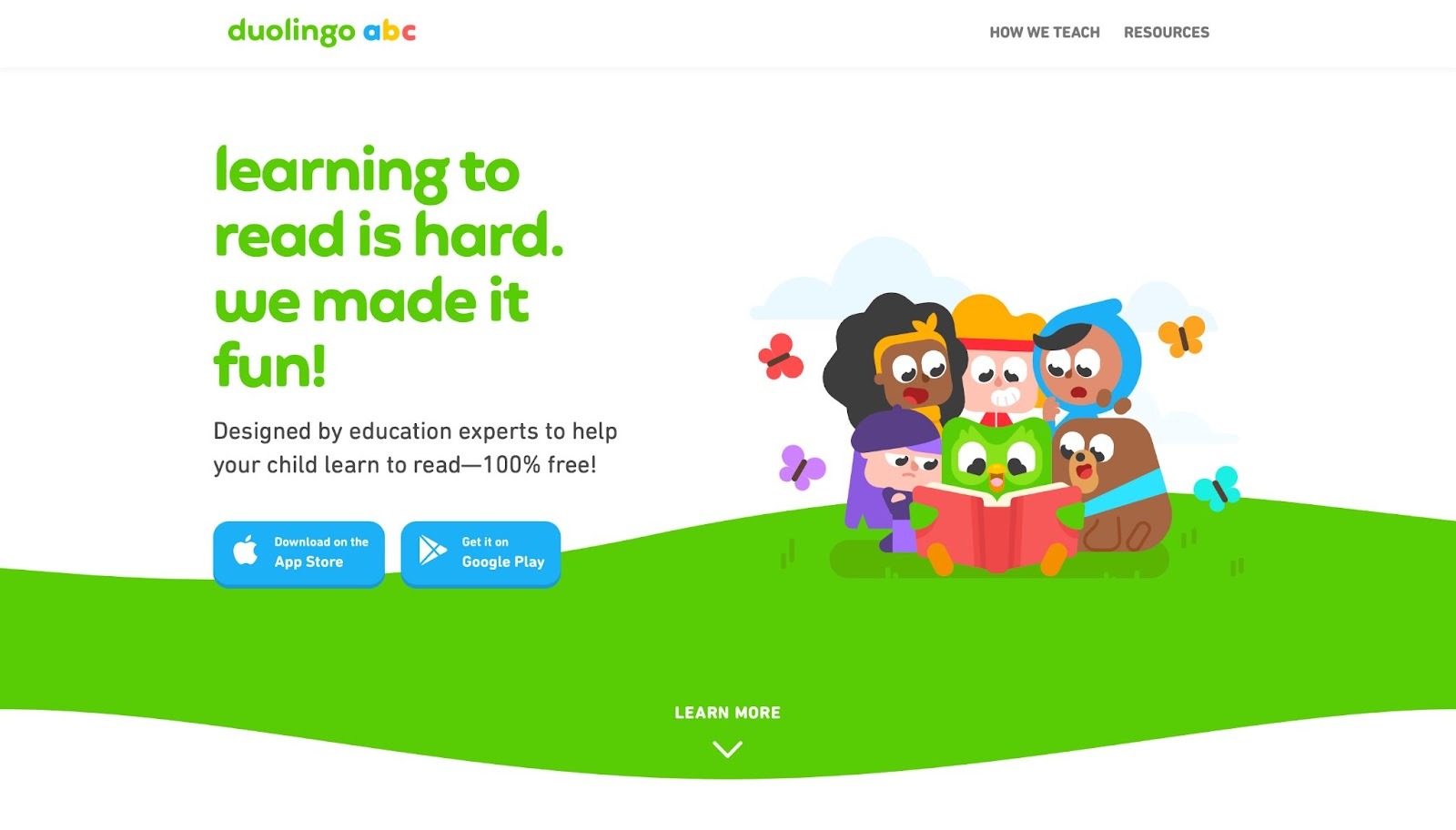
Duolingo ABC transforms short lessons into gamified challenges that teach phonics, sight words, and basic handwriting for children ages 3 to 6. The app fits busy schedules with quick activities that deliver consistent practice in a friendly style familiar from the main Duolingo platform. Kids receive engaging feedback and rewards that encourage daily engagement while building foundational reading skills.
Bite-sized phonics drills and word recognition exercises help beginners gain confidence through small, achievable wins. The simple interface makes navigation easy for young users and supports audio elements that aid diverse learners. Duolingo ABC focuses on making early reading approachable and fun, turning potential frustration into positive habits. Families value the steady progress that comes from regular, low-pressure sessions designed specifically for early literacy development.
Key features
- Short, daily literacy challenges
- Phonics and word recognition focus
- Simple interface for young users
- Audio support and positive feedback
Facts and information
Duolingo ABC makes early reading practice approachable for beginners who enjoy quick wins and steady progress.
9. Teach Your Monster to Read
Teach Your Monster to Read wraps essential phonics practice inside a fun story-driven game where children help a friendly monster learn to read. Activities cover letter sounds, blending, and word recognition through colorful quests and rewards that keep motivation high for ages 3 to 7. The game format turns skill building into an adventure that children enjoy replaying across different stages.
Clear progression guides learners from basic sounds to full sentences in a supportive environment. Engaging character interactions and visual feedback reinforce success at every step. The program has earned praise for making phonics feel exciting rather than repetitive, helping many kids develop strong reading foundations. Families often note increased enthusiasm for reading after using the app regularly as part of their literacy routine.
Key features
- Story-based phonics quests
- Clear progression through reading skills
- Engaging character interactions
- Rewards and visual feedback
Facts and information
The program turns essential phonics practice into an adventure that many kids replay happily.
10. Endless Alphabet
Endless Alphabet uses quirky monsters and interactive puzzles to teach vocabulary and letter recognition in a memorable way for children ages 3 to 7. Kids drag letters into place while fun animations illustrate word meanings and sounds, making learning feel like entertainment. The relaxed pace suits early learners and builds word knowledge that supports future reading success.
Humorous elements keep sessions light and enjoyable while reinforcing spelling and comprehension through creative play. The app focuses on expanding vocabulary in context without pressure, helping children understand and remember new terms more easily. Parents appreciate the low-key design that encourages repeated play and natural language growth. Endless Alphabet stands as a playful tool that turns word study into an activity children look forward to.
Key features
- Monster-themed word puzzles
- Animated definitions and sounds
- Relaxed pace for early learners
- Interactive letter dragging activities
Facts and information
Endless Alphabet helps kids expand their vocabulary through creative, low-pressure play that feels more like entertainment than study.
11. Hooked on Phonics
Hooked on Phonics delivers a structured phonics pathway that guides children ages 3 to 8 from letter recognition through word building and simple decodable texts. The program combines lessons, games, and stories in a sequential format that builds skills progressively and helps learners gain confidence reading independently.
Interactive activities and rewards maintain motivation while clear instruction supports steady advancement in decoding and fluency. Families often pair it with home reading to reinforce concepts introduced in the app. The curriculum-style approach makes it reliable for consistent literacy growth that aligns well with school expectations. Hooked on Phonics has supported millions of children in developing strong reading foundations through engaging digital materials and practical skill practice.
Key features
- Sequential phonics progression
- Games, stories, and interactive lessons
- Rewards to maintain motivation
- Focus on decoding and early fluency
Facts and information
Hooked on Phonics offers a reliable curriculum pathway that helps children build reading confidence through consistent and motivating practice.
12. Epic!
Epic! provides a vast digital library of books paired with literacy games and activities that support reading growth for children ages 2 to 8. Kids explore thousands of titles across fiction and nonfiction while engaging with interactive elements that build comprehension and vocabulary. The platform encourages independent reading time in a safe, ad-free space that feels like a personal bookshelf.
Personalized recommendations keep content fresh and matched to interests, fostering a love for stories. Progress tracking helps parents see reading habits and skill development over time. Epic! combines extensive book access with light gamification to make literacy practice enjoyable and habitual. Many families use it as a core resource for daily reading that supplements other learning tools.
Key features
- Large library of digital books
- Interactive reading activities
- Personalized book recommendations
- Safe, ad-free environment
Facts and information
Epic! supports literacy through a huge collection of books and engaging activities that promote independent reading and vocabulary growth.
13. Lingokids
Lingokids offers interactive games and activities that blend early literacy with language development for children ages 2 to 8. The platform uses songs, stories, and play-based challenges to teach phonics, vocabulary, and basic reading concepts in a fun, multilingual-friendly format. Personalized learning paths adapt to each child’s pace and interests while incorporating real-life themes that make skills relevant.
Audio and visual elements support diverse learners and keep engagement high during short sessions. Parents receive updates on progress across language and literacy areas. Lingokids creates a joyful environment where reading foundations grow naturally alongside creativity and curiosity. The app stands out for its balanced approach that feels educational yet primarily entertaining for young users.
Key features
- Interactive games and songs for literacy
- Personalized learning paths
- Vocabulary and phonics focus
- Support for diverse learning styles
Facts and information
Lingokids helps children build reading skills through play-based activities that combine language exposure with engaging daily practice.
14. Vooks
Vooks transforms storybooks into animated, interactive experiences that support early literacy for children ages 2 to 6. The platform features calm pacing and ad-free viewing that promotes comprehension, vocabulary, and a love of reading without overwhelming stimulation. Each title includes read-along features and gentle activities that reinforce story elements and language skills.
Families appreciate the safe, focused format that bridges screen time with traditional book enjoyment. Vooks encourages repeated listening and viewing to deepen understanding while keeping content age-appropriate and emotionally positive. The collection grows regularly with new stories that spark imagination and conversation. This approach helps young learners develop listening skills and narrative awareness that form the basis for independent reading later on.
Key features
- Animated storybook format
- Read-along and interactive elements
- Calm, ad-free environment
- Focus on comprehension and vocabulary
Facts and information
Vooks provides a gentle introduction to literacy through animated stories that build listening skills and narrative understanding in young children.
15. LetterSchool
LetterSchool teaches letter formation, sounds, and recognition through intuitive tracing games and handwriting practice designed for preschoolers ages 3 to 6. The app uses multisensory activities that combine visual, auditory, and tactile feedback to make learning letters engaging and memorable. Children progress from basic shapes to full words while building phonics awareness and fine motor skills. Colorful animations and positive reinforcement keep motivation strong during each session.
LetterSchool supports both uppercase and lowercase practice in a structured yet playful way that prepares kids for writing and reading readiness. Parents value the clear skill progression and the way the app makes handwriting fun rather than frustrating. The platform serves as an effective tool for foundational literacy that integrates seamlessly with other early learning activities.
Key features
- Interactive letter tracing games
- Multisensory feedback for sounds and shapes
- Progress from letters to words
- Positive reinforcement and animations
Facts and information
LetterSchool helps preschoolers develop letter knowledge and handwriting skills through engaging, multisensory activities that support early reading readiness.
16. Skybrary
Skybrary delivers interactive literacy experiences with a focus on stories, phonics, and vocabulary building for children ages 4 and up. The platform combines digital books, games, and activities in a safe environment that encourages exploration of language and narrative. Kids engage with leveled content that grows with their abilities while developing comprehension and a love for reading.
Regular additions to the library keep the experience fresh and aligned with early education goals. Skybrary emphasizes emotional connection to stories that help children relate words to real feelings and situations. Families use it to supplement home reading routines and create shared moments around favorite titles. The app supports steady literacy growth through meaningful, story-driven play that feels both educational and comforting.
Key features
- Interactive stories and phonics activities
- Leveled content for growing skills
- Focus on comprehension and vocabulary
- Safe, story-centered environment
Facts and information
Skybrary supports early literacy through engaging stories and games that build language skills and foster a positive relationship with reading.
How Early Literacy Games Support Phonics and Vocabulary Growth
The best phonics games teach children to connect letters with sounds, a skill that makes decoding new words much easier. Vocabulary activities introduce new terms in context, helping kids understand and use words during conversations and storytelling.
Many early literacy games combine both areas so children practice blending sounds while learning what the words mean. This integrated approach leads to smoother reading experiences later on. Families often pair these games with simple home activities like pointing out letters on signs or creating silly rhymes together.
Practical Tips for Parents Using Early Literacy Games
Set short, regular play times so children look forward to the sessions without feeling tired. Sit together sometimes to talk about what they see or hear in the kids game. This shared time strengthens the learning and creates positive memories around reading.
Rotate between different educational games to keep interest high and cover a wider range of skills. Watch for moments when your child shows excitement about a new word or sound and build on that enthusiasm with real books or drawing activities. Consistency matters more than long sessions, so even ten minutes a day can make a lasting difference.
Integrating Early Literacy Games with Everyday Learning
Early literacy games shine when they connect to real-life moments like reading labels at the grocery store or making up stories at bedtime. Many learning apps for kids include printable ideas or extension activities that bridge digital play with hands-on fun.
Try linking a phonics game to a favorite picture book or using new vocabulary words during family conversations. This mix helps children see reading as part of their world rather than just screen time. Over time, the combination builds stronger habits and deeper understanding that lasts beyond the games themselves.
FAQ
What age group benefits most from early literacy games?
Early literacy games work especially well for children ages 3 to 7 when they are just starting to notice letters and sounds. At this stage, playful activities match their natural curiosity and attention span. Younger preschoolers enjoy simple matching and sound games while older ones tackle blending and short stories. The key is choosing content that feels challenging but never frustrating.
How do phonics games differ from general reading apps?
Phonics games for kids focus specifically on letter sounds and blending while general reading apps often mix in stories and comprehension. Both have value, but phonics-first games give kids the tools they need to sound out words independently. Many top early literacy games combine both elements so children gain skills and enjoyment at the same time.
Can early literacy games replace traditional reading time?
Early literacy games support but do not fully replace time spent with physical books and shared reading. The best results come when families combine online early literacy games with real books, conversations, and hands-on activities. Games build confidence and skills while books add emotional connection and imagination that screens cannot match.
What should parents look for in progress reports from literacy games?
Useful progress reports show which sounds, words, or skills a child has practiced and mastered. Look for simple summaries that highlight strengths and gentle next steps rather than complex scores. Reports that note attention span or enjoyment levels give a fuller picture of how well the game fits your child.
Read Also:
- Best Phonics Games for Preschoolers 2026
- Best Sight Word Games for Kids 2026
- Best Kindergarten Reading Games 2026
- Best Online Preschool Educational Games 2026
- Best Preschool Online Games for 4 Year Olds 2026
Discover the Best Early Literacy Games 2026 - Fluvsies Academy