

How Top Apps for Kids' Learning Support School Success





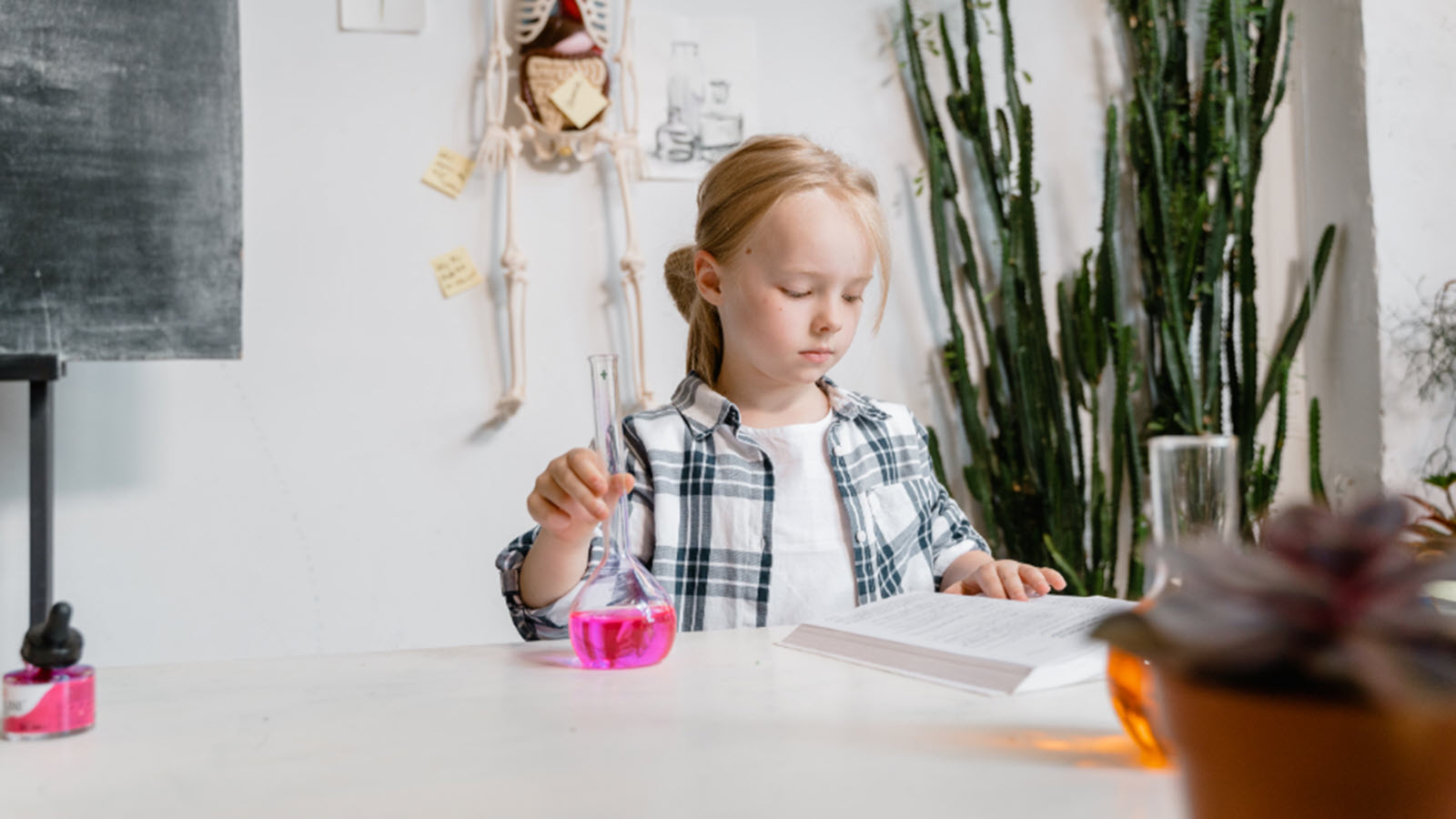
Top apps for kids' learning support school success by turning short play into practice with letters, numbers, focus and daily routines. These tools help preschoolers build confidence for classroom tasks through stories, sorting and simple challenges. Many families choose guided options that feel like fun while preparing children for school.
Parents seeking reliable options can start with the best educational app for kids that blends stories and challenges, add the best math learning app for kids for number practice, introduce the best learn to read app for kids to build letter confidence, or explore the best learning app for kids that supports daily routines and school readiness through short, playful sessions.
Give your child screen time that builds real school-ready skills at Fluvsies Academy.
Why Quality Learning Apps Matter for Early School Readiness
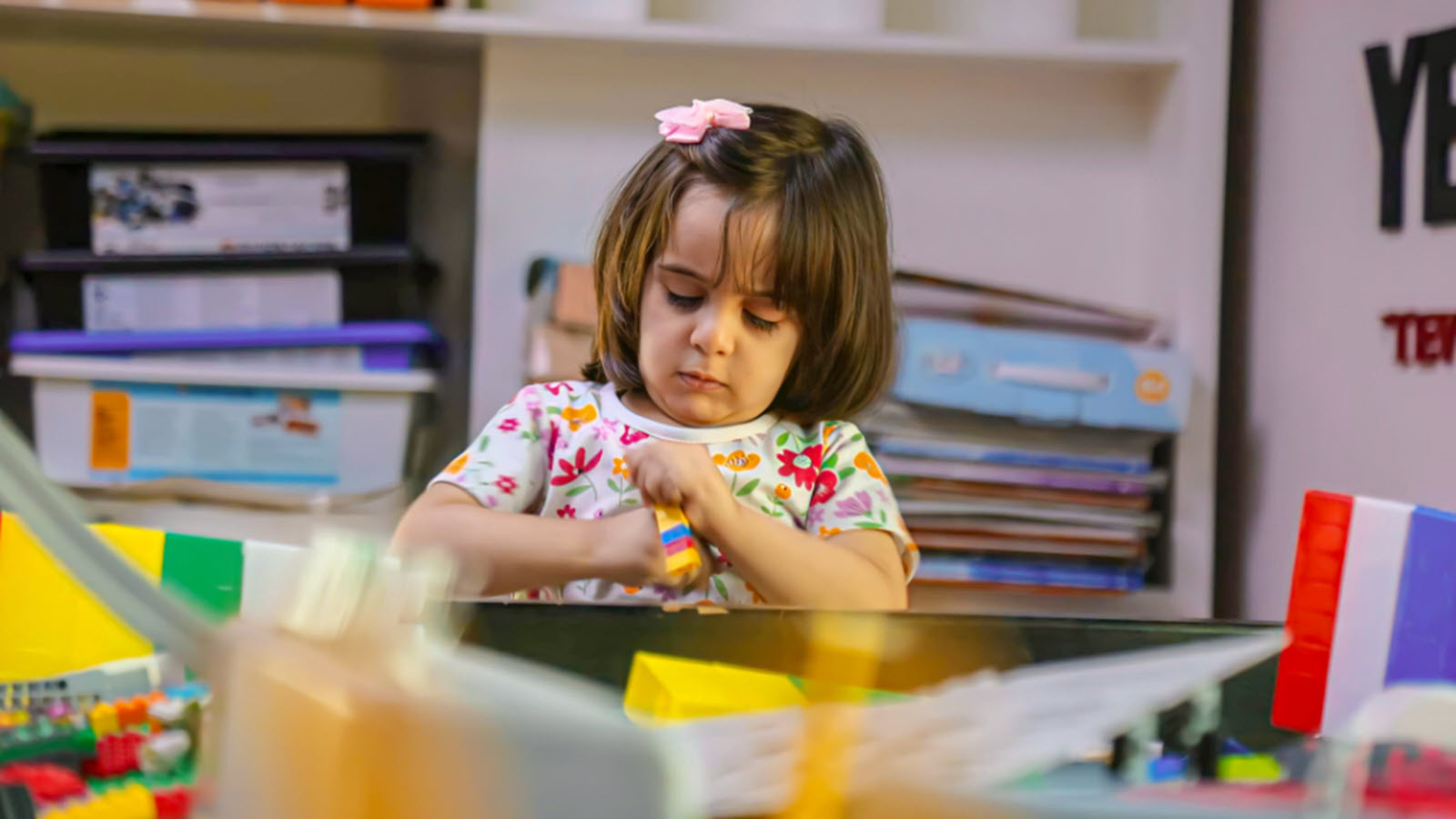
Young children develop foundational skills through play that feels natural. Good apps for kids' learning support school success by offering repeated practice with letters, counting, patterns and attention in short, engaging formats drawn from learning games for preschoolers online. Kids who practice these skills often enter school with stronger confidence in following directions and tackling simple tasks.
Many apps focus on one area, such as phonics or early math. The stronger ones cover several areas at once so children build connections across subjects. Language activities introduce letter sounds and new words through stories that align with phonics games and early literacy games. Math games let kids count objects or match amounts using approaches seen in number recognition games. Logic tasks ask them to sort items or complete sequences similar to those in logic puzzles for kids. These experiences mirror classroom activities where children need to listen, compare and solve small problems.
Safety and design matter as much as content. Ad-free environments keep attention on the activity instead of interruptions. Age-appropriate pacing prevents frustration. When apps include calm visuals and clear instructions, children stay engaged longer and transfer skills to real moments like packing a bag or helping at home with support from brain development games for kids.
Parents notice benefits when apps connect digital play to daily life. A child who practices sorting colors on screen may later group toys without reminders. One who hears new job words may ask questions about people in the community. This transfer supports the independence teachers look for in early grades through tools like those discussed in the best educational games for kids online.
Key Features That Make Learning Apps Effective for School Success
Not every colorful game helps children prepare for school. Effective top apps for kids' learning share several traits that research and parent experience highlight.
- Active engagement over passive watching. Kids choose answers, move pieces or complete steps rather than just view videos. This builds problem-solving habits found in problem-solving games for toddlers.
- Progressive challenges. Activities start simple and grow with the child so success feels possible and effort stays high.
- Real-world links. Games about brushing teeth, helping in a store or exploring jobs make abstract skills useful right away, much like life skills games for kids.
- Balanced subjects. Coverage of language, numbers, attention and creativity prepares children more fully than single-focus tools, as seen in the best educational games app.
- Parent visibility. Progress notes or simple reports let adults see growth without turning play into pressure.
These features help apps support school success by matching how young brains learn through repetition, feedback and meaningful context. Short sessions fit busy days and pair well with books or outdoor time. Many families use them as a bridge between home and classroom expectations with guidance from the best kids learning app and the best apps for learning.
When comparing options, look for tools designed with child development experts. Psychologist input often leads to better emotional safety, clearer goals and activities that reduce overload. This approach appears in apps that balance focus practice with creative or calming elements similar to those in brain games for preschoolers.
How Language and Phonics Apps Build Reading Foundations
Reading readiness starts long before formal lessons. Top apps for kids' learning support school success in this area by making letter sounds, vocabulary and story understanding part of play through preschool phonics games and learn to read apps for kids.
Interactive stories let children hear words in context while tapping or choosing next steps. Phonics activities pair sounds with pictures so kids connect what they hear to what they see, building on early literacy games for kids. Vocabulary grows when characters introduce job words or everyday objects. These experiences prepare children for classroom reading groups where listening and sounding out words matter, supported by reading readiness activities.
Many parents report that children bring new words into conversations after play sessions. A game about bakers or firefighters can spark questions that expand language further. Consistent exposure helps kids feel ready for the books and instructions they meet at school.
Apps that keep sessions short and positive encourage repeated use without resistance. Clear audio and simple choices support different learning paces. When language practice feels like fun rather than work, children build the confidence that supports later reading success with help from the learn to read games.
Math and Logic Games That Strengthen Thinking Skills
Early math confidence influences how children approach numbers in school. Quality apps turn counting, comparing and pattern recognition into games that feel rewarding using a math learning app for kids and math games for 5 year olds online. Children may match groups of objects, complete simple sequences or sort by size with support from number recognition games. Logic tasks ask them to notice what belongs together or finish a visual pattern through logic puzzles for kids and pattern games for preschoolers. These activities develop the same observation and reasoning skills teachers use in early math lessons.
Sorting and attention games add another layer. Kids practice focusing on details and ignoring distractions, habits that help during classroom instruction. Many apps present these challenges inside everyday scenes like organizing a kitchen or helping with laundry so the skills feel useful. The best designs give immediate, gentle feedback. Children learn why an answer works instead of only seeing a right or wrong mark. This approach builds persistence. Over time, kids who practice these games often show stronger number sense and problem-solving when they start formal math work with resources like the best educational games.
Life Skills and Creativity for Whole-Child Growth
School success involves more than academics. Children also need routines, emotional awareness and imagination. Top apps for kids' learning support school success by including life skills and creative play alongside core subjects through life skills games. Games that practice brushing teeth, cooking simple steps or helping at a store teach independence. Children repeat sequences that mirror real habits. Exploring professions introduces vocabulary about community roles while sparking curiosity. Creative activities let kids make choices and express ideas without pressure.
These elements help children manage transitions and stay focused during the school day. A child who practices calm routines on screen may handle morning preparations more smoothly. One who explores different jobs may show more interest in classroom discussions about the world. Holistic apps that mix active problem-solving with quieter story modes give children variety. This balance supports attention and emotional regulation, both important for classroom behavior and learning, as highlighted in the educational app for kids and educational games app.
Practical Tips for Parents Supporting School Success at Home
Consistency helps more than long sessions. Aim for regular short play that fits natural energy levels using learning games for preschoolers. Let the child lead sometimes so interest stays high. Talk about the games afterward. Ask what the child liked or what new words they heard. Link skills to real moments, such as counting toys after a number game or sorting laundry after a sorting activity. This transfer strengthens learning with help from reading readiness activities.
Limit overall screen time and keep a mix of activities. Quality learning apps work best as one part of a balanced day that includes movement, books and social time. Watch for signs of engagement versus frustration and adjust as needed with guidance from the kids learning app. Many parents find that expert-designed options reduce guilt about screen use because they see clear skill growth. When children practice focus, language and routines in playful ways, they often approach school with greater readiness and confidence through tools discussed in apps for learning.
Spotlight on Fluvsies Academy for School-Ready Growth
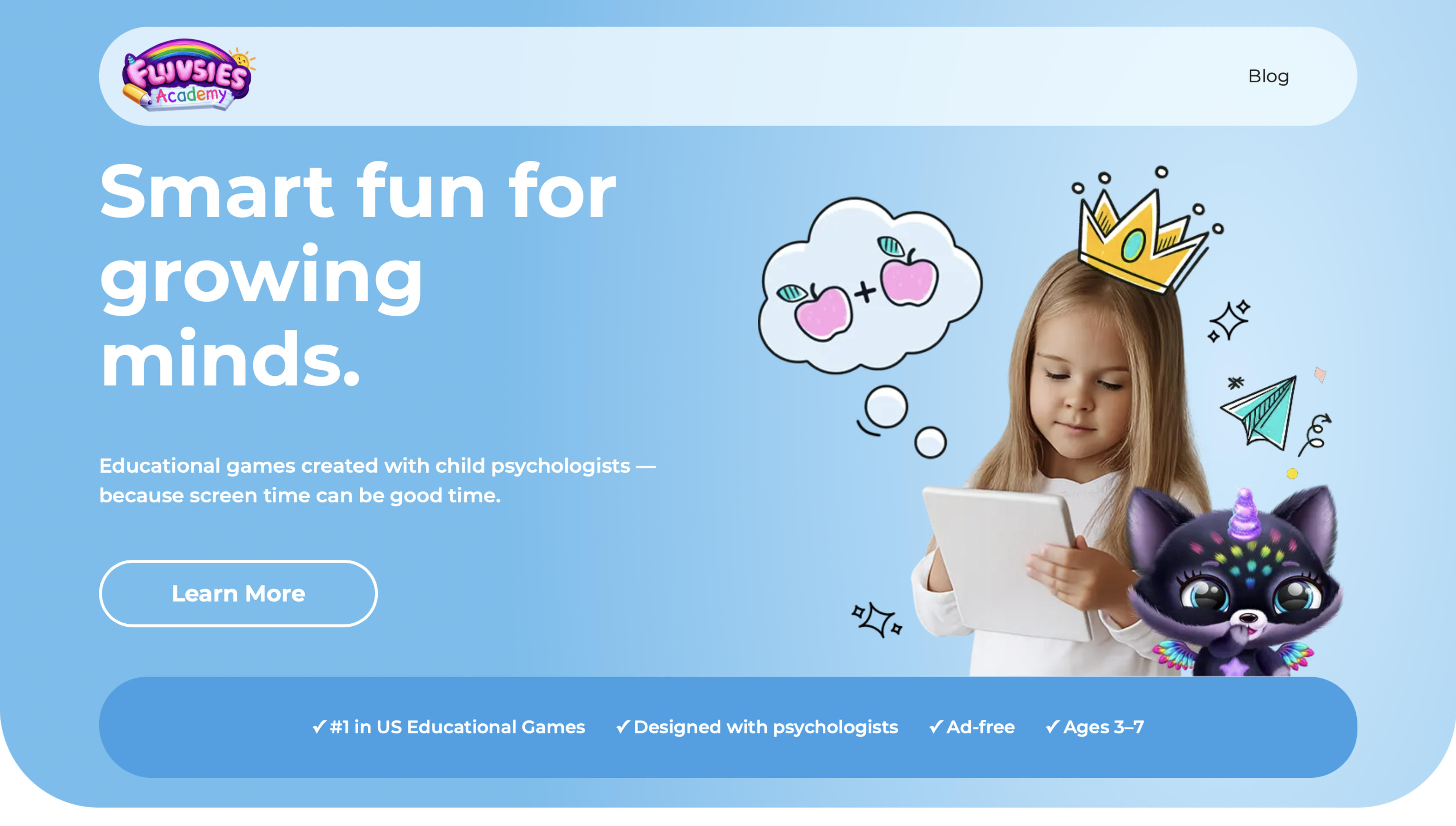
Fluvsies Academy delivers expert-designed educational games for kids ages 3 to 7. Created with child psychologists, it turns screen time into guided play that builds language, math, logic, attention, sorting, and life skills. The app stays 100 percent ad-free and age-appropriate. Children explore language and phonics through fun stories. Number games grow counting confidence. Logic and attention activities sharpen focus. Sorting builds comparison skills. Life skills and creativity come alive through real routines and profession exploration such as baker, firefighter, or astronaut.
Two learning modes support balanced growth. Active play engages problem-solving and reasoning. Gentler stories introduce jobs and vocabulary in a calm way. Progress reports show clear development. Free printables extend the fun offline. Parents appreciate the safe design and the way kids learn without feeling like school. This holistic approach prepares preschoolers for classroom success by building the foundations teachers value. Kids gain confidence, curiosity, and healthy habits while playing with bright characters they love.
Discover Fluvsies Academy
Fluvsies Academy is a leading educational app designed for children aged 3–7. It transforms screen time into meaningful learning through fun, interactive games. Developed in collaboration with child psychologists, the app focuses on holistic development.
Key Features
- Ad-free environment for safe play.
- Games covering language, phonics, math, and logic.
- Activities for attention, sorting, and creativity.
- Real-world life skills like healthy habits and mindfulness.
- Exploration of professions to build vocabulary and imagination.
Educational Approach
Fluvsies Academy emphasizes guided play that balances focus, empathy, and emotional safety. It's the first holistic learning app for kids, ranked #1 educational game in the US. Progress reports help track your child's growth. Free printables extend learning beyond the screen.
Benefits for Families
Parents gain peace of mind with expert-backed games. Kids build confidence, skills, and a love for learning. Ideal for preschoolers seeking joyful education.
Support school success with Fluvsies Academy’s educational games made for growing minds.
FAQ
What skills do top apps for kids' learning build for school success?
Top apps for kids' learning support school success by strengthening language foundations through phonics and vocabulary practice in interactive stories. They also build early math confidence with counting, matching and comparison activities that mirror classroom tasks. Focus improves through logic and sorting challenges that train attention to details. Life skills practice adds independence by working on everyday routines, while creative play expands curiosity. Together these areas help children enter school ready to follow directions, solve simple problems and join group learning with support from brain games for kids.
How can parents know if an app truly supports learning?
Parents can look for apps designed with child development experts that offer active engagement instead of passive watching. Progressive challenges that grow with the child, clear feedback that explains why an answer works, and strong links to real-life situations show true educational value. Ad-free design and age-appropriate pacing keep attention on the activity without frustration. Progress insights and balanced coverage of language, numbers, attention and daily skills further confirm readiness for school routines. When new skills appear naturally in conversations or home tasks, the learning has transferred successfully through tools like those in the educational games app.
Are short play sessions enough to help with school readiness?
Yes, short play sessions work well because young children learn best through brief, focused practice that matches their attention spans. Consistent use of quality learning apps builds skills through repetition in language, math and logic without causing overload. These sessions pair effectively with books, outdoor play and family talk so the digital practice reinforces real experiences. Children often apply what they practice, such as sorting or counting, during daily moments. This combination creates steady progress toward the independence and focus teachers expect in early grades with help from learning apps for kids.
Why choose a psychologist-designed app over general educational games?
Psychologist-designed apps follow how preschool brains grow through active, meaningful play rather than relying on flashy rewards or simple drills. They shape pacing, emotional safety and feedback so children stay engaged without frustration while building deeper understanding. Activities connect directly to real life, helping skills transfer to routines and conversations at home and school. Balanced coverage of language, math, logic, sorting and life skills supports the whole child instead of isolated academics. This thoughtful approach prepares children more effectively for classroom expectations and everyday independence, as shown in SEL games for kids.
How do language, math and life skills activities work together for school success?
Language activities introduce letter sounds and new words through stories that prepare children for reading groups and following instructions. Math and logic games develop number sense, pattern recognition and problem-solving that support early classroom lessons. Life skills practice builds independence through routines like sorting or helping with simple tasks that ease daily school transitions. When these areas combine in one experience, children develop focus, confidence and curiosity at the same time. The result is stronger readiness for the full range of demands they meet in preschool and early elementary settings with support from problem solving games for kids.
Read Also
- Best Phonics Games for Preschoolers
- Best Math Learning App for Kids
- Best Logic Puzzles for Kids
- Best Life Skills Games for Kids
- Best Educational Games App
Give your child screen time that builds real school-ready skills at Fluvsies Academy.