

Best Phonics Games for Preschoolers 2026






Finding the right tools to help your preschooler learn phonics can feel overwhelming with all the choices available. The best phonics games for preschoolers combine fun with effective learning to build a solid foundation in letter sounds and early reading. These games turn screen time into meaningful moments where kids explore sounds and words while developing other skills like logic and creativity.
Many top-rated educational games blend phonics with play to support early literacy development. These educational fun games often appear within each educational games app, including options recognized among the best educational games for kids app, as well as a wider range of educational games for children designed to build foundational reading skills.
Discover the Best Phonics Games for Preschoolers 2026 - Fluvsies Academy
Why Phonics Games Matter for Preschoolers

Phonics games introduce letter sounds in ways that feel natural and exciting for young children. They help kids connect what they hear with what they see on the page, which lays the groundwork for reading success later on. Many preschoolers stay motivated longer when learning happens through play rather than drills. These activities also support attention and memory as children match sounds, blend simple words, and recognize patterns. The best phonics games for preschoolers stand out when they fit a child's age and interests while offering clear progress.
What Makes a Great Phonics Game for Young Children
A strong phonics game keeps things simple yet effective for preschool attention spans. It uses bright visuals, clear audio, and short rounds that encourage repetition without boredom. Games that mix movement, storytelling, or creative elements work especially well because they engage multiple senses. Parents look for options that feel safe and free from distractions so focus stays on learning. The top phonics games also adapt to each child, offering gentle guidance and plenty of encouragement along the way.
Best Phonics Games for Preschoolers 2026
1. Fluvsies Academy - Best Phonics Games for Preschoolers
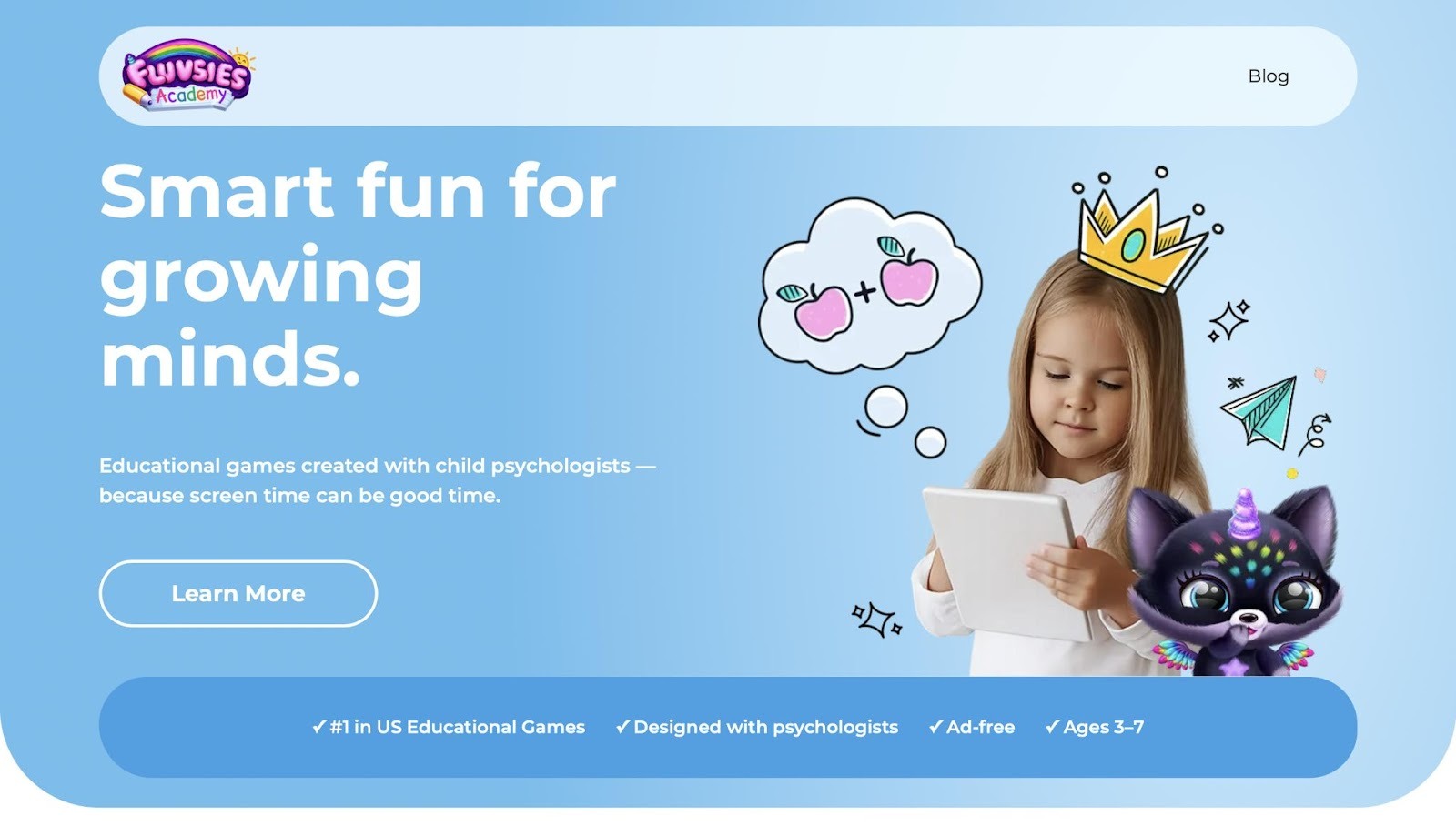
Fluvsies Academy brings phonics to life through a variety of interactive games in its dedicated language category. Designed with input from child psychologists, the app creates a safe, ad-free environment where preschoolers can explore letter sounds, blending, and early reading in a way that feels like pure play.
Kids ages 3 to 7 enjoy guided activities that build confidence while developing language skills alongside logic, math, and life skills. The holistic approach includes mindfulness and healthy habits to support overall growth. Parents appreciate the progress reports that show how their child is advancing in a gentle, encouraging way.
This platform stands out for its focus on making every session meaningful and fun. Standout features include an ad-free experience across devices, language and phonics games that make learning engaging, facts and information about psychologist-designed content tailored for ages 3 to 7, and progress reports that highlight each child's unique journey.
Discover Fluvsies Academy
Fluvsies Academy is a leading educational app designed for children aged 3–7. It transforms screen time into meaningful learning through fun, interactive games. Developed in collaboration with child psychologists, the app focuses on holistic development.
Key Features
- Ad-free environment for safe play.
- Games covering language, phonics, math, and logic.
- Activities for attention, sorting, and creativity.
- Real-world life skills like healthy habits and mindfulness.
- Exploration of professions to build vocabulary and imagination.
Educational Approach
Fluvsies Academy emphasizes guided play that balances focus, empathy, and emotional safety. It's the first holistic learning app for kids, ranked #1 educational game in the US. Progress reports help track your child's growth. Free printables extend learning beyond the screen.
Benefits for Families
Parents gain peace of mind with expert-backed games.
Kids build confidence, skills, and a love for learning. Ideal for preschoolers seeking joyful education.
Discover why so many parents choose Fluvsies Academy for their child's phonics learning journey.
2. Tuto Club
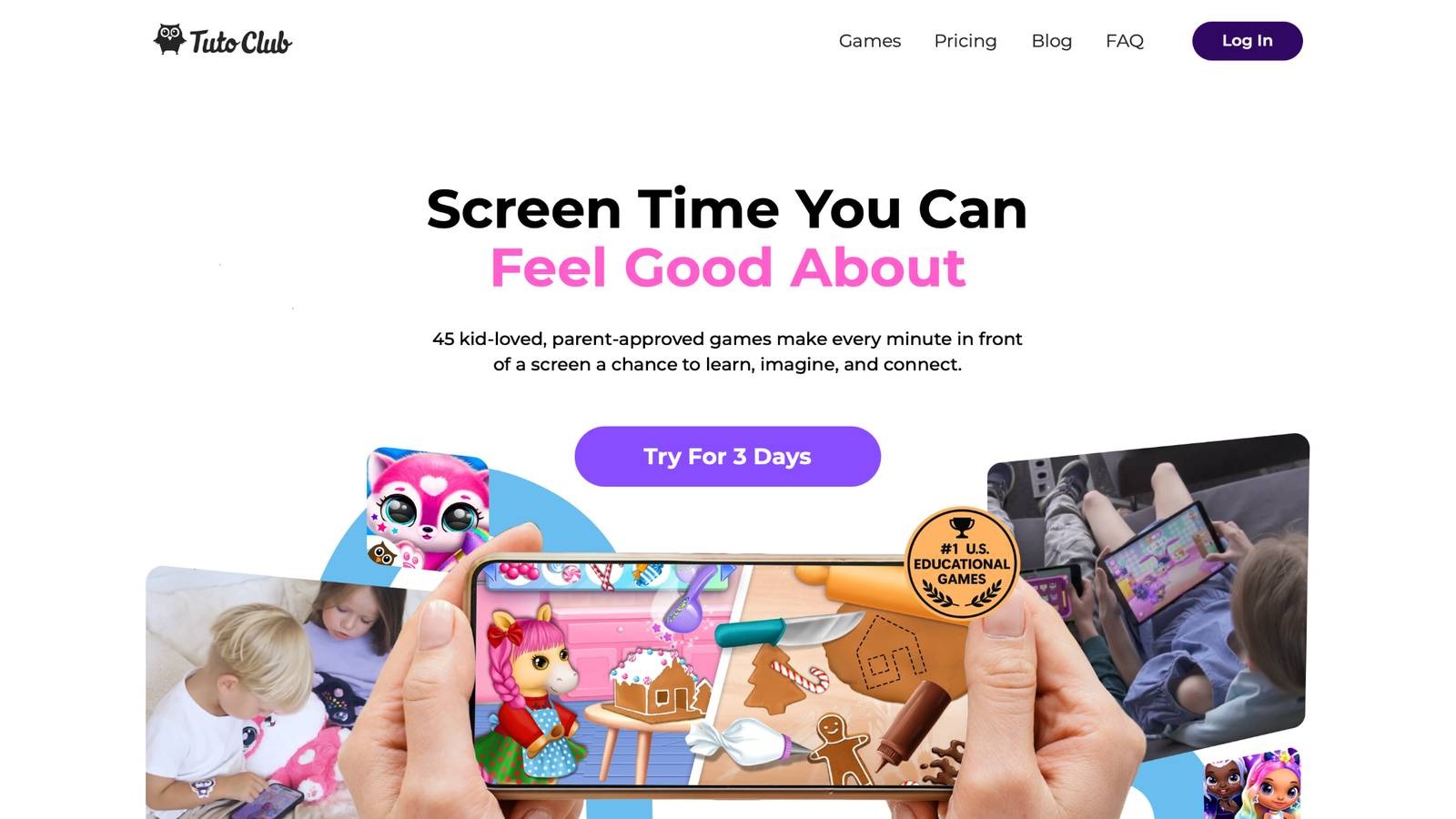
Tuto Club delivers an engaging subscription platform filled with over 45 ad-free educational games from TutoTOONS that help preschoolers build early language skills through creative play and discovery. Kids ages 3 to 7 explore vibrant worlds where they care for pets, design outfits, solve gentle puzzles, and join storytelling adventures that naturally introduce sounds, words, and simple communication. The games encourage children to name objects, describe actions, and express ideas in a safe, family-friendly space that feels like pure fun rather than structured lessons.
Parents notice how the open-ended format sparks imagination while supporting focus, empathy, and social skills alongside emerging literacy. The ad-free experience keeps distractions away so young learners stay immersed in activities that grow vocabulary and confidence with every session. Offline play means the learning continues anywhere on phones or tablets without interruptions. Regular updates bring fresh content that keeps the excitement alive and adapts to different interests. Tuto Club stands out by turning everyday screen time into meaningful moments of growth where phonics elements emerge naturally through play.
• Key features include unlimited access to full game content with no in-app purchases, a completely ad-free and family-friendly environment, activities that foster creativity, communication, and problem-solving through pet care and design challenges, and offline capabilities for on-the-go adventures.
• Facts and Information include a research-backed approach that nurtures emotional and social development alongside early language exploration, thousands of parents reporting improved focus and self-expression in young children, and a curated selection of games designed specifically to celebrate childhood imagination and discovery.
3. Hooked on Phonics
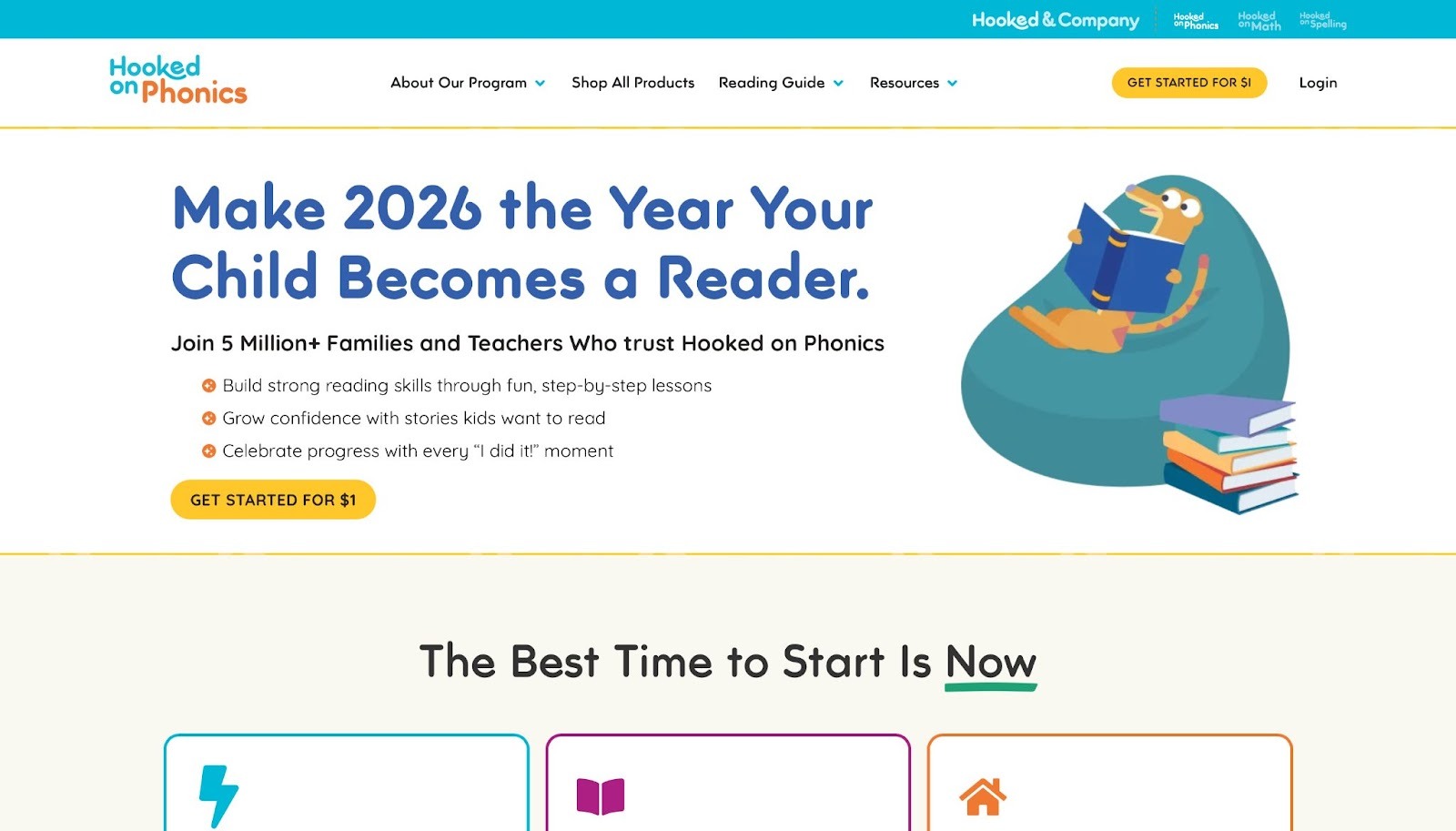
Hooked on Phonics brings a trusted step-by-step system to preschoolers that guides them from basic letter sounds to simple word building through lively songs, videos, and interactive practice. The program mixes multisensory elements that keep sessions short and rewarding for ages 3 to 8. Children follow clear paths matched to their pace, gaining steady confidence with each success. Catchy songs help sounds stick while games reinforce blending and recognition in ways that feel playful. The structured yet gentle format supports different learning styles and prevents overwhelm.
Parents appreciate the consistent progress that builds a strong foundation for reading without pressure. The combination of digital activities and printable resources extends learning beyond the screen. Hooked on Phonics has helped generations of children develop solid phonics skills that carry into school success. The engaging characters and positive reinforcement make every lesson an adventure in discovery. Families often see quick wins that motivate kids to keep exploring sounds and words on their own.
• Key features include catchy songs and short videos for sound practice, interactive activities that build from letters to simple words, multisensory lessons with videos, workbooks, and stories, and a systematic sequence designed for ages 3 to 8 that strengthens foundational literacy skills.
• Facts and Information include alignment with science-of-reading research emphasizing explicit phonics instruction, progressive levels spanning Pre-K through 2nd grade, and proven success stories from millions of families who report confident early readers.
4. ABCmouse
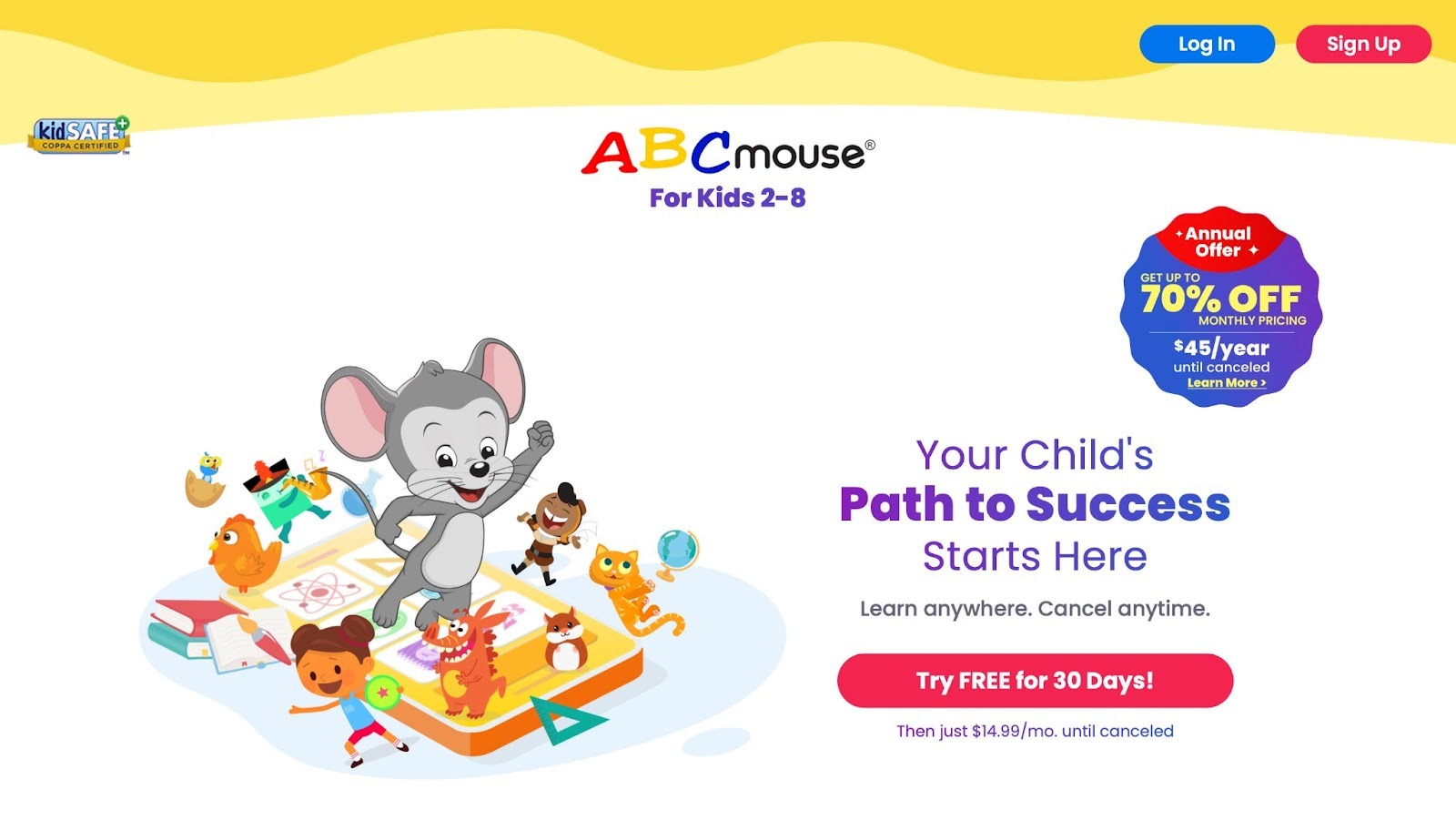
ABCmouse offers a full early learning curriculum with phonics games woven throughout thousands of activities tailored for preschoolers. Children enjoy matching games, songs, puzzles, and animated stories that reinforce letter sounds and early blending in a colorful, reward-filled world. The platform covers a wide range of skills so phonics feels like a natural part of daily play rather than isolated drills. Bright animations and motivational tickets keep young users excited and returning often. The step-by-step learning path adapts to each child's progress while providing gentle guidance.
Parents value the comprehensive approach that builds steady literacy foundations alongside math, science, and social skills. Over 10,000 individual learning activities ensure there is always something new to explore. ABCmouse creates an encouraging environment where preschoolers gain confidence with every completed lesson. The program supports independent exploration while offering enough structure for meaningful growth. Families see real progress in sound recognition and word awareness through consistent use.
• Key features include interactive memory matches and sound recognition games, original songs and videos that teach pronunciation, hundreds of guided lessons with alphabet games and spelling practice, and a comprehensive program for ages 2 to 8 that combines phonics with broader early learning topics.
• Facts and Information include evidence-based design developed by education experts, more than 10,000 activities across 10 levels, and strong results in building foundational reading skills for preschool children.
5. Reading Eggs
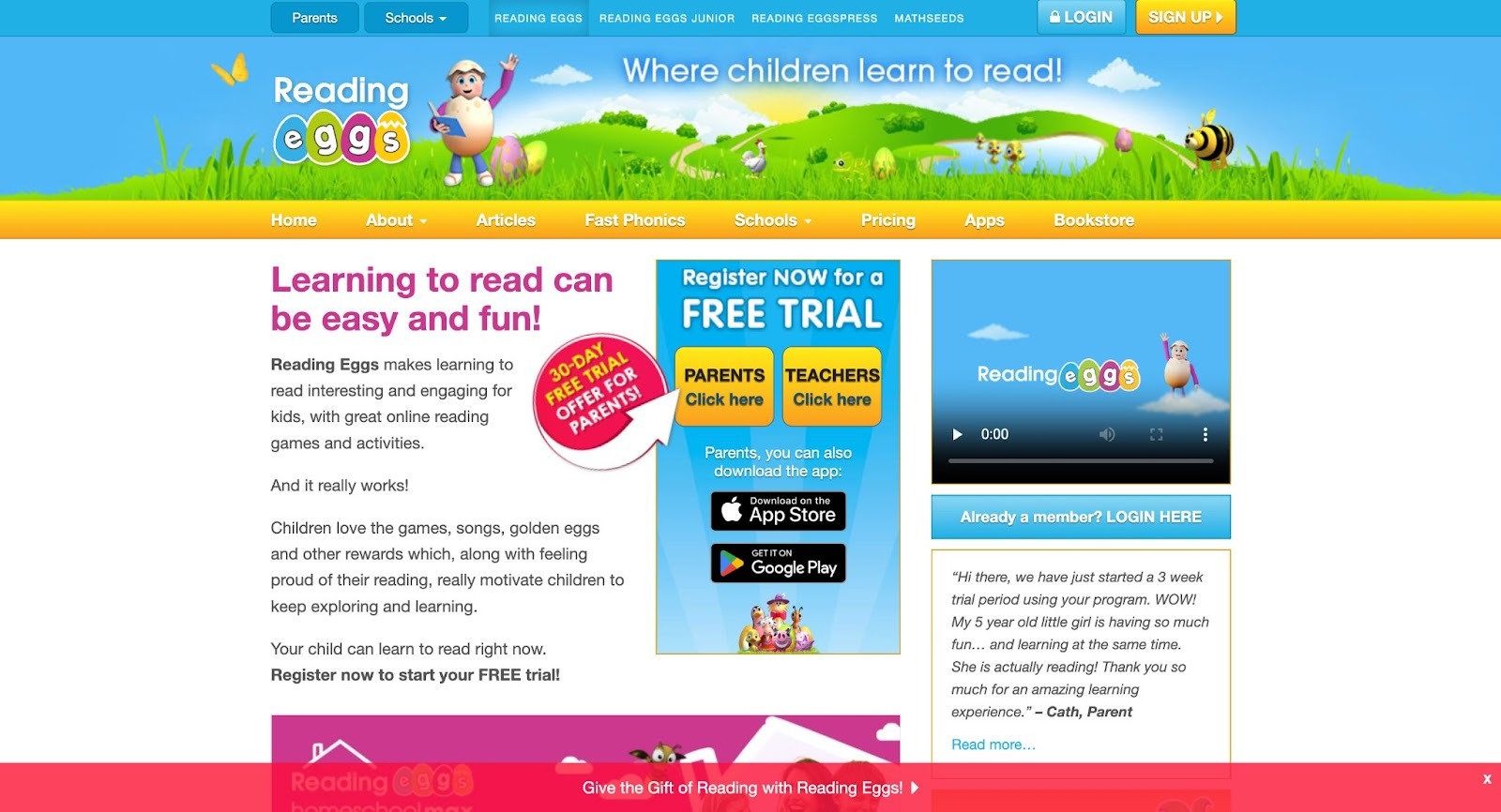
Reading Eggs turns phonics practice into an exciting adventure with animated stories, games, and challenges that captivate preschoolers. Kids practice letter sounds and word families through interactive lessons that adapt to their responses and offer extra support where needed. Colorful graphics and encouraging characters create a friendly atmosphere that makes learning feel like play. The program pairs phonics with sight words and basic comprehension to give children a well-rounded start.
Parents often report steady gains in confidence and reading readiness after regular sessions. Short, focused activities fit perfectly into busy days while building essential skills. Reading Eggs motivates children to keep exploring by celebrating small achievements along the way. The balanced approach helps preschoolers connect sounds to meaning in context. Families appreciate how the program grows with the child from early letter recognition to more advanced blending. The engaging format keeps motivation high even for reluctant learners.
• Key features include interactive stories that highlight sound patterns, games focused on blending and recognition, adaptive lessons that personalize the pace, and a balanced approach that pairs phonics with sight words and comprehension for early readers.
• Facts and Information include use by millions of children worldwide with positive parent feedback on phonics gains, structured progression for ages 2 to 7, and proven engagement through fun videos and activities.
6. Starfall
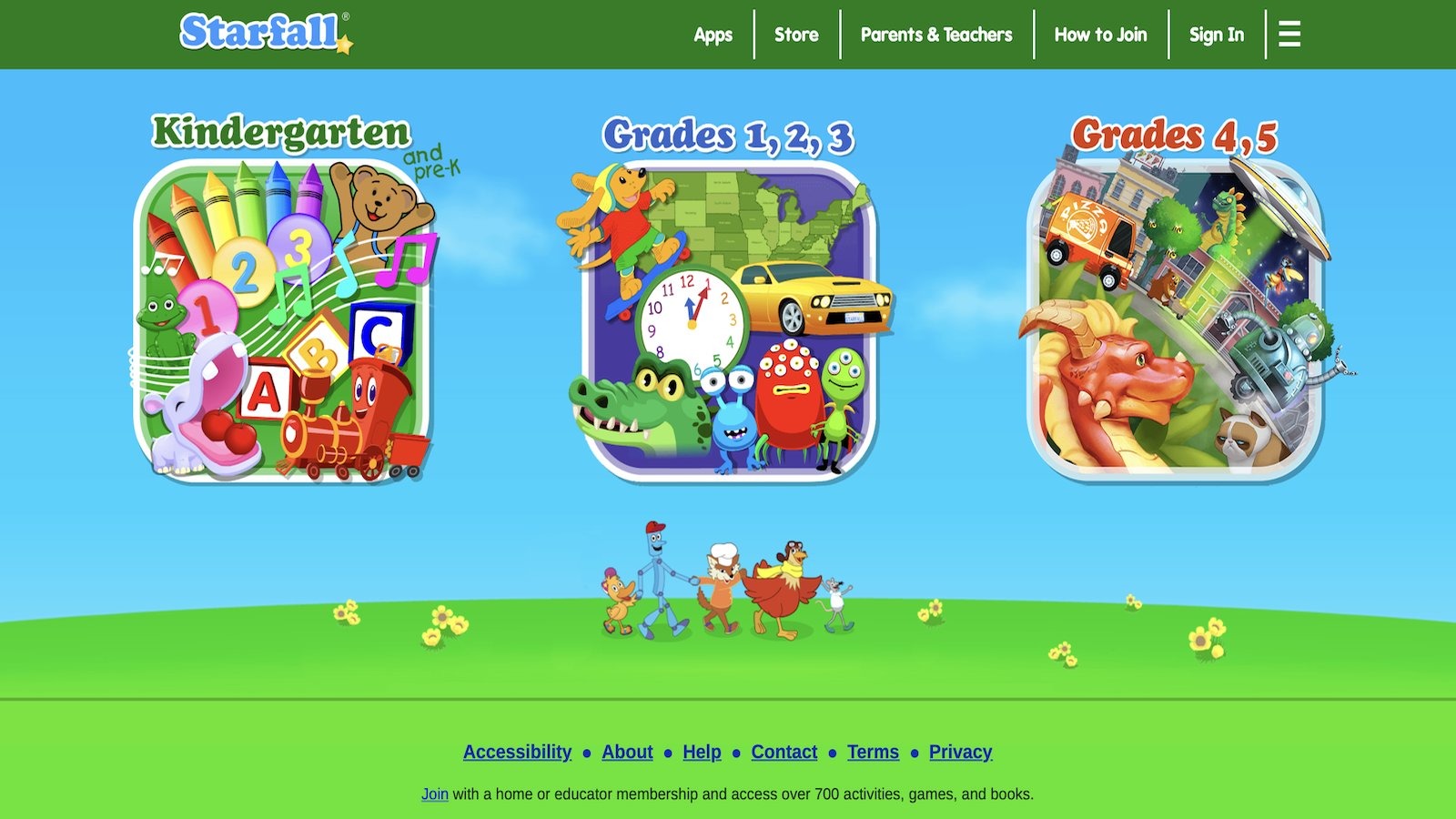
Starfall provides straightforward phonics activities that emphasize letter-sound connections through simple animations, games, and books. Preschoolers explore sounds at their own speed in a calm interface that reduces pressure and builds success quickly. The nonprofit platform offers free core content with clear visuals and repetition that help concepts stick. Children practice blending and recognition through interactive movies and songs that make learning memorable.
Starfall supports consistent daily practice without overwhelming young minds. Parents like the teacher-backed method that aligns well with classroom instruction. The self-paced format lets kids return to their favorite sections and feel accomplished. Starfall creates a positive first experience with reading that many children carry forward into school. The clean design keeps focus on essential skills like consonant-vowel-consonant words. Families often combine it with other activities for a complete early literacy routine.
• Key features include animated songs and interactive books for sound practice, self-paced activities that reduce pressure, chunking words and blending practice in simple games, and a teacher-backed method that works well for early learners building foundational reading skills.
• Facts and Information include research-based systematic phonics starting with CVC words, nonprofit status supported by member contributions, and strong emphasis on exploration and positive reinforcement.
7. Homer
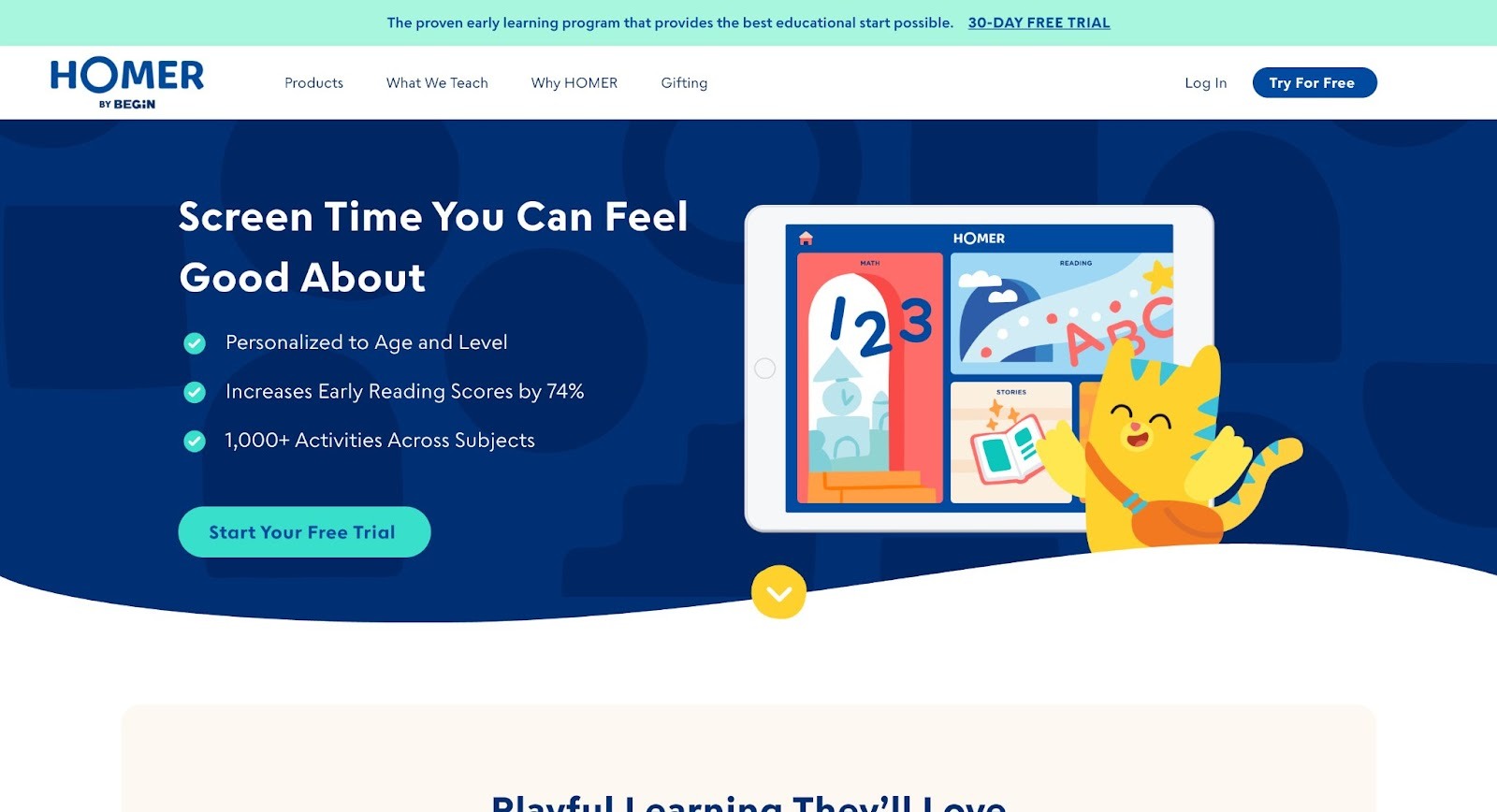
Homer combines personalized learning paths with phonics-focused games and creative tools that preschoolers love. Children trace letters, match sounds, and build words inside engaging stories tailored to their interests. The app adjusts difficulty based on performance so each child stays challenged yet supported. Drawing and storytelling elements add extra layers of fun to the literacy journey. Homer blends phonics with vocabulary, math, and emotional skills for well-rounded growth.
Parents appreciate the gentle guidance that grows naturally with the child. The program encourages a love of reading by connecting skills to real-life interests. Short activities fit busy schedules while building confidence over time. Homer stands out for its research-driven design that adapts to different learning styles. Families notice increased excitement about words and letters after consistent use. The safe, ad-free environment keeps the focus on positive development.
• Key features include tracing and matching activities for letter sounds, personalized learning tracks based on child interests, interactive stories and creative tools, and a well-rounded program that blends phonics with creativity and reading practice for young children.
• Facts and Information include proven 74 percent boost in early reading scores from research, coverage for ages 2 to 8 across multiple skill areas, and award-winning design recognized for engaging young learners.
8. PBS Kids Games
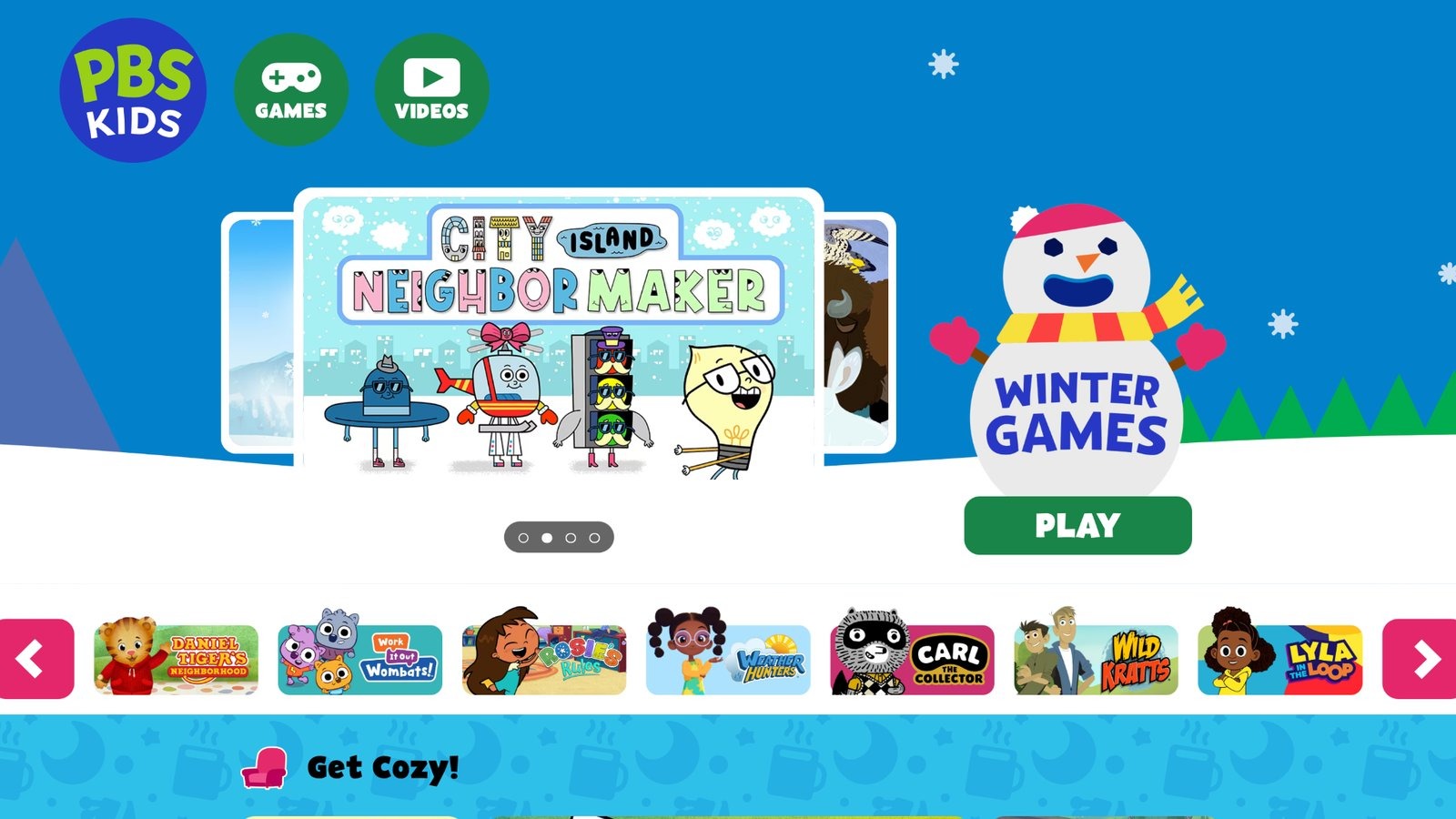
PBS Kids Games bring beloved characters into phonics practice through short, themed activities that preschoolers find familiar and exciting. Children play matching games and sound hunts featuring friends from their favorite shows. The free access and simple controls make it easy to fit into any routine. Bright, friendly designs keep attention high while reinforcing essential letter sounds and blending. Parents like the trusted educational focus backed by public broadcasting standards.
The quick challenges provide perfect bite-sized practice without requiring long sessions. PBS Kids Games create positive associations with learning through characters kids already love. The collection supports early literacy in a way that feels like entertainment. Families often use these games as daily boosters that build on classroom lessons. The ad-free environment ensures focus stays on skill development.
• Key features include character-driven sound matching and word games, quick interactive challenges, themed activities tied to popular PBS shows, and a collection designed to support early literacy through familiar and engaging formats.
• Facts and Information include alignment with educational standards for preschool learning, broad availability across devices with no cost for core content, and strong parent approval for combining fun with foundational skill building.
9. Lingokids
Lingokids mixes phonics with broader language exposure in colorful games and songs that preschoolers enjoy. Children explore sounds while learning related vocabulary in meaningful contexts through interactive stories and challenges. The adaptive system offers the right amount of support and challenge at every step. Engaging characters and themes make every round feel special and motivating. Lingokids supports preschool language development by connecting phonics to everyday communication skills.
Parents see improved interest in words and sounds over time. The platform covers reading, writing, and speaking confidence in one safe space. Short, on-demand activities fit perfectly into busy family schedules. Lingokids creates a joyful environment where learning feels natural and exciting. The comprehensive approach helps children build a strong foundation for future reading success.
• Key features include phonics-driven games paired with vocabulary building, interactive stories and songs for sound practice, adaptive lessons that grow with the child, and a program that supports preschool language development through playful, age-appropriate activities.
• Facts and Information include recognition as a top learning app for ages 2 to 8, focus on making learning fun so kids ask for more time, and coverage of multiple subjects including literacy and phonics.
10. Teach Your Monster to Read
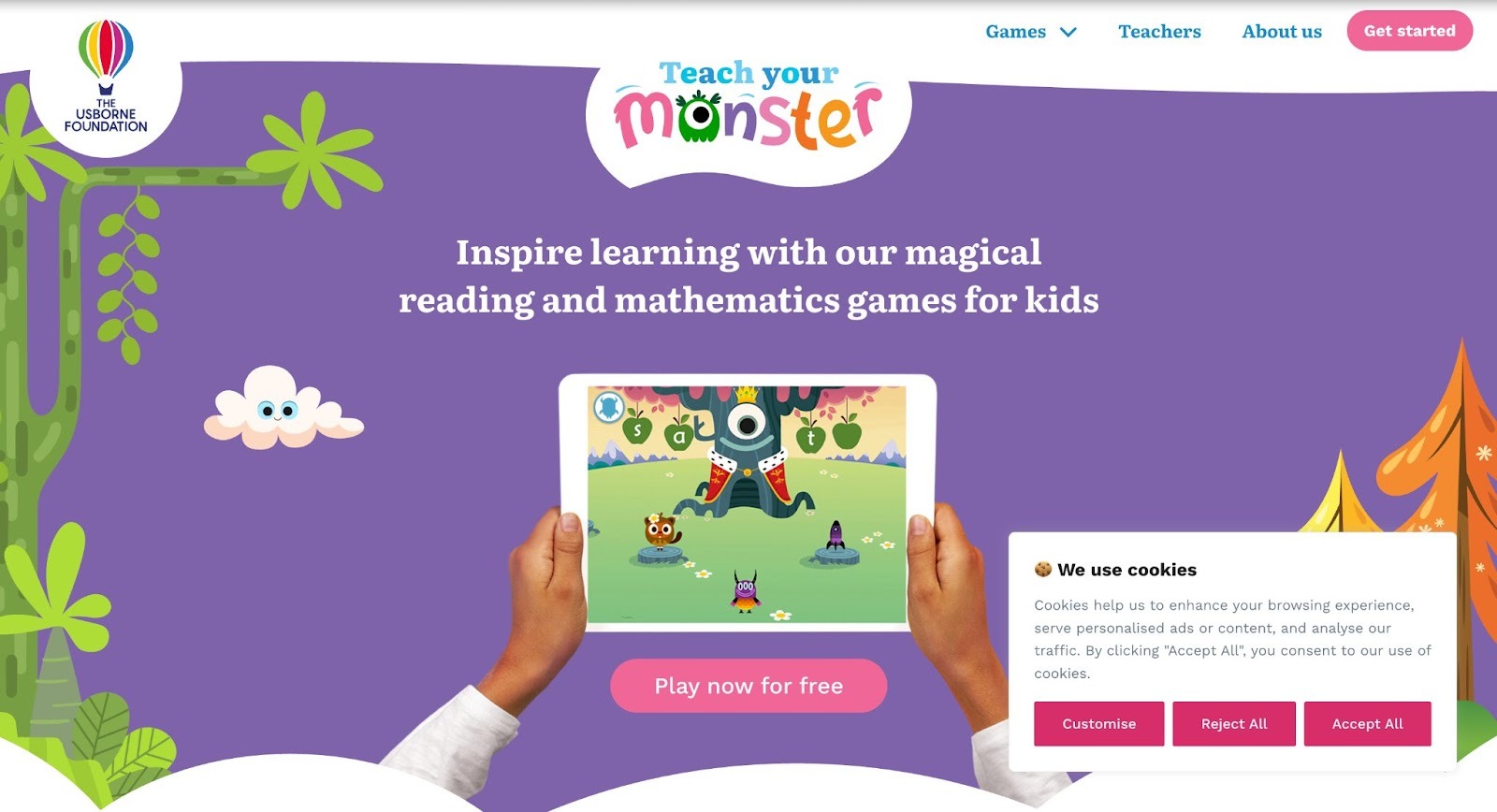
Teach Your Monster to Read guides preschoolers through phonics via a friendly monster adventure full of quests and stories. Kids complete fun tasks that practice sounds and simple words in an exciting game world. The story-driven format turns practice into an engaging journey that keeps motivation strong. Clear instructions and rewards celebrate every success along the way. Teach Your Monster to Read complements school phonics programs with its curriculum-aligned approach.
Children build confidence as they progress through matching letters, blending sounds, and reading little books. The customizable monster adds a personal touch that kids adore. Parents appreciate the balance of structure and fun that makes learning feel like play. The free laptop and computer version makes it accessible for families. The program supports steady skill growth without pressure.
• Key features include quest-based sound and word practice, customizable monster elements for personalization, three games covering the first two years of reading, and an adventure-style program that helps young children master phonics through engaging storytelling.
• Facts and Information include design in collaboration with leading academics from Roehampton University, curriculum alignment with school phonics programs, and complete free access on laptops and computers.
11. Lalilo
Lalilo provides targeted literacy practice with a strong phonics focus that adapts intelligently to each preschooler's needs. The app covers every letter sound and word family through interactive exercises and short stories. Artificial intelligence tracks progress and repeats concepts until mastery. Children enjoy games that build from basic recognition to blending and reading simple texts. Lalilo keeps sessions engaging with positive feedback and varied activities.
The K-2 scope and sequence aligns well with early learning goals. Parents value the detailed insights into their child's growth. The free core version makes it easy to start while premium options unlock more content. Lalilo creates a supportive environment where preschoolers gain confidence in their reading skills. The clean design minimizes distractions so focus stays on learning.
• Key features include extensive coverage of letter sounds and word families, AI-driven personalized exercises, interactive stories for practice, and a structured scope and sequence for K-2 literacy skills.
• Facts and Information include strong emphasis on systematic phonics with progress tracking, positive results reported by teachers and parents for beginning readers, and availability of both free and paid options.
12. Phonics Bloom
Phonics Bloom delivers focused online games that target sound recognition and blending for preschoolers. Children work through simple interfaces with immediate feedback that builds confidence quickly. The variety of activities covers different skill levels within early phonics stages. Repetition in enjoyable formats helps skills become automatic. Phonics Bloom serves as an excellent daily booster for letter sounds and word building.
The platform keeps things straightforward so young users can navigate independently. Parents like the direct approach that strengthens core phonics foundations without extra distractions. Games include matching, sorting, and simple reading challenges. The collection grows skills steadily through consistent short practice. Phonics Bloom complements other learning tools perfectly for a complete early literacy routine.
• Key features include focused exercises on individual sounds and blends, easy navigation designed for young users, variety of interactive matching and sorting games, and a platform built specifically to strengthen phonics foundations through play.
• Facts and Information include targeted practice for preschool sound recognition, clear progression that supports steady skill development, and positive feedback from families using it as a daily phonics supplement.
13. Kiz Phonics
Kiz Phonics offers leveled games that guide preschoolers from basic letter recognition to sound blending and simple word reading. The interactive format keeps sessions short and rewarding with visual and audio cues that make connections clear. Children practice at a comfortable pace while building steady confidence. Kiz Phonics structures progression to match early learning needs without overwhelming young minds.
The collection includes matching activities, sound hunts, and basic blending challenges. Parents value the clear focus on core phonics elements that align with classroom instruction. The platform supports consistent daily practice that leads to noticeable growth. Kiz Phonics creates success-oriented experiences that motivate children to keep exploring. Families often use it alongside books and other activities for well-rounded development.
• Key features include preschool-specific sound games and matching activities, step-by-step practice paths with clear feedback, visual and audio support for letter-sound connections, and a collection tailored for early grades that builds confidence through consistent repetition.
• Facts and Information include leveled approach suitable for ages 3 to 6, strong emphasis on foundational blending skills, and effective support for steady literacy progress in young learners.
14. Endless Alphabet
Endless Alphabet brings playful letter exploration to preschoolers through charming monster animations and interactive puzzles. Children drag letters into place while hearing sounds and seeing delightful animations that illustrate each word. The app covers hundreds of vocabulary words with a focus on phonetic awareness and letter recognition. Endless Alphabet makes sound practice feel like a game rather than work.
The whimsical characters keep kids laughing and engaged during every session. Parents appreciate how the app builds both phonics and vocabulary simultaneously. The simple touch controls work well for little fingers. Endless Alphabet encourages repeated play that reinforces learning through fun repetition. The colorful design creates a joyful introduction to letters and sounds. Families often see increased interest in words after regular use.
• Key features include interactive letter dragging with phonetic feedback, charming monster animations for each word, coverage of hundreds of vocabulary words, and a playful approach that builds letter recognition and sound awareness.
• Facts and Information include strong emphasis on early vocabulary paired with phonics, high engagement through delightful animations, and proven appeal for preschoolers developing foundational literacy skills.
15. Khan Academy Kids
Khan Academy Kids offers a free comprehensive early learning app with phonics activities integrated into broader skill-building lessons. Preschoolers enjoy books, games, and videos that teach letter sounds and blending alongside math and social-emotional topics. The personalized dashboard adapts to each child's progress and interests. Khan Academy Kids creates a safe, ad-free space where learning feels natural and supportive.
Children build confidence through short, rewarding activities that celebrate every achievement. Parents value the research-based content from a trusted nonprofit organization. The app includes offline capabilities and progress reports for easy tracking. Khan Academy Kids supports well-rounded development while strengthening phonics foundations. The engaging format keeps preschoolers motivated to explore sounds and words daily. Families appreciate the high-quality resources available at no cost.
• Key features include integrated phonics games within a full curriculum, personalized learning dashboard, books, videos, and interactive activities, and offline access with progress tracking for ages 2 to 8.
• Facts and Information include nonprofit design backed by educational research, completely free access with no ads, and strong focus on building confidence through positive, adaptive learning experiences.
Benefits of Regular Phonics Play
Regular phonics games strengthen the connection between letters and sounds that many children need for smooth reading progress. They build focus and memory while encouraging a love of words and stories. Kids who play often show greater confidence when trying new books or activities. The gentle repetition in game format helps concepts settle without feeling like work. Over time these experiences support broader language growth and school readiness.
Tips for Parents to Maximize Phonics Learning
Simple routines make phonics games even more effective. Set aside short daily sessions when your child feels rested and happy. Talk about the sounds you hear together after each round to reinforce what was practiced. Mix digital kids games with hands-on activities like drawing letters in sand or finding objects that start with the same sound. Celebrate small wins to keep enthusiasm high. Adjust the pace to match your child's energy and interest.
Comparing Key Aspects of Phonics Games
Aspect | What It Supports | Why It Helps Preschoolers |
| Letter sound matching | Recognition of individual sounds | Builds clear connections quickly |
| Blending practice | Putting sounds together | Prepares for simple word reading |
| Story integration | Context for sounds in use | Makes learning feel meaningful |
| Adaptive difficulty | Personalized pace | Keeps every child engaged |
| Multi-skill activities | Language plus logic or creativity | Supports overall development |
These elements work together in strong programs to create balanced growth.
FAQ
How early should preschoolers start phonics games?
Many preschoolers show natural curiosity about letters and sounds as young as three years old. Gentle exposure at this stage helps them build familiarity in a playful setting before more structured lessons begin. Phonics games make the introduction smooth by using songs and visuals that match a child’s attention span and energy levels.
Can phonics games replace traditional reading lessons?
Phonics games work best as a valuable support tool alongside shared reading experiences with parents. They offer interactive repetition that reinforces sound patterns in ways that feel different from holding a physical book. This combination provides children with multiple pathways to understand how letters and sounds connect to form meaningful words.
What should parents look for in phonics games?
The best phonics games include clear audio that models proper pronunciation along with simple controls designed for young hands. Visual feedback helps children see the connection between letters and sounds without feeling overwhelmed. Options developed with attention to child development principles tend to hold interest longer while keeping the experience safe and focused.
How do I know if my child is making progress with phonics games?
Children often start noticing and pointing out familiar sounds during daily routines after consistent play. They may show more confidence when attempting to identify starting sounds in words or names. Greater willingness to engage with letters and sounds during other activities signals that foundational understanding is growing stronger.
How do phonics games support broader language development?
Phonics games help children grasp how individual sounds combine to create spoken and written language. They encourage active listening skills and imitation that build stronger communication abilities overall. Many activities naturally introduce new vocabulary in meaningful contexts that expand a child’s expressive language over time when paired with language and phonics games.
Read Also:
- Best Educational Games 2026
- Best Educational App for Kids 2026
- Best Educational Computer Games 2026
- Best Kids Learning App 2026
- Best Online Math Learning App for Kids 2026
Discover the Best Phonics Games for Preschoolers 2026 - Fluvsies Academy