

Best Educational Games 2026






Finding quality options among the best educational games 2026 can guide parents toward tools that turn screen time into growth opportunities. Kids benefit from activities that mix fun with real skills like problem-solving and empathy. Variations such as top learning games for preschoolers or interactive educational apps provide choices for different ages.
Families exploring the best educational games 2026 often compare the best educational games online and the best interactive educational games to find experiences that blend engagement with real skill development. Lists featuring the best top rated educational games, alongside the best educational fun games and leading best educational games app options, highlight digital tools that support creativity, focus, and age-appropriate learning.
Discover the Best Educational Games 2026 - Fluvsies Academy
Why Educational Games Matter in 2026

Educational games help children build core skills through play. Many kids gain better focus and creativity from these tools. Parents notice improvements in areas like math and reading when games align with daily routines. Some games teach life lessons, such as healthy habits or teamwork. This approach fits busy families, making learning part of fun time. The best interactive educational games 2026 highlight how tech supports growth. Kids stay engaged longer with stories and challenges that feel like adventures.
How to Pick the Right Educational Game for Your Child
- Choose games that match your child's age and interests.
- Look for ad-free options to keep focus sharp.
- Check if the game covers subjects like logic or language.
- Parent reviews help spot reliable choices.
- Games with progress tracking let you see skill gains.
- Prioritize those made with expert input for safety.
- The best educational games online 2026 can give you options.
- Balance screen time with other activities for well-rounded development.
Best Educational Games 2026
1. Fluvsies Academy - Best Educational Game for Young Learners
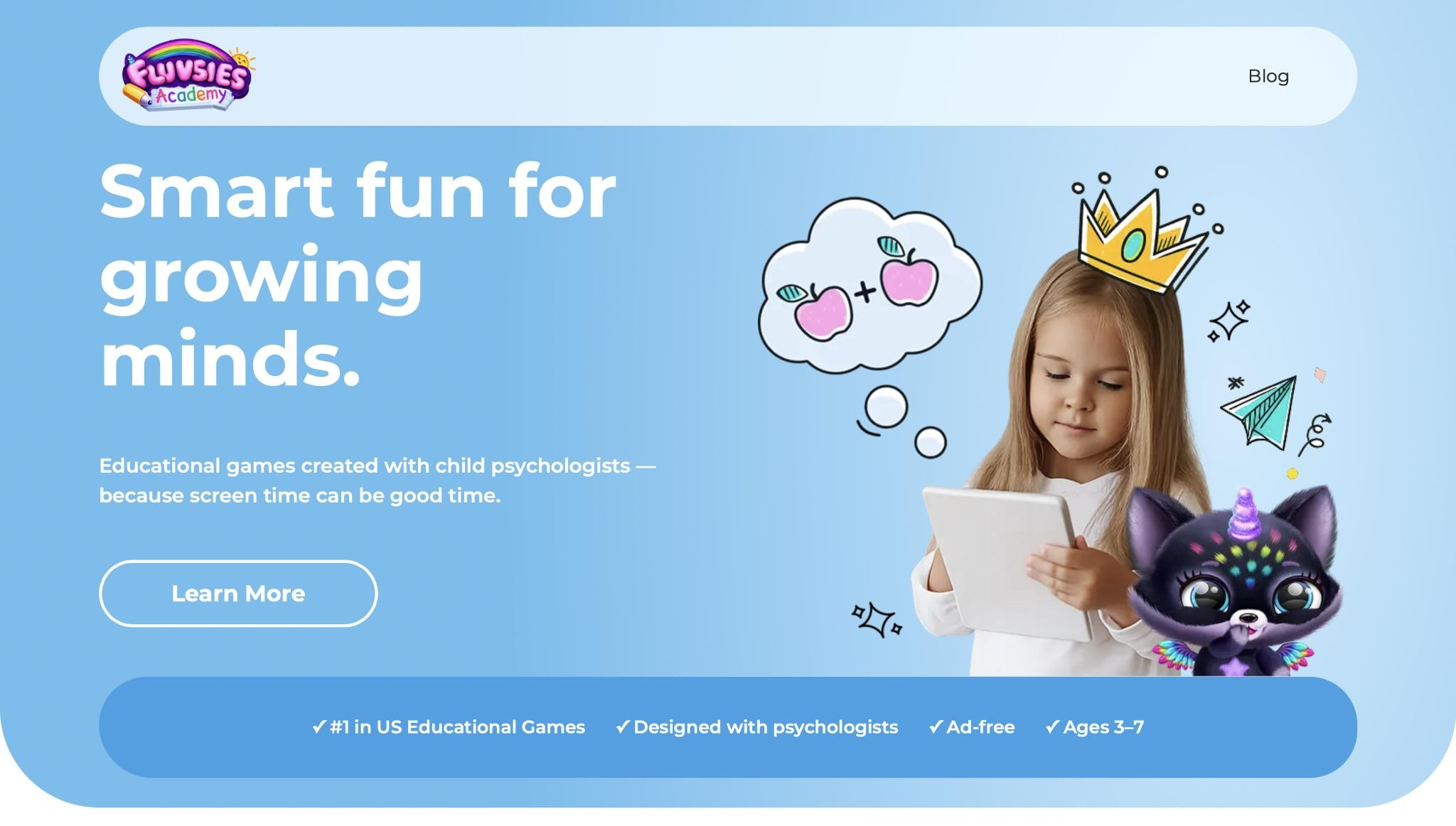
Discover Fluvsies Academy, a platform packed with games for kids ages 3-7. This app turns play into skill-building moments. Children explore language through phonics and stories that spark imagination. Math activities use simple puzzles to teach counting and shapes. Logic games sharpen attention with sorting tasks. Life skills come alive in professions like baker or astronaut, growing vocabulary along the way.
Mindfulness and yoga help with calm focus. Healthy habits, like teeth-brushing, blend fun with real-world lessons. Puzzles and firefighter tales add excitement. Free printables extend the play offline. All content stays ad-free and safe, crafted with child psychologists for emotional growth. Parents get progress reports to track gains. This setup makes screen time positive, helping kids build empathy and confidence. Fluvsies Academy fits preschool routines, offering guided adventures that feel like pure joy. Kids return often, eager for new challenges that boost curiosity.
- Key pros include ad-free play that keeps distractions away, letting kids dive deep into learning.
- Standout features cover diverse categories from number games to creativity, all age-appropriate.
- Facts and information show content verified as safe, with progress reports helping parents see real improvements in focus and skills.
Discover Fluvsies Academy
Fluvsies Academy is a leading educational app designed for children aged 3–7. It transforms screen time into meaningful learning through fun, interactive games. Developed in collaboration with child psychologists, the app focuses on holistic development.
Key Features
- Ad-free environment for safe play.
- Games covering language, phonics, math, and logic.
- Activities for attention, sorting, and creativity.
- Real-world life skills like healthy habits and mindfulness.
- Exploration of professions to build vocabulary and imagination.
Educational Approach
Fluvsies Academy emphasizes guided play that balances focus, empathy, and emotional safety. It's the first holistic learning app for kids, ranked #1 educational game in the US. Progress reports help track your child's growth. Free printables extend learning beyond the screen.
Benefits for Families
Parents gain peace of mind with expert-backed games.
Kids build confidence, skills, and a love for learning. Ideal for preschoolers seeking joyful education.
Download Fluvsies Academy today and watch your child thrive!
2. TutoClub
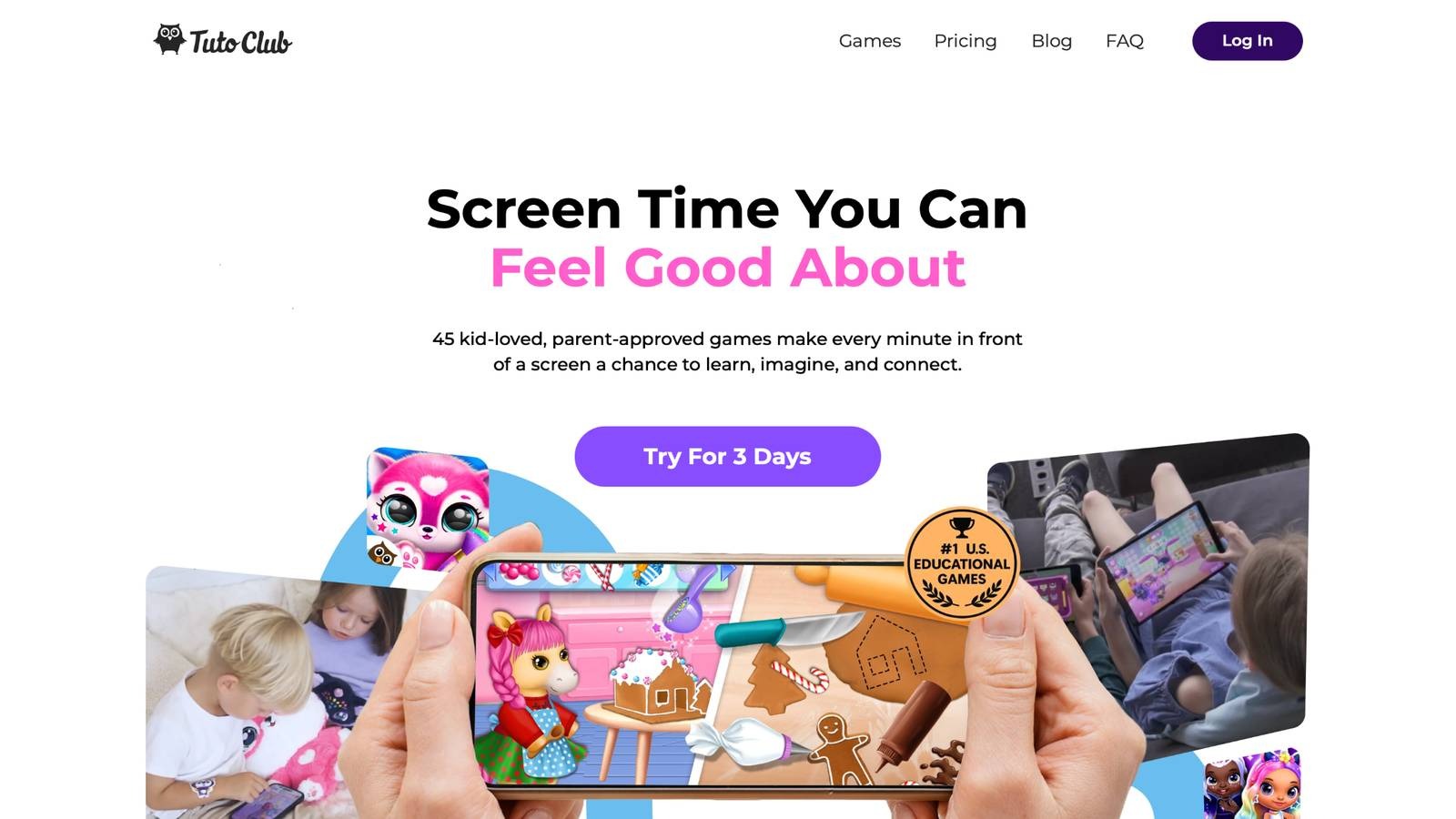
TutoClub, from TutoTOONS in Lithuania, provides access to over 45 ad-free games for kids. This subscription service focuses on creativity through art and storytelling. Puzzles build problem-solving and focus. Games teach empathy and compassion for emotional growth. Kids gain confidence and responsibility via interactive play. Curiosity thrives in adventure-filled worlds. Family options encourage shared moments. Overall, it turns screen time into positive experiences, with 50 million downloads showing wide appeal.
- Key features: Ad-free titles, creativity tasks, emotional skill-building activities.
- Facts and Information: Research-backed for balanced play, family-friendly design.
3. ABCmouse
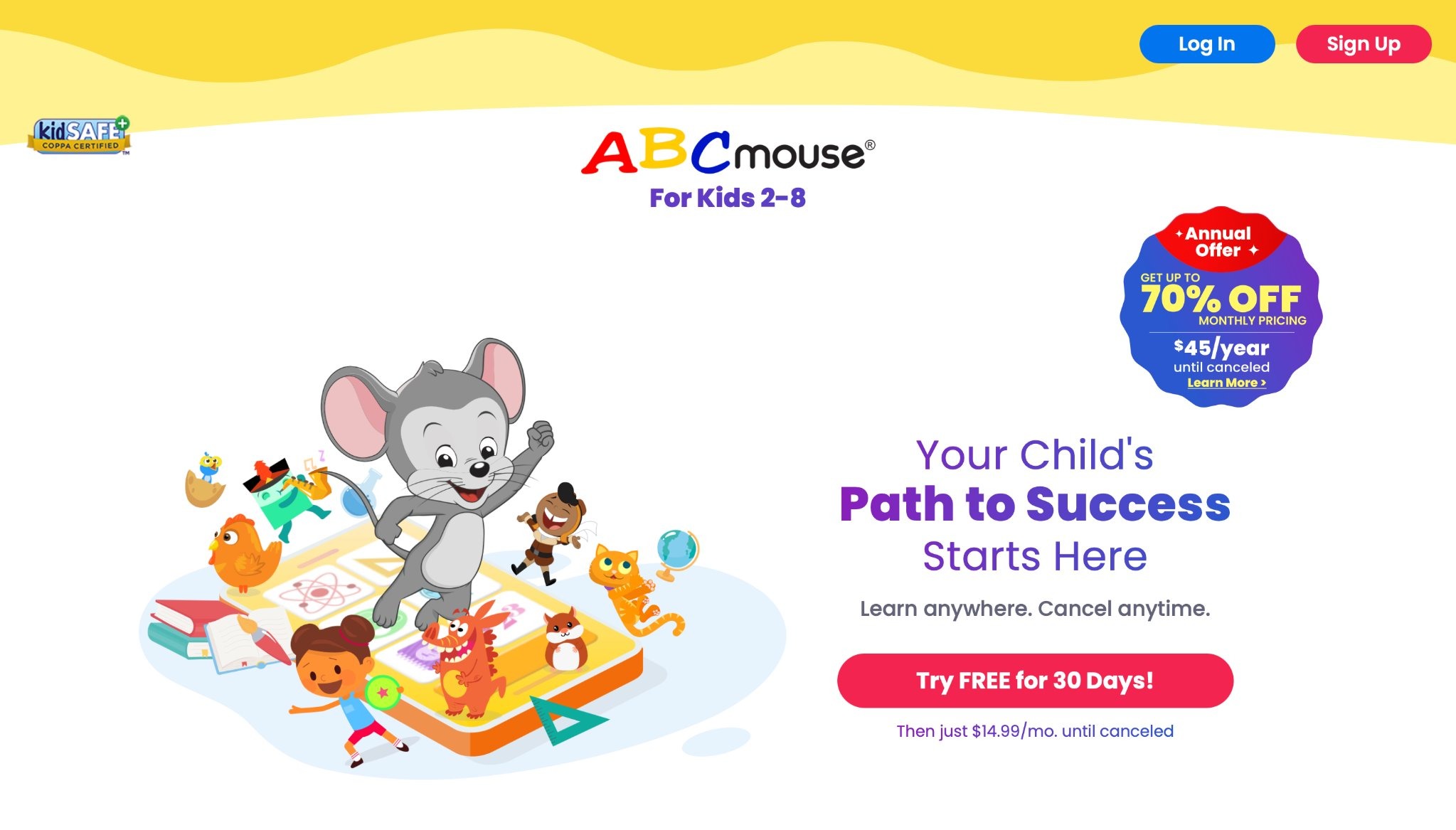
ABCmouse delivers a full curriculum for ages 2-8, with games in reading, math, science, and art. Interactive books and puzzles teach phonics and counting. Creative studios let kids make music or draw. Worlds like Pet Town and Animal Safari add immersion. Rewards system motivates with tickets for mazes and aquariums. Research shows it boosts early gains in core subjects. Trusted by many families, it offers custom paths. However, it requires a subscription after trial, which might limit access. Some content feels repetitive over time. Still, vibrant designs keep young learners hooked.
- Key features: Over 13,000 activities, three child profiles, weekly new content.
- Facts and Information: Backed by studies for doubled learning in reading and math.
4. Lingokids
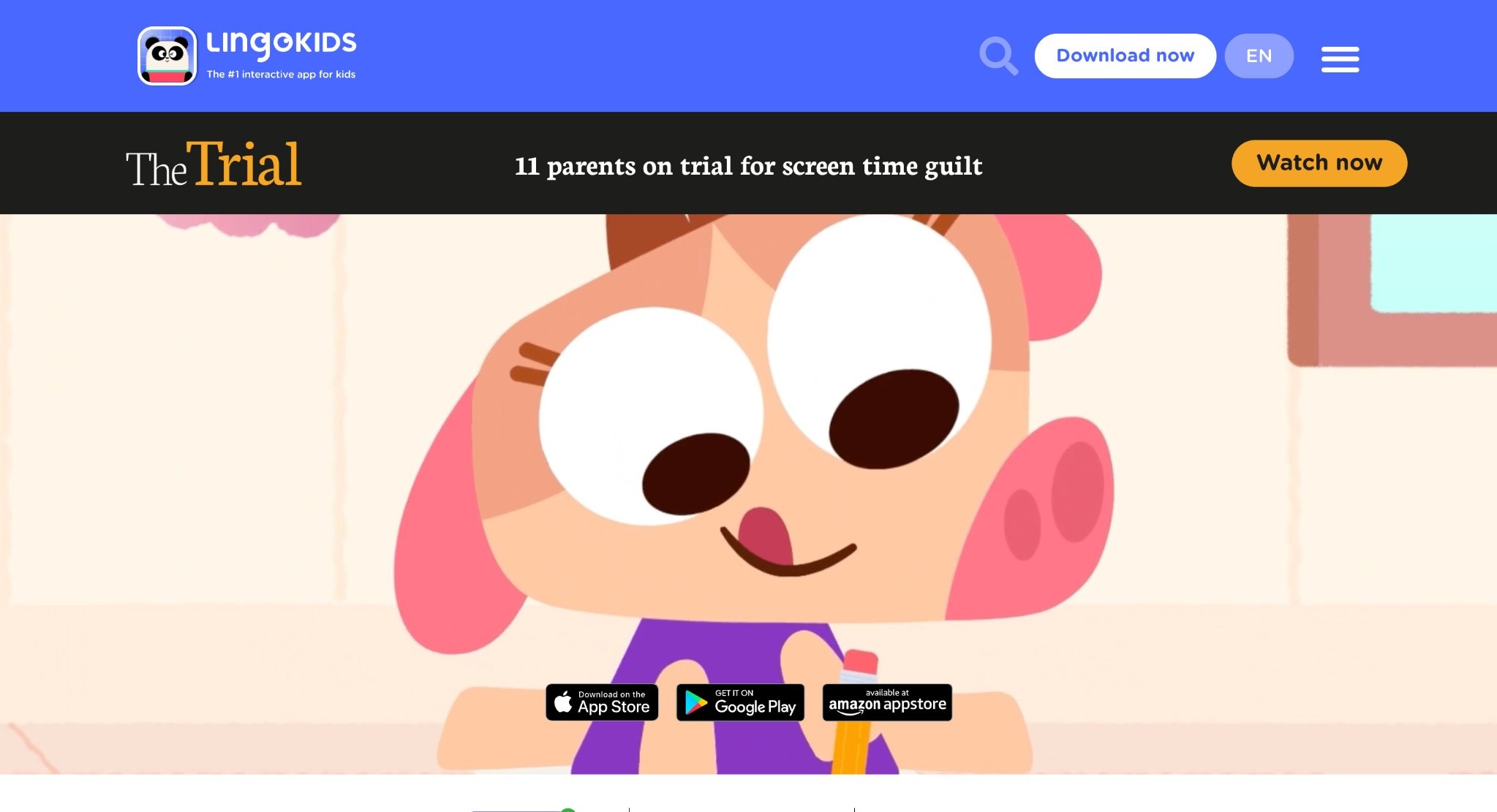
Lingokids uses Playlearning for kids, with 3000+ activities in puzzles, songs, and science. ABC songs build basics, while yoga aids calm. Podcasts and shows spark adventures. Created by teachers and parents, it wins awards for engagement. Many families trust it for guilt-free play. Strengths lie in diverse subjects and life skills. Weaknesses include potential overwhelm from vast options, and less focus on older kids. It suits young children well, blending academics with emotional tools.
- Key features: Games, podcasts, yoga tutorials, social-emotional classes.
- Facts and Information: Over 30 awards, parent-approved for safe learning.
5. Khan Academy Kids
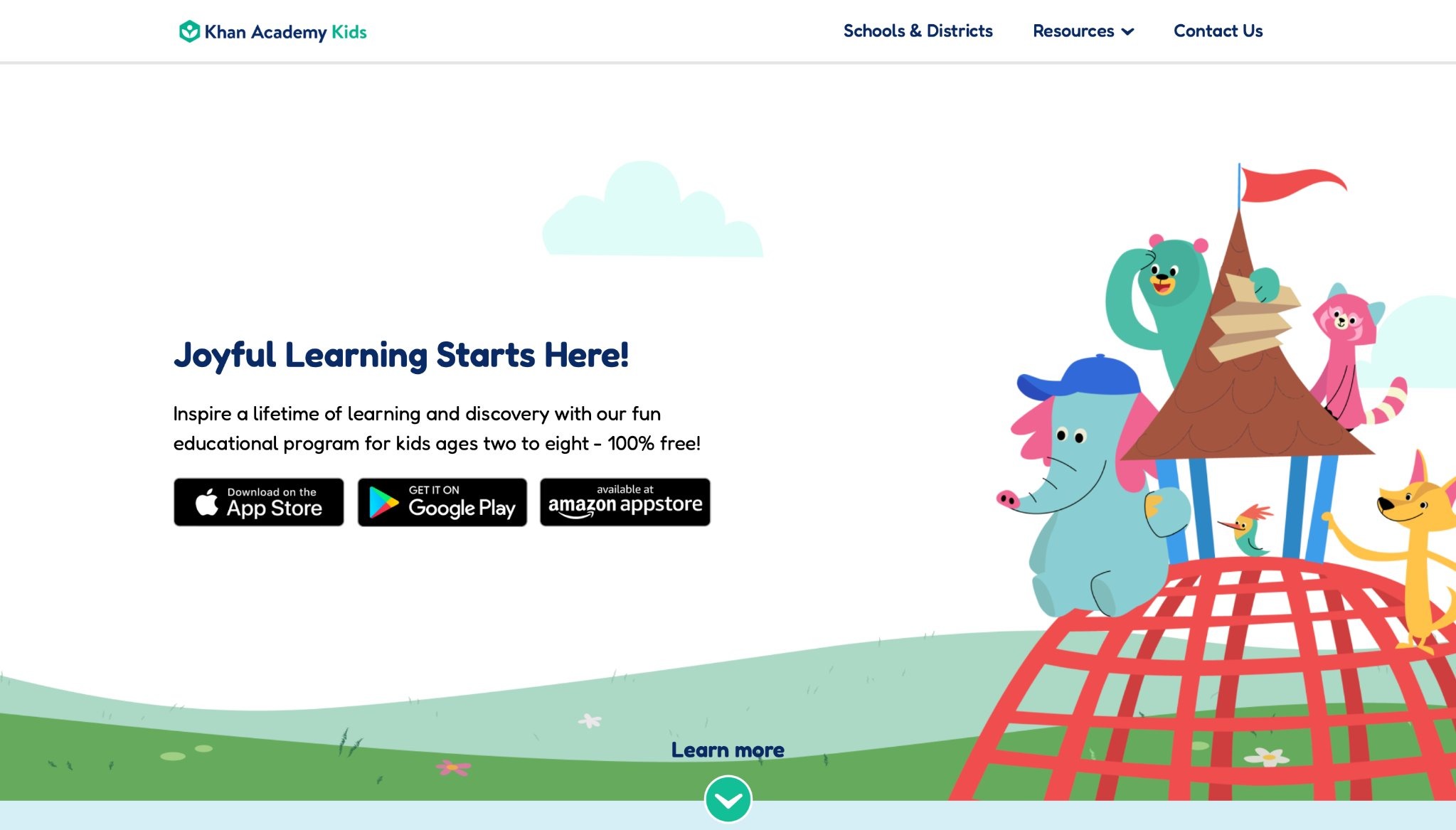
Khan Academy Kids serves ages 2-8 with free games in literacy, math, and language. Story lessons and videos guide learning. Creative activities foster expression. Characters like Kodi Bear make it joyful. Personalized paths adapt to pace. Classroom tools track progress. Aligned with standards, it's ad-free forever. Strengths: Whole-child focus, including social-emotional growth. Weaknesses: No subscriptions mean limited premium add-ons. It excels for budget-conscious families.
- Key features: Hundreds of books, interactive games, progress insights.
- Facts and Information: Developed with Stanford experts, supports early outcomes.
6. Duolingo ABC
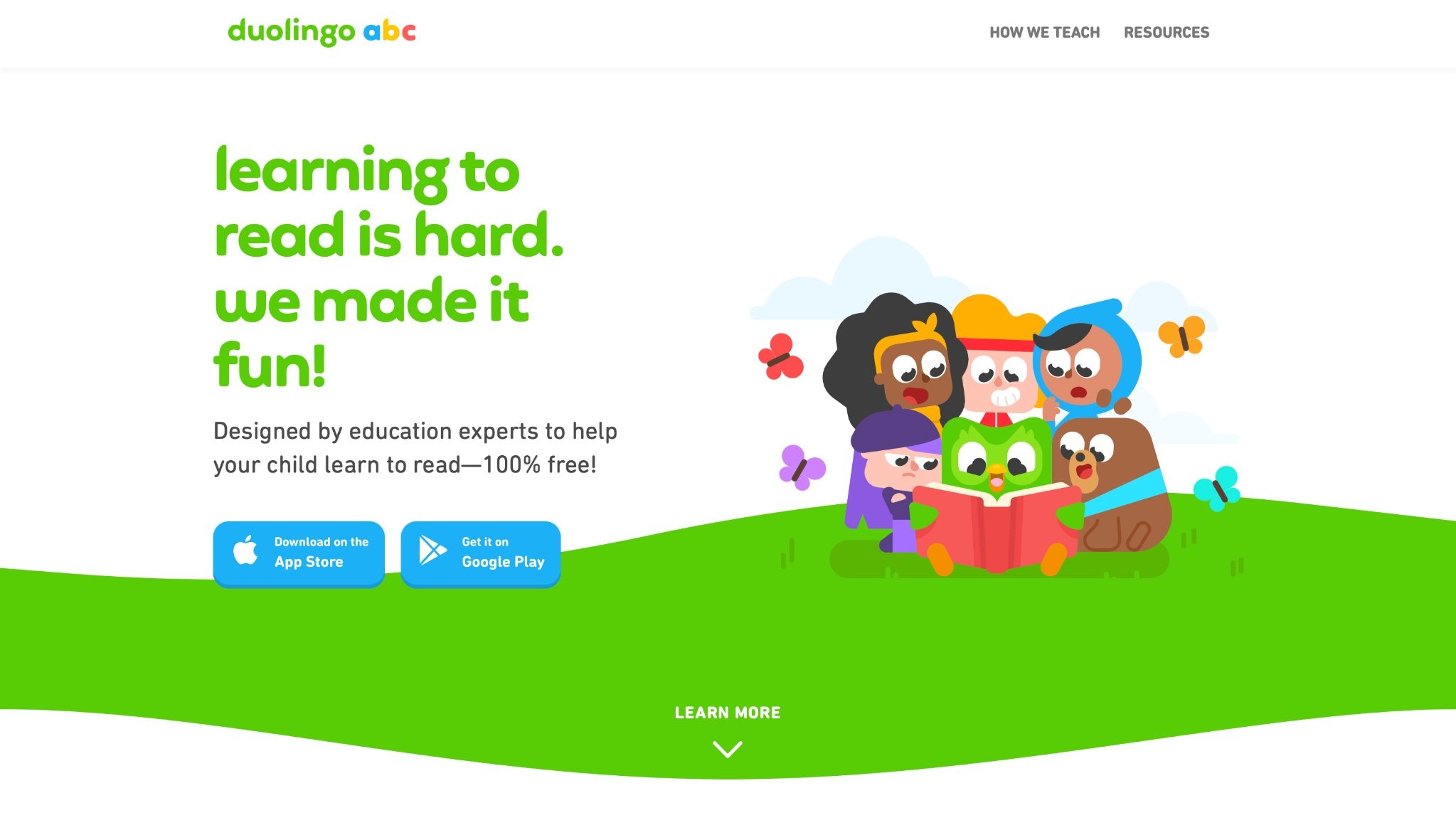
Duolingo ABC teaches reading for young kids via phonics games and stories. Lessons cover letter sounds, handwriting, sight words, and vocabulary. Character tales bring joy to learning. Bite-sized format keeps it simple. Research shows literacy gains after weeks of use. Awards highlight its impact. Strengths: Free access, effective curriculum. Weaknesses: Focuses only on reading, not broader subjects. It builds strong foundations for beginners.
- Key features: Phonics, handwriting practice, sight word games.
- Facts and Information: 28% literacy improvement in studies, Webby winner.
7. SplashLearn
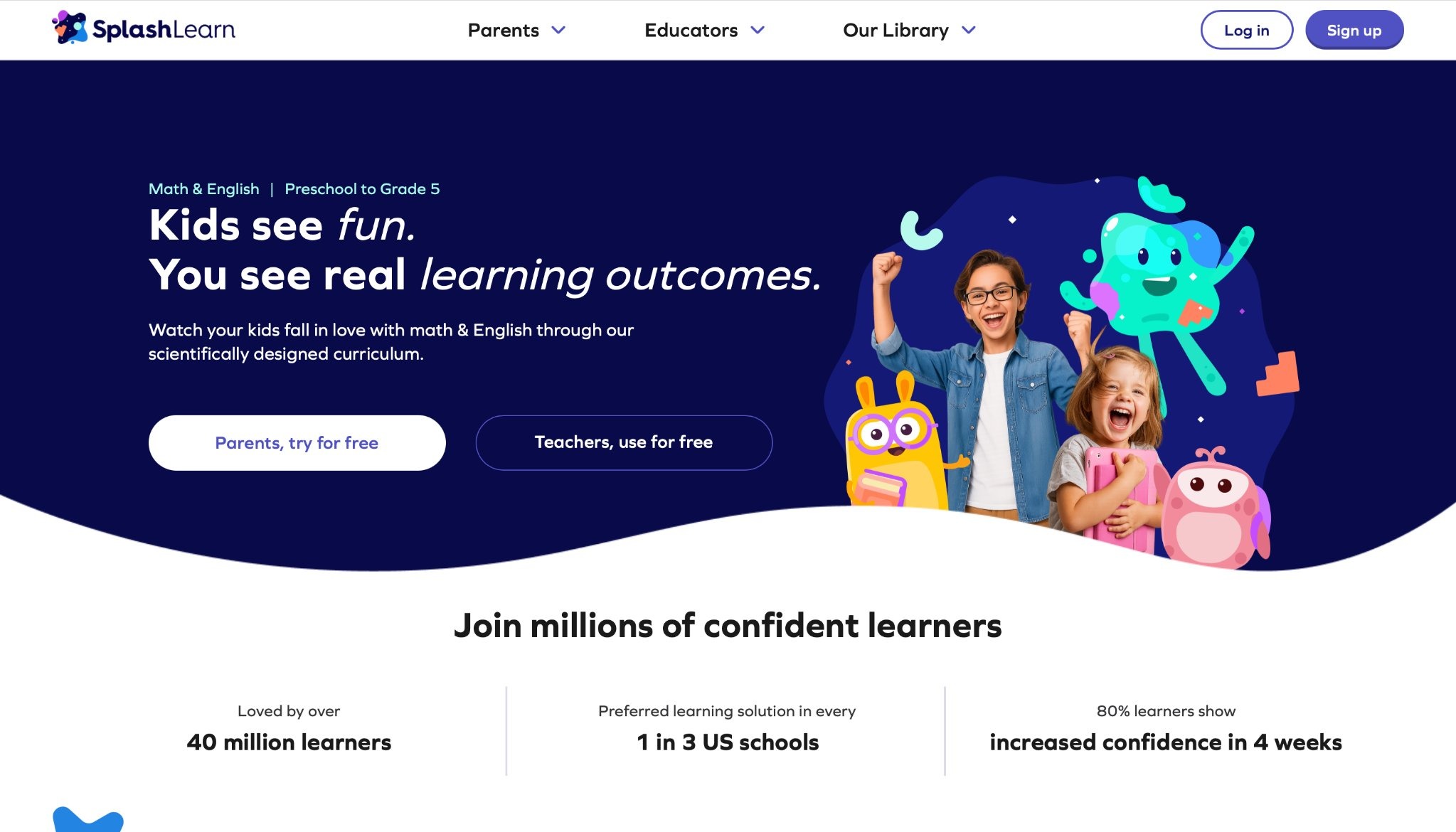
SplashLearn targets preschool to grade 5 with math and English games. Over 4,000 activities include worksheets and stories. Adaptive paths set daily goals. Progress reports detail skills. Splashverse offers timeless exploration. Strengths: Curriculum-aligned, boosts confidence quickly. Weaknesses: Fewer English options in higher grades, subscription for full access. It engages many learners in schools.
- Key features: 4,567 worksheets, decodable books, videos.
- Facts and Information: Used in 1 in 3 US schools, safe mistake-making space.
8. Prodigy
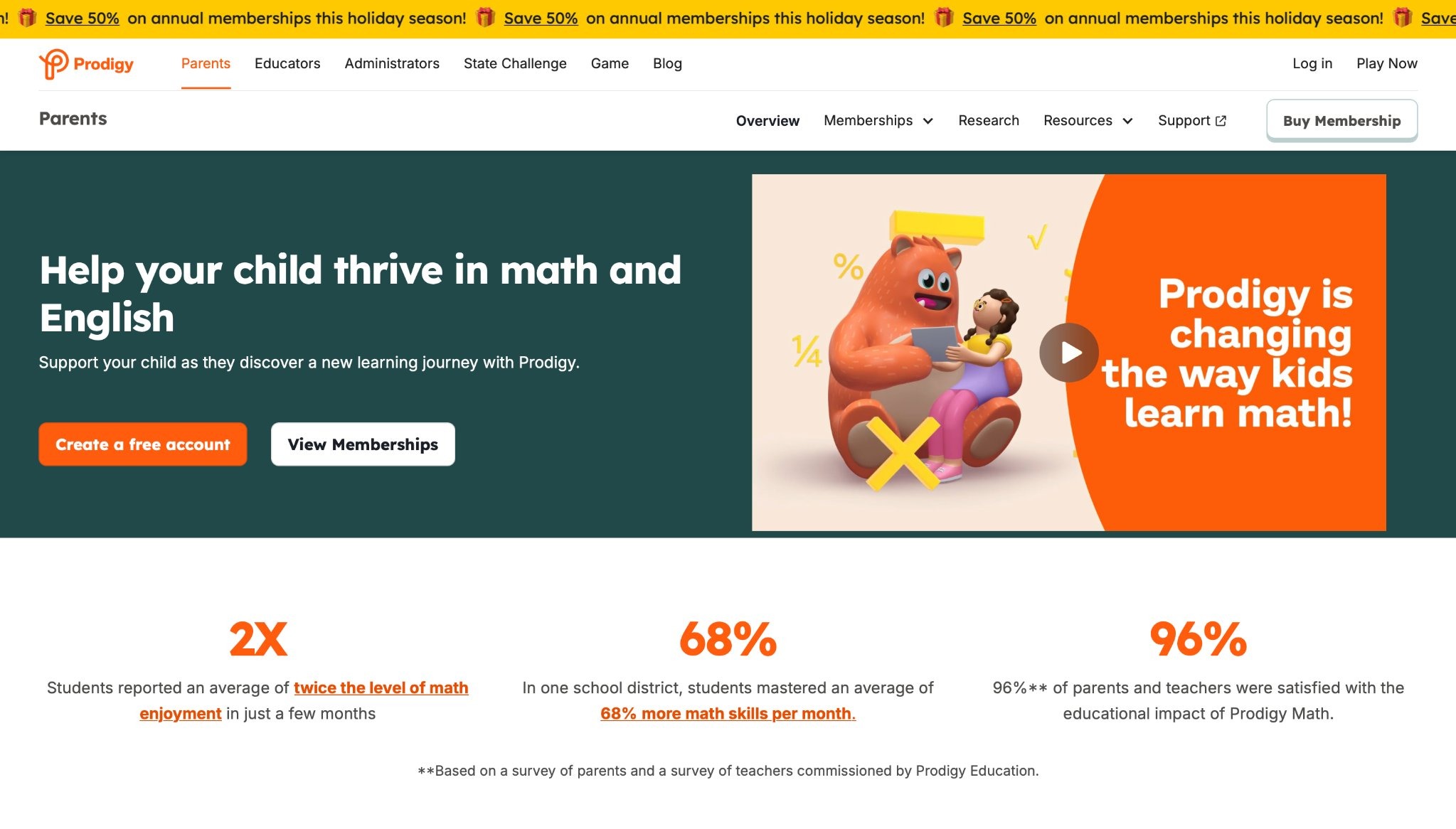
Prodigy features math and English games in an RPG style for kids. Quests and battles integrate questions. Adaptive content aligns with standards. Rewards motivate progress. Free for teachers, with parent options. Strengths: High enjoyment, skill mastery gains. Weaknesses: Optional memberships for extras, may feel battle-heavy. It makes learning adventurous.
- Key features: Quests, spells, curriculum ties.
- Facts and Information: 91% parent-reported enjoyment, district improvements.
9. PBS Kids Games
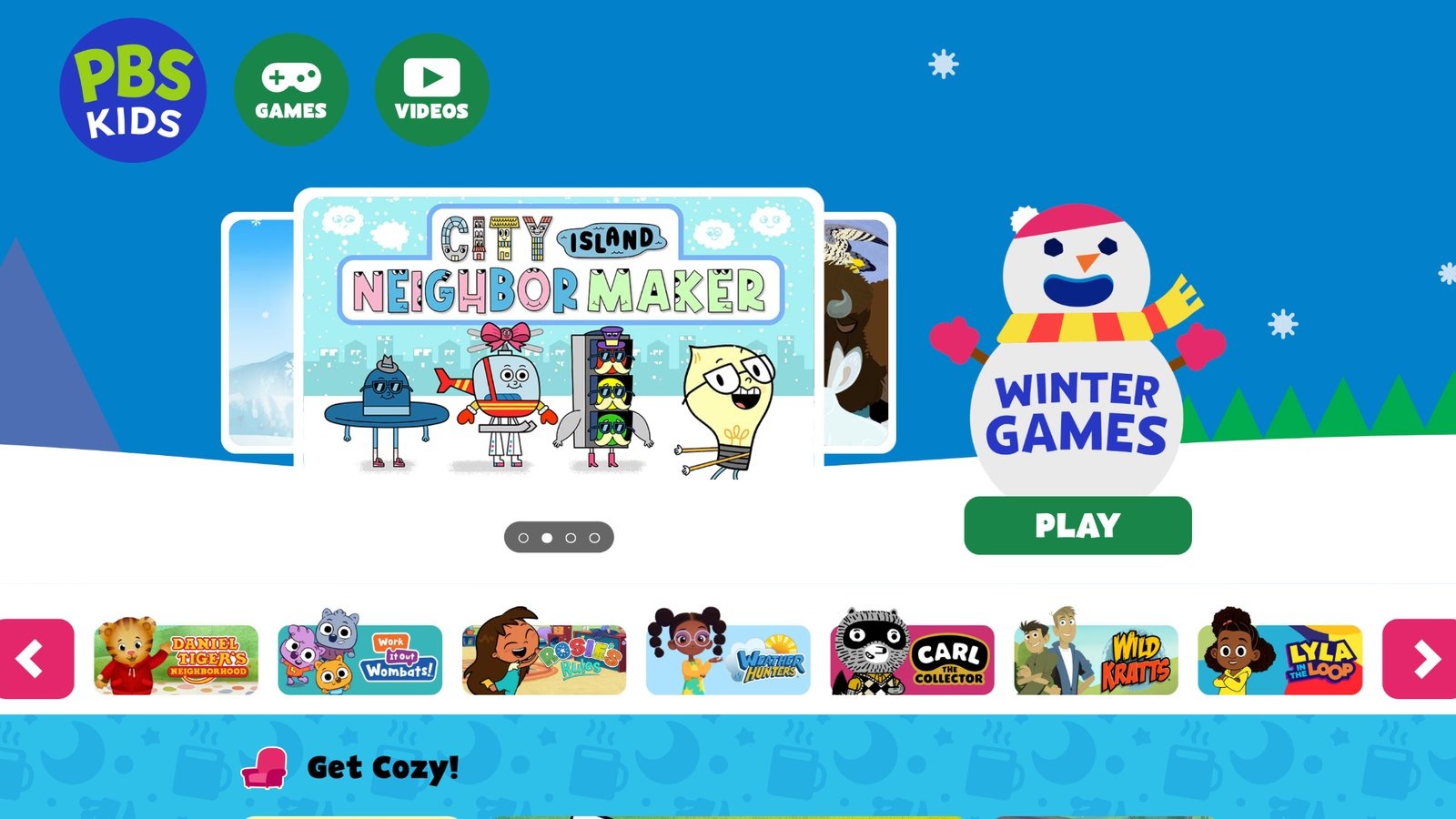
PBS Kids offers games tied to shows like Sesame Street and Daniel Tiger. Activities teach letters, numbers, and emotions. Interactive play builds skills through familiar characters. Free access on web and apps. Strengths: Trusted public content, broad appeal. Weaknesses: Less structured curriculum, ad-supported in some areas. It promotes curiosity via stories.
- Key features: Show-based challenges, emotional learning.
- Facts and Information: Focuses on early development, parent resources.
10. Kahoot
Kahoot, based in Oslo, Norway, creates quiz games that turn learning into group fun for kids. Teachers or parents set up questions on any topic, and players answer on devices in real time. This setup works well for classrooms or home, covering math, science, history, and more. Kids join with codes, competing for points with timers adding excitement. Modes include classic quizzes, puzzles, and surveys for feedback. It builds knowledge retention through repetition and discussion.
Many families use it for review sessions, making tough subjects approachable. The app supports multiple languages, reaching global users. Strengths shine in engagement, as live play encourages participation and quick thinking. It fosters teamwork when played in groups. Weaknesses might include needing strong internet for smooth sessions, and less solo depth compared to story-based apps. Still, its simple design suits short bursts of learning, helping kids recall facts better. Parents appreciate how it mixes competition with education, turning study into play. Overall, Kahoot fits diverse ages, adapting questions to skill levels for inclusive experiences.
- Key features: Quiz creation, real-time play, multiple modes like puzzles and surveys, device compatibility.
- Facts and Information: Global reach with multilingual support, popular in schools for interactive lessons.
11. BrainPOP
BrainPOP, headquartered in New York, USA, uses animated videos and games to teach K-8 subjects like science, math, social studies, and health. Each topic starts with a short movie featuring characters Tim and Moby, explaining concepts simply. Then, kids try quizzes, experiments, and activities to apply ideas. Games include coding challenges and simulations, such as building ecosystems or solving mysteries. It aligns with standards, offering tools for teachers to assign work and track progress.
Many schools integrate it for flipped learning, where students watch videos at home. Strengths lie in clear explanations that make complex topics fun, with humor keeping attention. Visuals aid understanding for different learners. Weaknesses could be the subscription model limiting free access, and some content feeling basic for advanced kids. Yet, it builds critical thinking through questions and projects. Parents value the safe, ad-free space that encourages exploration. Overall, BrainPOP supports diverse classrooms, helping children connect ideas across subjects.
- Key features: Animated videos, quizzes, experiments, coding games, progress tracking.
- Facts and Information: Covers K-8 curriculum, used in thousands of schools worldwide.
12. Starfall
Starfall provides untimed, interactive games for preschool to fifth grade, focusing on reading and math. Based on phonics, activities let kids see, hear, and touch concepts through animations and songs. Children explore letters, sounds, and numbers in playful worlds, like sorting shapes or reading stories. It serves emergent readers, special needs students, and English learners with audiovisual tools. Free basic access expands with membership to over 700 items.
Strengths include building confidence via positive reinforcement, without ads or data collection. Research-based methods align with state standards, making it effective for early skills. Weaknesses may involve paid full access for more content, potentially limiting some users. Still, its classroom origins ensure practical design, helping kids transition to independent learning. Parents note improvements in reading fluency from regular use. Overall, Starfall turns education into joyful play, supporting homeschool and school settings alike.
- Key features: Multisensory games, animated songs, phonics focus, no ads.
- Facts and Information: Launched in 2002, expanded to math, aids special needs and ELL students.
13. Brilliant
Brilliant delivers interactive problem-solving games for math, science, coding, and data analysis. It suits middle school to high school kids, with lessons adapting to pace. Users tackle puzzles step by step, getting feedback to master ideas like algebra or probability. Courses use visuals and challenges to make abstract topics intuitive. Strengths excel in personalized paths that build skills quickly, with daily motivation keeping learners engaged.
Crafted by experts, it promotes deep understanding over rote memory. Weaknesses might include a focus on STEM, less coverage for humanities, and needing self-motivation for best results. Yet, it sparks curiosity through competition and progress tracking. Parents see gains in logical thinking from consistent practice. Overall, Brilliant prepares kids for real-world applications, blending fun with rigorous content.
- Key features: Adaptive lessons, interactive puzzles, progress tracking, expert-crafted courses.
- Facts and Information: Over 10 million learners, 100,000+ five-star reviews.
14. Tynker
Tynker, a coding platform for ages 5-18, uses games to teach programming from blocks to languages like Python. Kids start with visual puzzles, advancing to game design and AI projects. It includes Minecraft modding and website building. Strengths highlight creativity, boosting problem-solving and math skills. Standards-aligned, it fits schools and homes with self-paced tutorials.
Weaknesses could be the subscription for full features, and transition challenges to text coding. Still, it empowers independence, with safe communities for sharing work. Parents report increased confidence in tech. Overall, Tynker makes coding accessible, fostering future-ready abilities.
- Key features: Block-based to text coding, interactive quizzes, gamified courses, mobile app.
- Facts and Information: Millions of students, thousands of schools, over 5,000 lessons.
15. Code.org
Code.org offers free coding games for K-12, emphasizing computer science and AI. Activities like ocean cleanup simulations teach machine learning. Strengths lie in ethical focus and real-world ties, engaging diverse learners. Flexible lessons integrate subjects. Weaknesses may need tech access, with varying depth. Yet, it inspires passion for programming. Parents value the global reach. Overall, it builds critical skills through hands-on play.
- Key features: Interactive AI models, video series, standards-aligned curricula.
- Facts and Information: 102 million students, 190 countries, billions of coding hours.
16. Minecraft Education
Minecraft Education lets kids build worlds for learning any subject, targeting school ages. With Microsoft integration, it offers secure group projects and challenges. Strengths include immersion boosting attendance and thinking. Custom lessons cover history to science. Weaknesses involve device needs and setup time. Still, it encourages collaboration. Parents see agency growth. Overall, it transforms education into adventure.
- Key features: Build challenges, esports, AI tools, lesson library.
- Facts and Information: 40,000+ school systems, 140 countries.
17. Osmo
Osmo blends physical pieces with iPad games for foundational skills in math and coding. It targets young learners with hands-on interaction. Strengths emphasize joyful discovery, reinforcing concepts tangibly. Award-winning, it supports complex subjects funnily. Weaknesses aren't noted, but hardware requirement limits portability. Yet, it bridges digital and real play. Parents appreciate skill-building. Overall, Osmo makes learning magical.
- Key features: Tangible-digital fusion, subject variety, no ads.
- Facts and Information: Headquarters in Freehold, NJ, USA; award-winning products.
18. CodeCombat
CodeCombat teaches coding via games for K-12, using Python and JavaScript. Kids write code to battle, progressing to AI tools. Strengths promote growth mindset and creativity. Esports add competition. Weaknesses may require internet, with game focus needing structure. Yet, it engages beginners effectively. Parents note success paths. Overall, it unlocks programming potential.
- Key features: Text-based coding, project assessments, AI integration, esports.
- Facts and Information: 20 million students, 1 billion lines coded, 190+ countries.
19. Education.com
Education.com provides games for Pre-K to 8th grade, like fraction flips and noun races. Part of 38,000 resources, it builds math and language skills. Strengths offer engaging, standards-aligned fun with progress insights. Weaknesses include premium for unlimited access. Yet, it supports classrooms and homes. Parents value variety. Overall, it reinforces learning playfully.
- Key features: Immersive adventures, guided lessons, printable materials.
- Facts and Information: 44 million users, 20 countries.
20. Funbrain
Funbrain hosts online games for Pre-K to 8th grade, covering math, reading, and science. Activities like arcade challenges teach grammar and history through play. Strengths make learning entertaining with familiar formats. No ads keep focus. Weaknesses lack deep tracking, with some repetition. Yet, it sparks interest freely. Parents use for supplemental practice. Overall, Funbrain turns education into accessible fun.
- Key features: Grade-specific games, videos, books.
- Facts and Information: Top site for kids' educational content, millions of visitors.
Benefits of Integrating Educational Games into Daily Routines
Games like these fit into short sessions, helping kids practice skills without pressure. Many children develop better routines around learning. Parents find it easier to balance play and growth. The best educational fun games show how variety keeps interest high. This habit supports long-term curiosity.
Skill Area | How Games Help |
| Language | Builds vocabulary through stories and phonics. |
| Math | Teaches counting and problem-solving with puzzles. |
| Logic | Sharpens attention via sorting and challenges. |
| Life Skills | Introduces habits like mindfulness and professions. |
Latest Trends in Kids' Learning Apps
- Apps now emphasize emotional skills and academics.
- Ad-free designs protect focus.
- Personalization adapts to each child.
- Hybrid play with printables extends value.
FAQ
What age range suits most educational games?
Educational games often align with early developmental stages where children build motor skills, curiosity, and basic concepts through interactive play. For instance, activities in Fluvsies Academy focus on ages 3-7, helping kids transition from simple exploration to more structured challenges like puzzles and stories. This period supports growth in areas such as coordination and social interaction, making games a natural fit for preschool and early elementary learners. Older children might engage with advanced versions that encourage strategy and peer collaboration.
How do educational games support emotional growth?
These games create spaces for children to practice handling emotions like frustration or excitement in low-stakes scenarios, building resilience over time. Through role-playing and problem-solving elements, kids learn to recognize feelings in themselves and others, fostering empathy and better social bonds. Interactive stories and challenges in platforms like Fluvsies Academy help with self-regulation, allowing young players to experiment with responses that promote calm and positive interactions. Overall, this approach turns emotional learning into an engaging process that complements daily experiences.
Can educational games replace traditional learning?
Educational games enhance core skills by offering interactive contexts that make concepts more relatable, but they work best alongside structured methods like reading or group discussions. They boost engagement through immediate feedback and choice-making, helping children connect ideas to real-world applications in ways lectures might not. For example, tools from Fluvsies Academy integrate play with foundational topics, supporting but not supplanting hands-on activities or teacher guidance. This blended style ensures a balanced development of cognitive and creative abilities.
What features make an educational game safe?
Safe games prioritize ad-free environments and expert-guided content to protect focus and privacy, avoiding unnecessary data collection or distractions. They include age-appropriate challenges with clear rules and help options, ensuring accessibility without overwhelming young users. Designs like those in Fluvsies Academy emphasize positive reinforcement and emotional support, steering clear of violence or complex mechanics that could cause stress. Parental tools for monitoring progress add another layer, helping maintain a secure and beneficial play experience.
Read Also:
- Best Interactive Educational Games 2026
- Best Educational Games Online 2026
- Best Top-Rated Educational Games 2026
- Best Educational Fun Games 2026
- Best Educational Games App 2026