

Best Educational App 2026






Looking for the best educational app to spark your child's love of learning? In a world where kids spend time on screens, picking one that mixes fun with real skills matters. These apps cover reading, math, science, and more, helping young minds grow through play. Whether it's phonics practice or logic puzzles, options like Fluvsies Academy stand out for their safe, engaging design.
Parents often look for the best educational games online to support skill development through play, while best interactive educational games promote hands-on learning and critical thinking. Many families also prefer top rated educational games that are trusted by other parents, along with best educational fun games that balance entertainment and academics. For mobile learning, the best educational games app category continues to grow in popularity.
Discover the Best Educational App 2026 - Fluvsies Academy
Why Educational Apps Matter in 2026

Technology changes fast, and educational apps keep up by making lessons fit each child's needs. Many families use them to add to schoolwork or homeschool routines. These tools help build habits like focus and problem-solving early on. Some apps even teach life skills, like healthy routines or empathy, which schools might not cover as much. By turning screen time into something useful, they cut down on passive watching. Parents report kids stay interested longer with colorful stories and rewards. To get the most out of the apps, pair apps with real-world activities, like talking about what they learned.
What Makes a Great Educational App
A strong app starts with safe, ad-free spaces where kids can explore without worry. It should adapt to different ages, offering simple games for little ones and tougher challenges for older kids. Clear progress reports help parents see growth in areas like reading or math. Good ones mix subjects, so learning feels connected, not siloed. Features like offline play add flexibility for travel or no-Wi-Fi spots. Content backed by experts, such as psychologists, ensures it supports emotional growth too. Always test for ease of use, so kids don't get frustrated.
Best Educational App 2026
1. Fluvsies Academy - Best Educational App
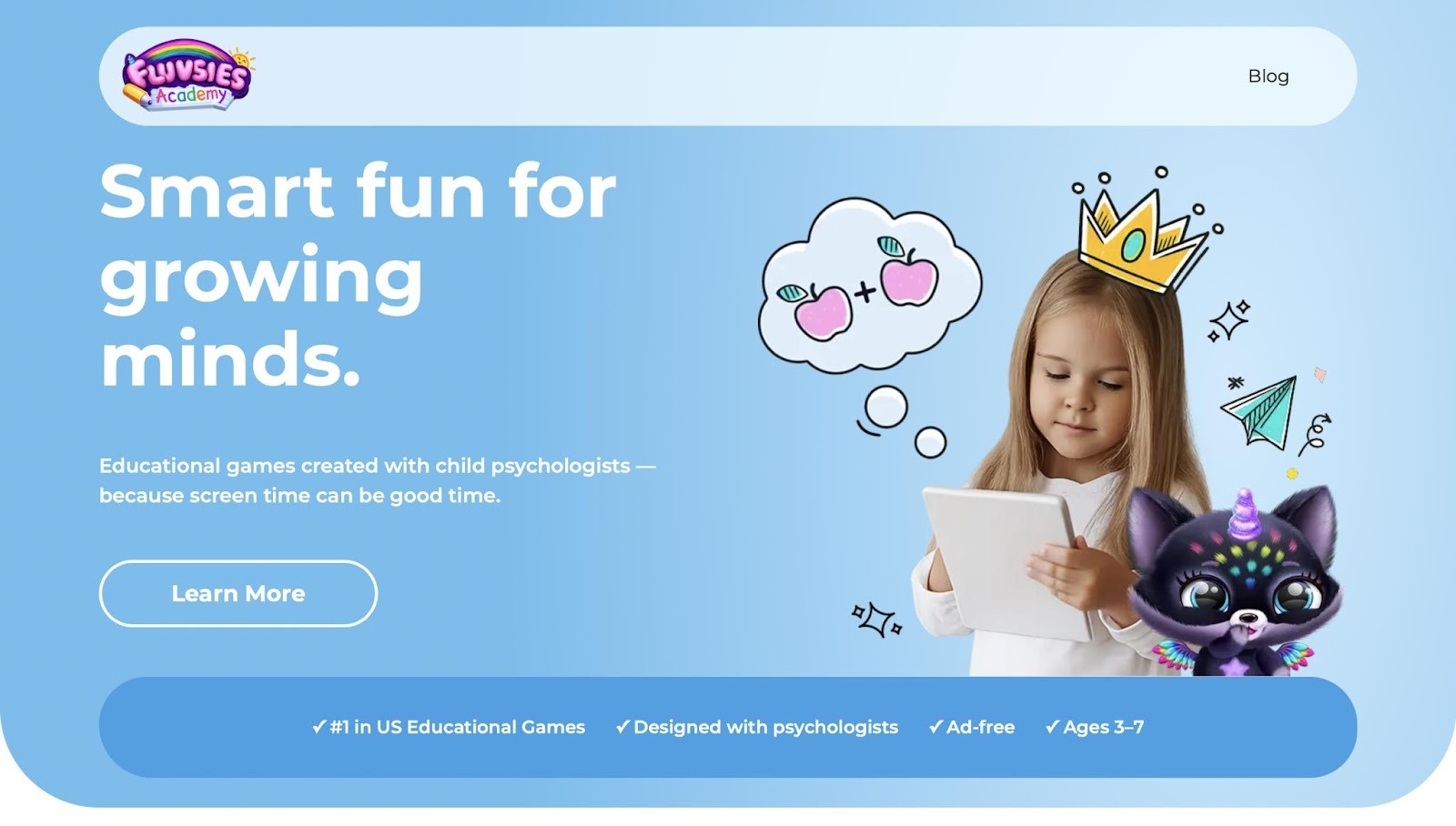
Fluvsies Academy brings joy to learning for kids ages 3 to 7. This app turns everyday play into lessons on language, phonics, numbers, logic, sorting, life skills, and creativity. Kids dive into worlds where they explore professions like baker or astronaut, building vocabulary in a fun way. Guided by cute characters, activities feel like adventures, not chores. Mindfulness sessions and yoga help with focus and calm.
Progress reports show how skills grow over time. It's all ad-free, so nothing breaks the flow. Designed with child psychologists, it keeps things safe and balanced. Parents love how it mixes academics with real-life prep, like brushing teeth or sharing. Kids stay hooked on puzzles and stories that spark imagination. This app stands out for its holistic approach, blending brain boosts with heart.
- Games that teach letter sounds and basic counting through hands-on play.
- Activities on professions to expand words and ideas about the world.
- Yoga and habits for better attention and well-being.
- Reports that track gains in focus and problem-solving.
Discover Fluvsies Academy
Fluvsies Academy is a leading educational app designed for children aged 3–7. It transforms screen time into meaningful learning through fun, interactive games. Developed in collaboration with child psychologists, the app focuses on holistic development.
Key Features
- Ad-free environment for safe play.
- Games covering language, phonics, math, and logic.
- Activities for attention, sorting, and creativity.
- Real-world life skills like healthy habits and mindfulness.
- Exploration of professions to build vocabulary and imagination.
Educational Approach
Fluvsies Academy emphasizes guided play that balances focus, empathy, and emotional safety. It's the first holistic learning app for kids, ranked #1 educational game in the US. Progress reports help track your child's growth. Free printables extend learning beyond the screen.
Benefits for Families
Parents gain peace of mind with expert-backed games.
Kids build confidence, skills, and a love for learning. Ideal for preschoolers seeking joyful education.
Download Fluvsies Academy today and watch your child thrive!
2. Khan Academy Kids
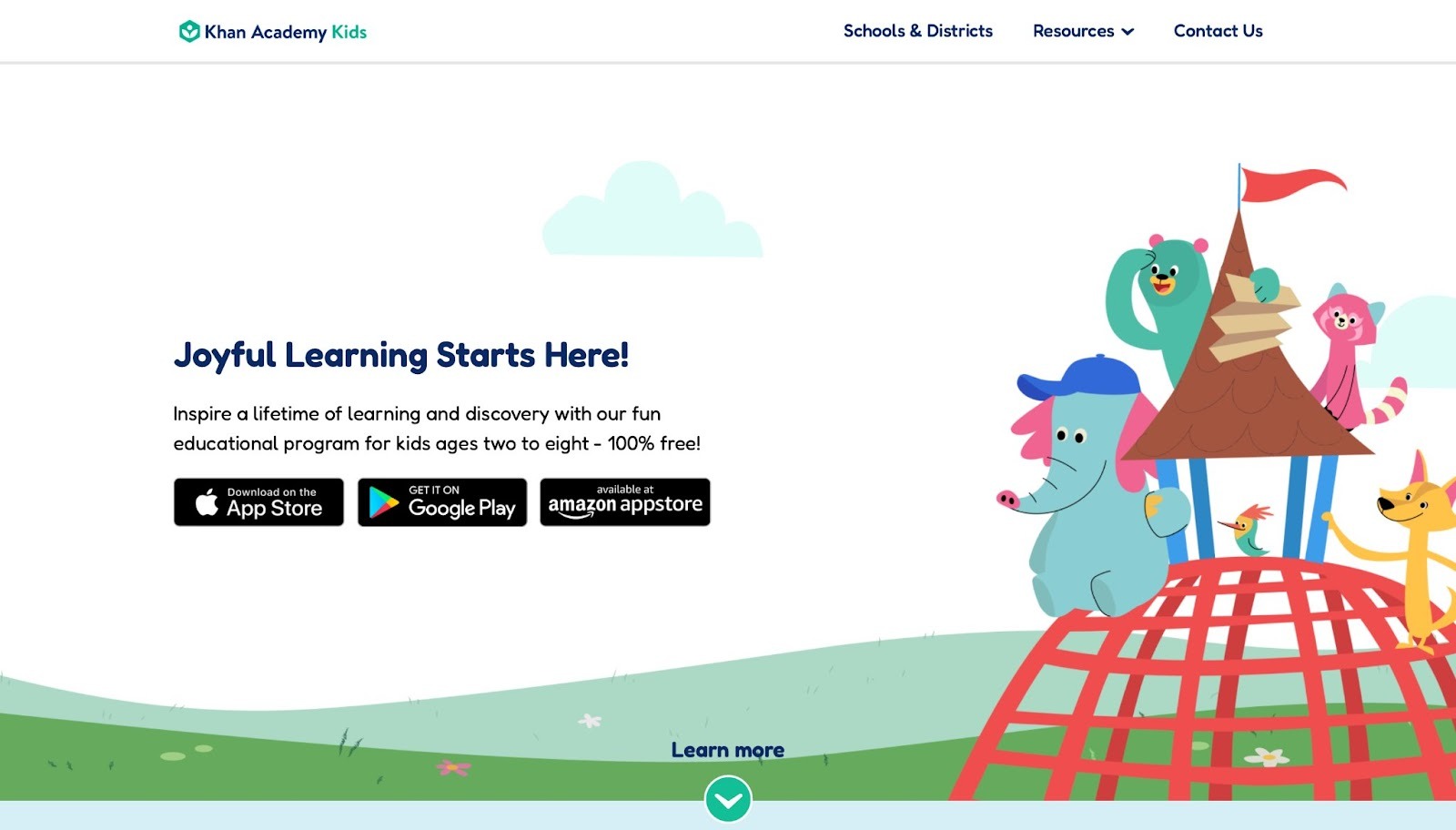
Khan Academy Kids offers a free path for ages 2 to 8, with books, videos, and games that build reading, writing, math, and social skills. Kids follow paths with characters like Kodi Bear, adapting to their pace for steady growth. It works well for early learners, mixing fun stories with skill practice. Strengths include no ads and standards-aligned content, making it reliable for parents.
Some might find it needs more variety in advanced topics, as it focuses mainly on basics. Offline options help, but full use requires setup. Many users praise its role in building confidence without pressure. Based in the US, it draws from expert input for play-based growth.
- Personalized paths with math games and letter tracing.
- Social-emotional stories to teach feelings and sharing.
- Facts and information: Aligns with early standards, helping many kids gain skills in literacy and numbers.
3. Tuto Club
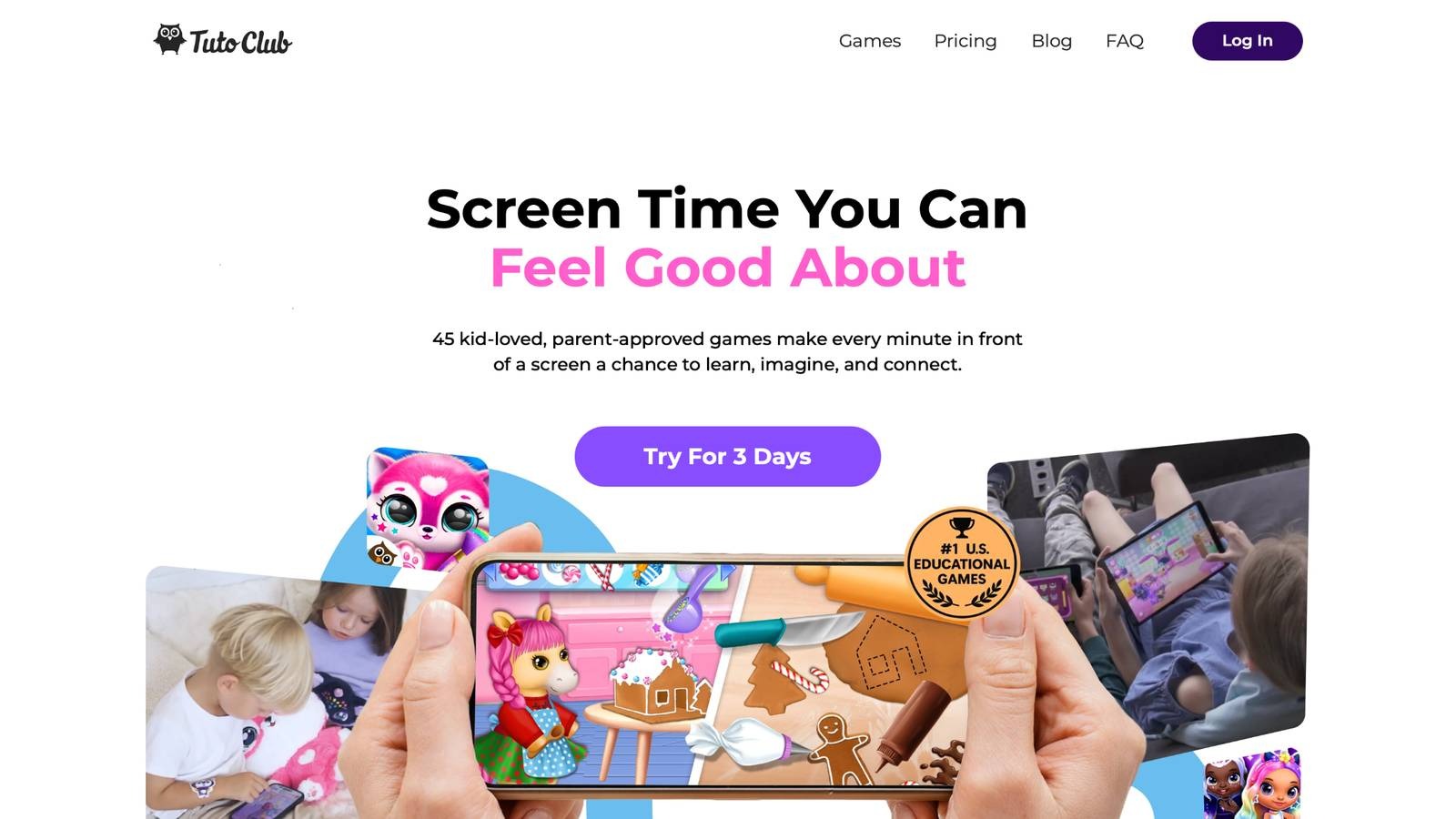
Tuto Club provides 45 games for kids around ages 4 to 9, turning screens into creative hubs for puzzles, design, and stories. It builds focus, empathy, and problem-solving in an ad-free space. Strengths lie in family bonding through shared play, reducing guilt over device time. Some note it shines more in creativity than strict academics, so pair it with other tools for full coverage. Parents like the safe setup and expert-backed activities that foster kindness. It encourages exploration without timers, letting kids learn at ease.
- Games for building worlds and solving riddles.
- Activities on emotions like compassion.
- Facts and information: Supports curiosity with many downloads, aiding emotional and cognitive balance.
4. ABCmouse
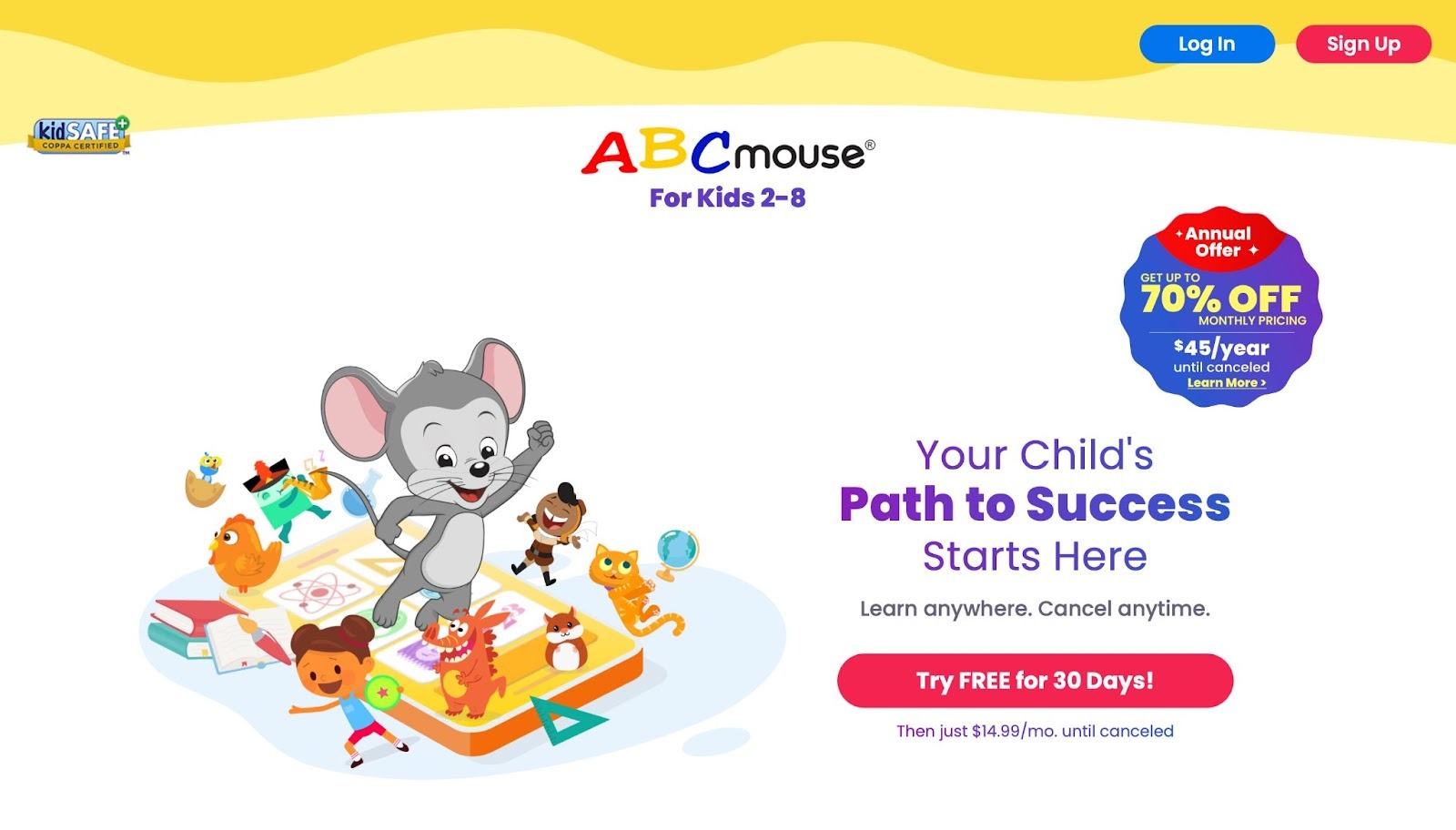
ABCmouse suits ages 2 to 8 with over 13,000 activities in reading, math, science, art, and music. Custom paths guide kids through phonics, counting, and experiments in vibrant worlds. Strengths include rewards that motivate, like tickets for virtual pets. Some find the structure rigid, limiting free play if not monitored. It helps double gains in basics, per studies. Parents value the multi-child profiles for family use.
- Phonics stories and math puzzles.
- Art studios for drawing and songs.
- Facts and information: Covers broad subjects, boosting confidence in many young users.
5. Duolingo ABC
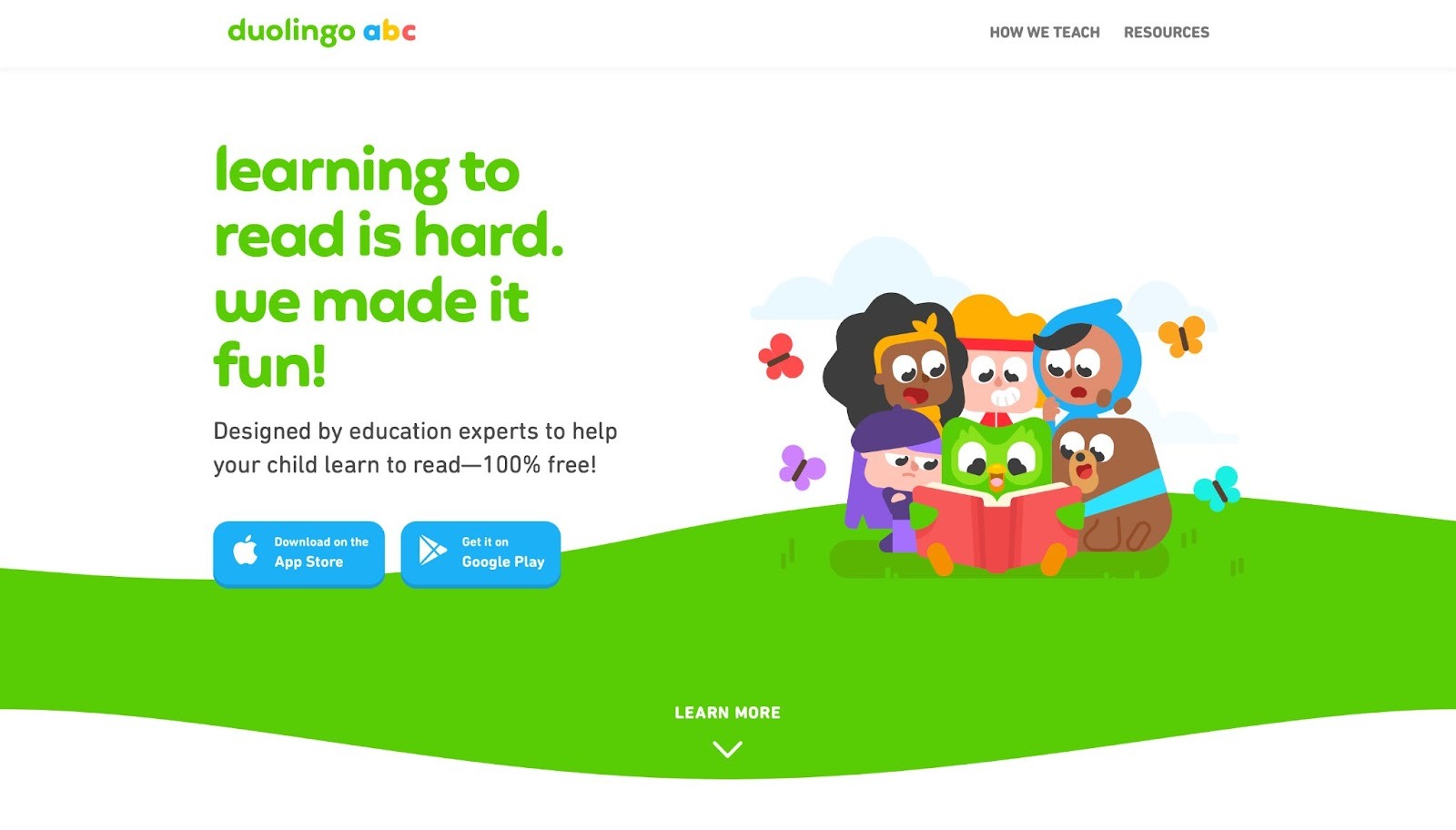
Duolingo ABC targets young readers with phonics, handwriting, sight words, and stories in bite-sized games. For early kids, it makes decoding fun with characters and rewards. Strengths are in building word skills quickly, with funny tales that hold attention. Some say it lacks depth in non-reading areas, so use it as a supplement. Research shows literacy boosts after weeks of play. It's free and adapts well to beginners.
- Letter sound exercises and tracing.
- Sight word challenges.
- Facts and information: Improves reading scores for some, with awards for engagement.
6. Lingokids
Lingokids uses play for academics and life skills like yoga, for young kids. Over 3000 activities include songs, puzzles, and shows. Strengths are in sparking curiosity with diverse content. Some mention it favors fun over drills, which might slow rote learning. Trusted by families, it reduces screen worries with safe design.
- ABC songs and science lessons.
- Emotional classes for social growth.
- Facts and information: Wins awards, helping many with imagination and success.
7. Prodigy Math
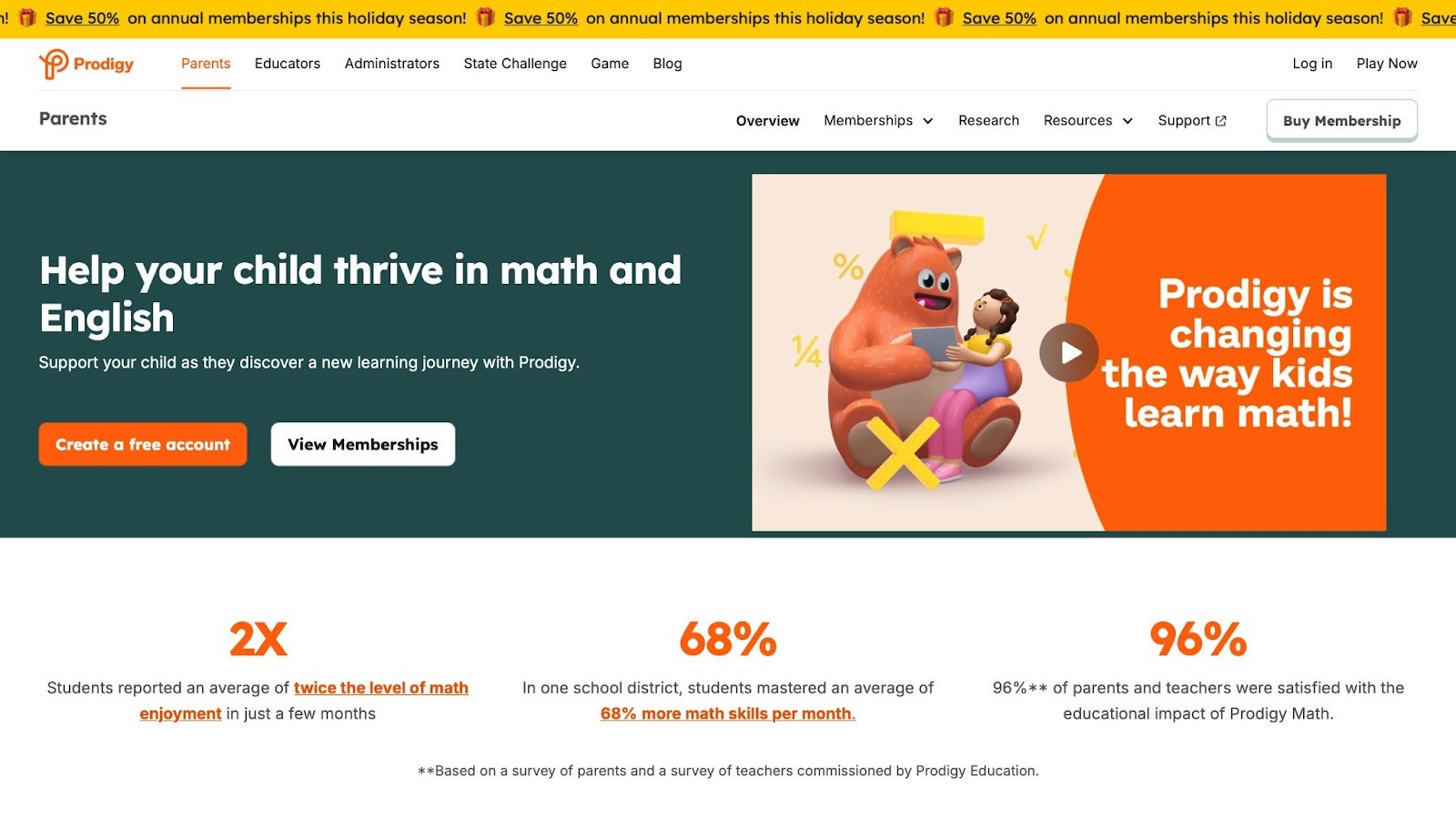
Prodigy Math engages school-age kids with fantasy quests where math practice feels like an epic adventure. Aimed at grades 1-8, it aligns with standards like Common Core, adapting questions to each child's level for personalized growth. Kids battle using spells powered by correct answers, earning rewards that keep motivation high. Strengths shine in boosting enjoyment, with many users reporting doubled fun in months, helping master skills faster.
It fits classrooms well, letting teachers track progress and assign topics. Some find the game elements distracting if not balanced with direct instruction, potentially needing adult guidance for deeper understanding. Parents appreciate insights into strengths and gaps, making it a solid home supplement. Overall, it turns routine drills into exciting play, building confidence without pressure. Based in Canada, Prodigy reaches millions globally, transforming how kids view numbers.
- Adaptive math battles covering addition to algebra.
- Teacher tools for assignments and reports.
- English practice integrated into quests.
- Facts and information: Used by nearly one million teachers, with students mastering 68% more skills monthly in some districts.
8. SplashLearn
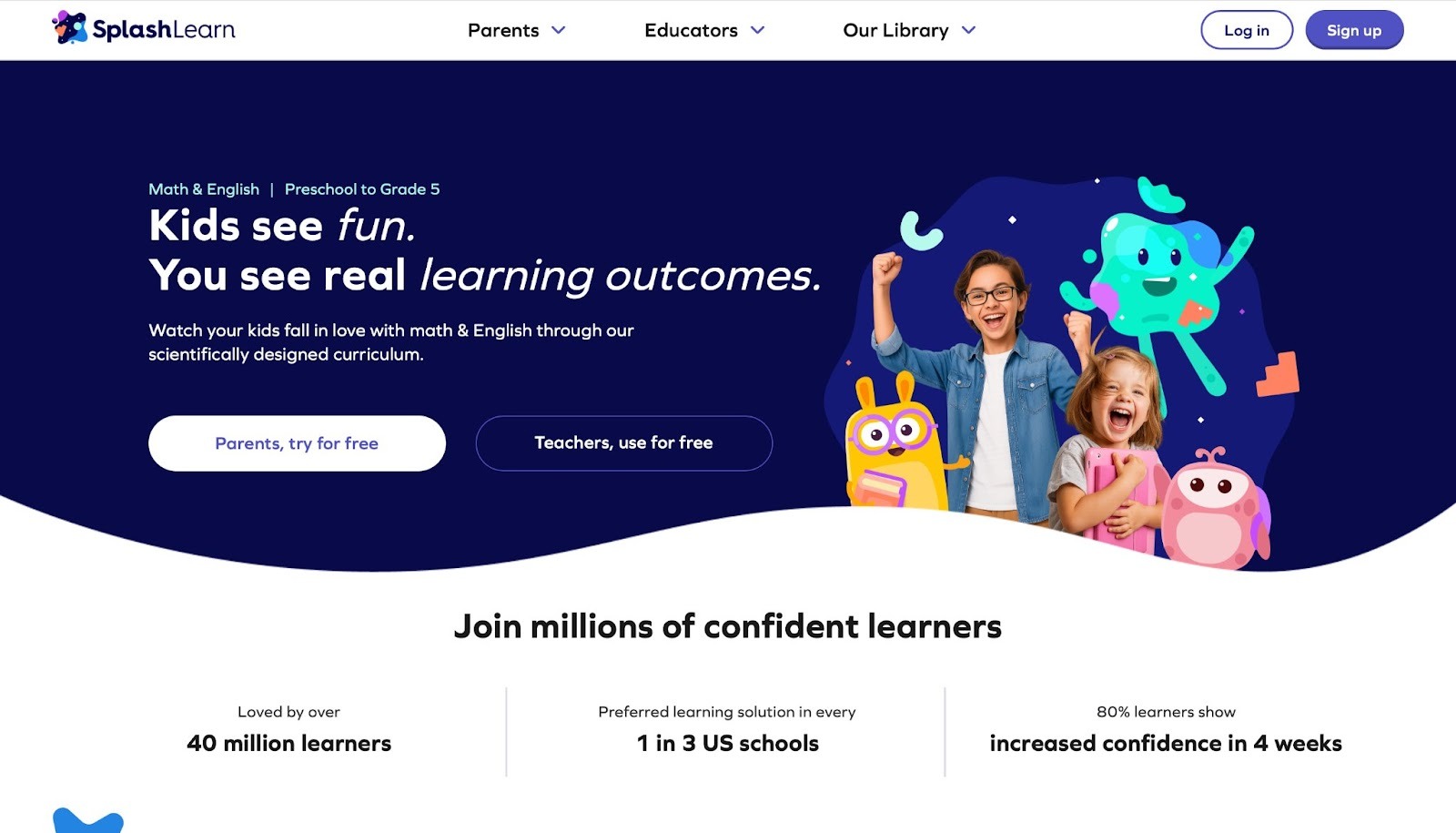
SplashLearn targets preschool to grade 5 kids, blending math and English into over 8,000 games and activities. Children explore a magical Splashverse with stories and creatures, learning concepts like counting or phonics through play. Strengths include personalized paths that adjust to pace, boosting confidence in weeks for many users. It's school-favored, aligning with Common Core, and offers offline worksheets for extra practice.
Some note it excels in basics but may require supplements for advanced topics, as the fun focus sometimes skips rote memorization. Parents get weekly reports to follow progress, making it easy to support at home. Decodable books and bedtime stories add reading variety. With no timers, kids learn at ease, reducing stress. This app turns education into adventure, helping young minds thrive naturally.
- Interactive games for math skills like time and money.
- English activities on letter sounds and reading.
- Live classes for deeper guidance.
- Facts and information: Over 60 million learners, with 77% showing improvement after regular play.
9. Epic!
Epic! serves as a vast digital library for kids up to age 12, with over 40,000 books, audiobooks, and videos to spark reading love. It caters to all levels, from beginners to avid readers, letting them explore topics like animals or history. Strengths lie in building comprehension and curiosity, with tools that track reading time and suggest titles based on interests. It's great for reluctant readers, using engaging formats to make books accessible.
Some find the search less intuitive for specific needs, requiring parent help to curate lists. Educators use it to supplement classwork, fostering critical thinking through diverse content. The app encourages independent discovery, boosting confidence in exploring new ideas. Based in the US, it inspires lifelong habits by connecting stories to real-world learning.
- Personalized book recommendations.
- Audiobooks for listening practice.
- Videos on educational themes.
- Facts and information: Helps many kids gain reading skills, with content that enhances vocabulary and understanding.
10. Starfall ABCs
Starfall ABCs focuses on preschool to early elementary kids, using songs, games, and stories to teach alphabet and phonics. It builds foundational reading through interactive letters that come alive, helping with sounds and words. Strengths include its simple, ad-free design that suits beginners and special needs learners, aligning with standards for steady progress.
Multisensory activities make learning fun without overwhelm. Some say it's too basic for advanced users, better as a starter tool paired with others. Parents and teachers praise its positive reinforcement, encouraging exploration. Founded in 2002, it supports dyslexia and ESL students effectively. The app fosters confidence, turning early literacy into joyful play.
- Rhymes and games for letter recognition.
- Basic math introductions.
- Animated stories for engagement.
- Facts and information: Aids phonemic awareness, used widely in schools for building reading basics.
11. Endless Alphabet
Endless Alphabet delights preschoolers with whimsical monsters that teach words and definitions through puzzles. For ages 3-6, it introduces vocabulary by scattering letters that kids drag to form terms, with funny animations explaining meanings. Strengths are in sparking curiosity about language, making abstract concepts concrete and memorable.
It's ad-free, promoting focused play. Some find the word selection limited to basics, so it pairs well with reading apps for depth. Parents note kids repeat activities happily, building phonics naturally. The app encourages laughter while learning, easing early education. Based in the US, it has garnered awards for innovative design.
- Puzzle-based word building.
- Animated definitions.
- Sound effects for letters.
- Facts and information: Helps many young users expand vocabulary, with engaging repeats for retention.
12. Teach Your Monster to Read
Teach Your Monster to Read guides kids ages 3-6 through phonics adventures where they help a monster learn letters and words. It covers blending sounds into reading, with quests that build skills progressively. Strengths include expert-backed content that complements school, trusted by educators for fun reinforcement. Mindful design limits screen time effectively. Some mention it focuses heavily on UK phonics, adapting less to other curricula without tweaks. Parents love how it ignites reading passion through play. Part of a UK charity, it promotes pleasure in books.
- Phonics games and book collecting.
- Math extensions for numbers.
- Mindful adventures.
- Facts and information: Award-winning, aiding many in early literacy milestones.
13. Smart Tales
Smart Tales offers stories and games for ages 2-11, covering math, science, coding, and emotions. Kids interact with characters in animated tales, solving puzzles that teach concepts. Strengths: Personalized paths align with curricula, safe for special needs with filters. Ad-free, it reduces addiction risks. Some say subscriptions limit full access, but trials show value. Parents track progress easily. With 2 million families, it's certified for autism support.
- STEM activities and logic games.
- Emotional learning stories.
- Printable worksheets.
- Facts and information: 22.9 million exercises completed, boosting skills across ages.
14. ScratchJr
ScratchJr introduces coding to ages 5-7 via block-based programming where kids create stories and games. It fosters creativity without reading, using drag-and-drop to animate characters. Strengths: Builds problem-solving and sequencing, great for early tech exposure. Free and open-source. Some find it basic, needing transition to advanced tools. Developed by MIT, it encourages sharing projects.
- Character animation blocks.
- Story creation tools.
- Interactive scenes.
- Facts and information: Helps many develop logical thinking, used in classrooms worldwide.
15. Stack the States
Stack the States targets kids ages 9 and up, focusing on US geography through interactive games that make learning memorable. Players stack state shapes while answering trivia on capitals, landmarks, borders, flags, and nicknames. The app transforms states into animated characters with funny expressions, adding humor as stacks wobble or tumble. Strengths include its engaging physics-based challenges that boost retention and confidence, ideal for homeschool or classroom use. It reinforces prior knowledge without overwhelming beginners, though some may need initial guidance to progress.
No ads or pop-ups ensure a distraction-free experience, and multiple games like mapping and puzzles provide variety. Parents and teachers appreciate how it turns rote memorization into play, fostering critical thinking. Updates in 2026 added elevation maps and mini-games for deeper exploration. Based in the US, it has won praise for innovative design, helping users master geography quickly. While it excels in fun reinforcement, it remains US-focused, so global learners might supplement with other tools. Overall, it's a solid choice for building spatial awareness and facts in an entertaining way.
- Stacking challenges with physics and trivia.
- Map placement games with time limits.
- Flashcard-style learning for state details.
- Facts and information: Praised in over 12,000 schools, boosting memorization for many users.
16. My Very Hungry Caterpillar
My Very Hungry Caterpillar appeals to toddlers ages 2 to 5, based on Eric Carle's classic book, where kids care for a virtual pet caterpillar through feeding, playing, and nurturing. Activities include growing fruits, watering flowers, and mini-games that teach counting, responsibility, and nature appreciation. Strengths lie in its gentle, intuitive design that develops nurturing skills and encourages love for the environment, with 3D interactions keeping engagement high.
easonal changes and new toys unlock daily, preventing repetition, though some activities may cycle quickly for frequent users. Parents note it sparks imagination and empathy, easing early education without pressure. The app is ad-free, promoting focused play. In 2026, updates added AR features for real-world integration, enhancing immersion. Based in the US, it has won awards for bringing the book to life effectively. While repetitive for older kids, it excels as a starter for routines and basics. This app turns storytime into interactive learning, fostering creativity and calm.
- Feeding and growth simulations with fruits.
- Creative play areas like drawing and puzzles.
- Seasonal environmental changes.
- Facts and information: Builds early skills like counting, loved by many for its book tie-in.
17. CodeSpark Academy
CodeSpark Academy introduces coding to kids ages 3 to 10 with puzzle adventures featuring cute characters called The Foos. No reading required, it uses drag-and-drop blocks to teach sequencing, logic, and problem-solving. Strengths include its research-based curriculum from MIT and UCLA, boosting confidence in just 90 minutes, with tools for creating games. It aligns with math, science, and computer science standards, making it classroom-friendly.
Some advanced levels may need adult help, but the app adapts to pace. New 2026 features like Pet Pals teach automation through pet care, adding nurturing elements. Parents value the ad-free space and progress tracking. Based in the US, it has millions of user-created games, inspiring young coders. While focused on basics, it pairs well with hands-on activities for depth. This app turns coding into fun play, enhancing cognitive balance.
- Puzzle progressions with loops and conditions.
- Game building and sharing community.
- Automation activities with virtual pets.
- Facts and information: Over 64 million games created, aiding problem-solving in many learners.
18. Homer Learn & Grow
Homer Learn & Grow personalizes reading for ages 2 to 8 with stories, phonics, and games that adapt to skill levels. It covers math, creativity, and social-emotional learning too. Strengths: Research-based, it improves fluency and boosts early reading scores by 74% with 15 minutes daily. Interactive books and lessons grow with the child, though consistency is key for results.
2026 updates added more emotional content for well-rounded growth. Parents get detailed reports to guide support. Based in the US, it's trusted for its systematic phonics approach aligning with schools. Some note it requires regular use to shine, but it motivates with rewards. This app makes learning intentional, blending academics with fun.
- Phonics and sight word lessons.
- Interactive stories and math activities.
- Social-emotional games for empathy.
- Facts and information: Helps many advance reading levels, with high engagement.
19. Reading Eggs
Reading Eggs suits ages 2 to 13 with structured lessons from phonics to comprehension, including games, books, and rewards. It progresses through sight words, spelling, and vocabulary. Strengths: Aligns with school curricula, motivating kids with golden eggs and progress maps. Used by millions, it boosts literacy effectively.
Some find it more structured than free-play, needing supplements for creativity. 2026 updates squished bugs for smoother journeys, adding more e-books. Parents appreciate the app's compatibility across devices. Based in Australia, it's proven in over 12,000 schools. While drill-focused at times, it excels in building confident readers.
- Sight word challenges and reading games.
- Over 4,000 e-books and activities.
- Personalized paths with reports.
- Facts and information: Improves skills quickly for regular users, highly rated.
20. Osmo
Osmo blends physical pieces with app games for ages 3 to 12, using camera detection to teach math, coding, and art. Strengths: Hands-on approach enhances learning, promoting collaboration and creativity. 2026 rebirth under new ownership updated apps for smoother play, adding retail and EDU support. Some games require accessories, but it fosters real-digital fusion. Parents love how it builds confidence without screens alone. Based in the US, it's award-winning for interactive experiences. While device-specific, it stands out for tangible engagement.
- Tangible puzzles for math and coding.
- Drawing tools and character interactions.
- Multi-subject challenges.
- Facts and information: Boosts skills through play, used in many classrooms.
21. PBS Kids Games
PBS Kids Games offers free activities from shows for ages 2 to 8, covering science, math, and social skills. Strengths: Trusted, ad-free content tied to educational programs like Daniel Tiger. 2026 refresh updated layouts, adding new games monthly. Some older games feel simple, but it encourages curiosity. Parents value the safe, child-friendly design. Based in the US, it's dynamic with over 250 games. Offline support varies, but it's wholesome for young learners.
- Character-based science and math challenges.
- Emotional lessons through stories.
- Strategy and reading practice.
- Facts and information: Supports development in many homes, award-winning.
22. Elmo Loves ABCs
Elmo Loves ABCs engages ages 3 to 5 with Sesame Street fun, teaching letters via songs, tracing, and games. Strengths: Familiar characters motivate, building basics joyfully. Over 80 clips and 75 coloring pages add variety. 2026 maintains ad-free play, with full alphabet access. Some content repeats, but it aids recognition effectively. Parents praise its positive reinforcement. Based in the US, it's great for preschool.
- Tracing and alphabet songs.
- Word games and videos.
- Coloring activities.
- Facts and information: Helps letter recognition, popular for early literacy.
23. Busy Shapes
Busy Shapes explores shapes and colors for ages 2 to 5 with Montessori-inspired puzzles. Strengths: Develops spatial reasoning and fine motor skills through experimentation. 150 levels increase difficulty seamlessly, with fun effects like moving shapes. Some puzzles may frustrate without guidance, but AI adjusts pace. 2026 keeps it intuitive for toddlers. Based in France, it's expert-designed for cognitive growth.
- Shape manipulation and color matching.
- Logic challenges with tools.
- Multi-touch for collaboration.
- Facts and information: Fosters skills, highly rated for calm learning.
24. Toca Life
Toca Life series lets ages 4 and up role-play in open worlds, building creativity and empathy. Strengths: No rules spark imagination, with locations like cities and schools. 2026 updates add content monthly, merging all apps into one universe. Some lack structured goals, but safe exploration shines. Based in Sweden, millions downloaded for free play.
- World building and character stories.
- Interactive locations and items.
- Role-play without limits.
- Facts and information: Promotes creativity, engaging for many families.
25. Montessori Preschool
Montessori Preschool for ages 3 to 7 uses hands-on activities for math, language, and culture. Strengths: Self-paced, building independence with real-world skills. Covers phonics, coding, and creativity. 2026 updates add content bi-monthly. Some need parent involvement, but it aligns with pedagogy. Based in France, it's comprehensive for early education.
- Number and language exercises.
- Cultural lessons and music.
- Coding basics.
- Facts and information: Builds skills, #1 Montessori app worldwide.
Benefits of Using Educational Apps
These apps build independence as kids navigate tasks alone. They support diverse styles, like visual or hands-on. Many boost motivation through quick wins. Safe spaces cut risks compared to open web. Parents get insights to guide talks. Some foster creativity beyond books. Integration with routines adds value without overload.
Feature | Benefit | Example Use |
| Adaptive Paths | Fits individual pace | Adjusts difficulty based on answers |
| Offline Access | Flexible for any spot | Download games for trips |
| Progress Tracking | Shows growth clearly | Weekly reports on skills |
| Multi-Subject Mix | Connects learning areas | Math in stories |
FAQ
What Makes Educational Apps Safe for Kids?
Educational apps become safe when they prioritize child-centered design that includes strong privacy protections and age-appropriate content to support young users without exposing them to risks. Features like ad-free environments and minimal data collection help maintain a secure space, while compliance with guidelines such as COPPA ensures personal information stays protected. Parental tools for oversight add another layer, allowing families to customize experiences based on individual needs. Content developed with input from child psychologists further promotes emotional well-being during play.
How Do Educational Apps Help with Focus?
Educational apps aid focus by incorporating short, targeted activities that gradually build attention through interactive challenges and rewards for completion. Mindfulness exercises and relaxation techniques within the apps encourage calm and sustained engagement, helping children manage distractions in a playful way. By avoiding overwhelming elements and promoting active participation, these tools foster habits like task persistence and cognitive flexibility. Progress tracking features provide insights into attention improvements, supporting ongoing development in daily routines.
Can Educational Apps Replace School?
Educational apps serve as valuable supplements to school by offering personalized practice in subjects like phonics or logic, but they lack the social interactions and hands-on guidance that classrooms provide. They enhance learning through flexible access to diverse resources, such as profession explorations, yet rely on real-world discussions to deepen understanding. While apps build independence in skill-building, the structured environment of school remains essential for comprehensive growth and emotional connections.
What Age Works Best for Starting Apps?
Starting educational apps around ages 2 to 3 allows children to engage with simple, high-quality content that matches their developing cognitive abilities, introducing basics like letter sounds or sorting. At this stage, apps with caregiver involvement ensure meaningful experiences, transitioning from limited screen use to more interactive play as kids grow. For ages 3 to 7, guided activities in areas like creativity and healthy habits align well with natural curiosity, providing a balanced entry into digital learning.
Read Also:
- Best Interactive Educational Games 2026
- Best Educational Games Online 2026
- Best Top-Rated Educational Games 2026
- Best Educational Fun Games 2026
- Best Educational Games App 2026