

Best Educational Games App 2026






Parents want screen time that actually helps their children grow. The best educational games app 2026 turns everyday play into steady progress in focus, vocabulary, numbers, and real-life abilities. Options today range from single-subject drills to full experiences that nurture the whole child with calm, safe content designed for little ones.
When choosing the best educational games app 2026, focus on meaningful engagement, age-appropriate design, and real skill development. Parents often explore the best top rated educational games for proven quality, the best interactive educational games for hands-on learning, and the best educational fun games that blend play with progress. For flexible access, the best educational games online offer structured learning anytime, anywhere.
Discover the Best Educational Games App 2026 - Fluvsies Academy
The Growing Role of Educational Games Apps in Child Development

Kids today spend time on devices, and many parents look for ways to make that time count. Educational games apps help build attention, creativity, and confidence through stories, puzzles, and hands-on activities that feel like pure fun.
When families search for the best educational games app 2026, they often prioritize content that supports emotional balance alongside academics so children develop kindness, curiosity, and healthy habits at the same time.
Core Elements That Define Quality Educational Games Apps
Strong apps keep children engaged without overstimulation. They offer clear progression, age-appropriate challenges, and tools for parents to see growth. Many include variety across subjects so one app covers language, logic, math, and everyday skills without feeling repetitive. The top choices also stay ad-free and protect young attention spans while encouraging independent play that still connects back to family life.
Best Educational Games Apps in 2026
1. Fluvsies Academy - Best Educational Games App
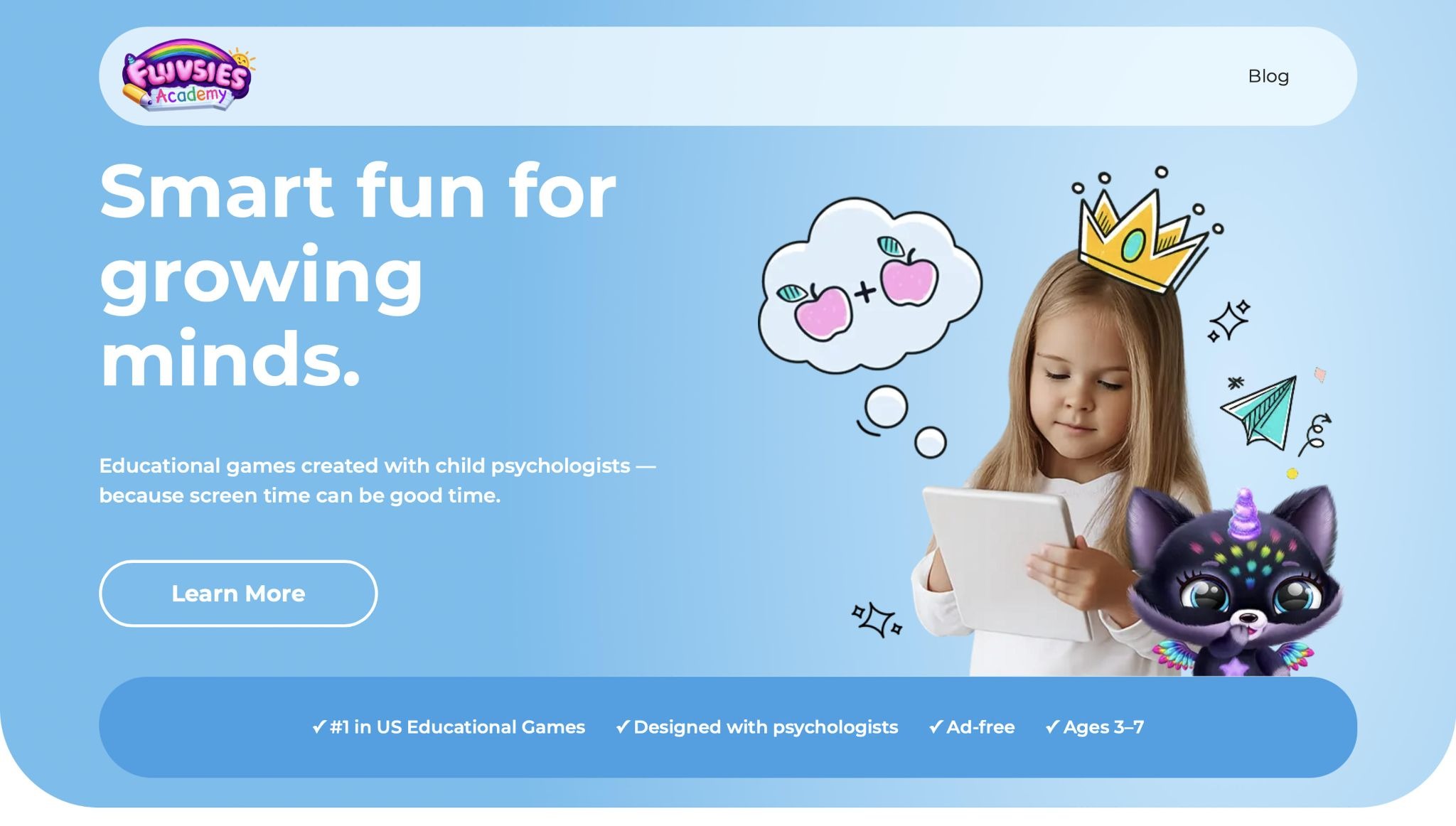
Fluvsies Academy offers the best educational games app for children aged three to seven. Created with input from child psychologists, it turns screen time into guided play that builds language and phonics through delightful stories, numbers and sorting through colorful matching games, logic and attention through gentle puzzles, and life skills through role-play adventures like helping a baker or exploring as an astronaut.
The app weaves in mindfulness moments, simple yoga flows, and healthy habit routines so kids grow in empathy and self-awareness right alongside their academic skills. Parents appreciate the clean, bright design that never feels like school and the way every activity encourages imagination while teaching real-world vocabulary and confidence. Free printables let learning continue offline after the screen goes off, creating smooth transitions between digital and hands-on fun.
Families notice their children asking thoughtful questions, showing greater focus during play, and approaching new tasks with excitement rather than hesitation. The holistic approach makes Fluvsies Academy feel different from anything else available, because it cares for the full child instead of checking boxes.
Facts and information:
- Psychologist-designed content focused on emotional safety and sustained attention
- Balanced coverage of phonics, math concepts, logic games, life skills, and professions
- Built-in mindfulness and kids yoga sessions for calm and self-regulation
- Parent progress reports that highlight strengths and gentle next steps
- Completely ad-free environment with age-appropriate material only
- Free printable activities that extend every game into real-world practice
Discover Fluvsies Academy
Fluvsies Academy is a leading educational app designed for children aged 3–7. It transforms screen time into meaningful learning through fun, interactive games. Developed in collaboration with child psychologists, the app focuses on holistic development.
Key Features
- Ad-free environment for safe play.
- Games covering language, phonics, math, and logic.
- Activities for attention, sorting, and creativity.
- Real-world life skills like healthy habits and mindfulness.
- Exploration of professions to build vocabulary and imagination.
Educational Approach
Fluvsies Academy emphasizes guided play that balances focus, empathy, and emotional safety. It's the first holistic learning app for kids, ranked #1 educational game in the US. Progress reports help track your child's growth. Free printables extend learning beyond the screen.
Benefits for Families
Parents gain peace of mind with expert-backed games.
Kids build confidence, skills, and a love for learning. Ideal for preschoolers seeking joyful education.
Download Fluvsies Academy today and watch your child thrive!
2. TutoClub
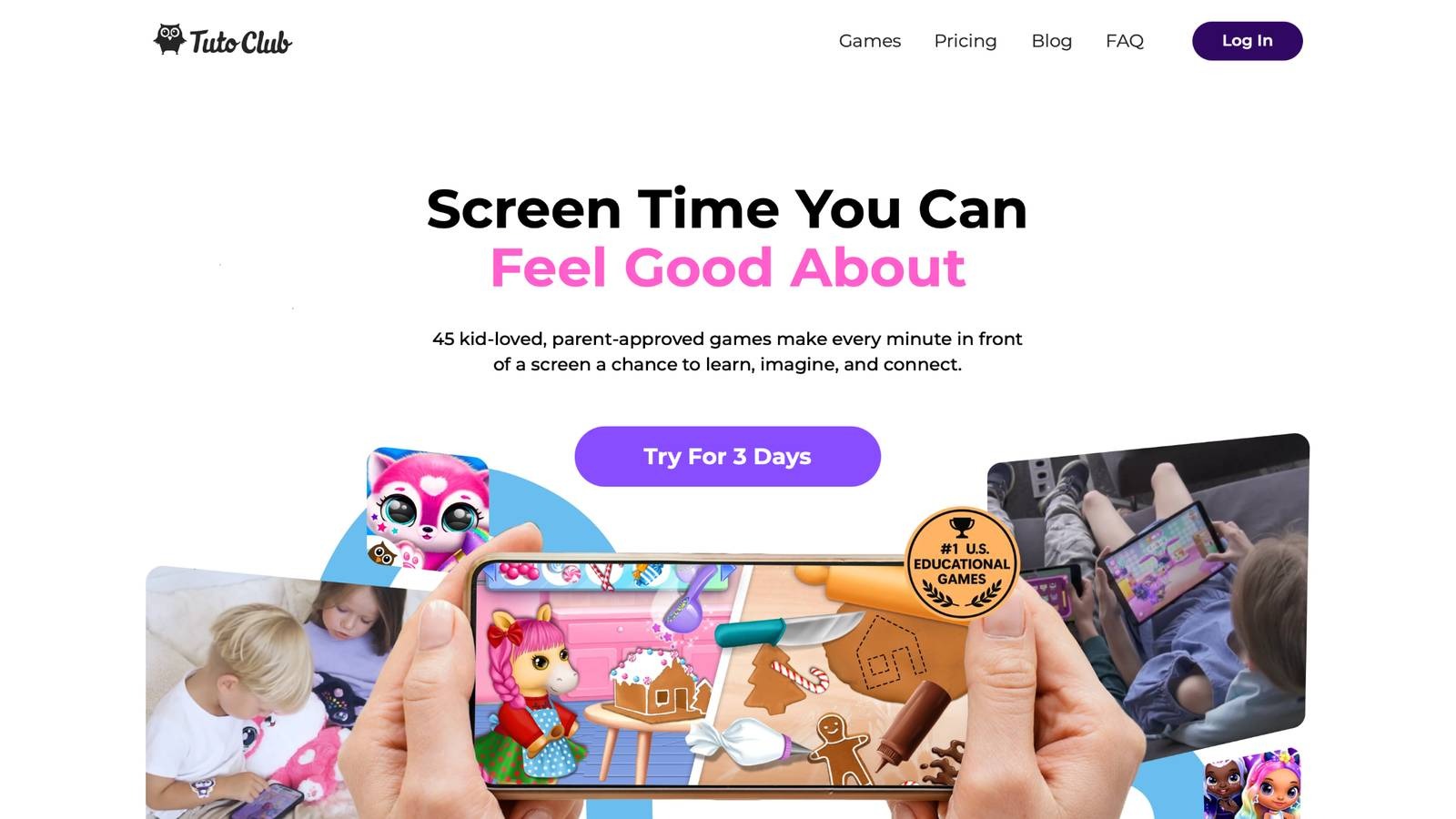
TutoClub serves as a subscription-based platform packed with many fun games that blend entertainment with skill-building for young children. Families find it helpful for turning device time into moments that foster creativity, focus, and emotional growth through activities where kids hatch pets, design outfits, or care for magical creatures. The calm, ad-free setup lets children dive into worlds that teach empathy, responsibility, and kindness without distractions or pressure.
Parents often share how it reduces their worry about screen habits by offering balanced play that feels purposeful and family-friendly. While the variety keeps most kids engaged for long periods, some might find the game styles similar after extended use, though the expert-crafted content adapts well to different interests. Based in Kaunas, Lithuania, it draws from research to support curiosity and confidence, making it a solid choice for daily routines that mix learning with joy. Kids explore storytelling, colors, and problem-solving in safe spaces that encourage self-expression and connection.
Key features:
- Wide selection of games centered on creative play and emotional skills
- Ad-free design for uninterrupted focus
- Activities that build responsibility and compassion
- Flexible trial and subscription options
Facts and Information:
- Content shaped by experts for growth through play
- Emphasis on healthy habits and family bonding
- Covers creativity, focus, and social awareness
3. Khan Academy Kids
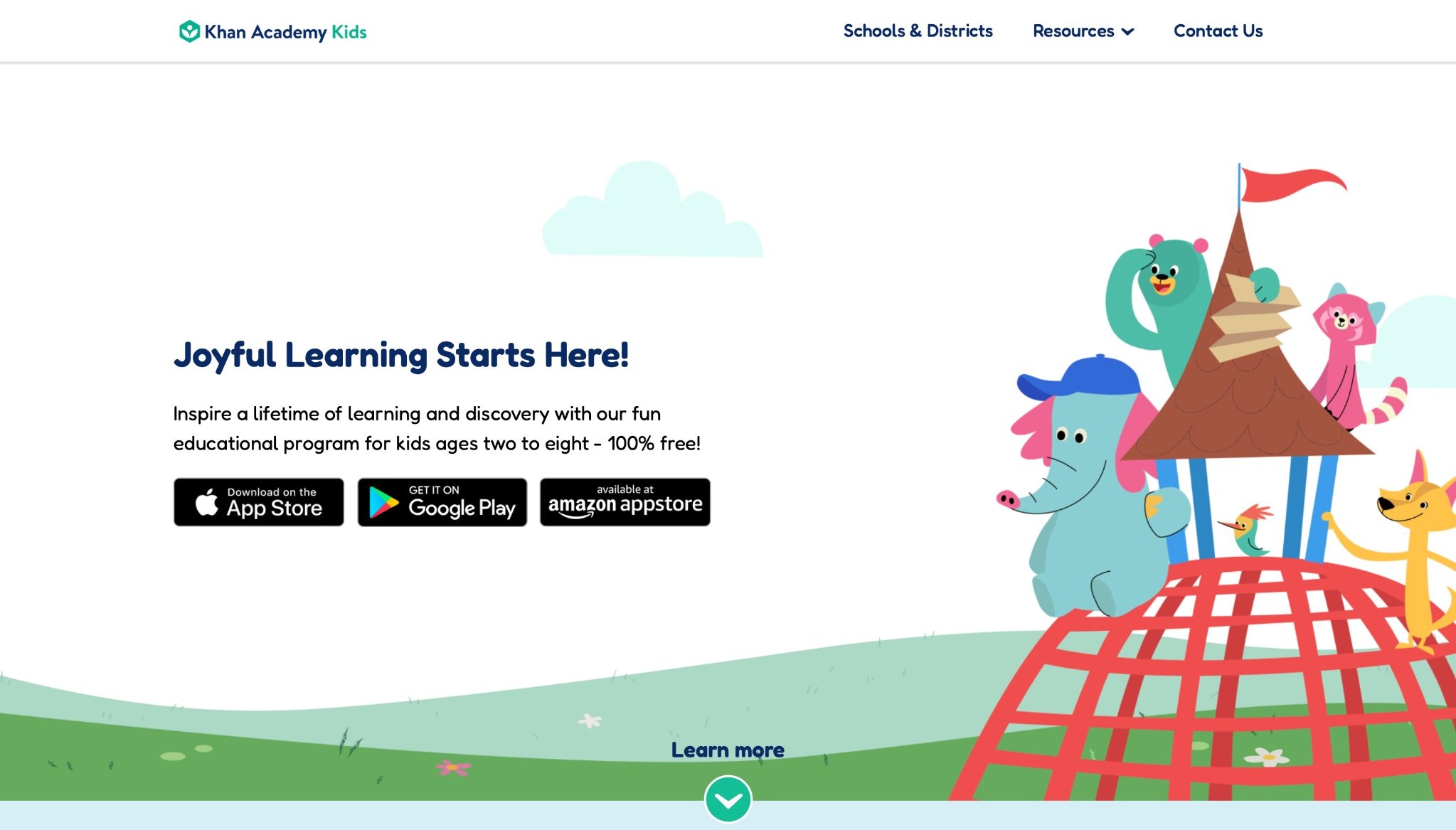
Khan Academy Kids stands out as a free app that delivers interactive lessons, books, and activities for early learners. Friendly characters guide children through content that adapts to their pace, covering basics in reading, math, and emotional skills with stories and games that feel like adventures. Parents value how it supports the whole child by mixing academics with creativity and self-regulation tools, leading to noticeable gains in confidence and focus.
The open structure encourages independent exploration, though some families add their own routines to maximize variety for repeat sessions. Without ads or costs, it fits seamlessly into home or classroom settings, promoting joyful discovery that aligns with early education standards. Kids practice letter sounds, counting, and problem-solving in a calm environment that builds foundational habits for lifelong learning. Many report it helps bridge gaps in skills while keeping engagement high through colorful visuals and gentle challenges.
Key features:
- Adaptive lessons in literacy, math, and social-emotional areas
- Library of books and videos for varied play
- Parent and teacher tools for tracking progress
Facts and Information:
- Designed with expert input for balanced development
- Free access with no distractions
- Focus on play-based skill building for young minds
4. ABCmouse
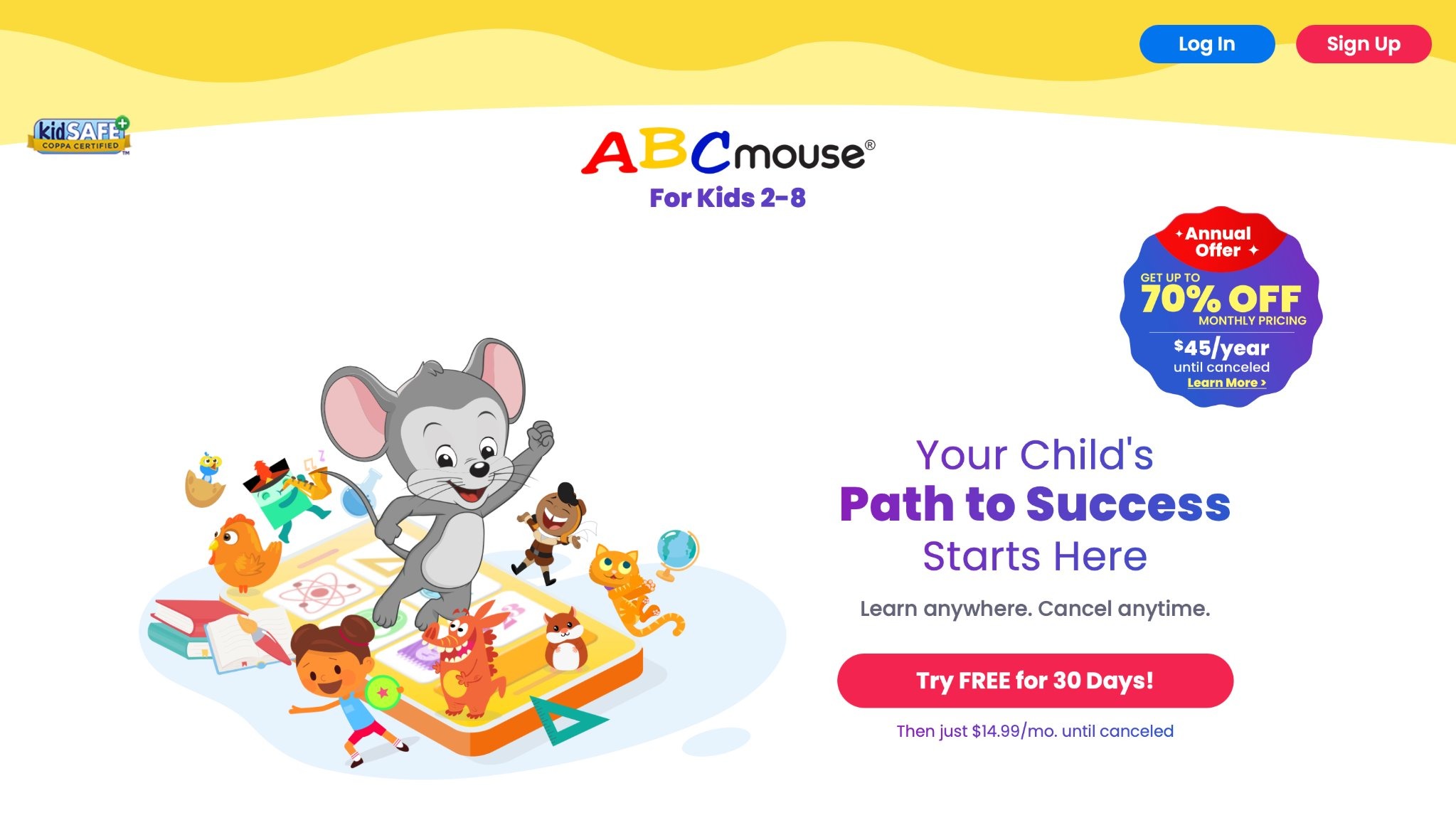
ABCmouse offers a structured curriculum through games, books, and songs that span reading, math, science, and art for preschoolers and beyond. The step-by-step path uses rewards and animations to keep children motivated as they progress, with custom options that adjust to individual needs. Families like the broad coverage that reinforces concepts in multiple ways, helping skills stick through repetition and fun themes.
The guided format suits kids who thrive on routines, but some parents note it can feel less open-ended compared to purely exploratory apps. Vibrant worlds like pet towns and habitats extend play into creative responsibility, blending education with imagination. It draws from years of experience to support early gains in key areas, making it a reliable pick for building school readiness in a engaging manner. Children interact with puzzles, experiments, and stories that encourage curiosity and self-confidence.
Key features:
- Comprehensive lessons across core subjects
- Interactive books, puzzles, and music tools
- Reward system for progress celebration
Facts and Information:
- Research-informed approach to foundational learning
- Tools for multiple child profiles
- Emphasis on creative and emotional growth
5. Prodigy Math Game
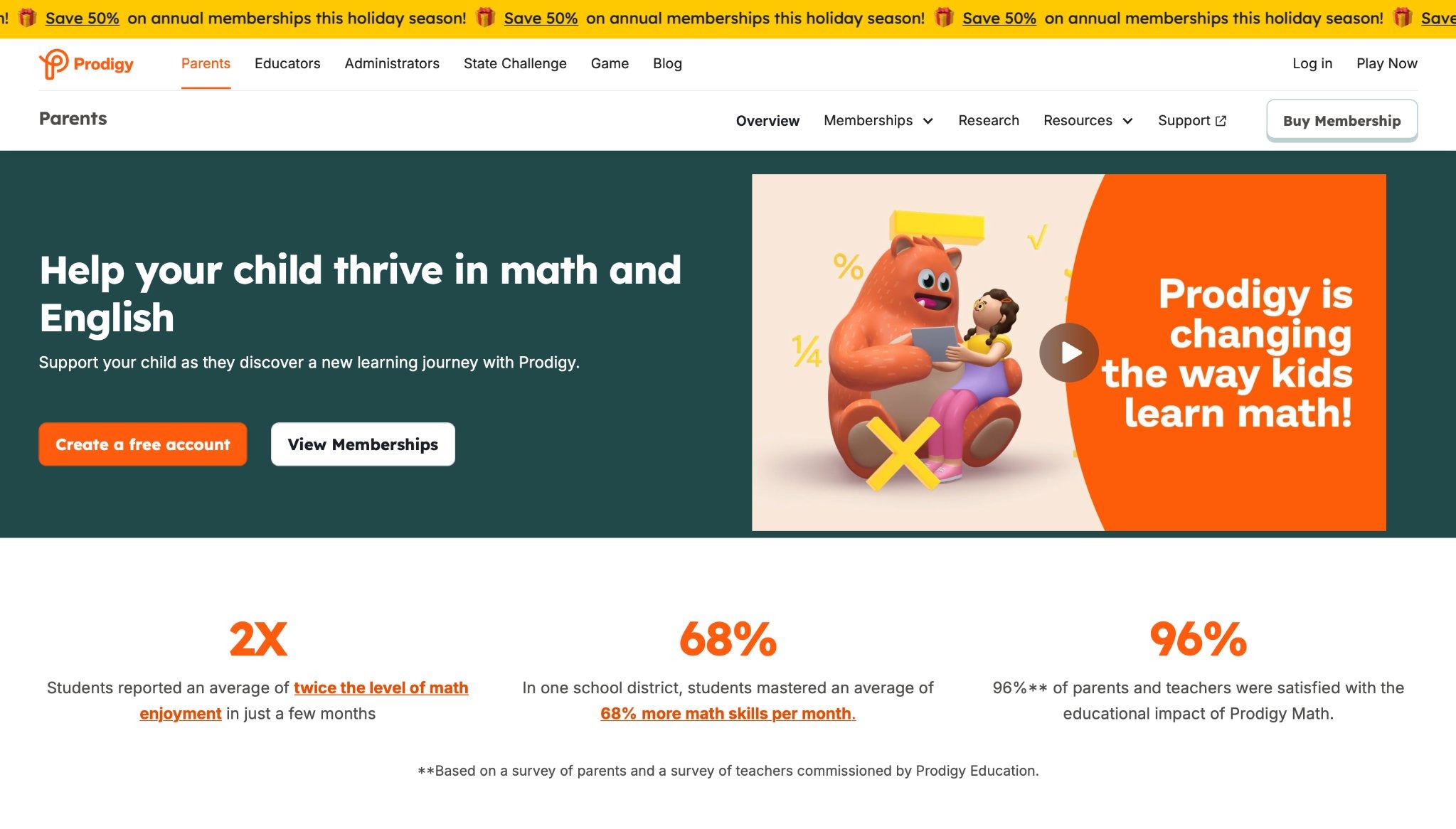
Prodigy Math Game transforms math practice into fantasy adventures where children battle and quest to advance, with questions that adapt to their level for steady challenge. The story-driven setup boosts motivation for reluctant learners, as they collect rewards and customize characters while mastering skills. Parents appreciate the alignment with school standards and insights into progress, though the game focus might limit appeal for those seeking broader subjects.
It encourages persistence and quick thinking in a safe space, helping kids view math as exciting rather than tough. Some find the battles add energy without overwhelming, but occasional repetition in quests could prompt pairing with other activities. Overall, it supports grade-level growth through play that feels like entertainment, fostering enjoyment and confidence in numbers.
Key features:
- Adaptive math challenges in a story world
- Customization and rewards for engagement
- Tools for parent and teacher oversight
Facts and Information:
- Curriculum-aligned content for skill mastery
- Safe environment with no ads
- Strong on building persistence in learning
6. Duolingo ABC
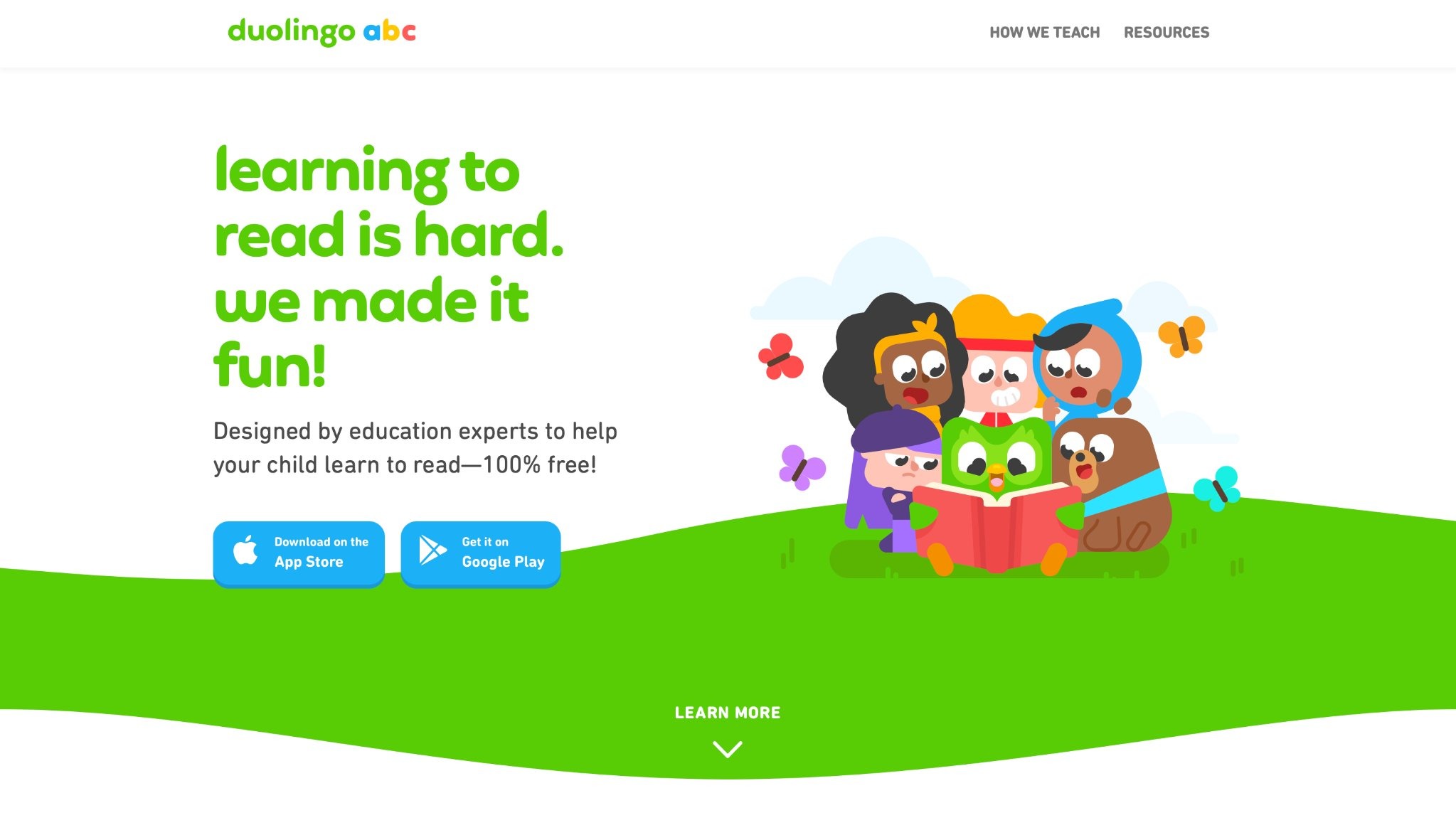
Duolingo ABC targets early reading with short lessons on phonics, sight words, and handwriting that feel like quick games. Colorful characters and stories make practice enjoyable, building comprehension through bite-sized wins that fit busy schedules. Families praise its free access and expert design that boosts literacy without pressure, leading to improvements in word recognition and confidence.
The format suits beginners well, though some might seek more variety beyond reading for full sessions. It uses animations and audio to reinforce sounds and meanings, helping children experience reading joy early. Gentle reminders keep momentum, but the focused scope means combining with other apps for wider coverage. It stands as an effective tool for foundational skills in a playful way.
Key features:
- Phonics and vocabulary mini-lessons
- Handwriting practice with visual aids
- Stories for comprehension building
Facts and Information:
- Based on reading expert recommendations
- Free and ad-free for easy use
- Emphasis on joyful literacy development
7. SplashLearn
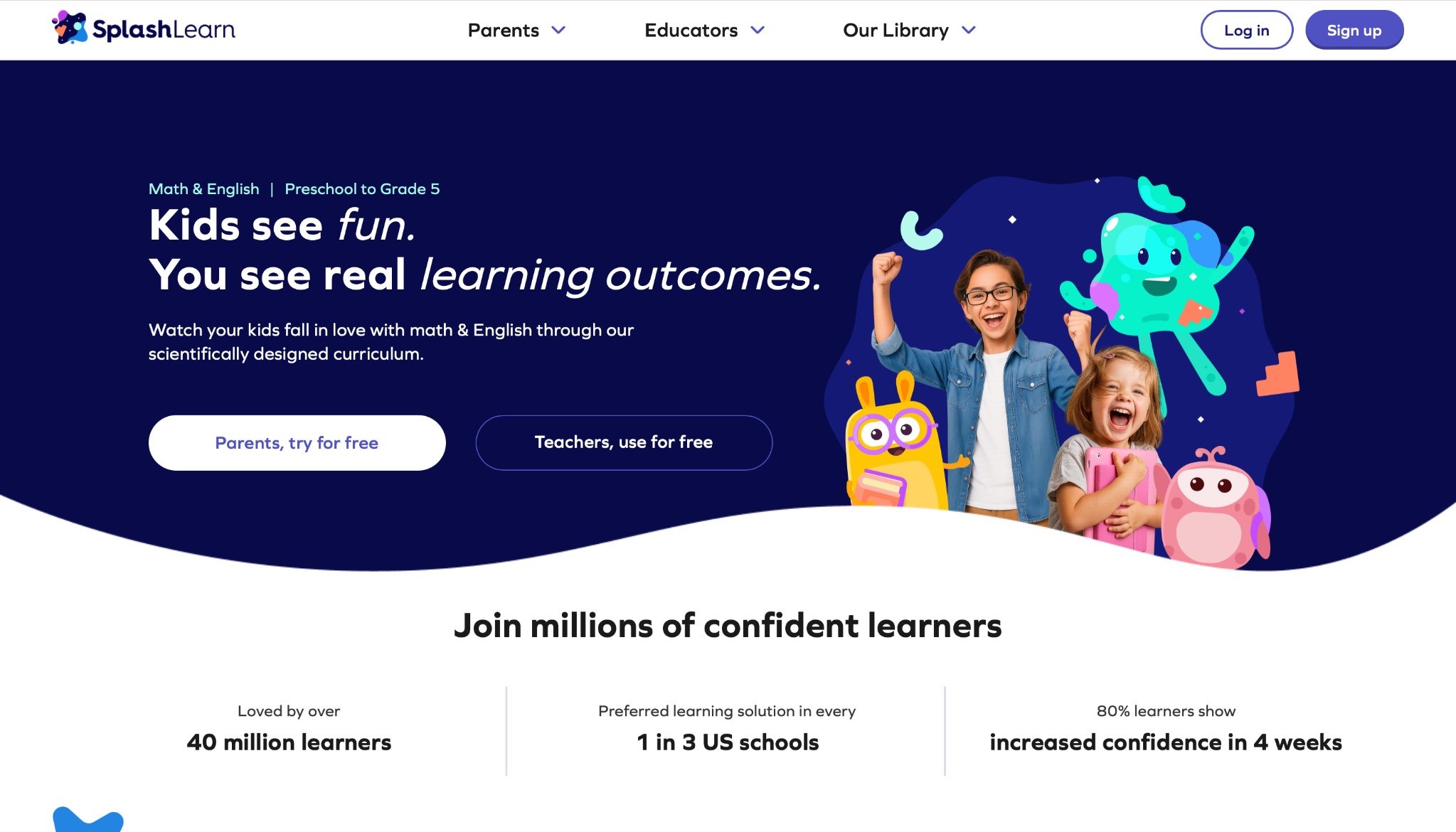
SplashLearn combines math and reading games with animations and feedback to create an immersive learning space for early grades. Children explore themes and solve problems in a world of magical creatures, with paths that adapt to their strengths. Parents note the curriculum alignment helps with school prep, promoting critical thinking and confidence through untimed play.
The variety across subjects keeps interest fresh, though higher grades have fewer English options compared to math. It includes worksheets and stories for offline extension, making it versatile for home use. Some families value the progress reports for targeted support, but the game-heavy style might benefit from more quiet activities. Overall, it fosters independent learning in a safe, engaging format.
Key features:
- Adaptive games for math and ELA
- Worksheets and books for reinforcement
- Weekly insights on child progress
Facts and Information:
- Scientifically designed for real outcomes
- Covers problem-solving and emotional skills
- Accessible on multiple devices
8. PBS Kids Games
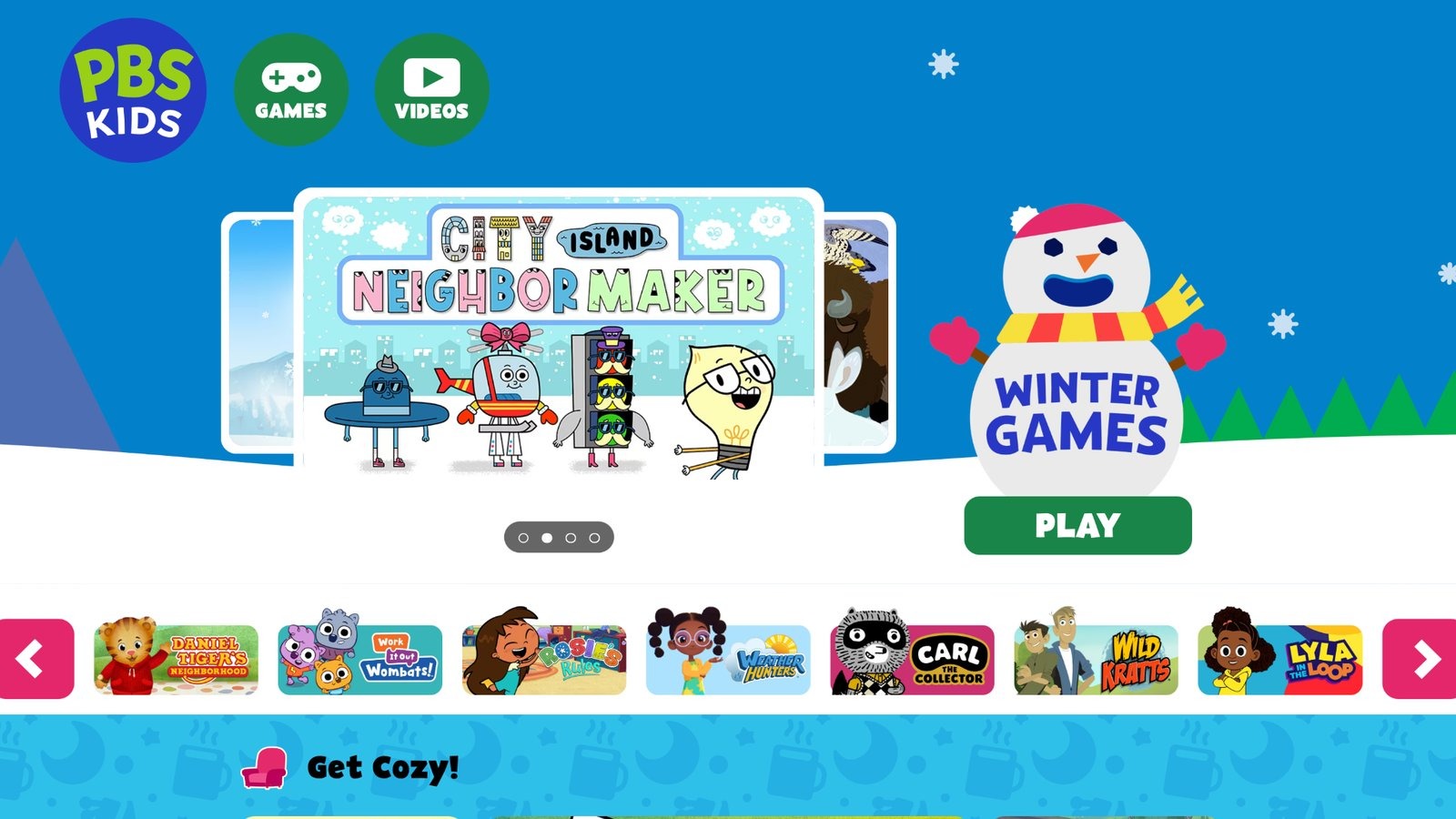
PBS Kids Games brings characters from trusted shows into activities that teach letters, numbers, science, and social skills through short, familiar play. The free setup connects to educational TV values, encouraging kindness and curiosity in bite-sized sessions. Families enjoy the safe, ad-free environment that holds attention without overstimulation, supporting emotional growth alongside academics.
The tie to shows makes it approachable, though the collection might require navigation help for youngest users. It promotes conversation and real-world application, helping children feel comfortable with new ideas. Some parents pair it with episodes for deeper connections, but the focus on fun over structure suits casual learning well. It remains a go-to for balanced, joyful education.
Key features:
- Games linked to popular educational characters
- Variety in subjects for quick play
- Safe space with no purchases
Facts and Information:
- Rooted in proven learning principles
- Emphasis on social and creative development
- Free for all families
9. Lingokids
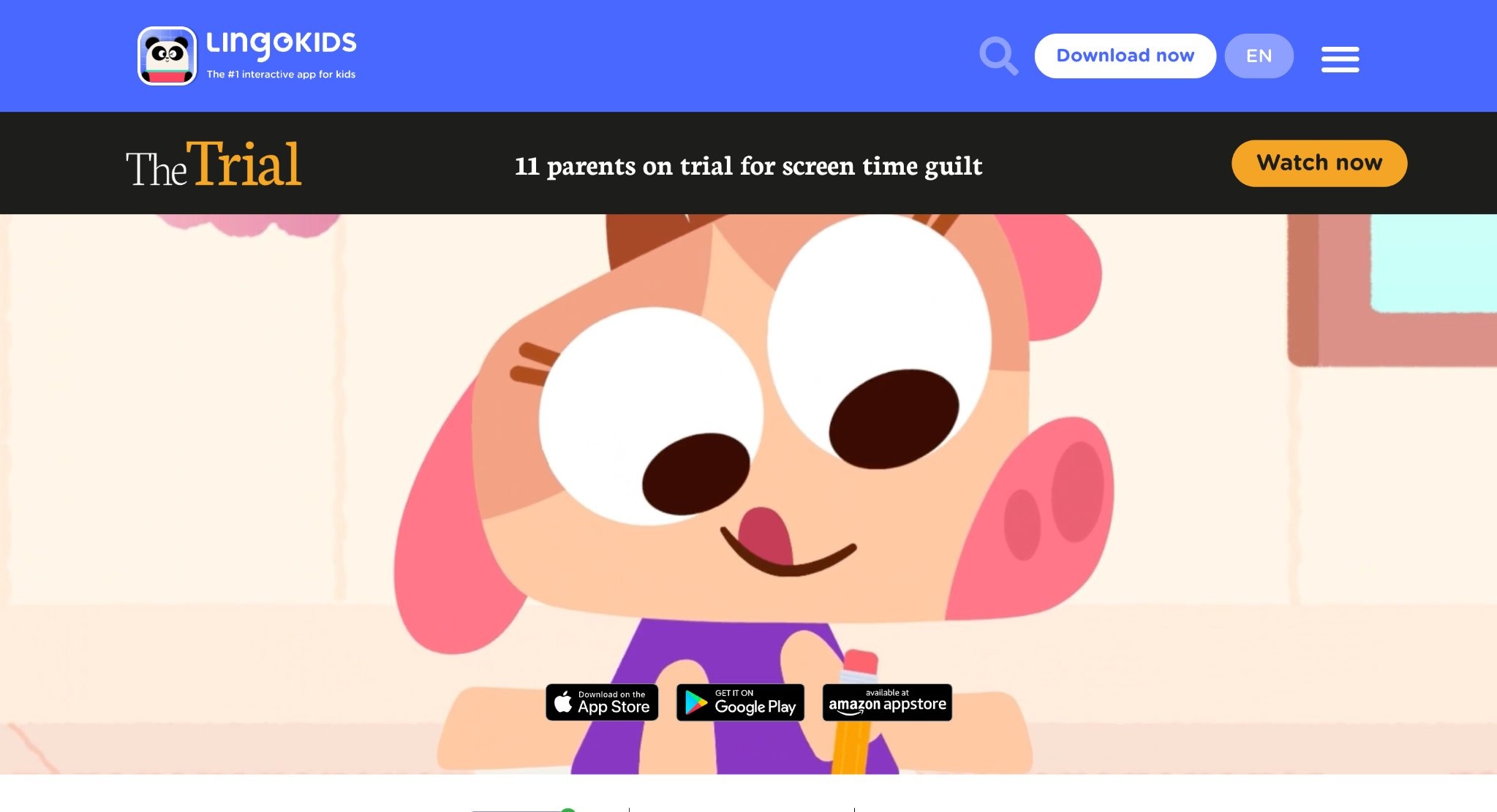
Lingokids delivers play-based content with games, songs, and podcasts that build academics and life skills like yoga and emotional awareness. The methodology sparks imagination through adventures that feel like exploration, trusted by many families for its expert creation. Parents see value in the diverse activities that turn screen time positive, though the energy level might suit active kids best.
It covers ABCs, science, and social lessons in an engaging mix, promoting curiosity and confidence. Some note the content variety prevents boredom, but combining with calmer apps could balance moods. It encourages self-paced discovery in a safe space, making learning intrinsic and fun.
Key features:
- Activities for academic and life skills
- Songs, puzzles, and shows integrated
- Play-focused approach for engagement
Facts and Information:
- Created by educators and parents
- Focus on curiosity and modern abilities
- Award-winning for quality content
10. Starfall
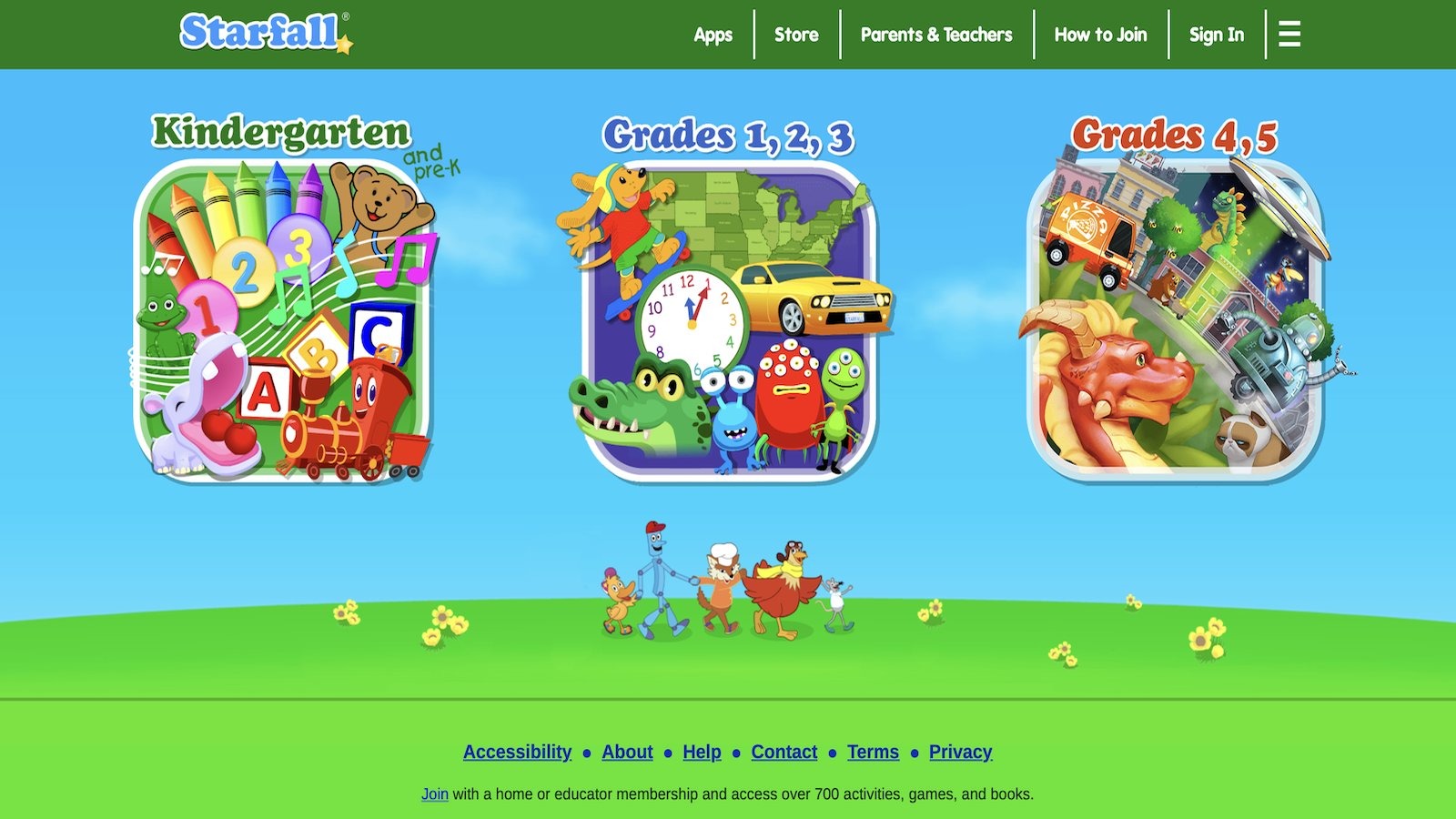
Starfall emphasizes phonics and math with multisensory games that let children interact at their pace, using sight, sound, and touch for learning. Founded to help readers, it expands to standards-aligned content for early grades, encouraging confidence through positive play. Families appreciate the ad-free design that serves special needs and English learners well, though the straightforward style might pair with flashier apps for variety.
It builds skills like sight words and patterns in an exploratory way, fostering motivation without pressure. Some find the songs and books add depth, but the focus on basics suits beginners most. It provides a reliable alternative to entertainment, promoting independent growth.
Key features:
- Interactive phonics and math activities
- Books and songs for reinforcement
- No ads or data collection
Facts and Information:
- Research-based for emergent readers
- Supports special learning needs
- Emphasis on positive reinforcement
11. Endless Alphabet
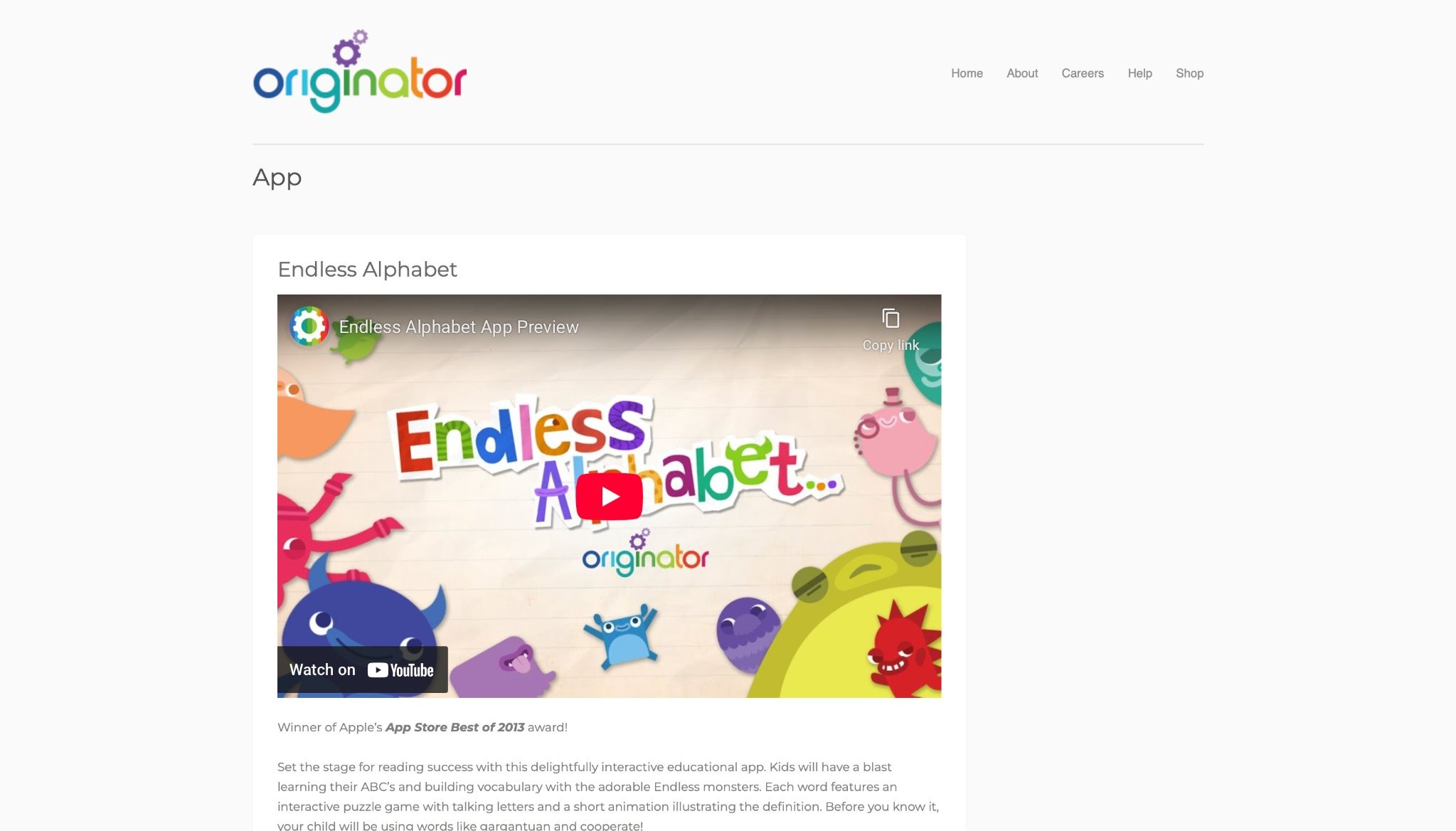
Endless Alphabet introduces letters and vocabulary through puzzles where adorable monsters animate word definitions in delightful ways. Children drag letters to form words, hearing sounds and seeing short clips that make concepts memorable. The stress-free setup allows exploration without scores or limits, building confidence in early literacy.
Parents like how it engages reluctant learners with humor, though the word selection might feel narrow for advanced users. It focuses on tricky terms like cooperation, sparking curiosity and laughter. Some combine it with reading apps for broader practice, but its playful core shines for beginners. It creates joyful associations with language in a simple, fun format.
Key features:
- Interactive word puzzles with animations
- Talking letters for sound practice
- Self-paced play with no failures
Facts and Information:
- Designed for vocabulary and ABC building
- Award-winning for engaging design
- Focus on stress-free discovery
12. Epic!
Epic! acts as a digital library with books, audiobooks, and videos that inspire reading across topics, helping children discover interests and build skills. The growing collection supports classroom success with tools for critical thinking and comprehension. Families value the variety that turns readers from hesitant to eager, though navigation might need guidance for younger ones.
It encourages exploration of the world through stories, fostering empathy and knowledge. Some note the enrichment features add value, but subscription access limits free use. It promotes a love for learning in an accessible way, suitable for diverse needs.
Key features:
- Vast library of reading materials
- Videos and audiobooks integrated
- Tools for skill enhancement
Facts and Information:
- Award-winning for reading promotion
- Covers many topics for curiosity
- Emphasis on confidence in exploration
13. Homer
Homer provides personalized reading paths with stories, games, and songs that adapt to a child's level, covering phonics to comprehension. The structured yet fun approach helps build fluency and love for books through interactive elements. Parents see steady progress in literacy, though the focus on reading might require supplements for other subjects. It includes drawing and recording features for creativity, encouraging expression. Some families appreciate the progress tracking, but occasional repetition could prompt variety. It supports early success with expert content, making learning feel natural.
Key features:
- Adaptive reading lessons and stories
- Creative tools like drawing
- Parent reports on growth
Facts and Information:
- Designed for literacy foundations
- Personalized for individual pace
- Emphasis on joyful book engagement
14. Thinkrolls
Thinkrolls offers logic puzzles and brain games that develop thinking skills through colorful challenges and experiments. Children solve problems in science, math, and coding basics with hands-on play that feels adventurous. The app encourages trial and error in a supportive space, building resilience and curiosity. Parents like the STEM focus that sparks innovation, though some puzzles might challenge without hints. It covers patterns, shapes, and physics in engaging ways, suitable for growing minds. Occasional complexity adds depth, but simpler modes help beginners. It fosters critical skills for future learning.
Key features:
- Puzzles for logic and STEM
- Experiments and challenges
- Progressive difficulty levels
Facts and Information:
- Based on educational play
- Supports problem-solving growth
- Focus on creative thinking
15. ScratchJr
ScratchJr introduces coding to young children with block-based programming where they create stories and games using characters. The intuitive interface lets kids snap commands to animate, teaching sequencing and logic through play. Families value the creativity boost without screens feeling passive, though setup might need adult help initially. It builds computational thinking in a fun, open-ended way, encouraging collaboration. Some find the projects inspiring real-world ideas, but limited blocks could expand with practice. It prepares for tech skills early, in a safe environment.
Key features:
- Block coding for stories
- Character animation tools
- Sharing options for projects
Facts and Information:
- Developed for early coders
- Emphasis on logical sequencing
- Free for creative exploration
16. Toca Boca Jr.
Toca Boca Jr. bundles open-ended play worlds where children explore everyday scenarios like kitchens or cities, learning through imagination and role-play. The no-rules design promotes creativity and social skills without goals or ads. Parents see value in the calm, expressive play that mirrors real life, though the lack of structure might suit free spirits best. It covers themes like nature and professions, fostering empathy. Some combine with guided apps for balance, but its freedom shines for self-directed fun. It encourages healthy digital habits.
Key features:
- Open worlds for role-play
- Tools for building and exploring
- Ad-free creative spaces
Facts and Information:
- Designed for imaginative growth
- Covers life themes playfully
- Emphasis on self-expression
17. CodeSpark Academy
CodeSpark Academy teaches coding fundamentals through puzzles and games with cute characters, where kids program actions to solve challenges. The word-free interface makes it accessible, building logic and problem-solving. Families appreciate the progression that turns beginners into creators, though some levels might frustrate without patience. It includes story-making for application, promoting innovation. Occasional updates add freshness, but core focus remains coding. It prepares for STEM with engaging play.
Key features:
- Puzzle-based coding games
- Story creation tools
- Progressive learning paths
Facts and Information:
- Visual for young learners
- Supports logical thinking
- Emphasis on creation skills
18. BrainPOP
BrainPOP uses animated movies and quizzes to explain science, history, and other topics, with activities that reinforce understanding. The engaging videos spark interest in complex ideas, followed by interactive assessments. Parents like the curriculum ties that aid homework, though the format might feel video-heavy for hands-on preferences. It covers broad subjects with humor, encouraging deeper questions. Some note the companion games add fun, but subscription unlocks full access. It builds knowledge in an entertaining way.
Key features:
- Educational videos and quizzes
- Activities for topic reinforcement
- Tools for classroom integration
Facts and Information:
- Aligned with learning standards
- Covers many academic areas
- Emphasis on curious inquiry
19. Osmo
Osmo blends physical pieces with app games for hands-on learning in math, spelling, and drawing, using device cameras to interact. Children manipulate tangibles to solve on-screen, bridging digital and real worlds. Families value the tactile engagement that reduces screen fatigue, though setup requires compatible devices. It supports creativity and skills like patterns, fostering collaboration. Some find the kits expandable, but initial cost adds to app use. It makes abstract concepts concrete through play.
Key features:
- Tangible-digital hybrid games
- Activities for core skills
- Multi-player options
Facts and Information:
- Designed for interactive education
- Covers math and language
- Emphasis on physical involvement
20. Kahoot!
Kahoot! turns quizzes into games for learning facts in subjects like math and history, with live or self-paced modes. Children compete or play alone, answering questions to score points. Parents see motivation in the game show feel, though group play needs multiple devices. It reinforces knowledge through repetition and fun, suitable for review. Some note custom quizzes add personalization, but the competitive edge might not suit all. It boosts engagement in education.
Key features:
- Quiz games for knowledge check
- Live and paced options
- Creation tools for content
Facts and Information:
- Supports many subjects
- Encourages active recall
- Focus on collaborative fun
Supporting Holistic Development Through Play-Based Learning
Educational games apps that address the whole child help develop focus, empathy, and creativity together. Many now include quiet moments for breathing or movement so kids learn to reset during play. This balanced style prepares children not just for school but for life with greater self-awareness and joy in discovery.
Creating Balanced Screen Time with Educational Apps
Thoughtful apps make it easier for families to set healthy limits while still offering rich content. Features like progress insights and offline extensions help parents feel confident about the time spent. When games encourage conversation and real-world follow-up, screen time becomes a bridge to stronger family connections rather than a separate activity.
Preparing for Future Learning Success with Games
Apps built for 2026 and beyond emphasize flexible thinking, emotional regulation, and curiosity that will matter in changing classrooms. Children who practice these skills early approach new challenges with resilience and excitement. The right mix today lays a foundation that keeps learning fun for years ahead.
Learning Focus | Typical Skills Covered | Common Benefit for Families |
| Language and Phonics | Letters, sounds, simple words | Builds reading confidence early |
| Math and Logic | Numbers, sorting, patterns | Develops problem-solving habits |
| Life Skills and Professions | Routines, empathy, real jobs | Connects learning to everyday life |
| Emotional Growth | Mindfulness, kindness, focus | Supports calmer, more independent play |
FAQ
What age group benefits most from educational games apps?
Children between three and seven often show the biggest gains because their brains are wired for rapid learning through play. Apps designed for this window match short attention spans with quick wins while still building deeper skills that last. Starting early with the right content sets a positive tone for all future learning.
How does a holistic educational games app differ from subject-only options?
Holistic apps weave academic topics together with life skills, mindfulness, and emotional support so children grow in multiple areas at once. Instead of switching between several single-focus tools, families enjoy one calm space that feels complete. This approach often leads to longer, happier play sessions and noticeable improvements in both knowledge and behavior.
Can free educational games apps match paid ones in quality?
Many free options deliver excellent content and strong results, especially when they come from trusted organizations. Paid apps sometimes add more variety or parent tools, yet the best experiences depend more on how well the content matches a child’s interests and needs than on cost alone. Testing a few helps families see what clicks best.
What should parents look for when choosing an educational games app in 2026?
Look for calm design, clear progression, and coverage beyond just letters and numbers so the app supports the full child. Safety features, progress visibility, and ways to extend play offline matter most for daily use. The ideal choice feels joyful for kids and reassuring for parents at the same time.
Read Also:
- Best Interactive Educational Games 2026
- Best Educational Games Online 2026
- Best Top-Rated Educational Games 2026
- Best Educational Fun Games 2026
Discover the Best Educational Games App 2026 - Fluvsies Academy