

Logic Puzzles for Kids Who Love a Good Challenge





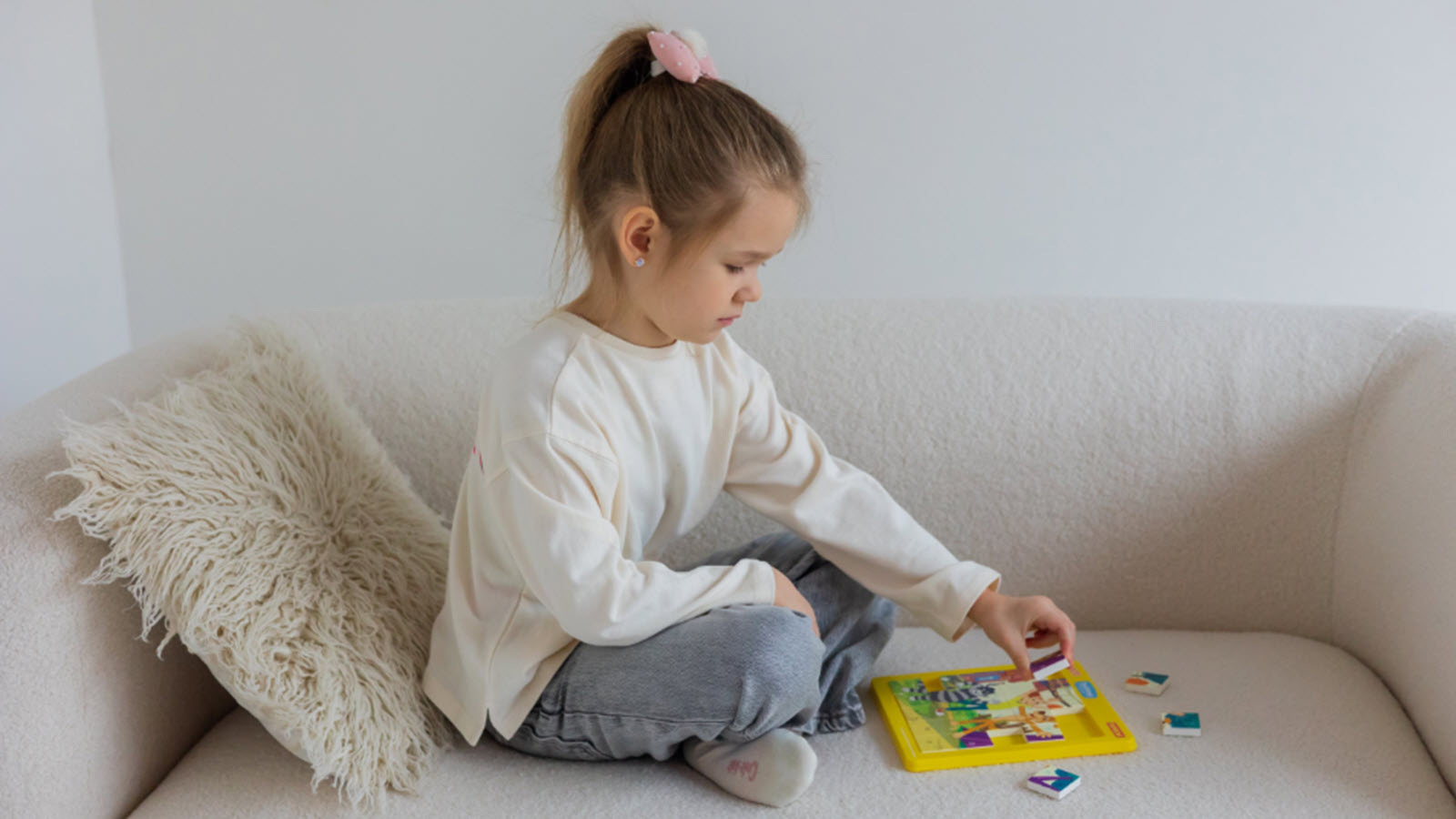
Kids who love a good challenge light up with logic puzzles. These brain teasers help young minds sort clues, spot patterns, and solve problems while building focus and patience. Many families mix them with educational games online for kids that include logic and attention activities.
Complementary activities include the best preschool math games that build number sense through play. Many also enjoy the best memory games for preschoolers for stronger recall, the best shape games for preschoolers online to develop spatial skills, and the best early literacy games that turn letter practice into engaging challenges.
Start building focus and problem-solving with joyful logic activities at Fluvsies Academy.
Why Logic Puzzles Help Kids Think Better
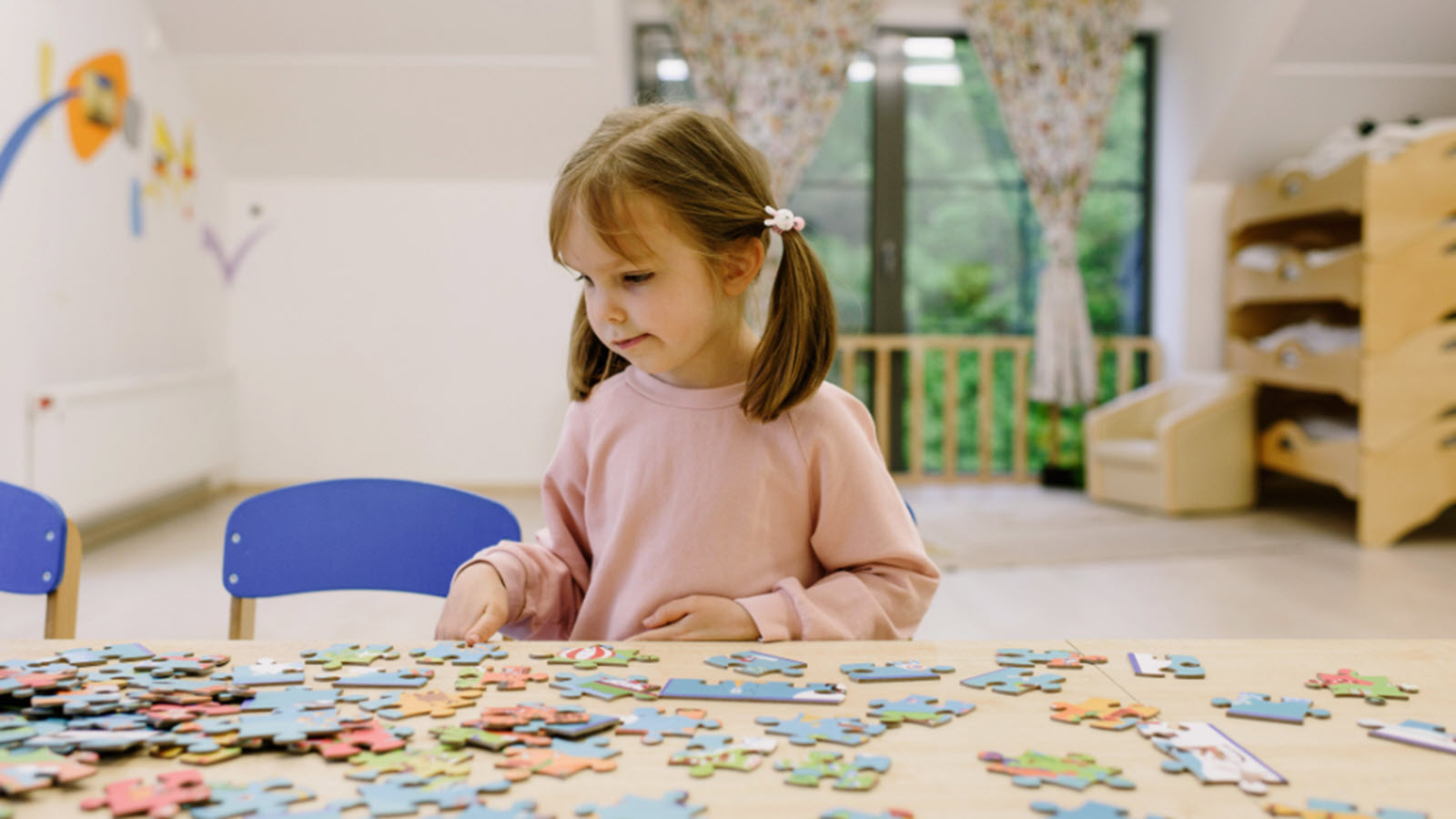
Logic puzzles for kids train the brain to hold several ideas at once and test what must be true. Children learn to eliminate wrong options step by step. This kind of thinking shows up later in math, reading, and everyday choices.
Young solvers practice reading clues carefully. They notice details and connect information. Pattern work builds the same skills used in early number recognition games and pattern recognition games. Spatial puzzles help with shapes and positions. Over time, many kids grow more confident when a problem feels tricky at first. Parents often see children stay with a puzzle longer than a worksheet. The “aha” moment feels rewarding. That positive feeling encourages them to try the next one and supports brain child development.
Easy Types of Logic Puzzles Perfect for Young Kids
Start simple so success comes quickly. Here are clear categories that work well for preschool and early elementary ages.
Pattern and Sequence Puzzles
Show a row of shapes or colors and ask what comes next. Circle, square, triangle, circle, square… the next is triangle. Add size changes: big star, small star, big star. Kids look for the rule before they pick the answer. These build pattern recognition and pair well with pattern games for preschoolers. They need no reading at first, so even younger children can join.
Odd One Out
Give four pictures or objects. Three share something in common. One does not. Red circle, blue circle, red square, red triangle. The blue circle stands out if the rule is color, or the triangle if the rule is shape. Talk about why the answer works. This sharpens comparison skills and vocabulary found in many brain games for preschoolers.
Simple Grid Logic Puzzles
Three friends each have a different pet: dog, cat, fish. Clues: Ava does not have the dog. Ben does not have the cat. Cleo does not have the fish. Kids mark yes or no on a small grid until only one match remains for each. Grids teach deduction. Start with three items. Move to four when ready. Similar skills appear in problem-solving games for toddlers.
Matching and Sorting Challenges
Match each child to a favorite snack or sport using short clues. Or sort objects by size, color, or use. These feel like games and support the same comparison skills found in learning games for preschoolers online.
Picture and Position Puzzles
“Phil is in the center. Oscar’s goggles are not red. Who wears green?” Visual clues help kids who still build reading skills and connect to memory games for preschoolers. Keep sessions short. Celebrate every solved puzzle.
Sample Logic Puzzles You Can Try Today
Here are ready-to-use examples with answers. Read the clues together. Let your child mark ideas on paper or talk them through.
Puzzle 1: Favorite Snacks
Four friends like different snacks: apple, banana, yogurt, crackers.
- Sam does not like fruit.
- Mia likes something crunchy.
- Leo’s snack is yellow.
- Ava does not like yogurt.
Answer: Sam likes yogurt. Mia likes crackers. Leo likes banana. Ava likes apple.
Puzzle 2: Pets
Three kids have a dog, cat, or fish.
- Ava does not have the dog.
- Ben does not have the cat.
- Cleo does not have the fish.
Answer: Ava has the cat. Ben has the fish. Cleo has the dog.
Puzzle 3: What Comes Next?
Big circle, small circle, big square, small square, big triangle, ___?
Answer: Small triangle.
Puzzle 4: Odd One Out
Red apple, green apple, red ball, yellow banana.
Possible answers: the ball (not food) or the banana (not apple). Talk about different rules.
Puzzle 5: Summer Activities
Four kids each like one activity: cooking, kayaking, rock climbing, zip-lining.
- Abigail does not like rock climbing.
- Oliver is afraid of heights.
- Rosa needs a harness for her favorite.
- Blake keeps both feet on the ground.
Answer: Abigail likes zip-lining. Oliver likes kayaking. Rosa likes rock climbing. Blake likes cooking.
Work through one or two at a time. Ask “How did you know?” so the child explains the steps.
How to Introduce Logic Puzzles at Home
Choose puzzles that match your child’s age and interest. Themes like pets, snacks, colors, or favorite characters keep attention high. Sit together the first few times. Read clues aloud. Model crossing out options. Praise the process more than the final answer. If stuck, offer one gentle hint rather than the full solution. Print simple grids or draw them. Use toys or stickers as markers. Many families keep a small puzzle folder for car rides or quiet afternoons.
Pair offline puzzles with digital practice. Logic and attention activities in psychologist-designed apps give interactive versions of the same skills. Children sort, match, and follow sequences while playing with friendly characters. Related options appear in brain games for 5 year olds online and educational games for kids online. Rotate puzzle types so the activity stays fresh. Some days focus on patterns. Other days use short story clues.
Building Skills Step by Step as Kids Grow
Begin with visual and one-step puzzles for ages 3-5. Move to multi-clue grids around ages 5-7. Add simple number rules or more categories when ready. Watch for signs of readiness: the child asks for harder ones or solves quickly. Increase difficulty slowly. Frustration ends the fun, so keep the challenge just right. Many children transfer the habit of checking clues carefully into schoolwork. They become better at multi-step instructions and spotting when something does not fit.
Logic practice also supports early math. Sorting and patterning prepare for number sense found in math games for 5 year olds online and basic math skills games. Position puzzles help with spatial language used in geometry later.
Tips for Keeping the Challenge Fun and Useful
- Keep sessions short, often 10-15 minutes.
- Let the child choose the theme when possible.
- Talk about the thinking: “You eliminated the dog first. That was smart.”
- Mix solo work with family solving.
- Offer offline printables alongside any screen activities.
- Notice progress without pressure.
Avoid turning every puzzle into a test. The goal is joyful thinking that connects to the kids learning app experiences and educational games app options.
Fluvsies Academy: Logic Puzzles Designed for Growing Minds
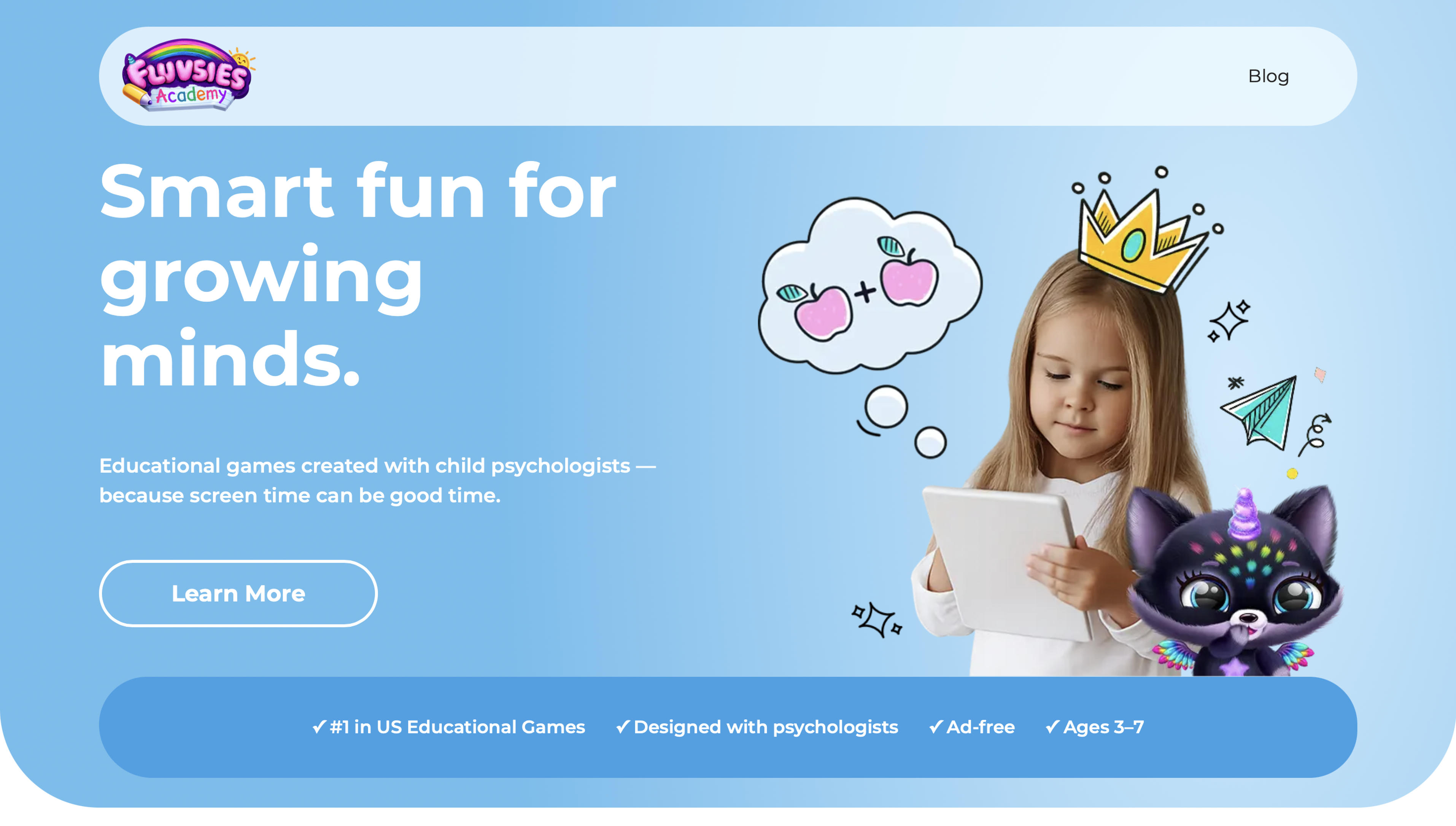
Fluvsies Academy turns everyday screen time into meaningful logic practice for children ages 3 to 7. Every game is shaped with input from child psychologists so the challenges feel playful while building real focus, attention, and step-by-step thinking.
Kids meet colorful characters while sorting, matching patterns, following clues, and solving simple deduction tasks. The logic and attention activities sit next to language, math, life skills, and professions games, giving children a balanced way to grow. Visual feedback stays gentle and encouraging. Difficulty rises at a pace that fits young attention spans.
Parents appreciate the completely ad-free space and clear progress reports that show growth without pressure. Free printables let the same logic skills continue offline with paper grids and matching games. Compared with many generic puzzle apps that rush difficulty or fill the screen with distractions, Fluvsies Academy keeps the experience calm, purposeful, and joyful. Children practice the exact skills found in classic grid puzzles while also exploring real-world themes that make the thinking feel relevant. This combination helps many families turn short daily sessions into lasting confidence and sharper problem-solving.
Discover Fluvsies Academy
Fluvsies Academy is a leading educational app designed for children aged 3–7. It transforms screen time into meaningful learning through fun, interactive games. Developed in collaboration with child psychologists, the app focuses on holistic development.
Key Features
- Ad-free environment for safe play.
- Games covering language, phonics, math, and logic.
- Activities for attention, sorting, and creativity.
- Real-world life skills like healthy habits and mindfulness.
- Exploration of professions to build vocabulary and imagination.
Educational Approach
Fluvsies Academy emphasizes guided play that balances focus, empathy, and emotional safety. It's the first holistic learning app for kids, ranked #1 educational game in the US. Progress reports help track your child's growth. Free printables extend learning beyond the screen.
Benefits for Families
Parents gain peace of mind with expert-backed games. Kids build confidence, skills, and a love for learning. Ideal for preschoolers seeking joyful education.
Give your child joyful logic practice designed by experts at Fluvsies Academy.
FAQ
What age can kids start logic puzzles?
Many children ages 3-4 enjoy simple pattern and odd-one-out games that rely on visual clues rather than reading. Grid puzzles with three items often work well around ages 5-6 once kids can follow short spoken or written clues. The key is matching the difficulty to the individual child instead of a strict age number, starting with easy pattern recognition and moving to multi-clue challenges when the child shows readiness. Visual and sorting activities support early focus and comparison skills that appear in logic and attention activities and pattern games. This gradual approach helps young solvers build confidence without frustration.
How often should we do logic puzzles?
A few short sessions each week work well for most families and keep the activity feeling fresh. Sessions of about 10-15 minutes allow children to practice sorting clues and spotting patterns without losing interest. Regular practice strengthens the habit of checking information carefully and trying different approaches when a puzzle feels tricky. Pairing offline puzzles with interactive versions from educational fun games for kids ages 3-7 and preschool brain games can support the same skills in a playful way. Watching for signs that the child still enjoys the challenge helps maintain the right balance.
Do logic puzzles help with school subjects?
Yes, logic puzzles strengthen careful reading of clues, step-by-step thinking, and pattern spotting that support math problem solving and reading comprehension. Children who practice elimination and deduction often transfer those habits to multi-step instructions and early number sense. Sorting and patterning activities also prepare kids for spatial language used later in geometry. Many of the same skills appear in number recognition games, math games, and problem-solving games. These benefits grow when puzzles stay fun and connected to everyday themes.
Can logic puzzles work for kids who find reading hard?
Picture-based and spoken-clue versions work well for children still building reading skills. Visual patterns, odd-one-out challenges, and sorting tasks need little or no text while still training focus and comparison. Talking through the clues together adds natural language practice and helps the child explain their thinking. Themes such as pets, snacks, or colors keep the activity engaging without relying on written words. These approaches align with the visual and matching games found in logic puzzles for kids and memory games.
Where can families find more high-quality logic activities?
Printed books and free worksheets offer many classic grid and pattern options that families can use at home or on the go. Interactive digital versions designed with child psychologists provide short games that practice sorting, sequencing, and focus in an age-appropriate setting. Activities that combine logic with related skills like comparison and attention appear across categories in educational apps, learning games, and brain development games. Free printables can extend the thinking offline after any screen session. Choosing tools that grow with the child keeps the challenge useful and enjoyable over time.
Read Also
- Best Logic Puzzles for Kids 2026
- Best Problem-Solving Games for Toddlers
- Best Pattern Games for Preschoolers
- Best Brain Development Games for Kids
- Best Brain Games for Preschoolers
Start building focus and problem-solving with joyful logic activities at Fluvsies Academy.