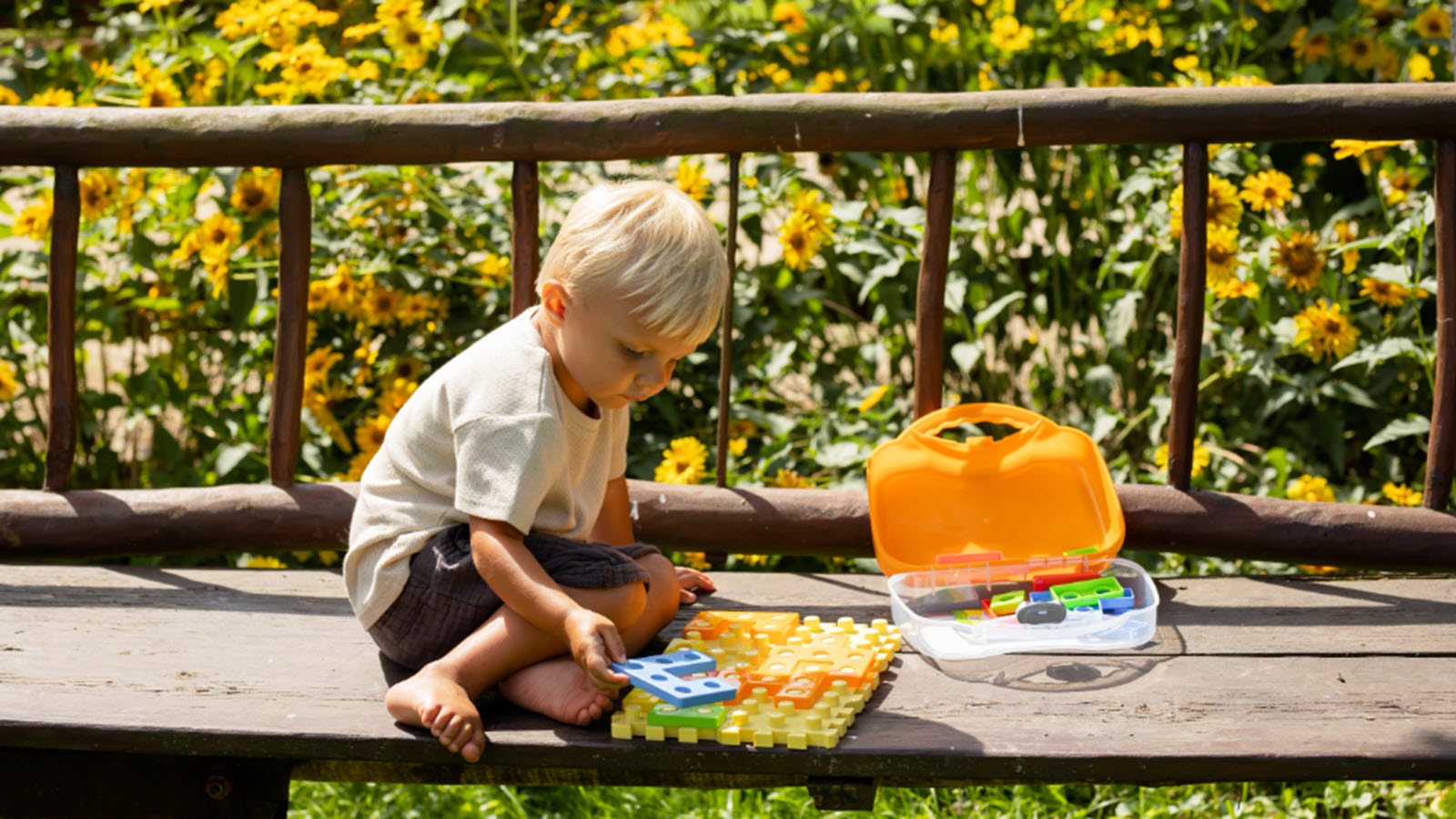


The Hidden Benefits of Logic Puzzles for Kids' Growing Minds





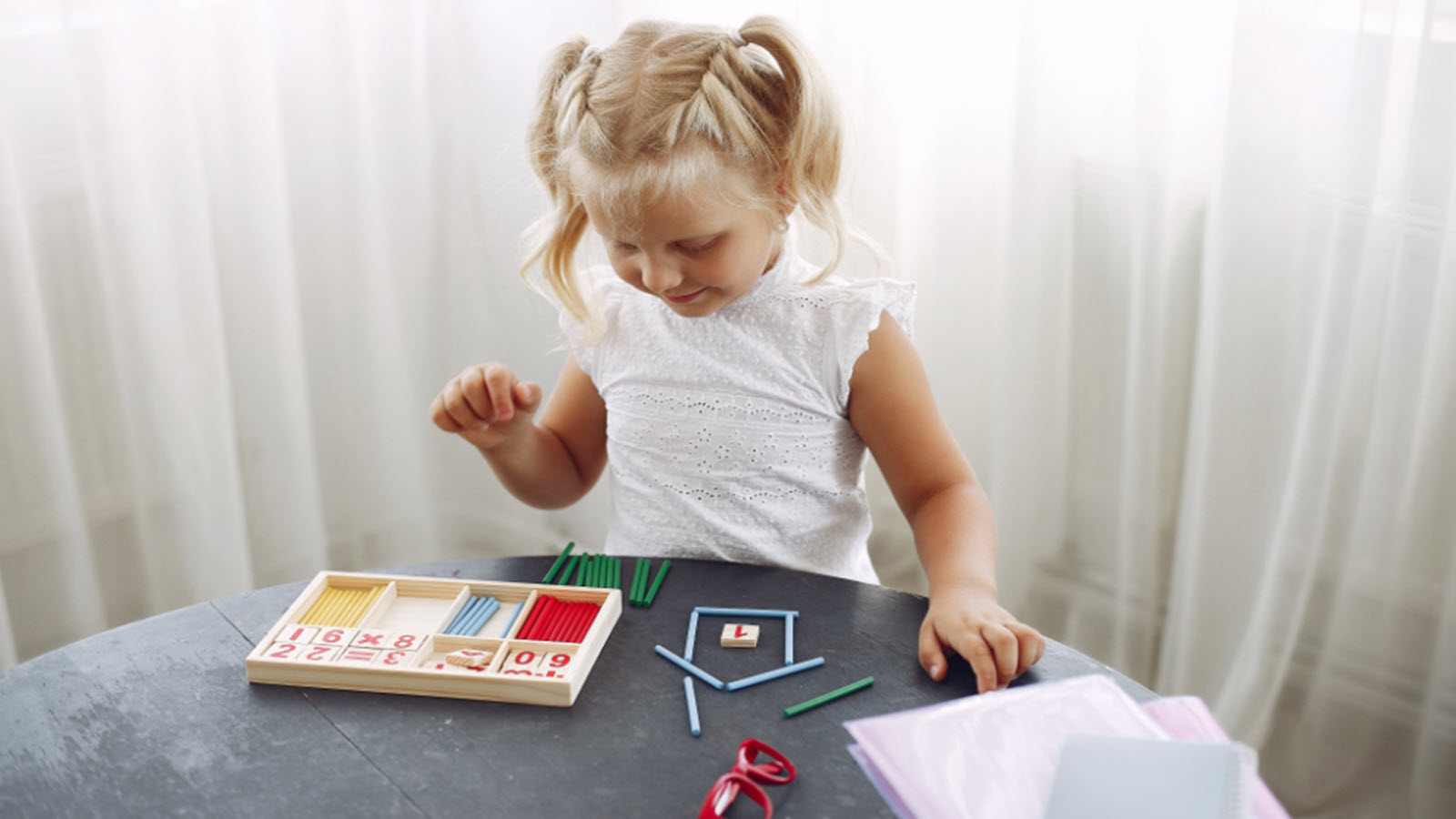
Logic puzzles for kids quietly build strong thinking skills that support school and daily life. From pattern spotting to careful planning, they help growing minds practice reason through play. Educational games for kids ages 3–7 include logic and attention activities designed for young learners.
Growing minds also benefit from the best memory games for preschoolers that strengthen attention and recall. Complementary options include the best shape games for preschoolers online for spatial skills, the best brain games for 5 year olds online for focused challenges, and the best problem-solving games for toddlers that encourage early reasoning through play.
Give your child screen time that builds real thinking skills with Fluvsies Academy.
Why Logic Puzzles Matter for Young Brains
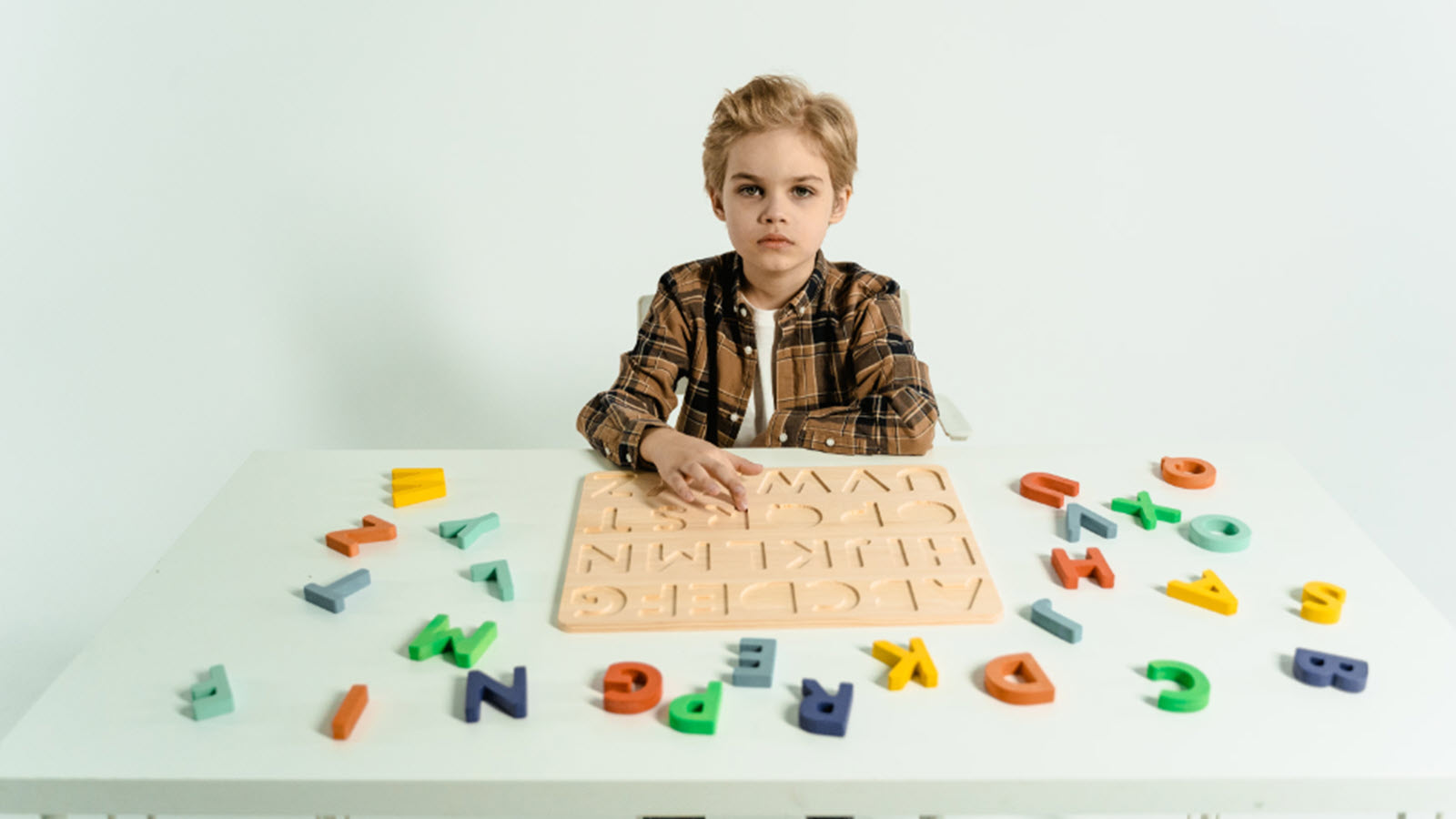
Kids ages 3 to 7 sit in a key window for building basic thinking habits. At this stage they start handling simple if-then ideas and noticing patterns around them. Logic puzzles give safe practice for these skills. A child sorts shapes by color or size. They match pieces that fit a picture. Or they follow a short sequence of steps. Each try strengthens the pathways that support later math, reading, and everyday choices.
These activities feel like play, so kids stay willing to keep going. They learn that a wrong move is just information. Try again. Adjust. That loop builds flexible thinking without pressure. Many parents notice children become better at waiting their turn or finishing a small task after regular puzzle time. The same focus shows up when they listen to a story or clean up toys. Activities like pattern games for preschoolers and brain games for preschoolers fit naturally into this stage of growth.
Parents looking to extend these benefits at home can explore logic puzzles for kids that match the 3-to-7 age range, pair them with simple counting games for kids, try a trusted math learning app for kids, or choose from quality online educational games that keep the same playful, low-pressure practice going.
Problem-Solving Skills That Transfer Everywhere
Logic puzzles train kids to break big jobs into smaller steps. A child looks at a grid or a set of clues. They pick one clear starting point. Then they test what fits and what does not. This process mirrors real problem solving. Getting ready for school, packing a bag, or figuring out a new game all use the same mental moves.
Children practice elimination. They rule out options that cannot work. They hold a few rules in mind at once. Working memory gets a gentle workout. Over time they talk through their thinking out loud. “If the blue one goes here, the red one cannot.” That habit supports clear communication later. Teachers and parents both see stronger independence when kids handle small challenges on their own. Problem solving games and pattern recognition games give repeated chances to practice these exact skills.
Spatial Thinking and Pattern Recognition
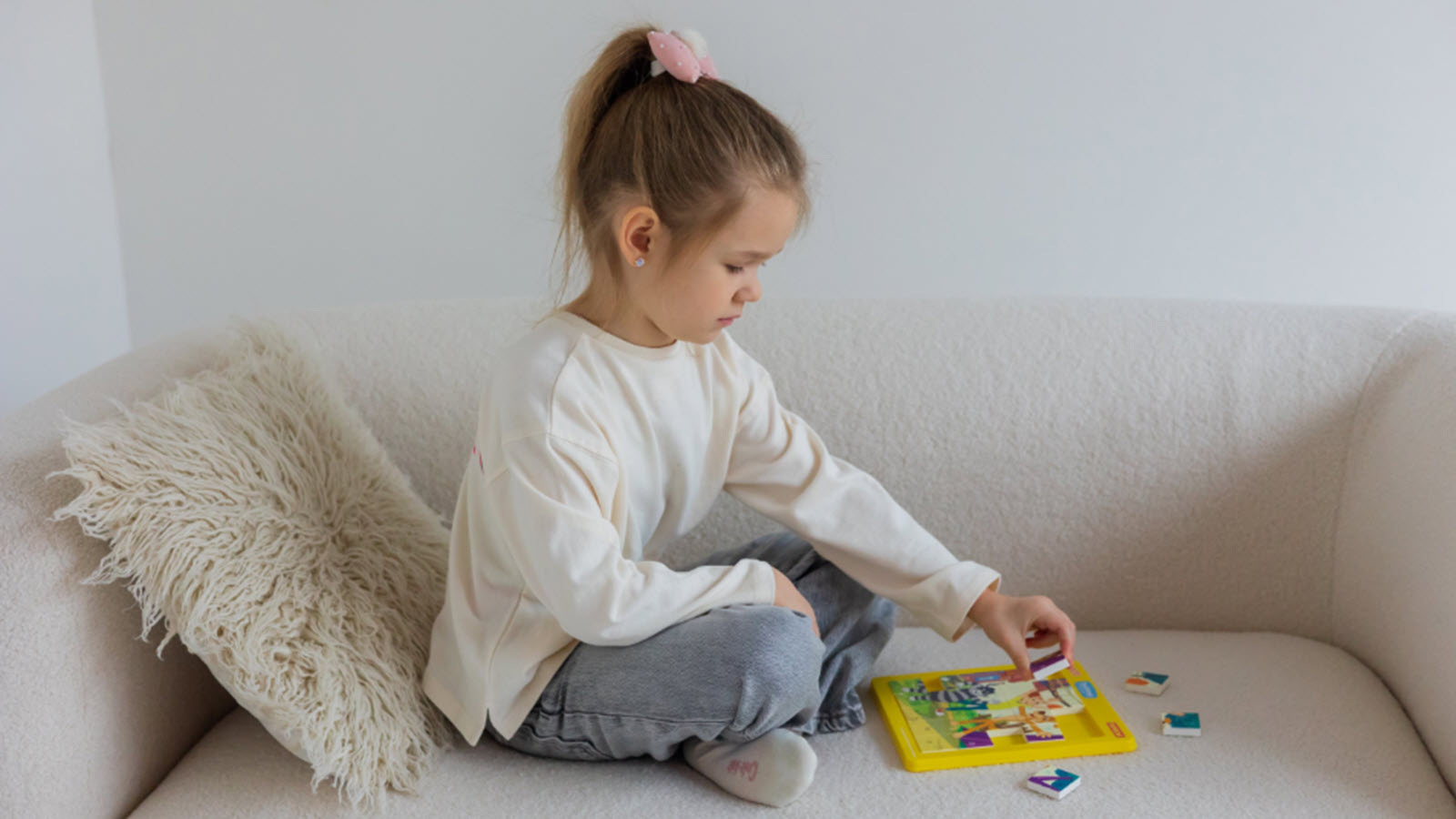
Many logic puzzles ask children to picture how pieces fit together. Shape sorters, simple jigsaws, and matching games all build spatial awareness. Kids learn to rotate shapes in their minds. They notice left and right, top and bottom. These skills support early math concepts like geometry and measurement. They also help with reading maps, following diagrams, or even sports that need body awareness.
Pattern work goes hand in hand. Spot the next item in a sequence. Find what does not belong. Copy a simple design. Pattern recognition shows up in counting, spelling, and music. Regular practice makes these patterns feel familiar instead of new and hard. Children who play with logic and sorting activities often move more smoothly into number games and early reading tasks. Shape games and number recognition games strengthen the same visual and spatial foundations.
Focus, Attention, and Working Memory
Logic puzzles demand sustained attention. A child must keep rules in mind while checking each piece or clue. That practice strengthens the ability to stay with a task even when it is not instantly rewarding. Many kids start with short sessions and gradually hold focus longer. The same skill helps during circle time, story reading, or following multi-step instructions at home.
Working memory improves because kids store temporary information. “The red square already has a match. The yellow circle needs a partner.” Holding and updating that mental list builds capacity for more complex thinking later. Attention games that mix logic with gentle challenges keep the experience light and positive. Memory games and brain games for 5 year olds online offer natural ways to grow these same abilities.
Persistence and a Growth Mindset
One of the quietest benefits is emotional. Logic puzzles teach kids that effort pays off. A puzzle may feel stuck at first. Then a new idea clicks. That moment of success after struggle builds resilience. Children learn frustration is temporary. Trying a different approach is smart, not failure.
Children who believe skills can grow through practice tend to keep going when work gets hard. Logic puzzles give repeated chances to experience that belief in action. Parents can support this by praising the process. “You kept trying different spots until it fit” lands better than “You’re so smart.” Over weeks the habit of persistence shows up in other areas of life. Life skills games for kids and learning games for preschoolers reinforce the same patient, try-again approach.
How Logic Puzzles Support Math Readiness
Logic and math share the same foundation. Both need careful observation, rule following, and step-by-step reasoning. Simple grid puzzles or sequence tasks prepare the ground for number sense. Kids who practice these skills often find early arithmetic more approachable. They already know how to check their work and test ideas.
Deductive thinking used in logic grids appears later in algebra and geometry. Starting early with playful versions gives children a head start. Sorting and comparison activities also strengthen the language of math. Bigger, smaller, same, different. These words become tools for describing the world. Preschool math games and math games for 5 year olds online build directly on these early logic foundations.
Fluvsies Academy and Expert-Supported Logic Play
Fluvsies Academy brings these benefits together in one safe, ad-free space created with child psychologists. The Logic & Attention category offers short games that sharpen focus and reasoning through friendly characters and calm visuals. Sorting activities build comparison skills while professions stories connect logic to real jobs like bakers or firefighters.
Every activity balances challenge with emotional safety. Age-appropriate progression keeps the difficulty just right for children ages 3 to 7. Parents receive clear progress insights and can extend the learning with free printables. The combination of active problem-solving and gentle story play supports both cognitive growth and everyday confidence.
Discover Fluvsies Academy
Fluvsies Academy is a leading educational app designed for children aged 3–7. It transforms screen time into meaningful learning through fun, interactive games. Developed in collaboration with child psychologists, the app focuses on holistic development.
Key Features
- Ad-free environment for safe play.
- Games covering language, phonics, math, and logic.
- Activities for attention, sorting, and creativity.
- Real-world life skills like healthy habits and mindfulness.
- Exploration of professions to build vocabulary and imagination.
Educational Approach
Fluvsies Academy emphasizes guided play that balances focus, empathy, and emotional safety. It's the first holistic learning app for kids, ranked #1 educational game in the US. Progress reports help track your child's growth. Free printables extend learning beyond the screen.
Benefits for Families
Parents gain peace of mind with expert-backed games. Kids build confidence, skills, and a love for learning. Ideal for preschoolers seeking joyful education.
Practical Ways to Add Logic Puzzles at Home
Keep a small basket of simple puzzles ready for quiet times. Mix physical and digital options so children experience different textures and formats. Play together sometimes. Ask open questions. “What do you notice?” or “What could we try next?” Model thinking out loud without solving the puzzle for them.
Link puzzle time to real life. After a sorting game, invite the child to help sort laundry by color. After a sequence puzzle, let them help set the table in order. These connections make the skills feel useful right away. Short, regular sessions beat long, rare ones. Consistency builds the mental habits more effectively. Brain development games for kids and interactive educational games make it easy to keep the practice going.
FAQ
At what age can children start logic puzzles?
Most children can begin with simple matching and sorting activities around age 3, when they start noticing shapes, colors, and basic patterns. Large pieces and clear visual goals work best at this stage so success feels easy and encouraging. As attention and language grow, ages 5 to 7 handle short sequences, basic grids, and “what comes next” challenges with more ease. The key is watching the individual child rather than a strict calendar, because interest and calm focus matter more than exact age. Age-appropriate logic puzzles for children and pattern games help match the right level of challenge while supporting early brain games.
Do logic puzzles help with school subjects beyond math?
Yes, the same step-by-step reasoning and pattern skills support reading comprehension when children follow story clues or predict what happens next. Science benefits from careful observation and testing ideas, while even social situations improve as kids practice thinking through consequences. Pattern recognition also helps with spelling and early music concepts. These mental habits transfer widely because logic puzzles train flexible thinking that shows up across many areas of learning and daily life, including problem solving games for toddlers, preschool memory games, and early literacy games.
How long should puzzle sessions last for young kids?
Short sessions of about ten to fifteen minutes often work well for preschoolers, ending while the child still feels successful. Quality of attention matters more than the clock, so stop if frustration rises and try again later. Over time many children naturally extend their focus as the habit of calm concentration grows. Regular, brief practice builds stronger mental habits than long, rare sessions. Linking puzzle time to everyday moments keeps the experience light and useful, especially when paired with learning games for preschoolers online or brain games for preschoolers.
Can digital logic games replace physical puzzles?
They work best as complements rather than replacements. Well-designed digital games offer adaptive challenges and immediate feedback that keep young minds engaged. Physical puzzles add important tactile experience and fine-motor practice that screens cannot fully match. A mix of both gives children the broadest benefits, letting them practice spatial thinking in different ways. Options that stay calm, age-appropriate, and free of distractions support the same focus and reasoning skills discussed throughout the article.
What if my child gets frustrated easily with puzzles?
Start with easier challenges so success comes quickly and builds confidence. Offer one gentle hint rather than solving the puzzle for them, and praise the effort of trying different ideas. Sitting nearby and working on your own simple puzzle can model calm persistence without pressure. Over time the experience of solving after a stuck moment helps children trust that struggle is temporary. Activities that mix problem-solving practice for children with supportive guidance turn those moments into growth, alongside life skills games and math games for preschoolers that reinforce the same patient approach.
Read Also
- Best Logic Puzzles for Kids
- Best Problem Solving Games for Toddlers
- Best Brain Development Games for Kids
- Best Learning Games for Preschoolers Online
- Best Pattern Recognition Games
Give your child screen time that builds real thinking skills with Fluvsies Academy.