

Best Online Educational Games 2026






Parents today look for ways to turn screen time into positive growth opportunities. The best online educational games 2026 stand out as engaging tools that help young children build key skills while having fun. Options range from interactive stories to logic puzzles and real-world simulations that support development in language, numbers, focus, and creativity.
Discover more top recommendations on the best educational app for kids, the best educational app, the best educational computer games, and the best educational games that perfectly combine fun with effective learning.
Why Online Educational Games Matter for Young Kids

Online educational games play a powerful role in early childhood development by transforming essential learning concepts into fun, natural experiences. Activities focused on phonics games, counting games for kids, sorting, and problem-solving help preschoolers build foundational skills while staying engaged and motivated through play.
Many quality platforms include helpful features like progress tracking, completely ad-free environments, and age-appropriate content designed specifically for how young children learn best. Parents love games that balance entertainment with genuine skill-building, supporting not just academics but also empathy, healthy routines, vocabulary growth, and overall emotional development.
What Makes a Great Online Educational Game in 2026
The best educational games for kids in 2026 combine research-based design with engaging, multisensory activities in safe, distraction-free environments. These platforms adapt to each child’s individual pace, provide a wide variety of subjects, and support both independent exploration and meaningful family involvement.
When choosing games, look for comprehensive coverage across key areas:
- Language and phonics - building strong reading foundations
- Math game foundations - counting, numbers, and early concepts
- Logic, attention, and sorting skills - improving focus and critical thinking
- Creativity and life skills - fostering imagination, daily routines, and real-world readiness
Psychologist-backed content that evolves with the child ensures steady progress while keeping learning enjoyable and stress-free. By selecting high-quality options like those at Fluvsies Academy, parents can turn screen time into valuable developmental opportunities that support long-term success in school and beyond.
Best Online Educational Games 2026
1. Fluvsies Academy - Best Online Educational Games 2026
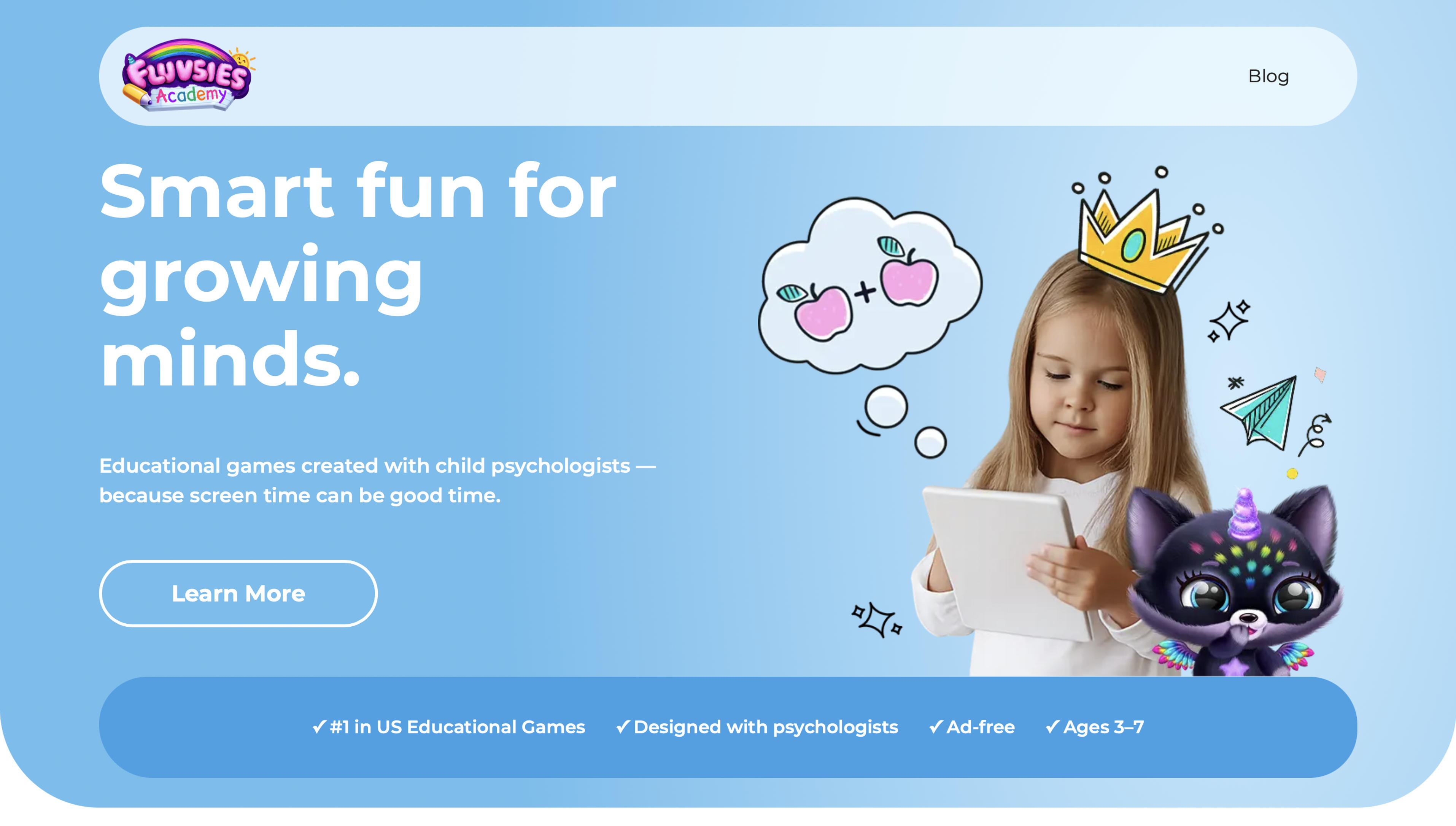
Fluvsies Academy stands out as the leading choice for parents who want screen time that truly supports growth. This holistic learning app turns everyday play into meaningful moments for children ages 3 to 7. Designed with child psychologists, it offers a safe, ad-free environment packed with vibrant characters and calm visuals.
Kids dive into language and phonics through stories that spark imagination. Number games build confidence with simple puzzles. Logic and attention activities sharpen focus while sorting tasks improve comparison skills. Life skills and creativity come alive as children explore professions such as bakers or astronauts and practice real routines like brushing teeth or helping at the store. Mindfulness, kids yoga, and healthy habits round out the experience so emotional safety stays front and center. Two learning modes balance active problem-solving with relaxing passive stories. Parents appreciate the progress reports that show clear growth without any pressure.
Discover Fluvsies Academy
Fluvsies Academy is a leading educational app designed for children aged 3–7. It transforms screen time into meaningful learning through fun, interactive games. Developed in collaboration with child psychologists, the app focuses on holistic development.
Key Features
- Ad-free environment for safe play.
- Games covering language, phonics, math, and logic.
- Activities for attention, sorting, and creativity.
- Real-world life skills like healthy habits and mindfulness.
- Exploration of professions to build vocabulary and imagination.
Educational Approach
Fluvsies Academy emphasizes guided play that balances focus, empathy, and emotional safety. It's the first holistic learning app for kids, ranked #1 educational game in the US. Progress reports help track your child's growth. Free printables extend learning beyond the screen.
Benefits for Families
Parents gain peace of mind with expert-backed games.
Kids build confidence, skills, and a love for learning. Ideal for preschoolers seeking joyful education.
Give your child a smarter 2026 - Access Fluvsies Academy and watch them grow through play!
2. TutoClub
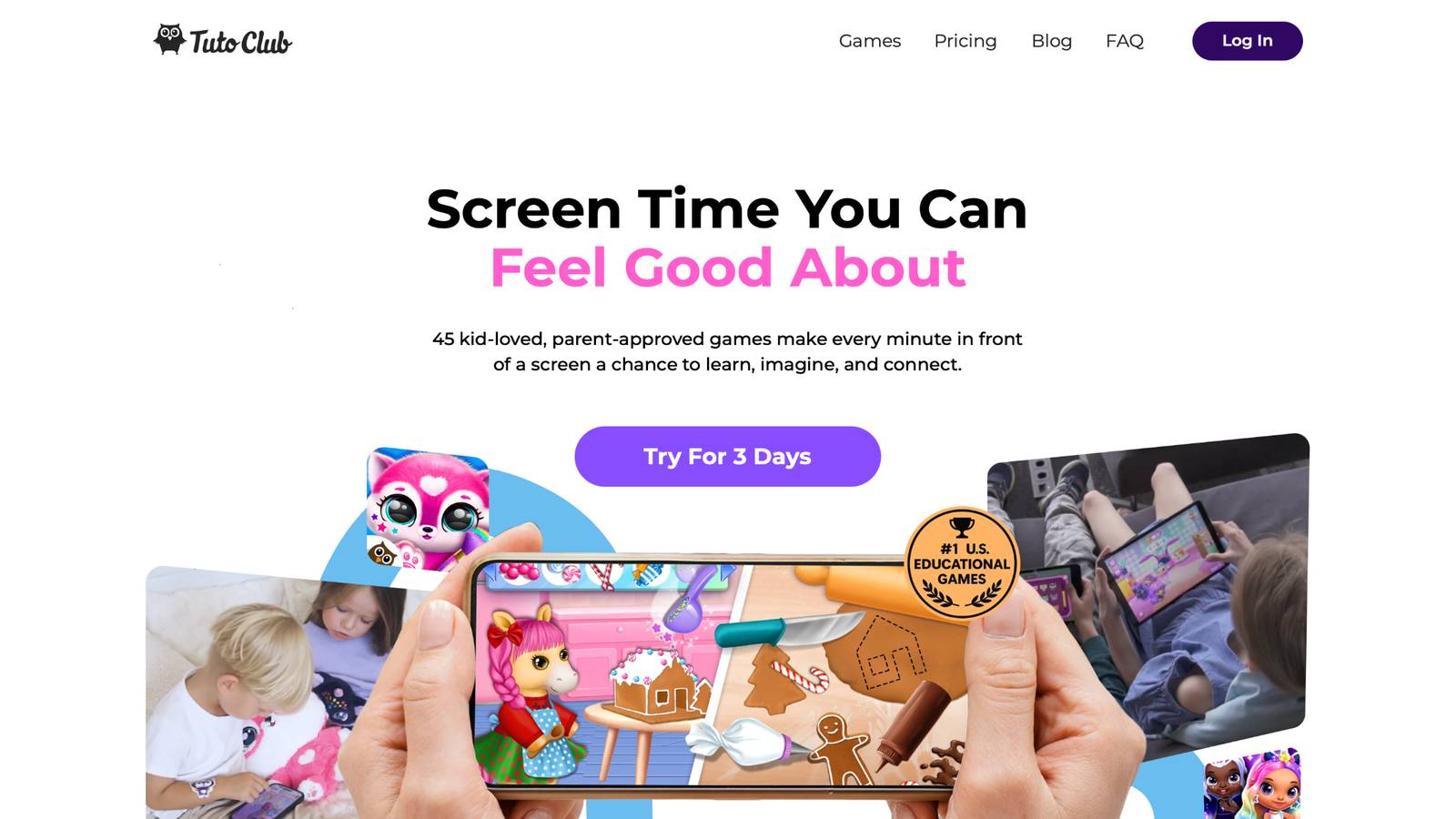
TutoClub brings together more than 45 ad-free games from the TutoTOONS collection that help young children grow through creative adventures and meaningful play. Families enjoy this safe platform where kids explore different subjects without any interruptions or distractions pulling them away. The games blend fun elements with natural development so curiosity and care grow alongside focus and empathy in a relaxed way. Children dive into art tasks and storytelling that spark imagination while puzzles sharpen problem solving and routines build helpful habits.
This collection supports preschoolers with activities that feel like everyday play yet guide skill building gently. Kids care for virtual pets or style outfits in scenarios that teach responsibility and compassion through hands-on choices. The wide variety of characters and worlds keeps sessions exciting and fresh so children stay engaged longer. Parents notice how the content fits busy family schedules and promotes positive screen time that supports overall growth without any added stress.
Key features
- Safe ad-free games centered on creativity and emotional development
- Interactive stories and puzzles that strengthen problem-solving and daily routines
- Diverse characters and scenarios to maintain high motivation
- Adaptive challenges that match each child's current abilities
- Offline play option for learning on the go
Facts and Information
TutoClub delivers steady positive experiences that many parents choose for daily learning. The games help children build essential abilities in a calm format that matches family life. Regular use often leads to noticeable improvements in focus and emotional awareness.
3. ABCmouse
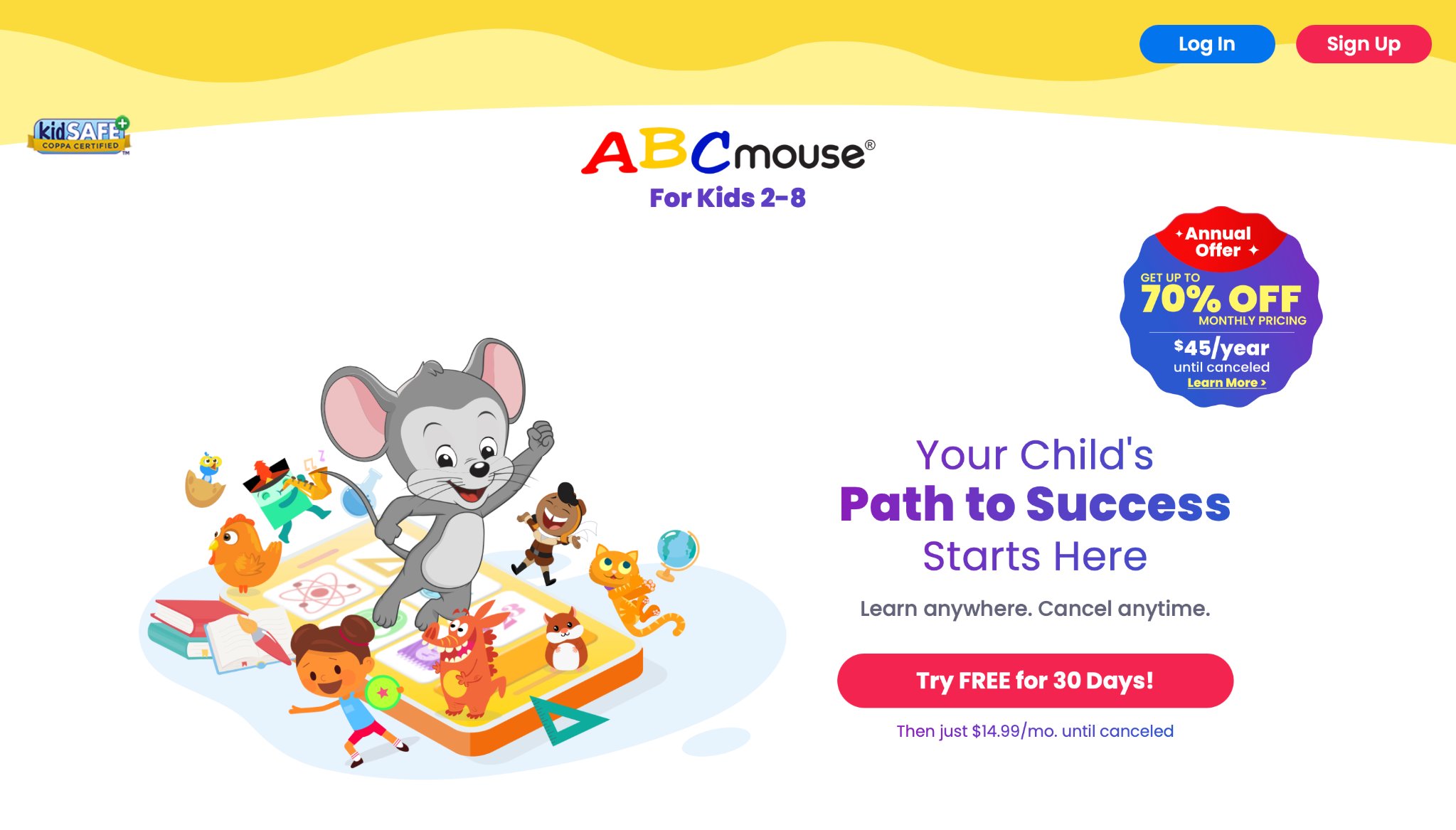
ABCmouse offers a comprehensive structured learning environment filled with thousands of activities spanning reading, math, science, art, music, and social studies. Designed for ages two to eight, it guides children through progressive lessons using games, books, puzzles, and songs that feel like exciting explorations in themed worlds. Animated characters bring concepts to life as kids practice phonics, counting, shapes, and creative expression in ways that build foundational skills step by step. The platform includes progress tracking tools that help parents follow along with their child's development across multiple subjects in one convenient place.
Young learners stay motivated through rewards and a clear learning path that adapts while keeping things fun and engaging. ABCmouse covers a broad curriculum with interactive elements that reinforce classroom concepts and encourage daily practice without feeling like work. Families value the variety of formats from stories to hands-on puzzles that support literacy, numeracy, and broader knowledge building. The content evolves with the child, offering new challenges and discoveries that promote confidence and a love for learning in a safe, ad-free setting.
Facts and Information:
- Extensive library of interactive games, lessons, and creative activities aligned with early learning goals.
- Personalized progression across reading, math, science, and artistic skills.
- Engaging animations and themed experiences that support sustained attention.
- Tools for monitoring growth and reinforcing key developmental areas.
4. Khan Academy Kids
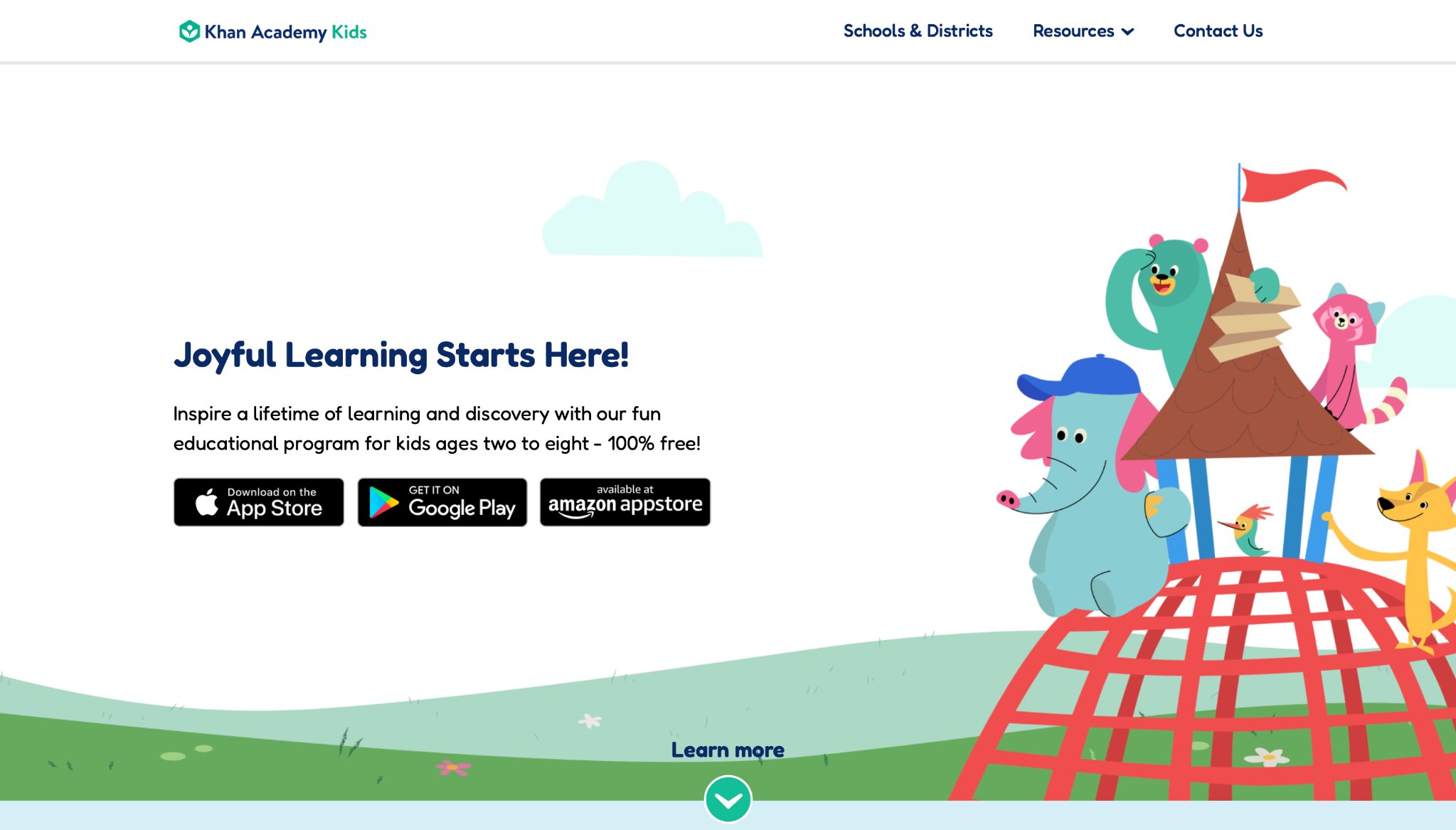
Khan Academy Kids provides a free, expansive collection of games, books, and activities tailored for ages two to eight with animal characters leading personalized learning journeys. Children explore literacy, math, social-emotional skills, and problem-solving through stories, videos, and interactive exercises that adjust to their pace and interests. The platform emphasizes mastery through gentle challenges and positive reinforcement that build strong foundations in phonics, counting, shapes, and executive function abilities.
Its open library format invites curiosity-driven play where kids can choose paths that match their current level while discovering new topics. Parents like the ad-free, no-subscription model that focuses purely on educational value with high-quality content developed by experts. Activities blend fun elements with clear learning objectives that help skills transfer to real-world situations. The variety keeps sessions fresh and supports holistic growth in confidence, focus, and creativity for young minds.
Facts and Information:
- Thousands of activities covering core subjects and social-emotional learning.
- Personalized paths with adaptive challenges for individual progress.
- Library of interactive books and hands-on exercises.
- Strong emphasis on foundational skills through engaging, character-led content.
5. Starfall
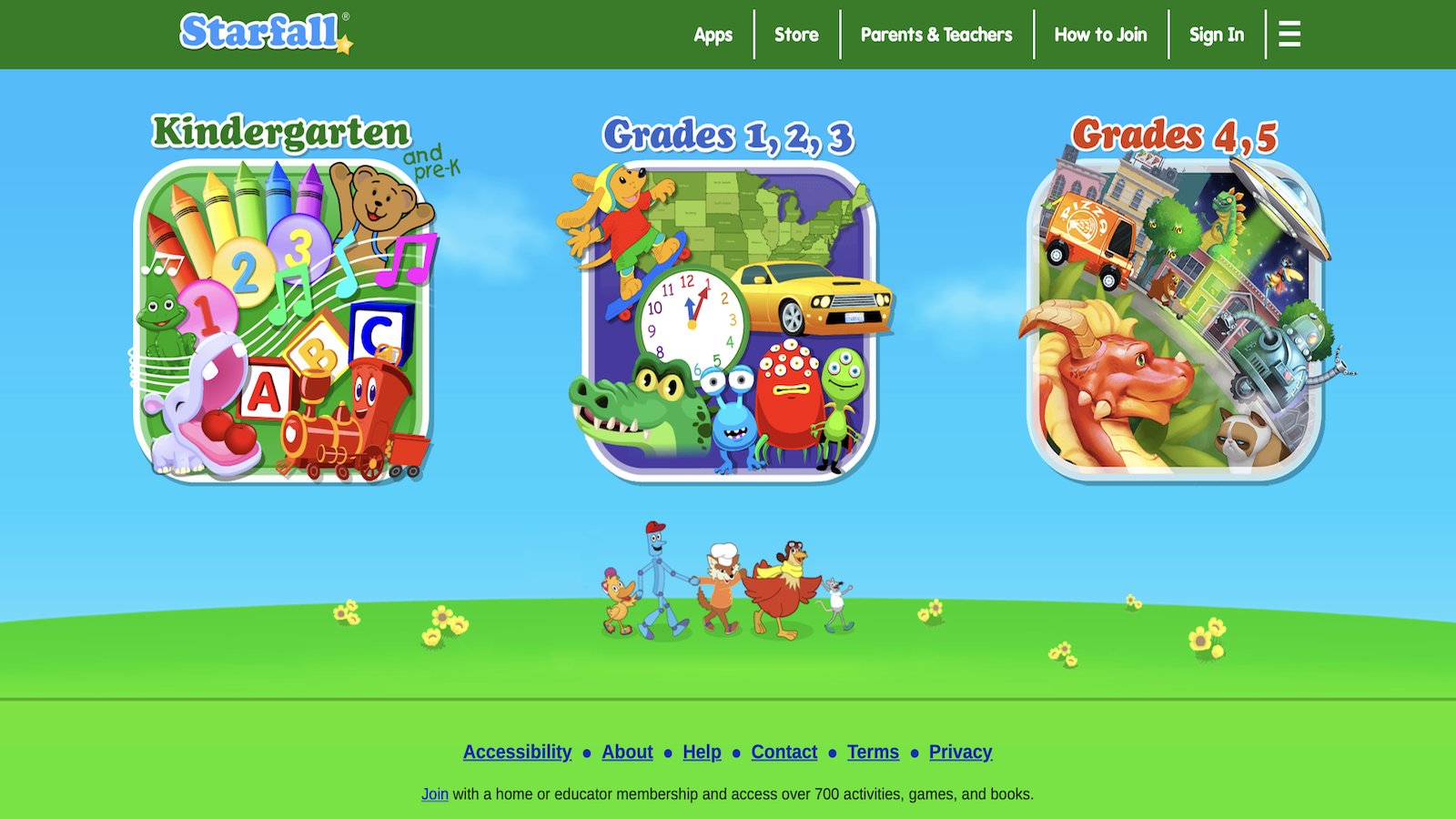
Starfall specializes in multisensory experiences for reading, phonics, and math through games, movies, books, and songs suitable for pre-K to grade five. Its open-ended format allows children to explore at their own speed with sequential activities that use positive reinforcement and clear objectives. Content includes art, music, and topics like kindness alongside core literacy and numeracy skills that support comprehensive early development.
The platform's nonprofit approach ensures accessible, high-quality materials that many families rely on for home learning. Interactive elements help with letter sounds, fluency, grammar, numbers, operations, geometry, and measurement in ways that feel playful. Children build confidence through repeated practice in a supportive environment free from pressure. Starfall's mix of media formats caters to different learning styles and keeps engagement high across various skill areas.
Facts and Information:
- Focused literacy activities for phonics, reading fluency, and comprehension.
- Math sections covering foundational concepts and problem-solving.
- Additional content on social topics, art, and music for balanced growth.
- Sequential learning structure with multisensory support.
6. PBS Kids Games
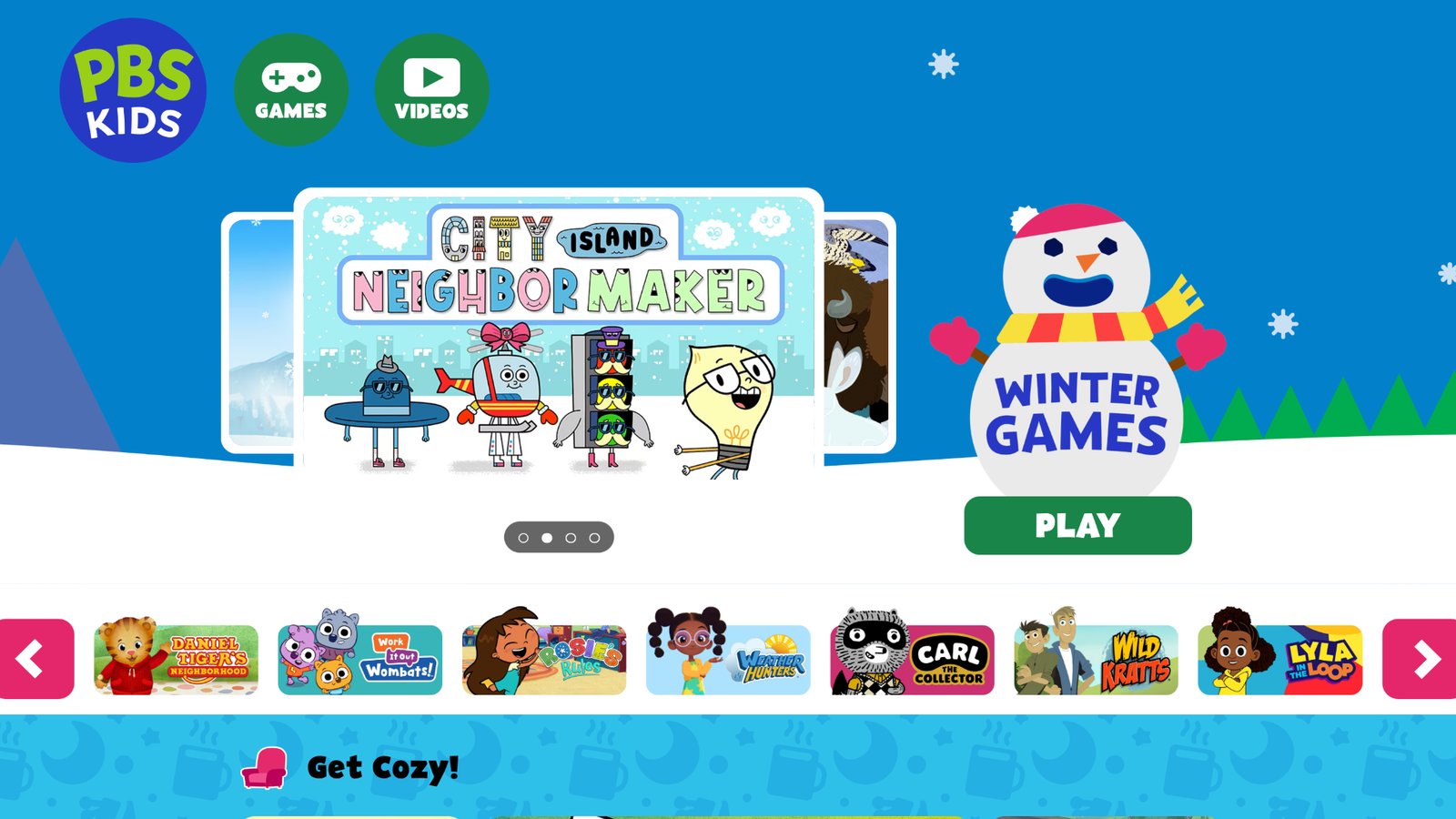
PBS Kids Games features hundreds of activities starring beloved characters from popular educational shows in storytelling, science, social skills, and problem-solving scenarios. The familiar faces create a comforting space where children extend their TV experiences into interactive play that reinforces key concepts. Games emphasize exploration, emotions, literacy, and discovery in safe, engaging formats designed specifically for young audiences.
This collection supports meaningful screen time by tying activities to trusted educational programming that many families already enjoy. Kids practice skills through adventures with characters they know and love, making learning feel connected and relevant. The variety of options encourages creativity and critical thinking while building knowledge in approachable ways. PBS Kids Games remains a reliable choice for parents seeking quality, character-driven content.
Facts and Information:
- Large selection of games linked to well-known educational series.
- Coverage of emotions, science, literacy, and social development.
- Kid-tested designs that promote safe and purposeful play.
- Integration of storytelling with hands-on interactive elements.
7. Duolingo ABC
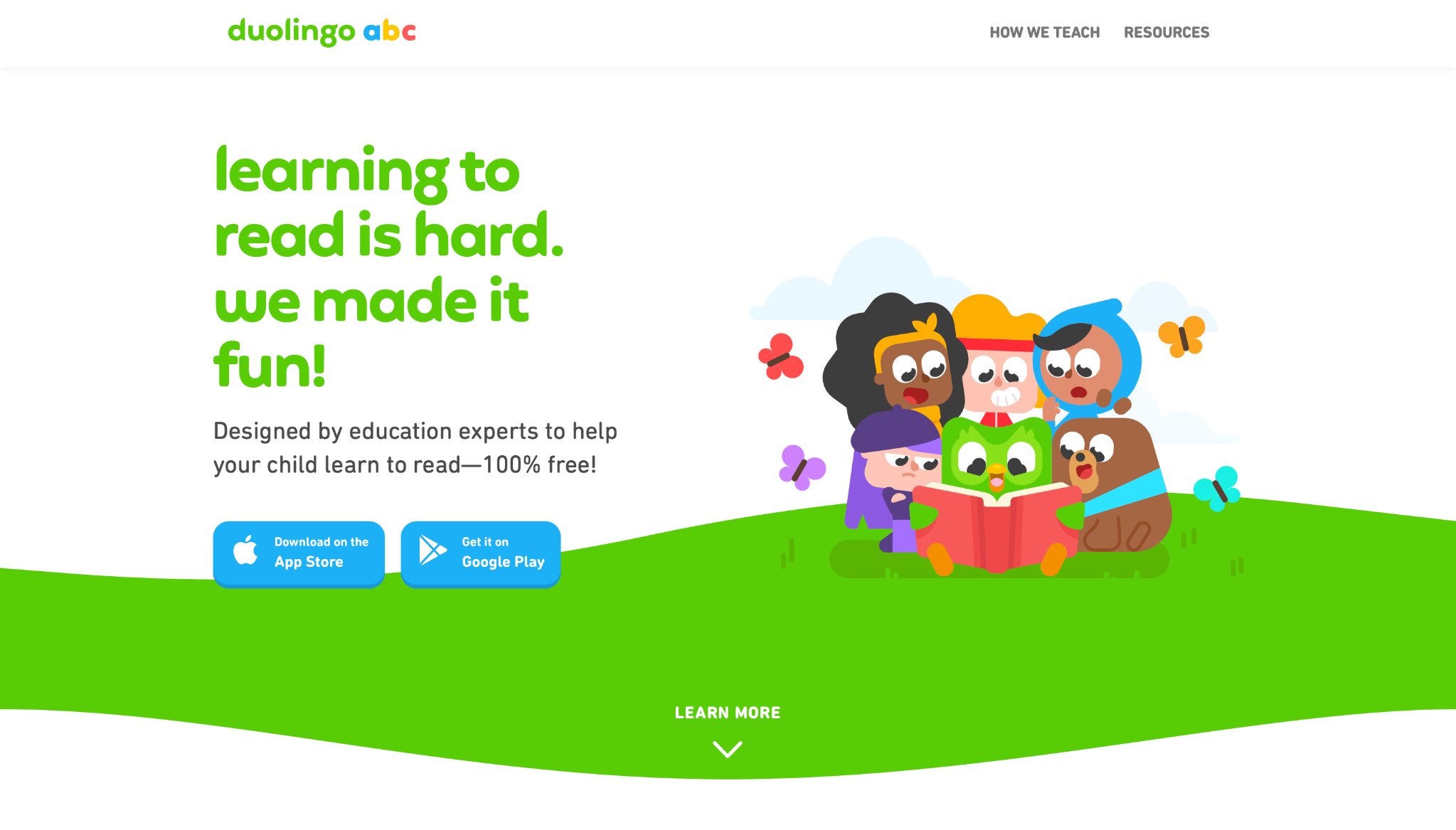
Duolingo ABC builds early reading abilities for ages three to six using phonics, letter tracing, sight words, and story-based interactions. Bite-sized lessons turn decoding and comprehension into game-like experiences that feel rewarding and effective. Children work through hands-on activities such as tracing and matching that strengthen literacy foundations step by step.
The app maintains an ad-free approach rooted in proven methods that support steady progress. Story-driven content expands vocabulary and understanding in contexts that spark imagination. Short sessions fit easily into daily routines while delivering consistent skill building. Duolingo ABC helps young learners gain confidence in reading through playful, structured practice.
Facts and Information:
- Interactive exercises focused on phonics and early literacy skills.
- Engaging stories that support vocabulary growth and comprehension.
- Hands-on elements like tracing for tactile learning.
- Proven methods adapted into fun, accessible formats.
8. Prodigy Math
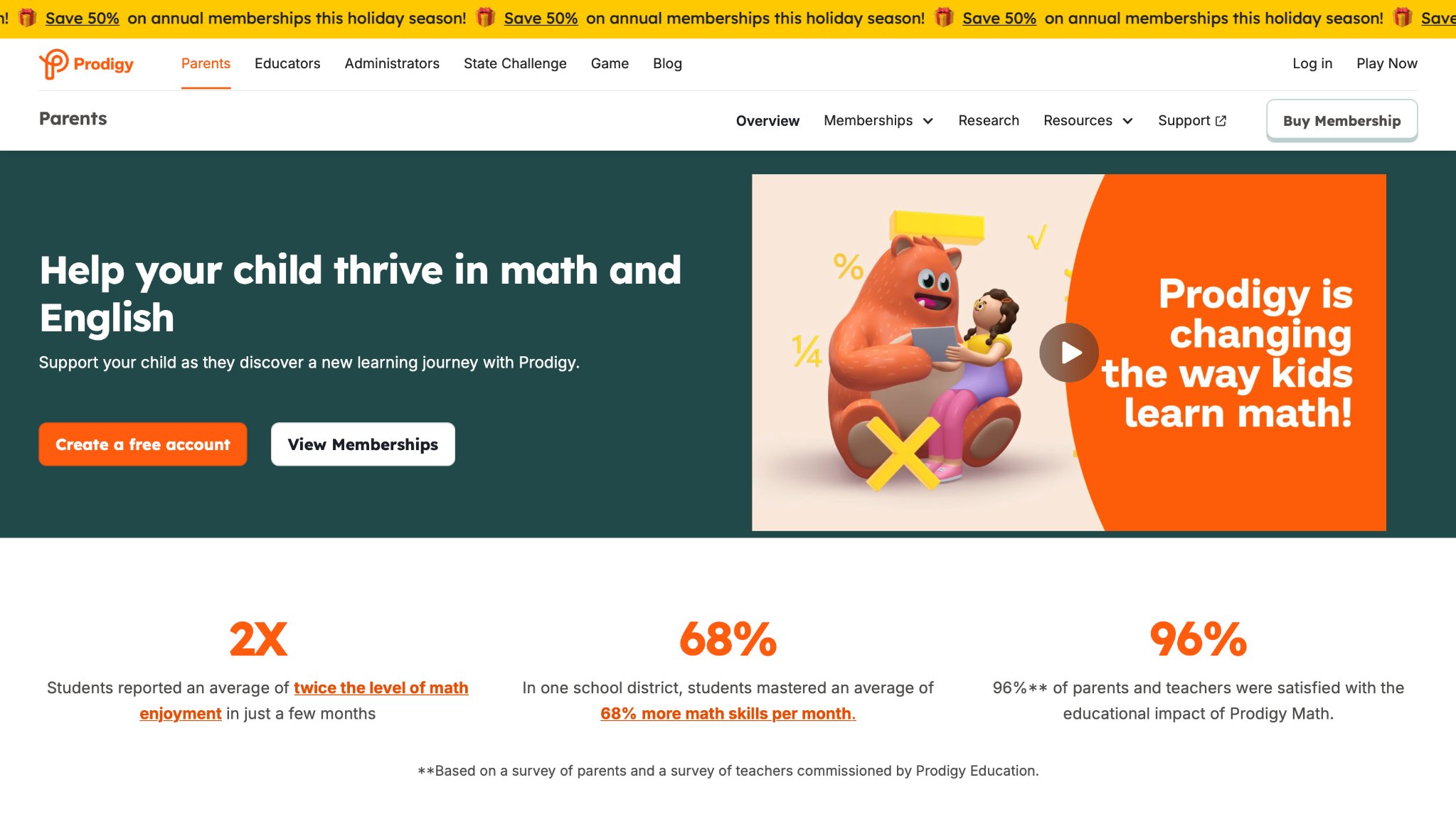
Prodigy Math transforms math practice into an immersive adventure game where children solve problems to advance through a fantasy world. It personalizes content to match each child's level across a range of early elementary topics. Game elements like quests and progression keep motivation high while reinforcing essential numeracy skills.
The platform blends education with entertainment in ways that make consistent practice enjoyable. Newer versions incorporate additional language arts elements for broader skill support. Children develop problem-solving abilities and confidence as they navigate challenges designed to feel exciting rather than instructional. Prodigy Math suits families looking for dynamic ways to build math foundations.
Facts and Information:
- Adaptive quests and challenges tailored to individual progress.
- Game-based structure that encourages regular engagement.
- Coverage of core math concepts through interactive play.
- Elements supporting broader learning in engaging contexts.
9. Osmo
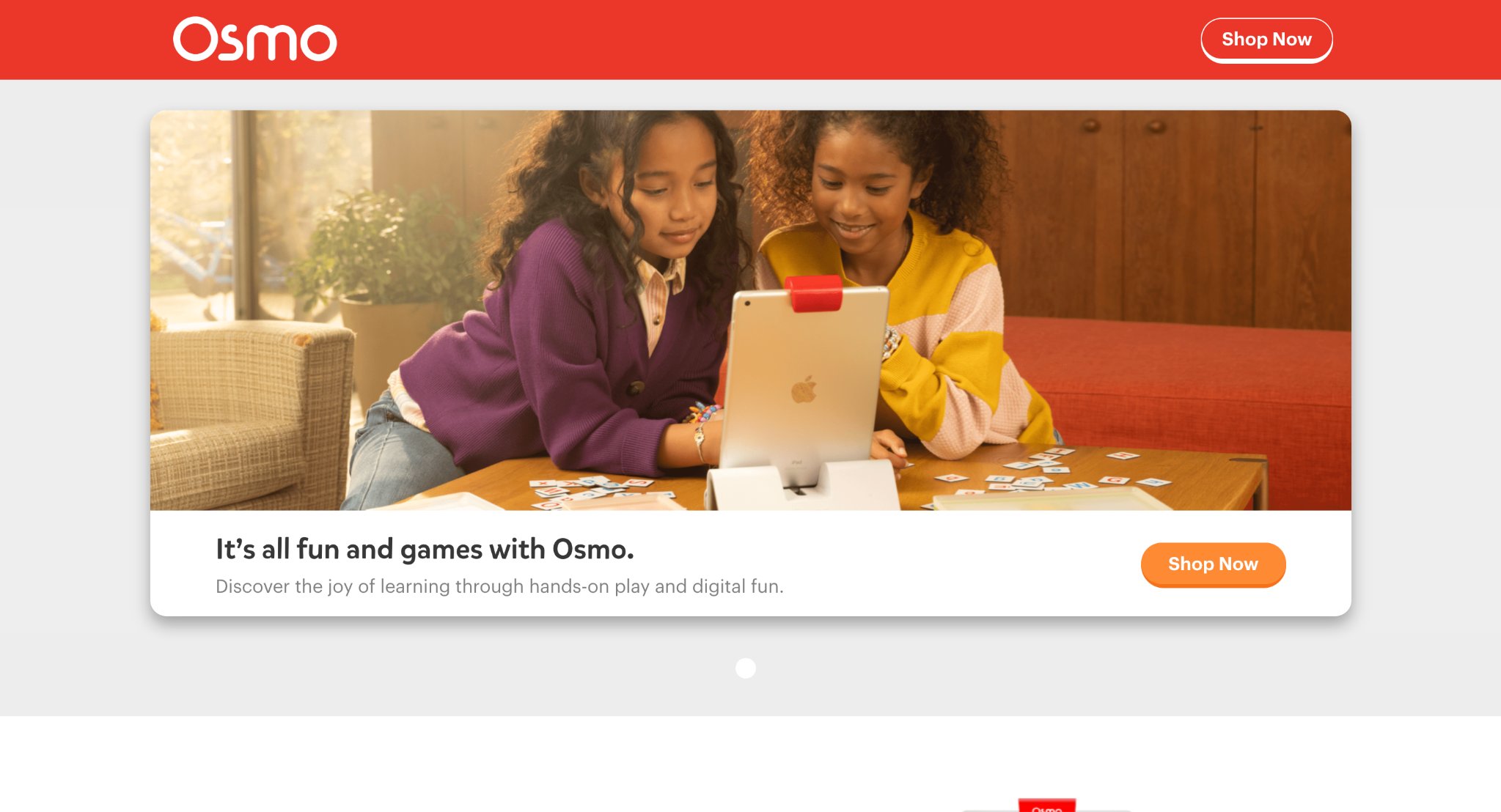
Osmo merges physical game pieces with digital tablet interactions for hands-on learning in letters, numbers, creativity, and problem-solving. The mixed-reality format gives immediate feedback as children manipulate real objects in tandem with on-screen activities. This tangible approach enhances engagement across multiple subjects.
Activities promote collaboration and creative thinking while building foundational skills. Osmo works well for various early learning areas by combining physical play with technology. Families appreciate the active involvement it encourages compared to screen-only options. The system supports skill development through direct, responsive experiences.
Facts and Information:
- Tangible pieces paired with digital feedback for interactive learning.
- Support for letters, numbers, creativity, and logical thinking.
- Collaborative play options that involve family members.
- Immediate response mechanisms that reinforce concepts effectively.
10. Funbrain
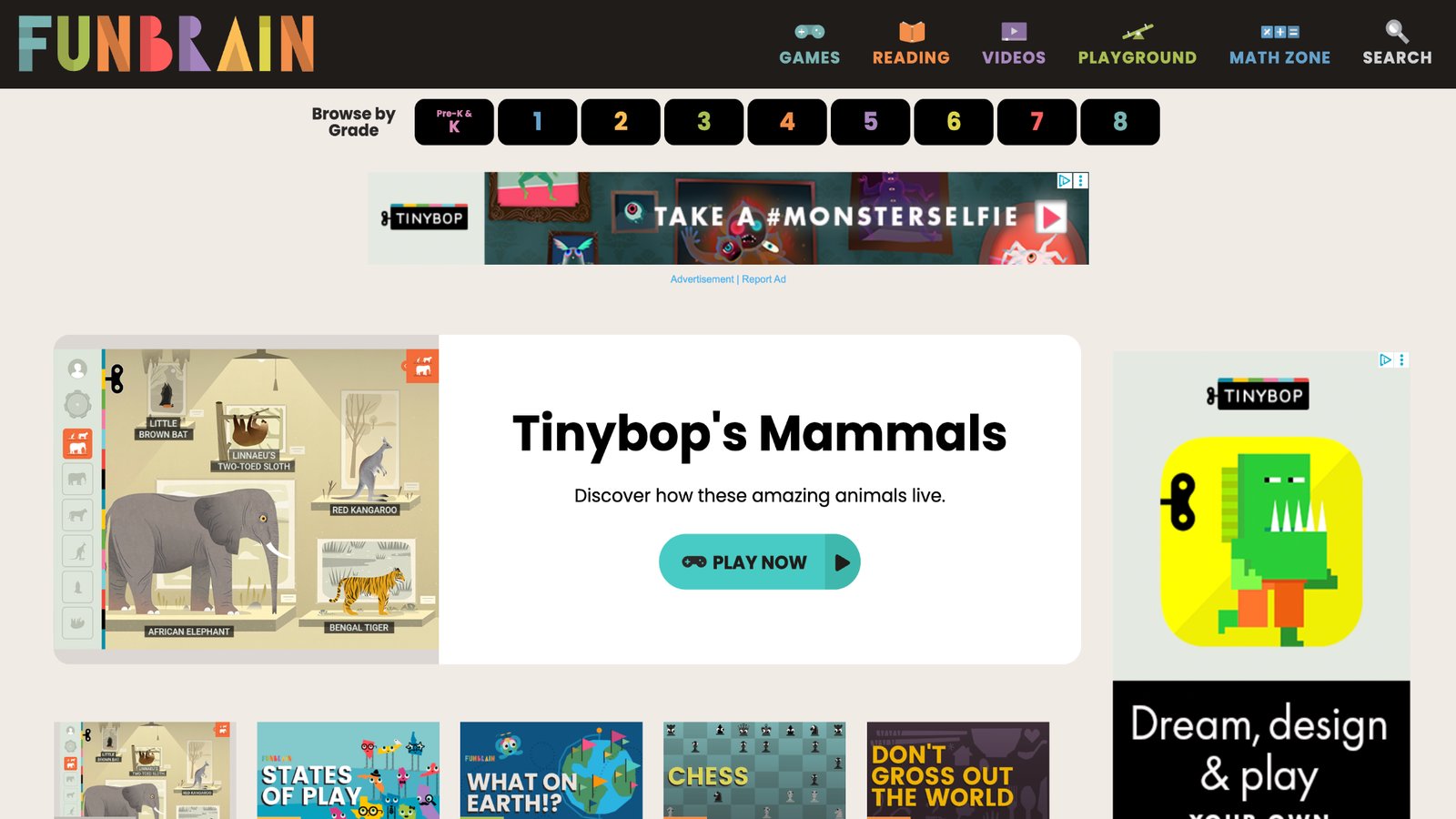
Funbrain hosts diverse online games, videos, and books focused on math, reading, grammar, science, and history for different age groups. Its collection features interactive puzzles and stories that reinforce school-related skills in entertaining formats. Children explore a variety of subjects through activities that match their interests and abilities.
The long-standing platform maintains a reputation for kid-friendly content that supports learning without pressure. Mix of media types accommodates various preferences and learning styles. Funbrain provides accessible reinforcement for key concepts in a playful online environment. It serves as a useful supplement for home or classroom extension.
Facts and Information:
- Broad subject coverage including math, reading, and science.
- Interactive games and reading materials suitable for multiple ages.
- Puzzle and story formats that build skills naturally.
- Established collection with ongoing kid-appropriate options.
11. Education.com Games
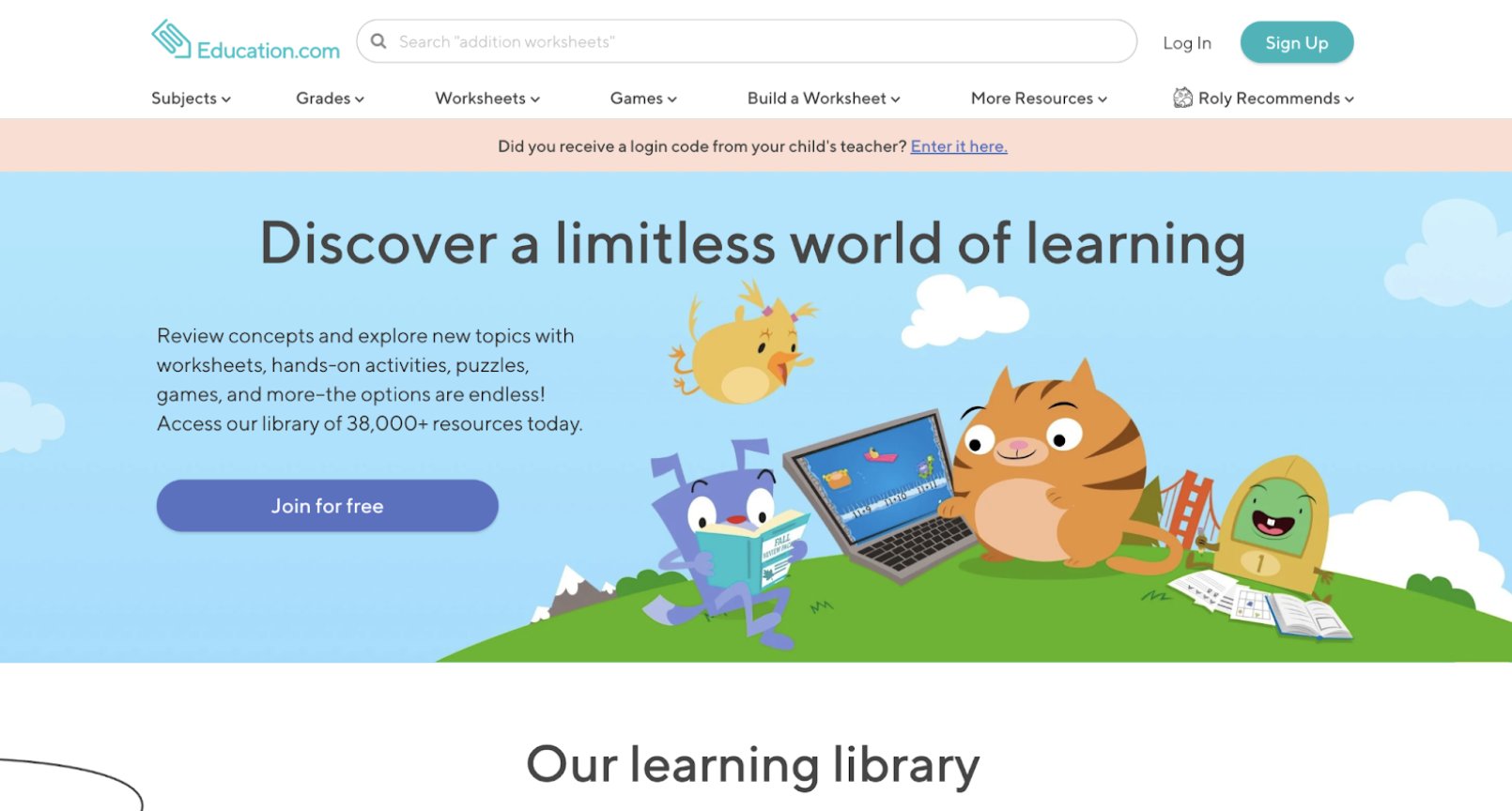
Education.com Games presents hundreds of interactive activities and printable resources across math, reading, science, and logic. The platform offers targeted practice suitable for both home and classroom settings with content aligned to common learning objectives. Children engage with games that provide focused skill reinforcement. Varied formats help maintain interest while building knowledge in core areas. Education.com supports parents and teachers with tools for supplemental learning. The digital and printable mix adds flexibility to practice routines. It remains a practical choice for consistent concept review.
Facts and Information:
- Large library of games and activities across key subjects.
- Alignment with standard educational goals and objectives.
- Options for targeted practice and reinforcement.
- Combination of digital play with printable extensions.
12. Code.org
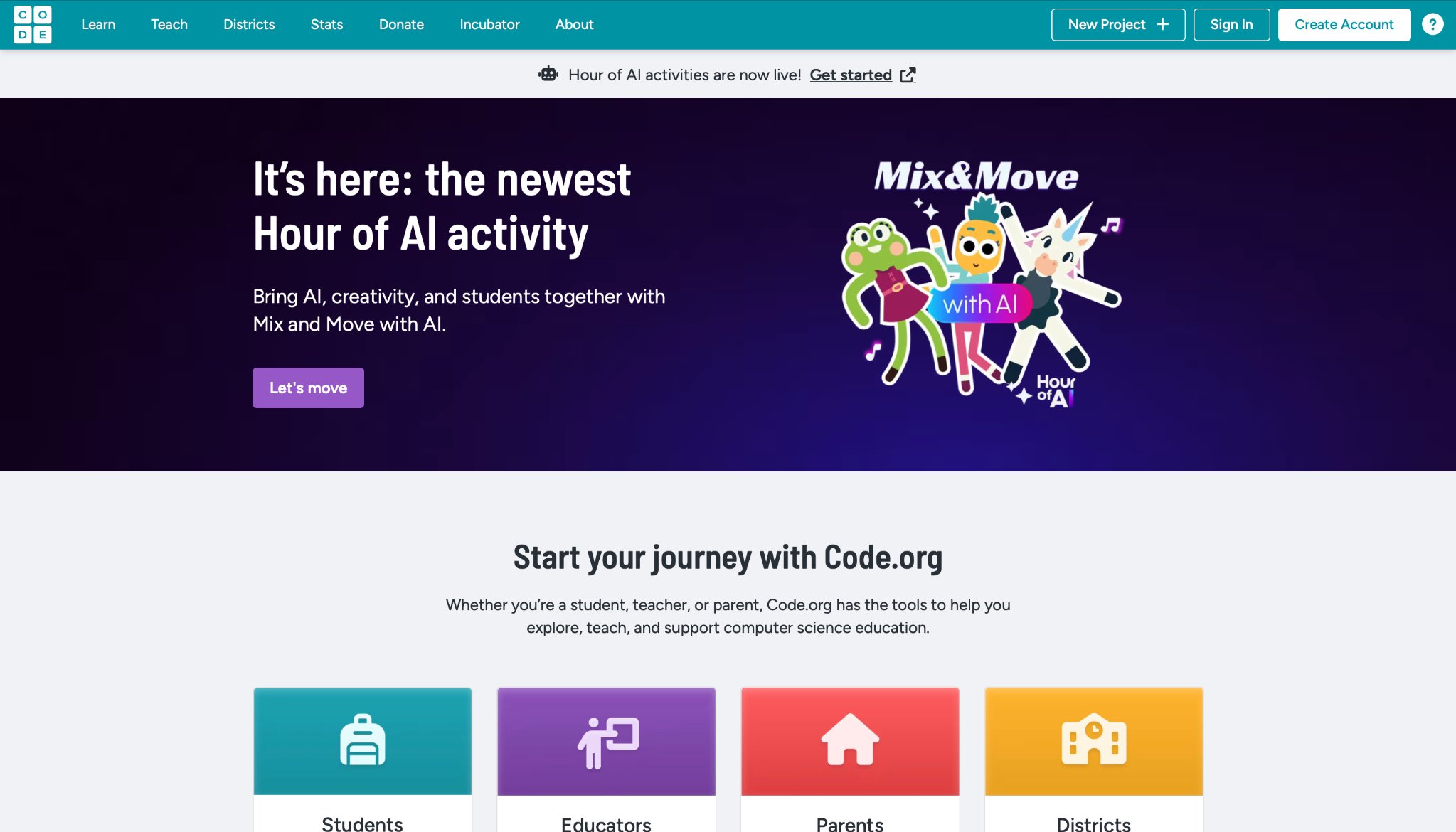
Code.org introduces foundational coding and computational thinking via block-based activities and games aimed at beginners, including younger learners. Hour of Code initiatives and ongoing courses make tech concepts approachable and fun. Children develop problem-solving and creativity through simple programming challenges. The platform promotes logical thinking in engaging, accessible ways. Content scales well for early exposure without overwhelming young users. Code.org supports broader educational goals by demystifying technology. Many families use it to spark interest in future skills.
Facts and Information:
- Block-based activities suitable for introductory levels.
- Initiatives like Hour of Code for hands-on exploration.
- Focus on problem-solving and creative expression.
- Accessible pathways into computational thinking.
13. Endless Alphabet
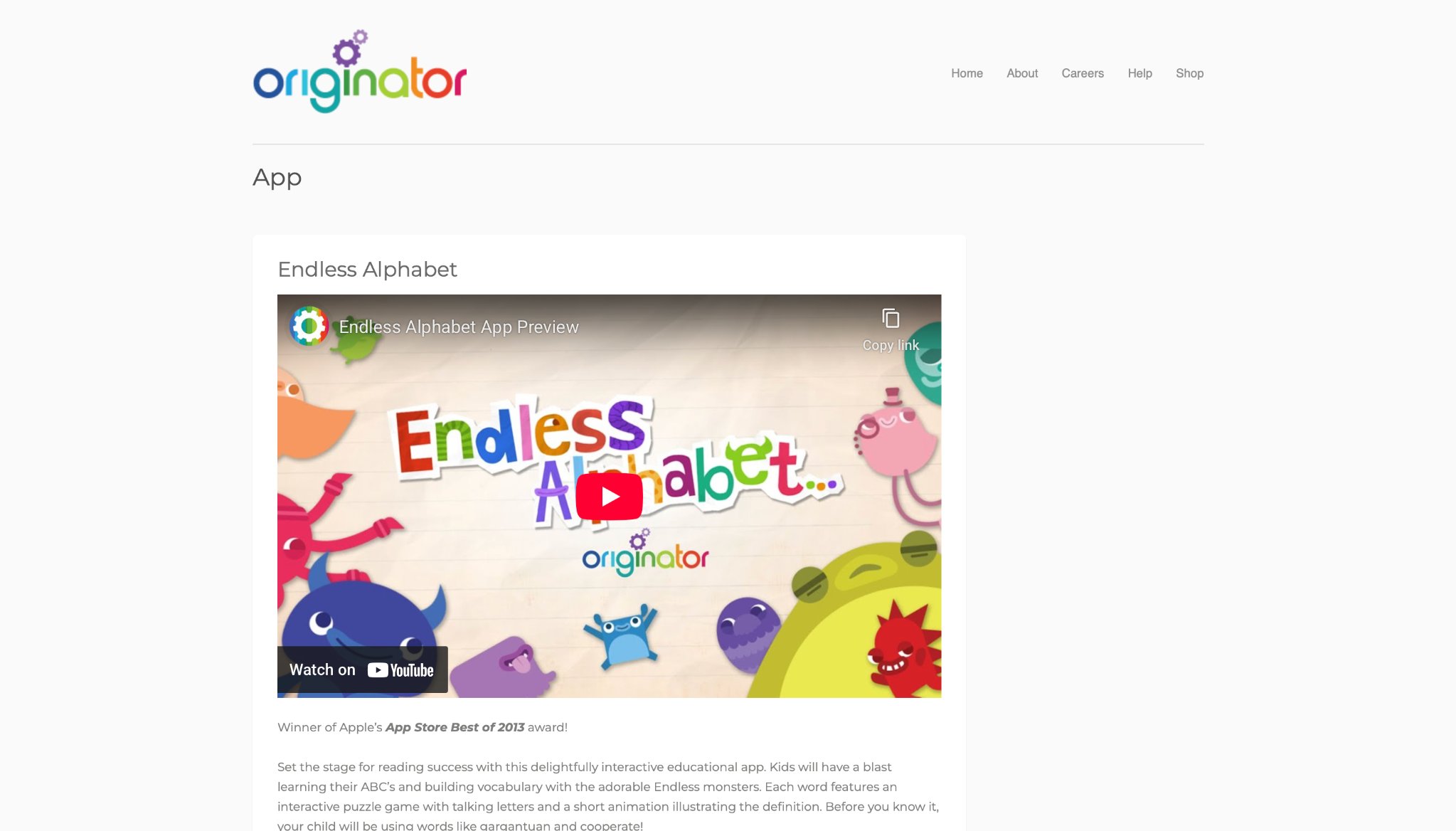
Endless Alphabet employs playful monsters and animations to teach letter recognition, spelling, and word meanings through interactive exploration. Children enjoy visual and auditory feedback as they manipulate elements to form words and understand definitions. The open-ended style encourages repeated engagement. Activities build early literacy foundations in a lighthearted manner. Endless Alphabet suits preschoolers developing language skills. Its creative presentation keeps sessions enjoyable and effective. The app focuses on foundational vocabulary building.
Facts and Information:
- Animated interactions for letter and word learning.
- Auditory and visual elements supporting retention.
- Open play format that fosters curiosity.
- Strong emphasis on early literacy development.
14. SplashLearn
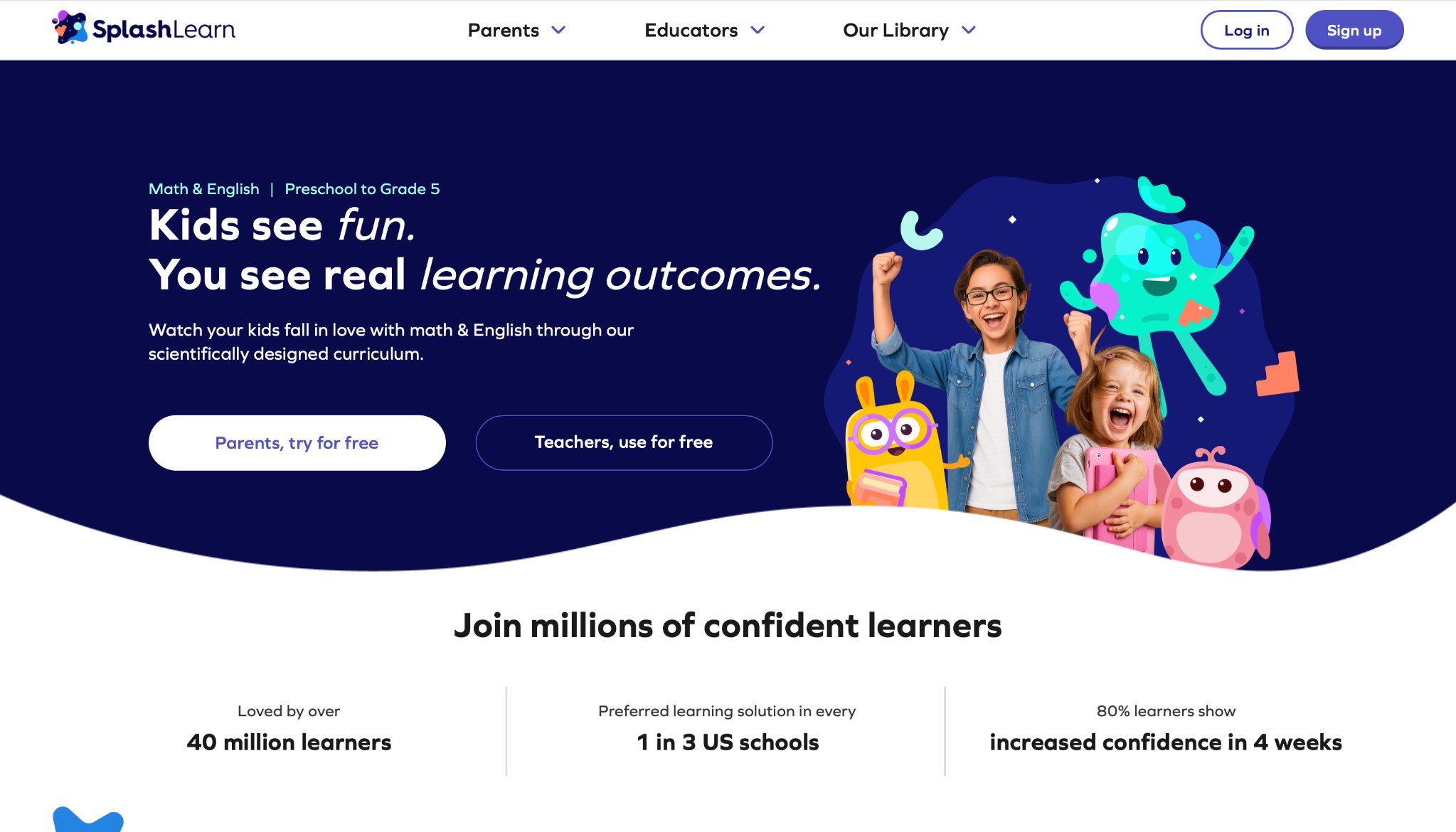
SplashLearn delivers math and reading games with curriculum-aligned lessons and motivational rewards. Adaptive practice helps children progress at their own pace across core subjects. Game elements maintain lively sessions that support steady skill growth. The platform includes features for tracking development and reinforcing concepts. SplashLearn combines education with entertaining challenges. Families find it useful for consistent home practice. Content adapts to individual needs effectively.
Facts and Information:
- Adaptive lessons covering math and reading areas.
- Reward systems that encourage participation.
- Curriculum alignment for relevant skill building.
- Progress insights for personalized learning support.
15. Teach Your Monster to Read
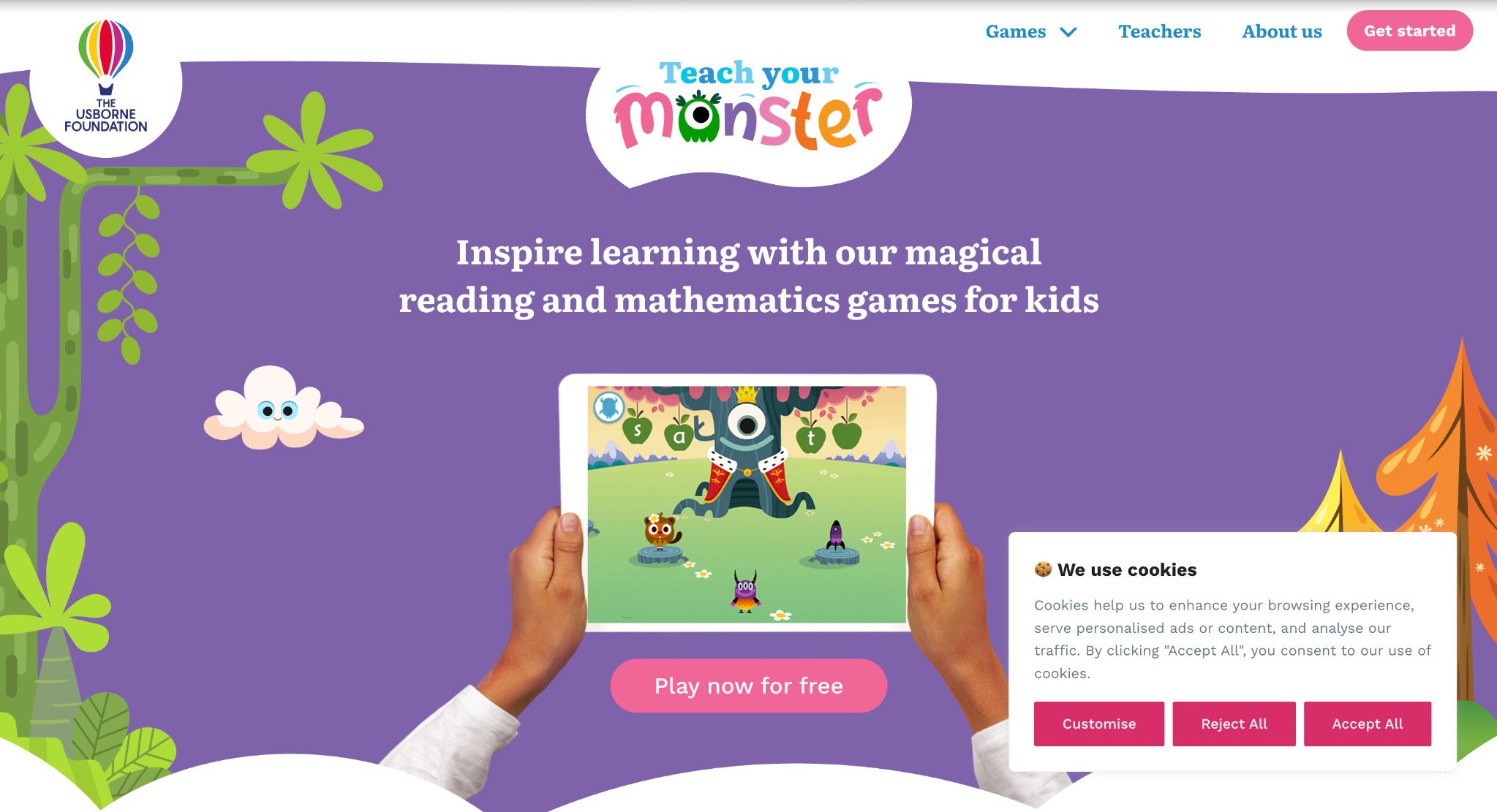
Teach Your Monster to Read guides children on phonics and reading journeys with a customizable monster companion in story-driven activities. Structured progression builds skills through engaging narratives and interactive elements. Kids gain confidence as they advance with their personalized character. The app focuses on literacy development in motivating formats. Activities support decoding, comprehension, and reading fluency. Teach Your Monster to Read turns practice into an adventure. It helps young learners develop strong reading foundations.
Facts and Information:
- Story-based phonics and reading progression.
- Customizable companion for personal connection.
- Interactive activities building literacy confidence.
- Motivational structure for sustained engagement.
Benefits of Incorporating Educational Games into Daily Routines
Many families report noticeable improvements in children’s attention span, vocabulary, and self-confidence when kids regularly play fun online educational games. These engaging tools support both academic skills and social-emotional development, helping children build empathy, establish healthy routines, and develop a genuine love for learning.
Interactive educational games that combine academics with mindfulness, problem-solving, and real-life skills for kids deliver even greater value. They promote well-rounded growth by strengthening cognitive abilities while nurturing emotional intelligence and practical life competencies.
Tips for Choosing and Using Online Educational Games Effectively
Selecting the right educational games starts with understanding your child’s age, interests, and individual learning needs. Prioritize platforms that offer safe, ad-free environments and clear progress tracking to support focus and parental peace of mind. To keep engagement high, mix different types of activities - such as logic puzzles games, creative challenges, reading games, and math-based adventures. This variety prevents boredom while developing multiple skill sets. Active parental involvement makes a big difference. Playing together, discussing what your child learned, or connecting game concepts to everyday life can significantly boost learning outcomes and strengthen family bonds.
Why Consistent Play Matters
When incorporated into daily routines, online educational games become powerful supplements to traditional learning. They turn screen time into productive, enjoyable growth opportunities that support long-term academic success and personal development. By choosing quality content and staying involved, parents can help children thrive both inside and outside the classroom while making learning fun and sustainable.
FAQ
How do educational games support preschool development?
Educational games support preschool development by turning everyday play into opportunities for building language, number recognition for kids, logic, and attention skills in ways that feel natural and enjoyable. They help children strengthen focus through sorting and pattern activities while encouraging creativity and vocabulary growth via interactive stories and character adventures. Many also incorporate elements like mindfulness and healthy habits that nurture emotional balance and real-world confidence alongside academic progress. Overall, these tools make learning stick by connecting concepts to fun, guided experiences that align with how young minds grow best.
What age range works best for most online educational games?
Most of the best online educational games work best for children ages 3 to 7, when curiosity runs high and foundational skills in phonics, numbers, logic, and life abilities develop rapidly through play. Content in this range uses simple controls, bright visuals, and short activities that match preschool attention spans while offering gentle challenges that build confidence step by step. Platforms designed specifically for this group often include professions exploration and mindfulness elements that support holistic growth during these important early years.
Can these games replace traditional learning?
These games serve as excellent supplements rather than full replacements for traditional learning by reinforcing concepts like language, math, and problem-solving for kids in engaging formats that complement books, conversations, and hands-on activities. They add variety and motivation, helping skills transfer more easily into daily life through repeated playful practice. Combining digital play with real-world experiences, such as discussing game scenarios or using related printables, creates the strongest results for well-rounded preschool development.
Are ad-free options widely available?
Ad-free options are widely available and highly valued for maintaining focus and safety during play sessions. These environments remove distractions so children can immerse fully in language, logic, sorting, and life skills games without interruptions. Many top choices prioritize calm, psychologist-informed designs that support sustained attention and positive screen time habits parents can trust.
How can parents maximize the benefits of online educational games at home?
Parents can maximize benefits by choosing online educational games that blend academic skills with life abilities like empathy, routines, and creativity, then integrating them thoughtfully into daily routines. Short, consistent sessions paired with follow-up discussions or offline extensions help children connect digital learning to the real world. Progress tracking features and varied content across phonics, numbers, logic, and mindfulness keep engagement high while supporting holistic growth in focus, vocabulary, and confidence.
.
Read Also:
- Best Educational Games App 2026
- Best Educational Computer Games 2026
- Best Apps for Learning 2026
- Best Educational App 2026
- Best Educational Games for Children 2026