

Best Logic Puzzles for Kids 2026






The best logic puzzles for kids 2026 help children sharpen focus, practice reasoning, and enjoy hands-on challenges that feel like play. In 2026, parents seek options that fit busy schedules while supporting early learning in safe, engaging formats. Whether digital or physical, these activities encourage kids to think step by step and celebrate small wins along the way. Fluvsies Academy stands out with its interactive approach tailored for young learners.
Children can significantly improve their cognitive abilities through engaging activities like best logic puzzles for kids, best learning games for preschoolers online, best brain games for 5 year olds online, and best brain development games for kids. These resources help develop problem-solving, memory, focus, and logical thinking in a fun and natural way.
Discover the Best Logic Puzzles for Kids 2026 - Fluvsies Academy!
The Growing Role of Logic Puzzles in Early Learning

In today's fast-paced world, many families are turning to logic puzzles as a smart and enjoyable way to support their children's development. These activities transform everyday screen time or quiet play moments into powerful skill-building opportunities. From simple matching games to progressively challenging puzzles, logic puzzles help young children (ages 3 - 7) build essential cognitive foundations while having fun.
Parents love incorporating best logic puzzles for kids 2026 into daily routines because they turn potential “downtime” into meaningful growth. Children naturally develop greater patience and persistence as they tackle tasks that start easy and gradually increase in difficulty. These experiences also strengthen attention and focus - skills that directly benefit schoolwork, following multi-step instructions, organizing toys, or even completing daily chores.
How Logic Puzzles Strengthen Young Minds
Logic puzzles are more than just games - they are brain-boosting tools that encourage children to think critically from an early age. By spotting patterns, making connections, and testing different ideas, kids learn to solve problems without fearing mistakes. Each successful “aha!” moment builds confidence and a positive “I can do it” mindset.
Research and educator observations show that regular puzzle play improves:
- Problem-solving and logical thinking: Children learn to plan, test strategies, and use trial-and-error effectively.
- Spatial awareness and memory: Essential for math, reading, and everyday tasks.
- Concentration and patience: Helping kids stay focused longer in other activities like reading, building blocks, or classroom lessons.
- Fine motor skills and hand-eye coordination: Through manipulating pieces or tapping on interactive screens.
Parents often report noticeable improvements: better focus during homework, stronger ability to follow instructions, and increased resilience when facing challenges. Logic puzzles also support emotional growth by teaching children to handle frustration constructively and celebrate small wins.
Best Logic Puzzles for Kids 2026
1. Fluvsies Academy - Best Logic Puzzles for Kids 2026
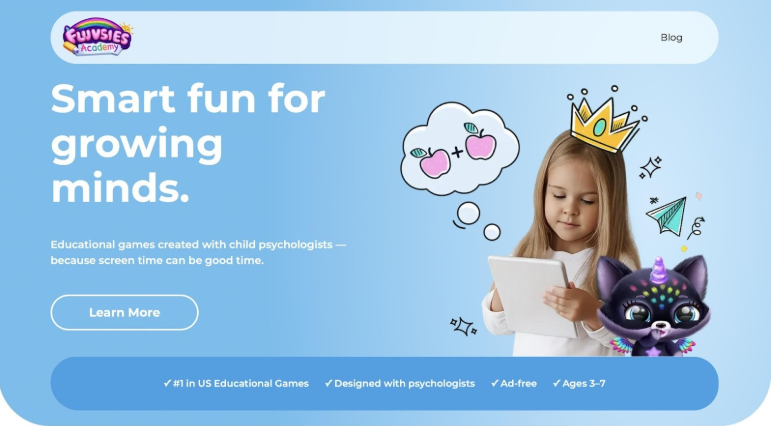
Fluvsies Academy provides a nurturing space where preschoolers discover learning through engaging games designed with child psychologists. The platform turns screen time into smart learning moments that help children ages 3 to 7 grow confident minds, curious hearts, and healthy habits. Kids explore colorful worlds filled with characters they already love while building skills in language and phonics, numbers and counting, logic and attention, sorting and comparison, life skills and creativity, and even professions that expand vocabulary in fun ways. Mindfulness, kids yoga, and everyday habit activities round out the experience so learning feels complete and balanced.
Parents appreciate the ad-free environment and age-appropriate content that promotes empathy, safety, and independent play. Progress reports keep families informed about their child’s growth without adding pressure. Free printables let the learning continue long after the screen turns off, creating seamless connections between digital play and real-life adventures. The holistic focus makes Fluvsies Academy a standout choice for families who want meaningful screen time that truly supports development.
Discover Fluvsies Academy
Fluvsies Academy is a leading educational app designed for children aged 3–7. It transforms screen time into meaningful learning through fun, interactive games. Developed in collaboration with child psychologists, the app focuses on holistic development.
Key Features
- Ad-free environment for safe play.
- Games covering language, phonics, math, and logic.
- Activities for attention, sorting, and creativity.
- Real-world life skills like healthy habits and mindfulness.
- Exploration of professions to build vocabulary and imagination.
Educational Approach
Fluvsies Academy emphasizes guided play that balances focus, empathy, and emotional safety. It's the first holistic learning app for kids, ranked #1 educational game in the US. Progress reports help track your child's growth. Free printables extend learning beyond the screen.
Benefits for Families
Parents gain peace of mind with expert-backed games.
Kids build confidence, skills, and a love for learning. Ideal for preschoolers seeking joyful education.
Discover more engaging logic activities with Fluvsies Academy today.
2. TutoClub - Top Educational Logic Games for Kids
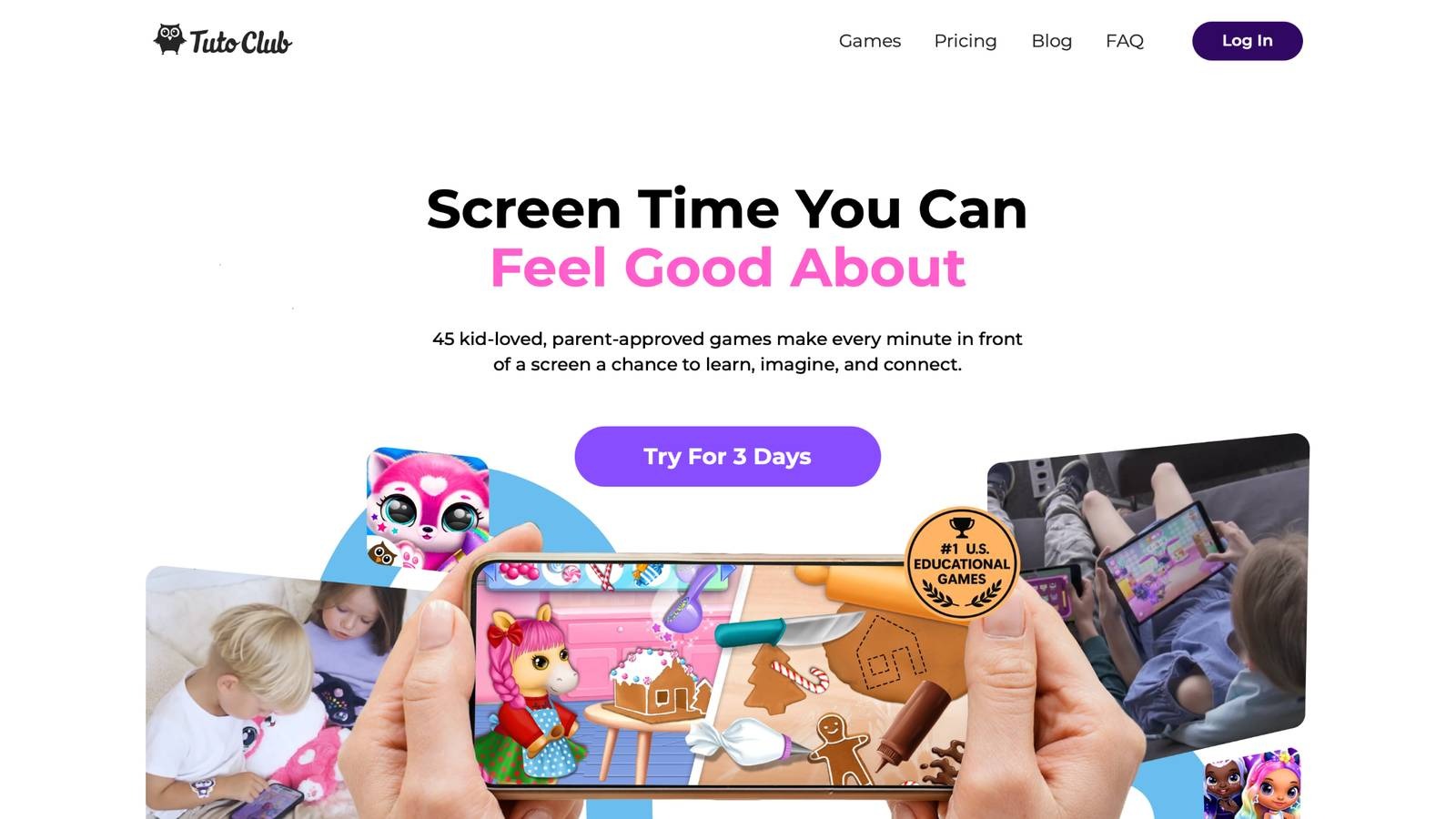
TutoClub offers a delightful collection of educational games specifically designed to transform screen time into meaningful developmental moments for preschoolers. This platform features a wide variety of interactive activities that focus on creativity, emotional intelligence, focus, and essential life skills. Children enjoy caring for virtual pets which gently teaches responsibility and empathy. Cleanup adventures make tidying up fun while building good habits. Styling and fashion games encourage self expression and creativity. The games adapt to each child's interests and provide open ended play that sparks imagination without pressure.
Regular updates keep the content fresh and exciting for returning players. Families appreciate the calm, ad free environment that supports healthy screen time and allows for shared family moments. TutoClub stands out for its thoughtful design that prioritizes social emotional growth alongside cognitive skills. Young learners build confidence as they master challenges and express themselves through play. The experience feels more like joyful exploration than structured lessons. Parents often note increased engagement and positive attitude toward learning activities after using the platform. The character driven stories help preschoolers explore emotions and social situations in safe and supportive ways. Many families find that the variety keeps children coming back and encourages repeat play sessions.
Key features
- Virtual pet care activities that build empathy and responsibility
- Creative styling and cleanup games that teach helpful habits
- Open ended play that encourages imagination and problem solving
- Regular content updates to maintain engagement
- Calm ad free design perfect for young attention spans
Facts and Information
TutoClub creates purposeful play experiences that support creativity, focus, and emotional skills in preschoolers through carefully crafted interactive games.
3. LogicLike - Engaging Logic Puzzle App for Children
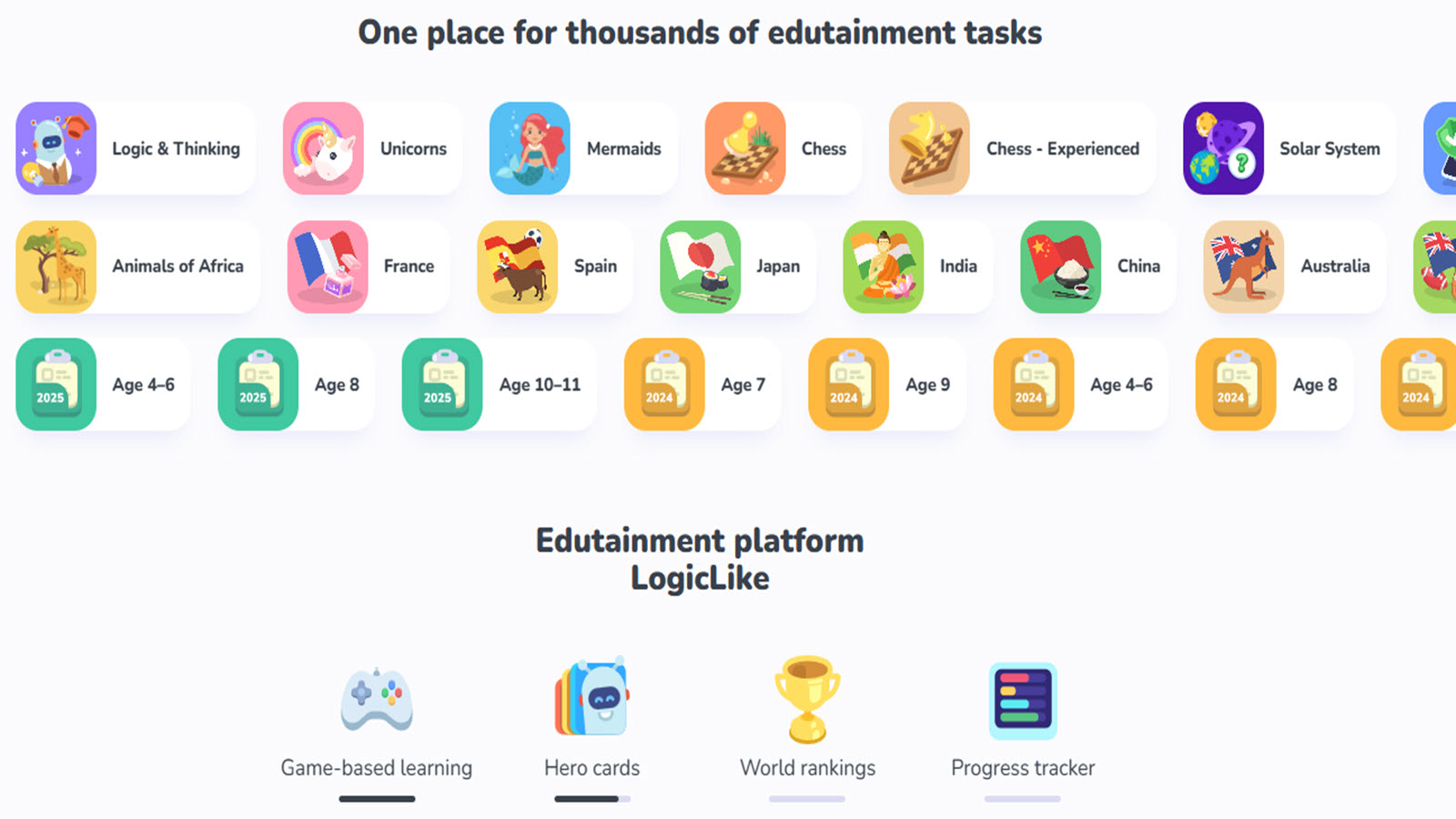
LogicLike offers a well-organized collection of brainteasers and logic activities arranged in progressive levels that grow with a child’s abilities. Young players tackle fun exercises like “odd one out,” sequencing grids, deduction tasks, and pattern recognition presented in bright, uncluttered formats that keep focus sharp. Each session delivers instant, encouraging feedback with cheerful animations that celebrate every success, helping children build confidence as they move from basic observation to more advanced reasoning.
The clean, intuitive interface eliminates distractions so kids can concentrate fully on developing memory, strategy, and logical thinking. Parents appreciate the adaptive difficulty and structured progress that makes daily practice feel rewarding rather than frustrating. With its balance of challenge and support, LogicLike turns logic training into an enjoyable habit that strengthens critical thinking skills for school and everyday problem-solving.
Key features
- Progressive puzzle collections
- Focus on memory and strategy
- Kid-friendly interface with clear instructions
Facts and Information
- Activities build logical thinking through play
- Suitable for early elementary ages with adaptive difficulty
4. Thinkrolls Avokiddo Logic and Physics Puzzles
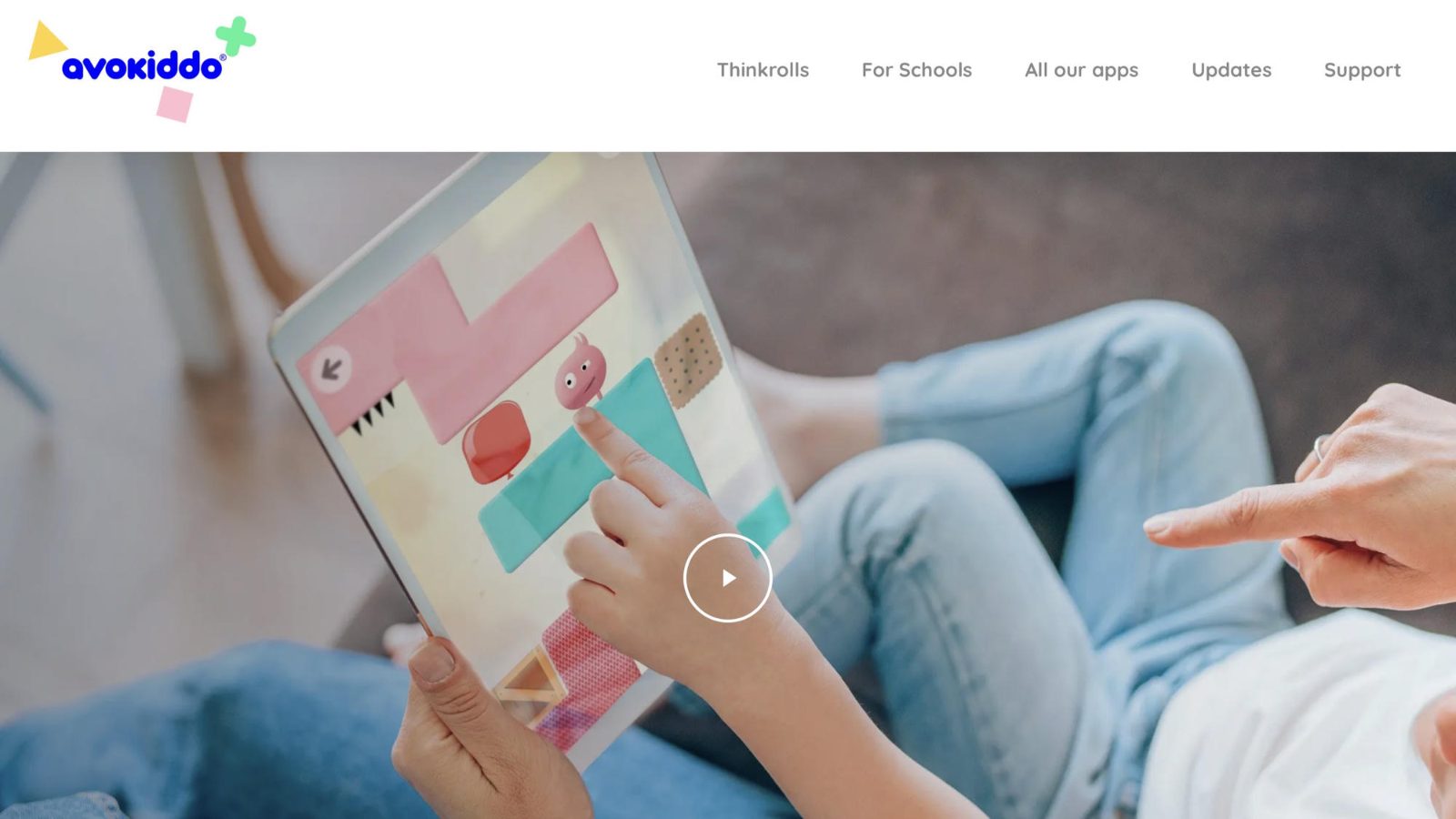
Thinkrolls by Avokiddo transforms logic practice into exciting physics-based adventures where children guide adorable rolling characters through cleverly designed mazes and obstacle courses. Kids experiment with gravity, buoyancy, springs, and other mechanics while learning to plan ahead, observe cause and effect, and test creative solutions. Hundreds of colorful levels introduce new concepts gradually, keeping young minds engaged without overwhelming them. Unlockable characters and vibrant animations add extra motivation and replay value.
The app excels at building spatial reasoning, persistence, and creative problem-solving through trial-and-error play that feels purely fun. Suitable for ages 3 to 9, it combines gentle science principles with strong logical thinking development, making it a favorite for parents who want screen time that genuinely trains the brain.
Key features
- Physics-driven puzzle mechanics
- Progressive levels with new concepts
- Multiple characters and themed worlds
- Adaptive difficulty for ages 3–9
Facts and Information
- Combines logic with basic science principles
- Strong focus on trial-and-error learning
- Popular for developing persistence and creative thinking
5. Funexpected Math - Interactive Logic and Spatial Tasks
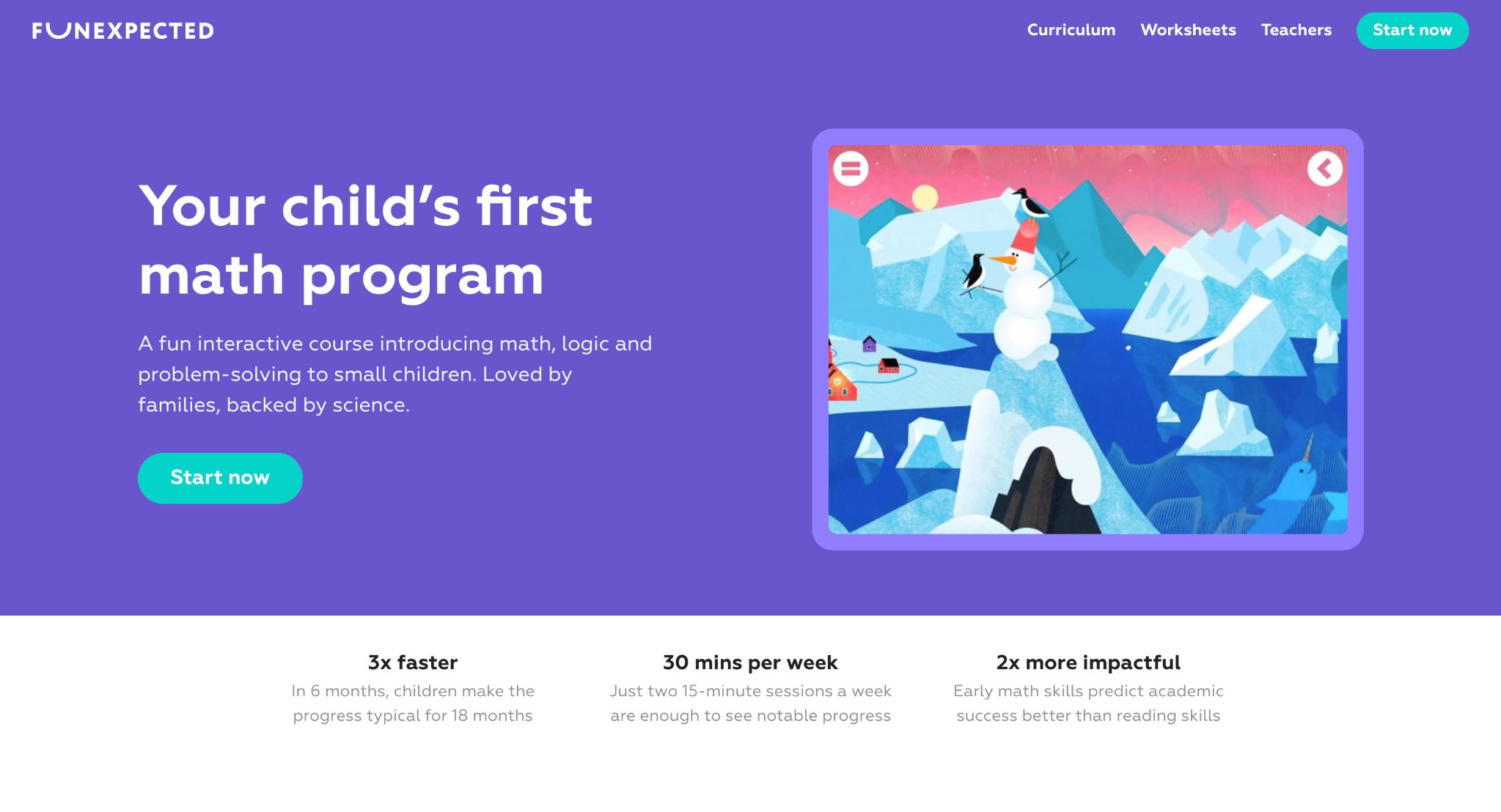
Funexpected Math combines logic puzzles with spatial reasoning tasks in an app format that adapts automatically to each child’s current skill level. Young learners complete shape matching exercises, pattern building sequences, and creative arrangement challenges that feel like open ended exploration rather than strict drills. The platform uses colorful visuals and gentle sound cues to keep motivation high while providing clear hints when needed. Children experiment freely with different solutions, discovering that multiple paths can lead to the same successful outcome.
The adaptive structure means beginners start with basic matching while more advanced players tackle multi step logic sequences. Parents value the balance between structured guidance and creative freedom that supports both focus and imagination at the same time. New tasks appear regularly so the content stays fresh without requiring manual updates. The app tracks progress quietly in the background, allowing families to see growth over weeks without turning play into a test.
Key features
- Adaptive lesson structure
- Focus on shapes and patterns
- Engaging visual feedback
Facts and Information
- Tasks strengthen spatial reasoning alongside logic
- Ideal for preschool and early school years
6. Melissa and Doug Wooden Shape Sorting Puzzle Set
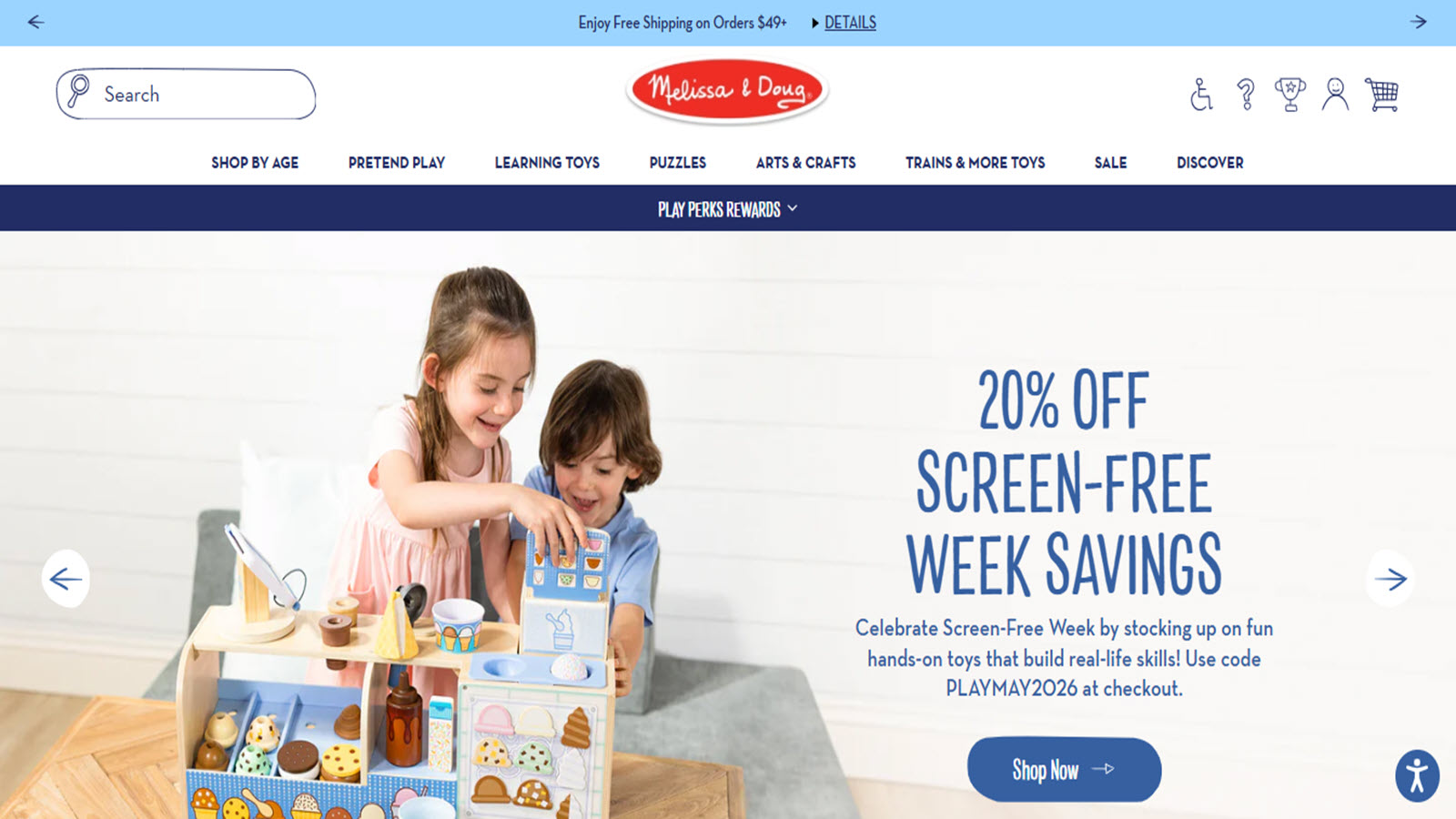
Melissa and Doug Wooden Shape Sorting Puzzles provide a classic, screen-free way for toddlers and preschoolers to develop early logic skills through hands-on play. Chunky, colorful pieces fit into sturdy boards featuring shapes, colors, animals, and vehicles, helping children practice matching, sorting, and problem-solving while improving fine motor control. Multiple boards with increasing complexity allow natural progression and repeated success.
The high-quality wooden construction feels satisfying to handle and withstands enthusiastic daily use. These puzzles support shape and color recognition, concentration, and logical thinking in a calm, tactile format perfect for independent or shared play. Families love the durable, battery-free design that delivers meaningful cognitive benefits through simple, joyful exploration.
Key features
- Chunky wooden pieces with matching boards
- Multiple boards with progressive complexity
- Sturdy construction for repeated handling
- Bright colors and smooth edges for safety
- No batteries or screens required
Facts and Information
- Supports shape and color recognition through sorting
- Develops fine motor skills alongside logic
- Classic format ideal for sensory and cognitive play
7. Lightbot Programming Logic Puzzles
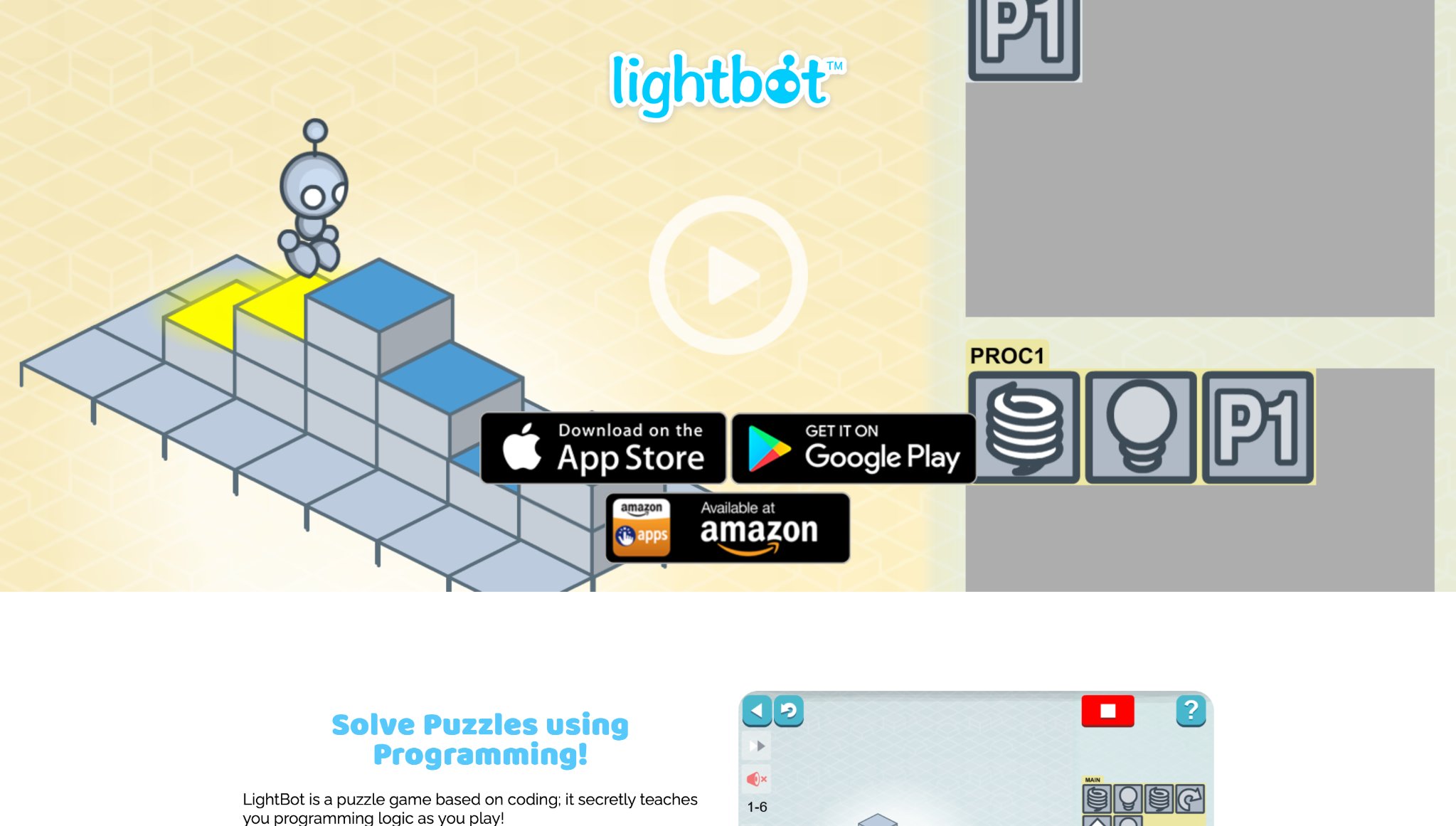
Lightbot introduces children to logical thinking through visual programming puzzles where kids guide a small robot by stacking commands to light up tiles and solve mazes. The game teaches sequencing, loops, conditionals, and systematic planning using simple drag-and-drop blocks and immediate visual feedback. Levels increase in complexity while remaining approachable, making it suitable for different age groups including Lightbot Jr. Children develop debugging skills and structured thinking as they experiment and refine their solutions.
The clean interface and rewarding gameplay turn foundational programming logic into an engaging challenge. Widely used in both homes and classrooms, Lightbot builds confidence in systematic problem-solving that transfers well to math, coding, and everyday reasoning.
Key features
- Drag-and-drop command blocks
- Progressive coding concepts
- Visual feedback on each program run
- Versions for different age groups including Lightbot Jr.
Facts and Information
- Builds foundational programming logic through play
- Used widely in homes and classrooms
- Encourages systematic thinking and debugging skills
8. Tozzle - Toddler Shape Puzzle App
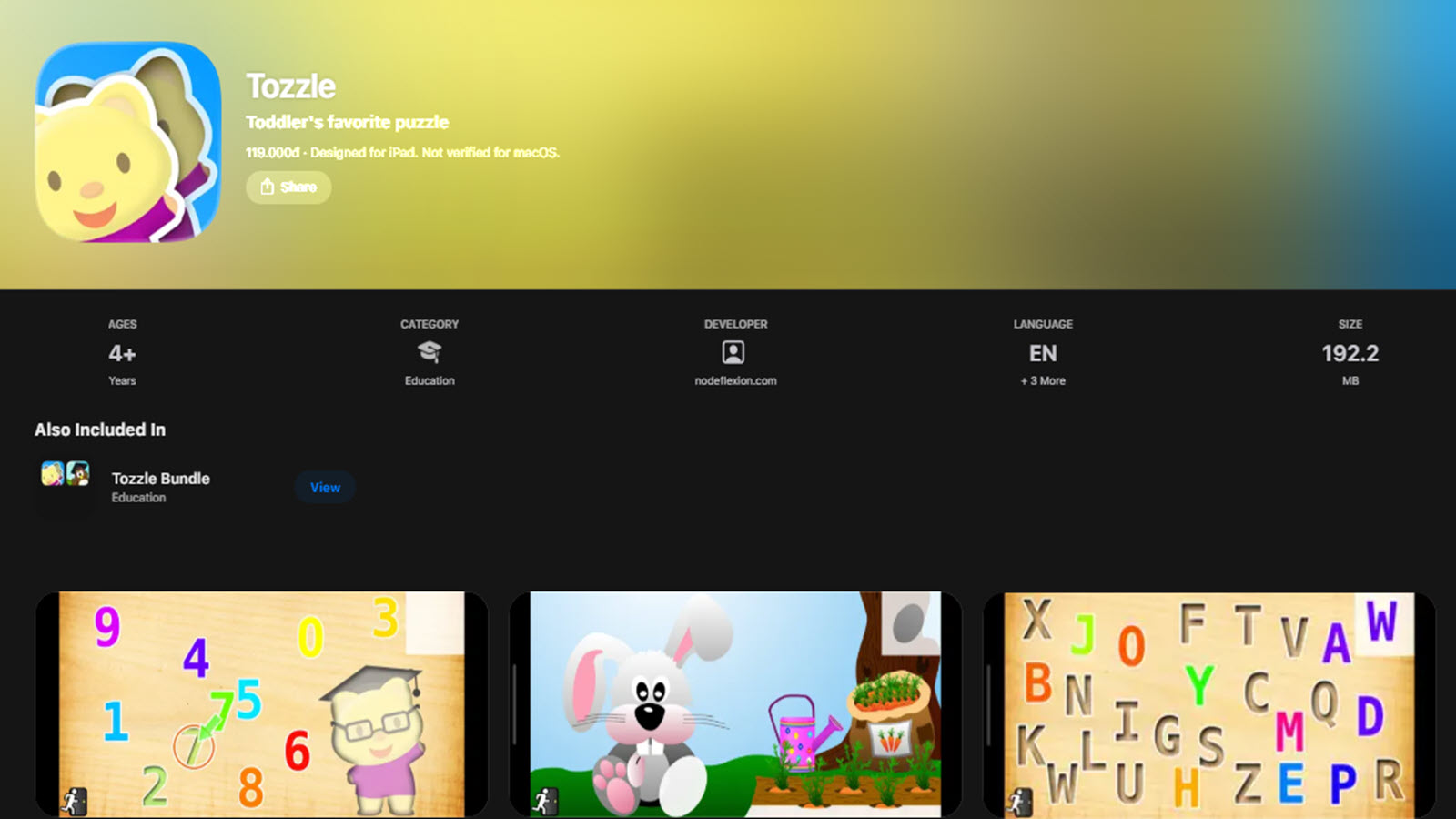
Tozzle provides simple drag and drop shape puzzles created specifically for toddlers who are just beginning to explore logic and spatial concepts. Children tap and slide colorful pieces into place while enjoying soft animations and gentle sounds that celebrate each correct match. The app keeps every screen clean and uncluttered so very young users can focus completely on the task without confusion. Each puzzle uses large, easy to see shapes that match everyday objects, helping toddlers connect abstract patterns to real world items. The progression stays gentle with short sessions that match a toddler’s natural attention span.
Parents like that the controls respond reliably to small fingers and that the content never includes ads or pop ups. Tozzle serves as an ideal entry point into digital logic play because it emphasizes success over speed and keeps frustration levels low. The bright visuals and rewarding audio cues make each completed puzzle feel like a genuine accomplishment. Families often use the app during quiet moments or as a gentle introduction to screen time that actually builds foundational skills.
Key features
- Touch-friendly controls
- Bright, simple visuals
- Short puzzle sessions
Facts and Information
- Introduces basic spatial logic
- Perfect entry point for very young players
9. Math Playground Logic Games
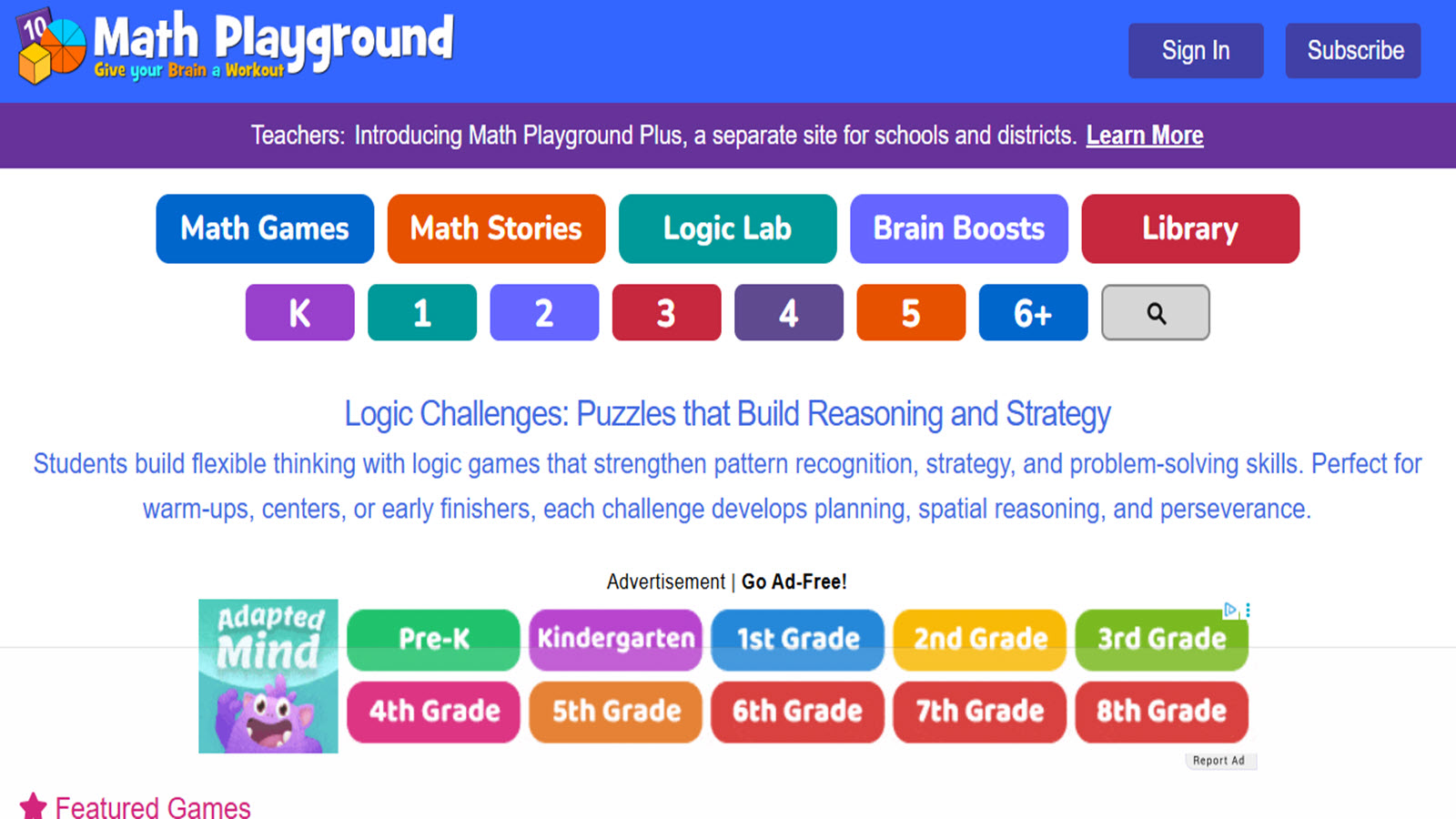
Math Playground provides a vast, free collection of browser-based logic and strategy games that require no downloads or logins. Children explore pattern recognition, spatial reasoning, number puzzles, and creative problem-solving through instantly accessible challenges suitable for various skill levels. The clean, ad-light design helps kids stay focused while tackling puzzles that build perseverance and flexible thinking.
Teachers and parents frequently use it for supplemental practice because of its quality and variety. The platform supports independent exploration while reinforcing logical reasoning alongside math concepts. Its accessible format makes advanced thinking practice available to every child with just an internet connection.
Key features
- Free online access with no login
- Wide variety of logic challenges
- Clean, ad-light interface for focus
- Suitable for different skill levels
Facts and Information
- Supports flexible thinking and perseverance
- Popular resource for teachers and parents
- Covers logic alongside math concepts
10. Cut the Rope Physics Puzzle Game
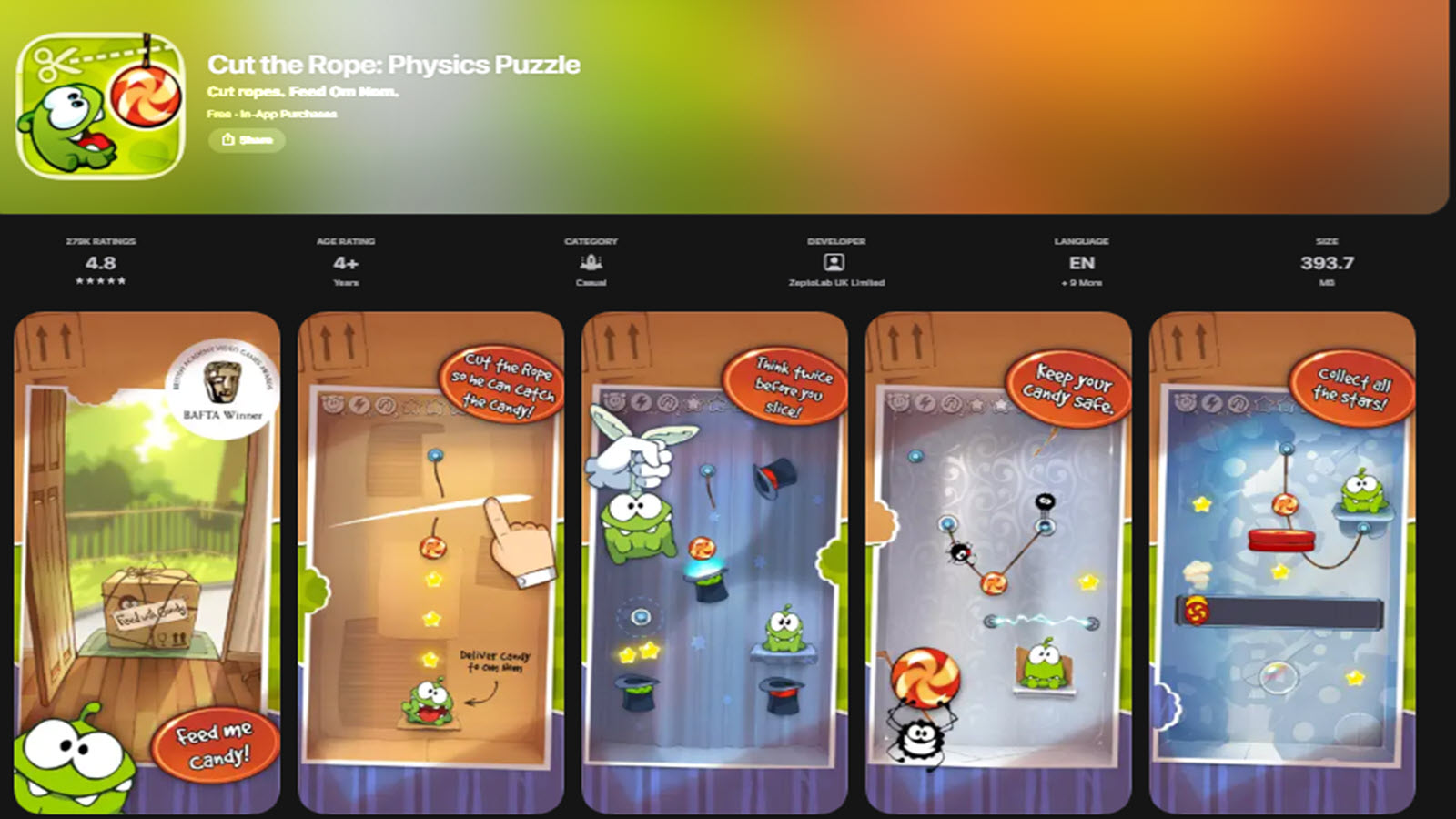
Cut the Rope brings delightful physics-based logic puzzles to life with the adorable character Om Nom, a hungry green monster who loves candy. Kids cut ropes, swing candy, and use clever gadgets like bubbles, trampolines, air cushions, and magnets to deliver treats safely into Om Nom’s mouth. Each level requires careful timing, planning, and creative problem-solving as children experiment with gravity, momentum, and chain reactions.
The game features hundreds of progressively challenging levels across multiple worlds, keeping young players engaged for months. Vibrant animations, satisfying sound effects, and Om Nom’s expressive reactions make every successful delivery feel rewarding and fun. The intuitive touch controls work perfectly for small fingers, while the increasing complexity gently builds spatial reasoning and logical thinking without any pressure.
Key features
- Physics-based rope cutting mechanics
- Hundreds of levels with increasing complexity
- Collectible stars and hidden prizes
- Fun gadgets like bubbles, trampolines, and force fields
- Adorable character-driven puzzles
Facts and Information
- Combines logic, timing, and creative problem-solving
- Ideal for ages 4 and up with engaging physics challenges
- Builds planning skills and cause-and-effect understanding through playful experimentation
11. Monument Valley - Optical Illusion Architecture Puzzles
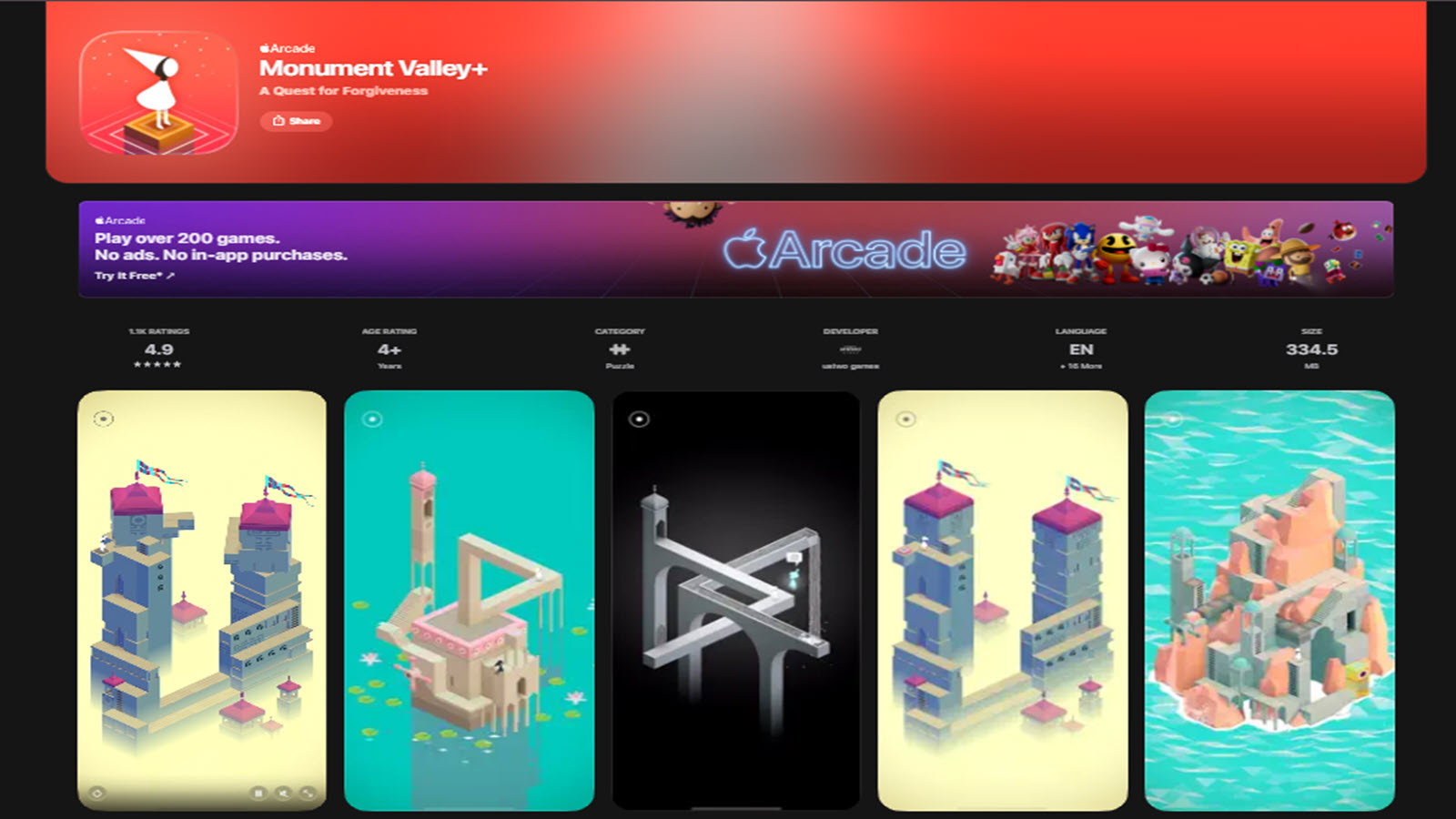
Monument Valley, developed by ustwo games (headquartered in London, UK), offers a serene, visually stunning puzzle experience where children guide a silent princess named Ida through fantastical monuments filled with impossible architecture and optical illusions. Players rotate and manipulate the environment to create paths, unfold staircases, and navigate shifting perspectives that challenge spatial awareness and visual problem-solving. The game’s minimalist 3D design draws inspiration from palaces, temples, and geometric art, creating calming yet mind-bending levels that feel like interactive art pieces rather than frantic challenges. Its gentle pacing and lack of timers or competitive elements make it ideal for focused, reflective play that builds patience and creative thinking.
Key features
- Optical illusion-based environmental manipulation
- Hand-crafted, unique monument worlds with evolving mechanics
- Serene audio and visual feedback
- Progressive puzzle design without timers or pressure
Facts and Information
- Builds advanced spatial reasoning and perspective-taking skills
- Features multiple chapters and expansions with new illusion types
- Praised for meditative gameplay that supports focus and creativity
12. codeSpark Academy with The Foos - Coding Logic Adventures
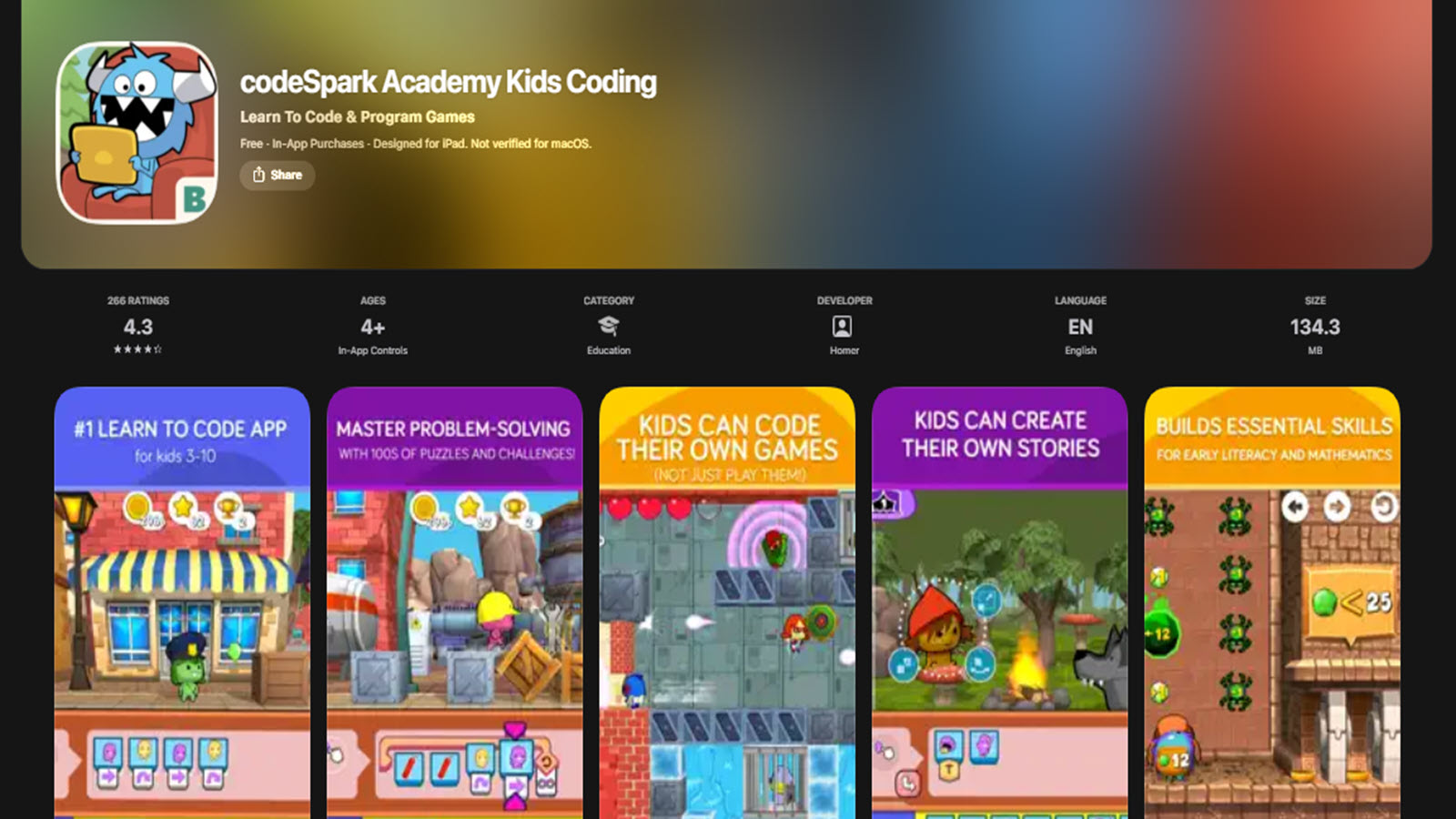
codeSpark Academy introduces young learners to foundational programming and logical thinking through playful puzzles featuring adorable characters called The Foos. Children solve sequencing, looping, conditional, and debugging challenges by dragging simple visual blocks to help the characters complete fun tasks like delivering pizzas or watering plants. The no-reading-required interface uses colorful animations and immediate feedback, allowing even preschoolers to start coding concepts through trial and error. Based in the USA, the platform blends storytelling, creation tools, and multiplayer elements where kids can design their own games and stories. Parents value the structured progression that builds real computational thinking skills while keeping sessions engaging and frustration-free.
Key features
- Drag-and-drop visual coding blocks
- Puzzle adventures teaching sequencing, loops, and conditionals
- Built-in game and story creation tools
- Multiplayer coding activities
Facts and Information
- Suitable for ages 3–9 with adaptive progression
- Used in homes and classrooms to introduce STEM concepts early
- Focuses on computational thinking without requiring prior reading skills
13. MentalUP - Adaptive Brain Training Games
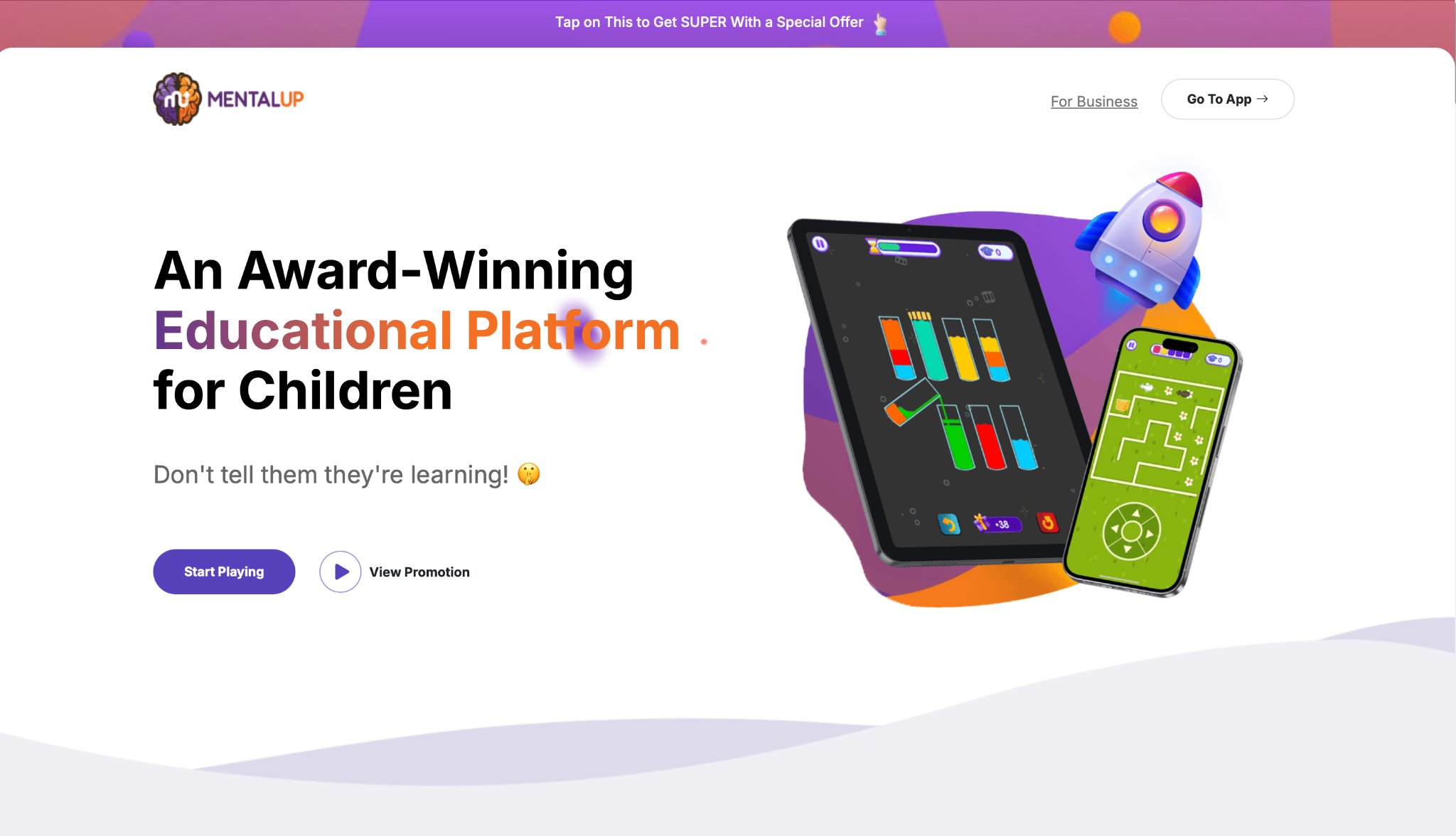
MentalUP delivers a comprehensive collection of gamified exercises designed by academics and game designers to strengthen logic, attention, memory, and problem-solving. Kids tackle varied mini-games covering pattern recognition, logical reasoning, visual scanning, and arithmetic puzzles, with daily personalized workouts that adjust to their performance. The platform tracks progress through engaging dashboards and challenges, turning cognitive development into a motivating habit. It offers content tailored for ages 4–13, blending educational depth with fun animations and rewards. The scientific approach ensures balanced skill-building across multiple cognitive areas, with short sessions that fit busy schedules.
Key features
- 150+ adaptive brain exercises and logic puzzles
- Personalized daily workouts and progress tracking
- Games targeting logic, memory, attention, and math
- Gamified events and competition
Facts and Information
- Developed with input from educators and neuroscientists
- Supports multiple intelligence areas including visual and verbal skills
- Popular for supplementing school learning with measurable cognitive gains
14. SmartGames - Multi-Level Physical Logic Puzzles
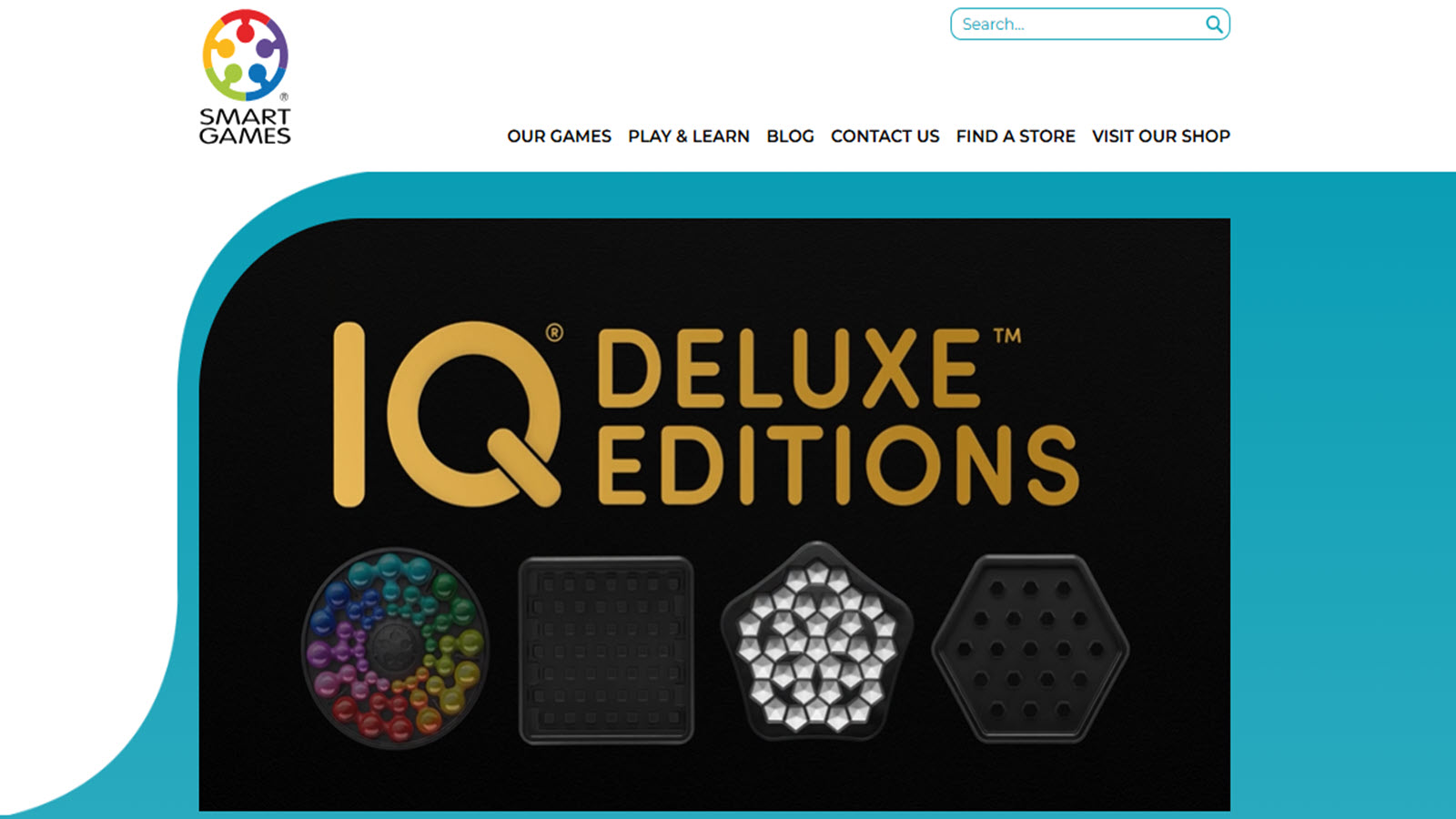
SmartGames creates high-quality, single-player physical puzzle games with multi-level challenges that range from beginner to expert, perfect for developing strategic thinking without screens. Titles feature compact, durable components like tiles, pieces, or boards for tasks involving packing, sequencing, deduction, and spatial arrangement. Each game includes dozens of progressive puzzles with clear booklets showing challenges and solutions, encouraging independent problem-solving. The Belgian brand (with strong USA availability) focuses on award-winning designs that appeal across ages.
Children build persistence as they tackle escalating difficulties, learning to plan moves, test hypotheses, and refine strategies through hands-on manipulation. The portable format makes them ideal for travel, quiet time, or classroom use. Families love the screen-free tactile experience that strengthens fine motor skills alongside logic. SmartGames promote deep concentration and creative solutions in a format that rewards careful observation and systematic thinking.
Key features
- 60+ challenges per game with 4–5 difficulty levels
- Compact, high-quality components for travel
- Themes ranging from animals to abstract logic
- Solo play with solution booklets
Facts and Information
- Suitable for ages 3+ depending on specific title
- Used widely for developing planning, visualization, and deduction
- Award-winning designs recognized for educational value
15. Flow Free - Color Pipe Connection Puzzles
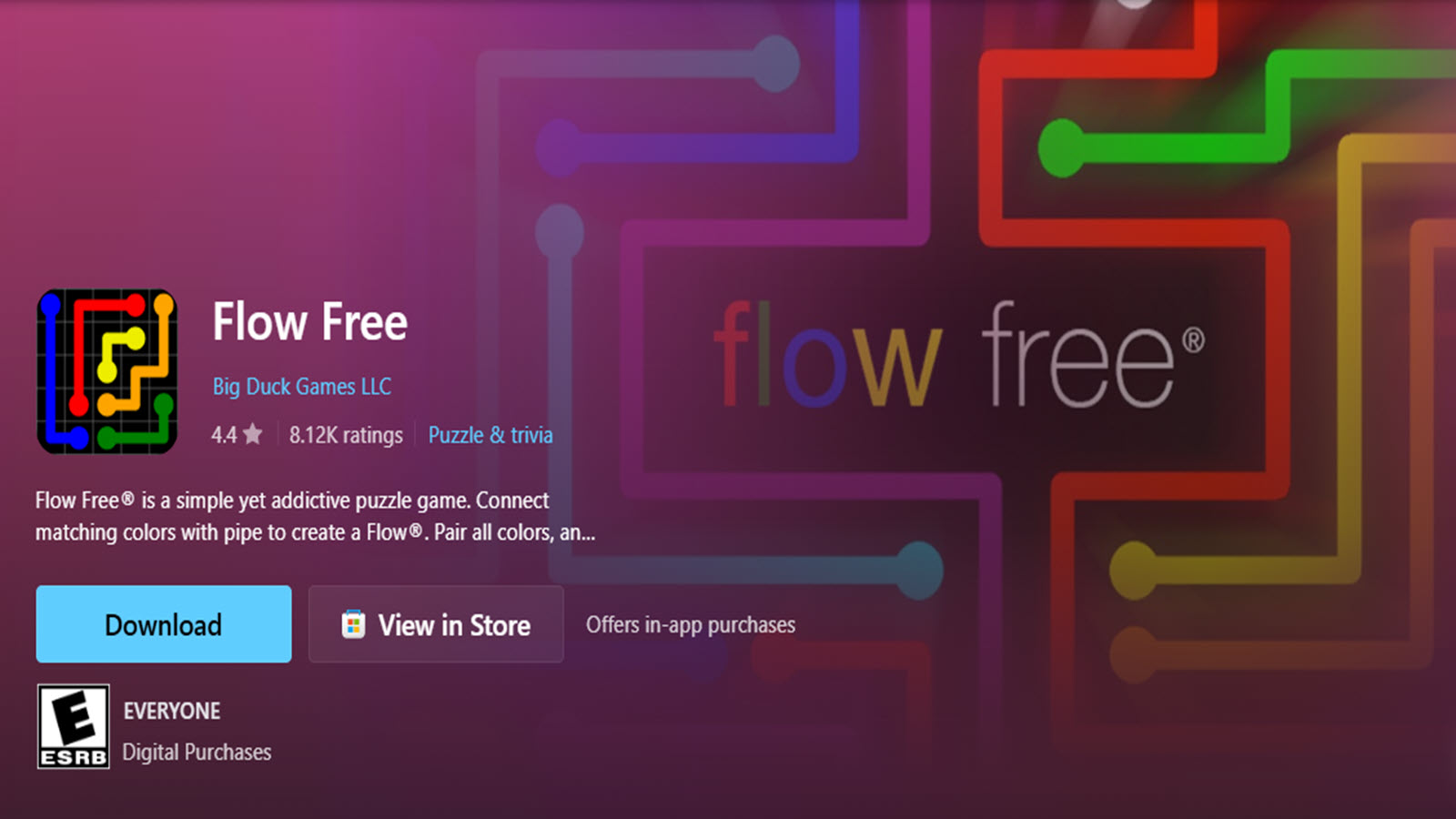
Flow Free presents simple yet deeply engaging grid-based puzzles where players connect matching colored dots with flowing pipes that fill the entire board without crossings. The clean, colorful interface offers thousands of levels across varying grid sizes and themes, with modes for relaxed play or timed challenges. Children practice spatial planning, pattern recognition, and systematic filling as they visualize paths and adjust strategies on the fly. Developed by Big Duck Games (USA), it provides instant accessibility with no complex rules.
The addictive progression starts easy and builds to intricate configurations that reward foresight and experimentation. Short sessions match attention spans while offering satisfying “aha” moments. Parents appreciate the ad-light design and focus on pure logic without distractions. Flow Free excels at training flexible thinking and perseverance through visually clear, endlessly replayable challenges suitable for a wide age range.
Key features
- Thousands of free grid-based connection puzzles
- Multiple difficulty levels and themed packs
- Free Play and Time Trial modes
- Clean, colorful minimal interface
Facts and Information
- Strengthens spatial reasoning and path-planning skills
- Over 100 million downloads with high engagement
- Ideal for quick logic practice or longer focused sessions
16. Zoombinis - Classic Logic Adventure Puzzles
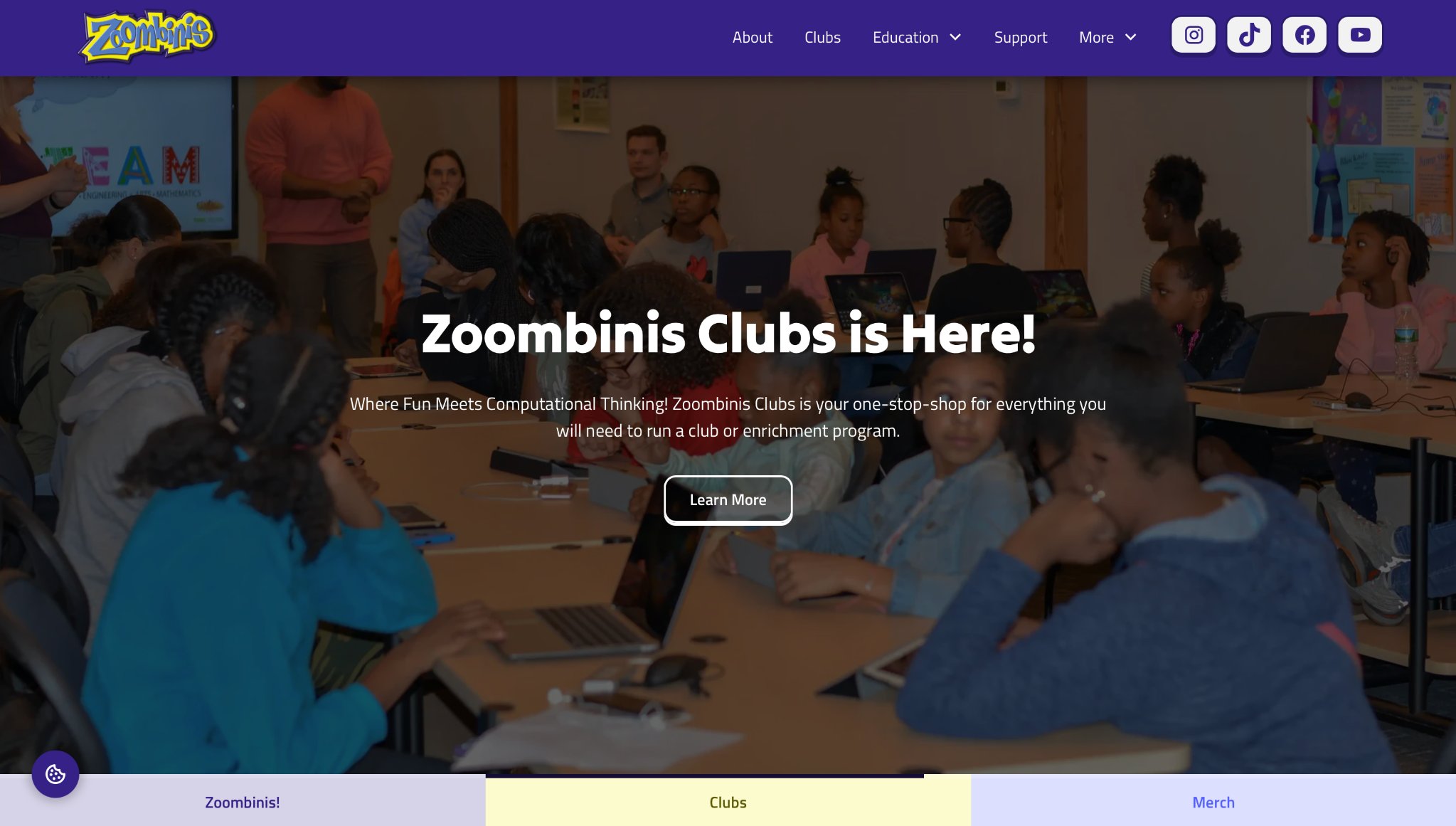
Zoombinis invites children on an epic journey guiding cute blue creatures through a series of increasingly complex logic, pattern, and deduction puzzles to reach a new home. Players sort, arrange, and strategize using attributes like hair, eyes, and noses while solving challenges involving sequencing, data analysis, and problem-solving. The remastered version retains the beloved charm of the 1990s original with updated graphics and gameplay, developed by TERC (USA-based educational nonprofit).
Each puzzle area builds computational thinking skills through playful storytelling and multiple difficulty levels. Kids experiment with hypotheses and observe outcomes, developing resilience when initial attempts fail. The narrative encourages empathy and persistence as the Zoombinis overcome obstacles. Families cherish the timeless blend of education and entertainment that makes abstract logic feel like an adventurous quest.
Key features
- 12 unique puzzle types with multiple difficulty levels
- Attribute-based sorting and logical deduction
- Engaging story-driven adventure format
- Remastered graphics and sound
Facts and Information
- Award-winning educational game teaching mathematical thinking processes
- Develops pattern recognition, hypothesis testing, and systematic reasoning
- Suitable for ages 6+ with broad classroom and home appeal
17. Fish School
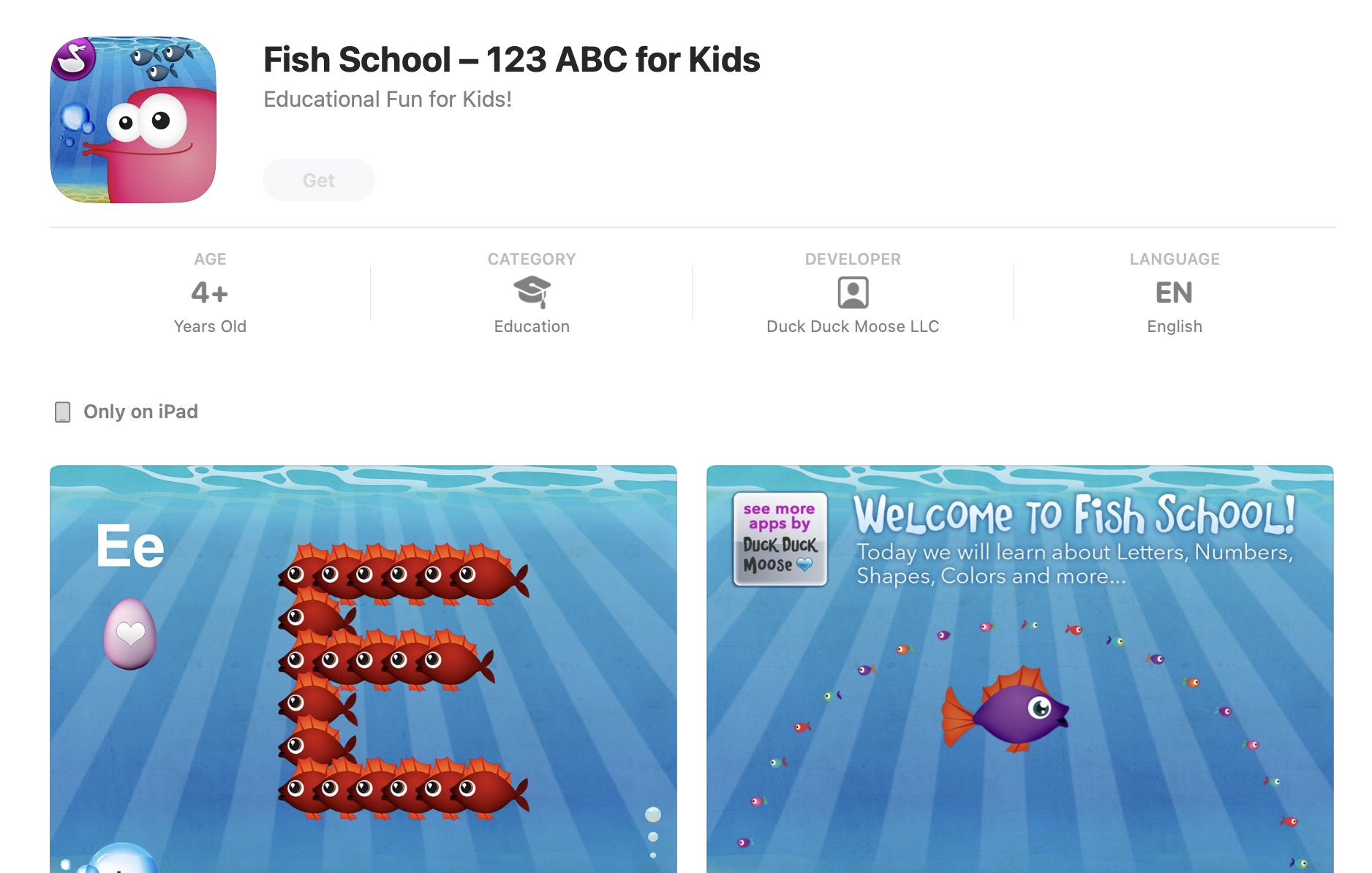
Fish School turns colorful cartoon fish into fun puzzles, letters, shapes, numbers, and patterns to help preschoolers build essential early skills through playful problem-solving.
Children guide adorable fish schools to solve simple matching, sorting, and pattern puzzles while learning to count, recognize shapes, and develop visual thinking. Every level is a gentle, rewarding puzzle that feels like play rather than work.
Kids love the lively animations, cheerful sound effects, and satisfying “aha!” moments when they complete each puzzle. Fish School offers a calm and joyful introduction to foundational learning through light puzzle gameplay.
Key Features
- Fish characters guiding puzzle-based learning
- Matching, sorting, and pattern puzzles
- Counting and visual recognition challenges
- Simple, intuitive puzzle mechanics perfect for little fingers
- Calm, pressure-free learning environment
- Colorful animations and delightful underwater world
Fish School uses charming fish puzzles and delightful animations to build early visual, matching, counting, and problem-solving skills through engaging, stress-free play.
18. Funbrain
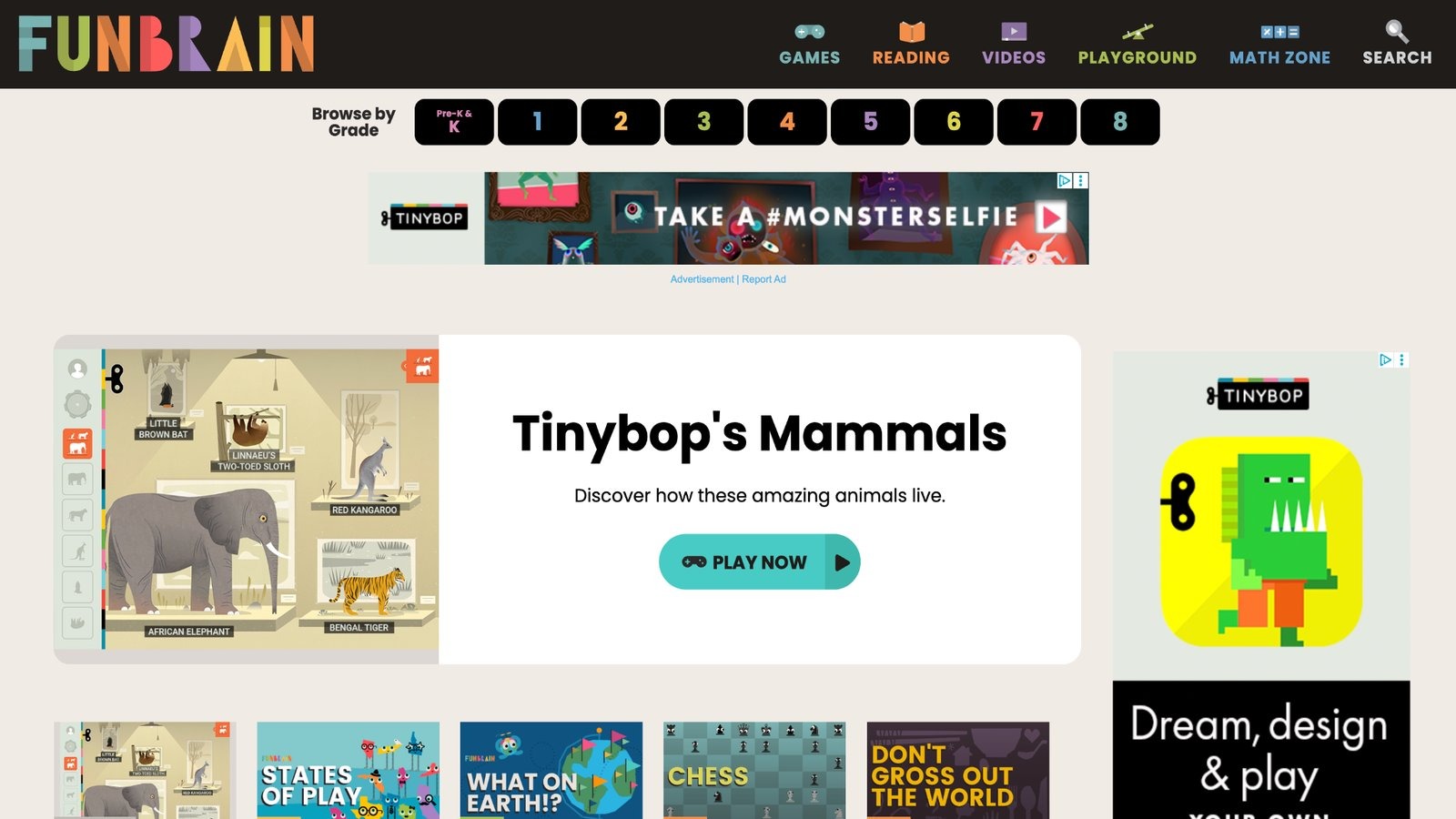
Funbrain blends engaging puzzle games, videos, and interactive books to help young children build strong skills in math, reading, grammar, and problem-solving.
Kids join humorous characters on fun puzzle adventures where they solve simple matching puzzles, number mazes, shape puzzles, word puzzles, and pattern challenges. The mix of quick puzzle games and longer story-driven adventures keeps learning fresh and exciting, so children never feel bored or stuck on one subject.
With easy navigation and cheerful characters, preschoolers can explore independently while parents trust the educational value. Every puzzle is designed to be rewarding, light-hearted, and full of humor, turning learning into pure enjoyment.
Key Features
- Humorous characters that guide puzzle-based learning
- Wide variety of puzzles across math, reading, and thinking skills
- Mix of quick puzzle games, videos, and story adventures
- Easy navigation for independent play
- Light-hearted, pressure-free approach to foundational skills
- Perfect balance between short brain teasers and longer challenges
Funbrain makes early learning light, entertaining, and memorable by turning key concepts into fun, character-filled puzzles that kids love to solve again and again.
19. Mekorama - 3D Robot Building Puzzles
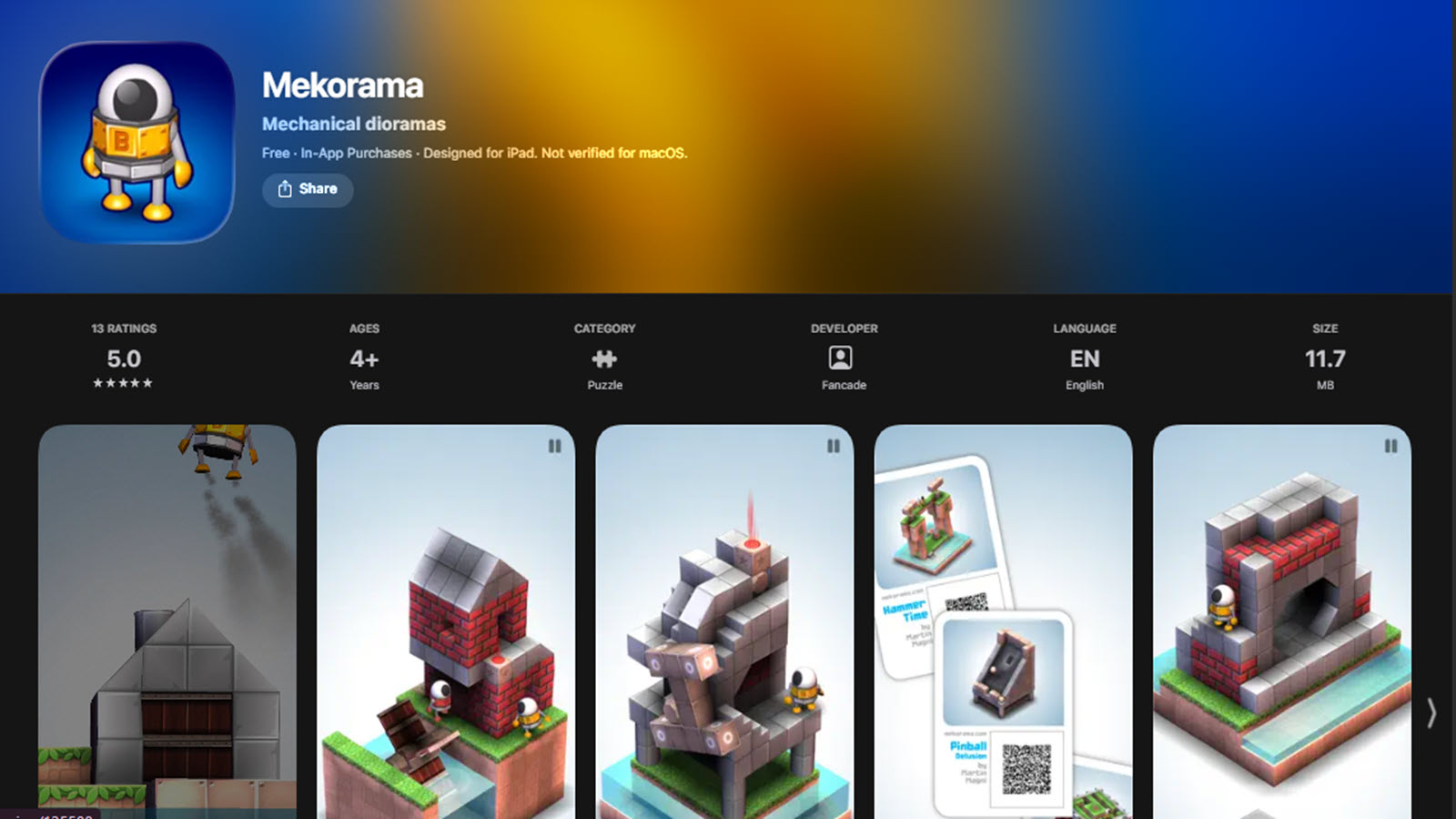
Mekorama presents charming 3D diorama-style puzzles where children guide a small robot named Mek through hand-crafted miniature worlds by building and adjusting paths, bridges, and mechanisms. Players tap and drag to construct routes, activate elevators, and solve environmental challenges using creative spatial arrangements and timing. The gentle, ad-free experience features beautifully detailed levels with a built-in level editor that lets kids design and share their own creations.
The relaxing atmosphere and immediate visual feedback encourage experimentation and iterative problem-solving without pressure. Children practice planning multi-step solutions while exploring cause-and-effect relationships in a toy-like environment. Families value the creative freedom combined with structured logic that supports both guided play and open-ended building.
Key features
- 3D world construction and path building
- Robot navigation with mechanical elements
- Built-in level creation tools
- Detailed miniature diorama aesthetics
Facts and Information
- Enhances spatial planning and creative engineering
- Completely free with optional supporter content
- Encourages both puzzle-solving and original design skills
20. Kodable - Visual Coding Logic for Early Learners
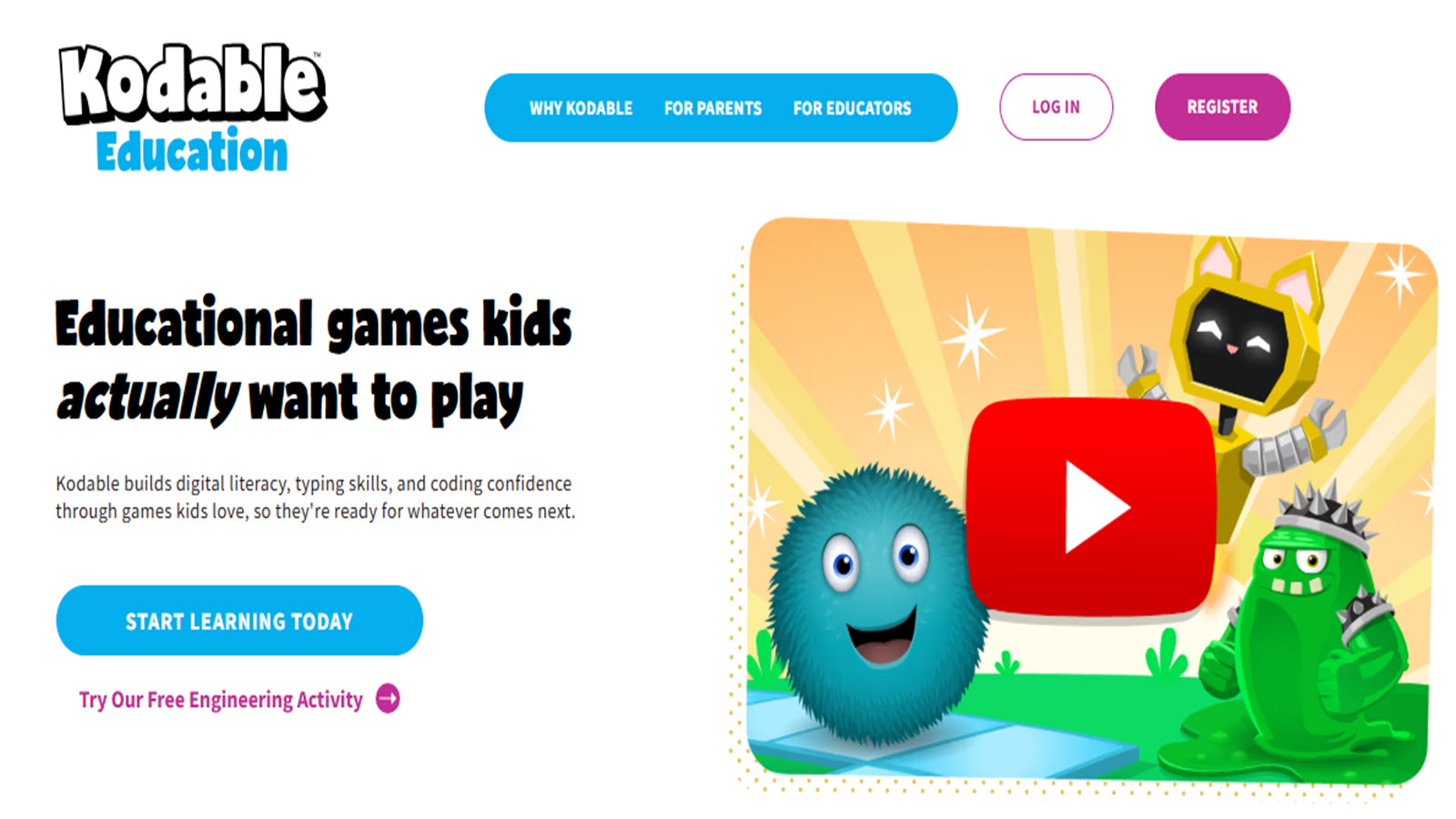
Kodable introduces foundational programming and logical thinking through a colorful world where children guide fuzzy characters called Fuzzes by arranging visual command blocks to complete missions. Players learn sequencing, loops, conditionals, and debugging concepts through progressively challenging levels set in engaging environments. The interface requires no reading, making it accessible for preschool and early elementary ages while building real computational thinking habits.
Structured lessons blend storytelling with skill-building activities that adapt to each child’s pace. The platform includes tools for creating custom games, allowing kids to apply learned logic in creative ways. Kodable supports classroom and home use with resources that help families track conceptual growth through playful coding adventures.
Key features
- Drag-and-drop visual programming blocks
- Story-driven maze and mission levels
- Built-in creation tools for custom games
- No-reading-required interface
Facts and Information
- Focuses on core coding concepts for ages 4–10
- Used in thousands of schools worldwide
- Develops systematic thinking and problem decomposition skills
Types of Logic Puzzles Kids Enjoy Most
Logic puzzles come in many forms that suit different preferences and ages. Some kids love grid-based deduction where clues lead to clear answers. Others prefer spatial challenges such as sliding tiles or building paths. Pattern matching and sorting games work especially well for younger children, while maze-style activities build visual planning. Parents often rotate types to keep things fresh and match each child’s current interests. Fluvsies Academy offers several of these styles within one safe platform for easy variety.
Pattern Matching
- Main Skill Built: Attention and sequencing
- Typical Play Style: Quick visual challenges
Grid Deduction
- Main Skill Built: Deductive reasoning
- Typical Play Style: Clue-based solving
Spatial Building
- Main Skill Built: Three-dimensional thinking
- Typical Play Style: Hands-on construction
Sorting Activities
- Main Skill Built: Organization and focus
- Typical Play Style: Category placement
Simple Ways to Make Logic Puzzles Part of Everyday Play
Families can weave logic puzzles into routines without extra effort. Place a small puzzle set on the kitchen table for morning quiet time or use a short app session after school to reset focus. Pair physical puzzles with storytelling so kids explain their thinking out loud. Many parents rotate between digital and hands-on options to balance screen time with tactile play. Checking in on progress together turns solving into shared family moments that build connection along with skills. For more ideas on brain games for preschoolers, see related guides on the Fluvsies Academy blog.
FAQ
What makes a good logic puzzle for kids ages three to seven?
Good logic puzzles for kids ages three to seven use bright visuals, simple steps, and immediate feedback that keep children engaged without causing frustration. They focus on pattern recognition, sorting, and basic matching rather than complicated rules. Fluvsies Academy logic and attention games offer this balance by blending challenges with friendly characters and adaptive pacing that feels natural for early learners.
Are digital logic games as effective as physical puzzles?
Digital logic games can match physical puzzles when they adapt to each child’s pace and provide clear guidance through pattern matching and sequencing tasks. Many families mix both formats so children gain benefits from screen-based focus practice and hands-on spatial activities. The most effective options reward thinking skills and celebrate small successes along the way.
How often should kids work on logic puzzles?
Short regular sessions several times a week support steady growth in focus and reasoning abilities. Incorporating logic puzzles into daily routines turns them into natural play moments that children enjoy returning to. This consistent approach helps skills develop gradually while keeping the experience fun and low-pressure.
Can logic puzzles help with school readiness?
Logic puzzles build attention, sequencing, and problem-solving abilities that children use in early classroom settings. They give kids practice organizing thoughts and working through challenges step by step. Regular exposure prepares young minds for structured learning tasks and independent work.
How do logic puzzles support attention and focus in young children?
Logic puzzles train children to concentrate on one task while ignoring distractions and following through to a solution. Activities such as pattern recognition and sorting strengthen the ability to sustain attention and focus over time. These experiences build focus skills that transfer to reading, math, and everyday routines.
Read Also:
- Best Brain Games for Preschoolers 2026
- Best Memory Games for Preschoolers 2026
- Best Apps for Learning 2026
- Best Online Preschool Educational Games 2026
- Best Educational Games 2026
Discover the Best Logic Puzzles for Kids 2026 - Fluvsies Academy!



.jpg)