


Best Pattern Recognition Games 2026






Pattern recognition helps young children make sense of the world by spotting sequences, matching shapes, and predicting what comes next. The best pattern recognition games 2026 turn these skills into joyful play that builds attention, logic, and early math foundations without feeling like work.
These pattern recognition abilities are further enhanced when combined with the best learning games for preschoolers online. They work seamlessly with the best brain games and the best SEL games for kids to support well-rounded cognitive growth. For toddlers, the best problem-solving games offer an ideal way to strengthen early thinking skills through everyday play.
Discover the Best Pattern Recognition Games 2026 - Fluvsies Academy
The Importance of Pattern Recognition Games for Early Childhood Development
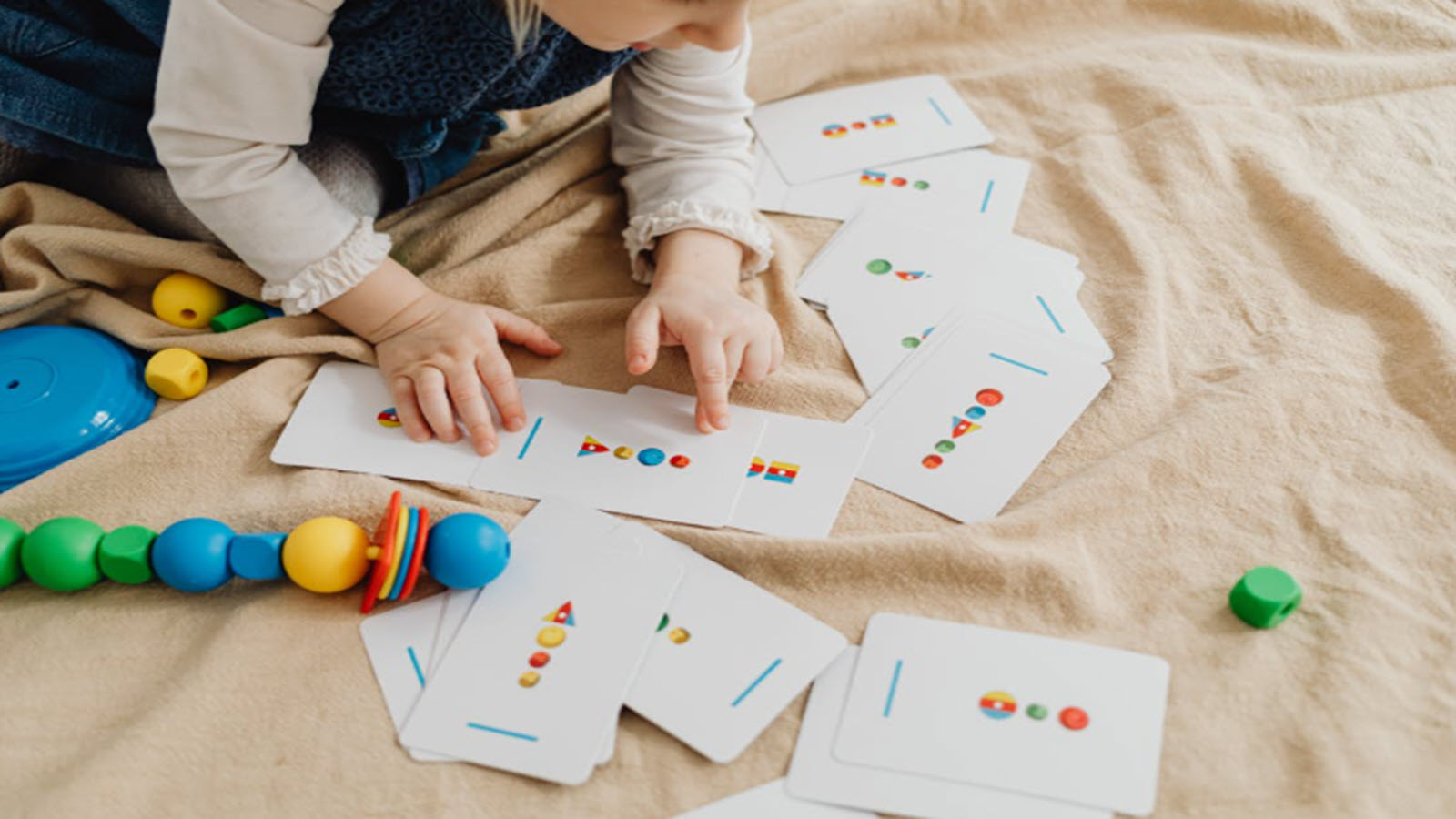
Pattern recognition games for kids are powerful tools that lay the foundation for success in math, reading, and daily problem-solving skills. As children spot repeating sequences in colors, shapes, sounds, or daily routines, they naturally sharpen their ability to observe details, make comparisons, and predict what comes next. These early experiences create strong mental pathways that help with school readiness and real-world confidence.
Pattern recognition activities also nurture flexible thinking and persistence in a fun, low-pressure way. Children stay motivated as they experiment with different solutions and experience the joy of figuring things out.
Fluvsies Academy offers excellent pattern recognition games that combine visual sorting, creative storytelling, and real-life themes, making learning both engaging and meaningful for young children.
Key Benefits and Skills Developed
Well-designed pattern recognition games help children master several important abilities:
- Visual matching and shape identification
- Sequence completion and logical ordering
- Color and pattern recognition
- Memory recall and applying patterns to new situations
Many games feature smart progressive difficulty, allowing skills to grow naturally as the child advances. The wide variety of pattern types supports different learning styles while keeping playtime fresh and exciting.
Games with real-world connections are especially valuable - they help toddlers and preschoolers link what they practice in the app to everyday routines like setting the table, getting dressed, or organizing toys. This bridge between digital play and real life leads to better skill retention and faster cognitive development.
Best Pattern Recognition Games 2026
1. Fluvsies Academy - Best Pattern Recognition Games 2026
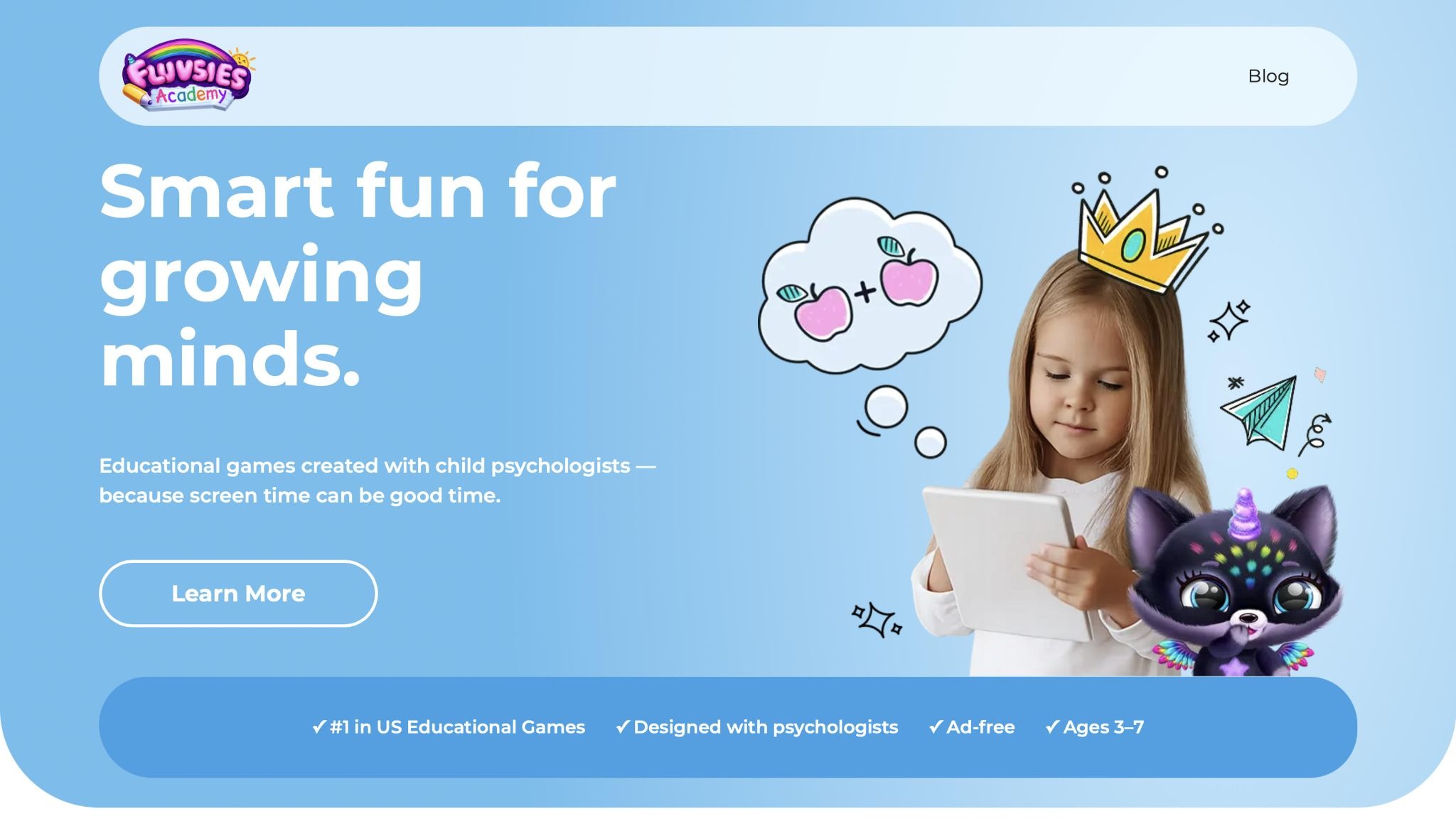
Fluvsies Academy provides a nurturing space where preschoolers discover learning through engaging games designed with child psychologists. The platform turns screen time into smart learning moments that help children ages 3 to 7 grow confident minds, curious hearts, and healthy habits. Kids explore colorful worlds filled with characters they already love while building skills in language and phonics, numbers and counting, logic and attention, sorting and comparison, life skills and creativity, and even professions that expand vocabulary in fun ways. Mindfulness, kids yoga, and everyday habit activities round out the experience so learning feels complete and balanced.
Parents appreciate the ad-free environment and age-appropriate content that promotes empathy, safety, and independent play. Progress reports keep families informed about their child’s growth without adding pressure. Free printables let the learning continue long after the screen turns off, creating seamless connections between digital play and real-life adventures. The holistic focus makes Fluvsies Academy a standout choice for families who want meaningful screen time that truly supports development.
Discover Fluvsies Academy
Fluvsies Academy is a leading educational app designed for children aged 3–7. It transforms screen time into meaningful learning through fun, interactive games. Developed in collaboration with child psychologists, the app focuses on holistic development.
Key Features
- Ad-free environment for safe play.
- Games covering language, phonics, math, and logic.
- Activities for attention, sorting, and creativity.
- Real-world life skills like healthy habits and mindfulness.
- Exploration of professions to build vocabulary and imagination.
Educational Approach
Fluvsies Academy emphasizes guided play that balances focus, empathy, and emotional safety. It's the first holistic learning app for kids, ranked #1 educational game in the US. Progress reports help track your child's growth. Free printables extend learning beyond the screen.
Benefits for Families
Parents gain peace of mind with expert-backed games.
Kids build confidence, skills, and a love for learning. Ideal for preschoolers seeking joyful education.
Discover how Fluvsies Academy turns play into powerful pattern recognition skills for your children!
2. TutoClub
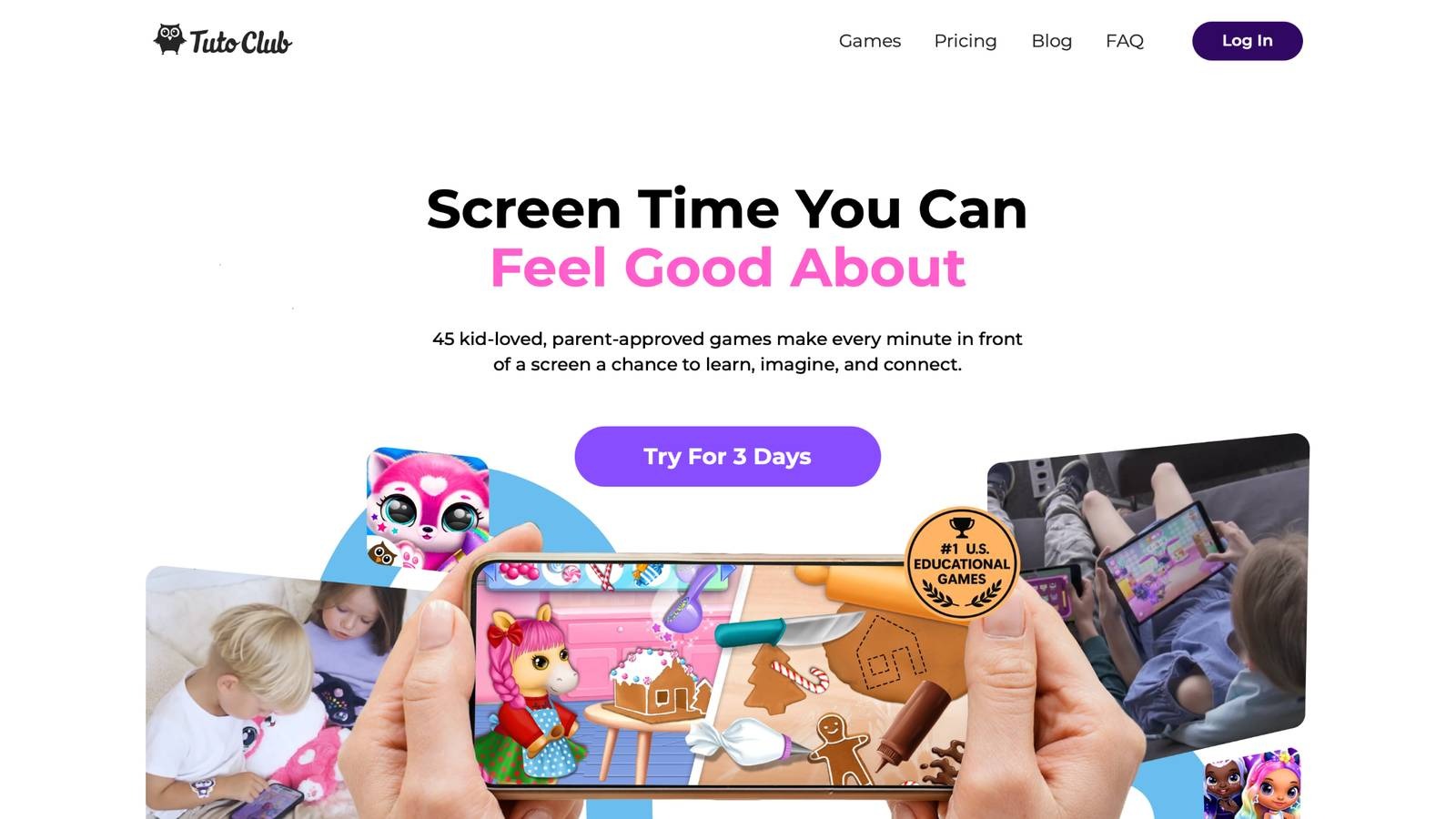
TutoClub offers a delightful collection of educational games specifically designed to transform screen time into meaningful developmental moments for preschoolers. This platform features a wide variety of interactive activities that focus on creativity, emotional intelligence, focus, and essential life skills. Children enjoy caring for virtual pets which gently teaches responsibility and empathy. Cleanup adventures make tidying up fun while building good habits. Styling and fashion games encourage self expression and creativity. The games adapt to each child's interests and provide open ended play that sparks imagination without pressure.
Regular updates keep the content fresh and exciting for returning players. Families appreciate the calm, ad free environment that supports healthy screen time and allows for shared family moments. TutoClub stands out for its thoughtful design that prioritizes social emotional growth alongside cognitive skills. Young learners build confidence as they master challenges and express themselves through play. The experience feels more like joyful exploration than structured lessons. Parents often note increased engagement and positive attitude toward learning activities after using the platform. The character driven stories help preschoolers explore emotions and social situations in safe and supportive ways. Many families find that the variety keeps children coming back and encourages repeat play sessions.
Key features
- Virtual pet care activities that build empathy and responsibility
- Creative styling and cleanup games that teach helpful habits
- Open ended play that encourages imagination and problem solving
- Regular content updates to maintain engagement
- Calm ad free design perfect for young attention spans
Facts and Information
TutoClub creates purposeful play experiences that support creativity, focus, and emotional skills in preschoolers through carefully crafted interactive games.
3. Learning Patterns - Pattern & Logic Game for Kids
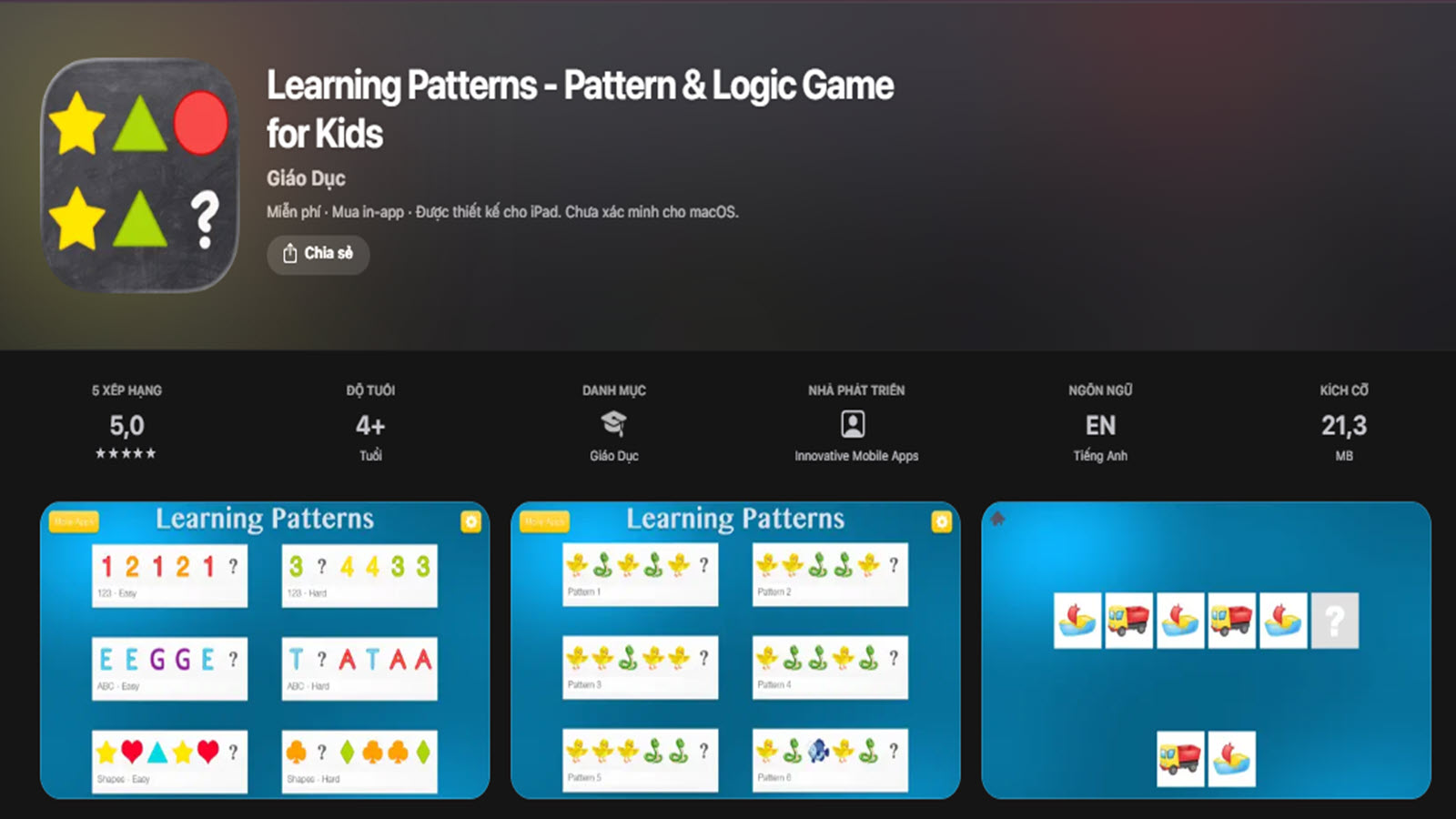
Learning Patterns delivers a focused, interactive experience that helps children master pattern recognition through simple touch-based puzzles involving colors, shapes, and objects. Kids complete sequences with clear visual cues and immediate feedback, building logical thinking and prediction skills in a distraction-free environment. Progressive levels gently increase in difficulty, allowing young learners to gain confidence at their own pace while strengthening sequencing and problem-solving abilities.
The clean design and repeatable activities make it ideal for daily practice, helping preschoolers develop spatial awareness and early math foundations through satisfying, hands-on challenges. Parents and teachers praise its straightforward approach that turns pattern practice into engaging, skill-building play suitable for both home and classroom use.
Key features
- Interactive pattern completion puzzles
- Visual sequence recognition
- Progressive difficulty for growing abilities
Facts and information
The game strengthens pattern recognition and logical thinking through focused, repeatable activities suitable for early learners.
4. Patterns with Ibbleobble
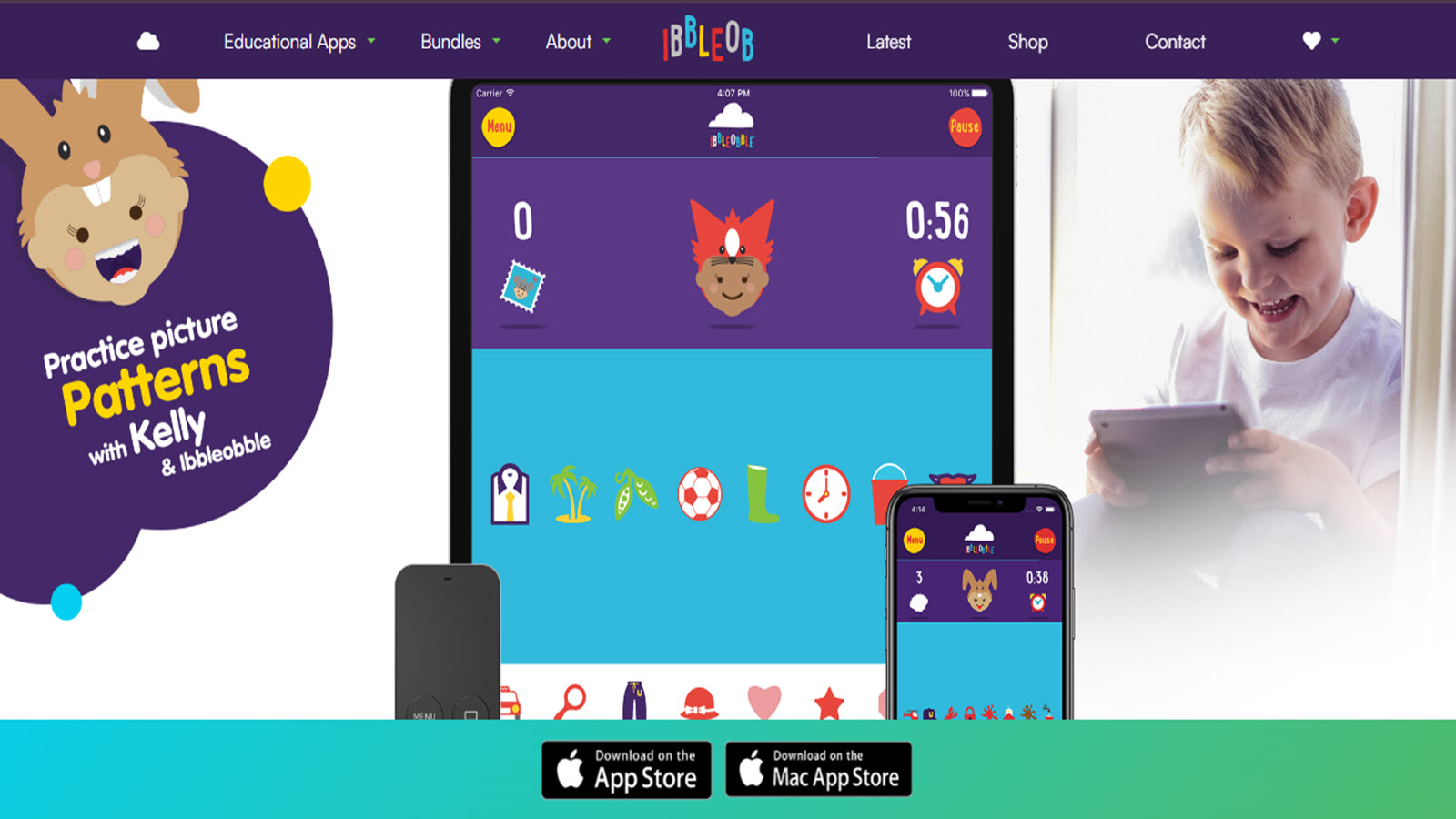
Patterns with Ibbleobble makes pattern discovery delightful with colorful picture-based matching that helps early learners recognize and extend sequences of shapes and objects. Its award-winning design features gentle guidance, satisfying animations, and clear success indicators that keep toddlers motivated and focused.
Children build essential observation and prediction skills through approachable mind-teaser challenges perfectly suited for little fingers. The simple gameplay emphasizes repetition, order, and relationships in a fun, low-pressure way that supports early logical development. Families love how this engaging app turns visual sequencing into joyful play that naturally prepares young minds for more advanced pattern and math concepts.
Key features
- Picture pattern matching activities
- Shape and object sequence games
- Encouraging animations and feedback
Facts and information
Ibbleobble supports early pattern recognition through engaging visual challenges that build observation and prediction skills.
5. Keiki Follow the Pattern
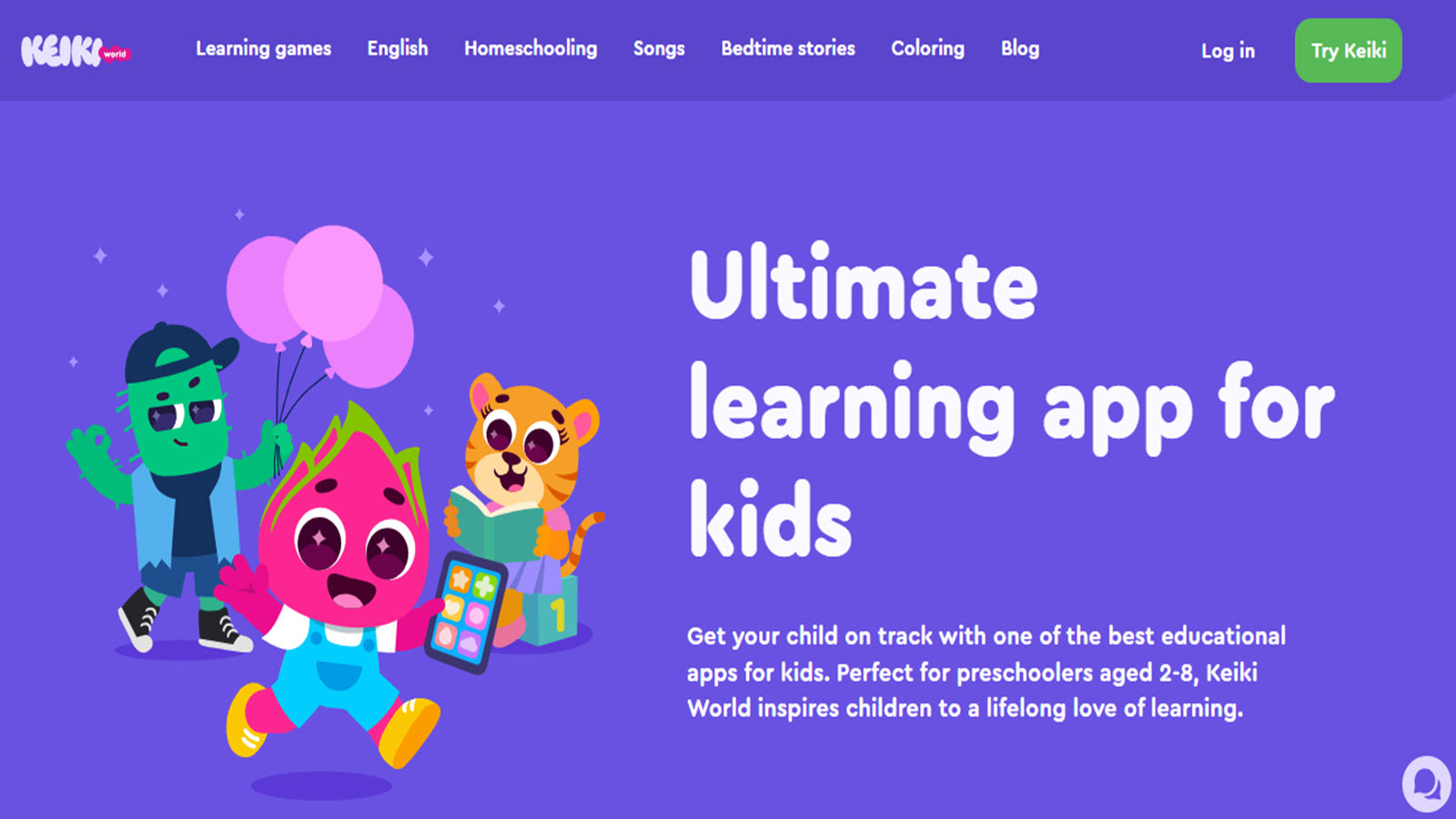
Keiki Follow the Pattern offers vibrant brain games that teach sequencing and pattern recognition through colorful drag-and-drop activities designed for ages 1 to 6. Children complete visual sequences with immediate positive reinforcement, gentle sounds, and engaging animations that maintain attention without overwhelming young players. The clean interface balances challenge and encouragement perfectly, helping toddlers develop logic, memory, and predictive thinking in short, rewarding sessions.
Part of the broader Keiki learning ecosystem, it supports holistic skill growth while keeping play joyful and stress-free. Parents appreciate how it builds strong foundational abilities through interactive experiences tailored to early attention spans and developmental stages.
Key features
- Follow-the-pattern sequencing tasks
- Vibrant visuals and animations
- Focus on logic and pattern building
Facts and information
Keiki helps children develop strong pattern recognition alongside sequencing abilities through joyful, interactive play.
6. ABCmouse Marie's Pattern Matching
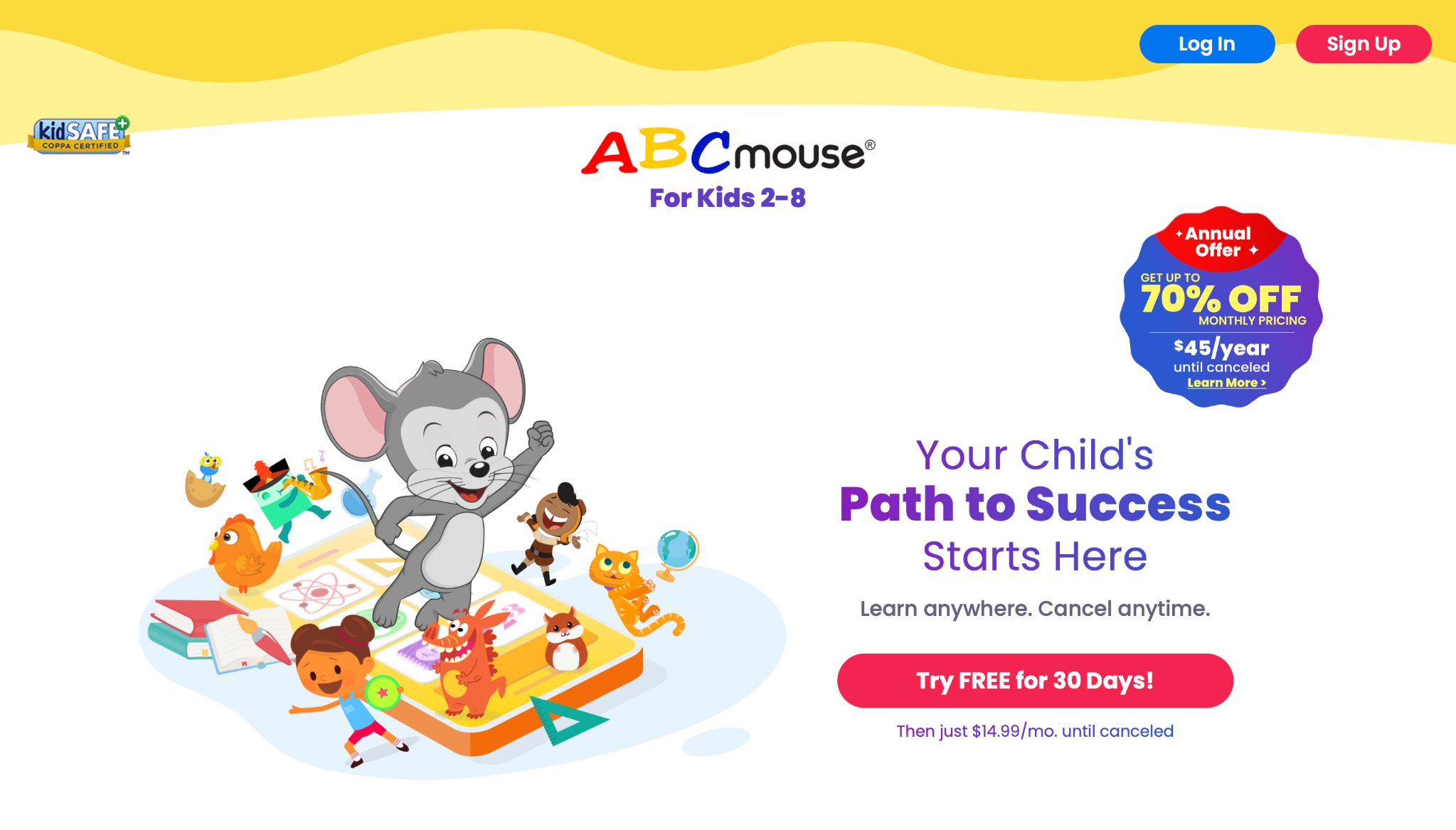
ABCMouse integrates pattern recognition seamlessly through Marie's Pattern Matching, where children extend sticker-based visual sequences within a comprehensive early learning platform. The structured guidance supports independent success while connecting patterns to broader math and literacy activities for well-rounded development.
Familiar characters add warmth and motivation as kids progress through clear visual levels that build confidence and foundational skills. This approach helps preschoolers understand sequences in context, strengthening logical thinking alongside other academic areas. Families value how it embeds pattern work into engaging, curriculum-aligned experiences that prepare children naturally for school readiness.
Key features
- Sticker-based pattern extension
- Integration with math and literacy
- Clear visual progression
Facts and information
ABCmouse builds pattern recognition skills within a comprehensive early learning framework that prepares children for school.
7. Monkey Math School Sunshine
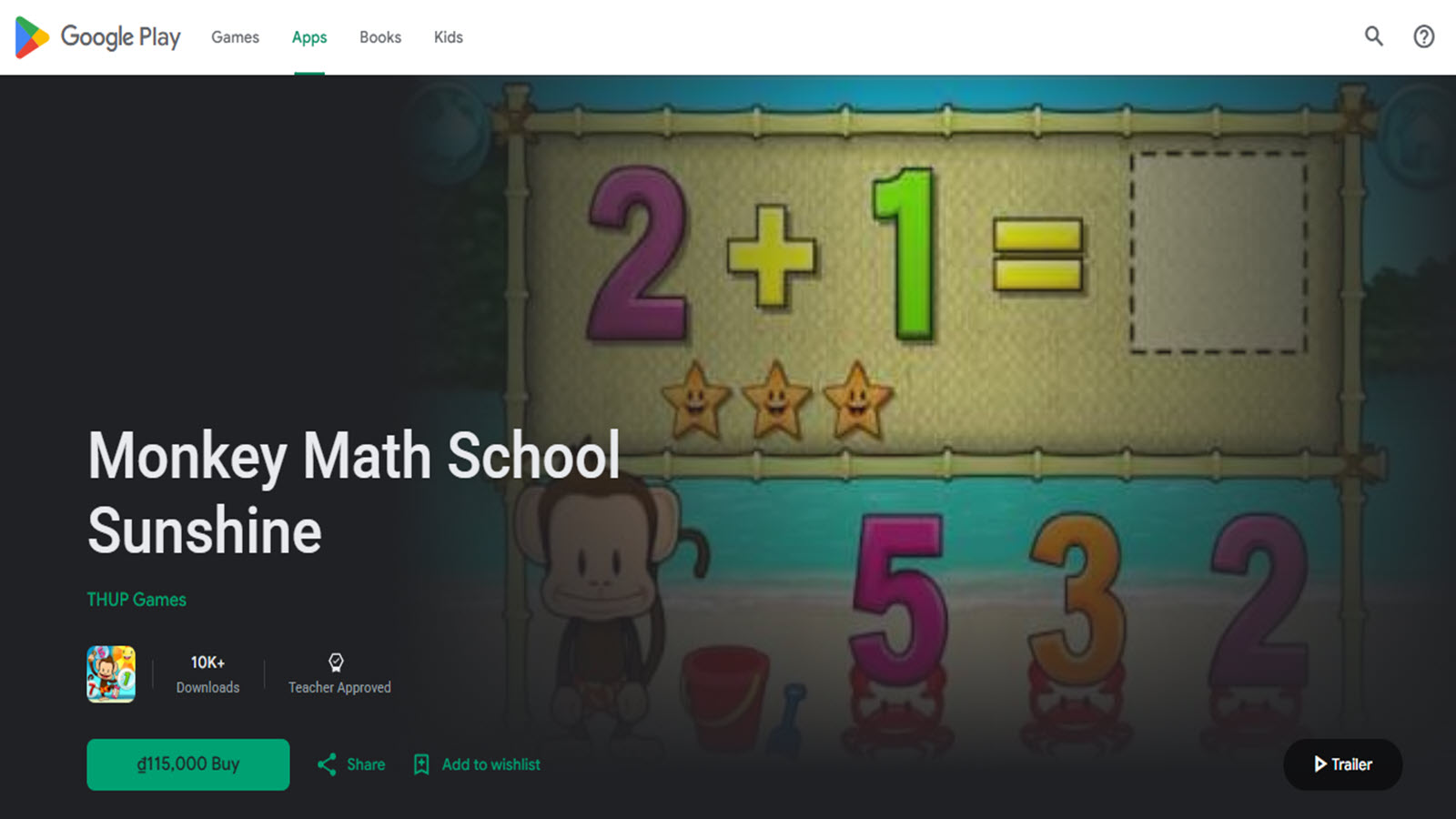
Monkey Math School Sunshine weaves pattern recognition into its lively math adventures through shape, color, and number sequences set in a charming aquarium world. Children identify and continue patterns while earning rewards and progressing with fun characters, keeping sessions dynamic and motivating.
The interactive variety combines pattern practice with number sense and early math foundations in a way that feels like genuine play. Progressive challenges help young learners build logical thinking and prediction skills without frustration. Parents notice improved confidence in spotting sequences as children enjoy the rewarding gameplay that makes mathematical patterns exciting and approachable.
Key features
- Pattern matching in math contexts
- Shape and number sequence activities
- Rewarding character progression
Facts and information
Monkey Math strengthens pattern recognition alongside number sense and early math foundations through engaging gameplay.
8. Busy Shapes
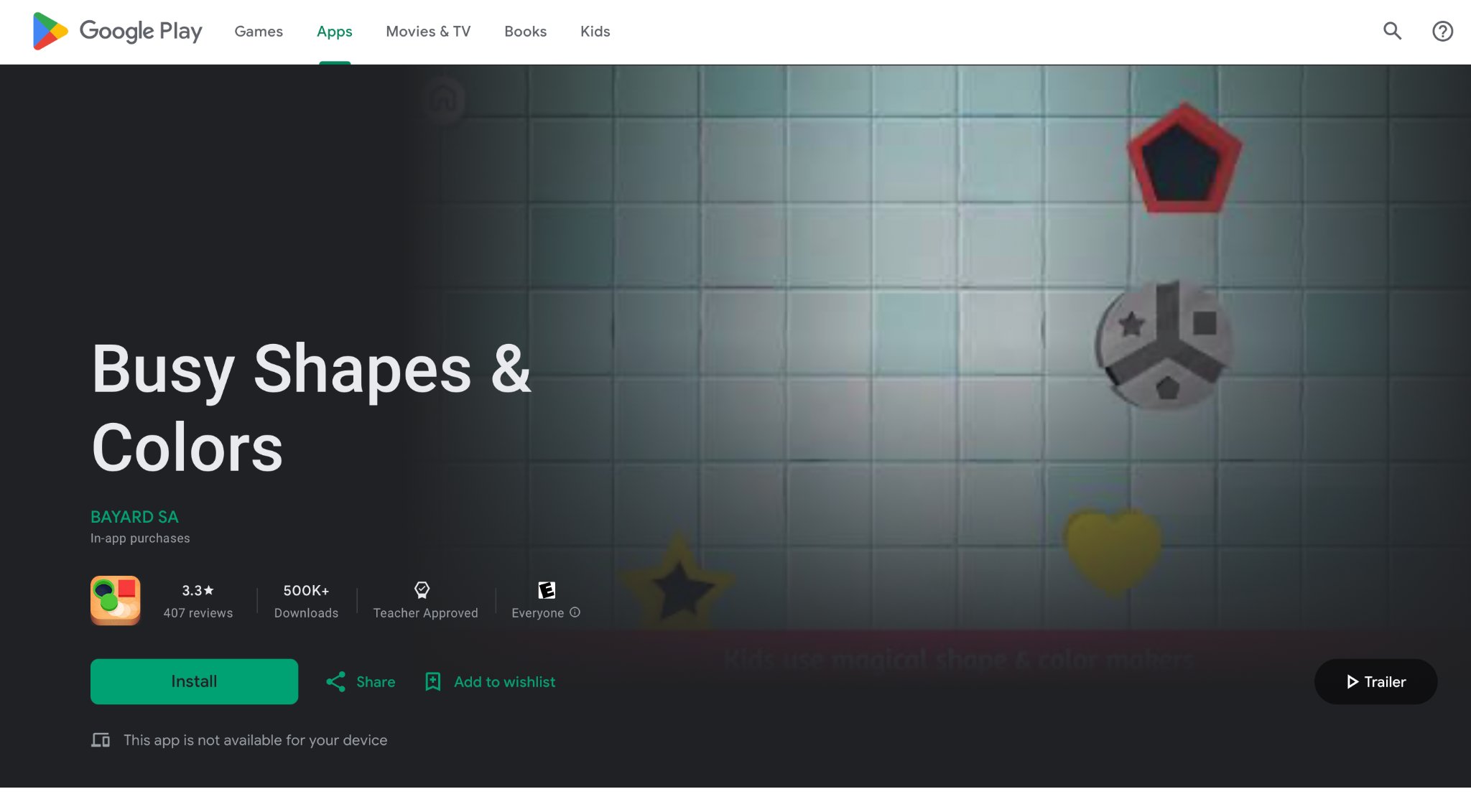
Busy Shapes offers a minimalist yet deeply engaging way for children to develop pattern recognition through shape placement and visual logic puzzles. Progressive tasks strengthen spatial awareness and problem-solving as kids manipulate pieces to complete satisfying challenges in a clean, distraction-free interface. Intuitive controls make it accessible for small hands while encouraging focused thinking and pattern understanding.
The straightforward design proves that simple, well-crafted activities can deliver powerful cognitive benefits. Families appreciate how it turns quiet, concentrated play into meaningful growth in visual reasoning and logical thinking.
Key features
- Shape and pattern sorting puzzles
- Clean, focused design
- Emphasis on spatial relationships
Facts and information
Busy Shapes develops pattern recognition through satisfying visual challenges that support logical thinking.
9. Thinkrolls
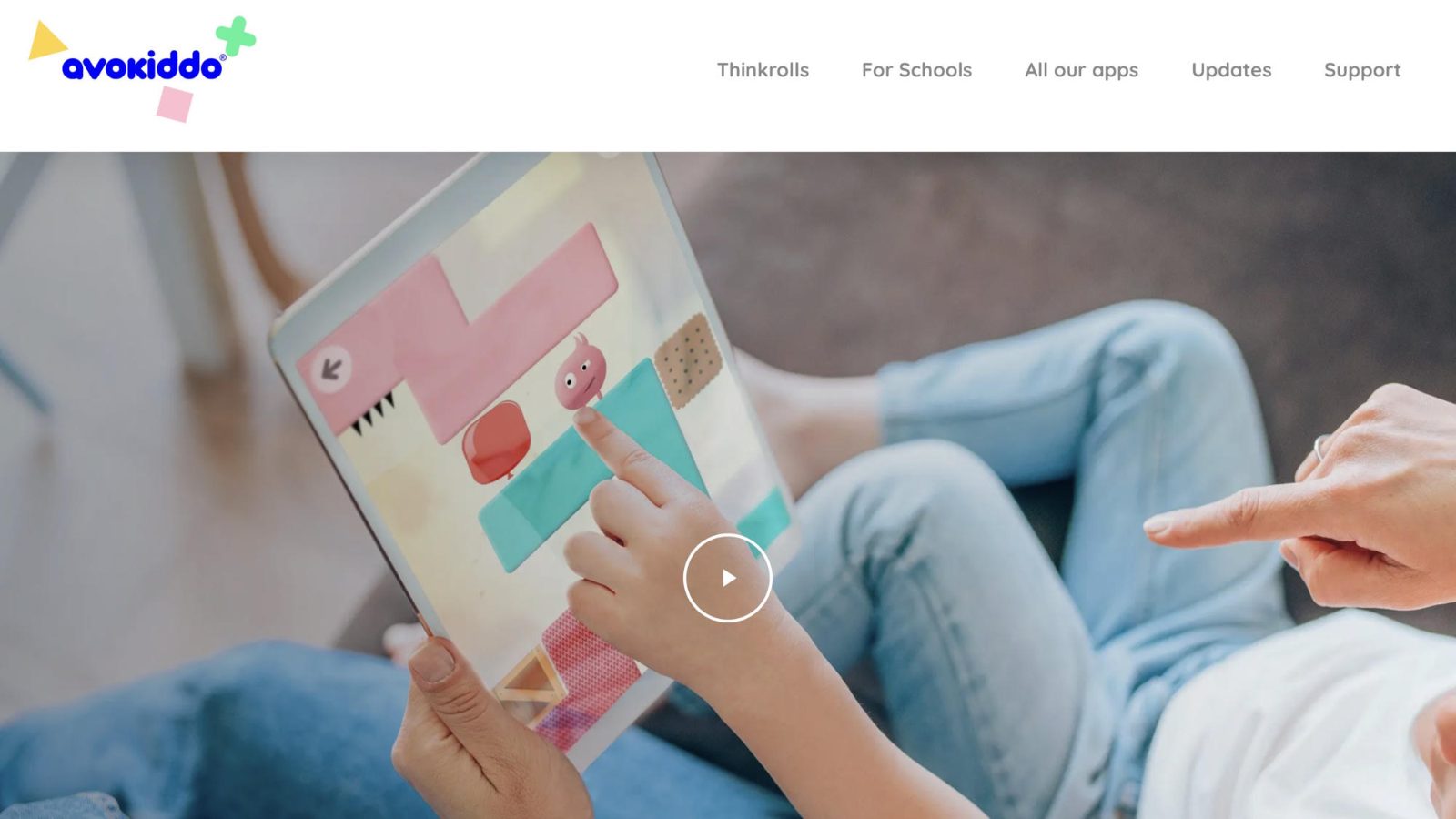
Thinkrolls combines pattern recognition with physics-based puzzles as children guide quirky characters through inventive obstacle courses. Players observe repeating elements and plan paths by understanding sequences and cause-and-effect relationships. Unlockable characters and creative level design add motivation and replay value while building spatial reasoning alongside logical thinking.
The progressive challenges feel rewarding and encourage experimentation without penalties. This active approach helps young minds connect patterns to real problem-solving in an entertaining, hands-on format that keeps children engaged for longer play sessions.
Key features
- Physics pattern and logic puzzles
- Path planning with sequences
- Character collection system
Facts and information
Thinkrolls combines pattern recognition with spatial reasoning for active, engaging problem-solving play.
10. PBS Kids Games
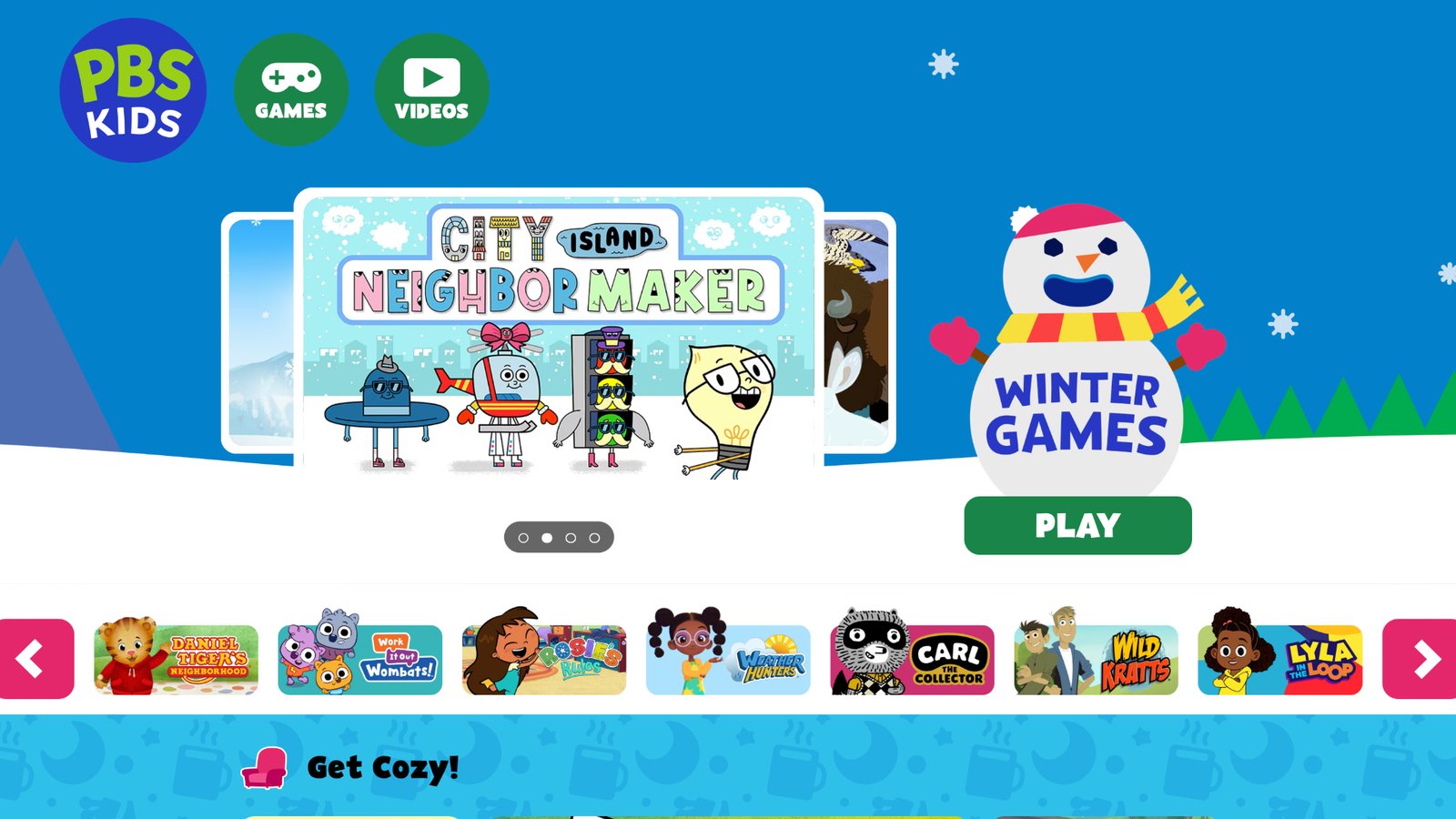
PBS Kids Games incorporates pattern activities into character-driven adventures featuring beloved show personalities. Children explore shapes, colors, and simple sequences through comforting, story-based challenges that make learning feel familiar and fun. Regular updates keep content fresh while the trusted educational approach supports gentle skill-building.
Familiar faces help reduce anxiety around pattern concepts and encourage repeated play. Families value the free, high-quality experiences that blend pattern recognition with social-emotional elements in a safe, engaging environment.
Key features
- Character-led pattern challenges
- Mix of logic and social activities
- Free access to trusted content
Facts and information
PBS Kids Games supports pattern recognition through gentle, story-based tasks that build confidence.
11. Sago Mini World

Sago Mini World nurtures pattern recognition through open-ended creative play where children arrange objects and interact with characters in calm sandbox environments. The non-competitive design encourages experimentation with repeating designs and natural sequences at a child-led pace.
Gentle activities support imagination while quietly building observation and spatial awareness. This relaxed approach turns pattern exploration into joyful discovery without pressure or timers. Parents love how it fosters independent thinking and creative pattern creation through peaceful, exploratory play that feels completely natural for young minds.
Key features
- Open pattern creation activities
- Character discovery and placement
- Relaxed imaginative setting
Facts and information
Sago Mini World nurtures pattern recognition through free-form play that feels joyful and exploratory.
12. Lightbot Jr
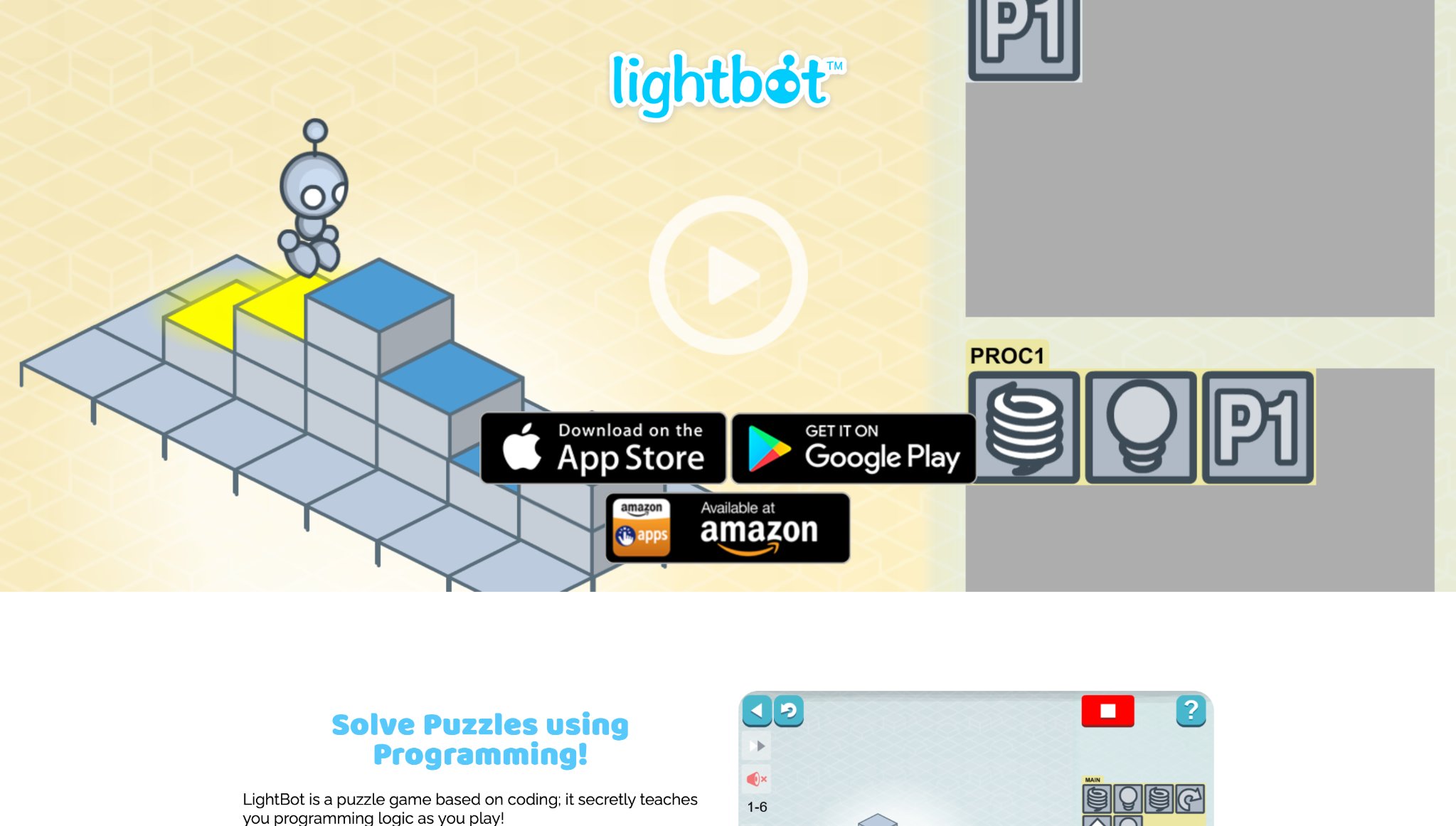
Lightbot Jr introduces young children to pattern and sequencing concepts through simple robot programming puzzles. Kids build repeating command sequences to solve gentle mazes and light up paths in a visual, reading-free format. Progressive challenges develop logical ordering and planning skills while keeping gameplay approachable and rewarding.
The clean visual style removes barriers for preschoolers while teaching foundational coding-like thinking. Families appreciate how it transforms pattern recognition into an exciting puzzle-solving adventure that builds confidence in logical reasoning.
Key features
- Command sequence building
- Visual pattern puzzles
- Progressive maze challenges
Facts and information
Lightbot Jr develops early pattern recognition and logical ordering in a game-like format.
13. Pok Pok
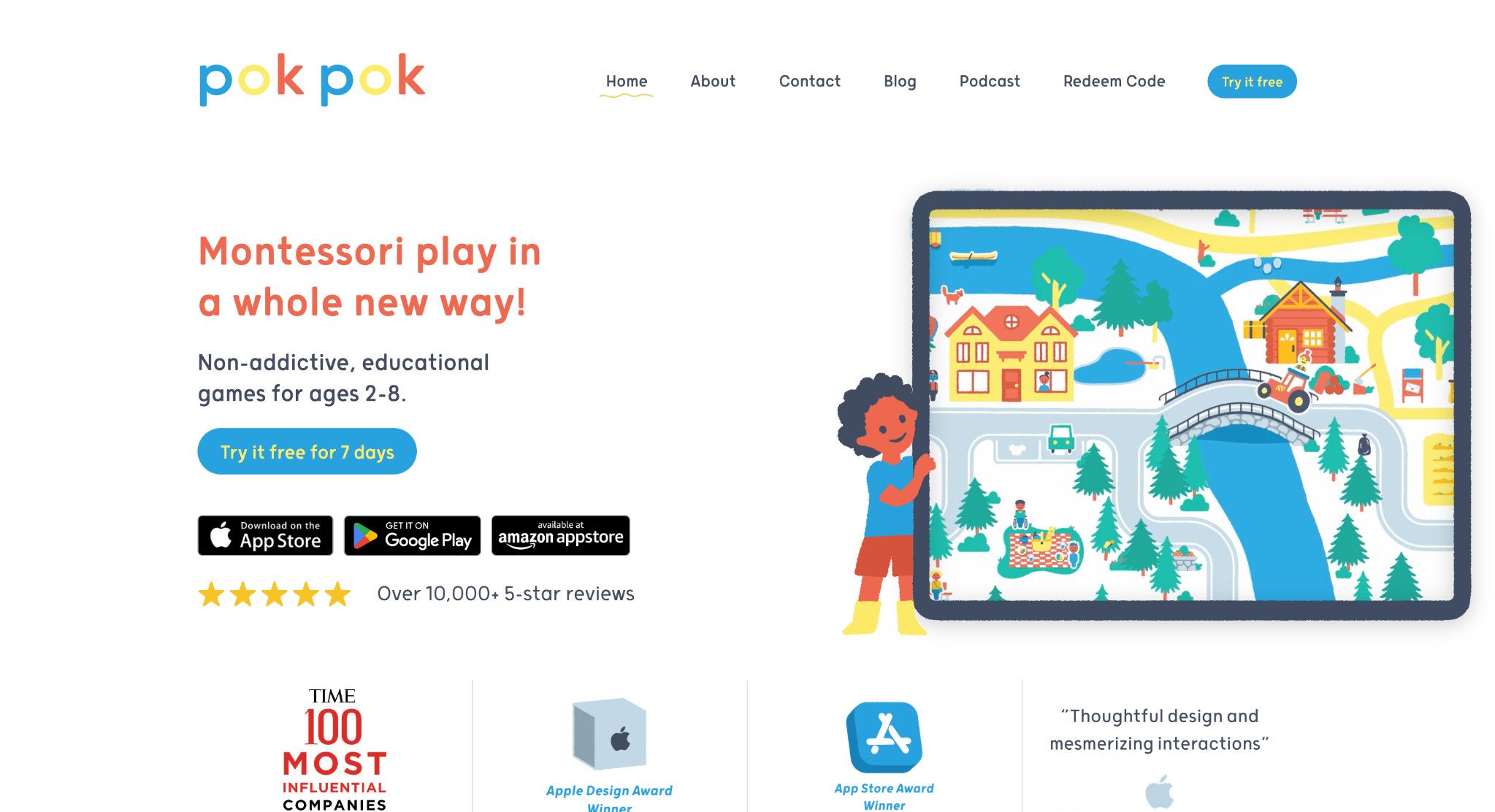
Pok Pok encourages pattern recognition through calm, Montessori-inspired open-ended activities involving sorting, building, and discovery. Children explore patterns naturally in low-stimulation environments that promote focused, independent play. The thoughtful design supports creative experimentation with shapes, colors, and objects without rigid goals. This peaceful approach helps toddlers develop observation skills and logical thinking through self-directed exploration. Parents value the high-quality, screen-time-friendly experience that nurtures curiosity and pattern awareness in a gentle, child-centered way.
Key features
- Open-ended sorting and building
- Montessori-style calm design
- Emphasis on creative patterns
Facts and information
Pok Pok encourages pattern recognition through peaceful, child-led activities that many toddlers enjoy repeatedly.
14. Bimi Boo Puzzle Games
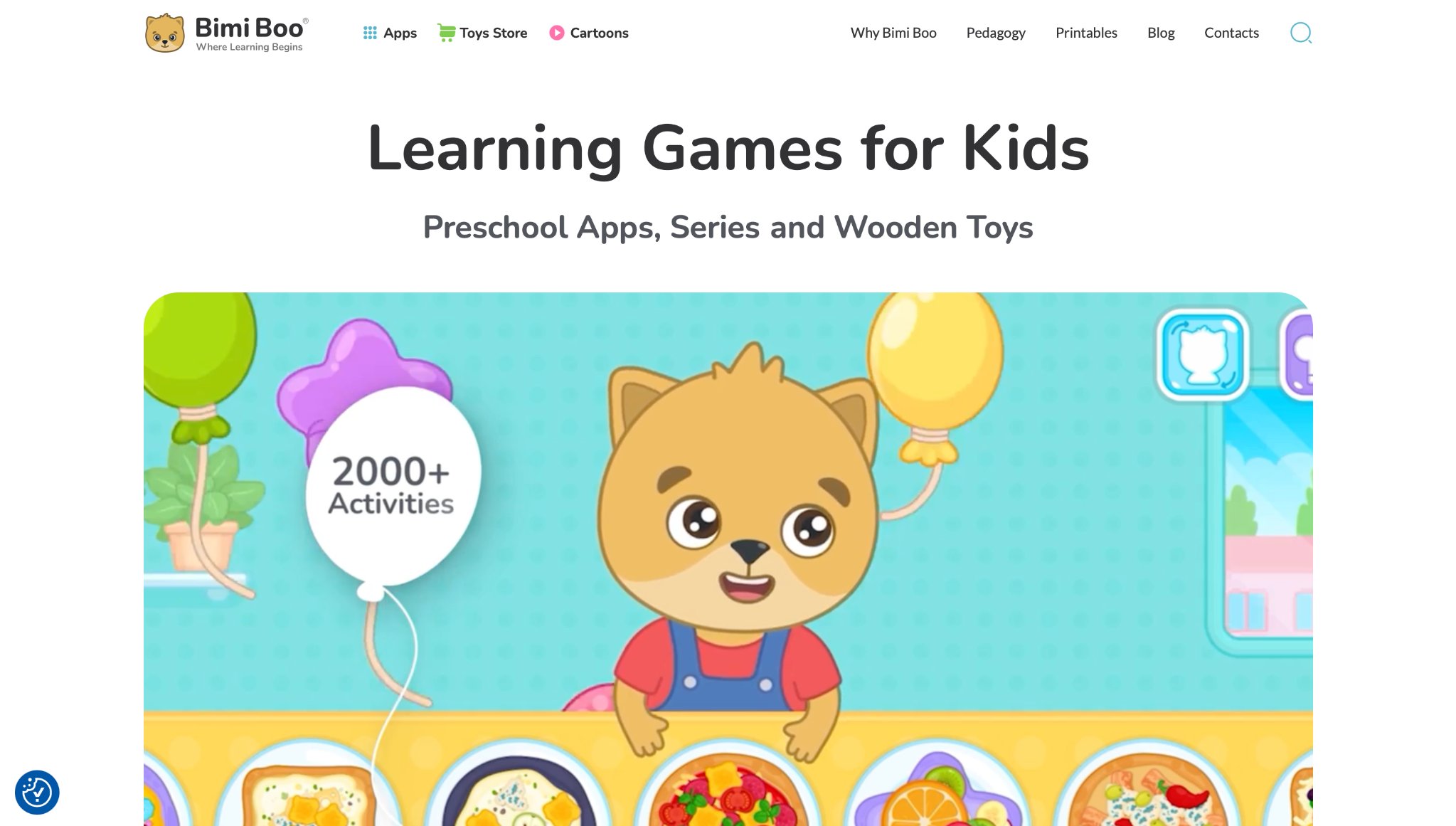
Bimi Boo Puzzle Games features themed pattern and matching activities with animals, vehicles, and everyday objects that keep young children engaged. Kids practice piece placement and sequence recognition across colorful, varied topics with simple mechanics. The joyful designs support coordination and early logic while making pattern work feel like fun discovery. Different themes maintain interest and help children apply sequencing skills in relatable contexts. Families find it an excellent tool for building visual recognition and problem-solving through enjoyable, topic-rich challenges.
Key features
- Themed pattern puzzles
- Matching and sorting variety
- Coordination and logic focus
Facts and information
Bimi Boo helps strengthen pattern recognition through enjoyable, topic-rich challenges.
15. Dr. Panda Series
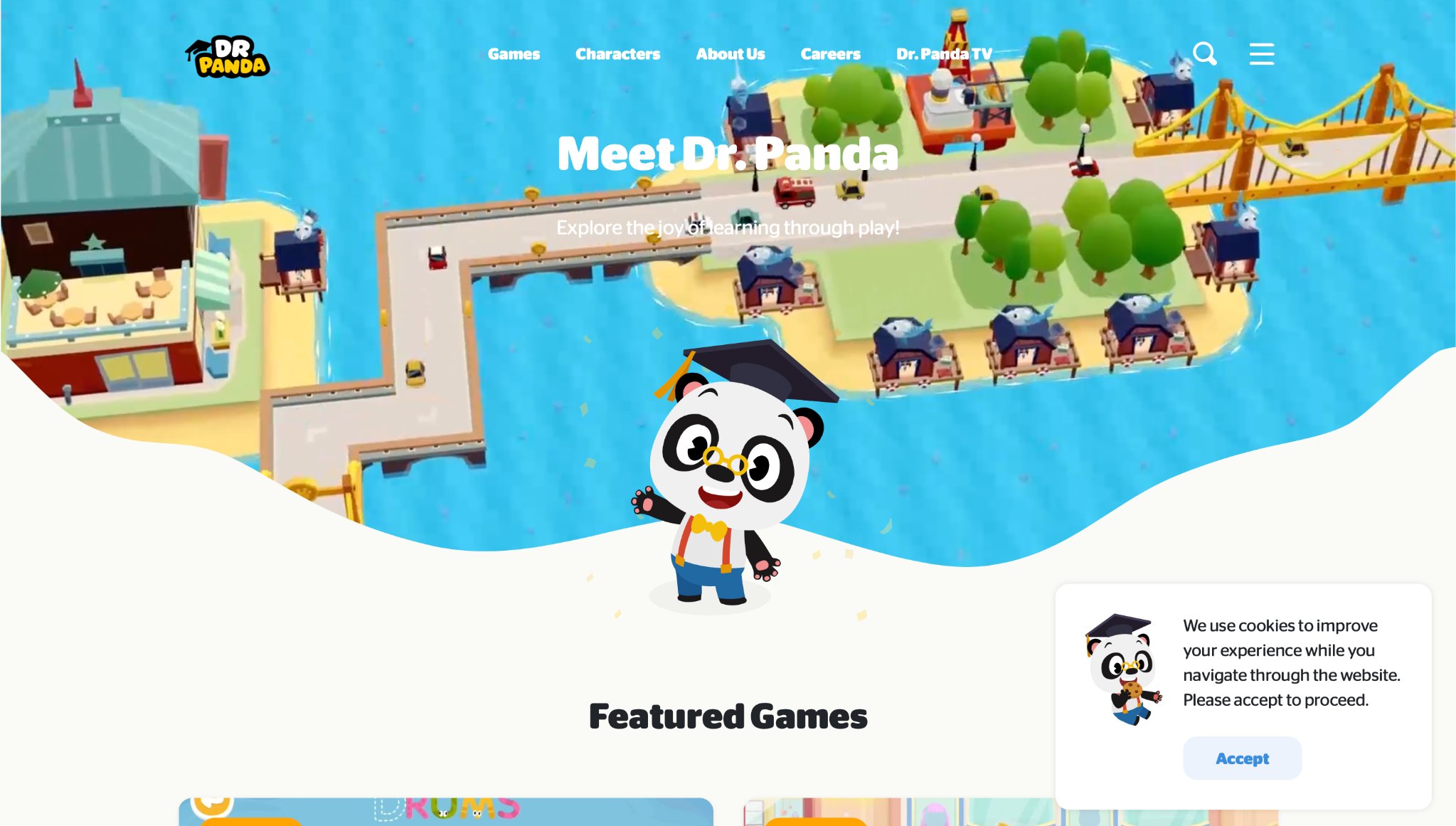
Dr. Panda Series applies pattern recognition to everyday scenarios through gentle simulation games involving animal care, cooking, and town life. Children follow practical sequences and make decisions in charming worlds that teach responsibility alongside logical thinking. Different apps in the series offer fresh contexts for spotting and continuing patterns in real-life situations. The calm pacing and friendly characters make pattern practice feel meaningful and low-pressure. Parents appreciate how it connects abstract sequencing skills to relatable daily routines through wholesome, imaginative role-play.
Key features
- Everyday pattern scenarios
- Character care activities
- Practical thinking support
Facts and information
Dr. Panda games apply pattern recognition to real-life situations through playful character experiences.
16. TinyHands Kids Matching & Sorting Games
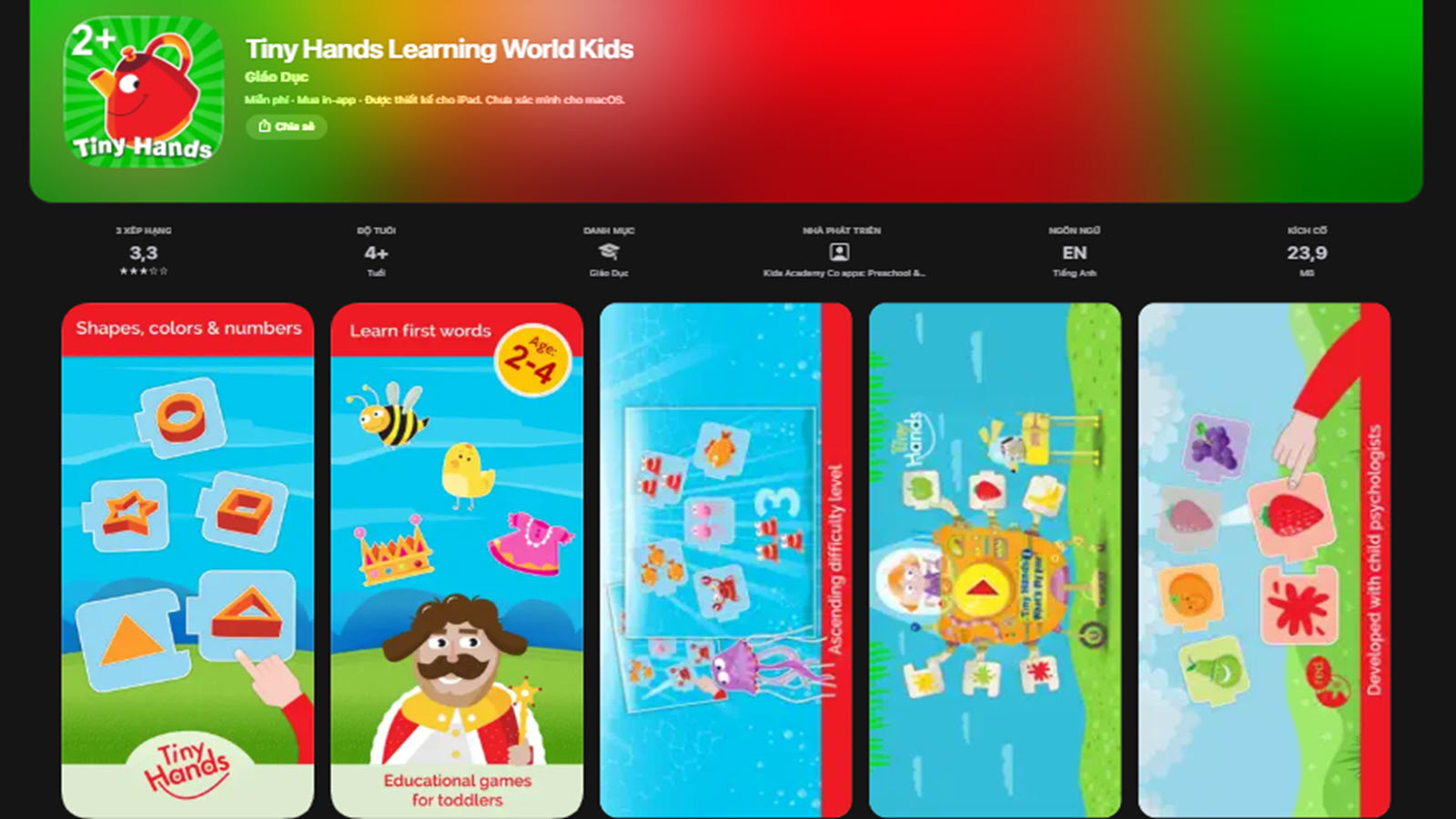
TinyHands Kids Matching & Sorting Games delivers short, positive pattern activities with colorful balloons and rewards that celebrate success. Children practice colors, shapes, and object sequences through mini-games that also support fine motor skills.
The collection keeps sessions lively yet focused with immediate positive feedback. Simple mechanics make it ideal for toddlers building early logical thinking. Families enjoy the exciting celebrations that turn pattern recognition into motivating, confidence-building play.
Key features
- Matching and sorting mini-games
- Color and shape patterns
- Short, rewarding activities
Facts and information
TinyHands builds pattern recognition alongside motor skills and logical thinking in safe, child-friendly play.
17. Shapes & Colors Learning Games
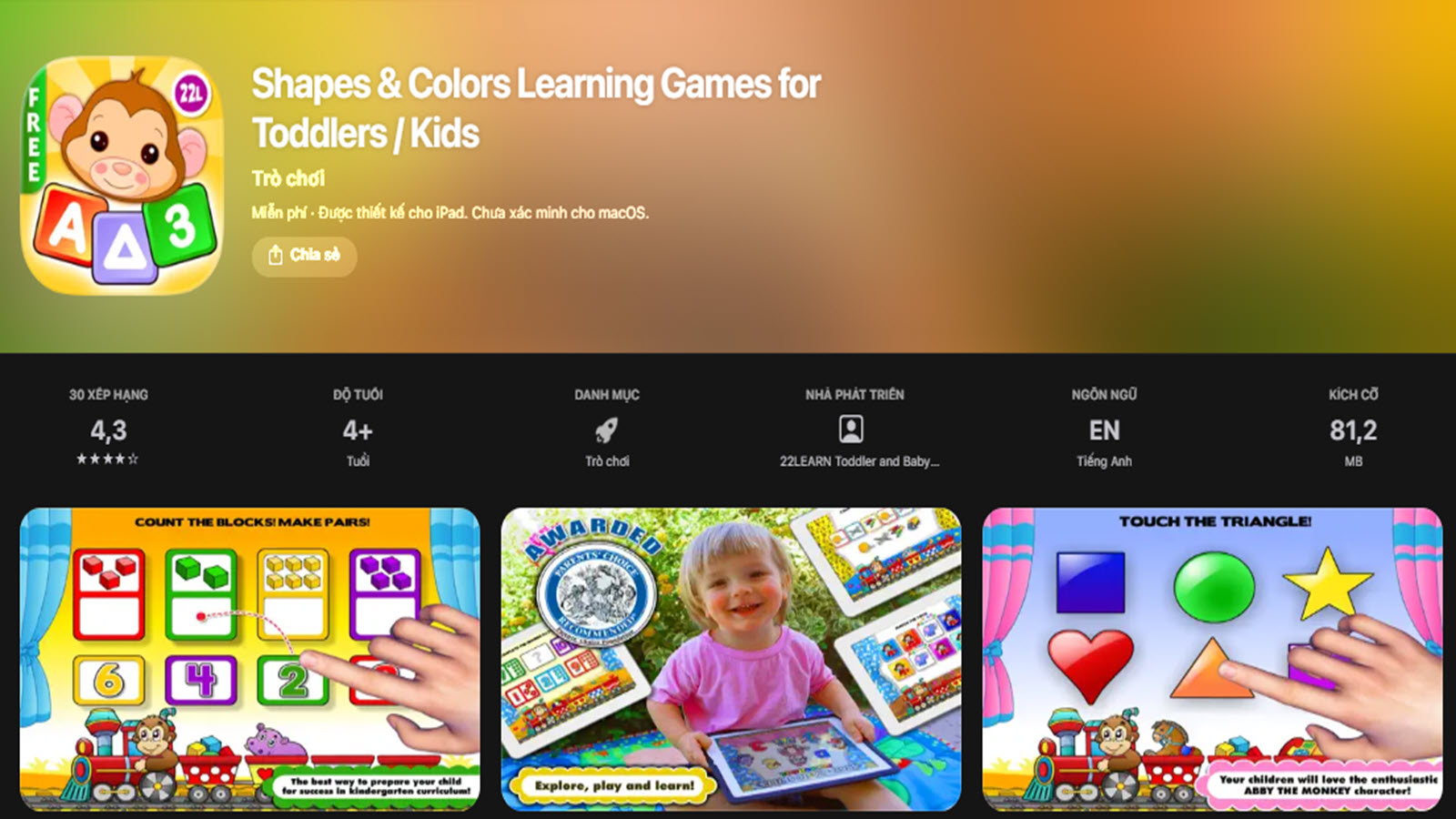
Shapes & Colors Learning Games combines pattern tracing, puzzle solving, and creative expression through engaging shape and color sequences. Children explore visual patterns while experimenting with artistic ideas in a joyful interface. The blend of recognition tasks and open creativity supports both logical thinking and imagination. Bright visuals and varied activities keep young learners motivated as they build foundational skills. Parents value how it encourages artistic exploration alongside structured pattern understanding.
Key features
- Shape and color pattern tracing
- Puzzle and matching tasks
- Creative pattern expression
Facts and information
The app strengthens pattern recognition while encouraging artistic exploration in young learners.
18. The Big Game Of Patterns

The Big Game Of Patterns offers hundreds of adaptive levels featuring diverse mathematical and visual sequences that grow with a child’s abilities. The built-in generator ensures fresh challenges for ongoing engagement and skill development. Children solve increasingly complex patterns that strengthen problem-solving and logical reasoning. The extensive variety prevents boredom while building advanced recognition skills. Families appreciate the depth and replayability that support long-term growth in pattern thinking.
Key features
- Extensive pattern level collection
- Mathematical and visual sequences
- Adaptive challenge generator
Facts and information
The Big Game Of Patterns develops advanced pattern recognition and problem-solving through varied, repeatable puzzles.
19. Endless Alphabet
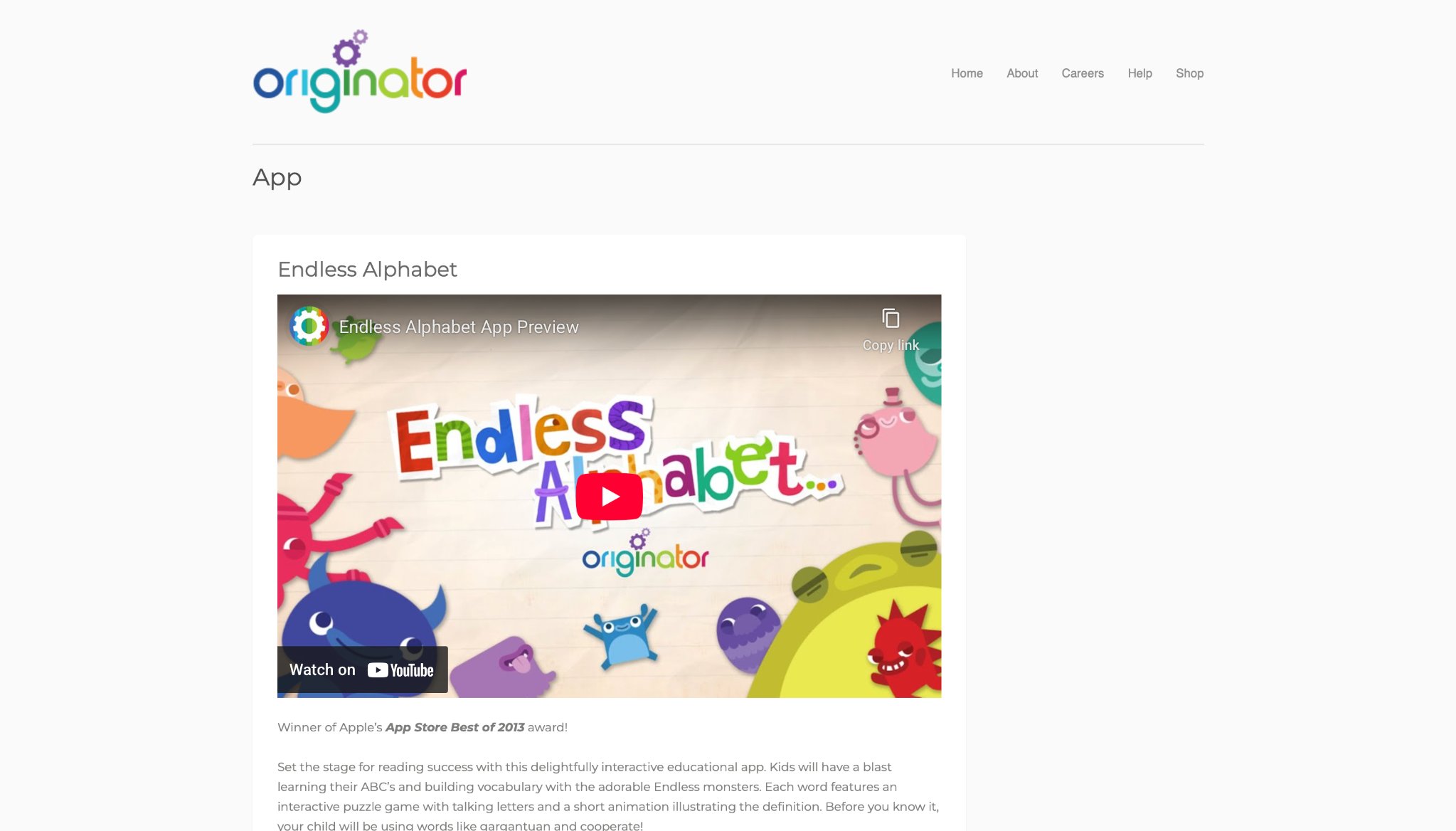
Endless Alphabet transforms letter and word patterns into interactive puzzles featuring animated monsters and humorous sound effects. Children arrange letters to form words while discovering repeating shapes and sound sequences. The engaging animations make each pattern memorable and fun, strengthening both pattern recognition and early literacy. Witty elements keep preschoolers motivated during vocabulary-building activities. Parents love how it connects visual sequencing to language development in a playful, memorable way.
Key features
- Interactive letter pattern puzzles
- Vocabulary building through sequences
- Engaging animations and sounds
Facts and information
Endless Alphabet supports pattern recognition in language contexts that strengthen early literacy foundations.
20. Montessori Geometry
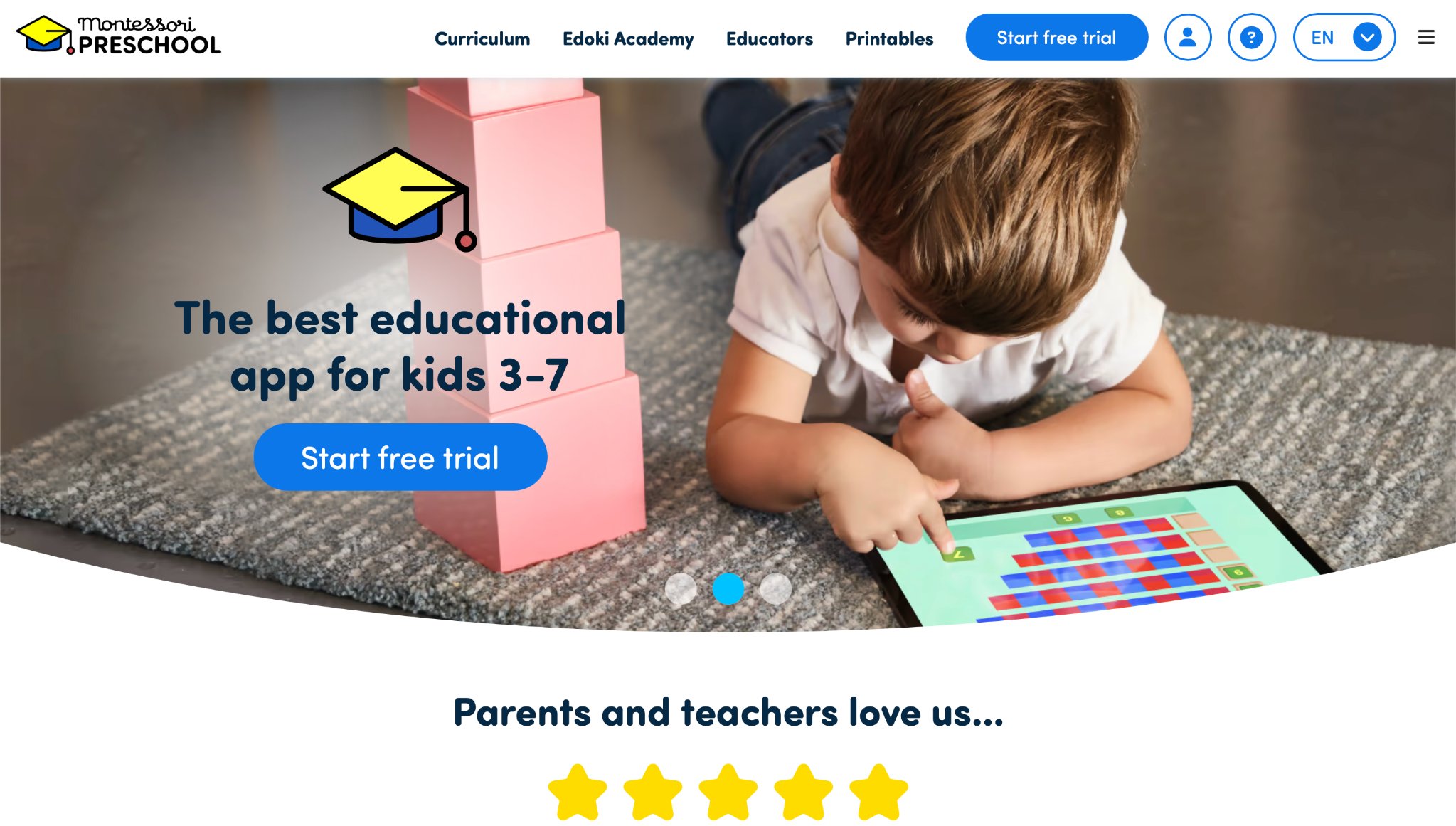
Montessori Geometry emphasizes shape recognition and spatial patterns through interactive sorting and matching tasks inspired by discovery-based learning. Clear visuals promote independent exploration of geometric relationships and logical thinking. Children build foundational understanding through hands-on visual challenges that encourage observation and classification. The thoughtful approach supports natural progression in pattern awareness and spatial reasoning. Families value its calm, empowering style that aligns with child-led development principles.
Key features
- Shape and geometry pattern activities
- Montessori-inspired discovery
- Focus on visual spatial reasoning
Facts and information
Montessori Geometry builds foundational pattern recognition through thoughtful, discovery-based geometric play.
The Power of Pattern Recognition Games in Child Development
Pattern recognition games for kids give young children valuable repeated practice in noticing details, making predictions, and refining their ideas. These engaging activities boost attention and focus while strengthening planning abilities through fun sequence tasks. When games include real-life themes, children can easily connect patterns to their daily world, resulting in much better skill transfer to everyday situations.
Fluvsies Academy excels at this by weaving together different learning areas in every activity. Kids experience smooth, connected progress in logical thinking, language, creativity, and essential life skills.
Smart Ways Parents Can Maximize Pattern Recognition Play
- Keep play sessions brief and enjoyable to match your child’s attention span.
- Ask open questions about the patterns they see to encourage deeper thinking and conversation.
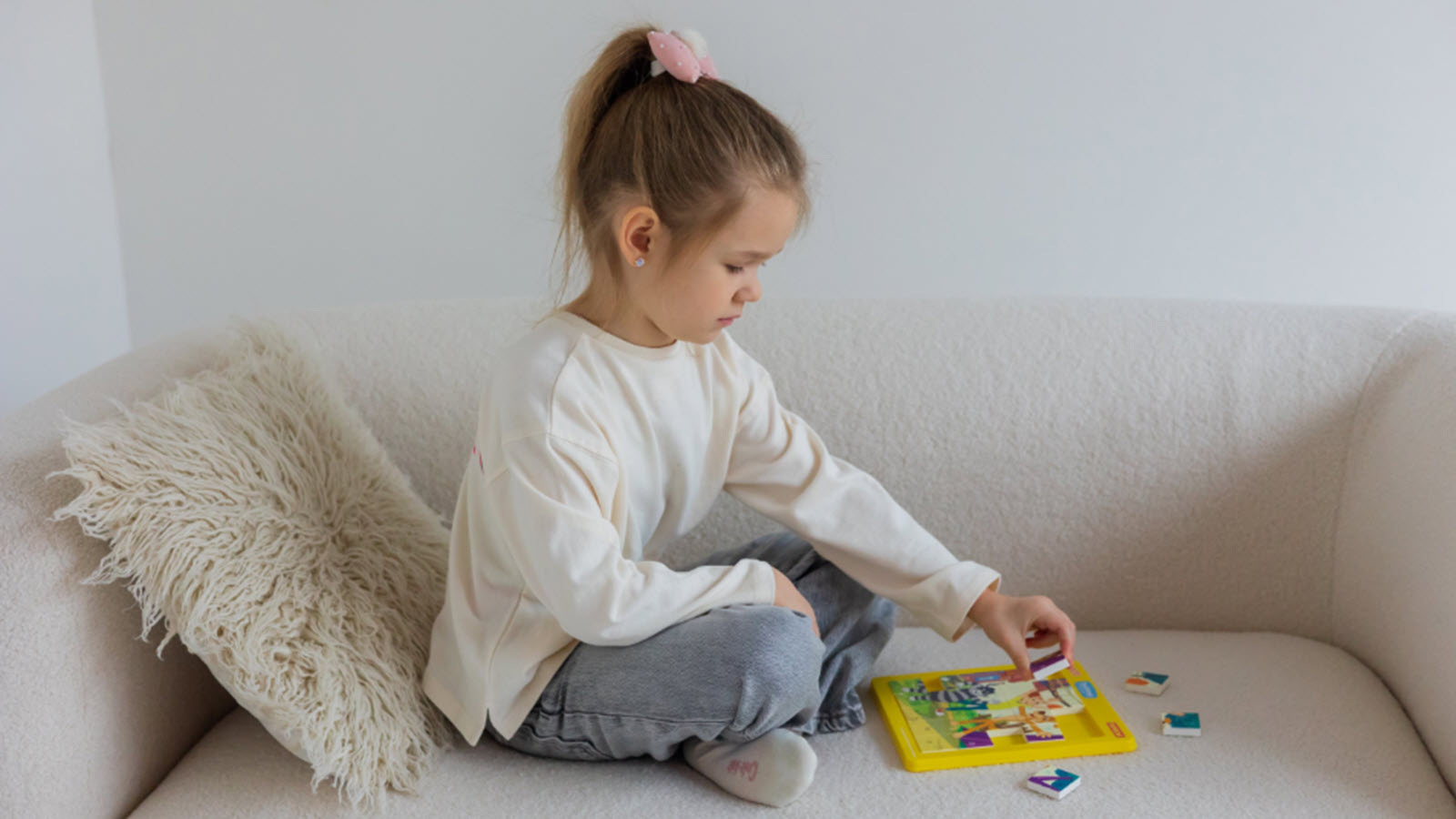
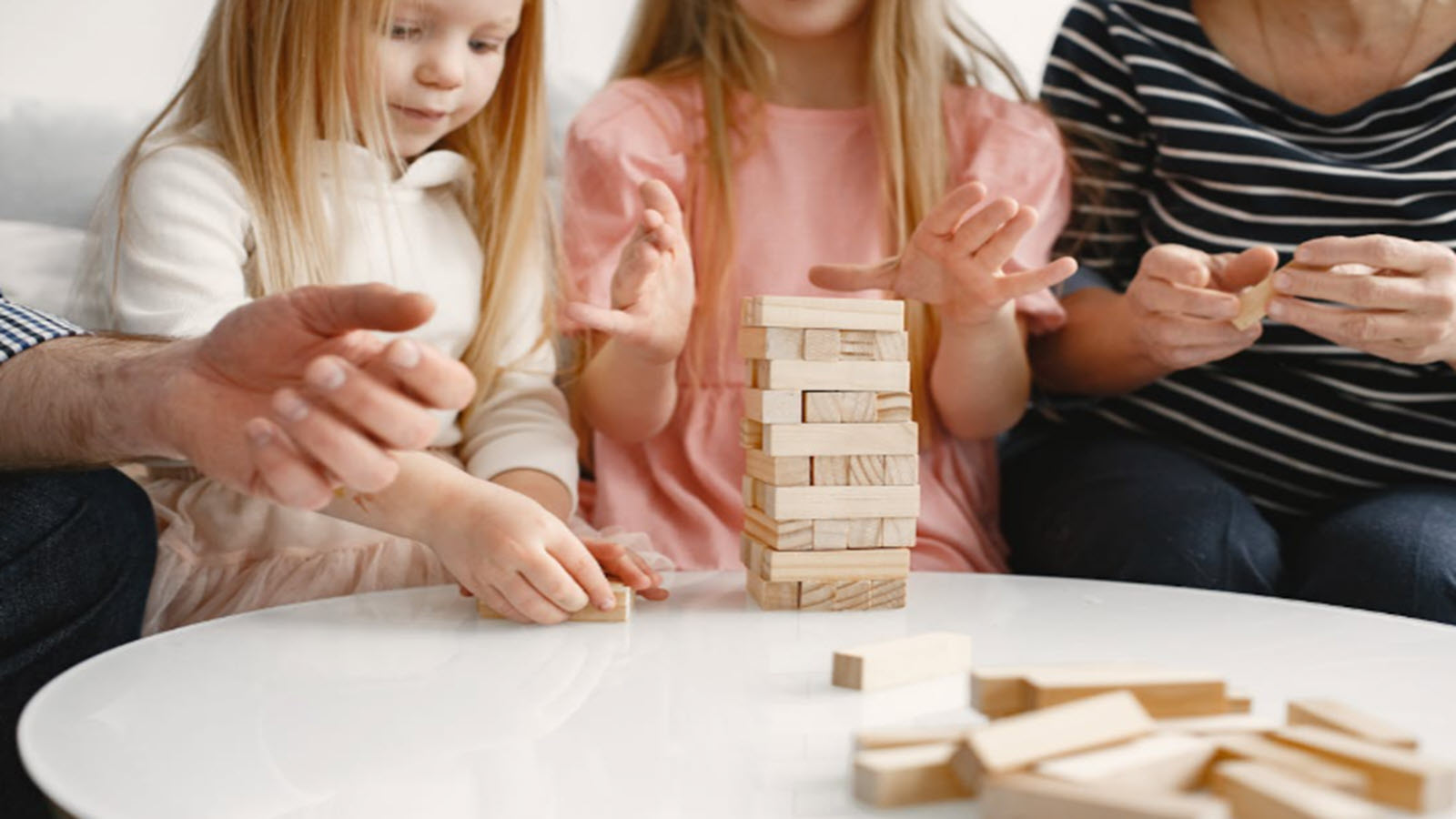
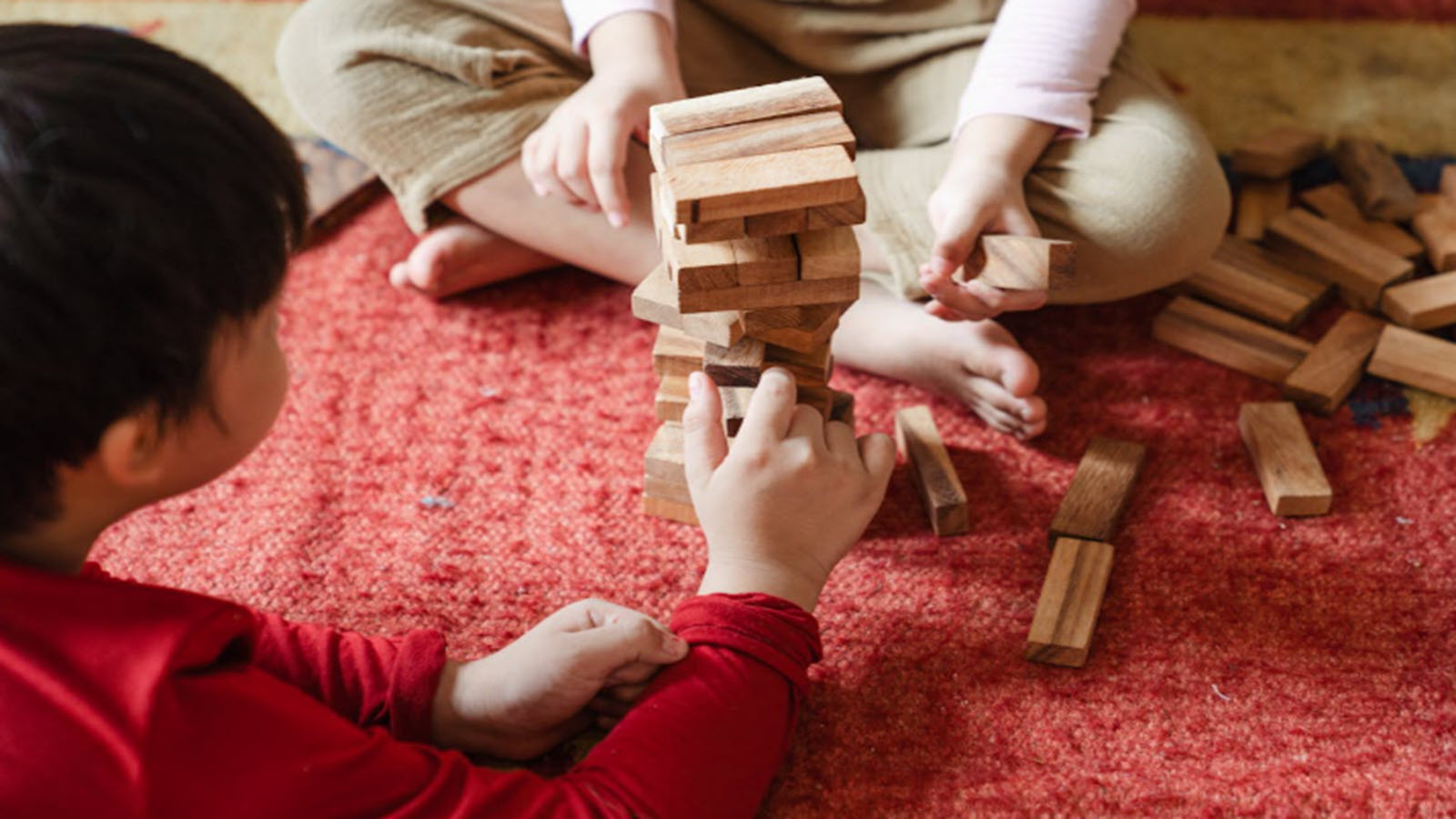
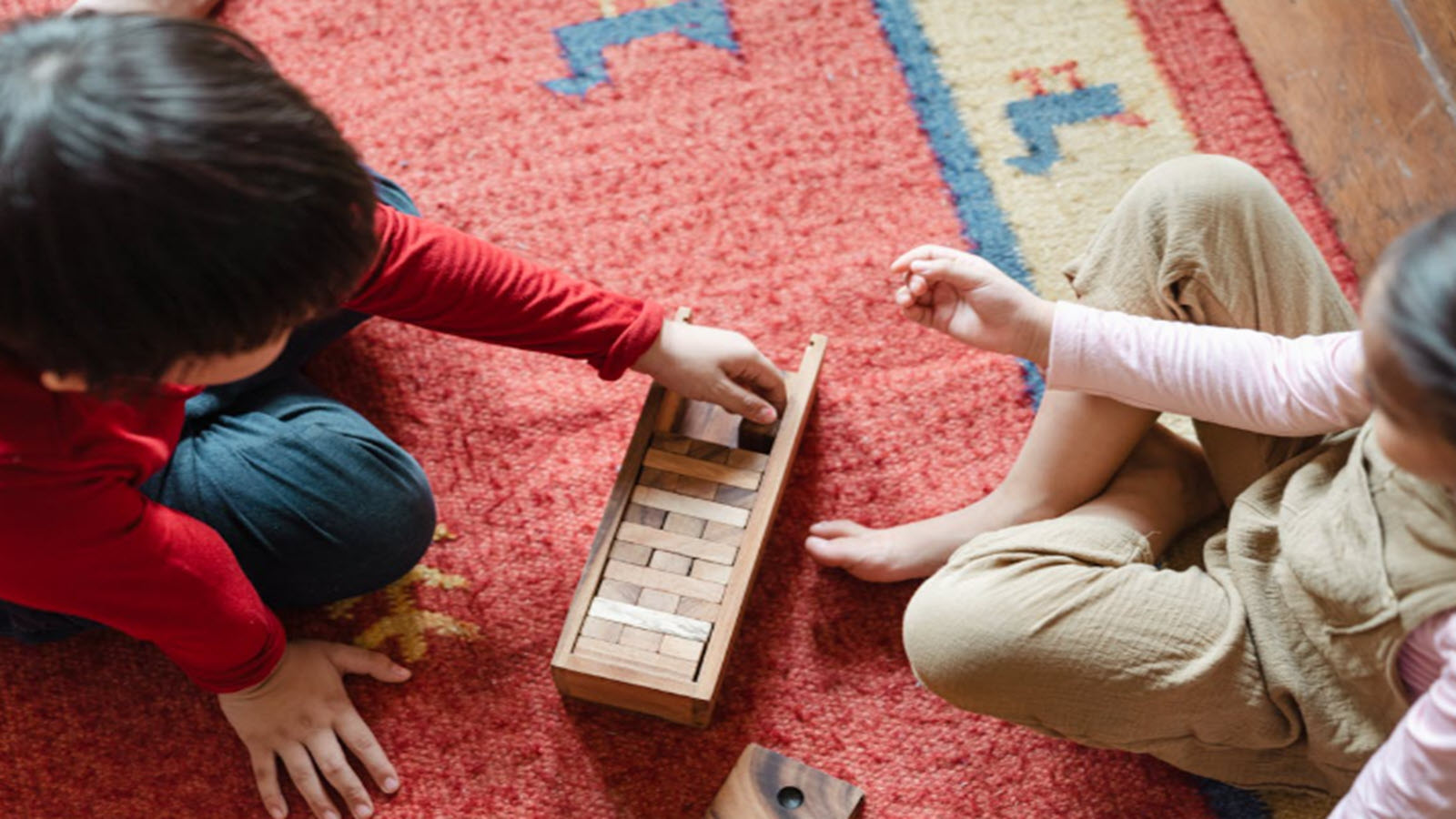
- Alternate between screen-based games and physical materials like blocks, colored toys, or household objects for complete development.
Pairing memory game activities with simple home tasks like sorting clothes, arranging snacks, or tidying shoes helps children apply what they’ve learned in real life, making skill-building a seamless part of everyday routines.
Creating the Perfect Balance Between Digital and Hands-On Play
Digital pattern recognition activities offer quick feedback that motivates children to keep trying, while hands-on experiences provide rich sensory learning. Combining both methods helps kids build flexible pattern recognition skills that work well in any environment.
A thoughtful mix of digital and physical play leads to stronger overall cognitive development. Fluvsies Academy fits beautifully into this balanced approach thanks to its strong focus on real-life themes that connect naturally with offline activities.
Essential Skills Built by Pattern Recognition Games
Pattern recognition games are a powerful and fun way to develop critical cognitive skills in children. Below is a clear and engaging breakdown of the key skills kids build through these games and their real-world benefits:
- Visual Matching: Better object identification and organization – helping children quickly recognize shapes, colors, and patterns in their surroundings.
- Sequence Completion: Stronger ability to follow routines and steps – improving a child’s capacity to predict, understand, and complete ordered tasks.
- Focus and Attention: Improved concentration during stories or tasks – building sustained attention and the ability to stay engaged for longer periods.
- Logical Thinking: Greater independence in problem solving – strengthening the ability to compare, analyze, and make logical decisions.
- Memory Recall: Easier remembering of sequences and information – enhancing short-term and working memory through repeated pattern practice.
These skills developed through pattern recognition games not only boost brain development but also support academic performance, daily independence, and lifelong learning. Simple games involving shapes, colors, sequences, and matching can deliver significant cognitive benefits when incorporated into regular playtime.
Perfect for parents and teachers looking for effective, screen-friendly or hands-on activities to support early childhood development!
FAQ
How do pattern recognition games benefit brain development in young children?
Pattern recognition games for kids strengthen essential neural pathways by training the brain to identify order, make predictions, and solve problems. Regular play enhances cognitive development, improves memory, and builds a solid base for future learning in math, reading, and logical reasoning. These games support well-rounded brain growth in a fun and natural way.
What makes pattern recognition games different from other educational games?
Unlike general games, pattern recognition activities specifically target the brain’s ability to detect sequences, relationships, and order. They go beyond rote memorization by encouraging children to observe, compare, predict, and think logically. This focused approach leads to stronger problem-solving skills and better real-world application compared to broader learning apps.
How can I tell if my child is improving from pattern recognition games?
You may notice signs such as better focus during tasks, quicker recognition of sequences in daily life (like routines or colors), increased patience when solving puzzles, and more confidence when facing new challenges. Many parents also observe improvements in attention span, sorting skills, and overall logical thinking.
Are pattern recognition games suitable for children with different learning styles?
Yes. Good pattern recognition games for kids support multiple learning styles - visual learners enjoy shape and color patterns, while hands-on learners benefit from physical follow-up activities. The best games offer variety in difficulty and format, making them ideal for visual, auditory, and kinesthetic learners alike.
How much time should children spend on pattern recognition games daily?
Short sessions of 10 to 20 minutes per day are ideal for most toddlers and preschoolers. Quality matters more than quantity - consistent, focused play combined with hands-on activities delivers the best results. Always balance digital games with real-world practice for optimal cognitive development and healthy screen-time habits.
Read Also:
- Best Brain Development Games for Kids 2026
- Best SEL Games for Kids 2026
- Best Alphabet Games for Preschoolers Online 2026
- Best Shape Games for Preschoolers Online 2026
- Best Problem Solving Games for Toddlers 2026
- Best Educational Computer Games 2026
Discover the Best Pattern Recognition Games 2026 - Fluvsies Academy


.jpg)