

Best Brain Development Games for Kids 2026





.jpg)
Parents today look for ways to support their children’s growing minds through play that feels natural and enjoyable. The best brain development games for kids 2026 combine learning with delight so kids stay engaged while sharpening key skills like attention, problem-solving, and creativity. These games make every session count without feeling like extra work.
A well-rounded mix of activities supports early development across key skills, from literacy with the best spelling games for 5 year olds online to building foundations through the best early literacy games. Age-specific options like the best reading readiness activities align with developmental stages, while language skills are reinforced through the best word games for 5 year olds online.
Discover the Best Brain Development Games for Kids 2026 - Fluvsies Academy
Why Brain Development Games Make a Difference for Young Learners
Play shapes the brain during the early years when connections form quickly. Games that target logic, attention, and language help children build a strong foundation for school and life. They encourage kids to compare, sort, remember patterns, and explore real-world ideas in a safe setting.
When games feel joyful, children return to them often and absorb skills without pressure. Fluvsies Academy brain development games use this approach by blending active learning with creative play so kids develop focus while having fun.
Key Skills These Games Target
Strong brain development games go beyond rote learning. These educational games for kids support attention span through sorting and matching, logic and problem-solving through puzzles and patterns, and language development through stories and professions. Some include essential life skills like routines and mindfulness for children to help kids feel capable and calm.
Parents notice that children who play brain training games regularly show better comparison skills, stronger memory retention, and greater willingness to try new challenges. The variety in these cognitive development games keeps things fresh so kids stay motivated day after day.
The Best Brain Development Games for Kids 2026
1. Fluvsies Academy - Best Brain Development Games for Kids 2026
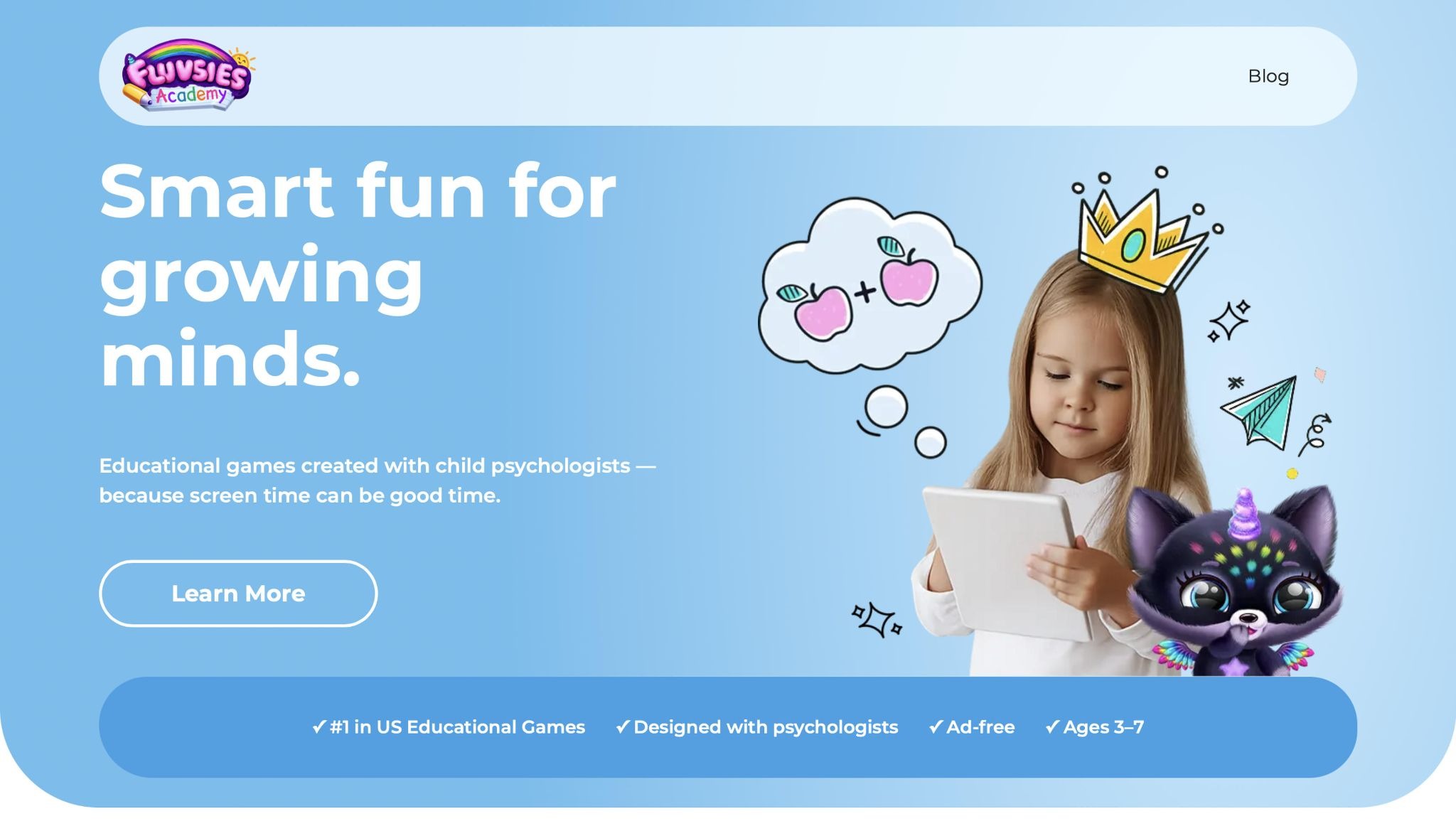
Fluvsies Academy brings together a lively collection of educational games created especially for children ages three to seven. Every activity comes from close work with child psychologists so the play feels natural, safe, and full of discovery. Kids dive into language and phonics exercises that build early reading confidence, number games that make counting exciting, and logic puzzles that sharpen attention and sorting skills.
Life skills sections turn everyday moments into adventures such as a fun teeth brushing challenge or creative tasks that spark imagination. Professions games introduce real world jobs like baker or astronaut and quietly expand vocabulary in the process. Mindfulness moments and kids yoga help little ones learn calm breathing and gentle movement while healthy habit activities reinforce positive routines.
The entire experience stays ad free so children stay immersed without distractions. Parents receive simple progress reports that highlight favorite activities and growing strengths. Free printables add hands on fun that connects digital play with real world practice. The platform works smoothly across devices and keeps content age appropriate with a strong focus on empathy, emotional safety, and joyful independent play.
Fluvsies Academy turns every minute of screen time into purposeful growth that preschoolers love and parents trust.
Discover Fluvsies Academy
Fluvsies Academy is a leading educational app designed for children aged 3–7. It transforms screen time into meaningful learning through fun, interactive games. Developed in collaboration with child psychologists, the app focuses on holistic development.
Key Features
- Ad-free environment for safe play.
- Games covering language, phonics, math, and logic.
- Activities for attention, sorting, and creativity.
- Real-world life skills like healthy habits and mindfulness.
- Exploration of professions to build vocabulary and imagination.
Educational Approach
Fluvsies Academy emphasizes guided play that balances focus, empathy, and emotional safety. It's the first holistic learning app for kids, ranked #1 educational game in the US. Progress reports help track your child's growth. Free printables extend learning beyond the screen.
Benefits for Families
Parents gain peace of mind with expert-backed games.
Kids build confidence, skills, and a love for learning. Ideal for preschoolers seeking joyful education.
Discover how Fluvsies Academy can transform screen time into smart play for your child.
2. TutoClub
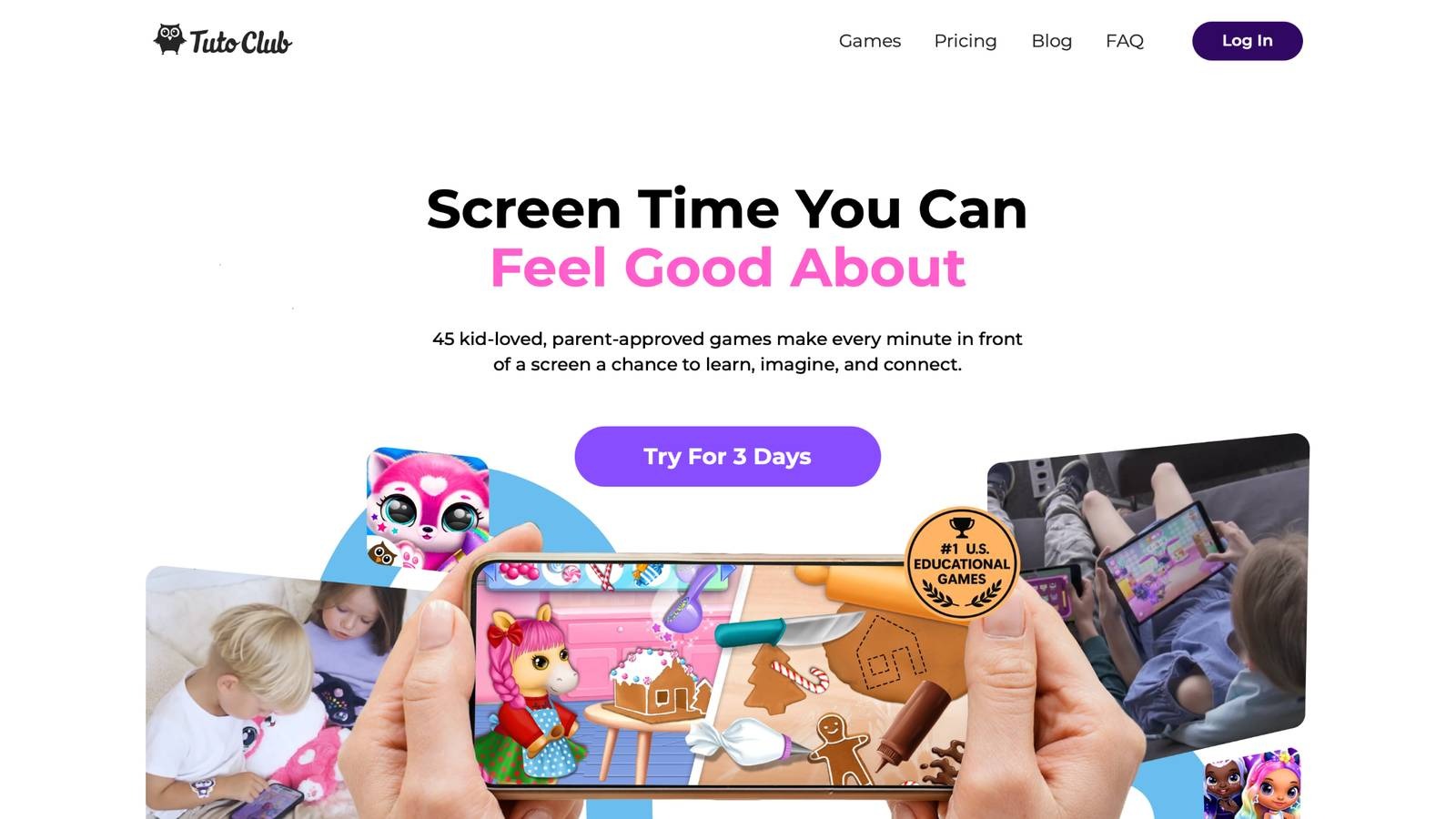
TutoClub offers a delightful collection of educational games specifically designed to transform screen time into meaningful developmental moments for preschoolers. This platform features a wide variety of interactive activities that focus on creativity, emotional intelligence, focus, and essential life skills. Children enjoy caring for virtual pets which gently teaches responsibility and empathy. Cleanup adventures make tidying up fun while building good habits. Styling and fashion games encourage self expression and creativity. The games adapt to each child's interests and provide open ended play that sparks imagination without pressure.
Regular updates keep the content fresh and exciting for returning players. Families appreciate the calm, ad free environment that supports healthy screen time and allows for shared family moments. TutoClub stands out for its thoughtful design that prioritizes social emotional growth alongside cognitive skills. Young learners build confidence as they master challenges and express themselves through play. The experience feels more like joyful exploration than structured lessons. Parents often note increased engagement and positive attitude toward learning activities after using the platform. The character driven stories help preschoolers explore emotions and social situations in safe and supportive ways. Many families find that the variety keeps children coming back and encourages repeat play sessions.
Key features
- Virtual pet care activities that build empathy and responsibility
- Creative styling and cleanup games that teach helpful habits
- Open ended play that encourages imagination and problem solving
- Regular content updates to maintain engagement
- Calm ad free design perfect for young attention spans
Facts and Information
TutoClub creates purposeful play experiences that support creativity, focus, and emotional skills in preschoolers through carefully crafted interactive games.
3. MentalUP
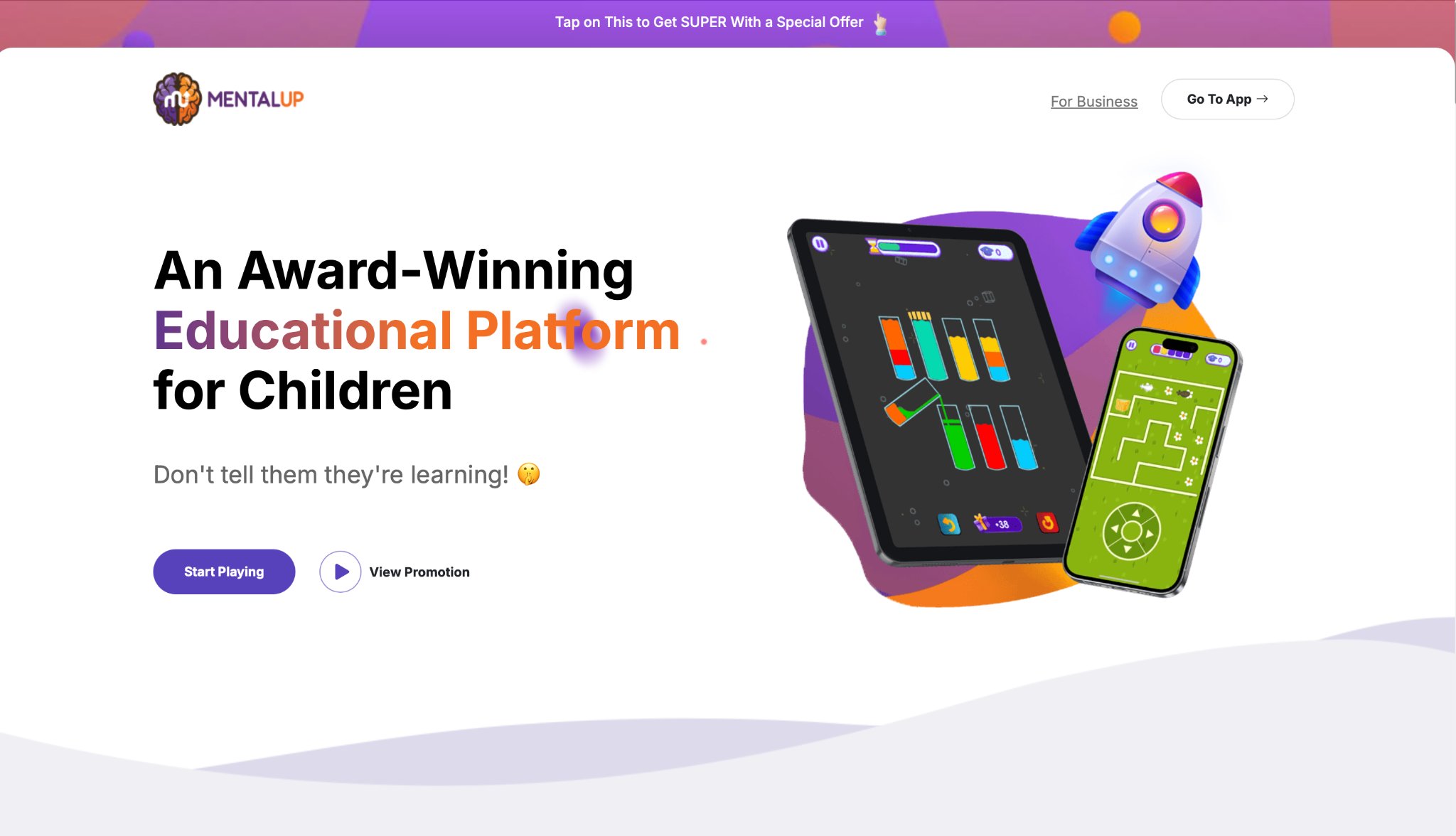
MentalUP turns daily brain training into an exciting adventure that children ages 4 to 13 genuinely look forward to. Its colorful collection of short games targets attention, memory, logic, visual processing, and problem-solving with activities that feel like pure play rather than work. The platform adapts in real time to each child’s performance, ensuring the right level of challenge so kids stay motivated without frustration.
Parents appreciate the clear progress reports that highlight improvements in focus and cognitive skills over time. With thousands of varied exercises and an ad-free environment, MentalUP supports steady mental growth while building confidence and a positive attitude toward learning. Many families notice better concentration, quicker recall, and stronger reasoning abilities emerging naturally through consistent, enjoyable sessions.
Key features
- Colorful daily brain training games
- Focus on attention, memory, logic, and reasoning
- Easy-to-follow activities that build confidence step by step
Facts and information
MentalUP helps many children strengthen focus and recall while turning regular playtime into steady cognitive growth.
4. ABCmouse
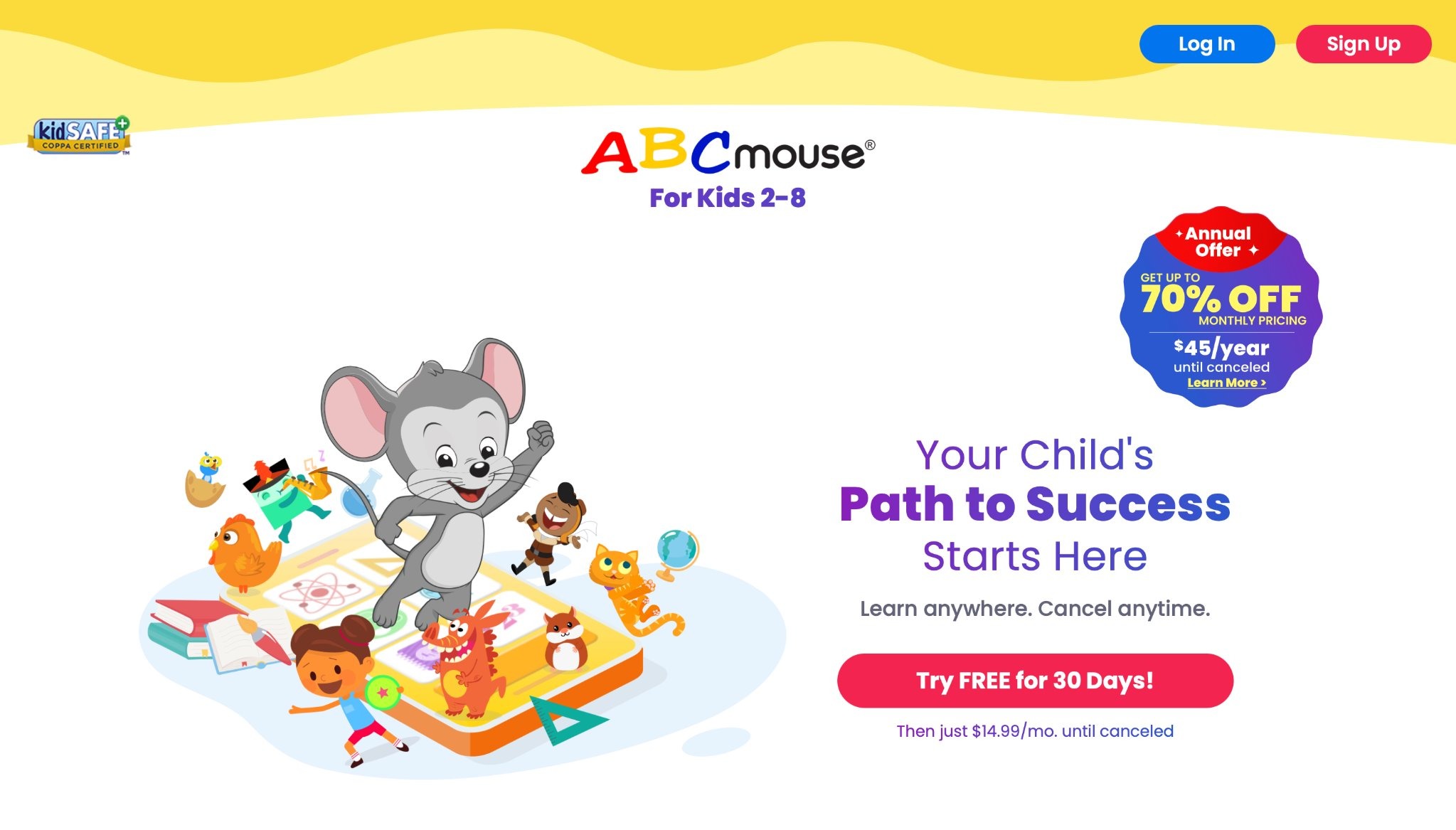
ABCmouse delivers a complete early learning curriculum that quietly strengthens brain development through thousands of games, books, puzzles, and songs. Children progress step by step across literacy, math, science, art, and social-emotional skills in a structured yet playful virtual classroom. The bright characters and rewarding system keep young minds engaged while building memory, attention, and problem-solving foundations.
Adaptive paths ensure each child experiences success at their own pace, fostering confidence and cognitive flexibility. Parents love the comprehensive coverage that feels like a full preschool program at home, with clear progress tracking that shows real growth in critical thinking and foundational knowledge. The rich variety prevents boredom and turns everyday screen time into meaningful brain-building moments.
Key features
- Step-by-step learning path across multiple subjects
- Mix of games, songs, and interactive books
- Strong support for early literacy and math foundations
Facts and information
ABCmouse supports steady skill building that prepares children for school with confidence and curiosity.
5. Khan Academy Kids
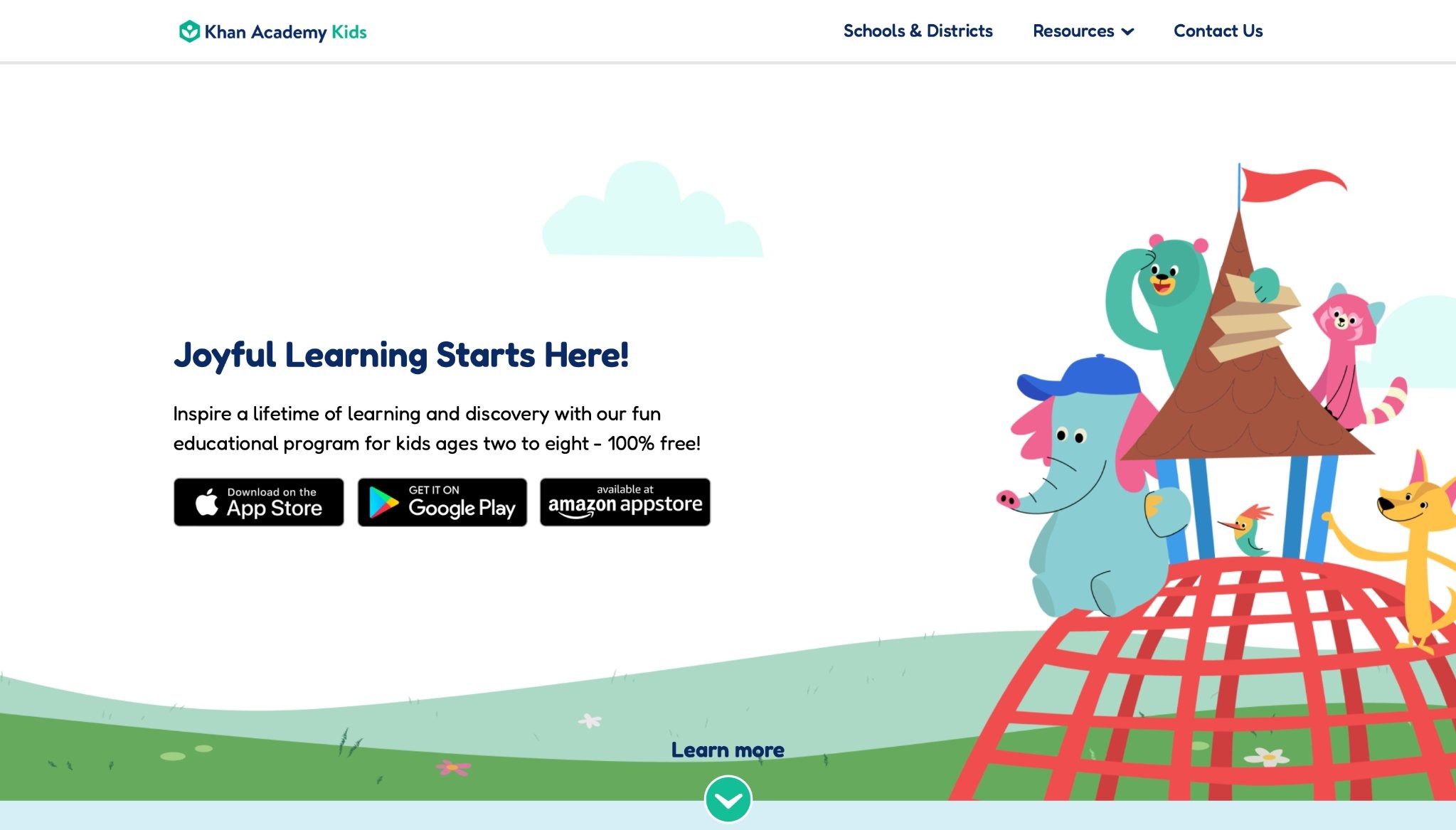
Khan Academy Kids offers completely free, high-quality activities that nurture brain development across early literacy, math, creativity, and social-emotional skills. Short, engaging games and stories allow children to explore at their own pace while friendly characters provide gentle guidance and encouragement. The research-backed content builds attention, memory, logical thinking, and problem-solving through interactive lessons that adapt naturally.
Parents value the ad-free, trustworthy experience that supports the whole child without any cost barriers. Kids enjoy the colorful animations and rewarding feedback that make learning feel joyful and approachable. This flexible platform fits easily into daily routines and helps young learners develop strong cognitive foundations alongside curiosity and emotional awareness.
Key features
- Free access to math, reading, and social skills games
- Personalized recommendations based on progress
- Gentle introduction to early academic concepts
Facts and information
Khan Academy Kids helps children develop strong foundations in core subjects through playful daily practice.
6. Lingokids
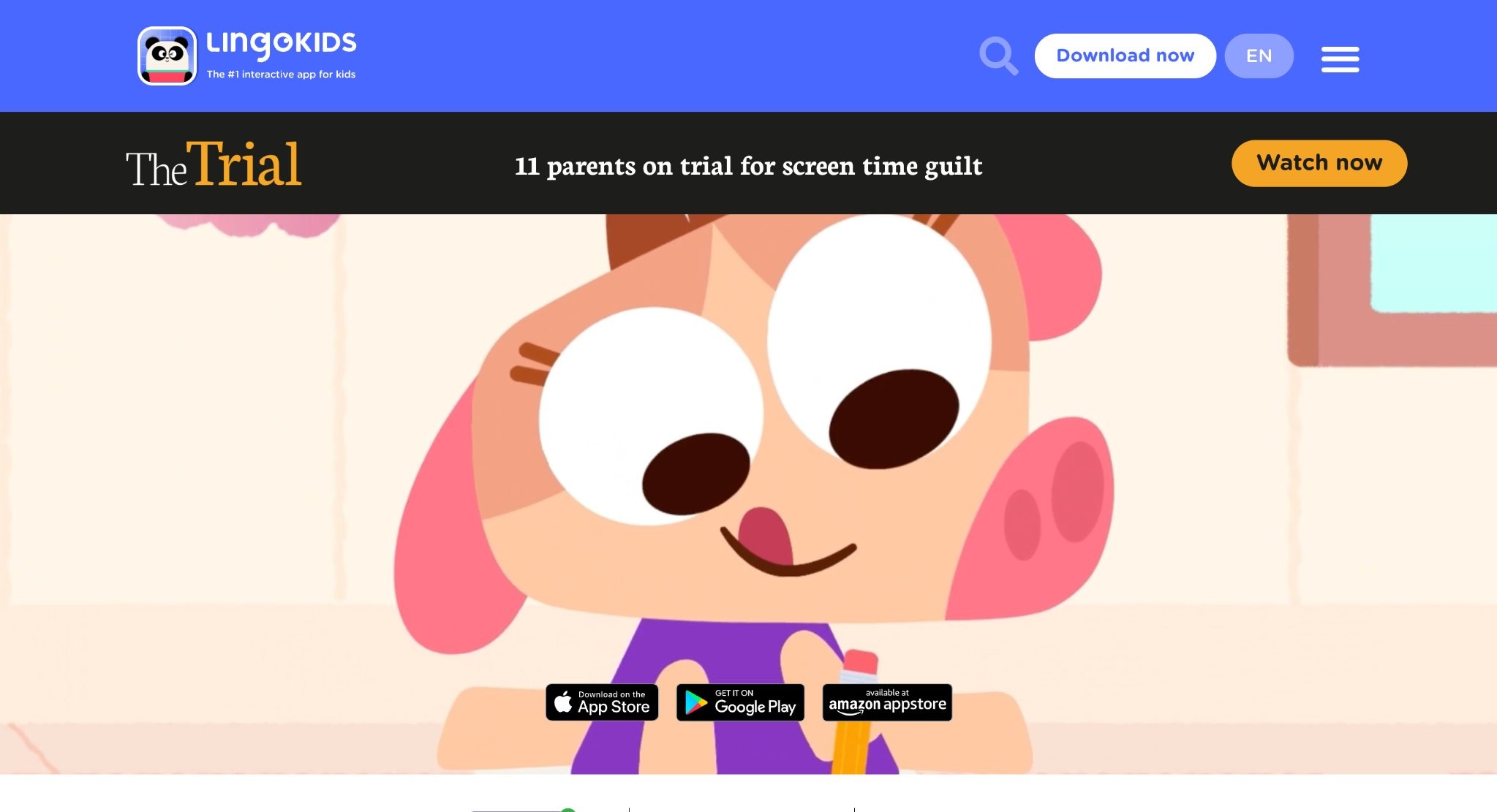
Lingokids blends language development with broader cognitive challenges through catchy songs, interactive stories, and real-life scenarios that spark curiosity in young minds. Children strengthen vocabulary, listening, memory, and problem-solving while exploring topics connected to their everyday world.
The adaptive Playlearning™ system adjusts to each child’s pace, mixing communication practice with gentle thinking exercises that build focus and creativity. Parents notice improved attention and confidence as kids naturally apply new skills in daily conversations. With thousands of activities and bright characters, the platform turns language growth into exciting brain training that feels relevant and fun rather than forced
Key features
- Language-rich games and songs
- Mix of cognitive challenges and real-life topics
- Support for both language and thinking skills
Facts and information
Lingokids makes language growth feel natural while strengthening attention and creativity at the same time.
7. Homer
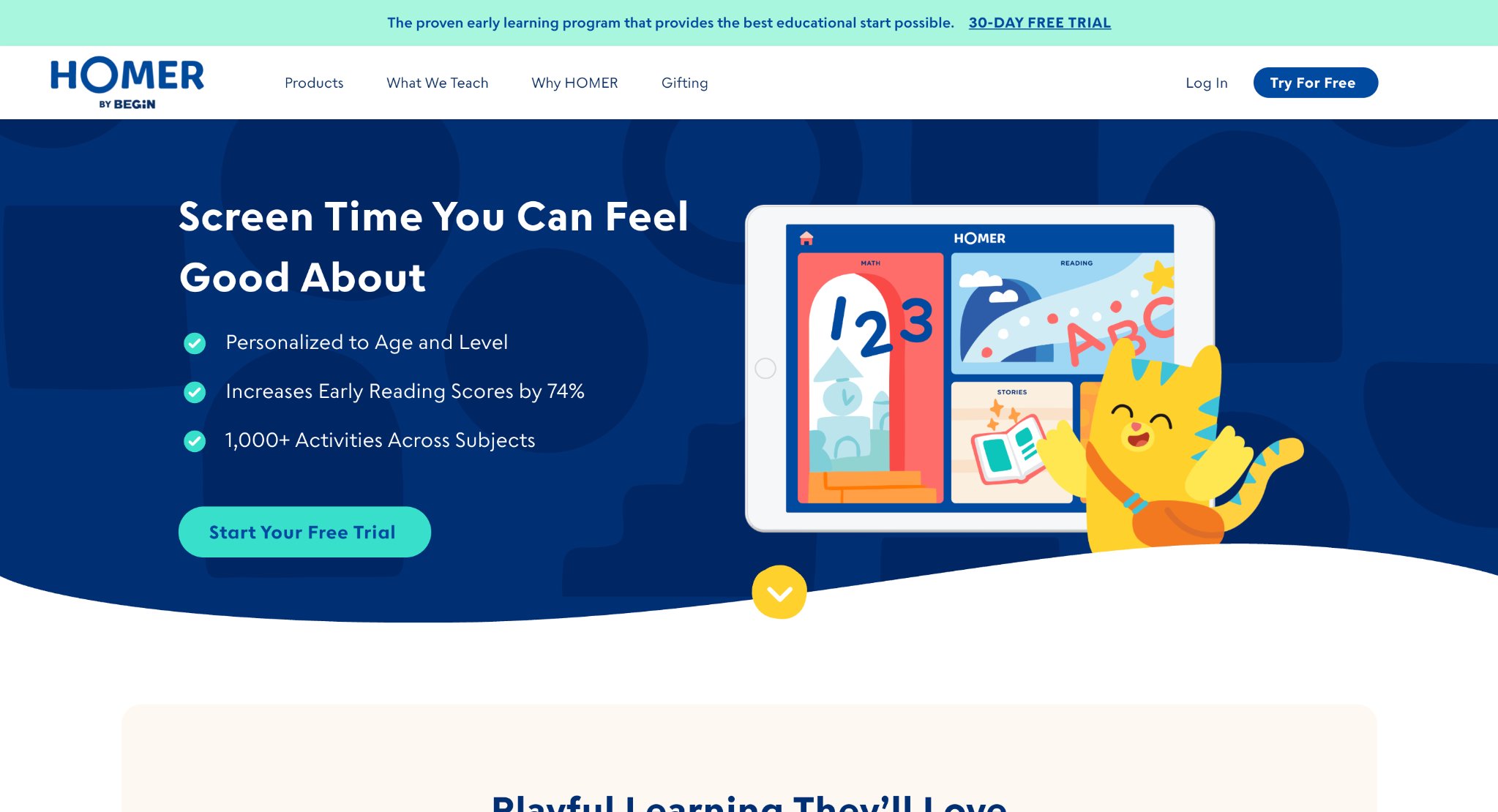
Homer creates personalized learning journeys that nurture early reading, critical thinking, and creativity through interactive stories, games, and creative tasks. The app assesses each child’s level and interests to deliver tailored activities that strengthen memory, comprehension, and problem-solving skills. Children explore letters, sounds, and foundational concepts in a supportive, colorful environment while parents receive helpful progress insights.
This research-informed approach combines proven literacy methods with modern digital storytelling, helping kids develop a genuine love for learning. Families often see steady growth in cognitive abilities and confidence as children build essential brain skills through play that feels both educational and deeply rewarding.
Key features
- Personalized reading and learning path
- Interactive stories and creative tasks
- Strong emphasis on literacy foundations
Facts and information
Homer helps children develop a love of reading while sharpening memory and comprehension skills.
8. Brain Games for Kids App
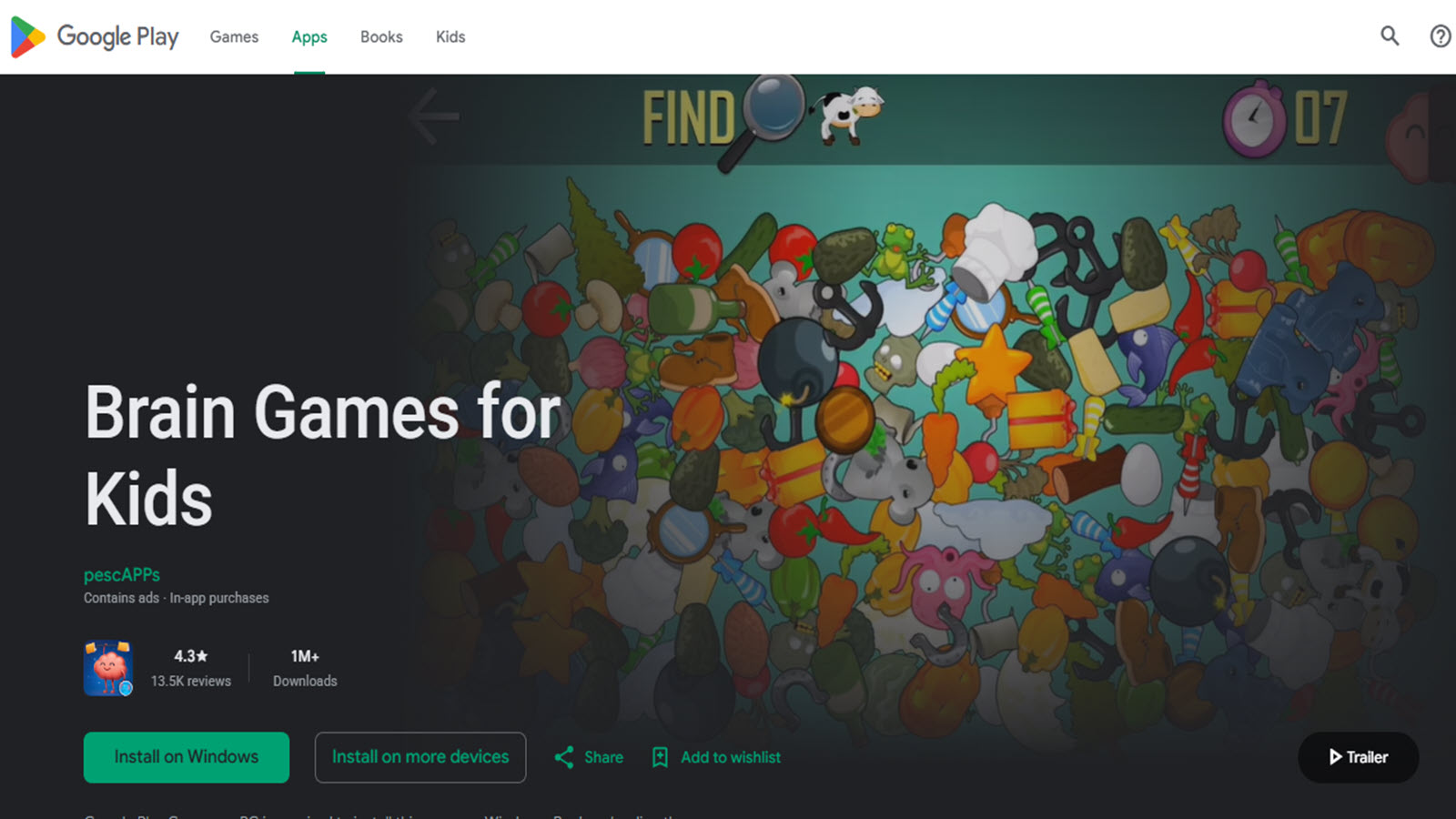
The Brain Games for Kids app delivers a straightforward collection of mini-games designed to sharpen logic, memory, attention, and basic math skills. Simple controls let even young children play independently while immediate feedback keeps motivation high. The clean, no-frills design focuses purely on cognitive practice without unnecessary distractions, making it ideal for targeted brain training.
Adjustable difficulty levels ensure appropriate challenges for different ages and abilities. Parents appreciate the focused approach that strengthens core thinking skills through short, repeatable sessions that fit easily into busy days. Children enjoy the quick rounds and satisfying sense of accomplishment that come with mastering each game.
Key features
- Multiple mini-games for logic and memory
- Adjustable difficulty for different ages
- Clean, focused interface
Facts and information
This app delivers targeted practice that strengthens core thinking skills through short, repeatable sessions.
9. Duolingo ABC
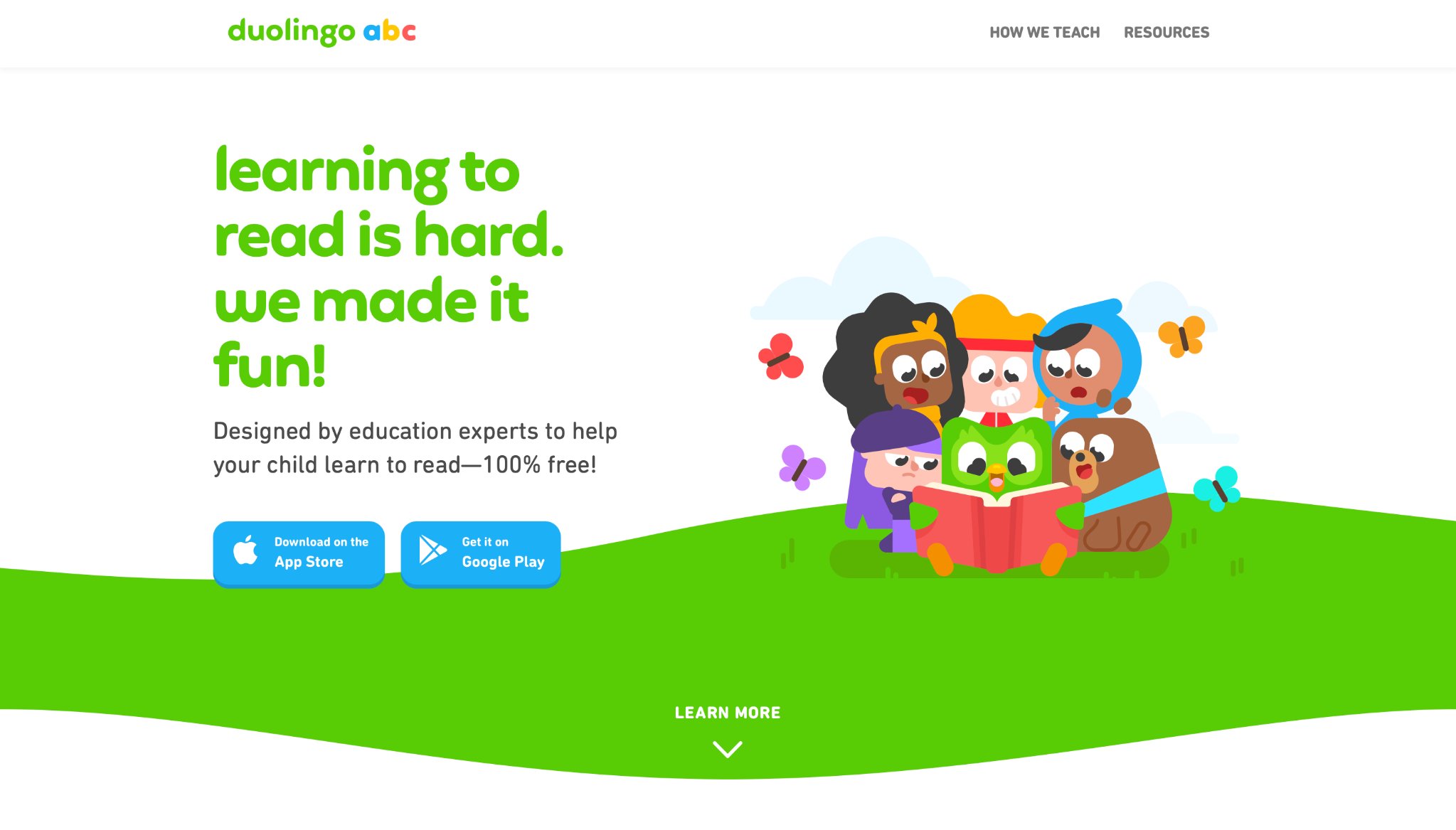
Duolingo ABC transforms early literacy and brain development into bite-sized, game-like adventures that build phonics, letter recognition, and reading confidence. The familiar rewarding style with short daily lessons keeps children motivated while strengthening memory, attention, and logical sequencing. Visual and audio cues support different learning styles as kids progress through engaging stories and activities.
Parents value the free core experience and steady progress that prepares young learners for school success. The structured yet playful format turns foundational skills into joyful challenges that improve focus and cognitive processing without ever feeling like traditional study.
Key features
- Phonics and reading games
- Short daily lessons with rewards
- Friendly character guidance
Facts and information
Duolingo ABC supports early reading skills while keeping playtime light and encouraging.
10. Prodigy Math
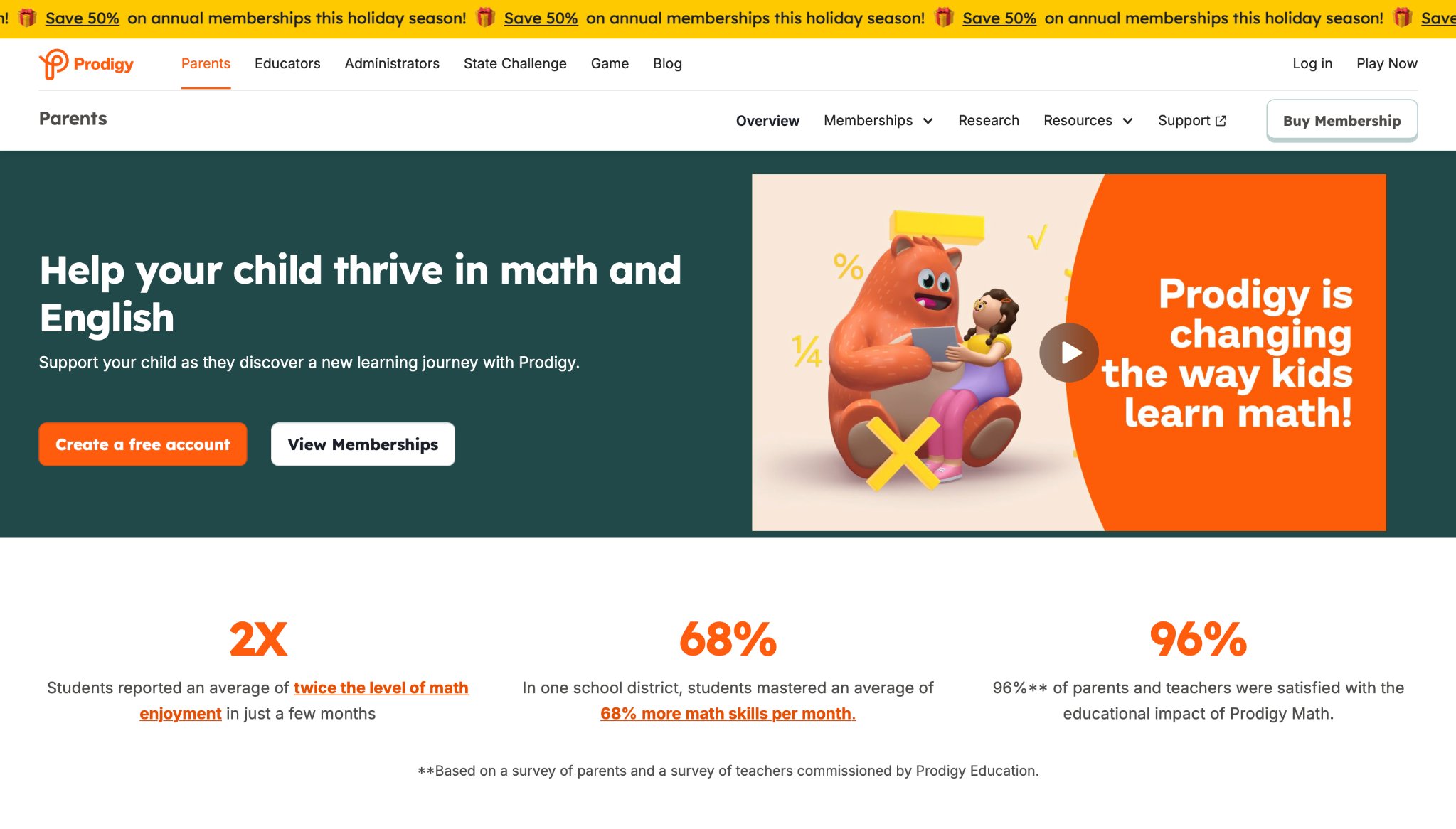
Prodigy Math wraps essential math practice inside an immersive RPG adventure where children solve problems to complete quests and battle in a magical world. The story-driven gameplay makes numbers exciting while building number sense, logical reasoning, and problem-solving skills. Adaptive questions automatically adjust to each child’s level, ensuring appropriate challenge and steady progress.
Kids stay highly engaged through character progression, rewards, and social elements that turn learning into genuine gameplay. Parents often report increased math confidence and enthusiasm as cognitive skills develop naturally during extended play sessions.
Key features
- Adventure-style math challenges
- Adaptive difficulty
- Engaging story and character progression
Facts and information
Prodigy Math helps children build number confidence through gameplay that feels like an exciting journey.
11. Endless Alphabet
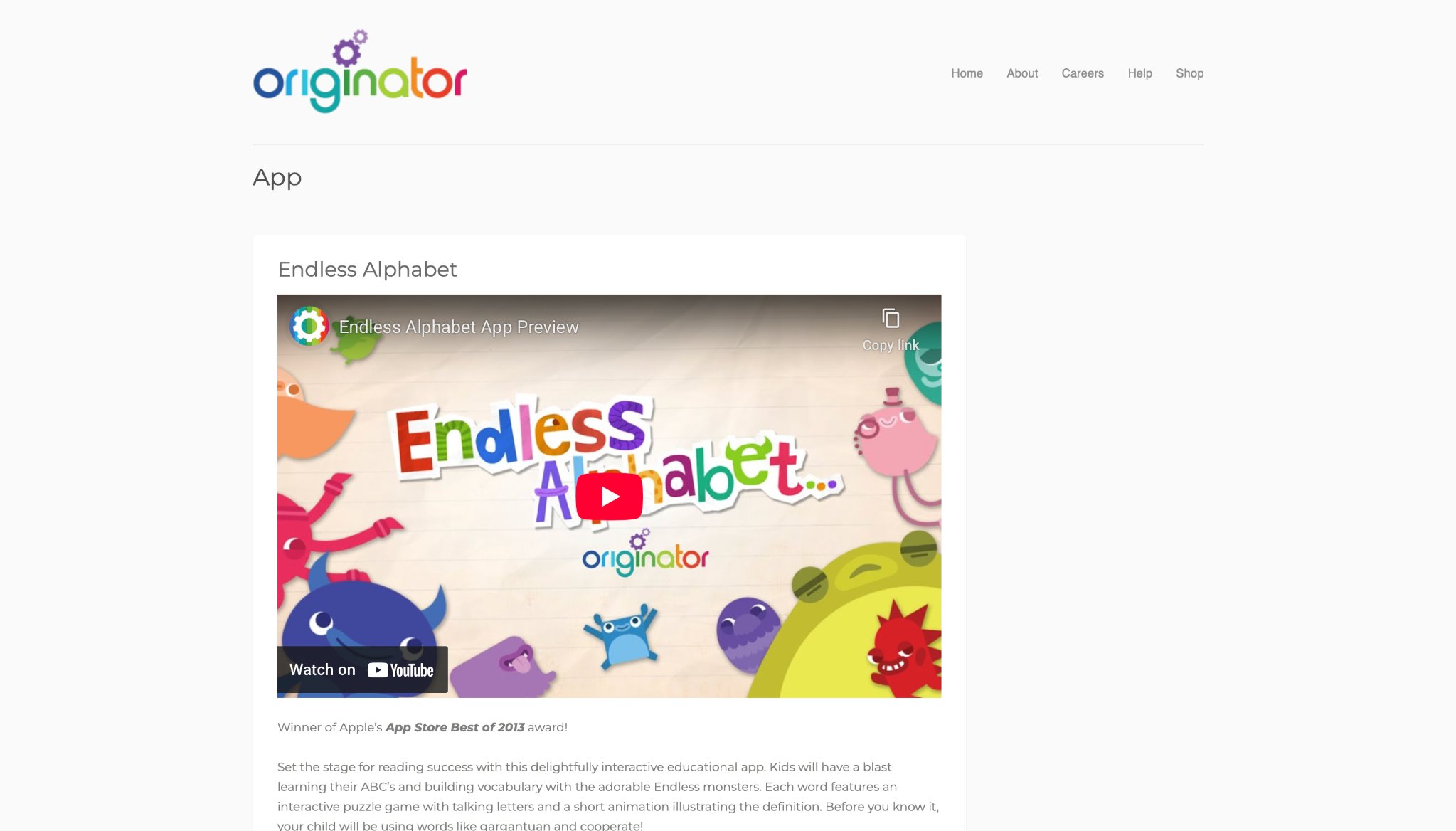
Endless Alphabet turns letter and word exploration into interactive puzzles featuring hilarious monster animations and delightful sound effects. Children drag letters into place while discovering vocabulary and sound patterns through creative scenes that strengthen memory, sequencing, and problem-solving. The humorous approach makes each word memorable and turns language practice into joyful brain training.
Kids love repeating activities because the engaging visuals and clever animations keep them fully absorbed. Parents appreciate how it builds early literacy foundations alongside cognitive skills like focus and spatial reasoning in a format that feels more like entertainment than education.
Key features
- Interactive letter puzzles with animations
- Vocabulary building through word exploration
- Engaging monster characters and sound design
Facts and information
Endless Alphabet strengthens language foundations and problem-solving through hands-on word play that children love repeating.
12. Busy Shapes
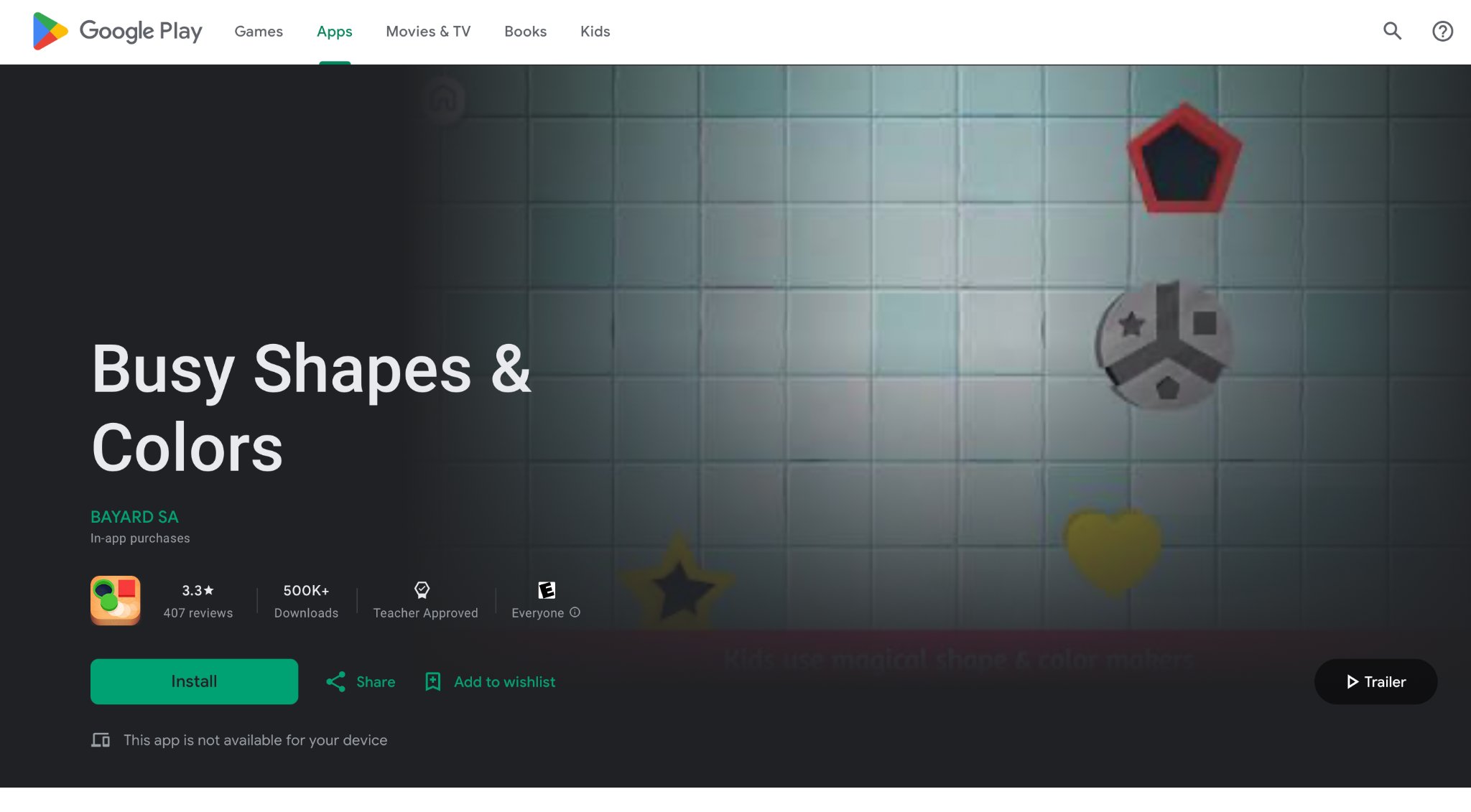
Busy Shapes offers a calm, minimalist experience where children develop spatial reasoning and problem-solving through clever shape-matching puzzles. The clean interface and progressive challenges build visual logic and critical thinking without distractions or timers. Intuitive controls let young minds focus completely on discovering relationships between shapes and spaces.
Parents value its quiet effectiveness in strengthening foundational cognitive abilities that transfer to many other learning areas. The satisfying gameplay encourages persistence and deep concentration while delivering frequent success moments that boost confidence and mental flexibility.
Key features
- Progressive shape and logic puzzles
- Minimalist, distraction-free interface
- Strong emphasis on spatial awareness
Facts and information
Busy Shapes develops critical thinking and visual reasoning through satisfying, hands-on challenges.
13. Prodigy Math
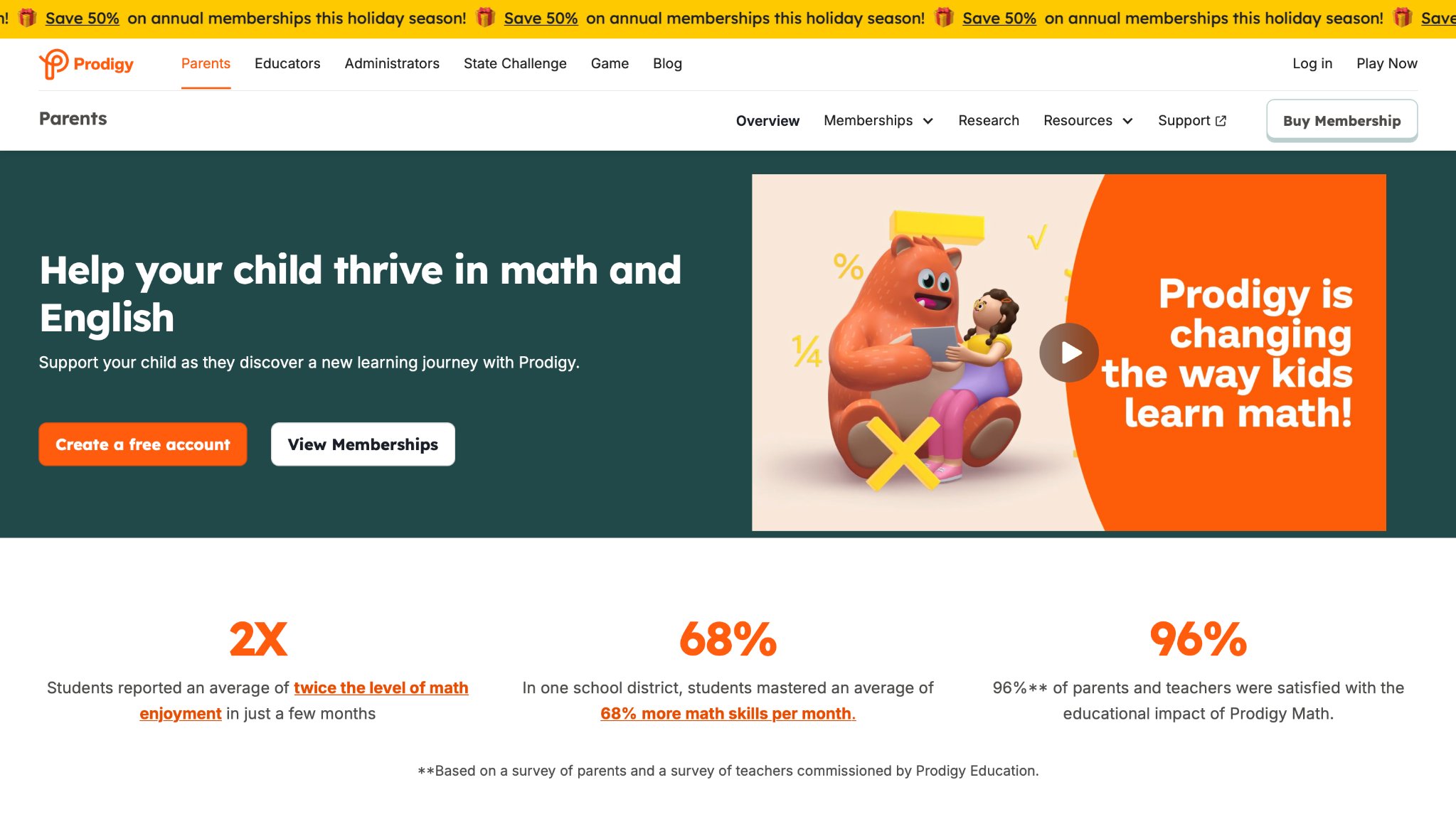
Prodigy Math immerses children in a captivating fantasy world where math skills drive exciting quests, character growth, and epic battles. Adaptive challenges reinforce number operations, logical thinking, and strategic problem-solving while keeping kids motivated through rewards and story progression. The combination of gameplay and curriculum-aligned content creates natural opportunities for cognitive development during extended play.
Families notice improved math confidence and stronger reasoning abilities as children eagerly return to advance their adventures. This engaging format turns potential learning struggles into confident successes through immersive, brain-boosting entertainment.
Key features
- Adventure-style math challenges
- Adaptive difficulty
- Engaging story and character progression
Facts and information
Prodigy Math helps children build number confidence through gameplay that feels like an exciting journey.
14. TinyTap
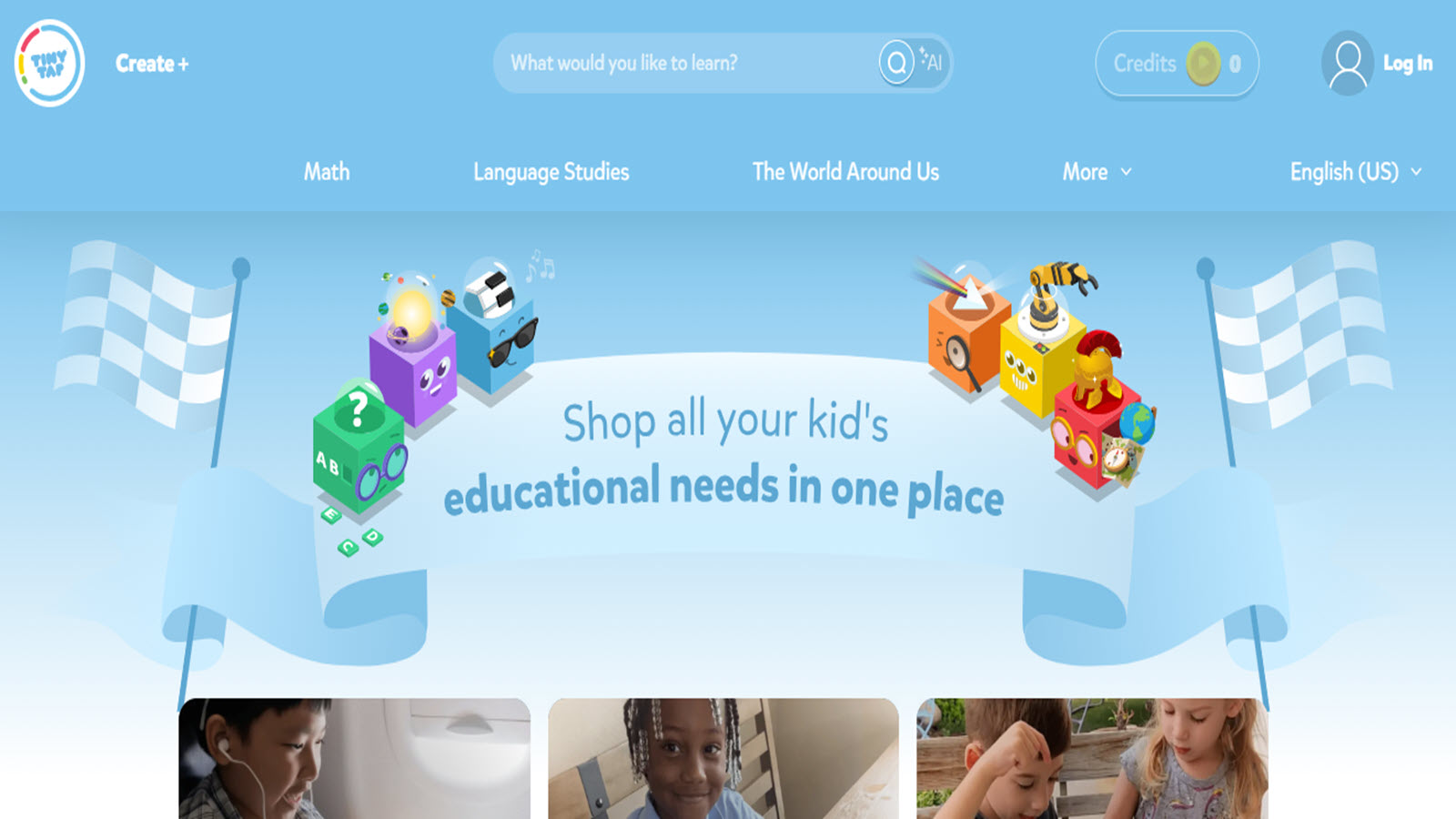
TinyTap empowers children to both play and create interactive educational games and stories, boosting creativity alongside cognitive skills. Thousands of user-generated activities from educators worldwide cover multiple subjects through simple tap-based interactions. Kids strengthen memory, logical thinking, and problem-solving while exploring ready-made content or building their own. The platform encourages active participation and deeper understanding by letting children become creators. Parents love the blend of structured learning and open-ended expression that supports well-rounded brain development in a collaborative, engaging environment.
Key features
- Thousands of user-created educational games
- Tools for children to build their own activities
- Broad subject coverage through interactive stories
Facts and information
TinyTap encourages both consumption and creation of learning content, boosting engagement and deeper understanding.
15. Teach Your Monster to Read
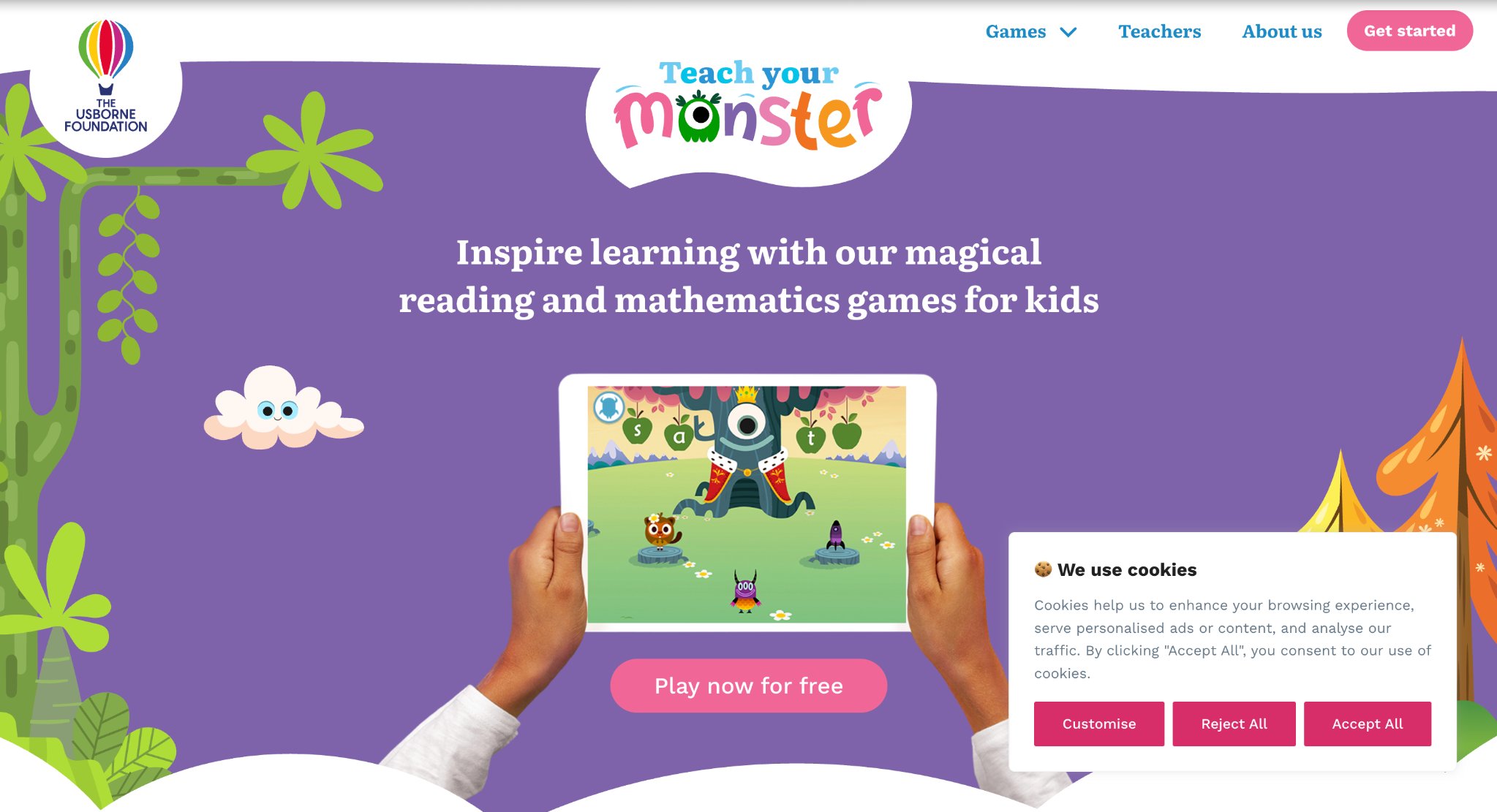
Teach Your Monster to Read guides children through a structured phonics adventure as they train and customize a friendly monster character. The game-based format makes systematic reading instruction feel exciting and rewarding while building decoding, blending, memory, and comprehension skills. Progressive levels and character growth keep motivation high as kids unlock new areas and celebrate milestones. Parents appreciate the clear pathway that develops strong literacy foundations alongside cognitive confidence. Children stay fully engaged through the playful quest that turns essential brain skills for reading into an adventurous journey they genuinely enjoy.
Key features
- Systematic phonics-based reading program
- Adventure game format with character customization
- Focus on decoding, blending, and early comprehension
Facts and information
Teach Your Monster to Read turns essential literacy foundations into an engaging quest that many children complete with growing excitement.
How Brain Development Games Support Cognitive Growth in Young Kids
Brain development games strengthen different parts of the brain by giving children repeated practice in comparing, remembering, and planning. Sorting activities improve focus and attention, while logic puzzles encourage flexible thinking and problem-solving skills. Life-skill games help children connect what they learn to the real world, which makes new ideas stick better.
Practical Ways Parents Can Make the Most of These Games
Set a short daily window for focused play so children look forward to educational games for kids rather than feeling limited. Pair game time with a quick chat about what they learned to reinforce the skills. Rotate between different types of brain training games to keep things interesting and cover a wider range of cognitive abilities.
Many parents also link Fluvsies Academy educational activities with simple real-life follow-ups like sorting toys or naming professions during dinner to extend the benefits.
Balancing Digital Play with Hands-On Experiences
Digital brain development games work best when they complement physical activities like building blocks, outdoor exploration, and creative crafts. The combination gives children both quick feedback from apps and slower, deeper learning from real objects.
A simple routine that mixes both types of play helps young minds develop in balanced ways. Fluvsies Academy games fit easily into this mix because their life-skill focus naturally connects to everyday moments.
Cognitive Skills Developed Through Games
- Focus and Attention: Sorting and matching tasks in the games help children strengthen their concentration. As a result, they can stay focused longer during story time, daily routines, or other learning tasks.
- Logic and Problem-Solving: Through fun puzzles and pattern recognition activities, children develop strong logical thinking skills. This builds their ability to solve problems independently and think critically in everyday situations.
- Language and Vocabulary: Story-based play and profession-themed activities expand children’s vocabulary and language skills. They learn to communicate more clearly while sparking creativity and richer imagination.
- Memory and Recall: Sequence and matching games train memory and recall in an enjoyable way. Children become better at remembering routines, instructions, and important information in their daily lives.
- Creativity and Empathy: Storytelling and role-play activities in the games nurture children’s creativity and emotional understanding. As a result, kids develop more flexible thinking and show kinder, more empathetic interactions with others in their daily lives.
FAQ
What makes brain development games different from regular entertainment apps?
Brain development games include purposeful challenges that target specific skills like logic, memory, attention, and language while still feeling like pure play. Regular entertainment apps often focus only on fun without the guided structure that supports cognitive growth. Brain development games stand out because they were shaped with input from child psychologists, blending active learning with creative play so children build focus and real-world abilities naturally.
At what age should children start playing brain development games?
Most children benefit from starting around age three when they begin showing interest in simple patterns, stories, and sorting activities. Games designed for preschoolers use short sessions and clear visuals to keep young minds engaged without causing frustration. Brain games offer ideal options for ages 3 to 7 with activities that grow alongside the child and support language, logic, and life skills through joyful play.
How can parents tell if a game is truly helping brain development?
Parents can observe clearer improvements in focus, problem-solving, or vocabulary that appear in daily life outside the game. The best games provide variety across multiple skills rather than repeating the same tasks. Families using Fluvsies Academy often notice better attention and growing confidence because the activities offer balanced challenges and visible progress in different areas.
Can brain development games replace other learning activities?
Brain development games work best as one valuable part of a broader routine that also includes reading books, outdoor exploration, and hands-on crafts. They add targeted practice that strengthens skills in a playful way. Combining logic games and language activities with real-life experiences creates stronger and longer-lasting benefits for young learners.
What skills do the best brain development games help develop most effectively?
The best brain development games strengthen focus through sorting and matching tasks while building logic with puzzles and pattern recognition. They also support language growth through stories and creative role-play as well as life skills like routines and mindfulness. The best brain development games for kids particularly excel by integrating comparison, memory, creativity, and real-world connections so children gain confidence across multiple areas at once.
Read Also:
- Best Brain Games for Preschoolers 2026
- Best Educational Computer Games 2026
- Best Early Literacy Games 2026
- Best Reading Readiness Activities 2026
- Best Alphabet Games for Preschoolers Online 2026
Discover the Best Brain Development Games for Kids 2026 - Fluvsies Academy