

Best Life Skills Games for Kids 2026






Parents want screen time that actually prepares children for real life. The best life skills games for kids help little ones practice brushing teeth, exploring professions, and building healthy habits while they laugh and play.
To further support your child’s development, combine practical life skills games with engaging cognitive challenges. Pair real-life role-play activities with the best word games for 6 year olds online to build vocabulary, the best brain games for preschoolers for memory and focus, fun best logic puzzles for kids that sharpen problem-solving, and the best learning games for preschoolers online that make early education both enjoyable and effective.
Discover the Best Life Skills Games for Kids 2026 - Fluvsies Academy
Why Life Skills Games for Kids Are Important

Life skills games for kids help young children build independence, emotional strength, and social confidence through fun, interactive play. Instead of traditional lessons, these games let kids practice daily routines, kindness, problem-solving, and healthy habits in a natural way. Parents often notice big improvements, such as better self-confidence, smoother morning routines, and stronger emotional regulation after consistent play.
The best life skills games for kids in 2026 turn screen time into meaningful growth by combining practical lessons with mindfulness, creativity, and gentle movement. When designed by child development experts, they support the whole child - emotionally, socially, and academically.
Best Life Skills Games for Kids in 2026: What to Look For
Choosing the right games makes a huge difference. Here’s what smart parents prioritize:
- Simple, engaging design: Clear visuals, short activities, and content that adapts as children grow.
- Ad-free & distraction-free: Calm environments that keep young minds focused without pop-ups or ads.
- Gentle progress tracking: Easy-to-understand reports so parents can celebrate wins and offer support.
- Diverse skill categories: Including daily routines, emotions, social skills, healthy habits, professions, and creativity.
- Role-play & movement: Activities that combine thinking with physical play to support both body and brain development.
Many top life skills games for kids also blend beautifully with SEL games for kids and educational games for kids 2026, creating well-rounded experiences that prepare children for school and real life.
Best Life Skills Games for Kids 2026
1. Fluvsies Academy - Best Life Skills Games for Kids 2026
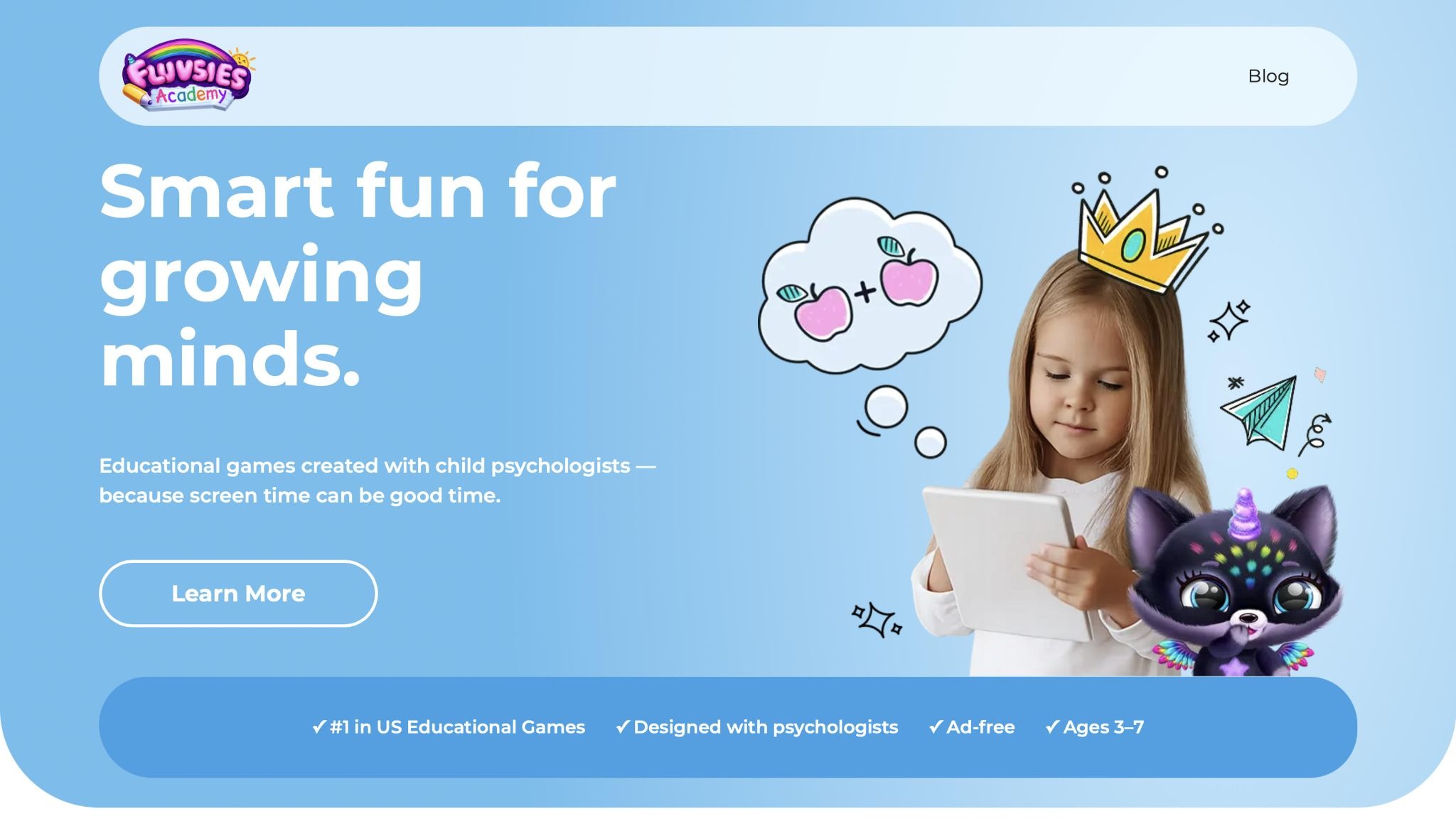
Fluvsies Academy brings together a lively collection of educational games created especially for children ages three to seven. Every activity comes from close work with child psychologists so the play feels natural, safe, and full of discovery. Kids dive into language and phonics exercises that build early reading confidence, number games that make counting exciting, and logic puzzles that sharpen attention and sorting skills.
Life skills sections turn everyday moments into adventures such as a fun teeth brushing challenge or creative tasks that spark imagination. Professions games introduce real world jobs like baker or astronaut and quietly expand vocabulary in the process. Mindfulness moments and kids yoga help little ones learn calm breathing and gentle movement while healthy habit activities reinforce positive routines.
The entire experience stays ad free so children stay immersed without distractions. Parents receive simple progress reports that highlight favorite activities and growing strengths. Free printables add hands on fun that connects digital play with real world practice. The platform works smoothly across devices and keeps content age appropriate with a strong focus on empathy, emotional safety, and joyful independent play.
Fluvsies Academy turns every minute of screen time into purposeful growth that preschoolers love and parents trust.
Discover Fluvsies Academy
Fluvsies Academy is a leading educational app designed for children aged 3–7. It transforms screen time into meaningful learning through fun, interactive games. Developed in collaboration with child psychologists, the app focuses on holistic development.
Key Features
- Ad-free environment for safe play.
- Games covering language, phonics, math, and logic.
- Activities for attention, sorting, and creativity.
- Real-world life skills like healthy habits and mindfulness.
- Exploration of professions to build vocabulary and imagination.
Educational Approach
Fluvsies Academy emphasizes guided play that balances focus, empathy, and emotional safety. It's the first holistic learning app for kids, ranked #1 educational game in the US. Progress reports help track your child's growth. Free printables extend learning beyond the screen.
Benefits for Families
Parents gain peace of mind with expert-backed games.
Kids build confidence, skills, and a love for learning. Ideal for preschoolers seeking joyful education.
Don’t forget to build essential life skills with Fluvsies Academy today.
2. TutoClub
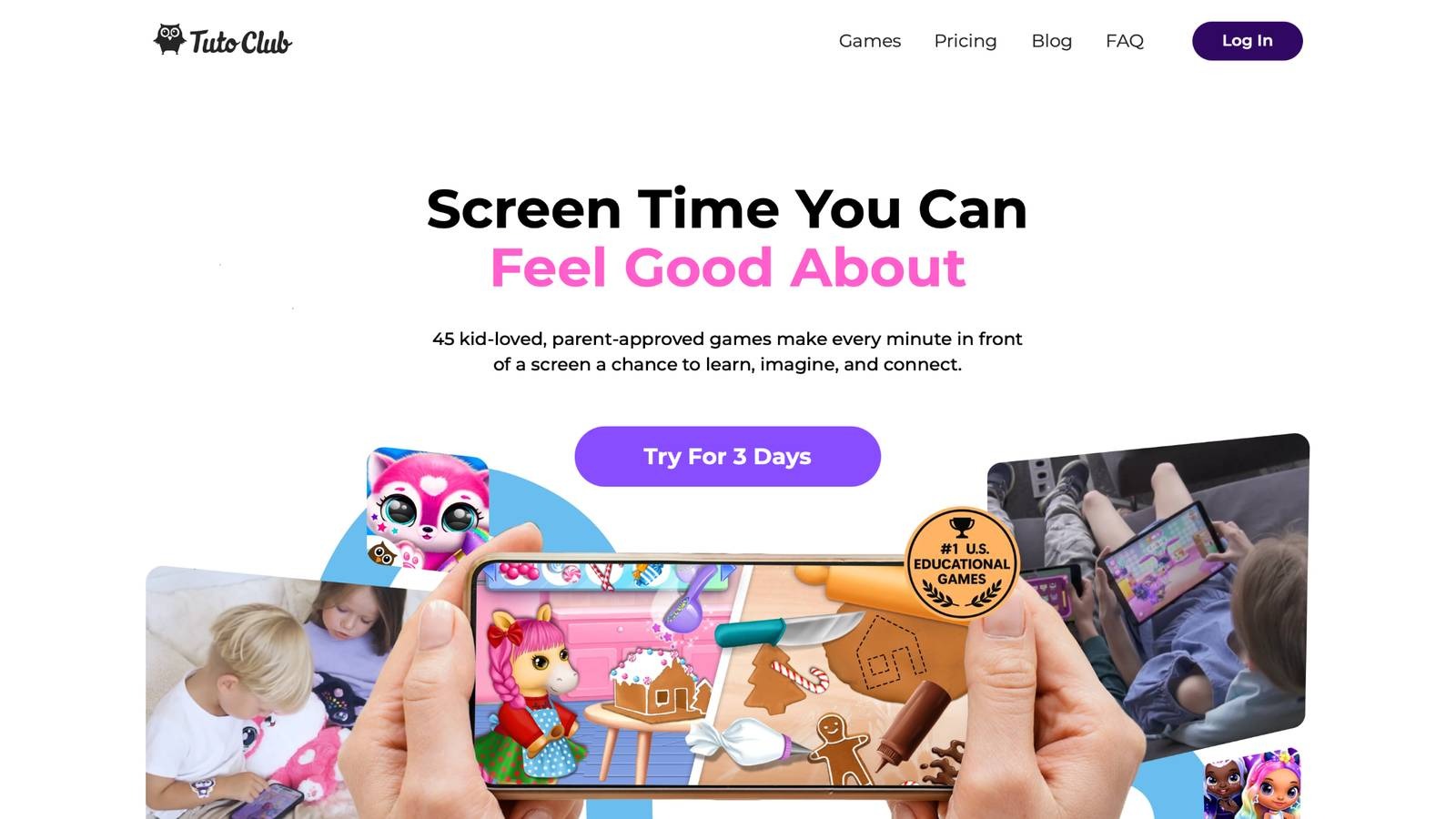
TutoClub offers a delightful collection of educational games specifically designed to transform screen time into meaningful developmental moments for preschoolers. This platform features a wide variety of interactive activities that focus on creativity, emotional intelligence, focus, and essential life skills. Children enjoy caring for virtual pets which gently teaches responsibility and empathy. Cleanup adventures make tidying up fun while building good habits. Styling and fashion games encourage self expression and creativity. The games adapt to each child's interests and provide open ended play that sparks imagination without pressure.
Regular updates keep the content fresh and exciting for returning players. Families appreciate the calm, ad free environment that supports healthy screen time and allows for shared family moments. TutoClub stands out for its thoughtful design that prioritizes social emotional growth alongside cognitive skills. Young learners build confidence as they master challenges and express themselves through play. The experience feels more like joyful exploration than structured lessons. Parents often note increased engagement and positive attitude toward learning activities after using the platform. The character driven stories help preschoolers explore emotions and social situations in safe and supportive ways. Many families find that the variety keeps children coming back and encourages repeat play sessions.
Key features
- Virtual pet care activities that build empathy and responsibility
- Creative styling and cleanup games that teach helpful habits
- Open ended play that encourages imagination and problem solving
- Regular content updates to maintain engagement
- Calm ad free design perfect for young attention spans
Facts and Information
TutoClub creates purposeful play experiences that support creativity, focus, and emotional skills in preschoolers through carefully crafted interactive games.
3. Dr. Panda
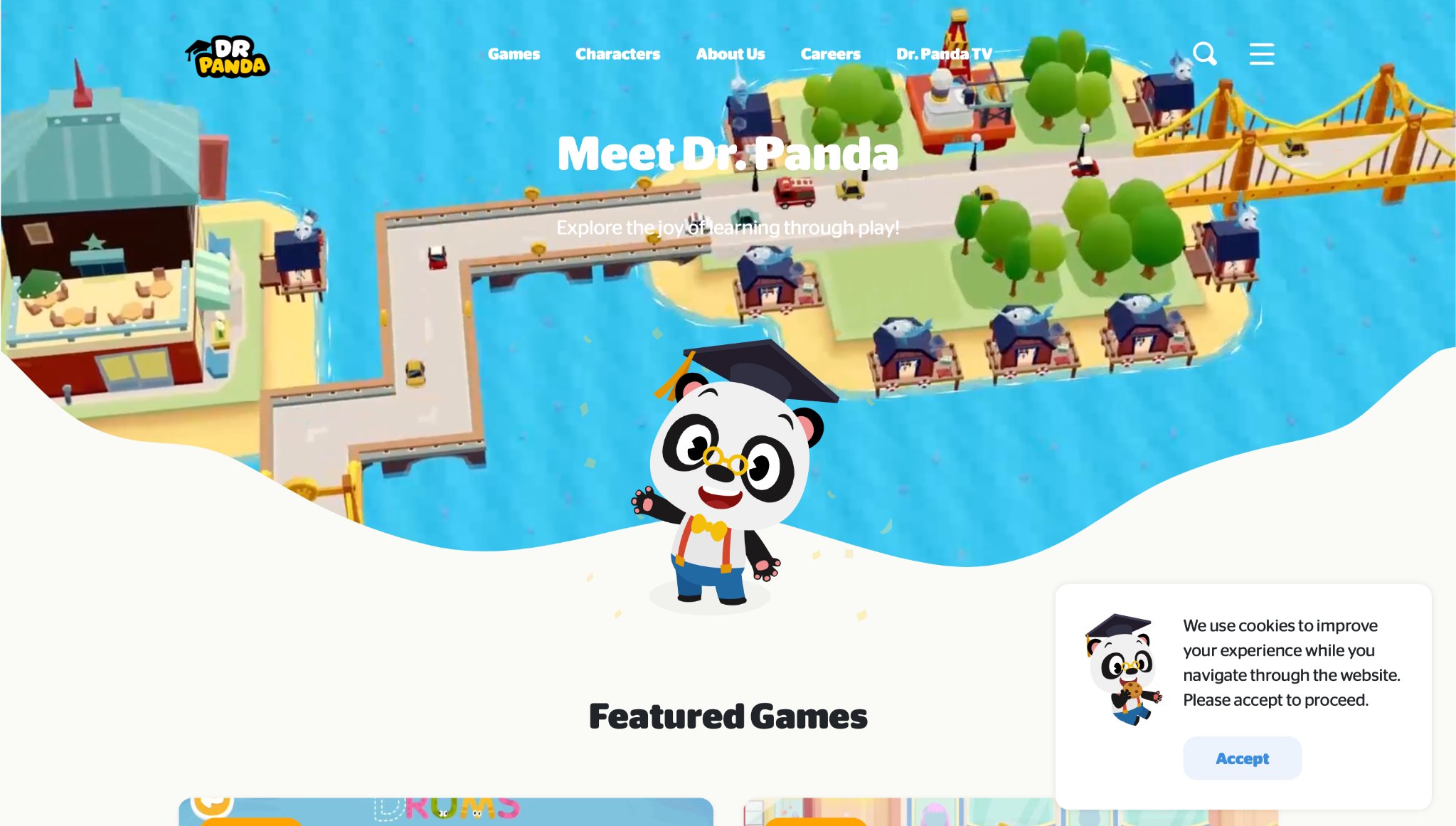
Dr. Panda brings life skills to life through a charming collection of gentle simulation games where kids take on caring roles in relatable everyday scenarios. Children learn responsibility and empathy by looking after adorable animals, managing cozy restaurants, and exploring bustling town life with simple, rewarding tasks. The calm pacing and intuitive gameplay make it ideal for young children to practice routines like cooking, cleaning, and customer service in a pressure-free environment.
Bright colors and friendly characters keep sessions enjoyable while quietly teaching sequencing, decision-making, and basic self-care concepts. Parents appreciate how these wholesome experiences turn screen time into meaningful lessons about helping others and managing daily responsibilities through playful role-play that feels more like real adventures than structured learning..
Key features
- Animal care and restaurant management scenarios
- Everyday town exploration activities
- Role-play opportunities for daily routines
- Gentle pacing suitable for preschoolers
Facts and Information
Dr. Panda creates wholesome interactive experiences that teach through caring and exploration in safe, imaginative worlds.
4. Toca Life World
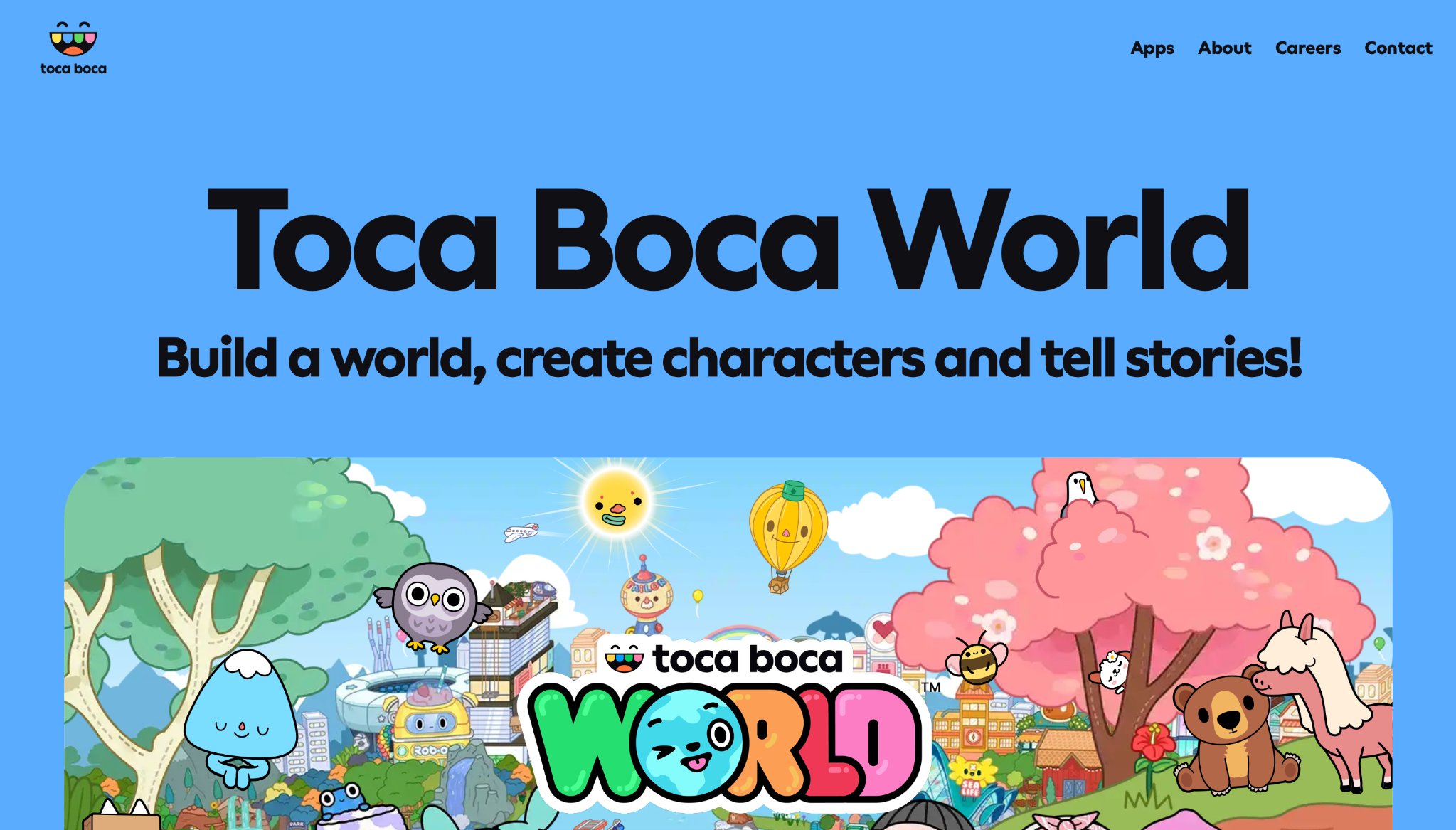
Toca Life World creates an open-ended digital playground where children build their own stories across homes, towns, workplaces, and bustling neighborhoods. Kids freely customize characters, objects, and scenes to act out daily routines, professions, and social interactions at their own pace. The no-rules format sparks creativity while naturally introducing practical understanding of real-life sequences, problem-solving, and emotional awareness through imaginative storytelling.
Simple touch controls and endless possibilities encourage decision-making and flexible thinking without any pressure or failure states. Parents love how this safe, ad-free world supports independent play that mirrors everyday experiences and helps children develop confidence in navigating social situations and personal responsibilities through pure creative freedom.
Key features
- Open-world life simulation environments
- Customizable characters and interactive objects
- Role-play for routines and professions
- Creative storytelling tools
Facts and Information
Toca Life World supports imaginative play that naturally introduces life skills through flexible, story-driven digital worlds.
5. Lingokids
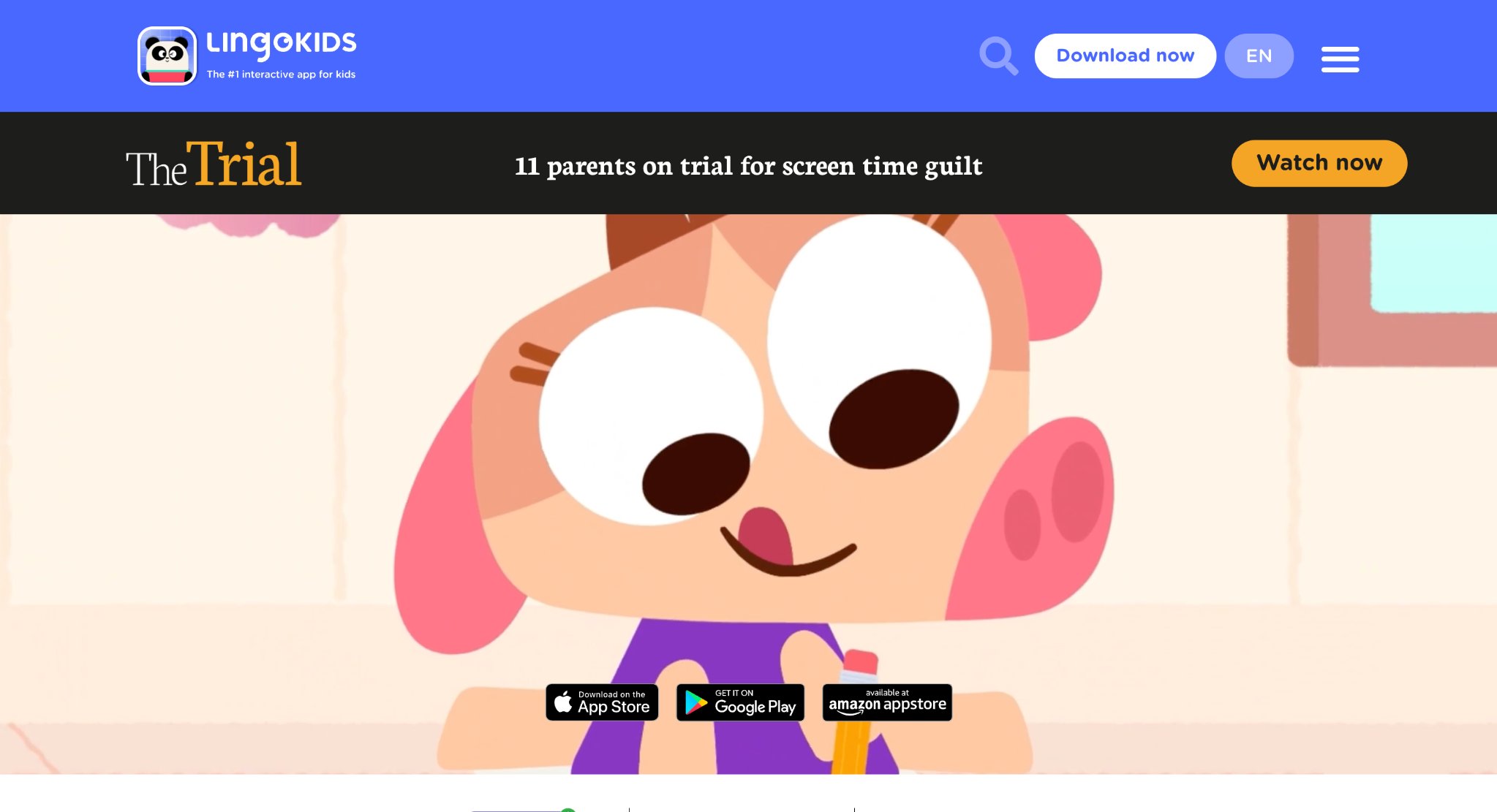
Lingokids seamlessly weaves everyday life skills into language-rich experiences through catchy songs, interactive games, and real-world scenarios that feel instantly familiar to young children. Kids practice communication while exploring practical situations like shopping, helping at home, and sharing with others, making learning feel connected to family routines.
Adaptive activities adjust to each child’s pace, blending vocabulary growth with gentle lessons in empathy, cooperation, and daily decision-making. Short, engaging sessions keep motivation high as children build confidence expressing themselves in meaningful contexts. The platform’s thoughtful mix of structured play and open exploration helps preschoolers develop both language abilities and essential social-emotional tools that translate directly into confident real-world interactions.
Key features
- Real-life themed activities and songs
- Communication practice through daily scenarios
- Adaptive learning that follows the child’s pace
- Interactive stories that feel connected to home
Facts and Information
Lingokids creates language-rich experiences that prepare preschoolers for confident communication and thinking in real-world settings.
6. ABCmouse
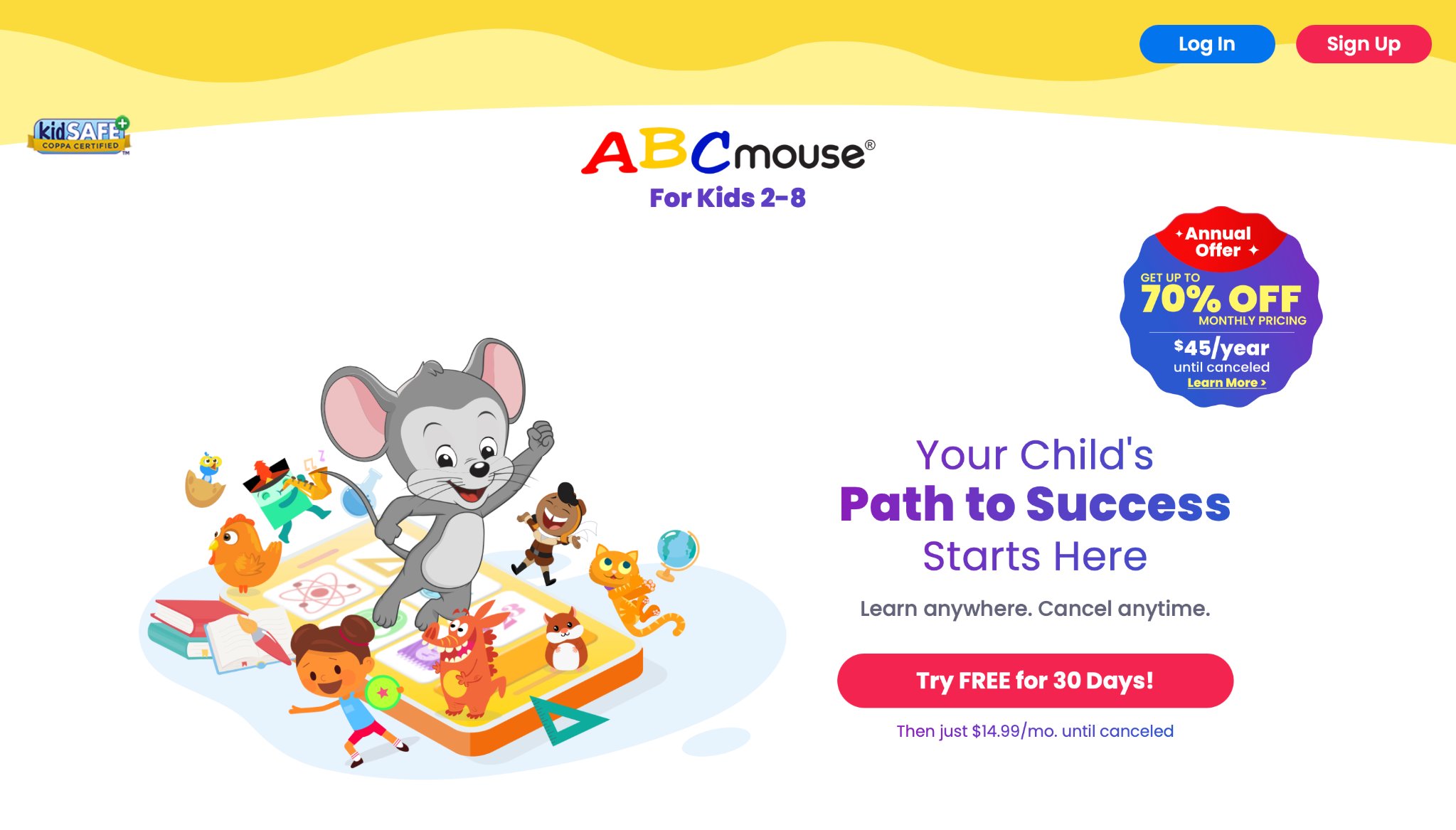
ABCmouse provides a comprehensive early learning environment packed with hundreds of interactive games, books, songs, and puzzles created for children ages two to eight. The platform delivers structured yet flexible learning paths covering reading, mathematics, science, art, and more with natural life skills woven throughout character interactions and daily scenarios. Kids progress through levels with voice-guided instructions that make activities feel personal and supportive. Rewarding achievements keeps motivation high while a virtual classroom setting adds familiarity. Pet care zones bring extra charm and opportunities to learn responsibility in a gentle way.
The rich multimedia mix of animations, music, and hands-on tasks ensures sessions stay lively and varied. ABCmouse grows with the child offering content that starts with basic concepts and advances naturally as skills develop. Parents value the broad curriculum that prepares preschoolers for school success while keeping learning enjoyable. The platform combines academic foundations with creative expression for well-rounded development. Children explore at their own pace in a bright and friendly space that feels inviting from the first click.
Key features
- Personalized learning paths with immediate feedback
- Extensive library of books, songs, and puzzles
- Virtual classroom and reward system
- Coverage of reading, math, science, and art
- Age-appropriate progression from basics to advanced concepts
Facts and Information
ABCmouse builds a complete early learning academy that combines academic skills with creative play in one engaging platform.
7. Khan Academy Kids
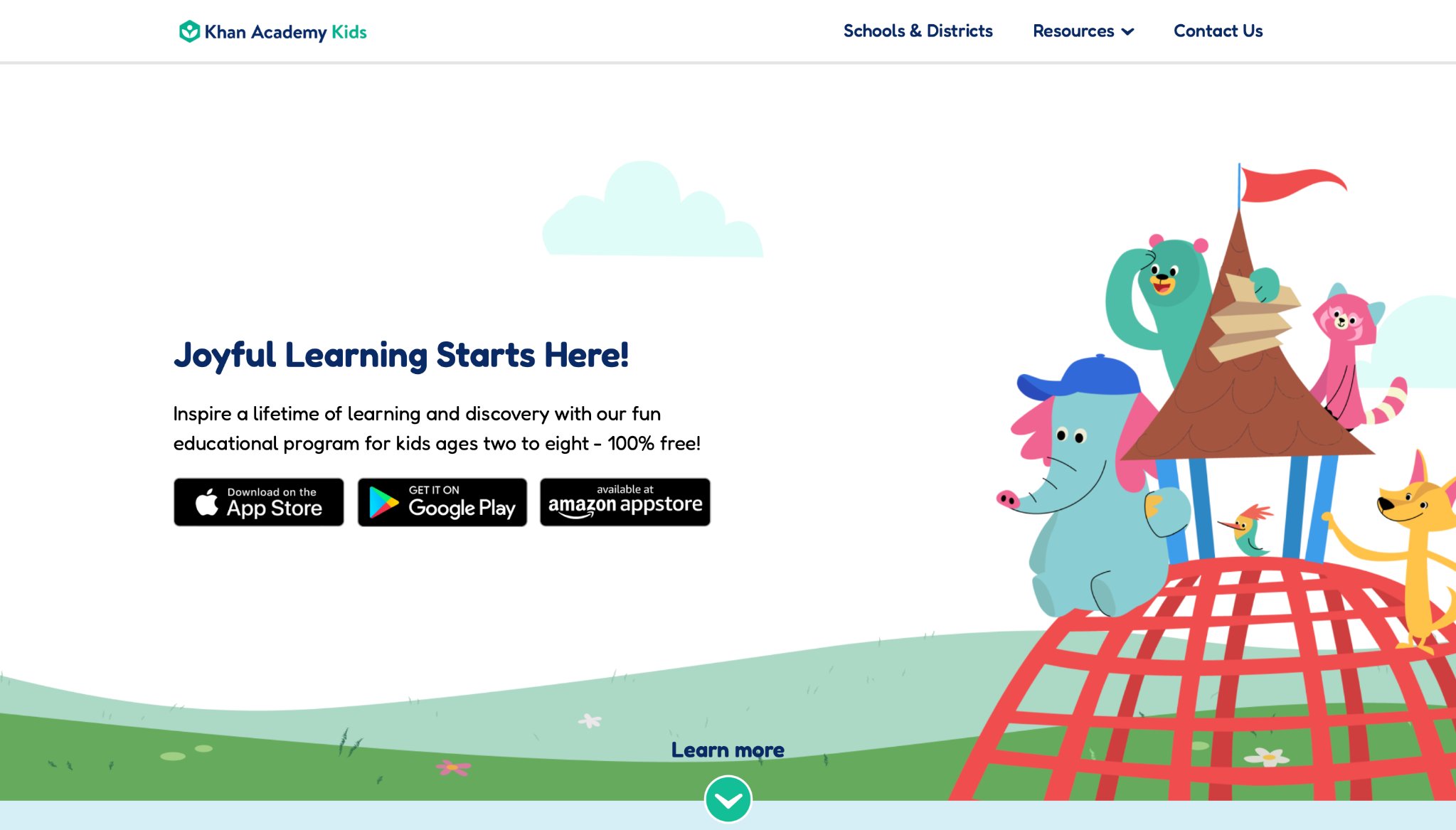
Khan Academy Kids delivers a completely free library of games, books, videos, and activities focused on literacy, math, logic, creativity, and social-emotional learning for ages two to eight. Character-driven adventures make concepts approachable and fun while including simple life routines and emotional check-ins. The platform uses adaptive technology so challenges adjust automatically to match each child's current level. Emphasis on curiosity and kindness creates a supportive learning atmosphere. Parents love the ad-free experience and high-quality content aligned with early childhood standards.
Sessions blend story time with interactive practice that feels natural. Children build confidence through mastery of skills at their own pace. The balanced approach nurtures both knowledge and emotional growth. Khan Academy Kids serves as an excellent daily resource that introduces foundational concepts without overwhelming young learners. The easy navigation helps little ones explore independently while parents feel confident about the educational value.
Key features
- Character-based stories and adventures
- Adaptive learning that matches individual pace
- Free access with no advertisements
- Balanced coverage of academic and emotional skills
- Easy navigation designed for little users
Facts and Information
Khan Academy Kids offers high-quality free educational experiences that foster both intellectual and emotional development in preschoolers.
8. Sesame Workshop Games
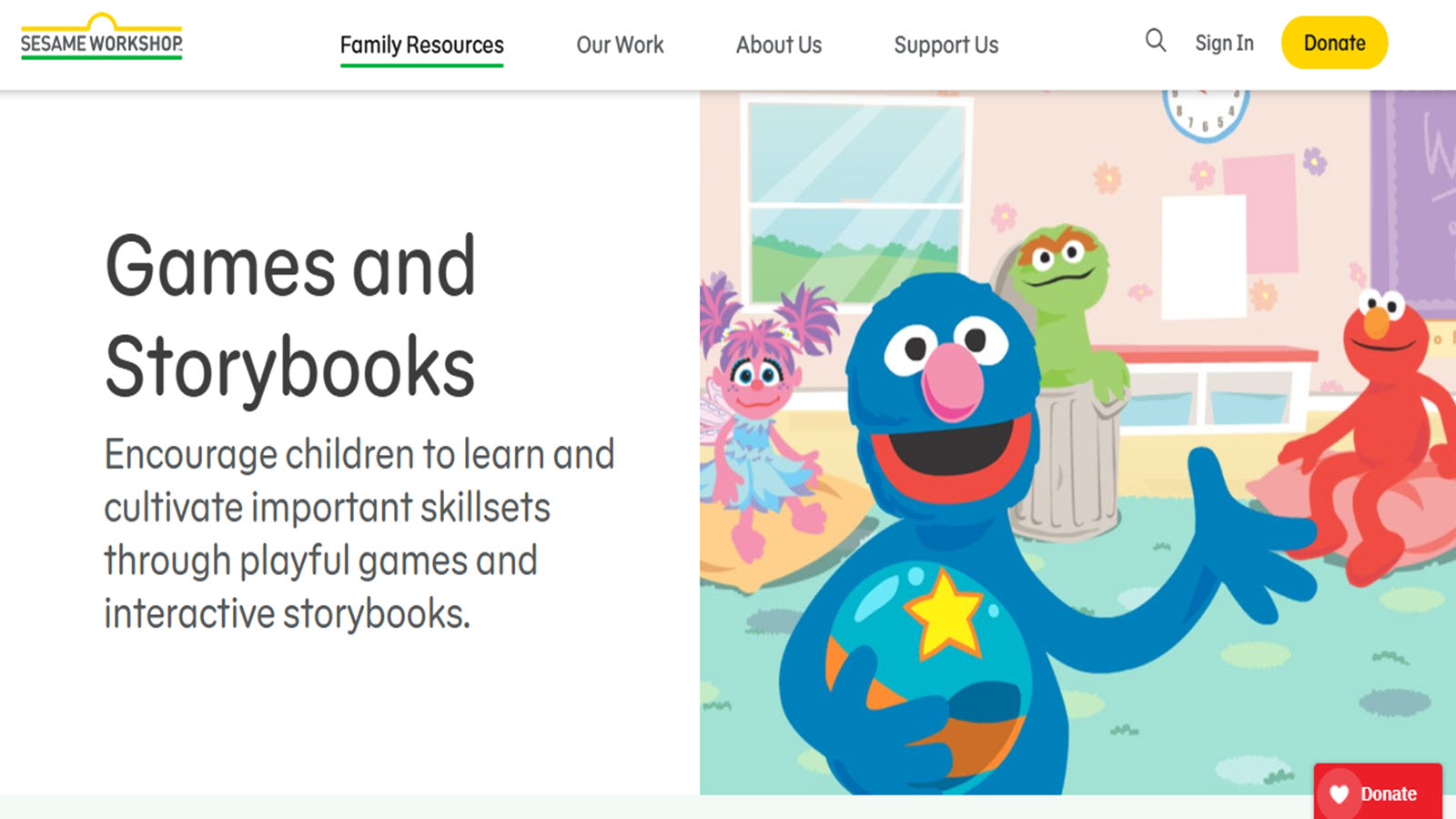
Sesame Workshop Games features beloved characters like Elmo and Big Bird guiding children through joyful activities that blend literacy, math, and social-emotional growth with relatable everyday routines. Kids explore concepts like sharing, helping others, and simple chores through games, songs, and videos that feel like spending time with trusted friends. The familiar faces make lessons in kindness, cooperation, and emotional awareness instantly engaging and comforting.
Thoughtful scenarios mirror real-life moments, helping young children build confidence, curiosity, and practical understanding of how to navigate social situations. Families appreciate the trusted educational approach that turns screen time into meaningful moments of growth while keeping the experience light-hearted and fun.
Key features
- Iconic characters guiding the learning
- Coverage of academic and emotional skills
- Mix of games, songs, and videos
- Relatable scenarios for preschoolers
- Trusted educational approach
Facts and Information
Sesame Workshop delivers character-rich games that support comprehensive early development through familiar and loving play.
9. PBS Kids Games
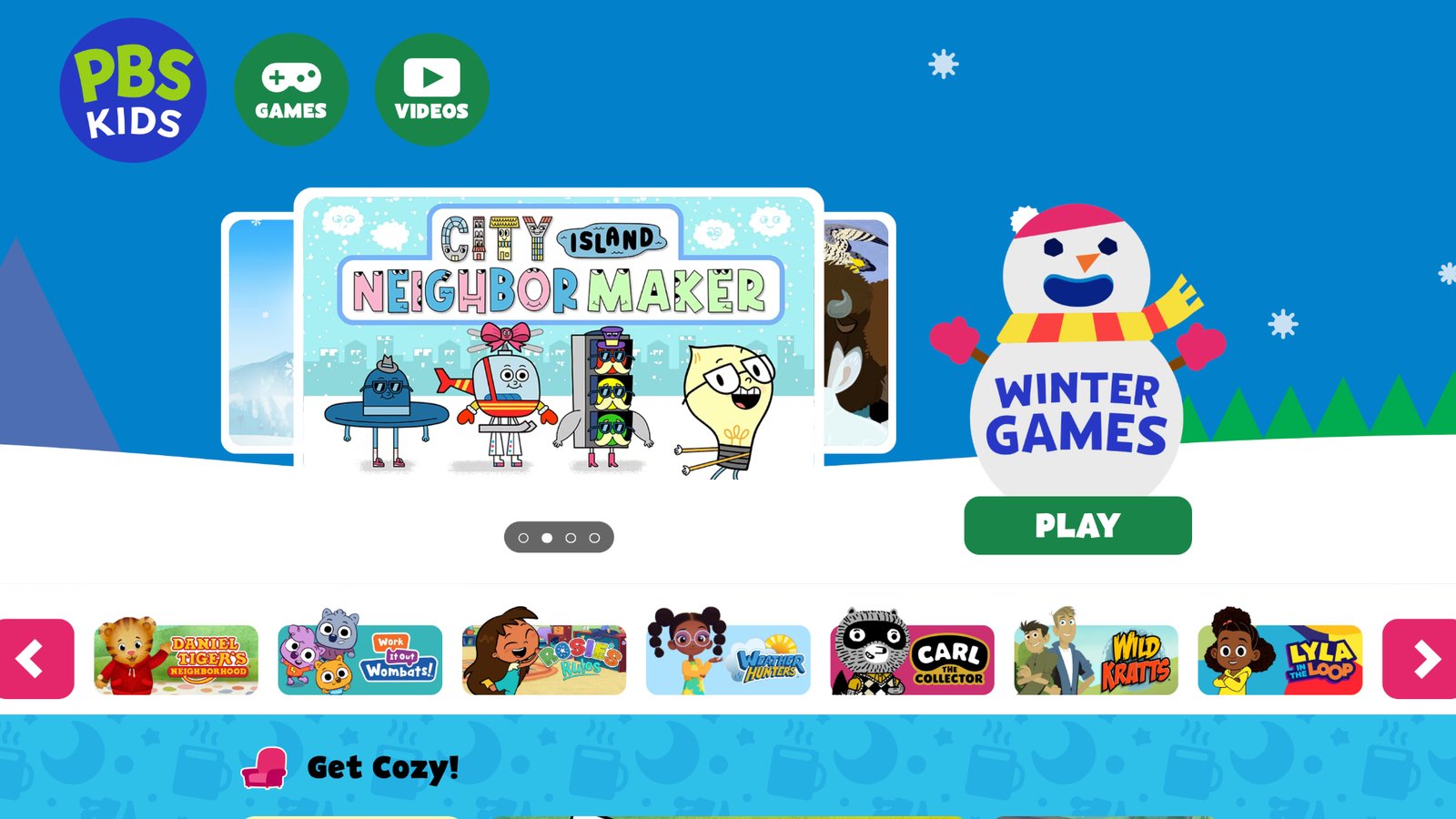
PBS Kids Games bring familiar characters from popular shows into literacy, math, science, and social skills activities. Story-driven play reinforces values and gentle pacing that matches preschool attention spans while including simple life lessons like cooperation and daily tasks. The free collection feels comforting and familiar while teaching core concepts. Parents like the strong emphasis on kindness and emotional awareness alongside academics.
Each game ties back to beloved series so children stay excited to return. The platform creates safe spaces where preschoolers learn through stories and play they already love. Interactive elements encourage participation and repeat engagement. Families often choose PBS Kids Games for the trusted brand and positive messaging that supports whole-child development.
Key features
- Character-based stories that build connections
- Balanced mix of learning and social-emotional focus
- Free access with no ads interrupting play
- Gentle pacing suitable for preschool attention
- Ties to popular educational television shows
Facts and Information
PBS Kids Games create safe spaces where preschoolers learn through stories and play they already love.
10. GoNoodle
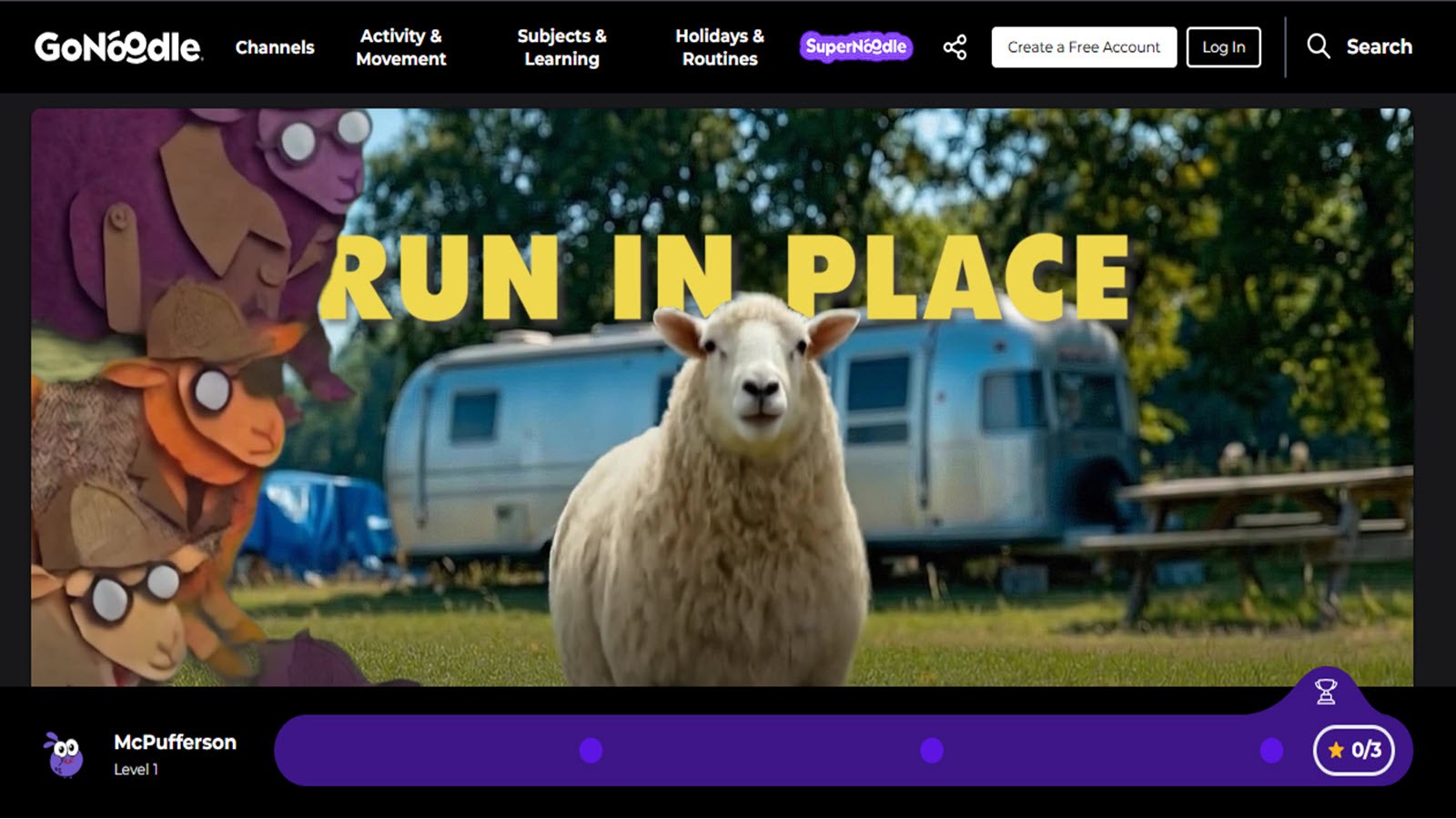
GoNoodle transforms movement into engaging life skills practice through energetic videos and games led by colorful characters. Children follow along with dance, yoga, and mindfulness activities that teach focus, energy management, and positive habits in a way that feels exciting rather than instructional. Short sessions help kids release pent-up energy, practice calm-down techniques, and build routines that support emotional balance and classroom readiness.
The platform connects physical activity with emotional check-ins, making it easy for families to incorporate healthy habits into daily life. Parents often notice quick improvements in self-regulation and enthusiasm as children eagerly return to these fun, character-driven experiences that make wellness feel playful and rewarding.
Key features
- Short movement and mindfulness videos
- Character-led activities for different moods
- Tools for teachers and parents to guide sessions
- Focus on energy release and calm-down strategies
Facts and Information
GoNoodle makes life skills active and fun, helping children connect body movement with emotional awareness and healthy habits.
11. Moshi Kids
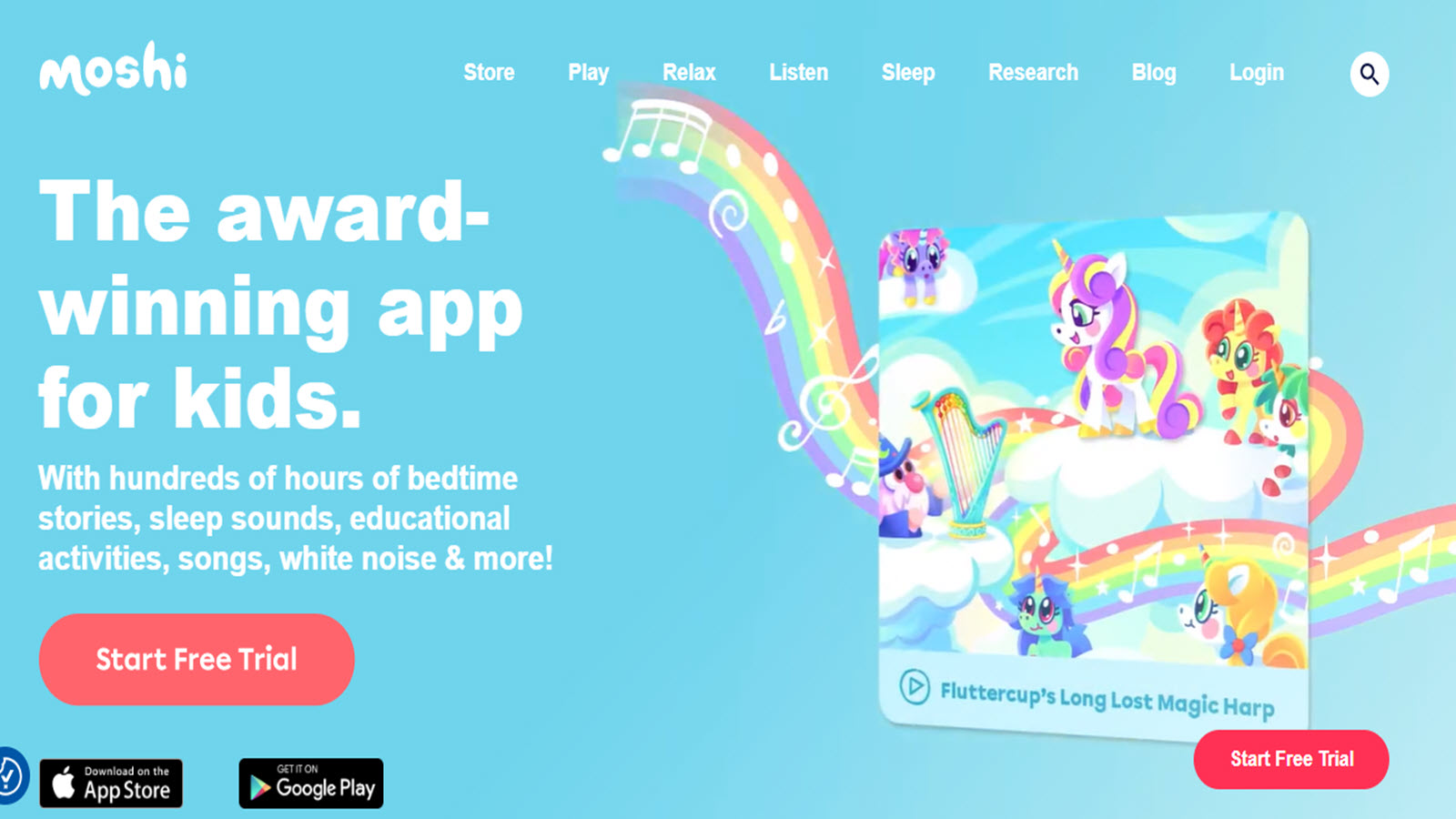
Moshi Kids creates peaceful moments with original sleep stories, meditations, and soothing soundscapes that gently model kindness, bravery, and calm thinking. Children listen to magical tales featuring friendly characters while building healthy bedtime routines and emotional balance. The gentle audio experiences help little ones wind down while absorbing positive messages about self-care and emotional comfort that carry into daytime interactions.
Thoughtful design supports relaxation without screens after the story begins, making it an ideal wind-down tool. Families value how these calming activities nurture emotional awareness and healthy habits in a soft, magical way that feels more like a comforting bedtime ritual than traditional learning.
Key features
- Original sleep stories and meditations
- Soothing soundscapes and music
- Age-appropriate mindfulness content
- Tools for building healthy sleep habits
Facts and Information
Moshi Kids provides gentle audio experiences that nurture relaxation and emotional comfort as part of daily life skills.
12. Avokiddo
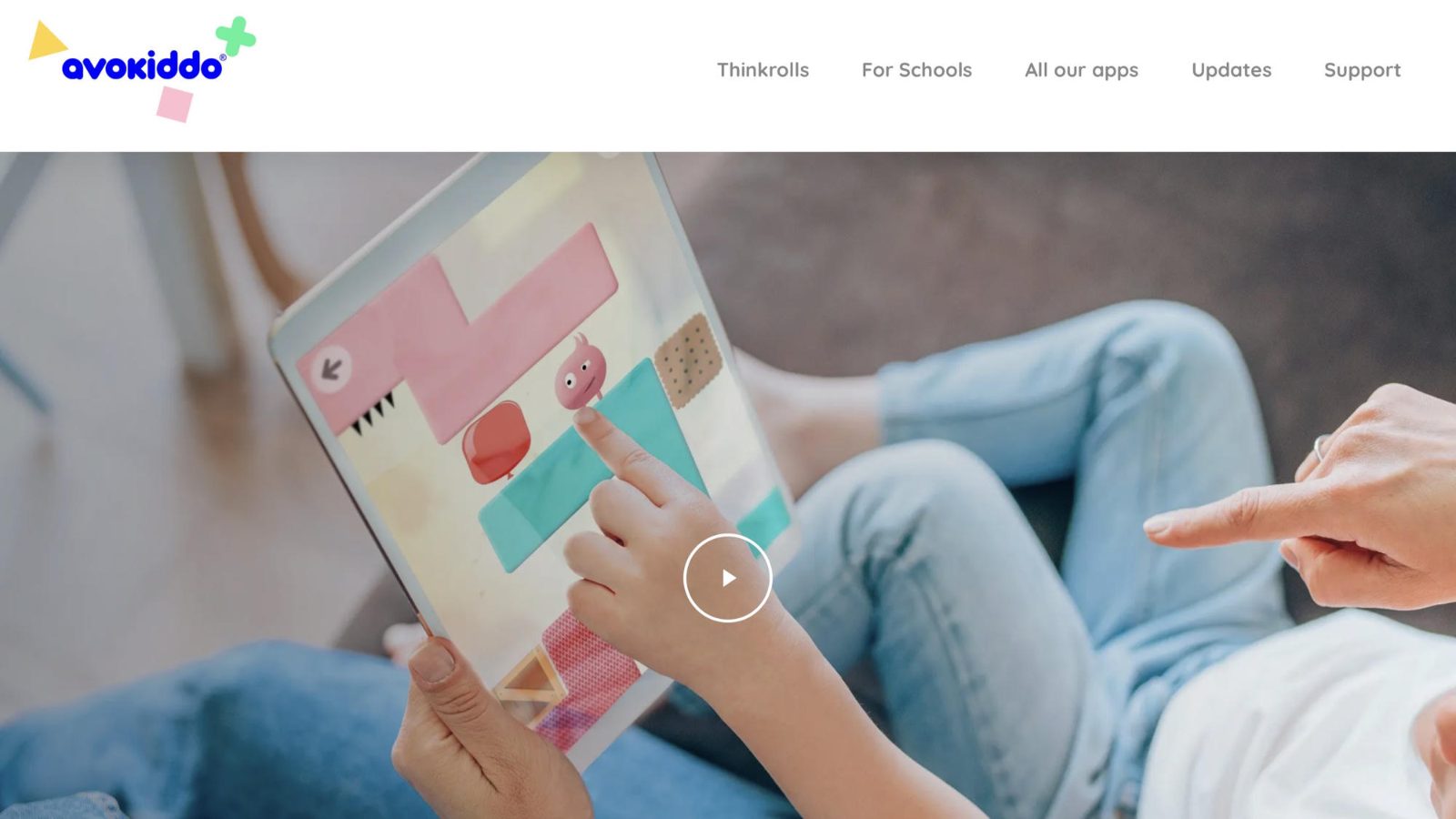
Avokiddo helps children explore emotions and social situations through playful, interactive characters and silly props in open-ended activities. Kids mix facial expressions to see how feelings change and practice recognizing emotions in light-hearted scenarios that build empathy and communication skills. The simple, creative format teaches cause-and-effect in social contexts while keeping sessions fun and low-pressure.
Bright visuals and intuitive gameplay encourage repeated exploration, helping preschoolers gain confidence understanding their own feelings and those of others. Parents appreciate how this visual approach makes abstract emotional concepts concrete and approachable, turning screen time into meaningful practice for everyday interactions and relationship-building.
Key features
- Interactive face and emotion mixing
- Silly characters with props
- Focus on understanding facial expressions
- Cause-and-effect social activities
Facts and Information
Avokiddo makes learning about feelings and social skills visual and fun for young explorers.
13. HOMER
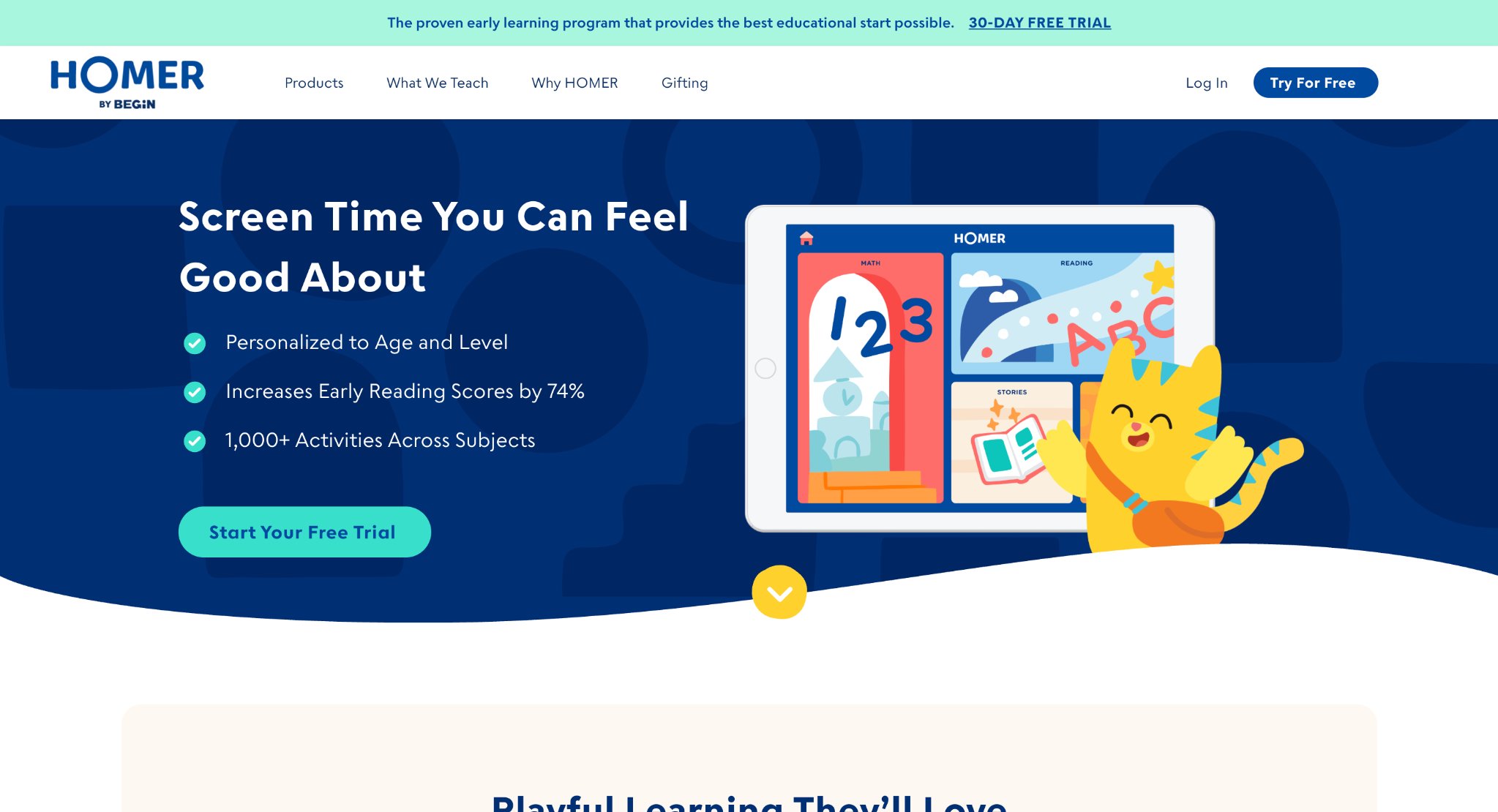
HOMER crafts personalized learning paths that naturally incorporate life skills alongside early reading and math foundations. The platform assesses each child’s level and adapts interactive stories, games, and activities to include practical elements like routines and decision-making in a colorful, supportive environment.
Children explore letters, sounds, numbers, and everyday scenarios while parents receive clear progress insights that highlight growth. This research-informed approach combines proven methods with modern digital delivery, making independent play both educational and enjoyable. Families often see steady development in pre-reading abilities alongside growing confidence in daily responsibilities through experiences that feel tailored and encouraging.
Key features
- Personalized paths based on child assessment
- Focus on reading and math foundations with life skills
- Interactive stories and games
- Progress insights for parents
- Supportive and colorful design
Facts and Information
HOMER delivers tailored early learning experiences that adapt to each preschooler’s unique pace and interests.
14. SplashLearn
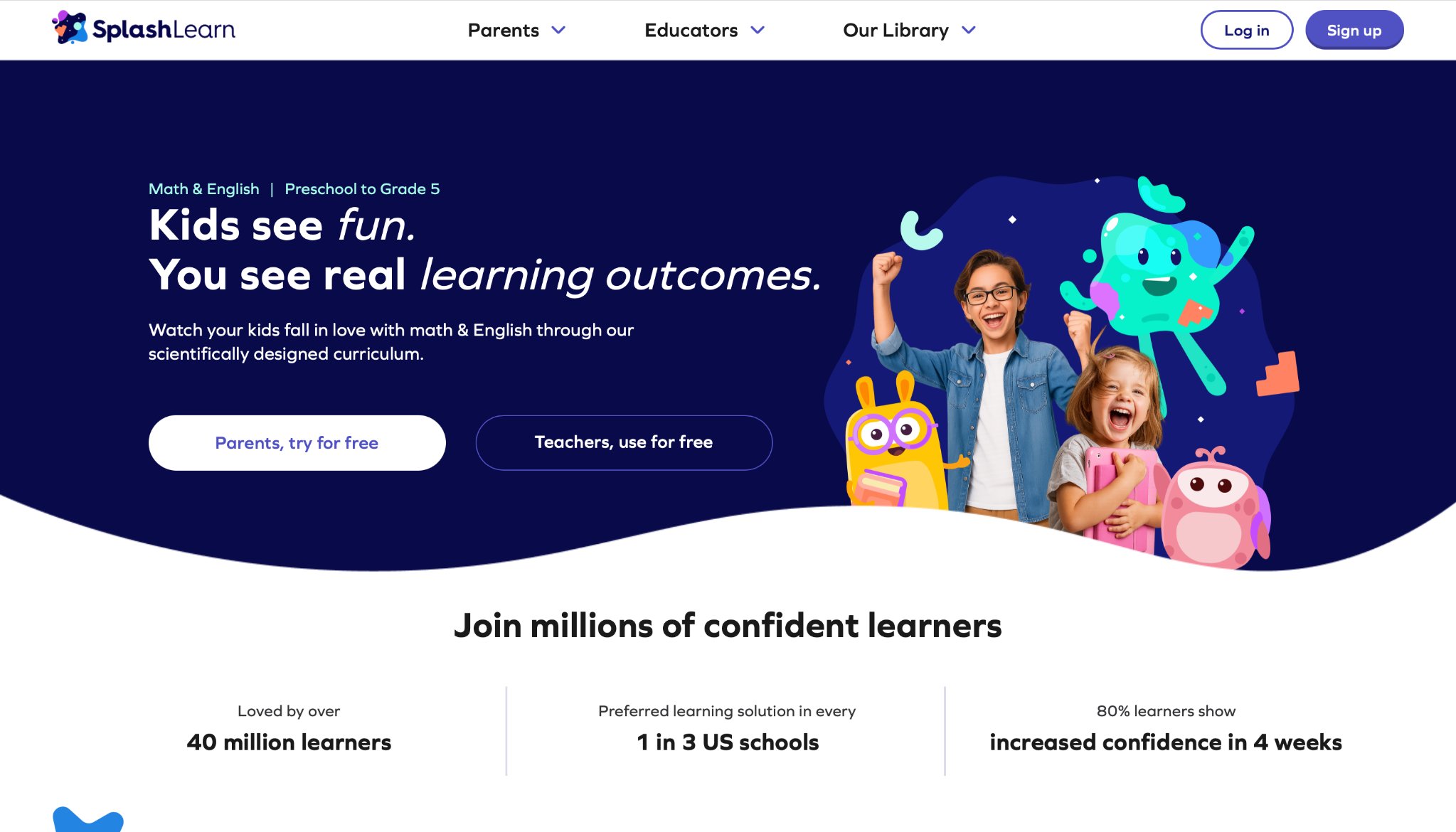
SplashLearn supports math and literacy mastery with adaptive games that include practical life applications like problem-solving and everyday routines. Bright graphics and step-by-step visual feedback help preschoolers grasp concepts clearly while building real-world readiness through encouraging, immediate guidance.
Personalized paths adjust automatically to match each child’s pace and progress, keeping challenges appropriately engaging. The research-backed design aligns with early learning standards and turns abstract ideas into concrete, fun experiences that feel rewarding. Parents value the clear structure and visible skill growth that prepare children confidently for both academic and daily life situations through positive, supportive gameplay.
Key features
- Visual step-by-step explanations
- Adaptive difficulty that matches skill level
- Strong emphasis on math and early reading with life applications
- Personalized learning paths
- Encouraging feedback throughout activities
Facts and Information
SplashLearn supports confident concept mastery through clear visuals and encouraging feedback.
15. Duolingo ABC
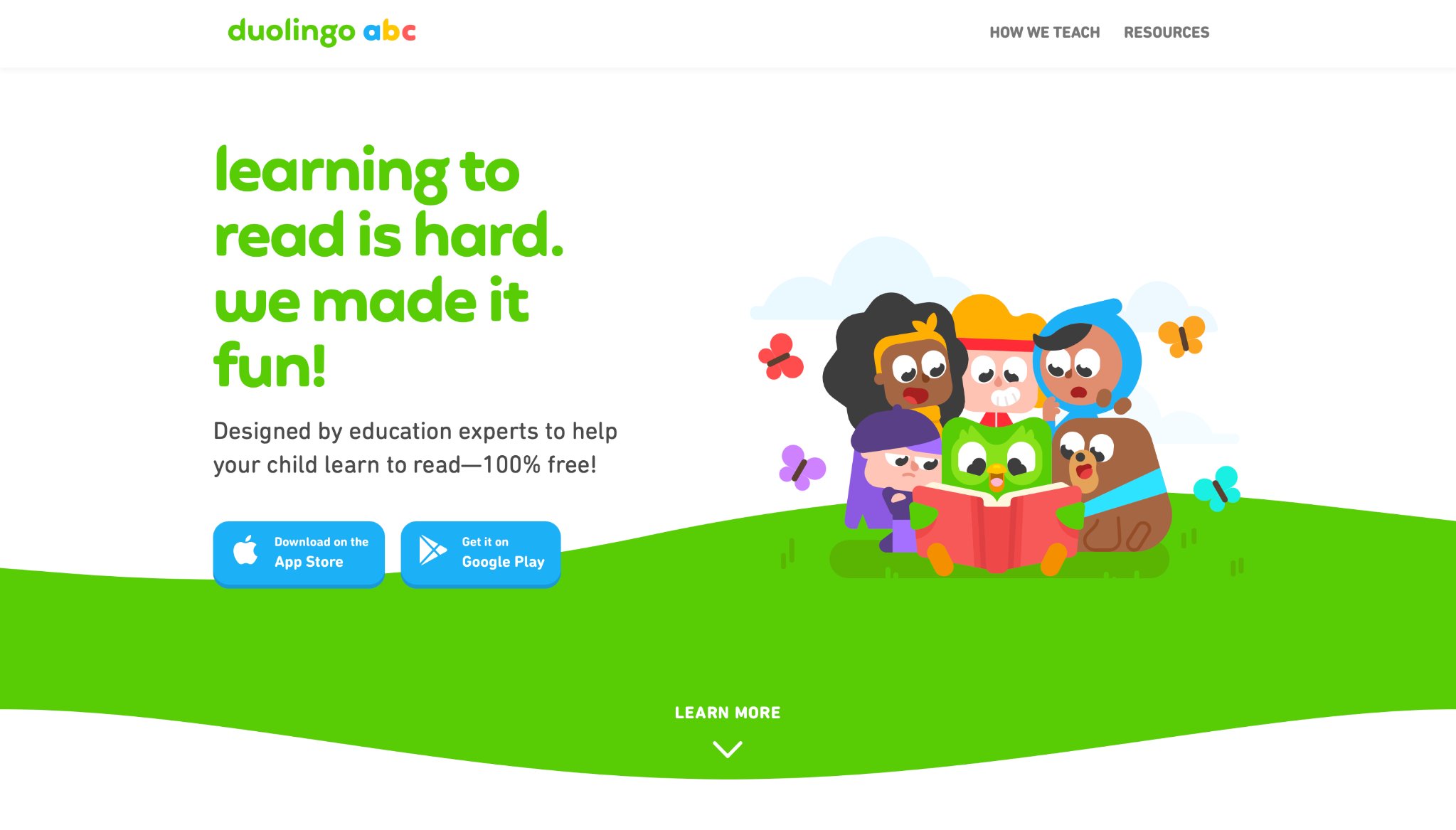
Duolingo ABC turns early literacy into playful daily adventures while gently touching on simple life routines and communication skills. Short, game-like lessons focus on letters, sounds, and basic words through engaging animations and rewards that build confidence step by step. The adaptive system adjusts difficulty to match growing abilities, with visual and audio support perfect for different learning styles.
Familiar characters keep motivation high as children progress through bite-sized activities that suit short attention spans. Families notice steady improvements in sound recognition and reading readiness alongside growing comfort with everyday interactions, making foundational skills feel approachable and consistently fun.
Key features
- Game-based lessons focused on letters and sounds
- Short, engaging activities that match attention spans
- Visual and audio support for early readers
- Structured progression toward reading skills
- Fun characters and rewards for motivation
Facts and Information
Duolingo ABC turns early literacy practice into an enjoyable game experience that builds confidence in young learners.
Benefits of Life Skills Games for Kids
Life skills games for kids deliver powerful benefits by building independence, empathy, problem-solving skills, and emotional confidence in a fun and natural way. Regular play helps young children become more capable of handling daily tasks, expressing their needs clearly, and facing small challenges with less frustration.
Parents often see noticeable improvements such as smoother morning and bedtime routines, kinder interactions with siblings and friends, and growing self-confidence. These games turn everyday learning into joyful experiences using colorful visuals, interactive sounds, and gentle guidance that keep young brains engaged positively.
Beyond practical skills, quality life skills games for kids also support emotional growth by introducing healthy habits, mindfulness, and social awareness. They help children develop responsibility, creativity, and resilience - essential foundations that benefit them both at home and when they start school.
How to Choose the Best Life Skills Games for Kids in 2026
The most effective life skills games for kids balance practical routines with social and creative development. Look for safe, ad-free experiences that protect attention spans and provide gentle progress insights for parents.
Great games often include role-play, mindfulness elements, and movement to support whole-child growth.
Key Life Skills Developed Through Games
Games are one of the most effective and enjoyable ways for children to build essential life skills. Here’s a clear breakdown of the key life skills kids develop through play and how they translate into real-world benefits:
- Daily Routines: Builds independence and responsibility – Children learn to manage everyday tasks such as teeth brushing, tidying up, and pet care, fostering confidence and self-reliance.
- Professions Role-Play: Expands empathy and vocabulary – Pretend play as a doctor, chef, firefighter, or astronaut helps children understand different roles in society while building rich language and emotional intelligence.
- Healthy Habits: Promotes self-care and wellbeing – Games involving mindfulness, yoga, and calm breathing teach children valuable tools for managing emotions and maintaining a healthy lifestyle.
- Social Interactions: Develops kindness, sharing & cooperation – Through helping others and choice-based adventures, children practice important social skills like teamwork, empathy, and positive communication.
Playing games that focus on these life skills helps children grow into more independent, empathetic, and emotionally intelligent individuals. Whether through role-play, routine-based activities, or cooperative games, these experiences make learning practical life lessons fun and natural.
Practical Ways to Include Life Skills Games in Daily Routines
- Keep sessions short (10–15 minutes) to match young attention spans.
- Follow gameplay with a quick conversation about what your child learned.
- Rotate between various games like memory games, shape games online, pattern activities, and life skills routines to maintain excitement while developing multiple areas.
- Create a cozy, predictable game-time routine so children look forward to playing
FAQ
What age range works best for most life skills games for kids?
Most life skills games for kids are ideal for children aged 3 to 8 years old. This is the key developmental window when independence, practical skills, and social understanding grow rapidly. Games designed for this age use simple stories, colorful characters, and short activities that match young attention spans while teaching important daily habits and responsibilities.
How can parents tell if a life skills game is making a difference?
Parents usually notice clear signs: children start using new routine words, complete daily tasks more independently, and show greater confidence. Many kids begin applying what they learned in games to real life, like brushing teeth or tidying up without reminders. These small but consistent improvements in helpfulness and self-reliance show the life skills games for kids are working effectively.
Do life skills games replace real-world practice at home?
No, life skills games for kids do not replace real-life practice. Instead, they serve as excellent preparation by giving children clear examples, useful language, and confidence. When combined with actual hands-on experiences at home, they create the strongest foundation for building lasting independence and positive habits.
How do life skills games incorporate mindfulness and healthy habits?
Many quality life skills games include simple mindfulness exercises, kids yoga, and calm breathing activities to build body awareness and emotional balance. Healthy habit modules turn everyday routines into fun, interactive learning moments that naturally promote responsibility and self-care.
How do professions role-play games contribute to children's life skills development?
Professional role-play games are highly effective because they let children step into different roles, such as doctor, chef, firefighter, or astronaut. Through imaginative play, kids practice vocabulary, empathy, problem-solving, and creativity. These experiences help children understand how people contribute to society while building social awareness and confidence for real-world interactions.
Read Also:
- Best Educational Games 2026
- Best Apps for Learning 2026
- Best Brain Games for Preschoolers 2026
- Best Early Literacy Games 2026
- Best Memory Games for Preschoolers 2026
Discover the Best Life Skills Games for Kids 2026 - Fluvsies Academy