

Best Problem Solving Games for Toddlers 2026





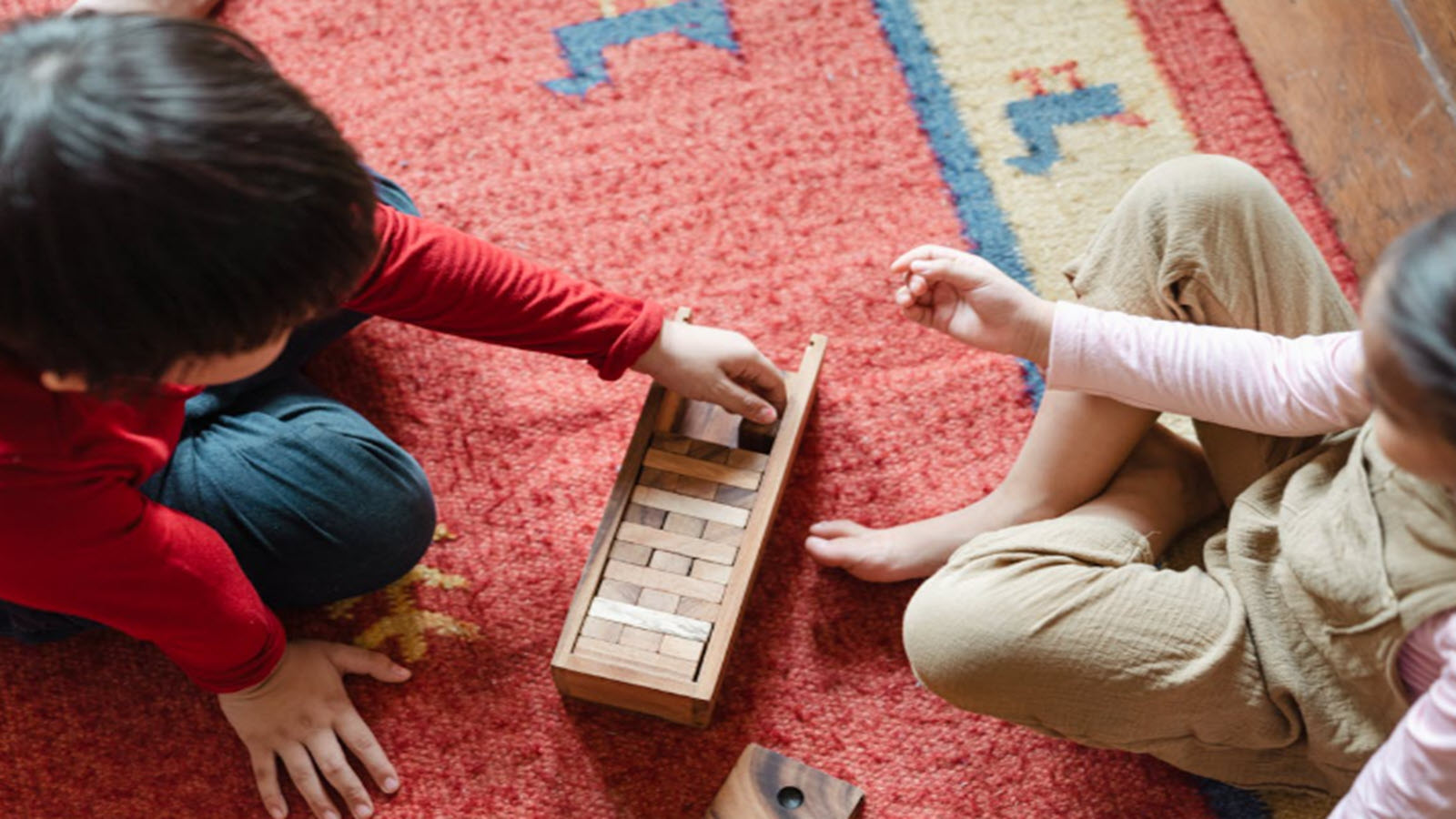
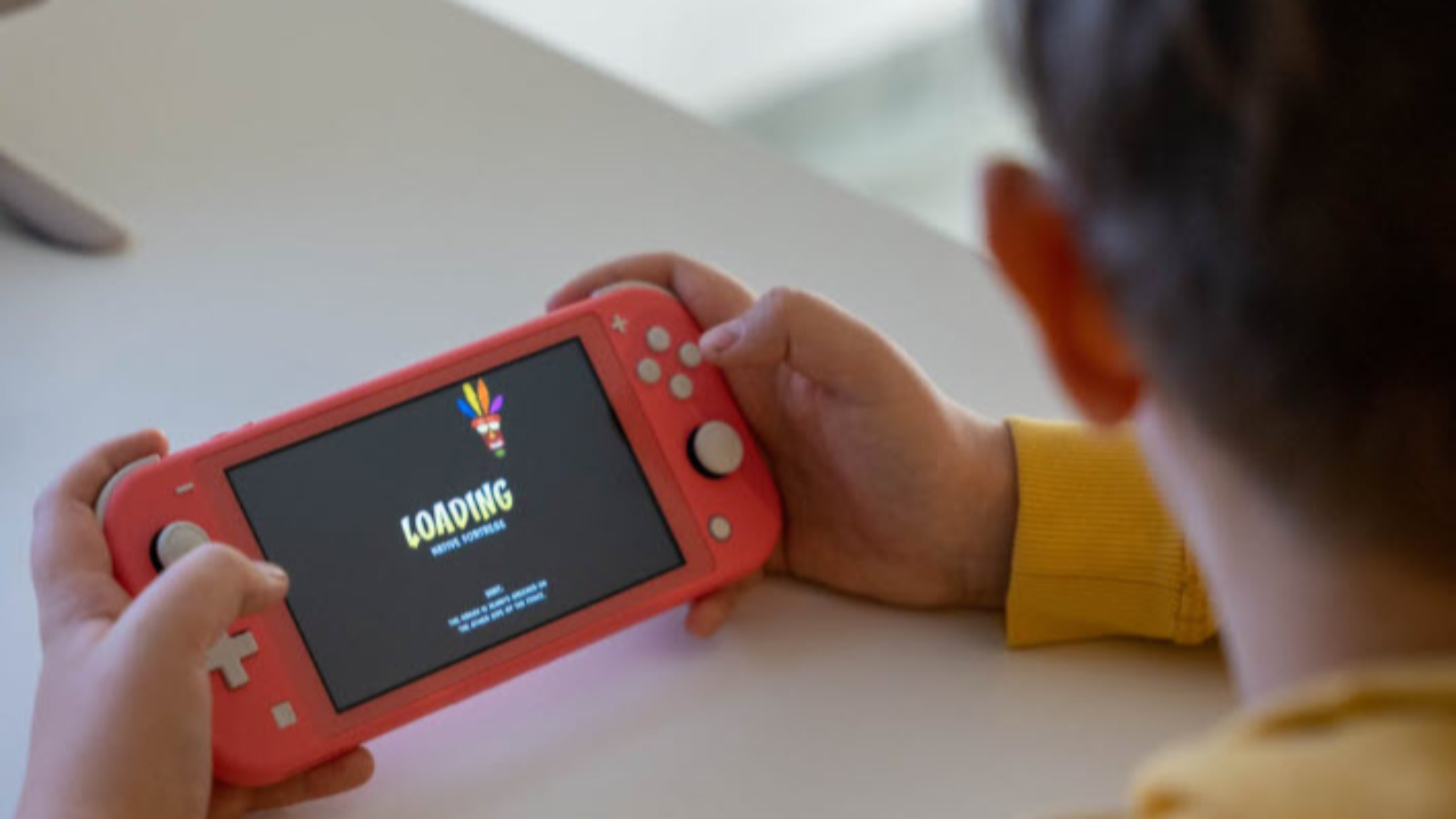
Toddlers learn best through play that challenges their growing minds in gentle ways. The best problem solving games for toddlers 2026 combine fun with purposeful activities that strengthen logic, spatial awareness, and decision-making. These games feel like natural exploration rather than structured lessons.
Engaging activities play a vital role in supporting early childhood development by building essential skills, from logical thinking with the best logic puzzles for kids to interactive best learning games. Age-appropriate options such as the best brain games online match developmental needs perfectly, while the best brain development games for kids effectively boost overall cognitive growth.
Discover the Best Problem Solving Games for Toddlers 2026 - Fluvsies Academy
Why Problem Solving Games Matter for Toddlers
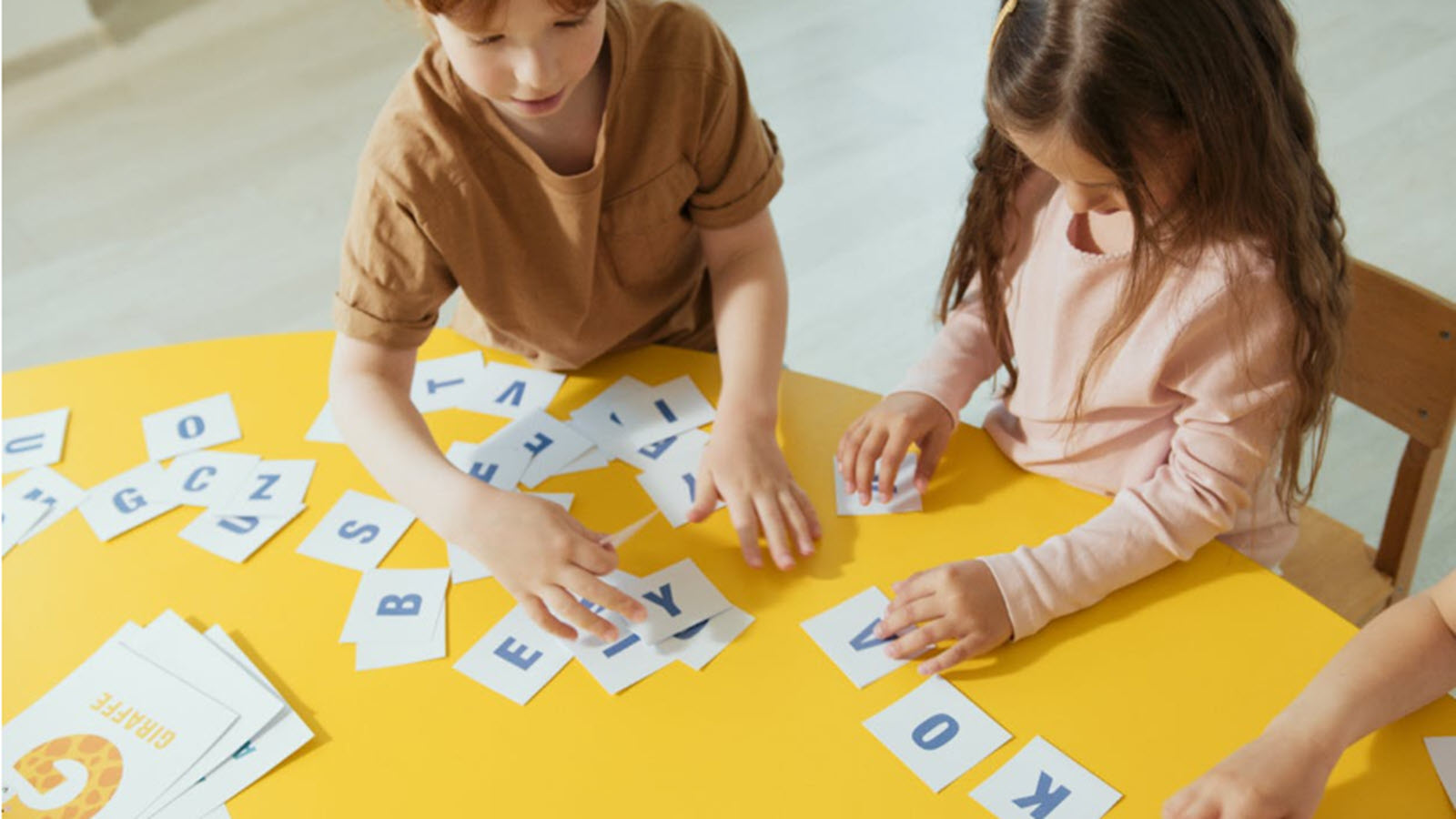
Problem solving games for toddlers play a vital role in early brain development. They help build strong neural connections that support learning across all subjects. Through simple puzzles, sorting tasks, and hands-on challenges, toddlers learn to observe, compare, test different approaches, and celebrate small victories. These experiences naturally foster persistence, flexible thinking, and confidence - all without any pressure.
Games that blend real-world elements - such as matching shapes, completing daily routines, or solving everyday scenarios - help toddlers connect new ideas to their actual life. This makes learning more meaningful and easier to apply. Fluvsies Academy games excel in this area by combining active challenges with creative play, allowing toddlers to develop logical reasoning and critical thinking skills in a fun, natural way.
Core Skills Built Through These Games
High-quality problem solving games for toddlers target multiple cognitive skills at once:
- Attention and focus through engaging matching activities
- Spatial reasoning with shapes, paths, and building tasks
- Logical thinking via sequences, patterns, and step-by-step challenges
- Planning and empathy through life-skill scenarios
As toddlers master these tasks and discover multiple solutions, they build lasting confidence and a growth mindset. The variety of games keeps play exciting while supporting different thinking styles - some encourage quick decisions, while others reward careful observation and patience.
This balanced approach promotes well-rounded cognitive development, preparing young children for future academic and life success.
Best Problem Solving Games for Toddlers 2026
1. Fluvsies Academy - Best Problem Solving Games for Toddlers 2026
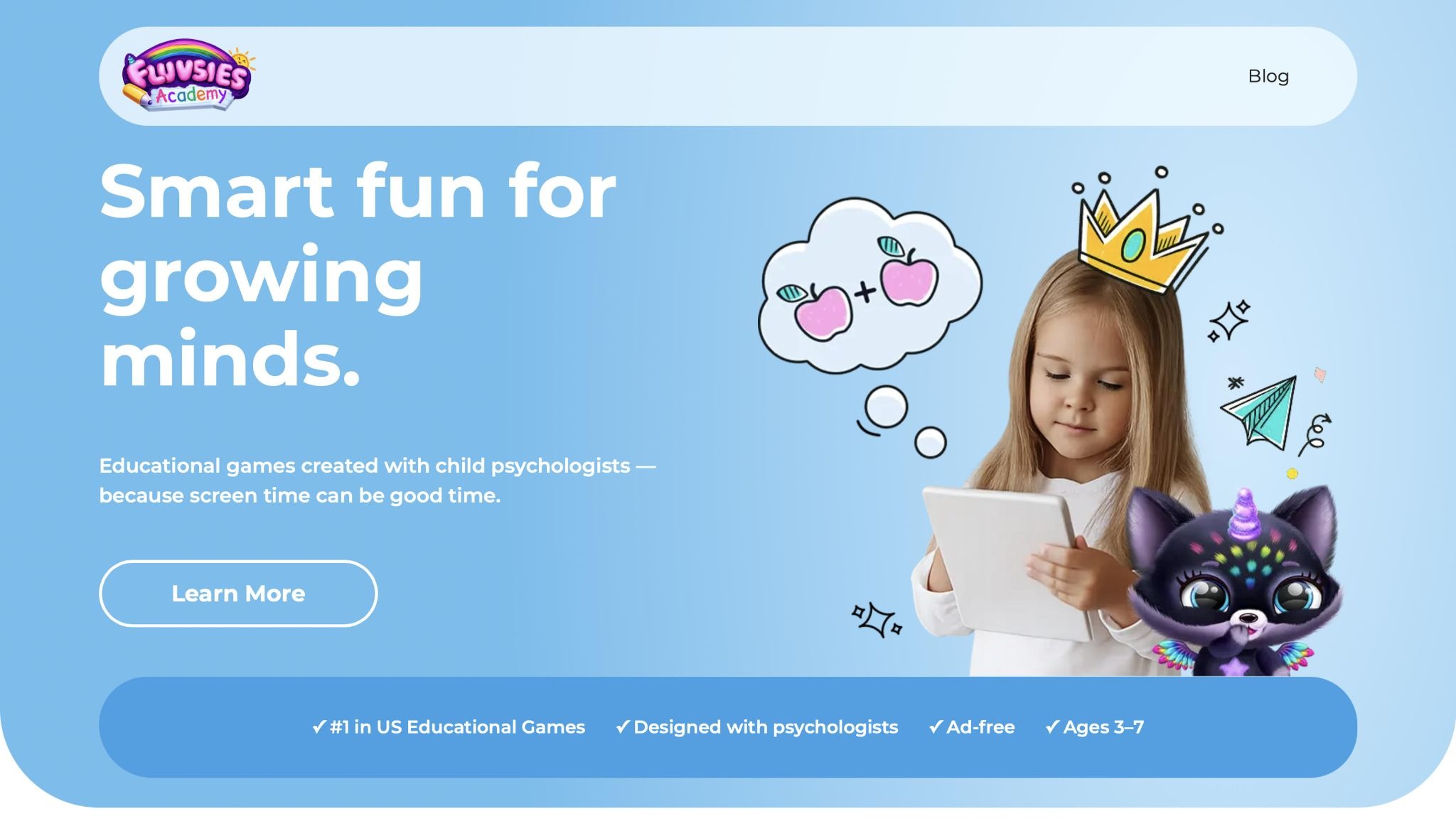
Fluvsies Academy provides a nurturing space where preschoolers discover learning through engaging games designed with child psychologists. The platform turns screen time into smart learning moments that help children ages 3 to 7 grow confident minds, curious hearts, and healthy habits. Kids explore colorful worlds filled with characters they already love while building skills in language and phonics, numbers and counting, logic and attention, sorting and comparison, life skills and creativity, and even professions that expand vocabulary in fun ways. Mindfulness, kids yoga, and everyday habit activities round out the experience so learning feels complete and balanced.
Parents appreciate the ad-free environment and age-appropriate content that promotes empathy, safety, and independent play. Progress reports keep families informed about their child’s growth without adding pressure. Free printables let the learning continue long after the screen turns off, creating seamless connections between digital play and real-life adventures. The holistic focus makes Fluvsies Academy a standout choice for families who want meaningful screen time that truly supports development.
Discover Fluvsies Academy
Fluvsies Academy is a leading educational app designed for children aged 3–7. It transforms screen time into meaningful learning through fun, interactive games. Developed in collaboration with child psychologists, the app focuses on holistic development.
Key Features
- Ad-free environment for safe play.
- Games covering language, phonics, math, and logic.
- Activities for attention, sorting, and creativity.
- Real-world life skills like healthy habits and mindfulness.
- Exploration of professions to build vocabulary and imagination.
Educational Approach
Fluvsies Academy emphasizes guided play that balances focus, empathy, and emotional safety. It's the first holistic learning app for kids, ranked #1 educational game in the US. Progress reports help track your child's growth. Free printables extend learning beyond the screen.
Benefits for Families
Parents gain peace of mind with expert-backed games.
Kids build confidence, skills, and a love for learning. Ideal for preschoolers seeking joyful education.
2. TutoClub
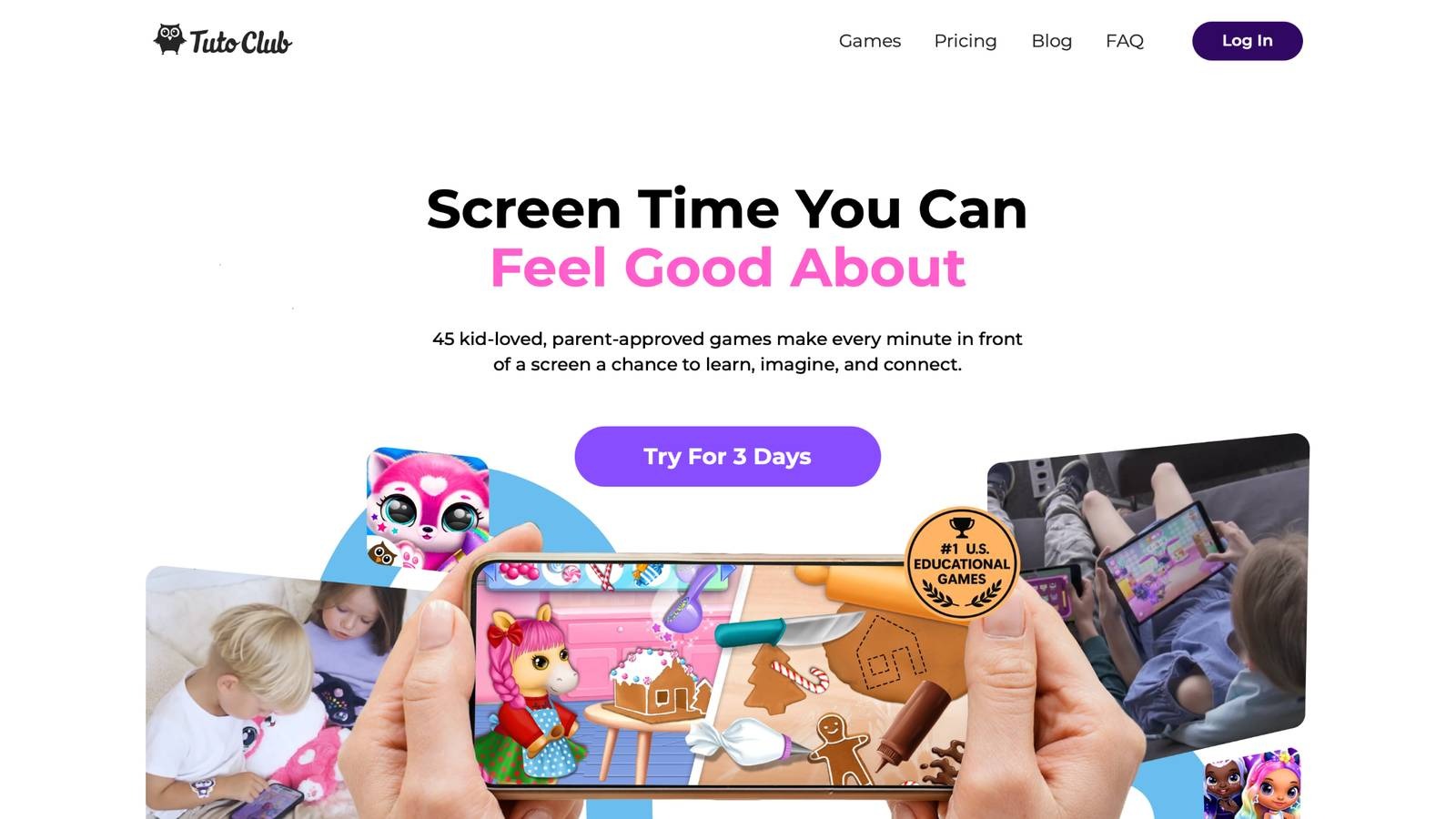
TutoClub offers a delightful collection of educational games specifically designed to transform screen time into meaningful developmental moments for preschoolers. This platform features a wide variety of interactive activities that focus on creativity, emotional intelligence, focus, and essential life skills. Children enjoy caring for virtual pets which gently teaches responsibility and empathy. Cleanup adventures make tidying up fun while building good habits. Styling and fashion games encourage self expression and creativity. The games adapt to each child's interests and provide open ended play that sparks imagination without pressure.
Regular updates keep the content fresh and exciting for returning players. Families appreciate the calm, ad free environment that supports healthy screen time and allows for shared family moments. TutoClub stands out for its thoughtful design that prioritizes social emotional growth alongside cognitive skills. Young learners build confidence as they master challenges and express themselves through play. The experience feels more like joyful exploration than structured lessons. Parents often note increased engagement and positive attitude toward learning activities after using the platform. The character driven stories help preschoolers explore emotions and social situations in safe and supportive ways. Many families find that the variety keeps children coming back and encourages repeat play sessions.
Key features
- Virtual pet care activities that build empathy and responsibility
- Creative styling and cleanup games that teach helpful habits
- Open ended play that encourages imagination and problem solving
- Regular content updates to maintain engagement
- Calm ad free design perfect for young attention spans
Facts and Information
TutoClub creates purposeful play experiences that support creativity, focus, and emotional skills in preschoolers through carefully crafted interactive games.
3. Tozzle
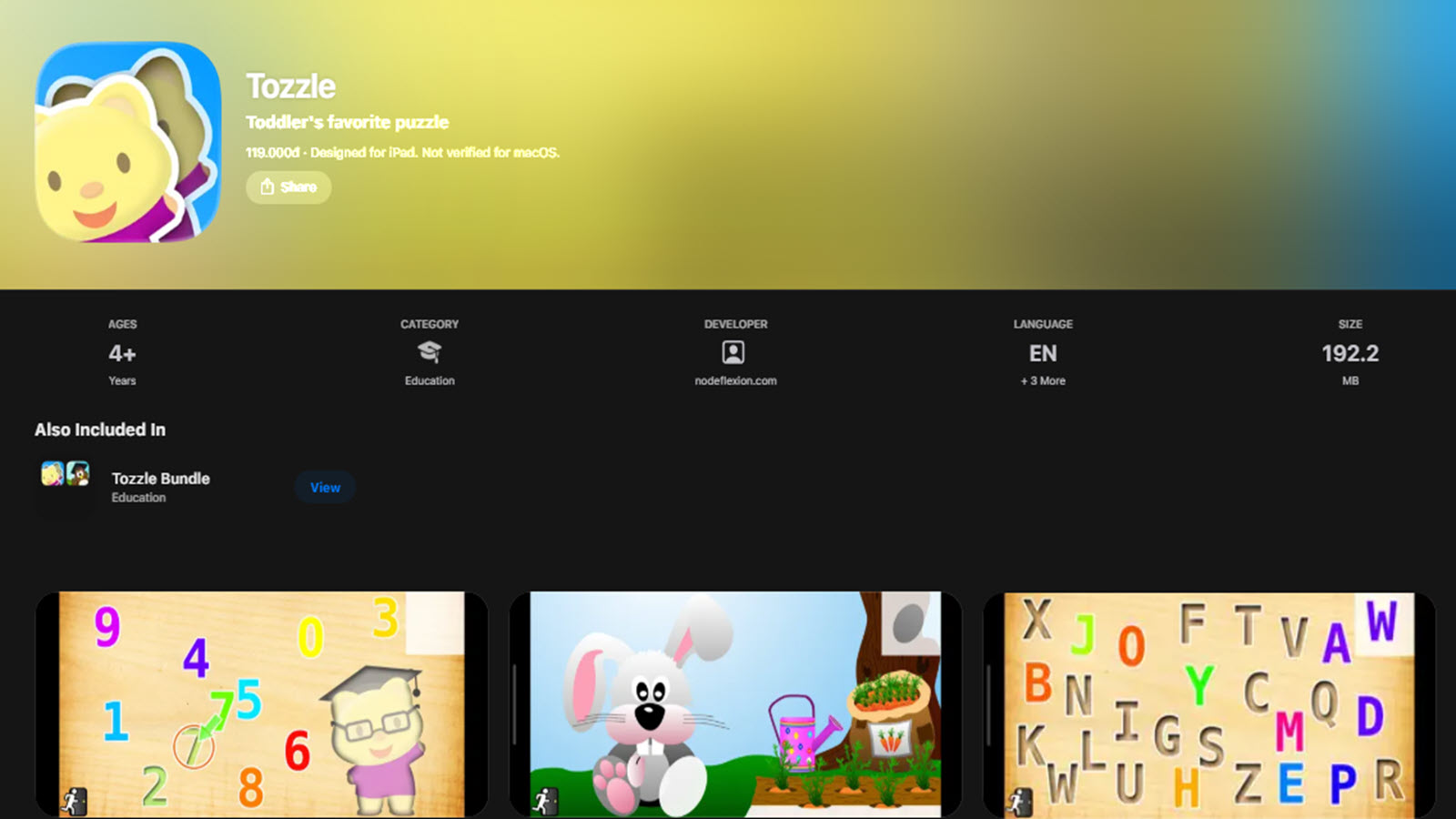
Tozzle introduces toddlers to problem-solving through delightfully simple drag-and-drop shape puzzles that feel intuitive from the very first touch. Young children rotate and place colorful pieces to complete charming scenes, receiving immediate cheerful sounds and animations that celebrate every success. The clean, reading-free interface allows even the youngest players to explore independently while gentle hints prevent frustration.
Progressive difficulty levels grow naturally with a child’s abilities, strengthening shape recognition, hand-eye coordination, and basic logical thinking. Parents love how this approachable app turns screen time into confident, satisfying play that builds persistence and spatial awareness without any pressure. Its repeatable puzzles and positive feedback make it a favorite for daily independent exploration
Key features
- Toddler-friendly drag-and-drop puzzles
- Progressive difficulty with encouraging feedback
- Multiple colorful scenes and sound effects
Facts and information
Tozzle builds shape recognition, motor skills, and basic problem solving through gentle, repeatable challenges that many toddlers love.
4. Thinkrolls
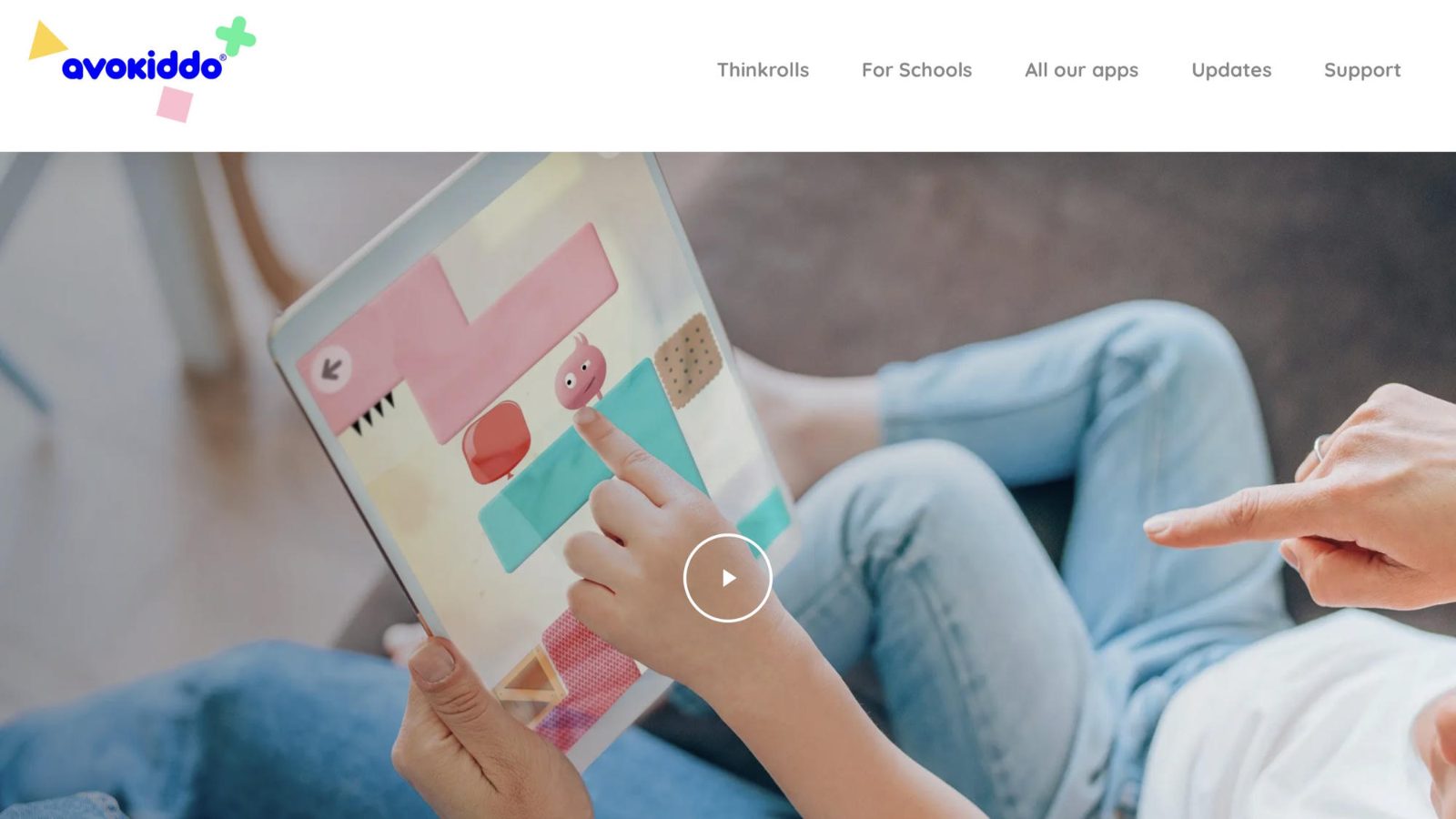
Thinkrolls turns problem-solving into an exciting physics-based adventure as toddlers guide quirky rolling characters through inventive mazes and obstacle courses. Children experiment with paths, observe cause-and-effect, and plan ahead in a colorful world full of surprises. The engaging gameplay encourages creative thinking, spatial reasoning, and logical sequencing while unlockable characters keep motivation high.
With no timers or failure penalties, kids feel free to try different solutions repeatedly. The award-winning design blends fun platformer elements with gentle logic puzzles that strengthen memory, perseverance, and early STEM skills. Families appreciate how this character-driven experience makes critical thinking feel playful and rewarding for young minds.
Key features
- Physics and logic-based maze puzzles
- Character collection and progression
- Focus on spatial awareness and planning
Facts and information
Thinkrolls strengthens problem solving, memory, and creative thinking through engaging physics challenges suitable for young learners.
5. Busy Shapes
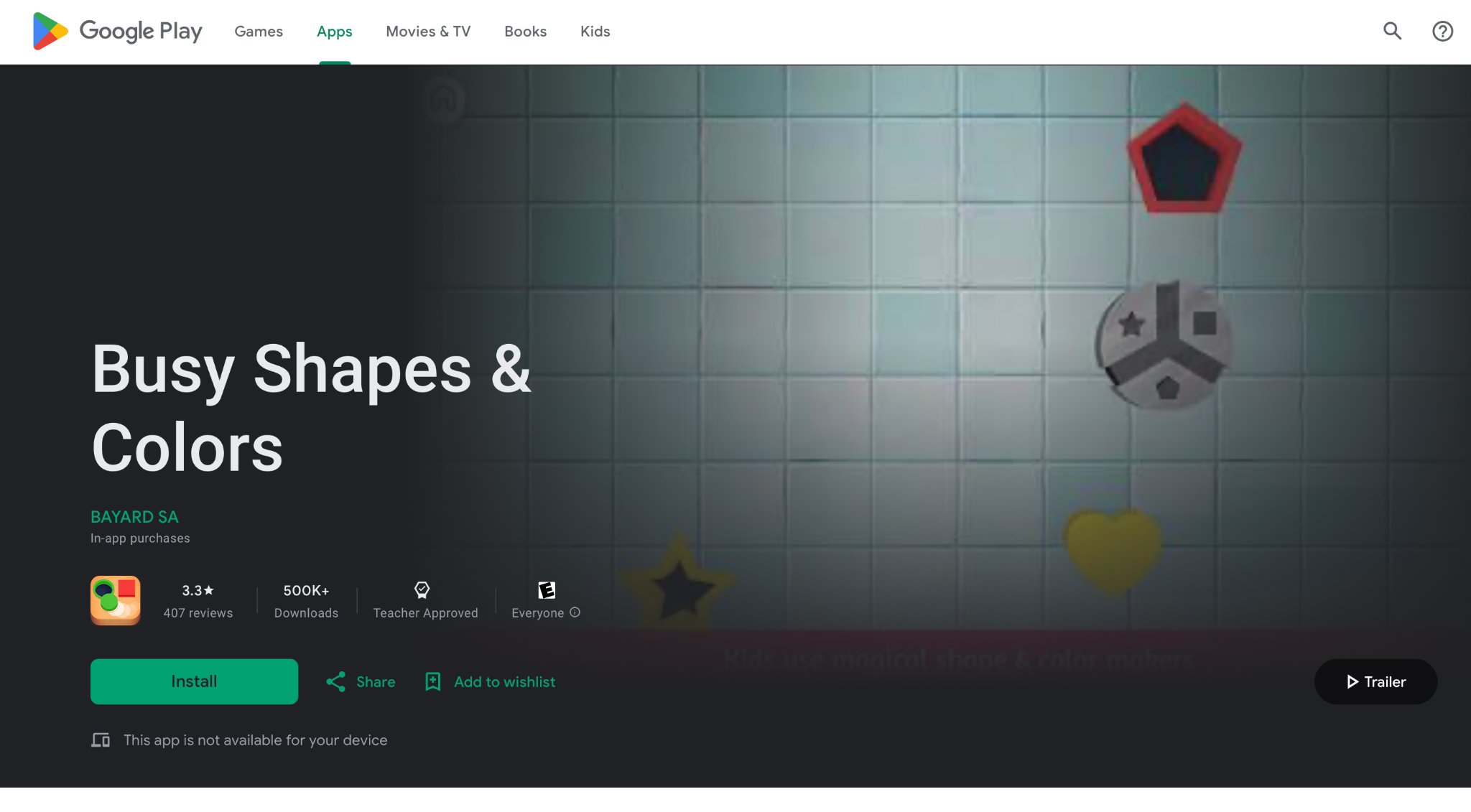
Busy Shapes offers a calm, minimalist playground where toddlers develop problem-solving through shape-sorting and placement challenges. Children explore how objects fit and interact in satisfying visual puzzles that build spatial awareness and logical reasoning. The intuitive controls and distraction-free design let little hands focus completely on discovering relationships between shapes and spaces.
Progressive activities provide just the right amount of challenge while delivering frequent success moments that boost confidence. Based on cognitive development principles, it supports deep concentration and hands-on thinking without overwhelming young players. Parents value its quiet effectiveness in nurturing early critical thinking skills through pure, focused play.
Key features
- Shape and logic sorting puzzles
- Clean, focused interface
- Emphasis on spatial relationships
Facts and information
Busy Shapes develops critical early problem-solving abilities through satisfying, hands-on visual challenges.
6. PBS Kids Games
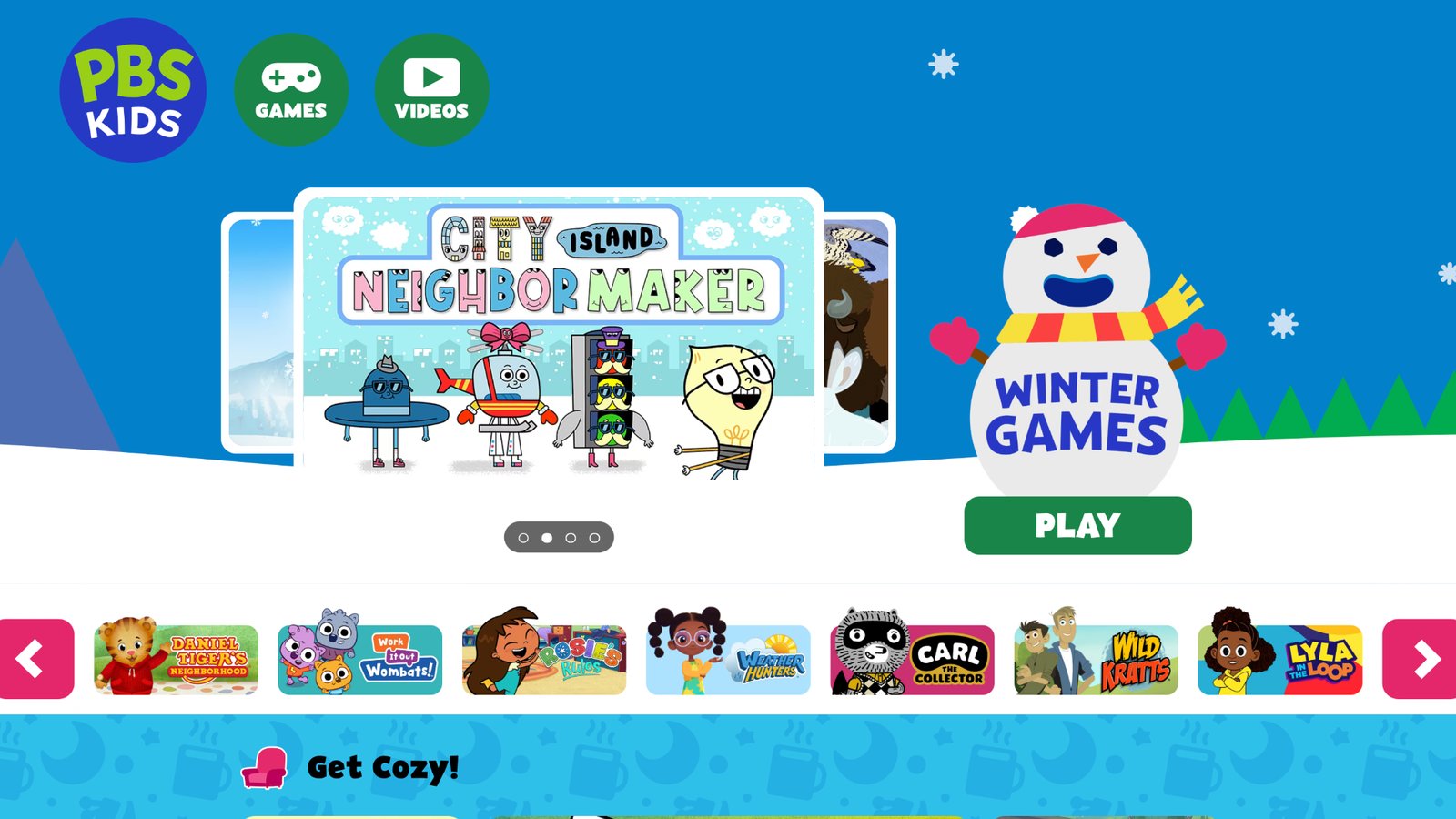
PBS Kids Games brings beloved characters into short, engaging problem-solving activities that feel comforting and familiar to toddlers. Children help favorite friends complete simple logic tasks involving shapes, patterns, and everyday challenges while building reasoning alongside social-emotional skills. The trusted, free collection combines story elements with gentle puzzles that encourage curiosity and persistence.
Regular updates keep the experience fresh and relevant. Its balanced approach supports broad early thinking development in a safe, ad-free environment that many families return to daily. Young players gain confidence tackling problems through playful interactions with characters they already love.
Key features
- Character-driven learning games
- Mix of logic, science, and social activities
- Free access with familiar favorites
Facts and information
PBS Kids Games supports broad early thinking skills through gentle, story-based challenges.
7. Bimi Boo Puzzle Games
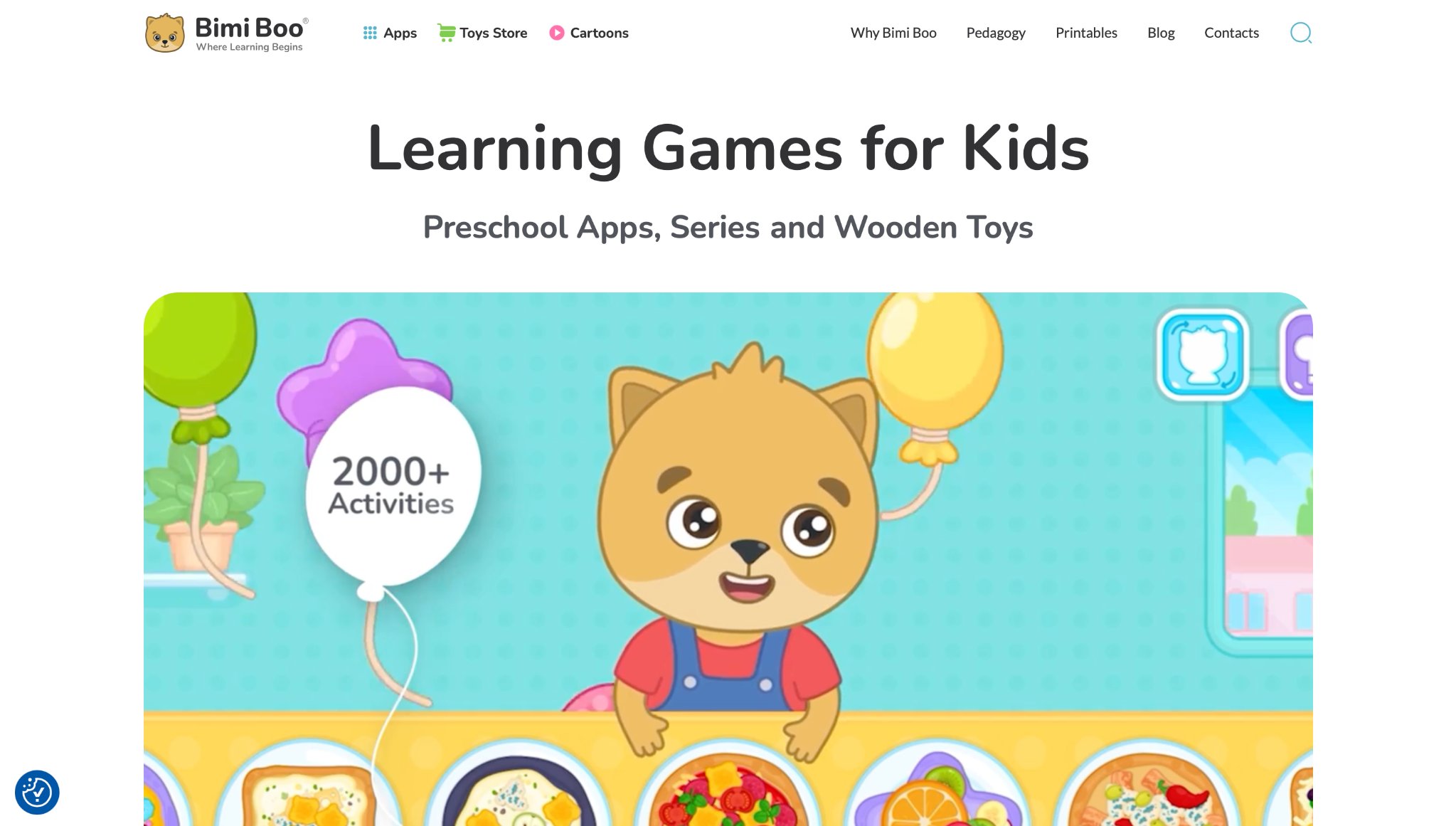
Bimi Boo Puzzle Games captivates toddlers with a rich variety of themed puzzles featuring animals, vehicles, and everyday objects. Children practice piece placement and spatial problem-solving across colorful topics that expand their knowledge while strengthening coordination and focus. Simple mechanics and bright designs make it inviting for little ones just starting their puzzle journey. The range of activities supports longer, more varied play sessions without losing young attention. Families enjoy watching toddlers gain confidence and persistence as they successfully complete challenges that feel both fun and achievable.
Key features
- Themed jigsaw and sorting puzzles
- Variety of preschool topics
- Focus on coordination and logic
Facts and information
Bimi Boo helps toddlers strengthen focus and spatial skills through enjoyable, topic-rich puzzles.
8. Sago Mini World

Sago Mini World encourages gentle problem-solving through open-ended creative play in peaceful sandbox environments. Toddlers make meaningful choices about object placement and character interactions that naturally build decision-making and experimentation skills. The non-competitive, timer-free design lets children explore at their own pace while friendly characters add warmth and inspiration. This relaxed approach turns everyday play into opportunities for spatial thinking and imaginative solutions. Parents appreciate how it nurtures independent problem-solving and creativity without pressure, making screen time feel joyful and exploratory.
Key features
- Open creative activities with puzzles
- Character interactions and discovery
- Calm, imaginative environment
Facts and information
Sago Mini World nurtures problem solving through free-form play that feels joyful and open.
9. Lightbot Jr
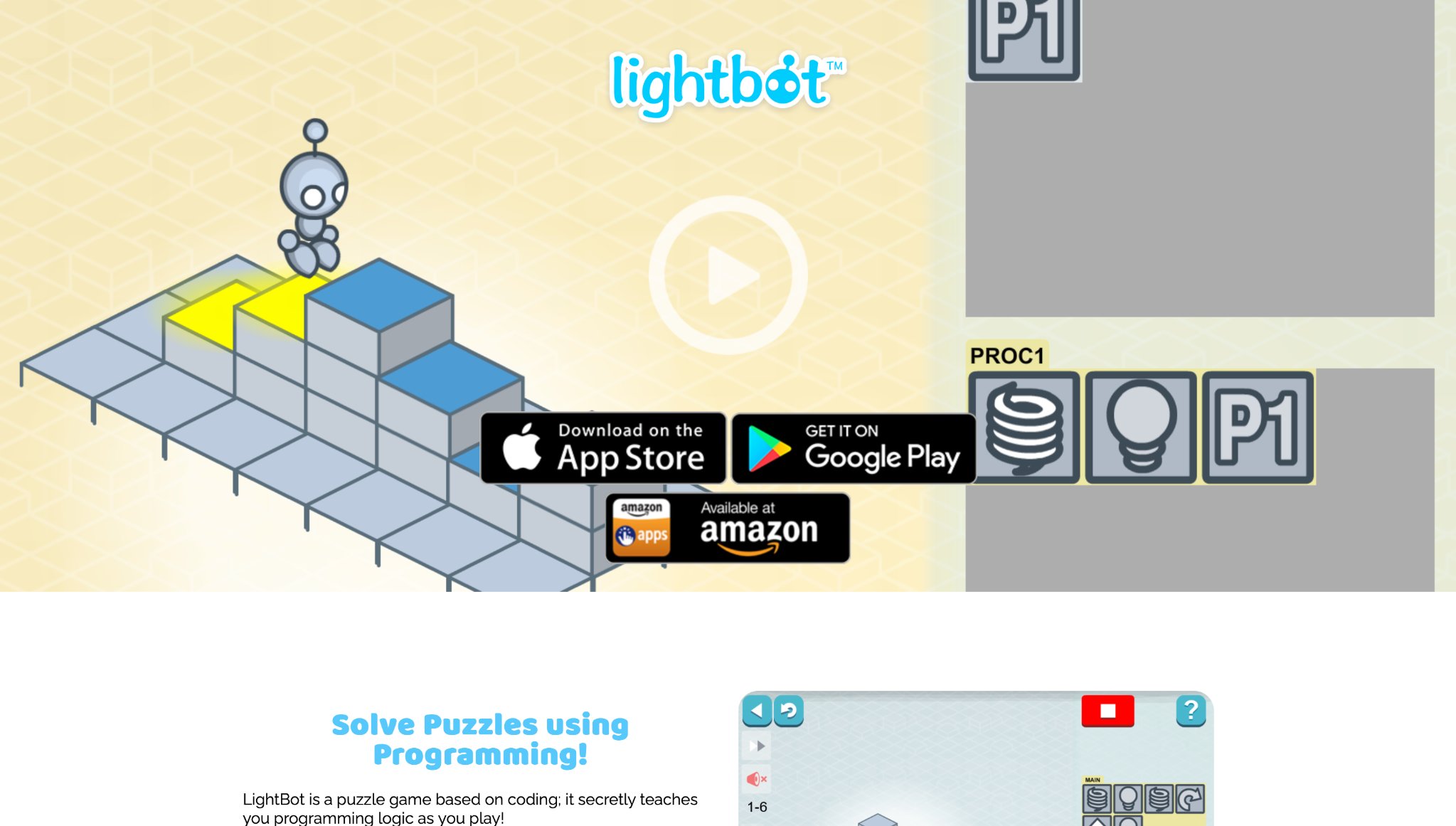
Lightbot Jr introduces toddlers to structured problem-solving by giving simple commands to a friendly robot as it navigates gentle maze challenges. Children build sequencing skills and logical order through visual puzzles that require no reading. Progressive levels develop planning abilities and basic programming thinking in an approachable, game-like format. The clean visual style keeps young players focused while celebrating successful paths with satisfying light-ups. Families value this early introduction to logical thinking that grows naturally with a child’s abilities and confidence.
Key features
- Command-based puzzle solving
- Visual programming introduction
- Progressive maze challenges
Facts and information
Lightbot Jr builds sequencing and planning skills in a friendly, game-like format.
10. Montessori Geometry
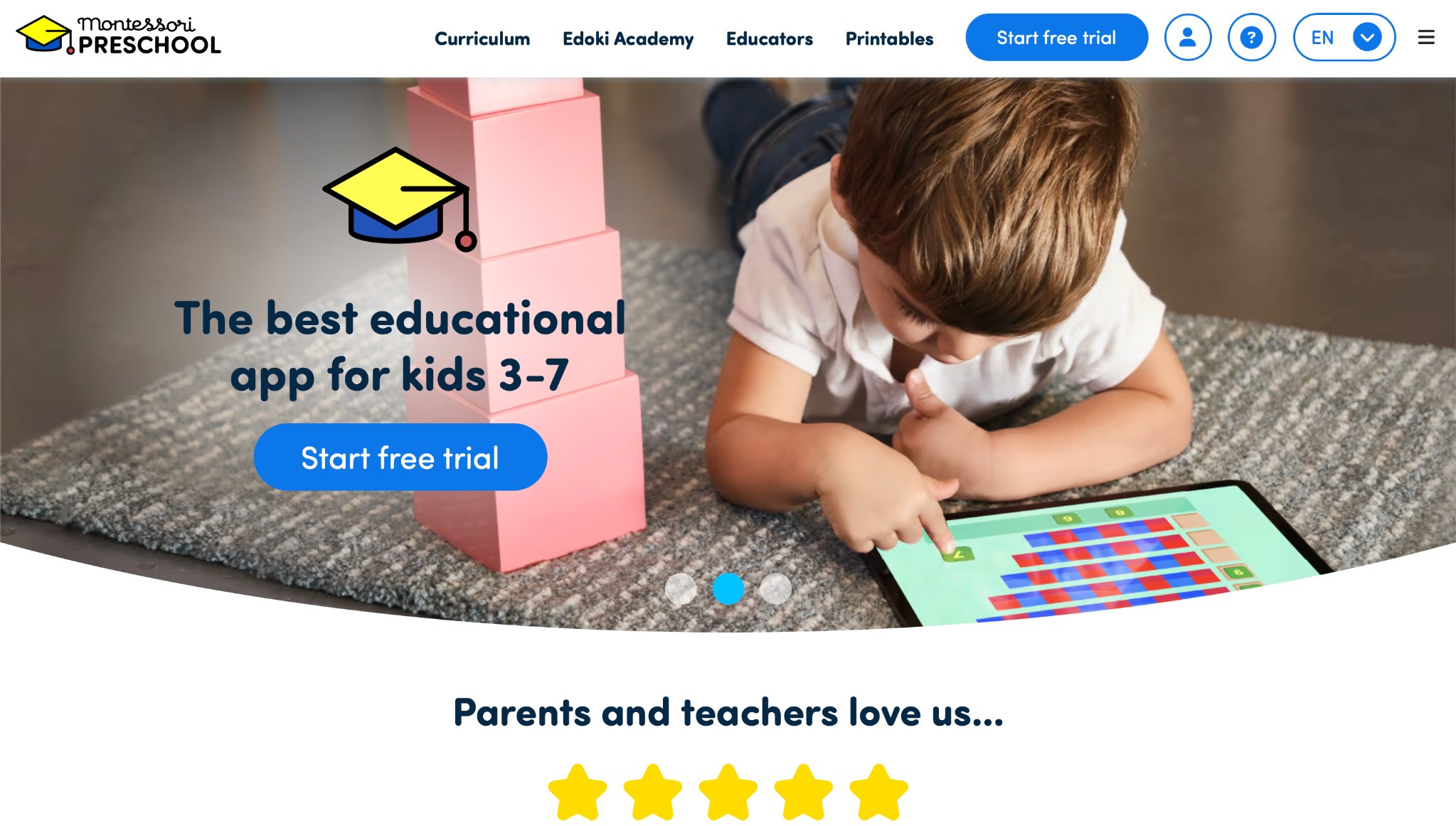
Montessori Geometry strengthens spatial problem-solving through interactive shape recognition and matching tasks inspired by hands-on discovery methods. Toddlers explore geometric concepts by sorting, placing, and experimenting with forms in clear, empowering activities. The thoughtful design promotes independent thinking and visual reasoning at a natural pace. Children build foundational logic and spatial awareness through self-directed exploration that feels calm and rewarding. Parents love its alignment with child-led learning principles that support deep understanding without direct instruction.
Key features
- Shape and geometry activities
- Montessori-inspired design
- Focus on visual reasoning
Facts and information
Montessori Geometry strengthens foundational spatial problem solving through thoughtful, discovery-based play.
11. Pok Pok
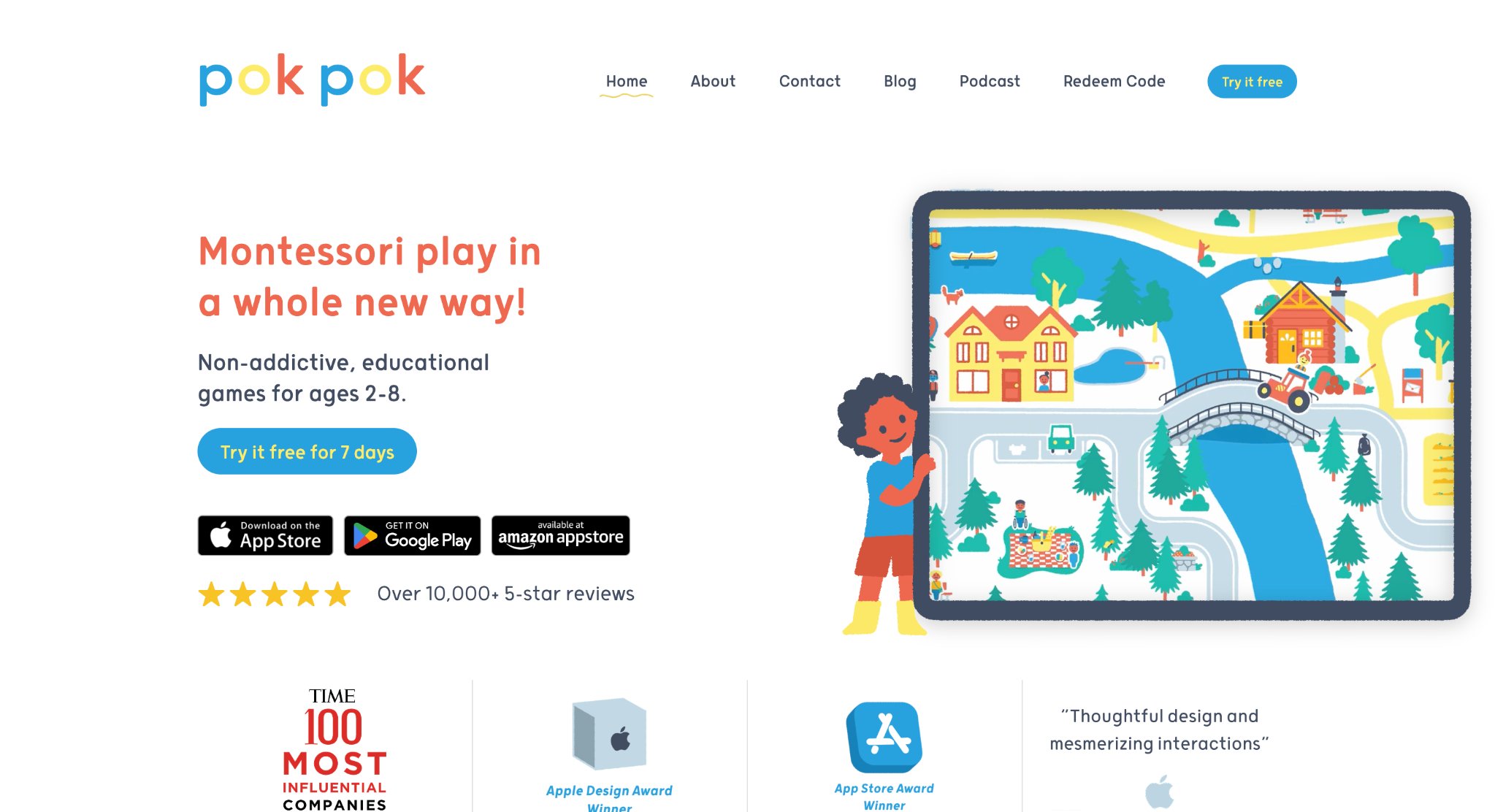
Pok Pok creates peaceful opportunities for problem-solving through Montessori-inspired open-ended building, sorting, and discovery activities. Toddlers experiment with cause and effect while constructing cities, arranging objects, and solving gentle creative challenges in a low-stimulation environment. The child-led design encourages independent thinking and imagination alongside practical logic skills. Calm visuals and flexible play support repeated exploration without pressure. Families appreciate how this high-quality app nurtures focus, creativity, and early problem-solving in a truly relaxing yet engaging way.
Key features
- Open-ended building and sorting activities
- Montessori-inspired calm design
- Focus on creativity and independent exploration
Facts and information
Pok Pok nurtures early problem solving through peaceful, child-led play that many toddlers return to often.
12. Baby Puzzle Games for Toddlers
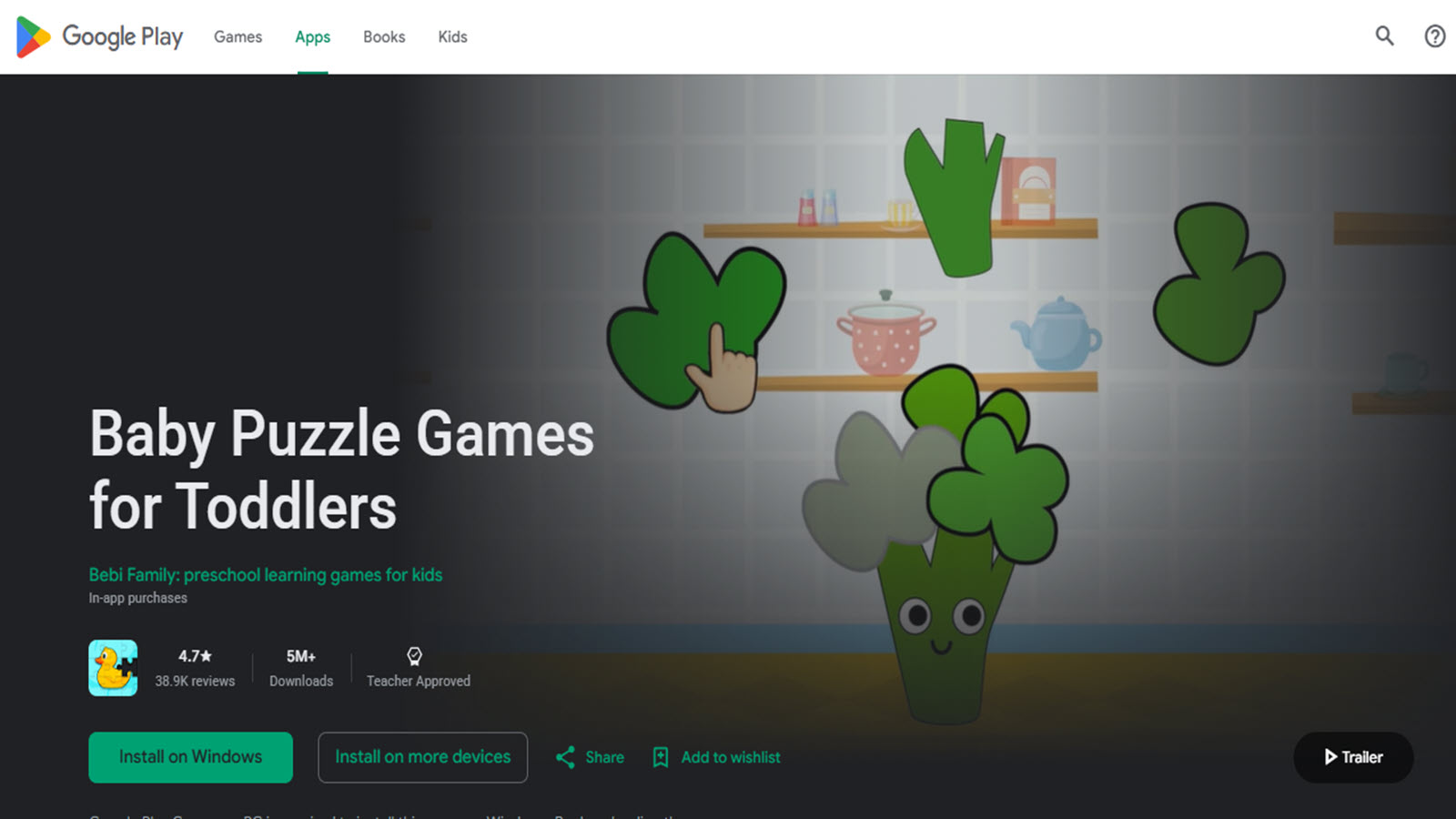
Baby Puzzle Games for Toddlers delivers simple jigsaw and matching puzzles with familiar themes like animals and vehicles that build early confidence. The easy interface and progressive piece counts help even the youngest children succeed while developing hand-eye coordination and persistence. Short, positive sessions keep play enjoyable as toddlers master different categories at their own pace. Bright designs and gentle mechanics make problem-solving feel achievable and fun. Parents often notice growing focus and satisfaction as children tackle and complete challenges independently.
Key features
- Easy jigsaw and matching puzzles
- Variety of familiar object themes
- Simple, toddler-friendly controls
Facts and information
This app strengthens hand-eye coordination, logic, and persistence through approachable puzzle challenges.
13. Flow Free
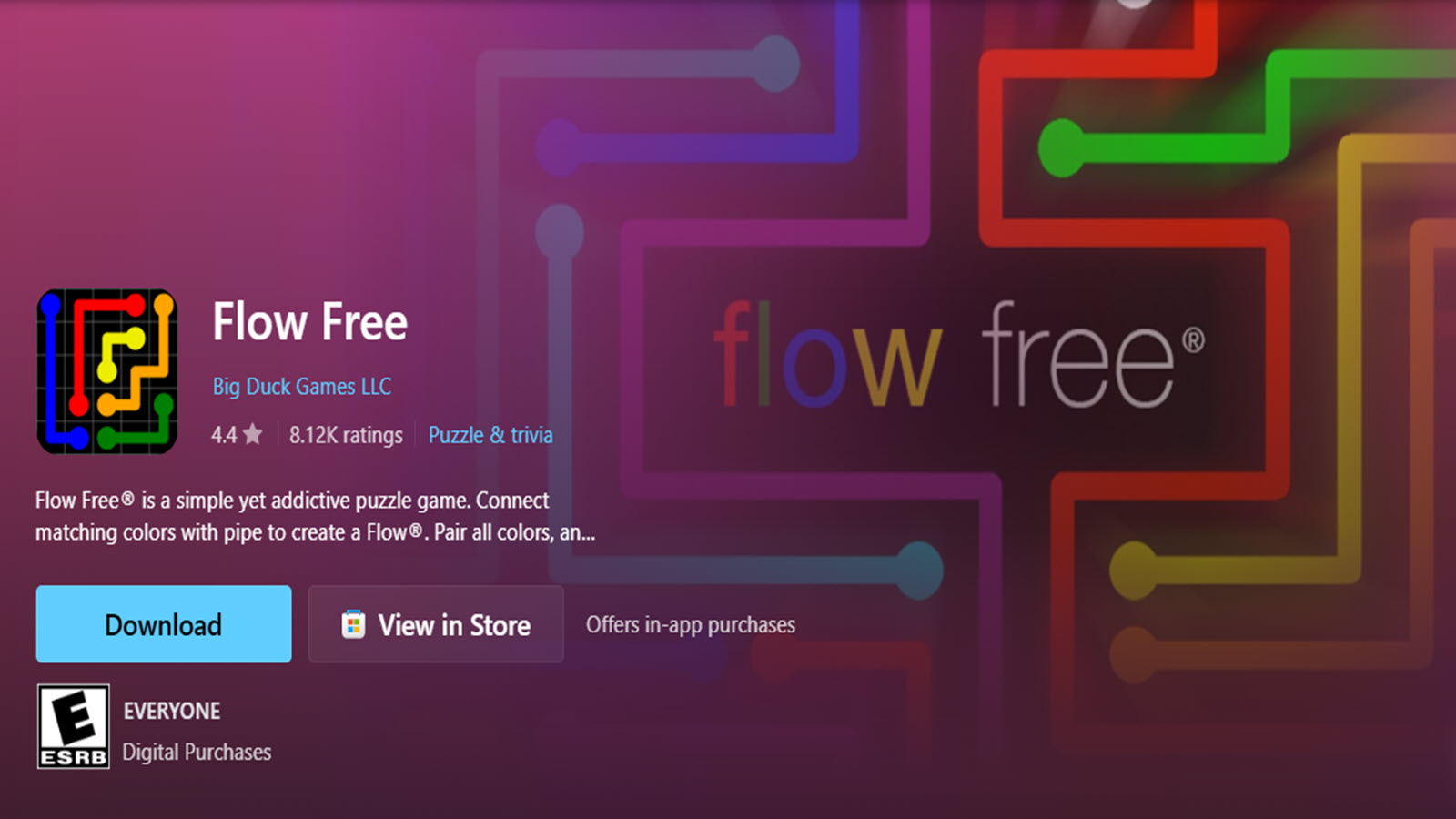
Flow Free offers satisfying pipe-connecting puzzles that introduce older toddlers to planning and spatial logic. Children connect matching colors without crossing lines in clean, progressively challenging levels. The straightforward gameplay builds visual problem-solving and sequencing skills while remaining approachable for young minds. Its addictive yet simple format encourages repeated attempts and strategic thinking. Families enjoy watching toddlers develop patience and clever solutions through these calming, focused puzzles.
Key features
- Color-connecting pipe puzzles
- Progressive difficulty levels
- Focus on planning and spatial logic
Facts and information
Flow Free develops logical sequencing and visual problem solving through addictive yet simple gameplay.
14. Dr. Panda Series
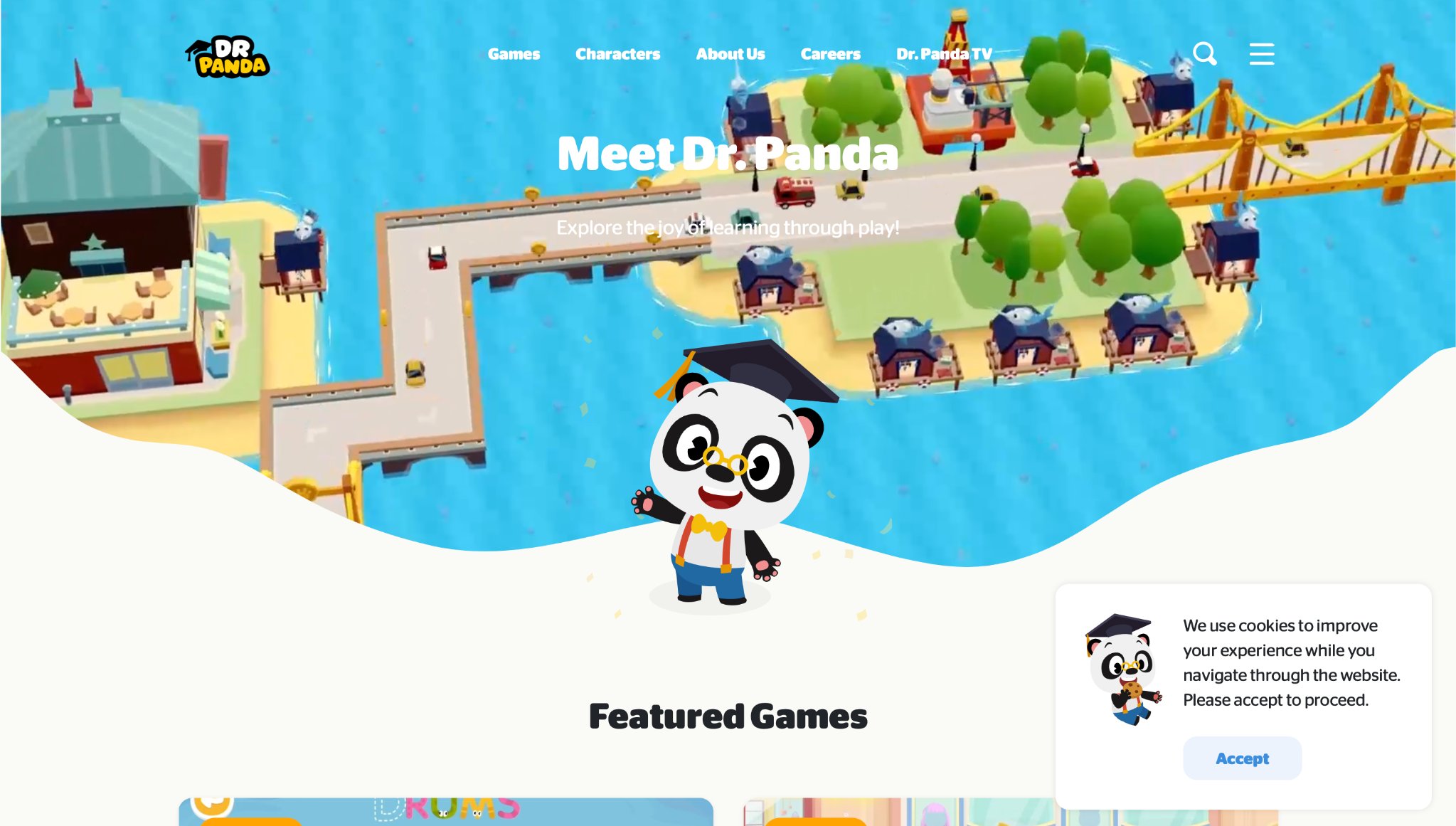
Dr. Panda Series brings problem-solving into everyday scenarios through gentle simulation games where toddlers care for animals, cook, or help in town settings. Children make decisions and follow practical sequences in charming worlds that teach responsibility alongside logical thinking. Different apps provide fresh contexts and challenges that keep interest high. The calm pacing and friendly characters make real-life problem-solving feel fun and meaningful. Parents value how these wholesome experiences connect thinking skills to relatable daily routines through imaginative role-play.
Key features
- Themed everyday problem scenarios
- Character care and activity-based play
- Support for empathy and practical thinking
Facts and information
Dr. Panda games help toddlers apply logic to real-life situations through playful, character-rich experiences.
15. Lego Duplo World
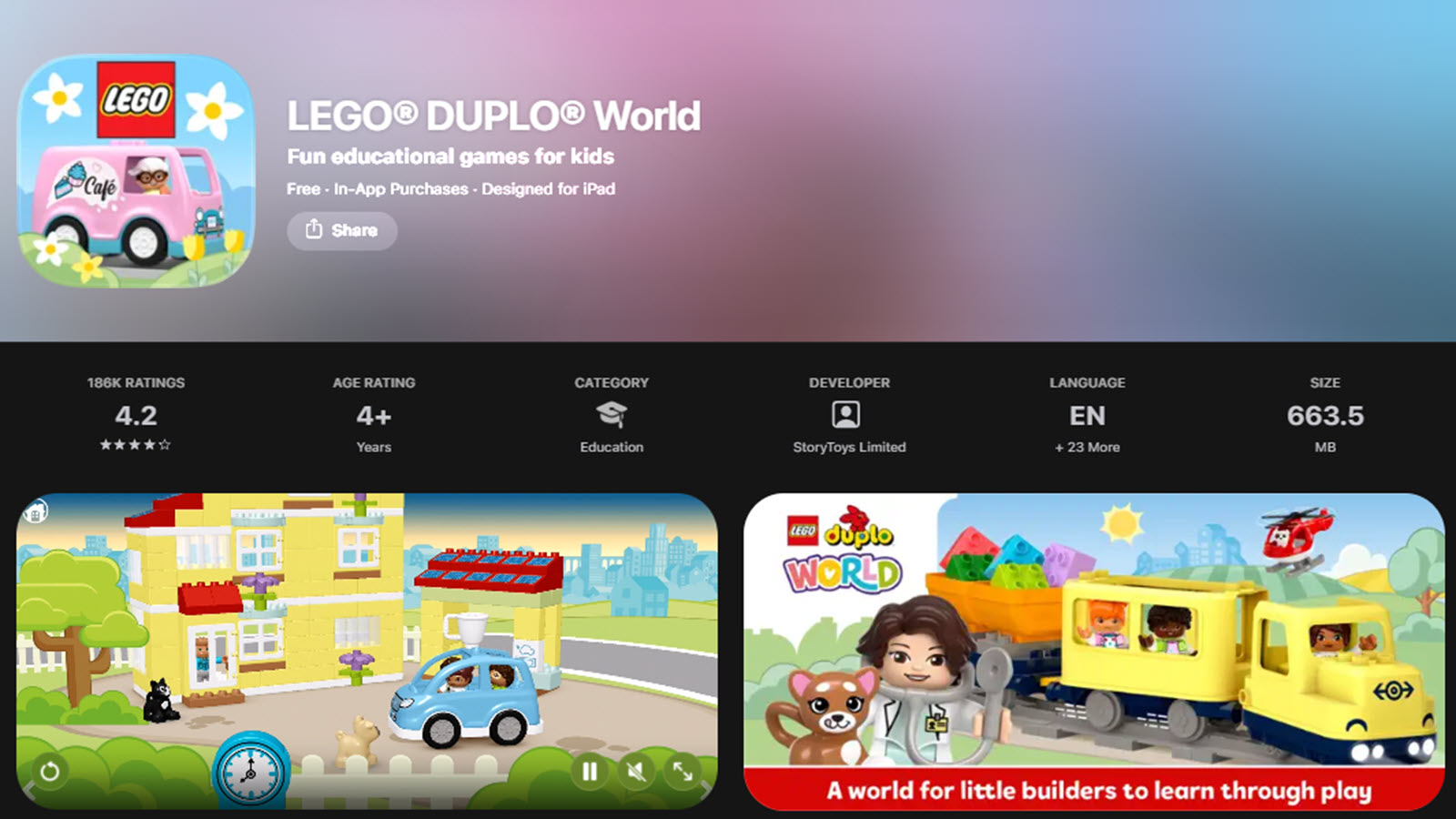
Lego Duplo World brings open-ended building and problem-solving to toddlers through familiar colorful blocks and interactive scenes. Children freely construct vehicles, houses, and stories while figuring out how pieces connect and interact in a safe digital environment. The simple touch controls and gentle challenges encourage spatial reasoning, creativity, and basic planning as kids experiment with cause and effect. Multi-touch support allows shared play with siblings or parents, turning screen time into collaborative problem-solving moments. Parents appreciate how it mirrors real Duplo play while adding light educational elements like counting and colors. The relaxing pace and endless creative possibilities make it ideal for developing persistence and flexible thinking in young learners.
Key features
- Open-ended building with digital 3D DUPLO bricks
- Themed play packs (trains, rescue, animals, construction, etc.)
- Multi-touch shared play for parent-child collaboration
- Gentle problem-solving activities with cause-and-effect exploration
- Focus on creativity, spatial awareness, and early math
Facts and Information
Lego Duplo World supports toddlers’ development through constructive, exploratory, and role-play experiences in a vibrant, responsive environment designed for ages 2–6.
How Problem Solving Games Support Toddler Development
Problem solving games for toddlers provide repeated, enjoyable practice in observing details, testing ideas, and adjusting approaches. Pattern recognition activities sharpen attention and focus, while shape-based challenges build spatial reasoning. Real-life scenarios help toddlers connect thinking skills to daily routines, making it easier to transfer what they learn into everyday life.
Fluvsies Academy games stand out because they integrate multiple developmental areas in each session. Toddlers experience connected growth across logical reasoning, language, creativity, and essential life skills.
Tips for Parents Using Problem Solving Games Effectively
- Choose short sessions that match your toddler’s natural attention span to keep play fun and stress-free.
- Talk with them about what they tried and what worked to strengthen critical thinking processes.
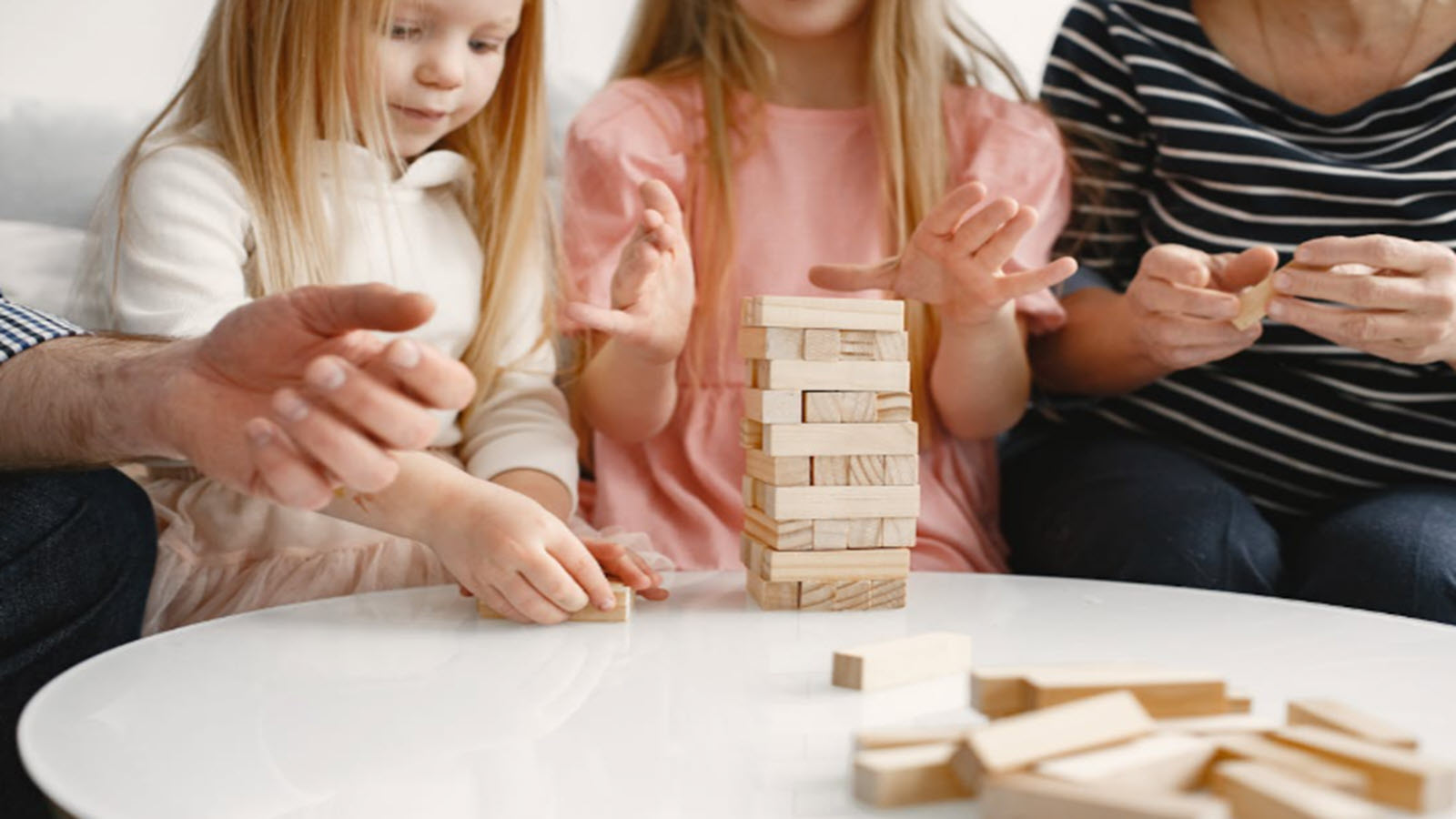
- Mix digital logic puzzled games with physical toys like blocks, shape sorters, or simple puzzles for balanced development.
Linking educational activities with real-life moments, such as sorting socks, setting the table, or helping with simple chores, naturally extends the learning and makes skills stick.
Combining Digital and Hands-On Problem Solving
Digital games deliver instant feedback that keeps toddlers motivated, while hands-on activities provide valuable tactile and sensory learning. Using both approaches helps children develop flexible thinking that works across different environments.
A balanced daily routine that combines both types of play supports stronger overall cognitive development. Quality brain games with a strong life-skill focus fit perfectly into this mix, as they naturally connect to real-world play and help children build practical thinking abilities.
Key Skills Developed Through Problem Solving Games
Problem-solving games are an excellent way to build essential cognitive and life skills in children. Here’s a clear breakdown of the top skills kids develop while playing these games and how they benefit them in real life:
- Spatial Reasoning: Better handling of objects and spaces – helping children visualize, organize, and navigate their physical environment more effectively.
- Logical Sequencing: Following daily routines more smoothly – improving a child’s ability to understand order, patterns, and step-by-step processes.
- Focus and Attention: Improved concentration during activities – strengthening sustained attention and the ability to filter distractions.
- Creative Thinking: More flexible approaches to new situations – encouraging innovative solutions and adaptability in everyday challenges.
- Persistence: Greater willingness to try again after setbacks – building resilience, patience, and a growth mindset.
FAQ
How do problem solving games help toddlers prepare for school?
Problem solving games for toddlers build early logic, focus, and planning skills that form a strong foundation for classroom learning. Toddlers who play regularly often show greater independence when facing new tasks or routines. These games combine thinking challenges with language and life skills, giving children well-rounded preparation for preschool and beyond.
What age range works best for problem solving games?
Toddlers aged 2 to 4 benefit most from simple shape matching and sorting games, while children aged 3 to 7 can enjoy more varied logic puzzles and scenario-based activities. Starting with short, success-oriented sessions keeps the experience positive and engaging. Look for games that naturally grow with your child’s abilities.
Should parents play problem solving games together with their toddlers?
Yes! Playing together lets parents model thinking strategies, offer gentle guidance, and celebrate small wins in the moment. Shared play creates natural opportunities for conversation that deepen learning. It also strengthens the parent-child bond while supporting cognitive development.
How can I balance screen-based problem solving games with offline activities?
Alternate digital problem solving games with hands-on play such as building blocks, shape sorters, or everyday tasks like sorting laundry or groceries. This mix provides different types of feedback - instant from apps and tactile from real objects - for more complete learning. A balanced routine helps toddlers develop flexible thinking across environments.
What skills do problem solving games primarily strengthen in toddlers?
Problem solving games for toddlers mainly strengthen spatial reasoning, logical thinking, focus and attention, and persistence. They also support creative thinking through open scenarios and pattern recognition through sorting and matching tasks. Many games integrate these abilities with life skills for well-rounded cognitive growth.
Read Also:
- Best Shape Games for Preschoolers Online 2026
- Best Early Literacy Games 2026
- Best Word Games for 6 Year Olds Online 2026
- Best Educational Computer Games 2026
Discover the Best Problem Solving Games for Toddlers 2026 - Fluvsies Academy



.jpg)