

Best SEL Games for Kids 2026





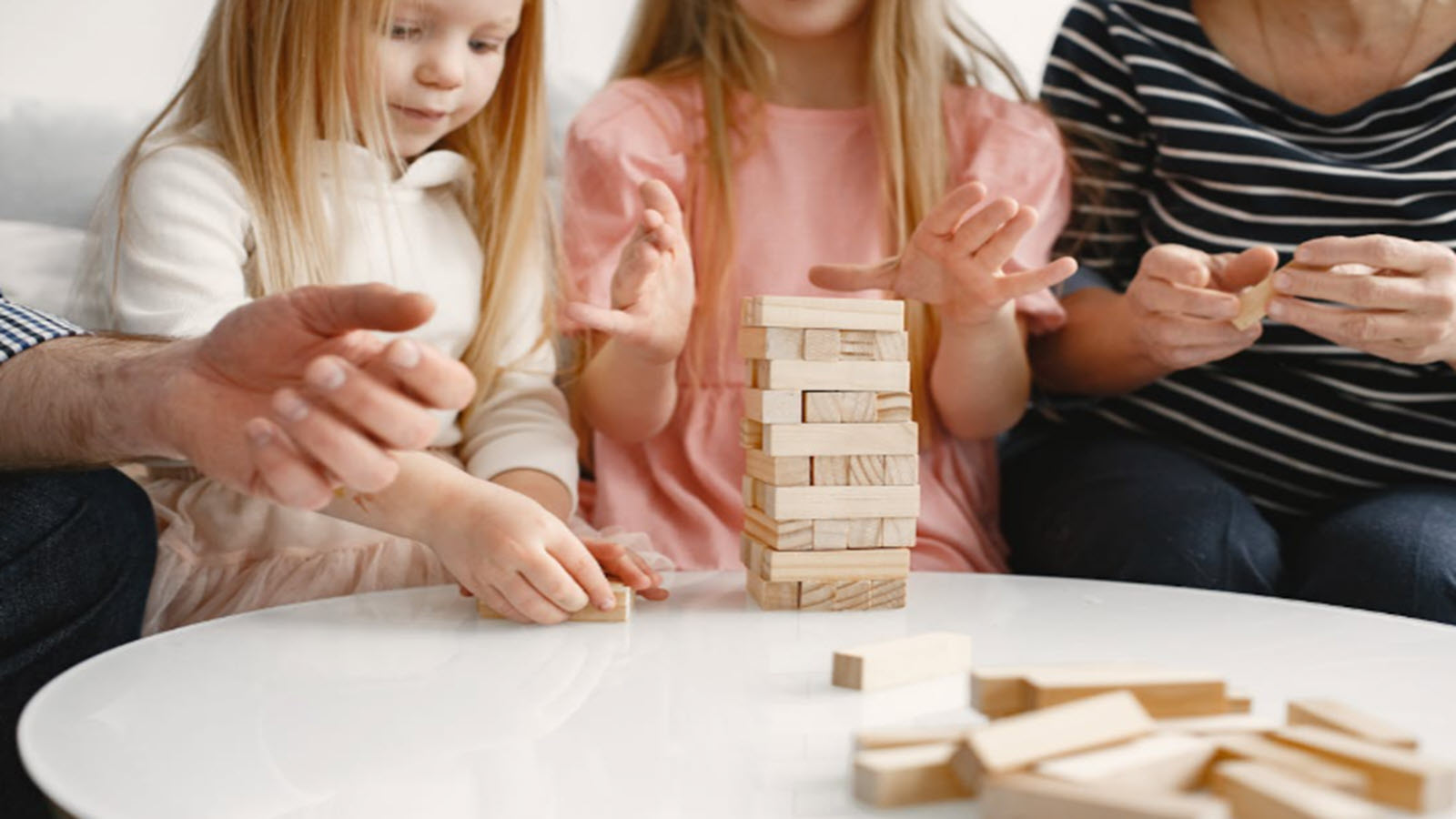
Parents want tools that turn playtime into meaningful growth for their children. The best SEL games for kids in 2026 help young ones recognize emotions, build friendships, and face challenges with greater confidence. These games skillfully combine fun with important lessons on empathy, self-awareness, and emotional regulation - all in ways children genuinely enjoy.
For a well-rounded approach, many parents combine SEL games with strong literacy tools. Discover the best app for kids learning to read, top phonics games for preschoolers, engaging kindergarten reading games, fun sight word games for kids, and the best educational games for kids online to support both emotional intelligence and early academic success.
Discover the Best SEL Games for Kids 2026 - Fluvsies Academy!
Why SEL Games for Kids Matter in 2026
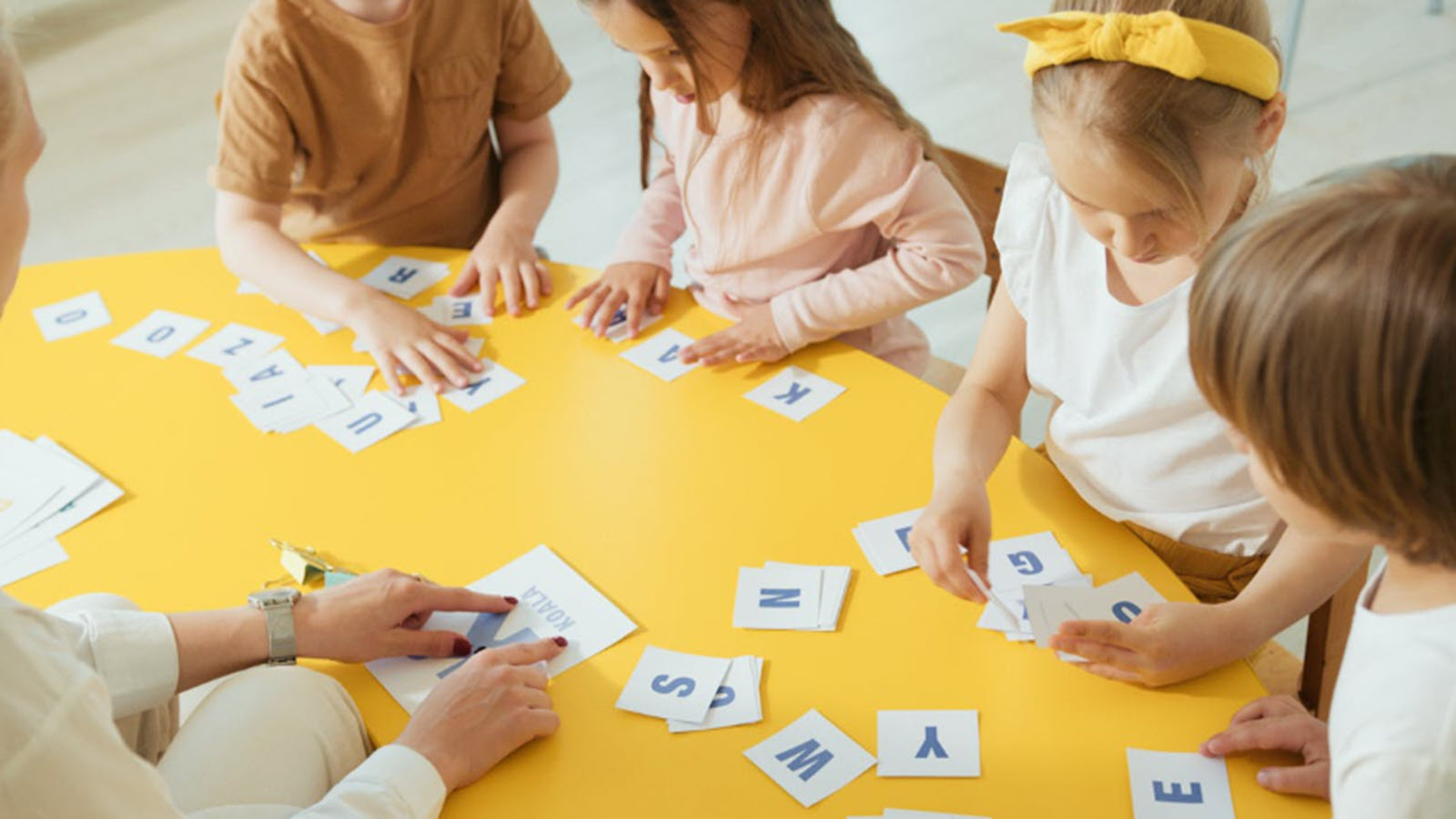
SEL games for kids create safe, joyful spaces where children naturally practice essential social emotional learning skills every day. Young kids learn to identify and name their emotions, show empathy, resolve conflicts, and build confidence - all through play. These early experiences build a strong foundation for school success, healthy friendships, and lifelong emotional wellbeing.
Child development experts agree that regular SEL activities significantly improve children’s focus, self-regulation, and empathy. Modern best educational games for kids 2026 make this learning process enjoyable, so kids stay motivated and naturally develop these vital life skills. Parents often notice positive changes such as better sharing, quicker calming after disappointment, and increased mindfulness.
Key Features Parents Should Look For
The most effective best SEL games for kids 2026 are ad-free, age-appropriate, and thoughtfully designed with input from child psychologists. These top educational games perfectly balance fun, engaging gameplay with meaningful developmental support while keeping children safe and focused.
Parents should look for features like gentle progress tracking, creative role-play, daily emotional check-ins, and simple mindfulness or movement activities. These elements work especially well for preschool and early elementary ages, helping children build strong emotional intelligence in a natural and enjoyable way.
Best SEL Games for Kids 2026
1. Fluvsies Academy - Best SEL Games for Kids 2026
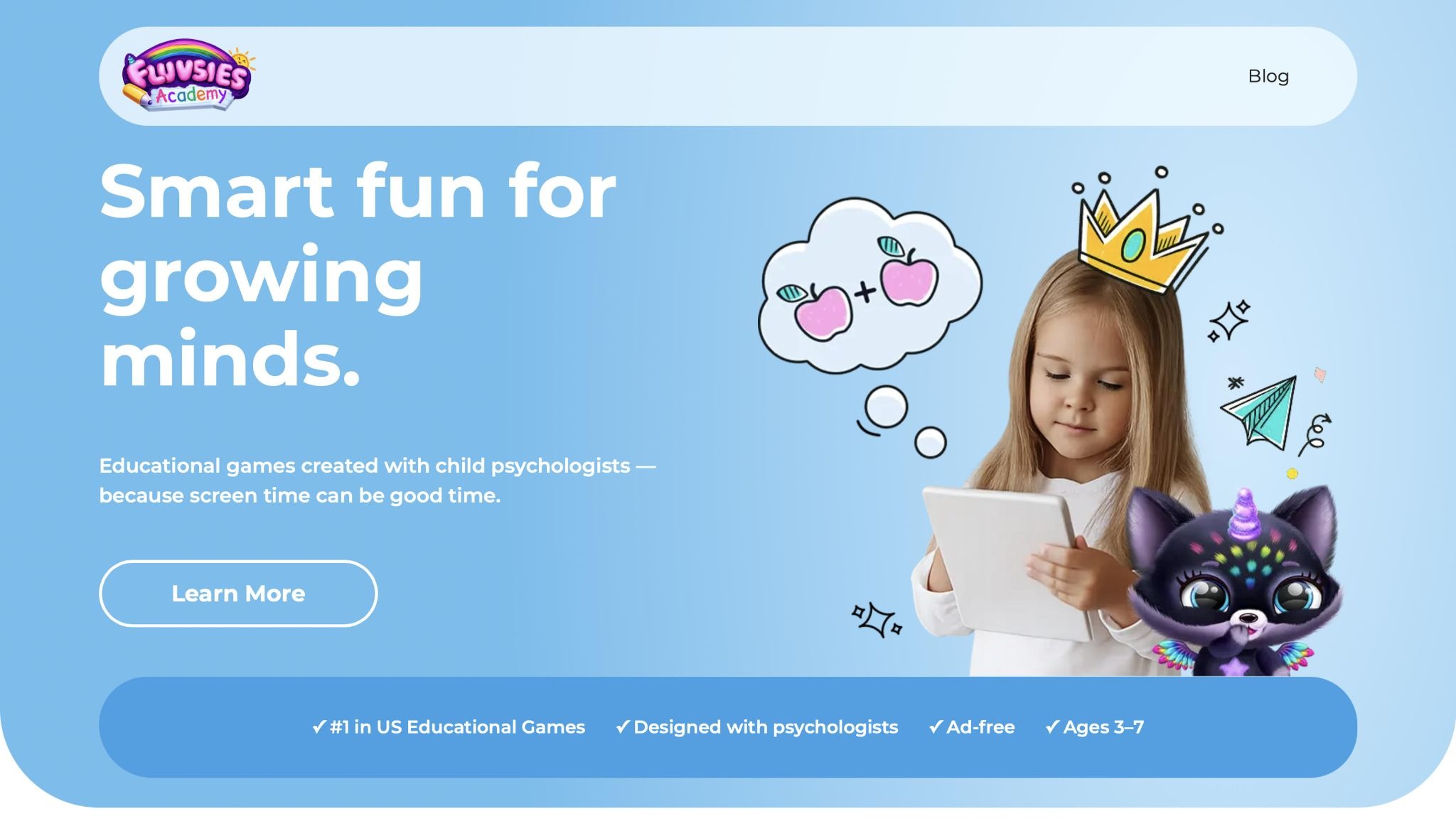
Fluvsies Academy brings together a lively collection of educational games created especially for children ages three to seven. Every activity comes from close work with child psychologists so the play feels natural, safe, and full of discovery. Kids dive into language and phonics exercises that build early reading confidence, number games that make counting exciting, and logic puzzles that sharpen attention and sorting skills.
Life skills sections turn everyday moments into adventures such as a fun teeth brushing challenge or creative tasks that spark imagination. Professions games introduce real world jobs like baker or astronaut and quietly expand vocabulary in the process. Mindfulness moments and kids yoga help little ones learn calm breathing and gentle movement while healthy habit activities reinforce positive routines.
The entire experience stays ad free so children stay immersed without distractions. Parents receive simple progress reports that highlight favorite activities and growing strengths. Free printables add hands on fun that connects digital play with real world practice. The platform works smoothly across devices and keeps content age appropriate with a strong focus on empathy, emotional safety, and joyful independent play.
Fluvsies Academy turns every minute of screen time into purposeful growth that preschoolers love and parents trust.
Discover Fluvsies Academy
Fluvsies Academy is a leading educational app designed for children aged 3–7. It transforms screen time into meaningful learning through fun, interactive games. Developed in collaboration with child psychologists, the app focuses on holistic development.
Key Features
- Ad-free environment for safe play.
- Games covering language, phonics, math, and logic.
- Activities for attention, sorting, and creativity.
- Real-world life skills like healthy habits and mindfulness.
- Exploration of professions to build vocabulary and imagination.
Educational Approach
Fluvsies Academy emphasizes guided play that balances focus, empathy, and emotional safety. It's the first holistic learning app for kids, ranked #1 educational game in the US. Progress reports help track your child's growth. Free printables extend learning beyond the screen.
Benefits for Families
Parents gain peace of mind with expert-backed games.
Kids build confidence, skills, and a love for learning. Ideal for preschoolers seeking joyful education.
Start building stronger emotional skills with Fluvsies Academy today.
2. TutoClub
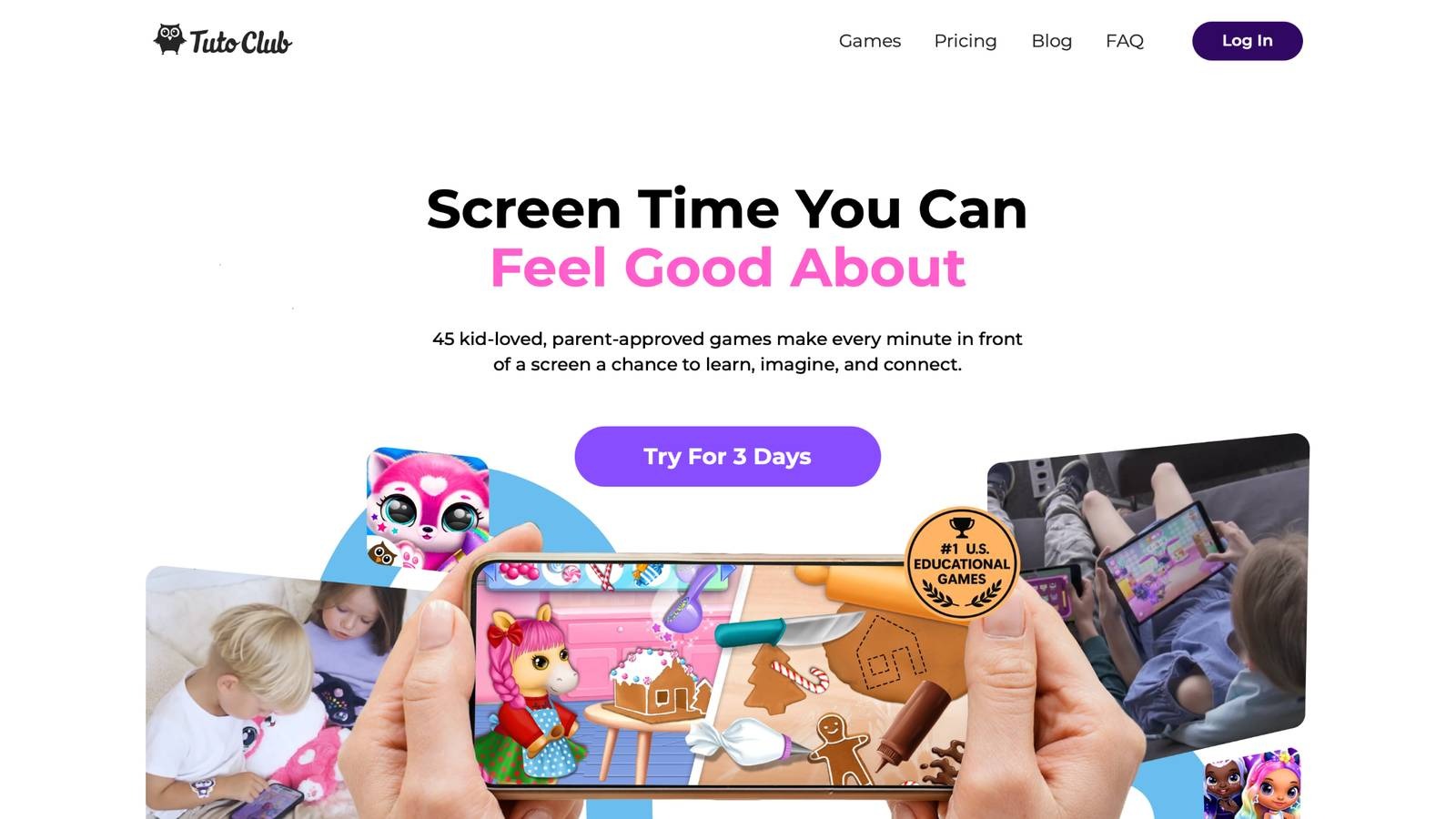
TutoClub offers a delightful collection of educational games specifically designed to transform screen time into meaningful developmental moments for preschoolers. This platform features a wide variety of interactive activities that focus on creativity, emotional intelligence, focus, and essential life skills. Children enjoy caring for virtual pets which gently teaches responsibility and empathy. Cleanup adventures make tidying up fun while building good habits. Styling and fashion games encourage self expression and creativity. The games adapt to each child's interests and provide open ended play that sparks imagination without pressure.
Regular updates keep the content fresh and exciting for returning players. Families appreciate the calm, ad free environment that supports healthy screen time and allows for shared family moments. TutoClub stands out for its thoughtful design that prioritizes social emotional growth alongside cognitive skills. Young learners build confidence as they master challenges and express themselves through play. The experience feels more like joyful exploration than structured lessons. Parents often note increased engagement and positive attitude toward learning activities after using the platform. The character driven stories help preschoolers explore emotions and social situations in safe and supportive ways. Many families find that the variety keeps children coming back and encourages repeat play sessions.
Key features
- Virtual pet care activities that build empathy and responsibility
- Creative styling and cleanup games that teach helpful habits
- Open ended play that encourages imagination and problem solving
- Regular content updates to maintain engagement
- Calm ad free design perfect for young attention spans
Facts and Information
TutoClub creates purposeful play experiences that support creativity, focus, and emotional skills in preschoolers through carefully crafted interactive games.
3. Wisdom: The World of Emotions by Better Kids
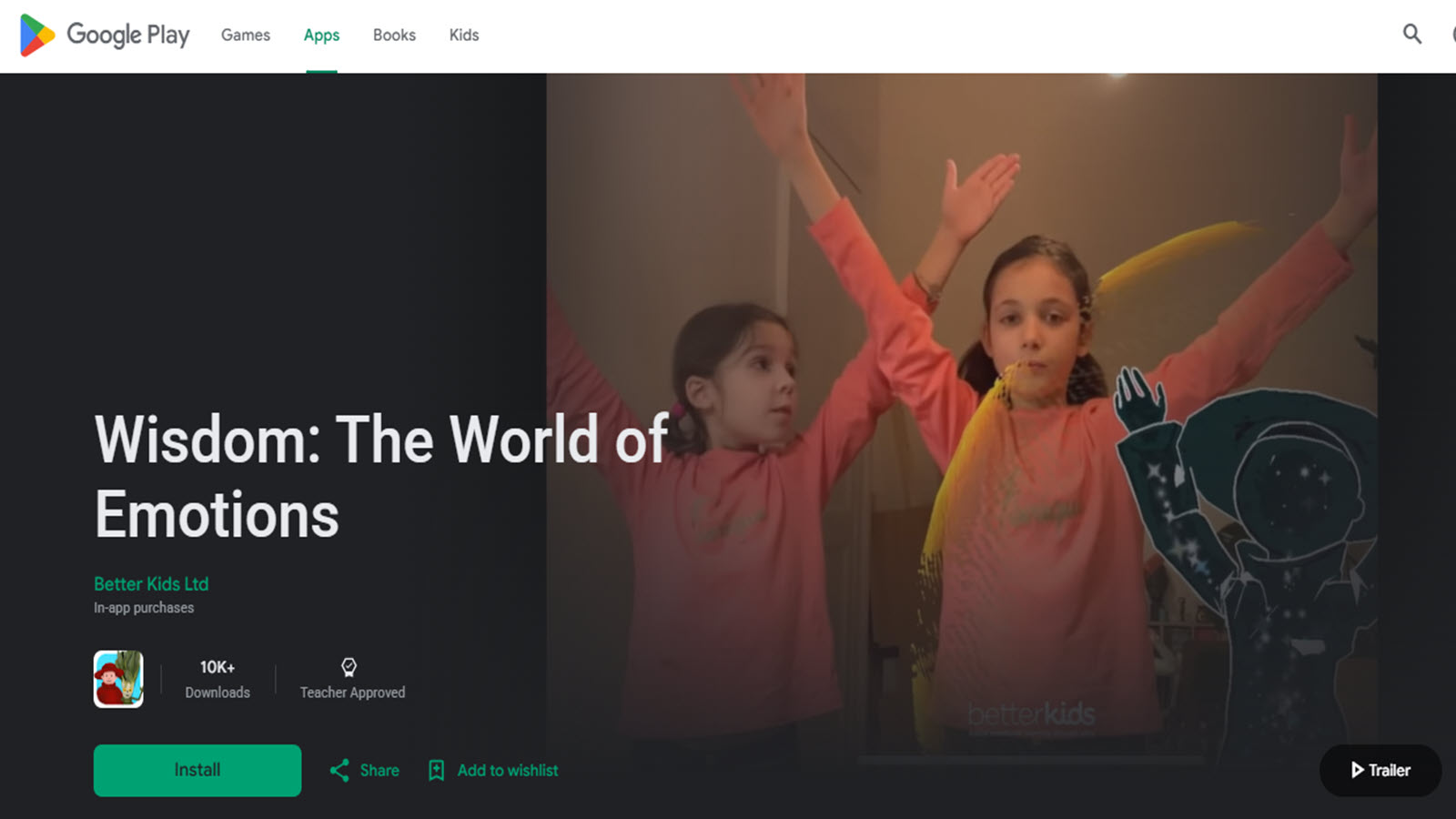
Wisdom: The World of Emotions takes children on immersive adventures through a magical kingdom where they learn to understand and manage feelings. The app uses interactive games and augmented reality exercises to teach core emotional skills in an engaging way. Kids practice self-awareness, self-management, and relationship building while exploring fun storylines.
The experience feels like play rather than work, which keeps young learners motivated. It includes mindfulness tools and real-life practice activities that help children apply what they learn. Families and educators often choose Wisdom for its inclusive design that supports all learning styles.
Key features
- Story-driven games focused on the five core SEL competencies
- Augmented reality mindful breathing exercises
- Customizable activities and printable resources for extended learning
Facts and information
Wisdom aligns with established SEL frameworks and provides tools that help children recognize emotions and build coping strategies through joyful, game-based experiences.
4. ABCmouse
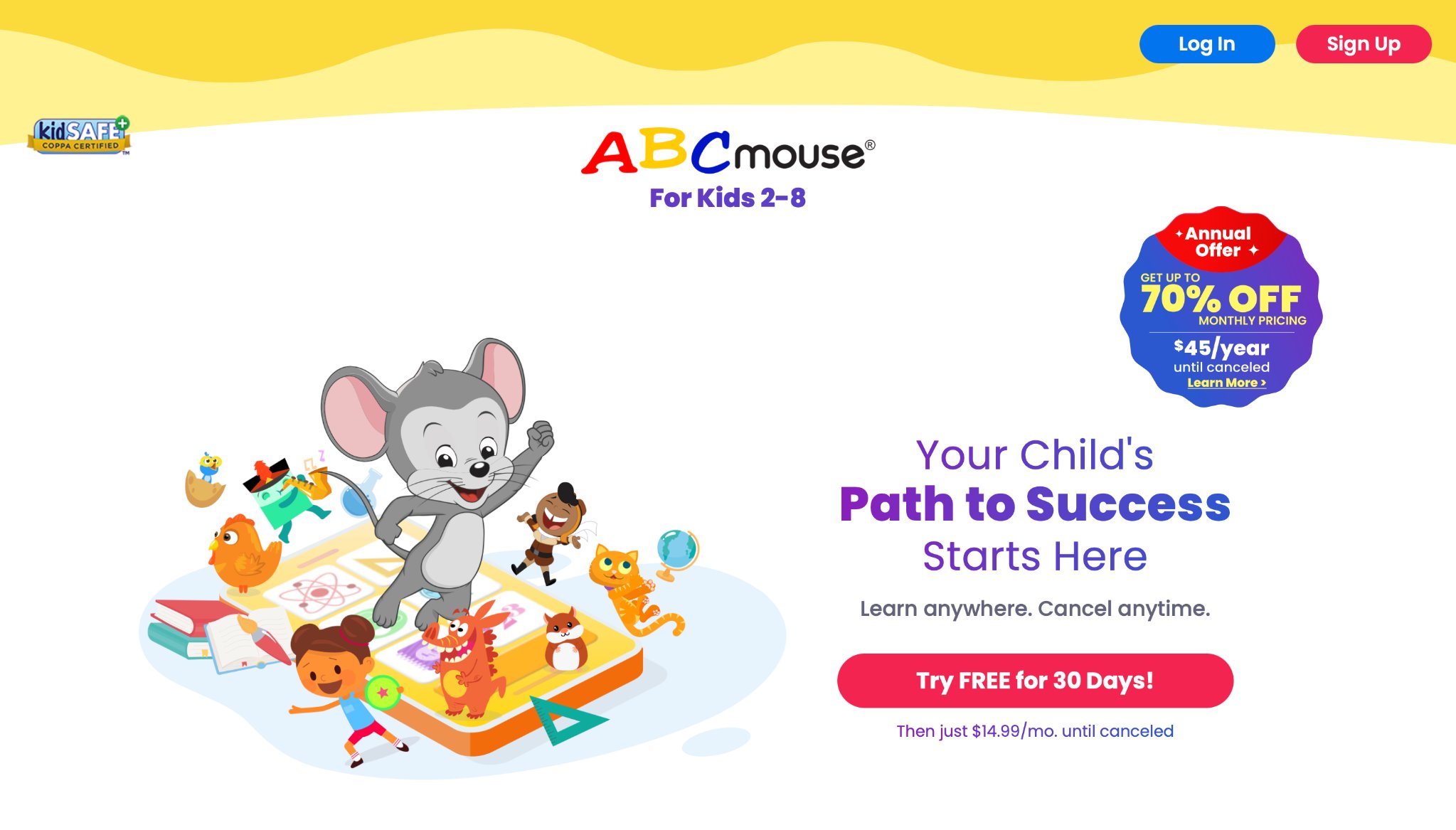
ABCmouse skillfully integrates social-emotional learning into its rich early education curriculum, helping children develop sharing, cooperation, empathy, and self-regulation through colorful stories, interactive games, and creative tasks. Friendly character interactions model positive behaviors in relatable scenarios, allowing kids to practice turn-taking, teamwork, and emotional understanding while progressing through personalized learning paths.
The structured yet playful environment keeps young learners motivated as they build both academic foundations and essential life skills like kindness and resilience. Parents often notice improved social awareness and emotional vocabulary as children apply these lessons in real-world situations. With thousands of activities that blend academics and SEL naturally, ABCmouse creates consistent daily opportunities for well-rounded growth that feels engaging rather than instructional.
Key features
- Mini-games that encourage turn-taking and teamwork
- Stories and songs that highlight kindness and emotional understanding
- Personalized learning paths that adapt to each child
Facts and information
ABCmouse creates opportunities for emotional growth alongside core subjects, helping children develop well-rounded skills through consistent, engaging play.
5. Breathe, Think, Do with Sesame by Sesame Workshop
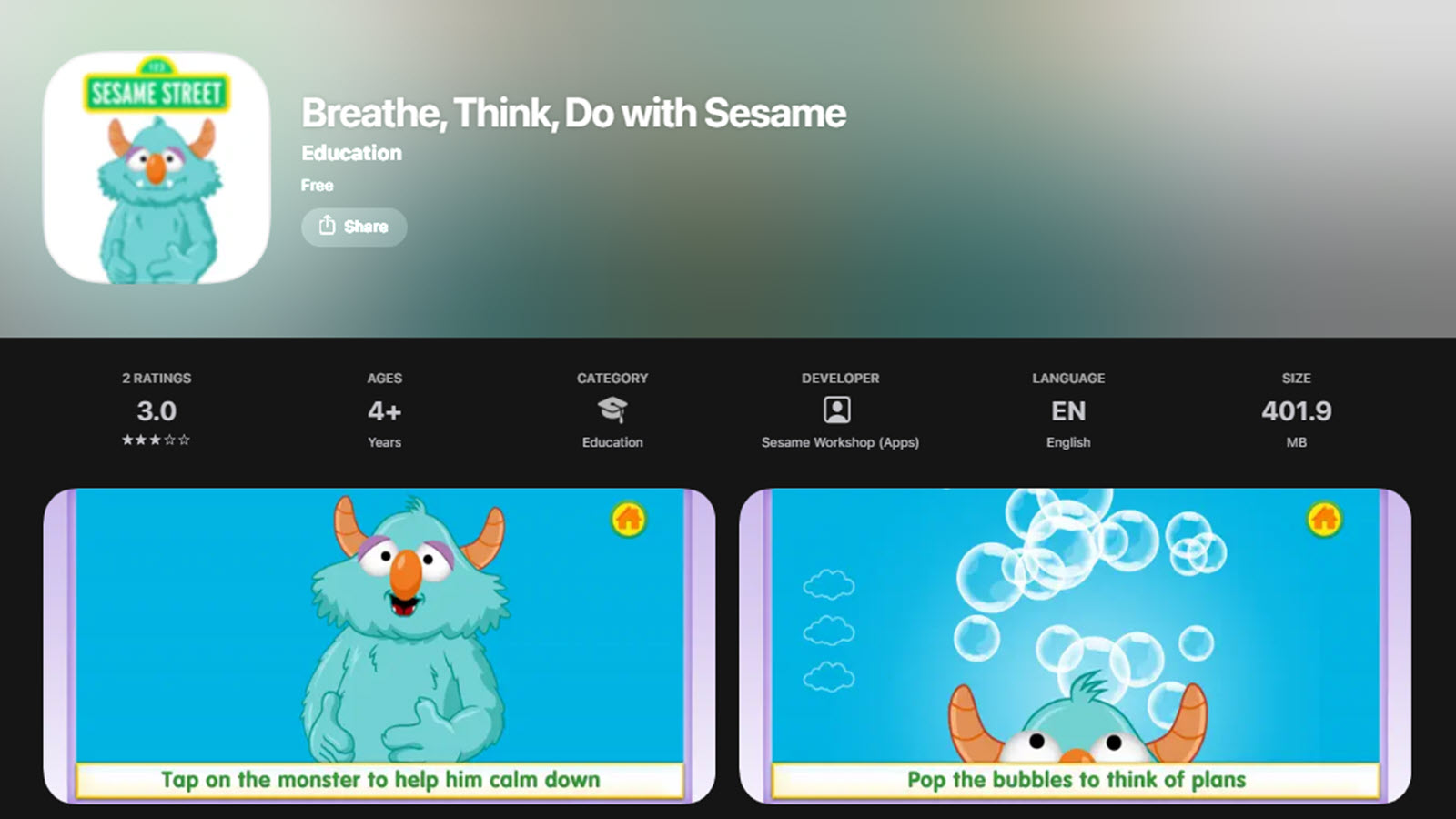
Breathe, Think, Do with Sesame makes emotional regulation and problem-solving approachable for young children through beloved Sesame Street characters in short, interactive scenarios. Kids help a friendly blue monster navigate common challenges like waiting their turn or dealing with disappointment, learning simple calm-down techniques, planning steps, and positive coping strategies along the way.
The gentle format with engaging animations and familiar voices builds confidence and resilience by turning everyday frustrations into manageable learning moments. Children enjoy returning to the app because the trusted characters feel like supportive friends guiding them through real-life emotions. This practical tool equips preschoolers with strategies they can use independently during tough moments at home or in social settings.
Key features
- Step-by-step strategies for handling emotions and problems
- Relatable scenarios based on common preschool experiences
- Engaging animations and voiceovers from beloved characters
Facts and information
The app focuses on practical tools that children can use in real life, building confidence and resilience one small victory at a time.
6. Khan Academy Kids
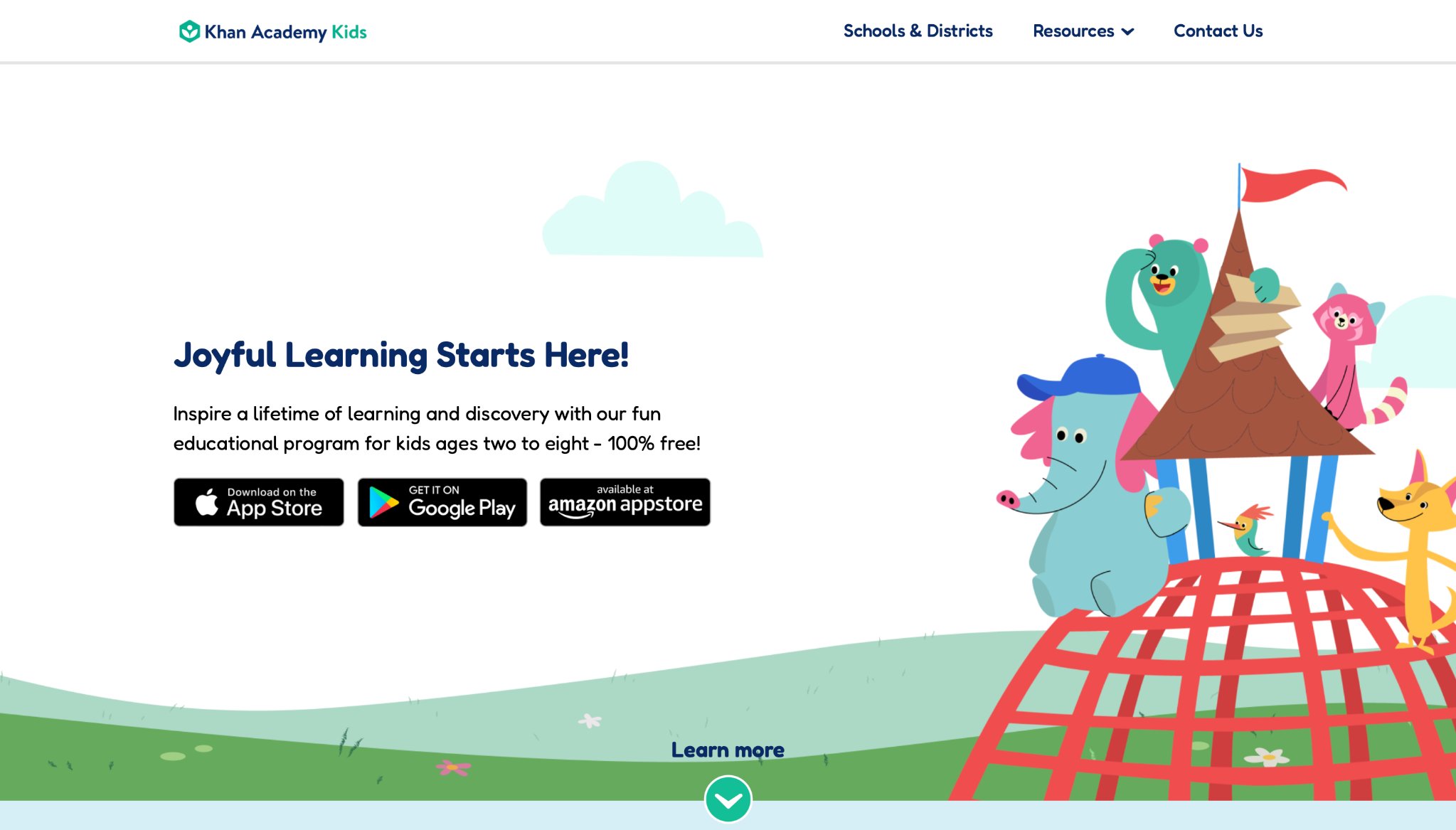
Khan Academy Kids delivers completely free, high-quality activities that thoughtfully blend academic learning with social-emotional growth for young children. Through engaging stories, videos, and interactive games, kids explore feelings, self-awareness, communication, and mindfulness alongside math, reading, and creativity. The adaptive platform adjusts to each child’s pace while colorful characters provide encouraging feedback that builds confidence and emotional intelligence.
Families appreciate the ad-free, accessible experience that fits easily into daily routines without subscription barriers. Its research-backed content supports the whole child, fostering curiosity, kindness, and emotional balance through rewarding play that feels both educational and genuinely fun.
Key features
- Emotion-focused stories and mindfulness moments
- Interactive lessons that blend academics with social skills
- Offline capabilities for learning anywhere
Facts and information
Khan Academy Kids provides accessible SEL support that fits easily into daily routines without any cost barriers.
7. Daniel Tiger’s Grr-ific Feelings
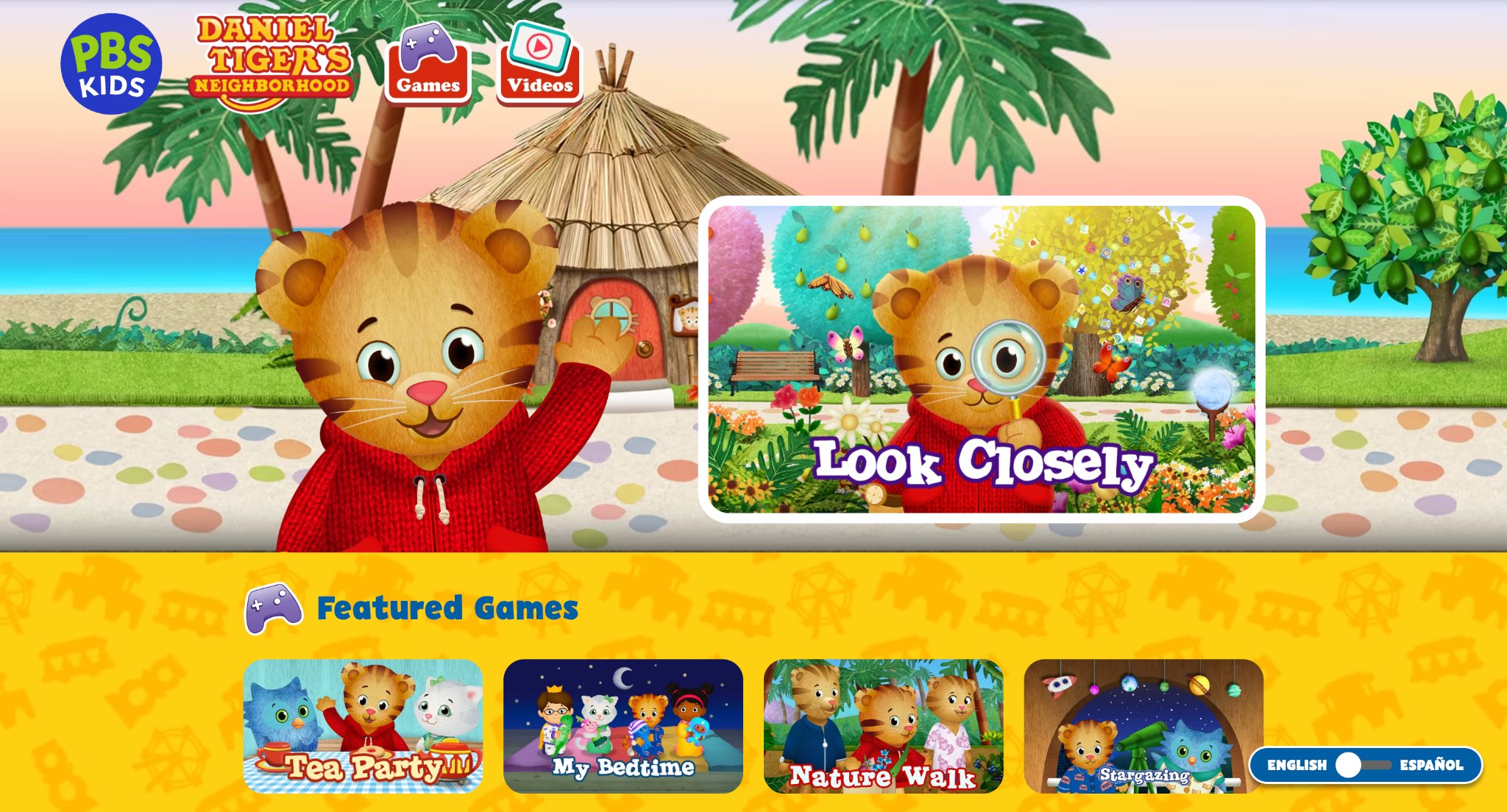
Daniel Tiger’s Grr-ific Feelings helps children identify, name, and manage emotions using beloved characters from the popular show in gentle neighborhood adventures. Through catchy songs, creative art activities, and mini-games, kids practice expressing feelings and finding healthy responses to everyday situations like sharing or feeling frustrated.
The memorable music and visual cues make emotional lessons stick, giving preschoolers tools they can recall during real-life moments. The calm pacing and positive modeling create a safe space for building self-expression, empathy, and social skills. Families love how it turns emotional learning into joyful, familiar experiences that strengthen kindness and resilience in young hearts.
Key features
- Songs that teach emotional vocabulary
- Creative drawing and storytelling activities
- Scenarios that model positive social interactions
Facts and information
The app draws on proven character education principles to help children develop kindness and self-expression in everyday situations.
8. Smiling Mind
Smiling Mind offers simple, age-appropriate mindfulness practices that help children develop emotional balance, focus, and calm habits through short guided meditations and breathing exercises. Designed specifically for young minds, the free resources make it easy for families to build daily relaxation routines together. Kids follow kid-friendly tracks that fit short attention spans while learning to notice and manage big feelings in positive ways.
The straightforward format delivers meaningful benefits for concentration and emotional regulation without complexity. Parents value how these accessible tools support self-awareness and peaceful moments that carry over into better daily interactions and reduced stress.
Key features
- Short, kid-friendly meditation tracks
- Programs tailored to different age groups
- Tools for daily emotional check-ins
Facts and information
Smiling Mind promotes relaxation techniques that many children use to manage big feelings and improve concentration.
9. The Social Express
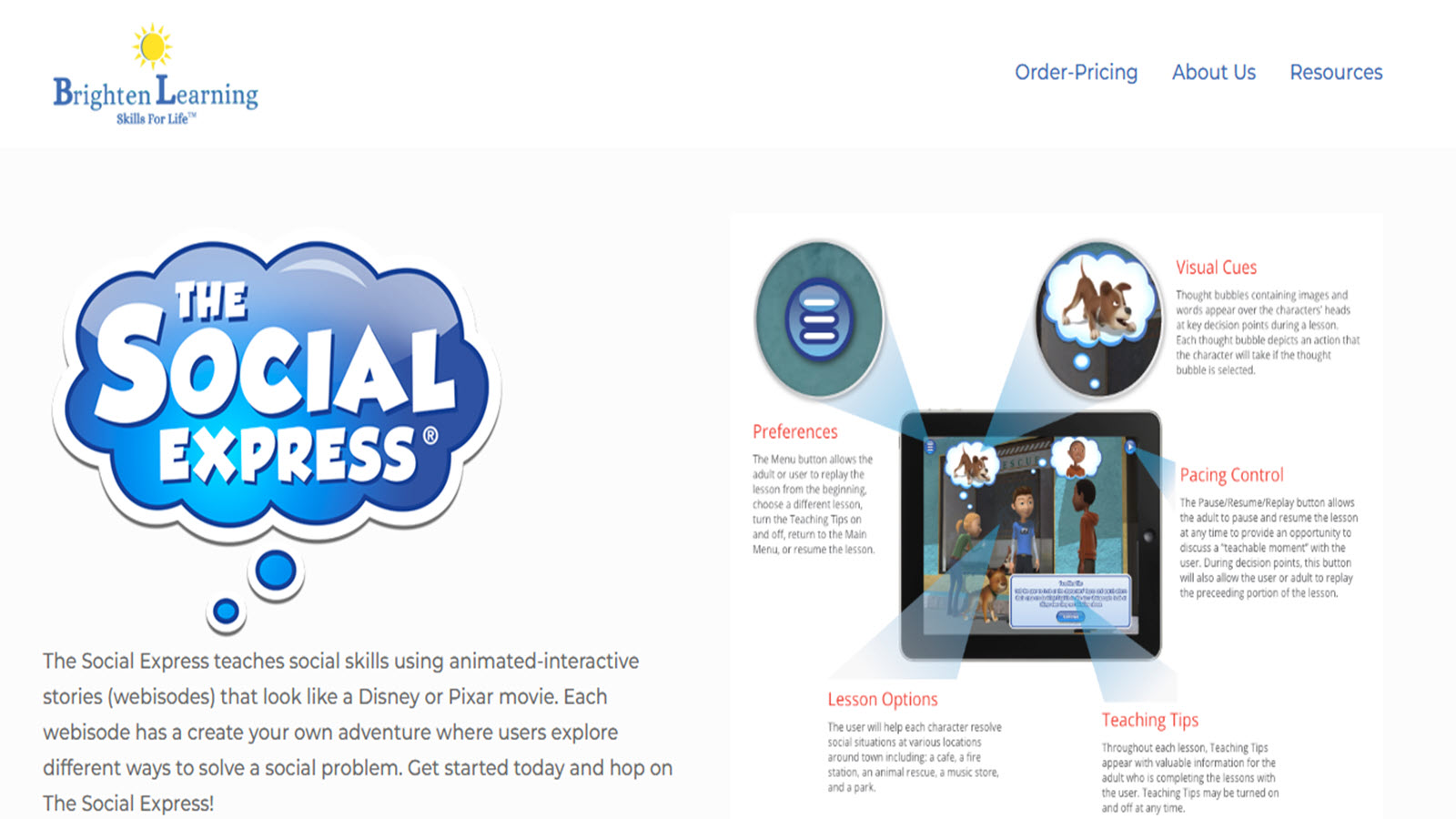
The Social Express uses interactive choice-based videos to help children navigate social situations and practice thoughtful decision-making in real-time. Kids step into character roles and explore different outcomes based on their choices, building perspective-taking, empathy, and conflict resolution skills through engaging stories.
The format naturally sparks conversations between children and adults about friendship, emotions, and everyday challenges. This practical approach strengthens relationship skills by showing the impact of actions on others in a safe, story-driven environment. Families appreciate how it turns abstract social concepts into concrete, repeatable practice that boosts confidence in real-world interactions.
Key features
- Video scenarios with multiple decision paths
- Focus on friendship skills and conflict resolution
- Practical strategies for everyday social challenges
Facts and information
The app supports children in developing stronger relationship skills through engaging, story-driven practice.
10. Quandary

Quandary immerses children in a fantasy world where they face ethical dilemmas and make decisions that affect an entire community, encouraging critical thinking, empathy, and responsible choice-making. Players weigh consequences and consider different perspectives as they solve moral puzzles in an imaginative, low-pressure setting.
The open-ended gameplay sparks meaningful discussions at home or school about values, fairness, and social impact. This thoughtful adventure-style experience builds social awareness and decision-making skills while keeping kids fully engaged. Parents and educators value how it transforms complex concepts into fun, reflective gameplay that nurtures caring and principled young minds.
Key features
- Fantasy-based ethical puzzles
- Opportunities to discuss values and consequences
- Tools for educators to guide group discussions
Facts and information
Quandary strengthens responsible decision-making and social awareness through thoughtful, adventure-style gameplay.
11. GoNoodle
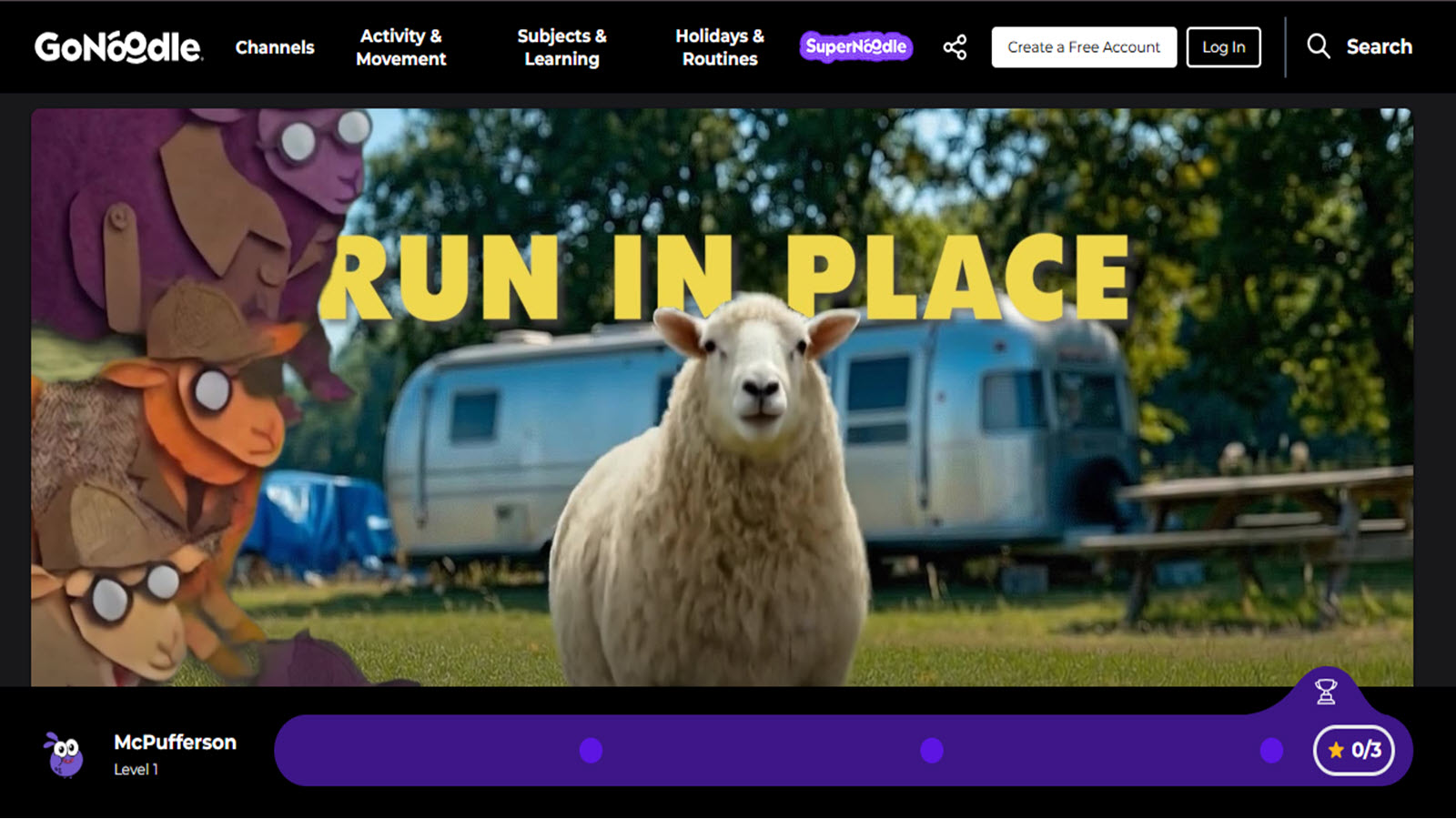
GoNoodle makes social-emotional learning active and exciting through energetic movement videos, dance, yoga, and mindfulness activities led by fun characters. Children practice releasing energy, managing focus, and building positive habits while learning to recognize and regulate different moods. Short sessions help kids develop self-control, emotional check-ins, and classroom-ready routines in a way that feels playful rather than serious.
Families notice quick improvements in calmness and engagement after active play. The platform effectively connects physical movement with emotional awareness, turning everyday energy into opportunities for growth and healthy self-expression.
Key features
- Short movement and mindfulness videos
- Character-led activities for different moods
- Tools for teachers and parents to guide sessions
- Focus on energy release and calm down strategies
Facts and Information
GoNoodle makes SEL active and fun, helping children connect body movement with emotional awareness.
12. Moshi Kids
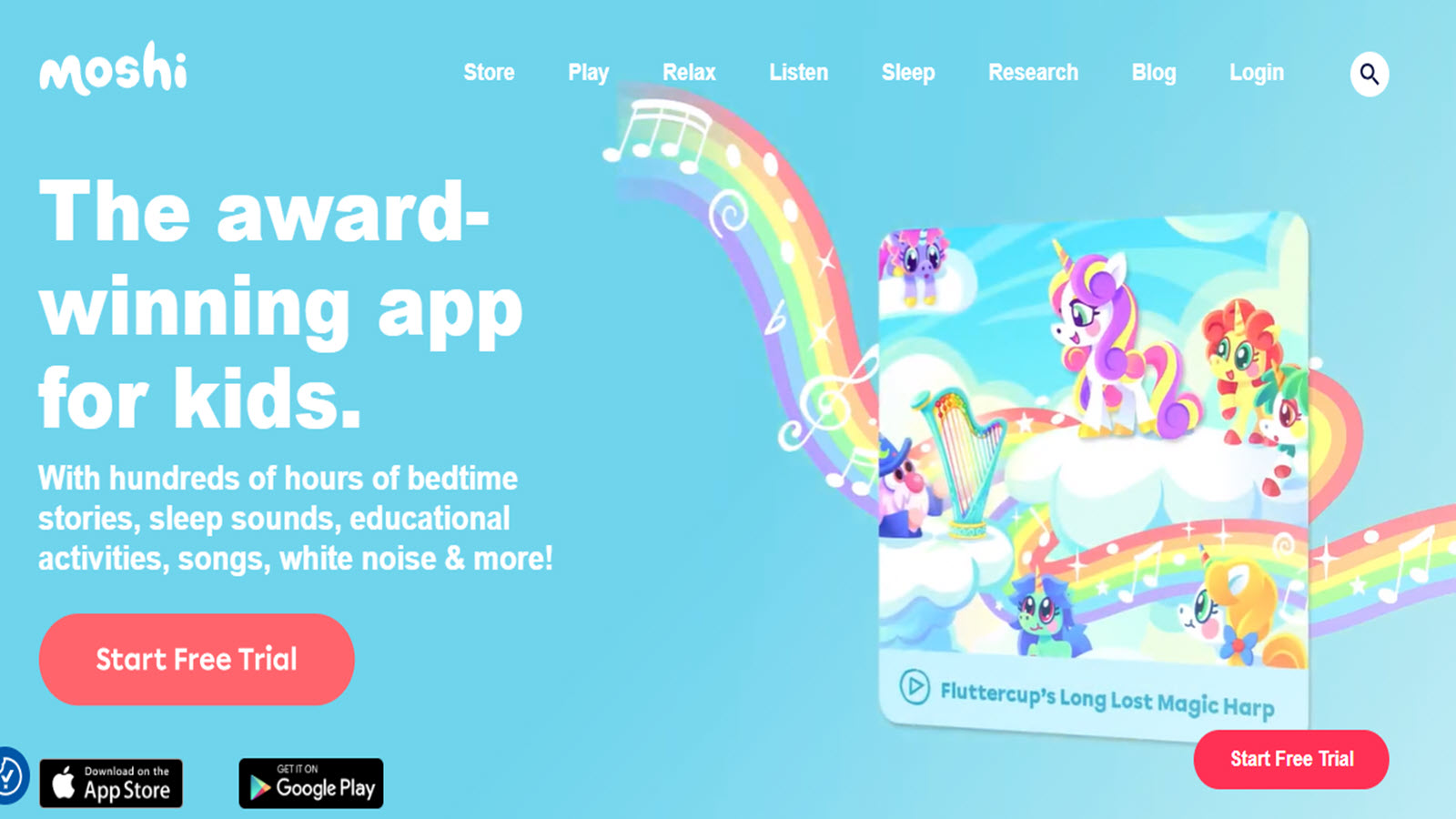
Moshi Kids creates soothing audio experiences with original sleep stories, meditations, and gentle mindfulness activities that nurture emotional balance and relaxation. Children follow magical tales featuring friendly characters that model kindness, bravery, and calm thinking while building healthy bedtime routines.
The high-quality narration and calming soundscapes help little ones wind down and manage big feelings through positive, imaginative messages. This screen-light approach supports emotional comfort and resilience in a comforting, ritual-like way. Parents appreciate how it turns quiet moments into opportunities for gentle growth and peaceful self-care habits.
Key features
- Original sleep stories and meditations
- Soothing soundscapes and music
- Age-appropriate mindfulness content
- Tools for building healthy sleep habits
Facts and Information
Moshi Kids provides gentle audio experiences that nurture relaxation and emotional comfort.
13. Avokiddo Emotions
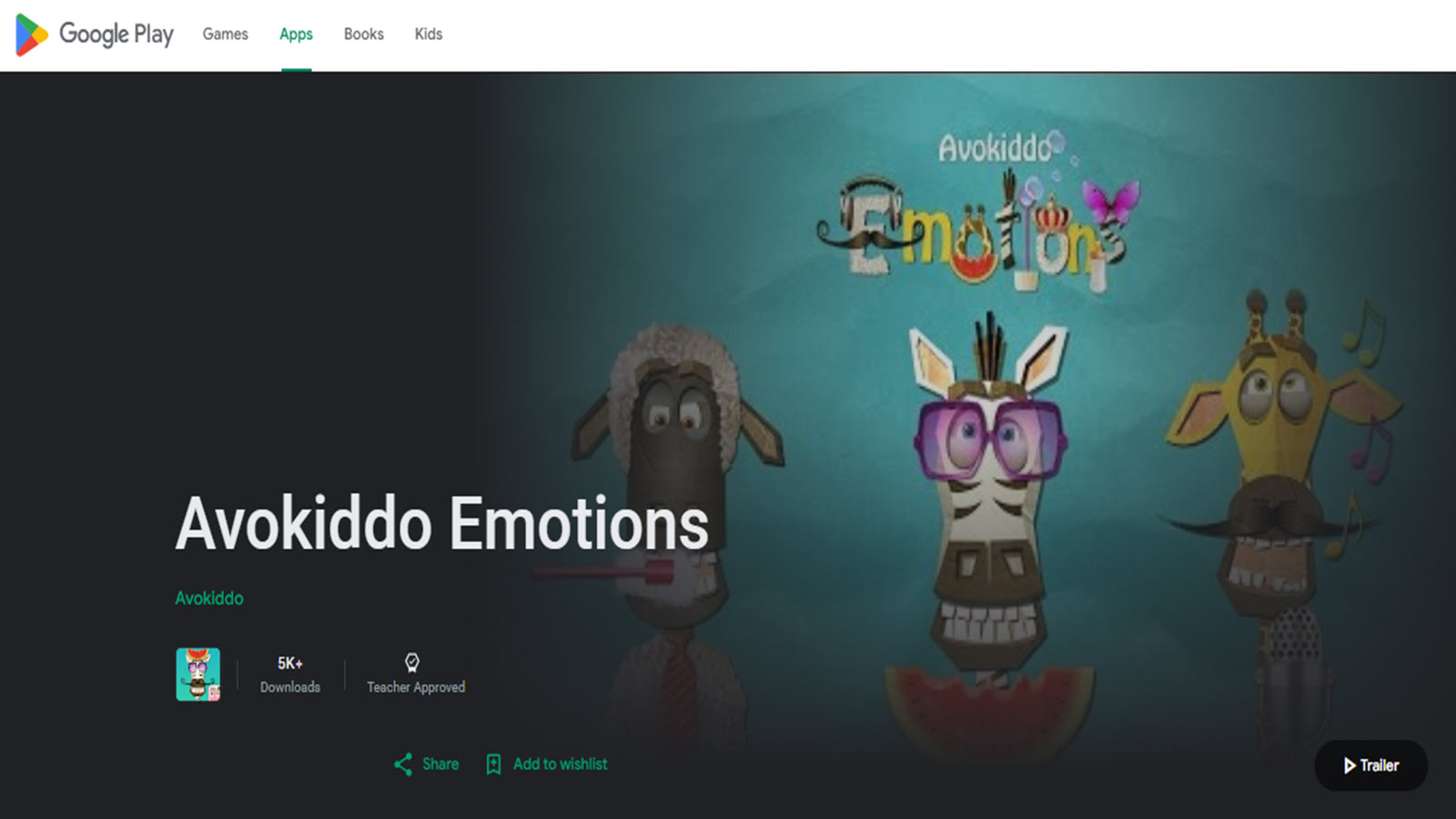
Avokiddo Emotions lets children playfully explore a wide range of feelings by mixing facial expressions on silly characters with interactive props and animations. Kids experiment with cause-and-effect as they create different emotions and observe how faces change, building early understanding of empathy and emotional cues.
The open-ended, colorful format keeps sessions light-hearted and engaging while developing social awareness through visual, hands-on play. This simple yet effective approach makes abstract concepts concrete and fun for preschoolers. Families love how it encourages natural conversations about feelings and boosts confidence in recognizing emotions in themselves and others.
Key features
- Interactive face and emotion mixing
- Silly characters with props
- Focus on understanding facial expressions
- Cause and effect emotional activities
Facts and Information
Avokiddo Emotions makes learning about feelings visual and fun for young explorers.
14. Mindful Powers
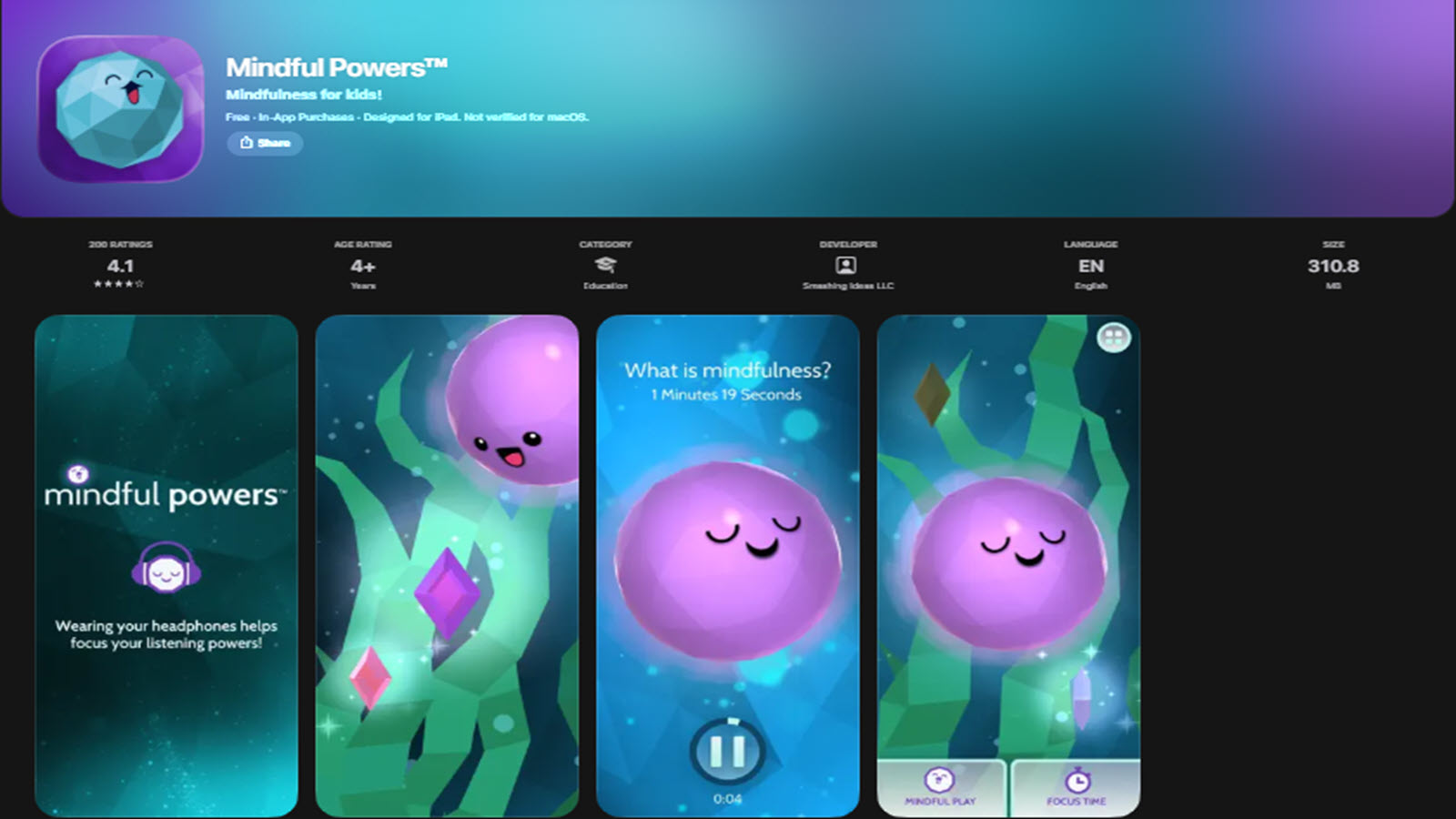
Mindful Powers guides children through story-based mindfulness adventures featuring a friendly sea creature companion, turning breathing and focus exercises into engaging journeys. Kids follow progressive paths that build consistent habits of calm and awareness in a gentle, age-appropriate format.
The narrative style keeps young learners motivated while teaching practical tools for managing emotions and improving concentration. As the app grows with the child, it offers expanding challenges that feel rewarding and supportive. Parents value this creative approach that transforms mindfulness into something children genuinely look forward to practicing.
Key features
- Story-driven mindfulness adventures
- Breathing and focus exercises
- Friendly character guide
- Progressive learning paths
Facts and Information
Mindful Powers turns mindfulness practice into engaging stories that children enjoy returning to.
15. Education
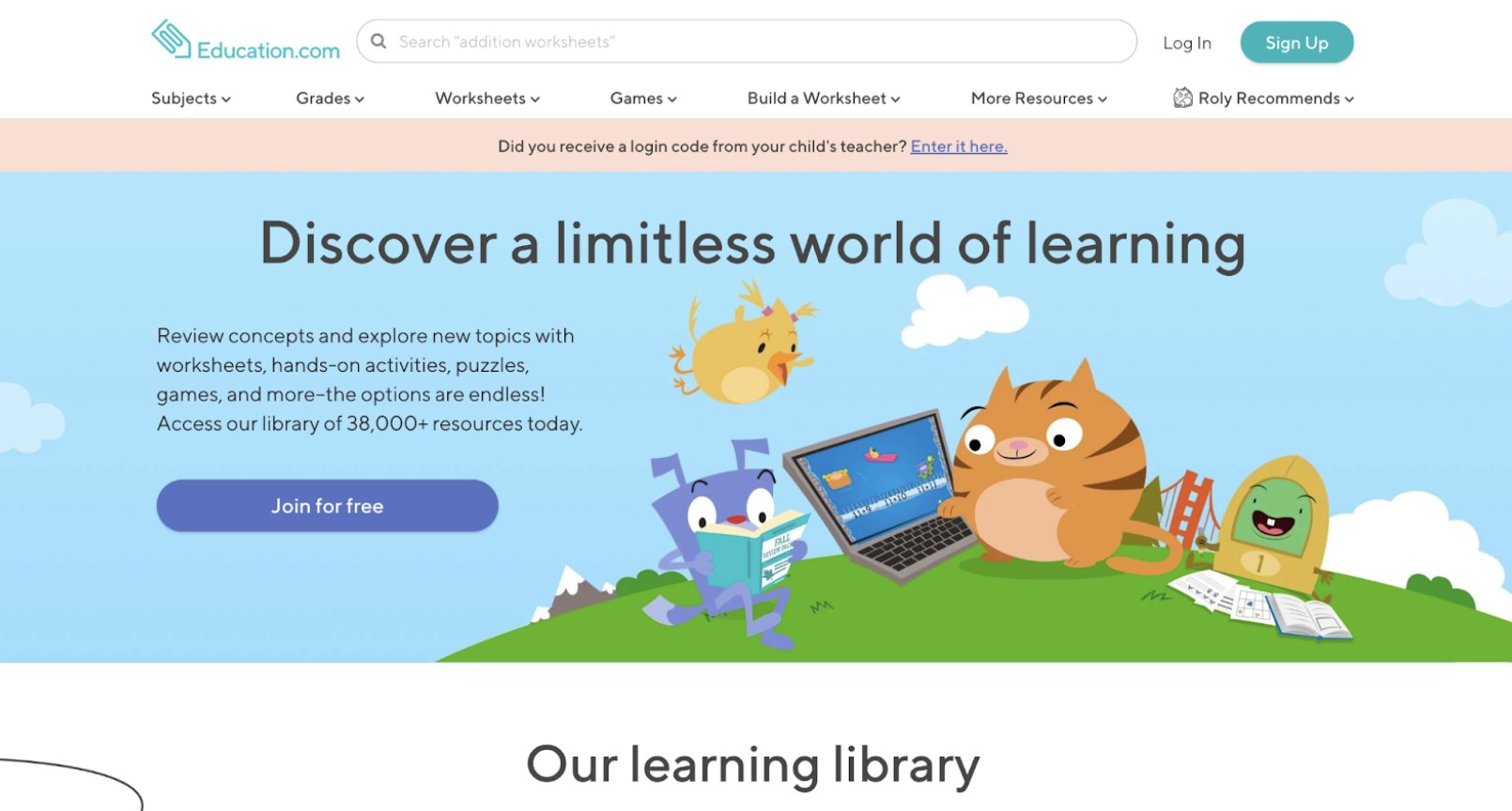
Education.com offers a rich library of interactive preschool games that cover colors, shapes, numbers, letters, and social skills. The platform provides point and click activities, puzzles, and creative tasks that reinforce classroom concepts at home. Children engage with structured yet fun experiences that build foundational knowledge. Parents and teachers use the resources to create enjoyable learning moments. Education.com supports steady progress through a variety of game formats.
Key features
- Games focused on core preschool concepts
- Point and click and puzzle activities
- Support for home and classroom use
- Variety of formats to maintain interest
- Curriculum aligned content
Facts and Information
Education.com creates structured digital games that help preschoolers develop foundational skills through engaging play.
Why SEL Games for Kids Are Essential for Healthy Development in 2026
SEL games for kids deliver powerful long-term benefits by teaching children how to manage emotions, reduce stress, and build meaningful relationships. Regular play helps young kids develop stronger self-control, greater empathy, and more positive social interactions both at home and in school. These foundational skills become valuable tools they carry into new challenges throughout childhood and beyond.
Beyond emotional growth, quality SEL games also boost creativity, confidence, and memory retention as children track their own progress and celebrate small wins. Many families report that game time turns into precious bonding moments filled with laughter and deeper emotional connections.
How to Incorporate SEL Games into Daily Routines
To get the best results, introduce best SEL games for kids 2026 during calm moments when your child is relaxed and receptive. Short, consistent sessions (10–15 minutes) are far more effective than long ones, especially for preschoolers and early elementary children.
Make the experience richer by talking with your child afterward about what they felt or learned. Rotate between different games to maintain interest while developing various skills. Involving the whole family creates wonderful opportunities to model healthy emotional conversations. Many parents successfully link SEL play to bedtime routines, helping children wind down peacefully and sleep better.
Top Trends in SEL Games for Kids in 2026
The best educational games for kids 2026 are becoming more inclusive, adaptive, and engaging than ever especially in the SEL category. Developers are focusing on personalized experiences that suit diverse learning styles and needs.
Emerging features include augmented reality, interactive storytelling, and blended physical-digital activities that support whole-body learning. Many titles now cleverly combine SEL with phonics games, number recognition activities, and memory games for preschoolers, creating well-rounded experiences.
Family collaboration tools let parents gently track progress while keeping the focus on joyful, pressure-free play. Overall, the trend in best SEL games for kids 2026 is moving toward magical, low-stress environments where emotional intelligence and early learning skills develop naturally through fun.
FAQ
What age range works best for most SEL games for kids?
Most SEL games for kids work very well for children between 3 and 8 years old. This is the stage when emotional awareness and social skills develop rapidly. Games in this age group use simple stories, colorful characters, and short activities that match young attention spans while teaching valuable lessons about feelings and getting along with others.
How can parents tell if an SEL game is making a difference?
Parents often notice children using new emotion words, showing better self-control, or handling small upsets more calmly after regular play. Many kids also start applying what they learn from memory games and role-play scenarios in real-life situations. These positive changes in self-awareness and kindness clearly show the best SEL games for kids 2026 are supporting healthy emotional development.
Do SEL games replace talking with kids about feelings?
No, SEL games for kids do not replace important conversations. Instead, they provide useful examples and language that make family discussions about emotions more natural and effective. Combining game experiences with open talks creates the strongest support for emotional intelligence.
Are free SEL games as effective as paid options?
The effectiveness of SEL games depends more on thoughtful design and quality content than on price. Well-designed educational games for kids 2026 - whether free or paid - focus on safe environments and meaningful activities. Options created with expert input usually deliver the best balance of fun and real developmental benefits.
How do SEL games incorporate mindfulness and life skills?
Many SEL games for kids include simple mindfulness exercises, kids yoga, and breathing activities to build calm and body awareness. They also blend emotional learning with fun elements like phonics games, number recognition, and memory games to support both emotional growth and early academic skills. This creates a complete, gentle approach that helps children develop life skills through enjoyable daily play.
Read also:
- Best Brain Games for Preschoolers 2026
- Best Early Literacy Games 2026
- Best Reading Readiness Activities 2026
- Best Educational Computer Games 2026
- Best Alphabet Games for Preschoolers Online 2026
Discover the Best SEL Games for Kids 2026 - Fluvsies Academy!


.jpg)