

Best Kindergarten Reading Games 2026






Finding the best kindergarten reading games can make all the difference in sparking a love for books and words in young children. These games turn everyday screen time into meaningful moments where kids practice letter sounds, build vocabulary, and gain confidence in early reading. With so many choices available, parents often seek options that feel safe, engaging, and truly educational.
High-quality kindergarten reading games are often featured within the best app for kids learning and other best apps for learning, blending phonics, storytelling, and play. Many best apps for online learning also include early literacy activities, and a well-designed best kids learning app often pairs reading with complementary skills like the best math games for kindergarten for a more balanced learning experience.
Discover the Best Kindergarten Reading Games 2026 - Fluvsies Academy
Why Kindergarten Reading Games Matter for Early Learning

The best kindergarten reading games give children a gentle push toward literacy without pressure. They introduce phonics through colorful characters and simple challenges that match a five- or six-year-old’s attention span. Games often mix movement with learning, so kids stay interested longer and remember more. Parents appreciate how these tools fit into busy days while building a foundation for school success. When children play regularly, they develop stronger sound recognition and word familiarity that carries over to story time at home.
The right kindergarten reading games also nurture emotional skills alongside reading, such as patience during tricky puzzles or pride when a word finally clicks. Families who use them report smoother transitions to independent reading because the practice feels natural rather than forced. Fluvsies Academy language and phonics games show one strong example of how guided play creates lasting results.
Key Features to Look for in Effective Reading Games
Look for reading games that balance structure with freedom so kids stay motivated. Strong options include clear audio feedback for letter sounds and gradual levels that adapt to each child’s pace. Interactive stories and matching activities reinforce vocabulary without repetition that feels boring. Ad-free designs keep the focus on learning rather than distractions, and parent-friendly reports help track quiet progress.
Educational games that connect reading to everyday life, such as role-playing professions or simple routines, help children see words as useful tools. Creative elements like drawing or building scenes tied to new words add another layer of engagement. When families choose games with these traits, children gain confidence faster and look forward to practice time.
Best Kindergarten Reading Games 2026
1. Fluvsies Academy - Best Kindergarten Reading Games 2026
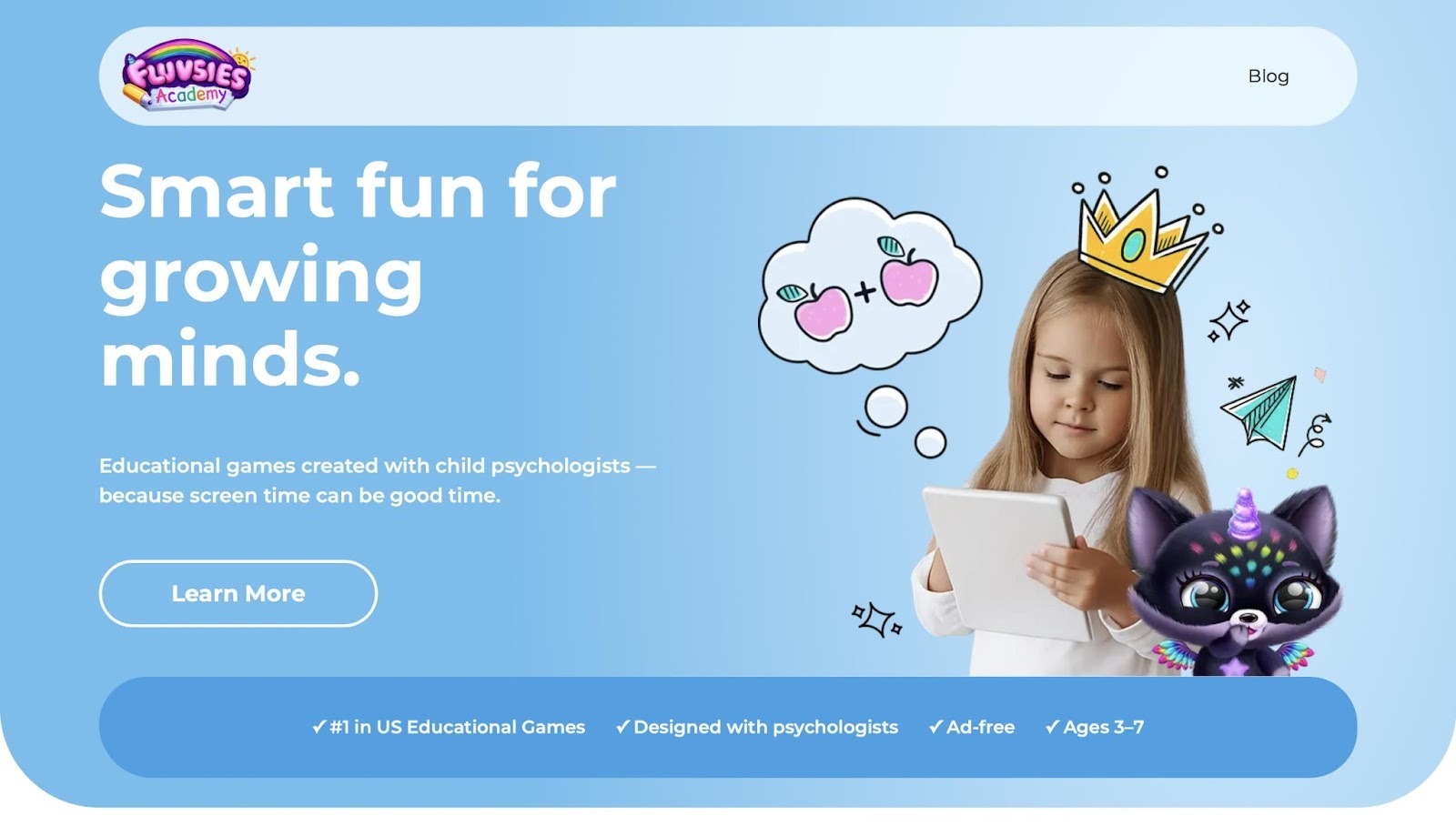
Fluvsies Academy brings kindergarten reading games to life through a collection of language and phonics activities that turn learning into joyful exploration. Designed in partnership with child psychologists, the platform offers ad-free experiences where kids practice letter recognition, sound blending, and early vocabulary while diving into fun professions and life skills. The games feel like play rather than lessons, with bright characters guiding children through gentle challenges that build focus and empathy at the same time. Parents love the balanced mix of active thinking games and relaxing story modes that support emotional growth alongside literacy.
Fluvsies Academy shines because it creates screen time parents can trust completely. Every activity adapts to a child’s pace, keeping frustration low and excitement high. The inclusion of mindfulness elements and real-world connections makes reading practice feel relevant and exciting. Kids return to the games because they enjoy the cute characters and rewarding discoveries, which leads to stronger skills over time. The platform also provides simple progress insights that help families celebrate small wins together.
Discover Fluvsies Academy
Fluvsies Academy is a leading educational app designed for children aged 3–7. It transforms screen time into meaningful learning through fun, interactive games. Developed in collaboration with child psychologists, the app focuses on holistic development.
Key Features
- Ad-free environment for safe play.
- Games covering language, phonics, math, and logic.
- Activities for attention, sorting, and creativity.
- Real-world life skills like healthy habits and mindfulness.
- Exploration of professions to build vocabulary and imagination.
Educational Approach
Fluvsies Academy emphasizes guided play that balances focus, empathy, and emotional safety. It's the first holistic learning app for kids, ranked #1 educational game in the US. Progress reports help track your child's growth. Free printables extend learning beyond the screen.
Benefits for Families
Parents gain peace of mind with expert-backed games.
Kids build confidence, skills, and a love for learning. Ideal for preschoolers seeking joyful education.
Download Fluvsies Academy today and watch your child thrive!
2. Teach Your Monster to Read
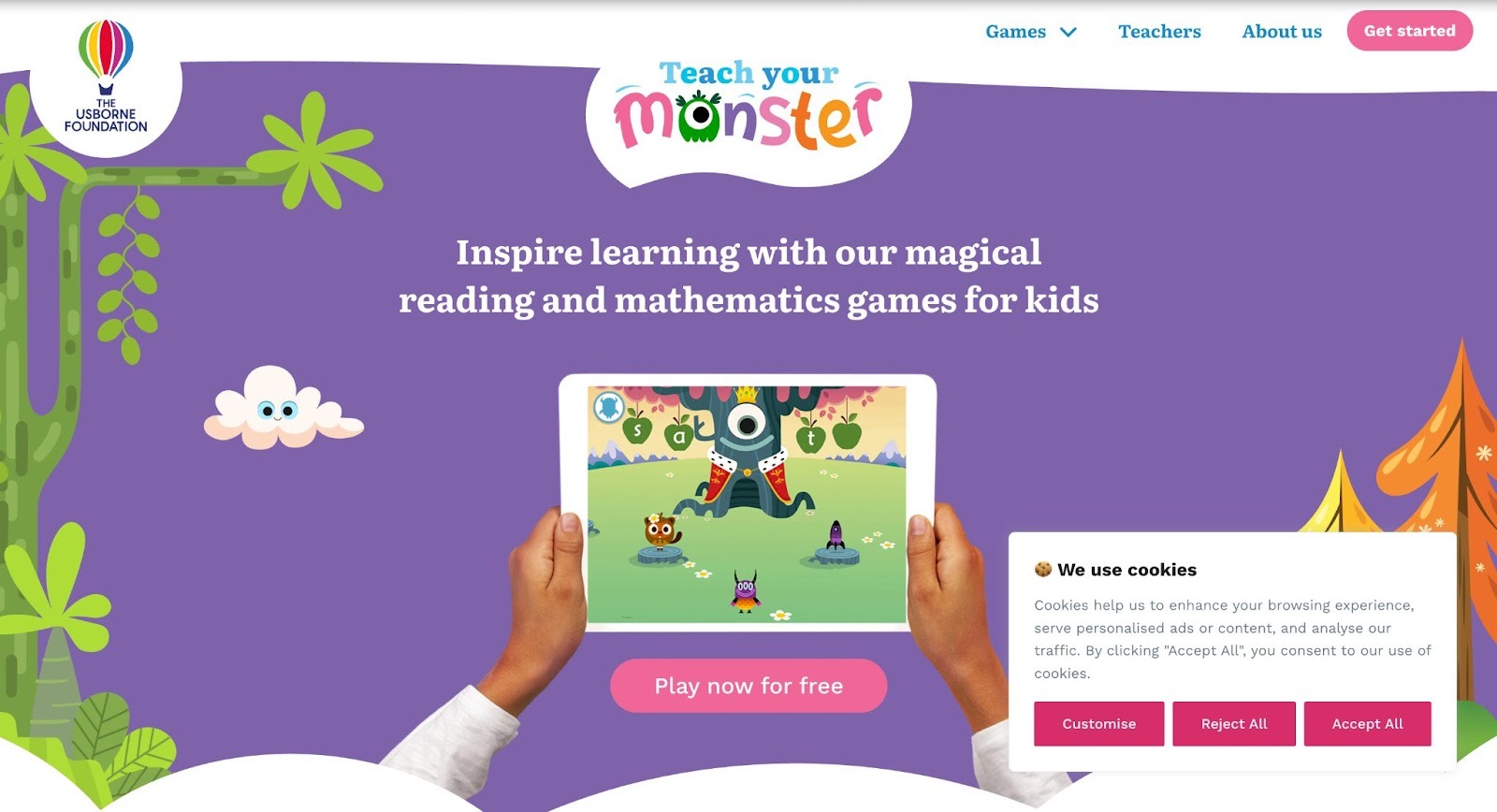
Teach Your Monster to Read delivers an immersive phonics adventure that guides kindergarteners from basic letter sounds to confident sentence reading through a delightful story world. Children begin by customizing their very own monster companion, which becomes a constant friend throughout the journey filled with games, songs, and interactive reading tasks. The structured progression moves naturally from single sounds and blending practice to word building and simple stories, all wrapped in engaging mini games that feel like pure playtime.
Kids explore colorful environments where every challenge reinforces key literacy skills while keeping attention high with immediate feedback and rewarding animations. The app balances independent exploration with gentle guidance so children build focus and persistence alongside their reading abilities. Families notice how the monster personalization creates emotional investment that motivates daily use and turns potential frustration into exciting discoveries. Audio support and visual cues match kindergarten attention spans perfectly, helping sound recognition and vocabulary grow organically.
The combination of storytelling and phonics creates connections that make words memorable and meaningful. Children return again and again because the format feels fresh and fun rather than repetitive. This approach supports steady progress toward independent reading while nurturing a genuine love for stories and learning. Many parents report smoother transitions to classroom work because the skills develop through joyful repetition and real world ties embedded in the quests. The game stands as a reliable choice for building strong foundational literacy habits that last well beyond the early years.
- Key features include customizable monster characters, progressive phonics levels, interactive stories, songs, mini games, and reward systems that encourage repeated play.
- Facts and Information: The program builds from single sounds to complete sentences with clear audio support and visual cues that match common kindergarten needs.
3. TutoClub
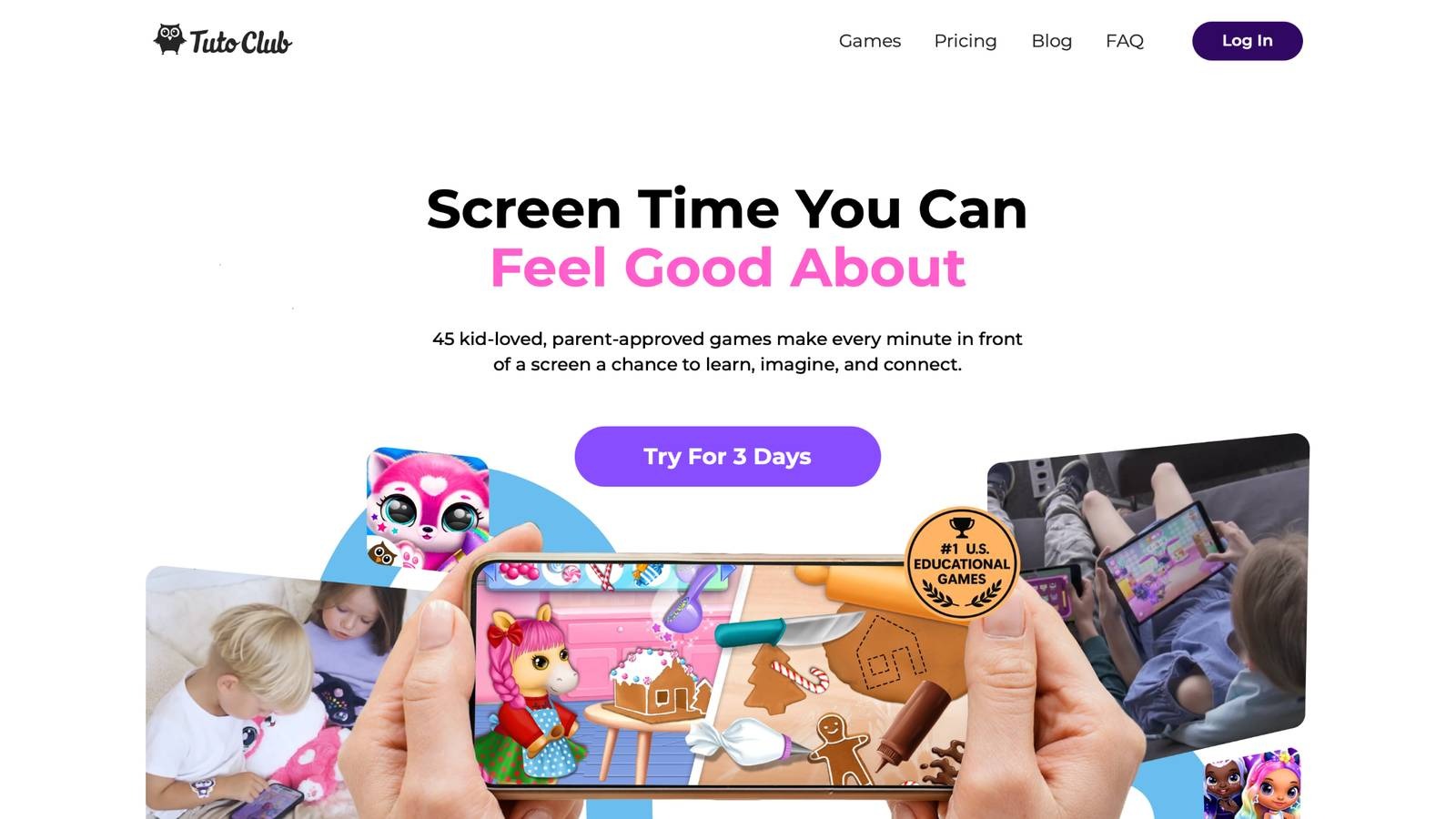
TutoClub provides a subscription based collection of educational games that weave reading and storytelling into creative play experiences perfect for kindergarteners. The platform unlocks access to multiple interconnected titles from TutoTOONS where children engage in activities that quietly support vocabulary growth and focus through imaginative scenarios. Kids dive into worlds filled with art tasks, puzzles, and narrative challenges that blend language practice with emotional development and everyday adventures.
The ad free environment keeps the emphasis on meaningful interaction without distractions so attention stays on learning through fun. Parents appreciate the family sharing options that allow multiple devices and the way activities link reading moments to empathy building and problem solving. The games encourage storytelling elements where children describe scenes or create simple tales based on what they see and do. This holistic style makes literacy feel like a natural part of exploration rather than isolated drills.
The collection adapts to different skill levels with challenges that grow alongside the child while maintaining a sense of discovery. Children build confidence as they complete tasks that combine words with creative expression and real life connections. The platform turns screen time into positive growth opportunities that families can enjoy together or let kids explore independently. Overall it creates balanced development where reading skills strengthen alongside imagination and social awareness in a safe and enriching space.
- Key features include access to multiple interconnected games, storytelling elements, creative challenges, puzzle activities, and parent friendly tools for monitoring play.
- Facts and Information: The service supports holistic development by linking language practice to empathy building scenarios and everyday adventures that feel natural for kindergarten age.
4. Reading Eggs
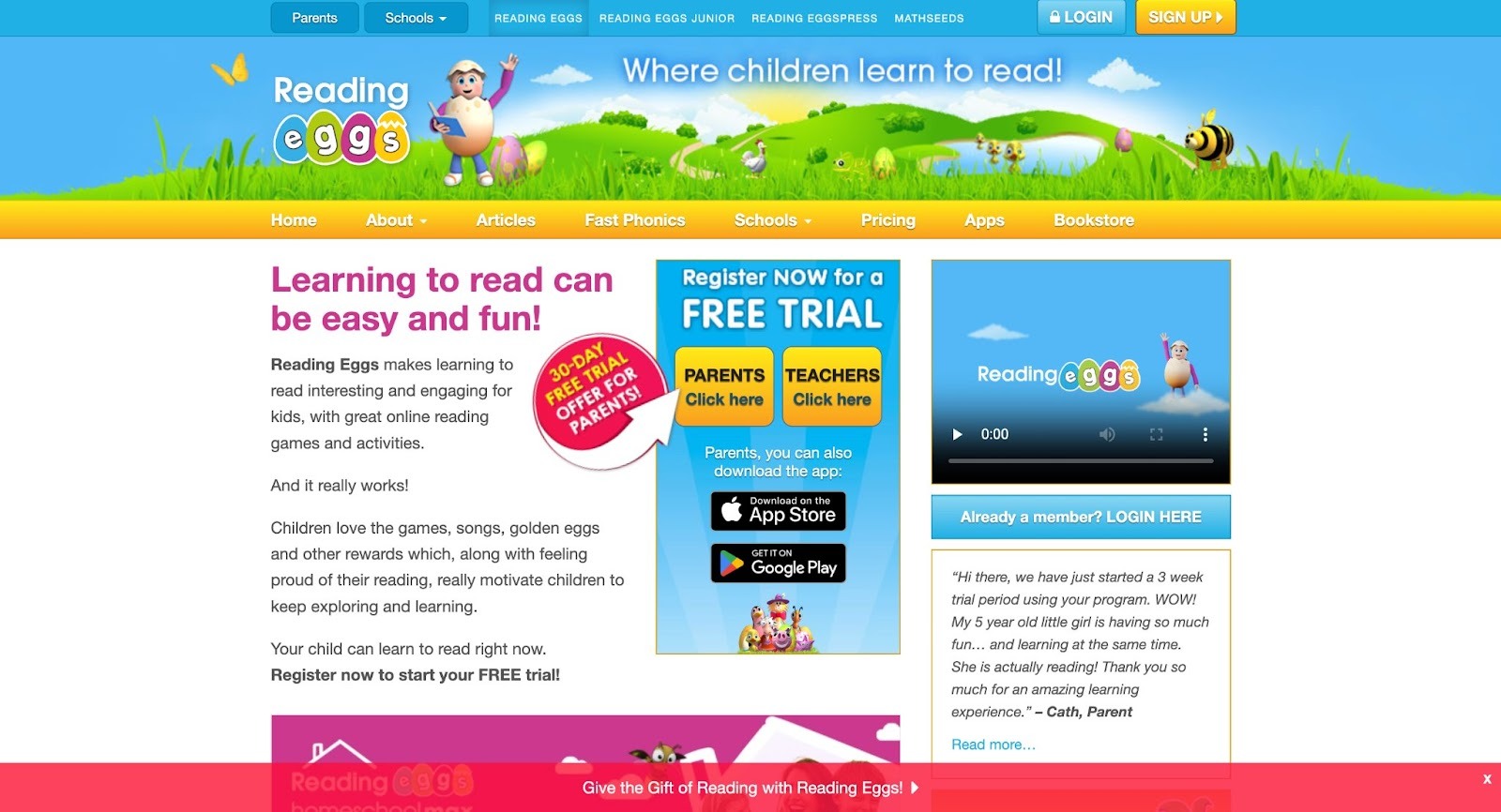
Reading Eggs combines interactive games, books, and structured lessons into a complete early reading program that covers phonics, sight words, and basic comprehension for kindergarteners. The colorful interface and motivational rewards make each session feel like a fresh discovery where children progress through levels at their own pace. Activities include matching games, animated stories, and quizzes that reinforce letter sound connections in engaging ways.
Kids build vocabulary through context rich experiences that tie new words to pictures and narratives they enjoy. The program bridges home and school learning with playful elements that align closely with typical kindergarten expectations. Families see how the variety keeps interest high while the logical sequence ensures skills develop steadily without gaps. Children gain confidence as they master small steps that lead to reading full sentences and understanding simple plots.
The mix of games and books creates varied practice that strengthens both decoding and meaning making abilities. Parents often note increased enthusiasm for reading time because the app makes practice feel rewarding and relevant. The platform supports different learning styles with visual, auditory, and interactive components that cater to individual preferences. Overall it creates a smooth path toward independent reading by blending fun with purposeful skill building that children look forward to each day.
- Key features include phonics lessons, interactive books, comprehension quizzes, reward based progress paths, and animated activities.
- Facts and Information: It follows a logical sequence that builds confidence through repeated success in letter sound matching and simple sentence reading.
5. Starfall
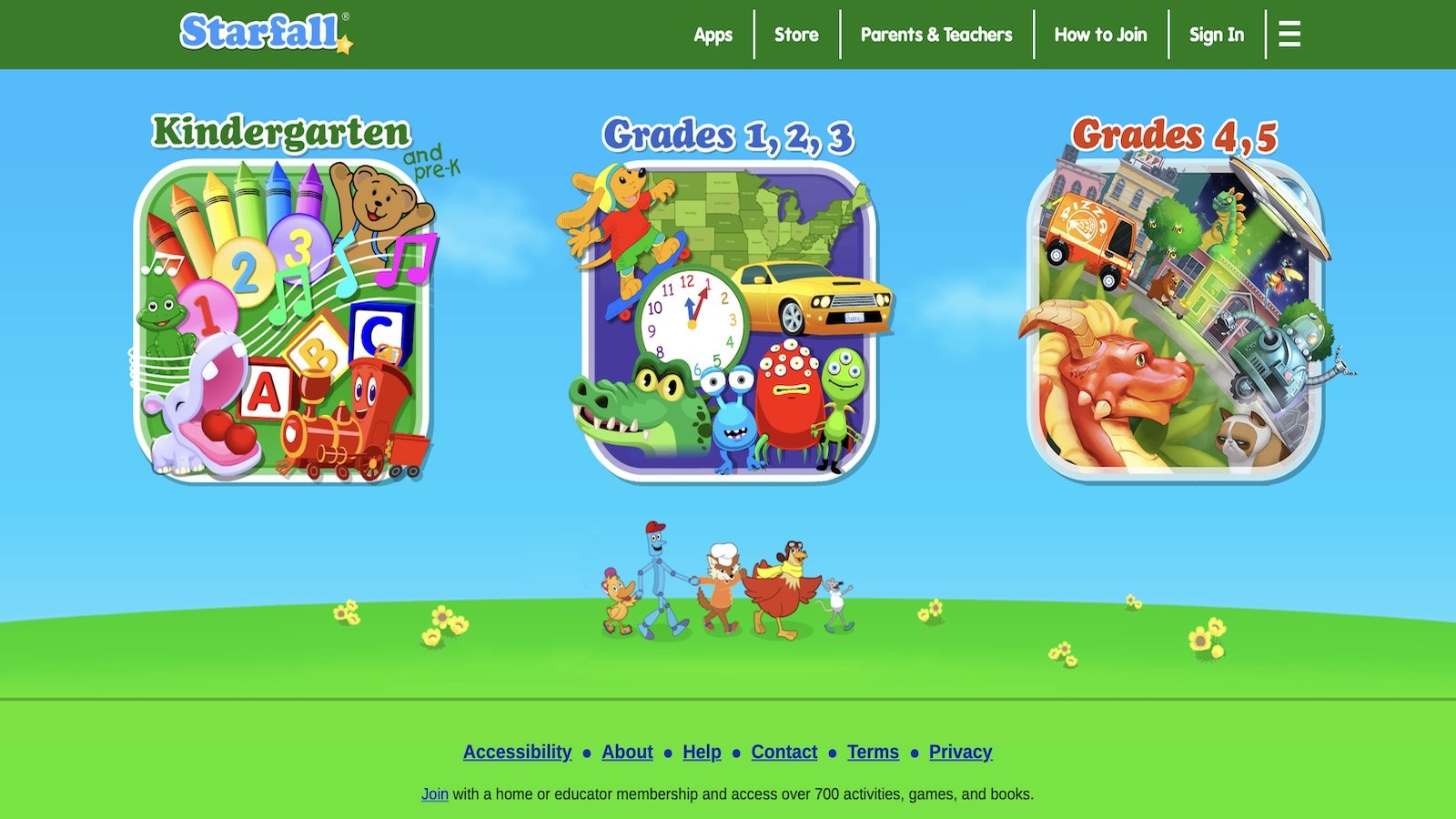
Starfall provides free interactive games and books focused on systematic phonics and early literacy for kindergarten and beyond. The simple navigation and multisensory approach suit different learning styles well with clear letter sound practice and animated stories. Children explore sections dedicated to alphabet knowledge, word families, and basic reading comprehension through short engaging activities.
The platform includes songs and printable extensions that allow offline reinforcement of skills learned online. Kids benefit from the consistent structure that builds foundational habits without overwhelming them. Families appreciate how the content aligns with common kindergarten benchmarks while remaining accessible for daily use. The visual and auditory elements reinforce connections between sounds and letters in ways that stick. Children progress naturally from basic recognition to blending and reading short texts.
The app encourages repeated practice through rewarding feedback and familiar characters that make sessions inviting. Parents often integrate it into routines because it requires minimal setup and delivers reliable results over time. The depth of phonics coverage supports steady growth in reading readiness and confidence. Overall Starfall remains a dependable resource for building strong literacy foundations through play based exploration that feels both educational and entertaining.
- Key features include phonics games, animated stories, songs, printable extensions for offline practice, and multisensory activities.
- Facts and Information: Activities emphasize clear letter sound connections and common sight words in ways that align closely with typical kindergarten expectations.
6. Khan Academy Kids
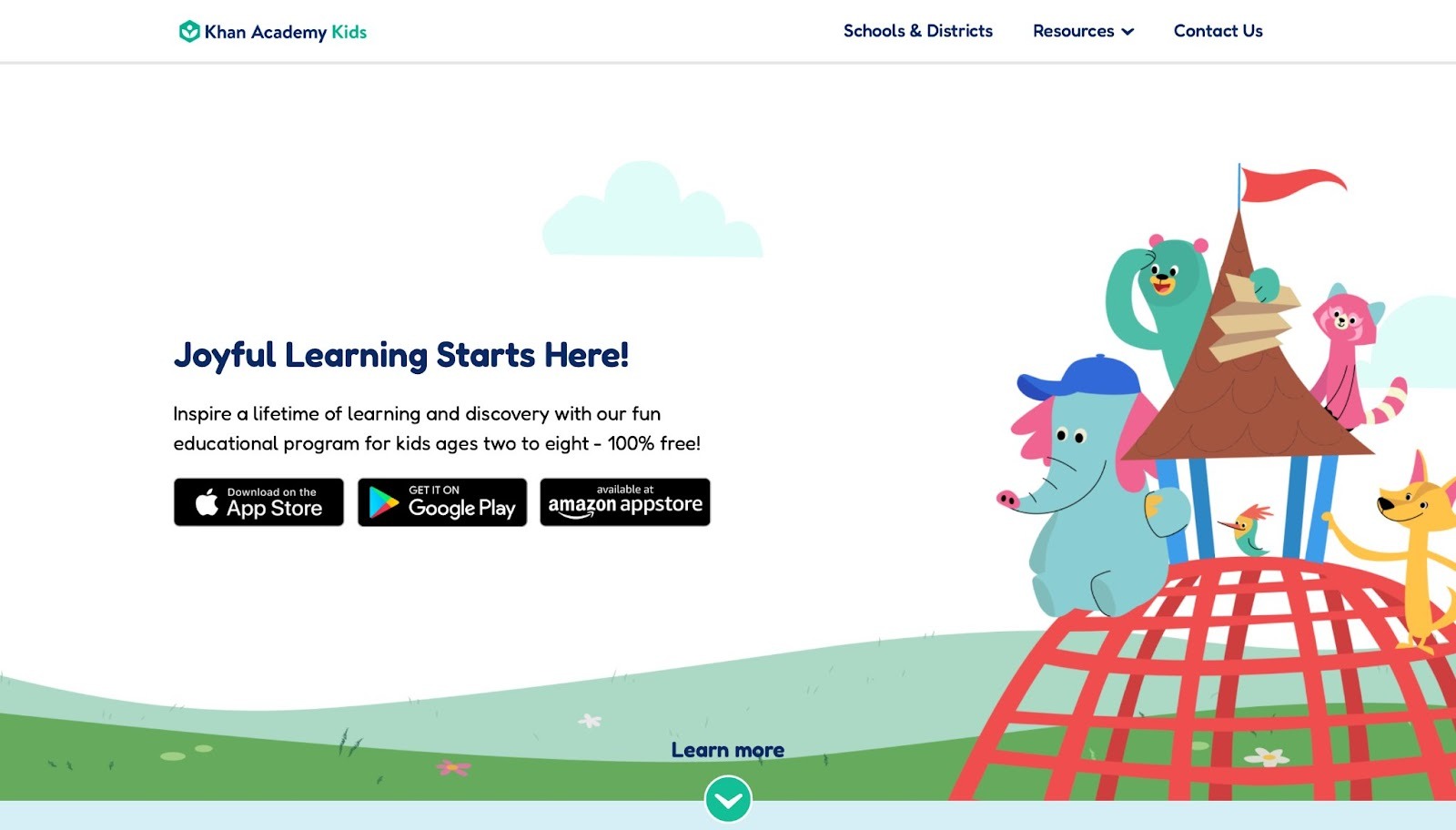
Khan Academy Kids delivers a wide range of phonics and reading games alongside other subjects in one free app that supports kindergarteners with standards aligned lessons. The friendly characters and short focused activities create a smooth daily rhythm where children practice letter sounds, vocabulary, and simple comprehension.
Kids enjoy story based lessons and hands-on tasks that adapt to their responses for personalized pacing. The platform covers essential literacy skills while encouraging curiosity and persistence through gentle guidance. Families value the comprehensive approach that fits easily into busy schedules without requiring constant supervision. Children build confidence as they master skills through repeated success and positive reinforcement.
The mix of reading games with creative elements keeps engagement high across multiple sessions. Parents notice improved attention and willingness to explore books after regular use. The app supports independent play while offering clear progress indicators for adults. Overall it creates balanced development where literacy grows alongside other foundational abilities in an approachable format. The standards alignment ensures skills transfer well to classroom settings and real world reading situations.
- Key features include ABC games, storybooks, phonics practice, progress tracking for parents, and adaptive lessons.
- Facts and Information: Lessons adapt to each child’s responses and build skills through short, focused activities that match kindergarten attention spans.
7. Duolingo ABC
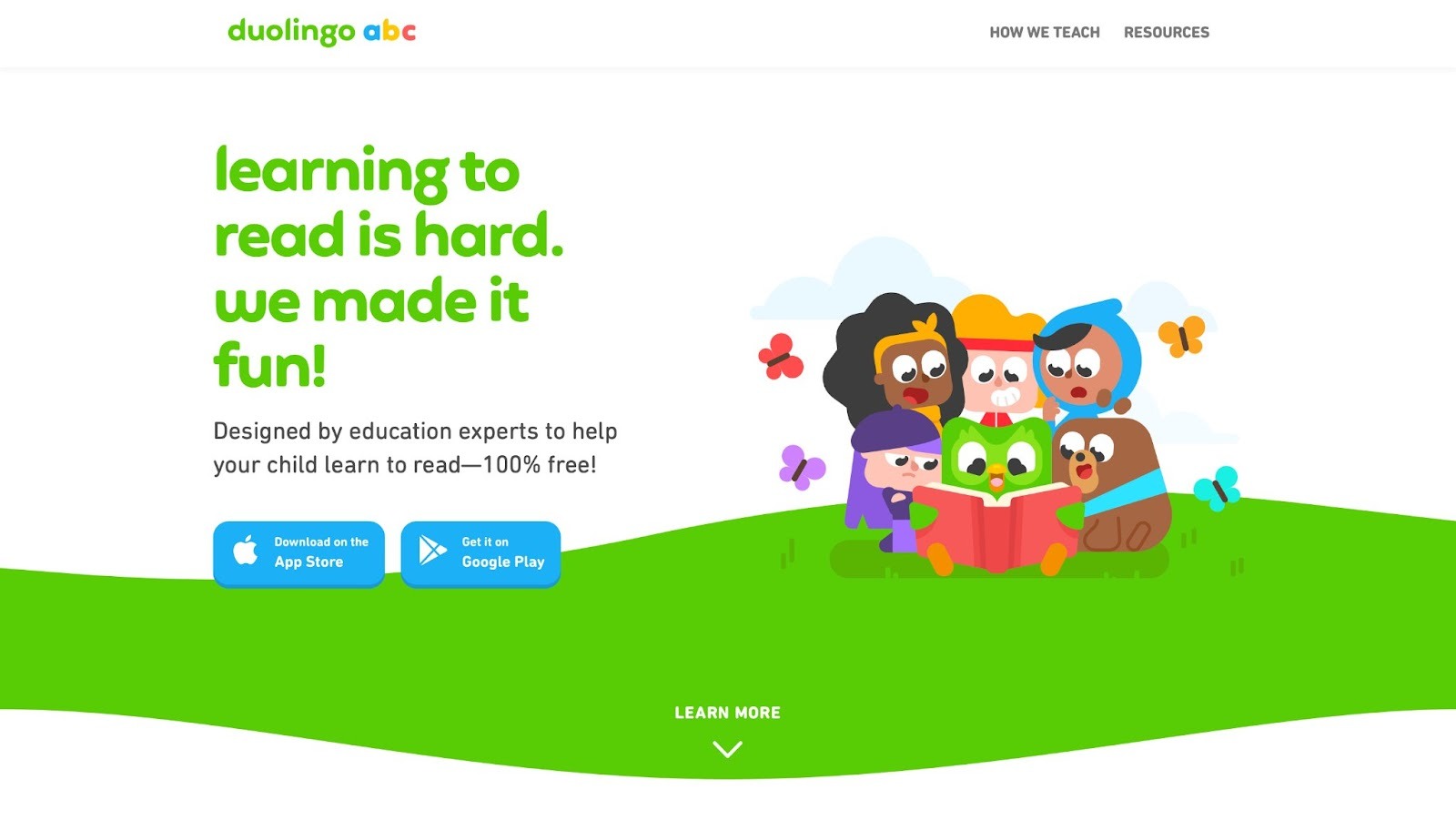
Duolingo ABC uses short gamified lessons to teach reading fundamentals with stories and quick challenges designed specifically for young learners. The bite sized format fits easily into busy schedules and keeps momentum high through daily streaks and simple rewards. Children practice letter sounds, blending, and basic sentence reading in a way that feels like a game rather than work. The familiar style from the language learning app translates well to early literacy with clear audio and visual support. Kids progress through levels that build practical skills they can apply to books and conversations.
Families appreciate how the quick sessions reduce resistance and create consistent habits. The app emphasizes independent practice while offering enough structure for beginners to succeed. Children gain confidence as they complete challenges and see their monster or character advance. The focus on real reading transfer helps skills stick beyond the screen. Overall it brings approachable gamification to literacy in a format that supports steady growth without pressure. Parents often see increased interest in printed materials after consistent use.
- Key features include daily lessons, story based reading, letter sound drills, simple rewards, and bite sized activities.
- Facts and Information: It focuses on practical reading skills that transfer directly to books and classroom work.
8. Epic!
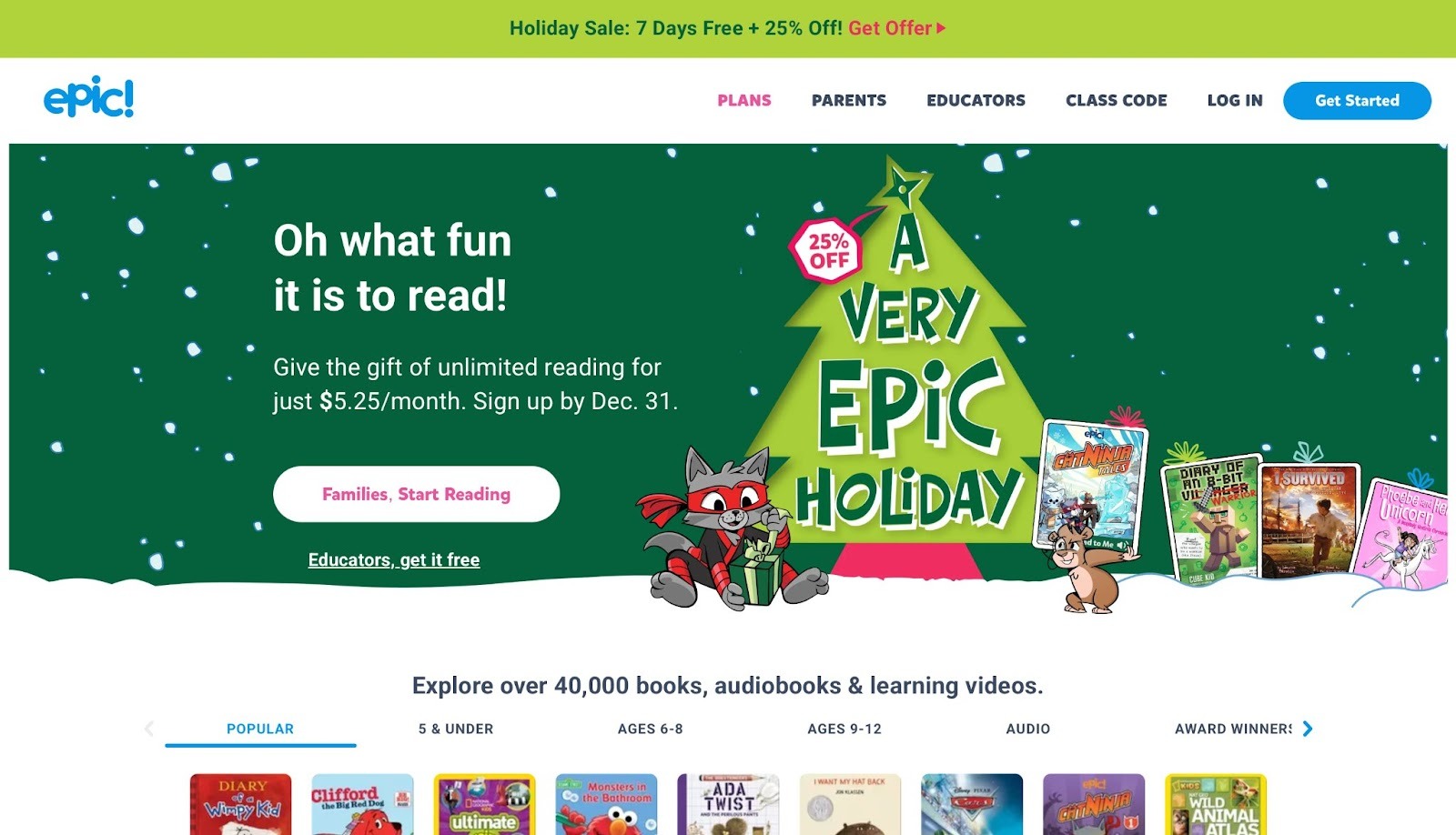
Epic! functions as a digital library with added games and quizzes that support reading development through exposure to thousands of books. The vast selection lets kids choose stories that match their interests and current skill level. Children explore audiobooks, read along options, and interactive quizzes that build comprehension and vocabulary naturally. The personalized recommendations help discover new titles that feel relevant and exciting. Families value the way the platform turns reading into an adventure of discovery rather than obligation.
Kids build fluency and understanding through repeated exposure to rich language in context. The mix of formats accommodates different preferences whether listening, reading, or interacting. Parents notice greater willingness to engage with books after using the app regularly. The library focus complements structured phonics practice by emphasizing enjoyment and meaning. Overall it creates positive associations with reading that encourage lifelong habits. The platform supports growth in both confidence and skills through varied and high quality content.
- Key features include thousands of books, interactive quizzes, video supplements, and personalized recommendations.
- Facts and Information: Activities encourage comprehension and vocabulary growth through real book experiences rather than isolated drills.
9. HOMER
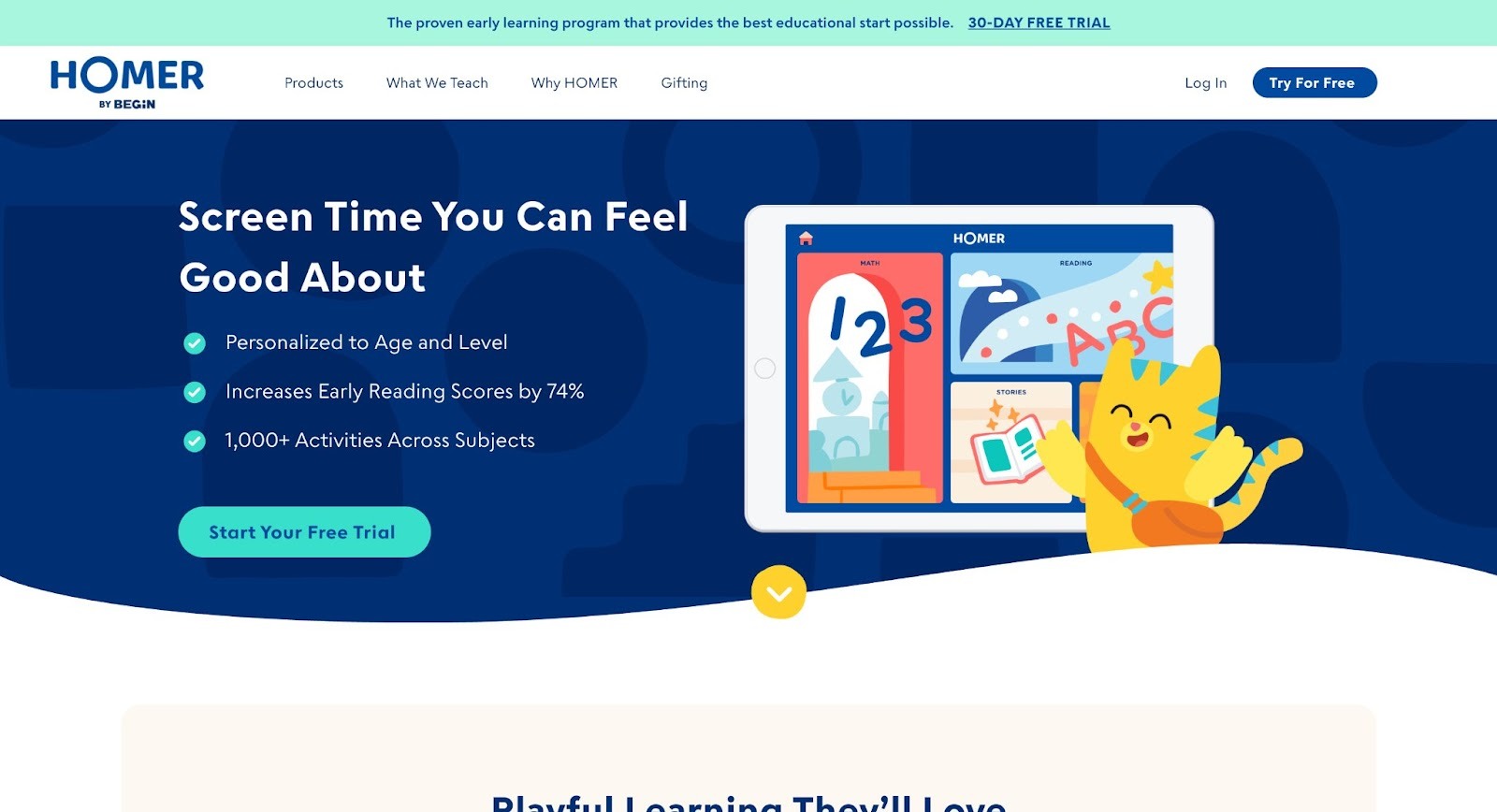
HOMER personalizes reading lessons with games that adjust to each child’s current level and interests for kindergarteners. The mix of stories, tracing activities, and word games builds skills step by step in a tailored path. Children engage with letter practice, sight words, and story creation tools that make learning feel individual and meaningful. The adaptive system ensures challenges match ability so frustration stays low and success feels frequent. Families appreciate the way the program grows with the child and provides varied activities to maintain interest.
Kids develop stronger sound awareness and vocabulary through repeated playful practice. The inclusion of creative elements like drawing and storytelling adds layers of engagement that reinforce literacy. Parents often see improved confidence and enthusiasm for reading time after regular sessions. The coach like approach supports steady improvement across multiple skill areas. Overall it feels like a personal learning companion that celebrates progress and keeps motivation high. The program creates lasting foundations by blending structure with freedom in ways that suit young learners.
- Key features include adaptive lessons, letter tracing, sight word practice, and story creation tools.
- Facts and Information: Lessons combine multiple senses and activities to reinforce reading in ways that feel fresh each time.
10. ABCmouse
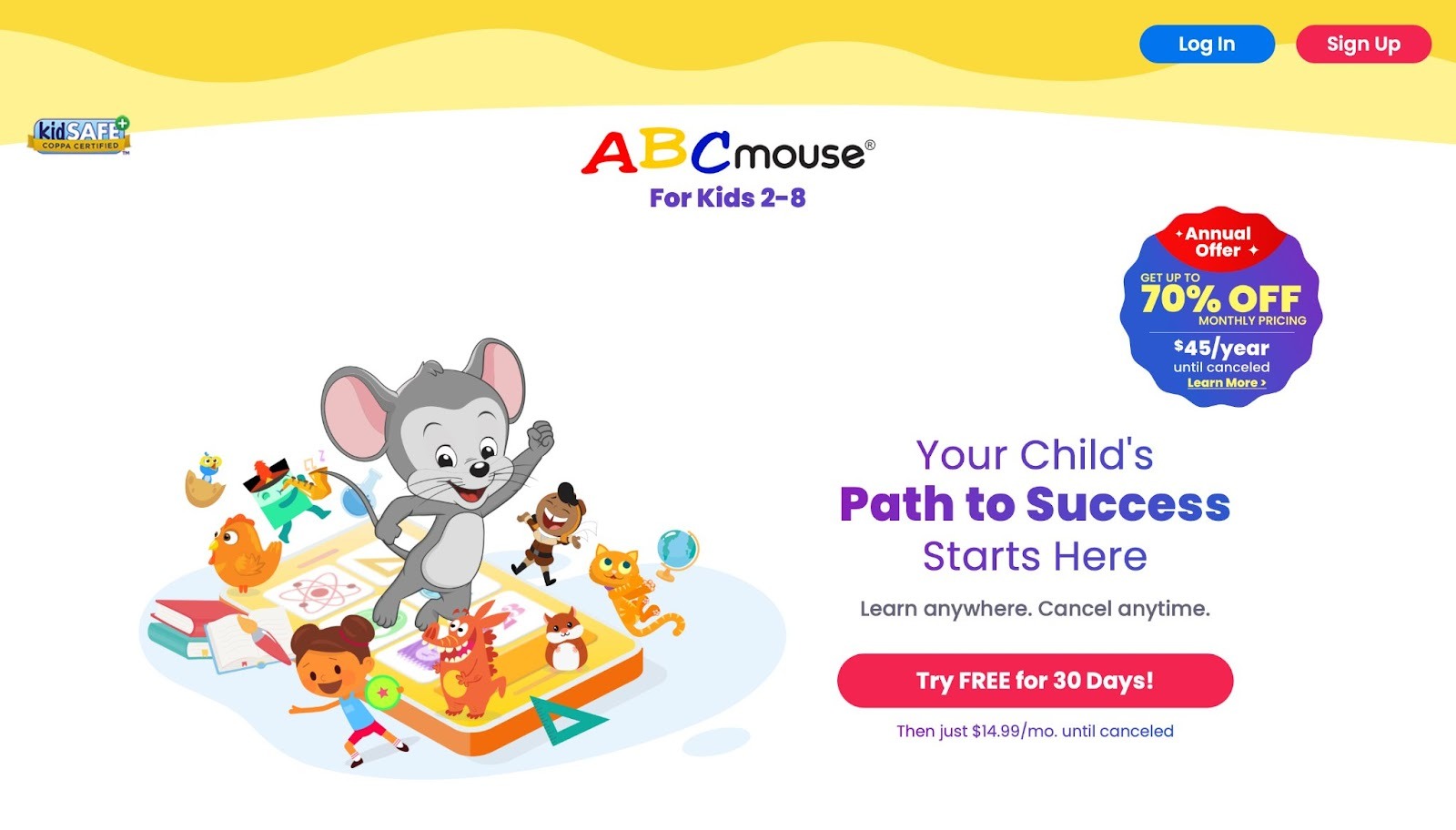
ABCmouse offers a full curriculum with reading games embedded in themed worlds that cover letters, sounds, and early words for kindergarteners. The colorful progression system gives kids clear goals to chase through phonics activities and sight word practice. Children explore interactive lessons that blend reading with other subjects for well rounded development. The step by step path supports consistent skill building while keeping sessions fun and rewarding. Families value the comprehensive environment that fits easily into daily routines.
Kids gain confidence as they master levels and unlock new content that feels like an achievement. The printable worksheets and offline options extend learning beyond screen time. Parents notice smoother reading readiness and greater interest in books after regular use. The platform creates an all in one space where literacy grows alongside curiosity and creativity. Overall it delivers focused practice within a broader educational framework that prepares children for school success. The engaging design turns practice into play that children request often.
- Key features include themed reading worlds, phonics games, sight word activities, and printable worksheets.
- Facts and Information: Content follows a clear learning path that supports kindergarten readiness across multiple skill areas.
11. Hooked on Phonics
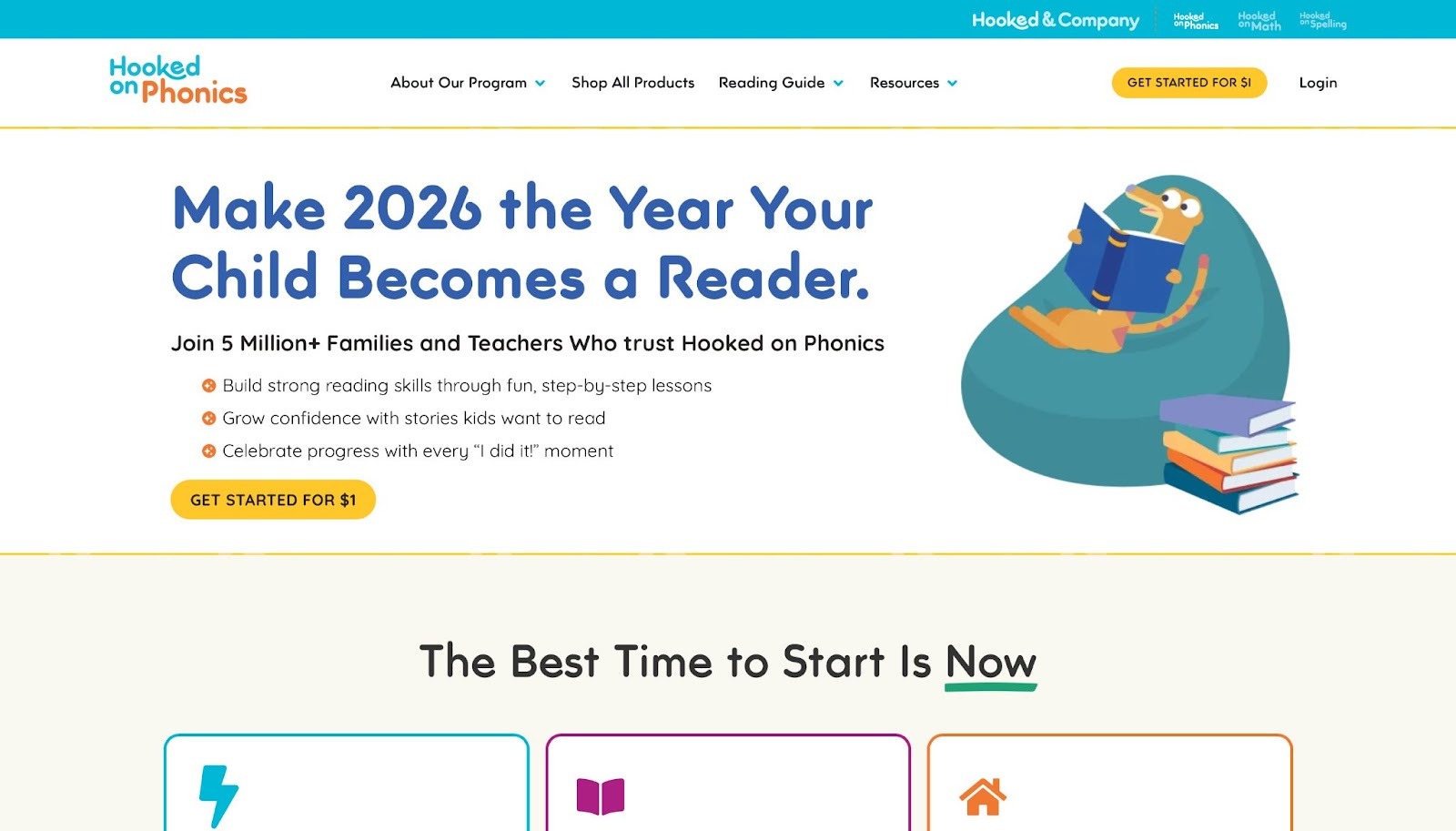
Hooked on Phonics provides a structured phonics pathway that guides kindergarteners through letter recognition, sound mapping, and word building with engaging lessons and games. Children follow sequential steps that build decoding skills and confidence in a supportive format. The program includes interactive activities and decodable texts that reinforce learning through repetition and success. Kids progress from basic sounds to simple sentences while enjoying colorful visuals and rewarding feedback. Families appreciate the clear progression that mirrors proven teaching methods and delivers noticeable results over time.
The mix of digital lessons and practice opportunities creates balanced skill development. Children build fluency and comprehension as they advance through levels designed for their age group. Parents often integrate it into routines because the activities feel purposeful yet fun. The curriculum style approach ensures foundational skills develop solidly before moving forward. Overall it creates steady growth in reading ability that transfers well to classroom and home reading. The program stands out for its focus on systematic instruction wrapped in child friendly presentation.
- Key features include sequential phonics lessons, interactive games, decodable texts, sound mapping activities, and progress rewards.
- Facts and Information: It follows a curriculum style pathway that builds from letter sounds to word building and early sentence reading.
12. Endless Alphabet
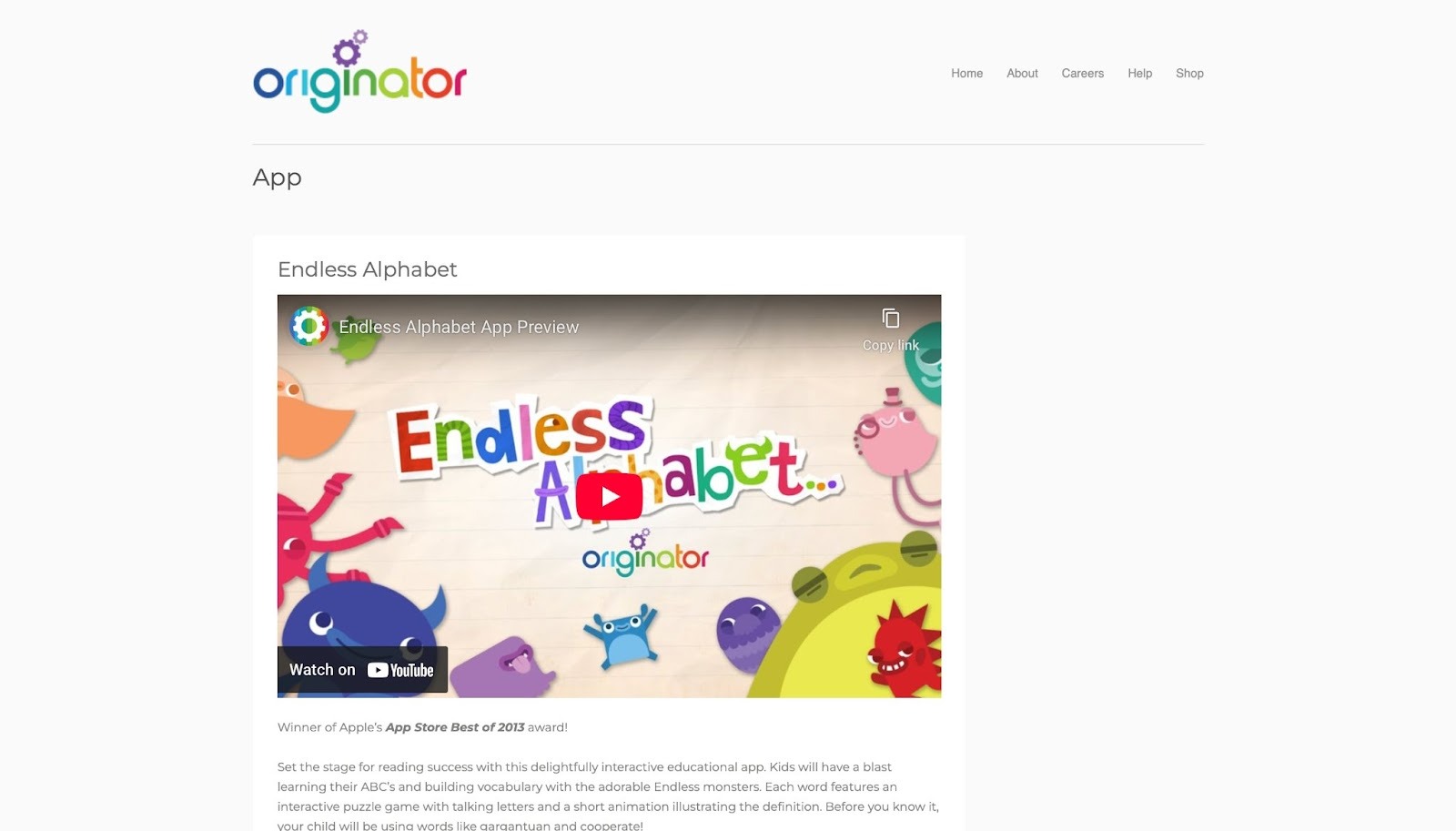
Endless Alphabet introduces kindergarteners to vocabulary and letter sounds through quirky animated monsters that bring words to life in playful ways. Children drag letters into place to form words while hearing phonetic breakdowns and seeing fun animations that illustrate meanings. The app covers a wide range of everyday and interesting terms that expand language exposure. Kids enjoy the humorous characters and sound effects that make each word memorable and exciting. Families value how the multisensory approach reinforces both spelling and understanding without pressure.
The simple interface allows independent play while delivering clear educational value. Children build phonemic awareness and vocabulary through repeated interactions with favorite words. Parents notice increased word recognition in daily conversations after regular use. The creative presentation turns learning into entertainment that holds attention longer. Overall it creates strong foundations for reading by making language exploration joyful and intuitive. The app supports early literacy in a format that feels fresh and engaging every time.
- Key features include animated monsters, phonetic word breakdowns, letter dragging interactions, vocabulary illustrations, and humorous animations.
- Facts and Information: Activities emphasize letter sounds and word meanings through visual and auditory elements that align with kindergarten vocabulary development.
13. LoveToRead.ai
LoveToRead.ai creates personalized reading experiences where kindergarteners become the hero of custom generated stories complete with illustrations and interactive elements. Children input details about themselves to produce unique books that feature their name and interests in exciting adventures. The platform combines AI technology with educational design to support comprehension and vocabulary in context rich narratives. Kids engage with read along features and simple quizzes that reinforce understanding while keeping the focus on fun. Families appreciate how the personalization increases emotional connection to reading and boosts motivation.
The quick generation process allows fresh stories on demand that match current skill levels and preferences. Children develop stronger literacy skills through repeated exposure to meaningful text tailored just for them. Parents often see greater enthusiasm for story time because the books feel relevant and special. The blend of technology and creativity makes reading feel modern and personal. Overall it transforms passive reading into active participation that builds confidence and love for books. The platform supports growth by placing the child at the center of every narrative.
- Key features include custom story generation, personalized avatars, interactive illustrations, read along options, and comprehension activities.
- Facts and Information: Stories adapt to individual interests and skill levels to create engaging literacy experiences that support vocabulary and understanding.
14. SplashLearn
SplashLearn delivers reading curriculum through games and worksheets that cover phonics, vocabulary, and comprehension for kindergarteners in an interactive format. Children explore lessons aligned with standards while enjoying colorful activities and rewards that maintain engagement. The platform includes decodable books and targeted exercises that build skills progressively. Kids practice letter sounds, word recognition, and simple sentence reading through varied game styles. Families value the research backed design that supports both home and school learning effectively.
The adaptive paths ensure appropriate challenge levels for steady progress. Children gain confidence as they master concepts and see visible growth in abilities. Parents appreciate the comprehensive tracking that highlights strengths and areas of focus. The mix of games and printable resources extends learning beyond digital sessions. Overall it creates enjoyable practice that strengthens literacy foundations while encouraging curiosity. The platform stands as a reliable tool for balanced reading development in a fun environment.
- Key features include phonics games, vocabulary activities, comprehension exercises, decodable books, and standards aligned lessons.
- Facts and Information: Content supports reading skill growth through interactive and printable formats that match kindergarten learning needs.
15. Readability Tutor
Readability Tutor offers voice assisted reading practice where kindergarteners receive real time feedback on pronunciation and fluency through interactive lessons. Children read aloud while the app listens and provides gentle corrections that build confidence without criticism. The platform combines phonics instruction with actual book reading experiences tailored to early levels. Kids progress through personalized sessions that adapt to their pace and needs. Families appreciate the one on one tutoring feel that mimics guided practice at home.
The technology supports independent use while delivering accurate skill reinforcement. Children develop stronger decoding and expression as they read more fluidly over time. Parents often notice improved reading aloud comfort after consistent sessions. The blend of AI support and educational content creates effective literacy growth. Overall it turns reading practice into a supportive conversation that encourages persistence and success. The app helps bridge the gap between learning sounds and reading real text smoothly.
- Key features include voice recognition feedback, phonics based lessons, read aloud practice, adaptive sessions, and pronunciation guidance.
- Facts and Information: The tutor style approach supports fluency and confidence through real time corrections during actual reading experiences.
16. Phonics Hero
Phonics Hero teaches systematic synthetic phonics through game based activities that cover letter sounds, blending, and word building for kindergarteners. Children follow structured paths with clear progression and immediate feedback that reinforces correct responses. The platform includes interactive challenges and stories that apply skills in context. Kids enjoy the hero theme that adds motivation and adventure to learning. Families value the comprehensive coverage that builds strong decoding foundations efficiently.
The activities support different practice styles with visual and auditory elements. Children gain fluency as they master sound combinations and apply them to new words. Parents see steady improvement in reading readiness through regular play. The synthetic phonics method ensures skills develop logically and thoroughly. Overall it creates confident readers through engaging and purposeful practice. The game format makes systematic instruction feel exciting and achievable.
- Key features include synthetic phonics games, blending challenges, word building activities, story applications, and structured progression paths.
- Facts and Information: Lessons follow systematic synthetic phonics principles that support accurate decoding and word recognition development.
17. Lalilo
Lalilo provides literacy practice through adaptive exercises that cover letter sounds, word families, and reading stories for kindergarteners. Children receive targeted activities based on their responses that focus on areas needing reinforcement. The platform includes phonics drills and comprehension tasks in a clean interface that keeps focus sharp. Kids progress through levels with engaging visuals and positive feedback. Families appreciate the data informed personalization that supports individual growth.
The scope and sequence aligns well with early reading benchmarks. Children build skills steadily while enjoying the variety of practice formats. Parents notice increased independence and accuracy after consistent use. The AI driven adaptation ensures efficient learning without wasted time. Overall it creates effective phonics mastery through intelligent and child friendly design. The app supports balanced literacy development in an approachable way.
- Key features include adaptive phonics exercises, word family practice, story reading tasks, targeted reinforcement, and progress monitoring.
- Facts and Information: Exercises follow a clear scope and sequence that builds from basic sounds to connected reading practice.
18. GraphoGame
GraphoGame focuses on phonemic awareness and letter sound connections through research based games designed for early readers including kindergarteners. Children match sounds to letters and practice blending in short interactive sessions. The platform uses adaptive technology to adjust difficulty based on performance. Kids build foundational skills that support later reading success. Families value the evidence based approach that targets core literacy components effectively.
The simple design allows quick sessions with meaningful practice. Children gain confidence in sound manipulation and recognition through repeated play. Parents often see stronger phonics readiness after regular use. The game format makes targeted practice feel enjoyable rather than tedious. Overall it delivers precise skill building that strengthens reading foundations solidly. The research driven design ensures activities address key developmental needs.
- Key features include phonemic awareness games, letter sound matching, blending practice, adaptive difficulty, and short interactive sessions.
- Facts and Information: Activities target core literacy components through evidence based methods that support early reading development.
19. Elmo Loves ABCs
Elmo Loves ABCs brings familiar Sesame Street characters into alphabet and phonics exploration for kindergarteners through games, coloring, and music. Children interact with letters in multiple ways including clips, puzzles, and songs that reinforce recognition and sounds. The app includes over eighty classic moments that make learning feel friendly and familiar. Kids enjoy the beloved characters while practicing essential skills.
Families appreciate how the content combines entertainment with education seamlessly. The variety of activities accommodates different interests and learning preferences. Children build letter knowledge and early vocabulary through positive and engaging experiences. Parents notice greater enthusiasm for alphabet practice after sessions. The multisensory elements support retention and recall effectively. Overall it creates joyful literacy moments that leverage trusted characters for motivation. The app supports foundational skills in a warm and accessible format.
- Key features include Sesame Street clips, letter exploration games, coloring pages, music activities, and phonics reinforcement.
- Facts and Information: Content uses familiar characters to introduce letter names, sounds, and early literacy concepts through varied interactions.
20. Zebrainy
Zebrainy offers interactive alphabet adventures through wonderlands where kindergarteners learn letter names, sounds, and matching through quest style games. Children explore twenty six themed areas that combine exploration with educational challenges. The app includes shape forming and sound identification activities that build comprehensive letter knowledge. Kids progress through colorful environments that maintain high engagement.
Families value the quest format that turns learning into an exciting journey. The multisensory design supports different learning styles effectively. Children develop strong alphabet foundations while enjoying discovery and play. Parents often see improved letter recognition and confidence after regular use. The wonderland themes add imagination to skill building. Overall it creates memorable literacy experiences that feel adventurous rather than instructional. The platform supports early reading readiness through fun and structured exploration.
- Key features include alphabet quest games, letter sound identification, shape forming activities, themed wonderlands, and interactive matching tasks.
- Facts and Information: Activities guide children through complete alphabet coverage using engaging quest mechanics and multisensory practice.
21. Reading.com
Reading.com delivers a literacy curriculum in app form with scripted lessons that support kindergarteners through direct instruction principles. Children follow structured phonics and reading pathways with clear guidance and practice opportunities. The platform includes interactive elements that reinforce decoding and comprehension skills. Kids advance through lessons designed for steady and thorough progress. Families appreciate the comprehensive approach that mirrors effective classroom methods.
The digital format allows flexible use while maintaining educational integrity. Children build confidence as they master each step in the sequence. Parents notice consistent skill development and reading readiness improvements. The scripted design ensures key concepts receive proper emphasis. Overall it provides reliable instruction wrapped in accessible technology. The curriculum supports strong foundational literacy that prepares children well for continued growth.
- Key features include scripted phonics lessons, interactive reading practice, decoding exercises, comprehension activities, and structured progression.
- Facts and Information: Lessons follow direct instruction principles that build systematic reading skills from foundational concepts to connected text.
Benefits of Incorporating Reading Games into Daily Routines
Daily reading games create natural habits that strengthen literacy without extra scheduling stress. Children who play consistently show greater willingness to pick up books on their own because the games make words familiar and friendly. Parents often weave short sessions between meals or bedtime, turning ordinary moments into skill-building opportunities. Over time these routines build confidence that spills into classroom participation and family story time.
Kindergarten reading games also support attention skills that help with longer reading sessions later. When families stay consistent, kids develop stronger sound awareness and vocabulary that makes independent reading smoother. The playful format reduces resistance and turns potential struggles into shared successes.
Tips for Parents to Maximize Learning with Reading Games
Choose games that match your child’s current interests so motivation stays high from the start. Sit together for the first few sessions to offer gentle encouragement and celebrate each small victory. Rotate between different activity types, such as sound matching one day and story building the next, to keep things fresh.
Talk about the words and characters after playtime to connect the game to real life. Keep sessions short and positive so children look forward to returning. Track favorite activities together and adjust based on what sparks the most excitement. These simple steps help reading games become a natural part of family life rather than another task.
Future Trends in Kindergarten Reading Games
Reading games continue to evolve with more emphasis on emotional connections and real-world ties that make literacy feel relevant. Expect greater integration of creative tools where kids build their own stories after practicing new words. Personalization will grow stronger so each child receives challenges that match their exact pace and style.
Mindfulness elements and life-skill links will appear more often to support the whole child. Families will see smoother transitions between digital play and physical books as developers blend the two experiences. These changes promise even more engaging ways for kindergarteners to fall in love with reading.
FAQ
How do kindergarten reading games support vocabulary growth?
Kindergarten reading games introduce new words through meaningful stories and interactive scenes that make terms feel alive and useful. Children pick up vocabulary naturally when words appear in context with characters and actions they care about. This approach builds connections between spoken language, written words, and real ideas that help kids express themselves more clearly during play and conversations.
What age range works best for most kindergarten reading games?
Kindergarten reading games typically suit children aged four to six when early literacy foundations form most rapidly. The activities match this stage with simple challenges that grow in complexity as the child's skills develop. Games in this range support the transition from recognizing letters to understanding how they form words and short sentences.
How can parents tell if a reading game is making a difference?
Parents notice progress when children begin spotting familiar words in books, on signs, or during everyday activities without prompting. Increased willingness to sound out letters or share simple stories from the games also shows growing confidence. These small moments in daily life often reveal that language concepts are starting to click.
Can reading games replace traditional books for kindergarteners?
Reading games complement printed books by adding sound and interaction that printed pages cannot provide on their own. Traditional books offer a different sensory experience and quiet focus time that remains essential for young readers. Together they create a complete literacy environment where children gain both digital familiarity and love for physical storytelling.
How do kindergarten reading games help build confidence in early readers?
Kindergarten reading games create frequent small successes that encourage children to keep trying even when something feels new. Positive feedback during play helps kids view mistakes as part of the adventure rather than something to avoid. This gentle support leads to greater willingness to experiment with sounds and words both in games and outside of them.
Read Also:
- Best Educational Games 2026
- Best Educational App for Kids 2026
- Best Educational Computer Games 2026
- Best Interactive Educational Games 2026
- Best Educational Games Online 2026
Discover the Best Kindergarten Reading Games 2026 - Fluvsies Academy