


Best Math Games for Kindergarten 2026






Parents want tools that turn early math into something kids actually enjoy. The best math games for kindergarten 2026 focus on simple concepts like counting, shapes, and patterns in ways that feel like play rather than work. Kids this age learn best when activities match their energy and attention span.
Parents can also enhance early math skills with the best educational games for kids apps that blend fun and learning. Many of the best educational games for children and the best educational app for kids include interactive features that build counting and problem-solving skills. The best educational app options or the best apps for learning help parents find engaging tools for kindergarteners.
Discover the Best Math Games for Kindergarten 2026 - Fluvsies Academy
Why Math Games Matter for Kindergarten Success

Math games give young children a gentle way to explore numbers without pressure. They strengthen number sense, help kids recognize patterns, and support basic operations through hands-on fun. Many kindergartners gain confidence when they see math as part of everyday adventures instead of a worksheet.
These activities also boost focus and problem-solving skills that carry over to school and life. The best math games for kindergarten connect learning to stories, characters, and real-world ideas so children stay motivated. Parents notice quicker progress when games feel natural and rewarding.
Tips for Parents Choosing Math Games
Look for options that match your child's age and interests while offering clear progression. Safe, ad-free experiences keep things focused on learning. Check if the games cover a range of skills like counting, sorting, and simple addition. Fluvsies Academy math games provide exactly this balance for kindergarteners.
Best Math Games for Kindergarten 2026
1. Fluvsies Academy - Best Math Games for Kindergarten 2026
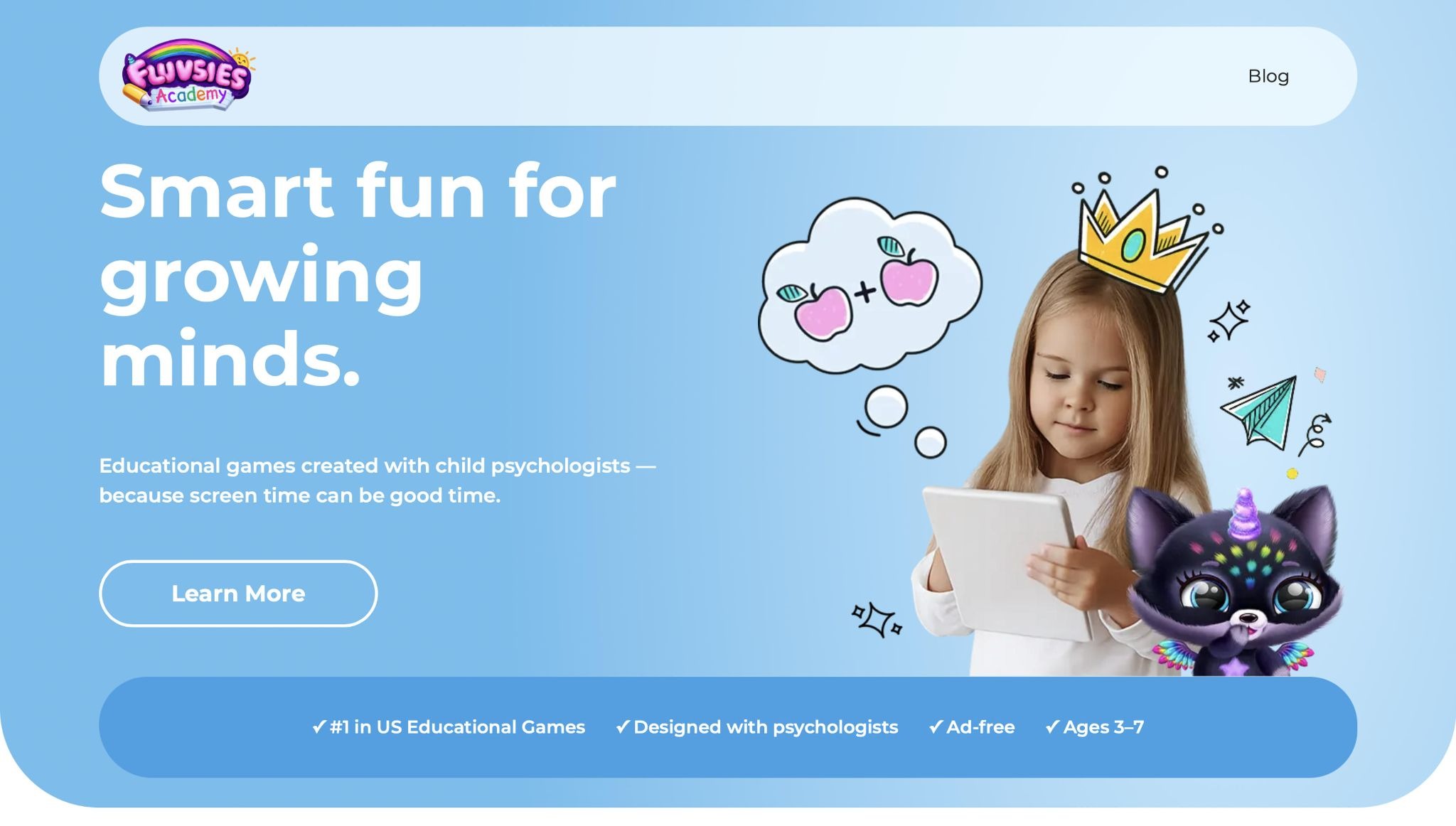
Fluvsies Academy delivers an outstanding collection of math games perfectly suited for kindergarten learners. The app features delightful mini-games that make learning numbers exciting and natural. Kids explore counting, sorting, and simple patterns while also gaining life skills through role-play professions. Created in collaboration with child psychologists, it offers a safe, ad-free space focused on joyful learning. Parents appreciate the progress reports that show their child's growth in math confidence and other areas.
The characters and activities feel fresh every time. Mini-games blend math with logic and creativity so children stay engaged longer. Real-world connections, like jobs and daily habits, make concepts stick better. The design supports emotional safety and healthy screen habits. Overall it creates a complete learning environment that grows with each child.
Facts and Information
- Dedicated number games build step-by-step confidence in counting and comparison
- Integrates math with professions exploration for meaningful context
- Progress reports help parents see improvements in focus and skills
- Age-appropriate content designed for three to seven year olds with psychologist input
Discover Fluvsies Academy
Fluvsies Academy is a leading educational app designed for children aged 3–7. It transforms screen time into meaningful learning through fun, interactive games. Developed in collaboration with child psychologists, the app focuses on holistic development.
Key Features
- Ad-free environment for safe play.
- Games covering language, phonics, math, and logic.
- Activities for attention, sorting, and creativity.
- Real-world life skills like healthy habits and mindfulness.
- Exploration of professions to build vocabulary and imagination.
Educational Approach
Fluvsies Academy emphasizes guided play that balances focus, empathy, and emotional safety. It's the first holistic learning app for kids, ranked #1 educational game in the US. Progress reports help track your child's growth. Free printables extend learning beyond the screen.
Benefits for Families
Parents gain peace of mind with expert-backed games.
Kids build confidence, skills, and a love for learning. Ideal for preschoolers seeking joyful education.
Download Fluvsies Academy today and watch your child thrive!
2. Khan Academy Kids
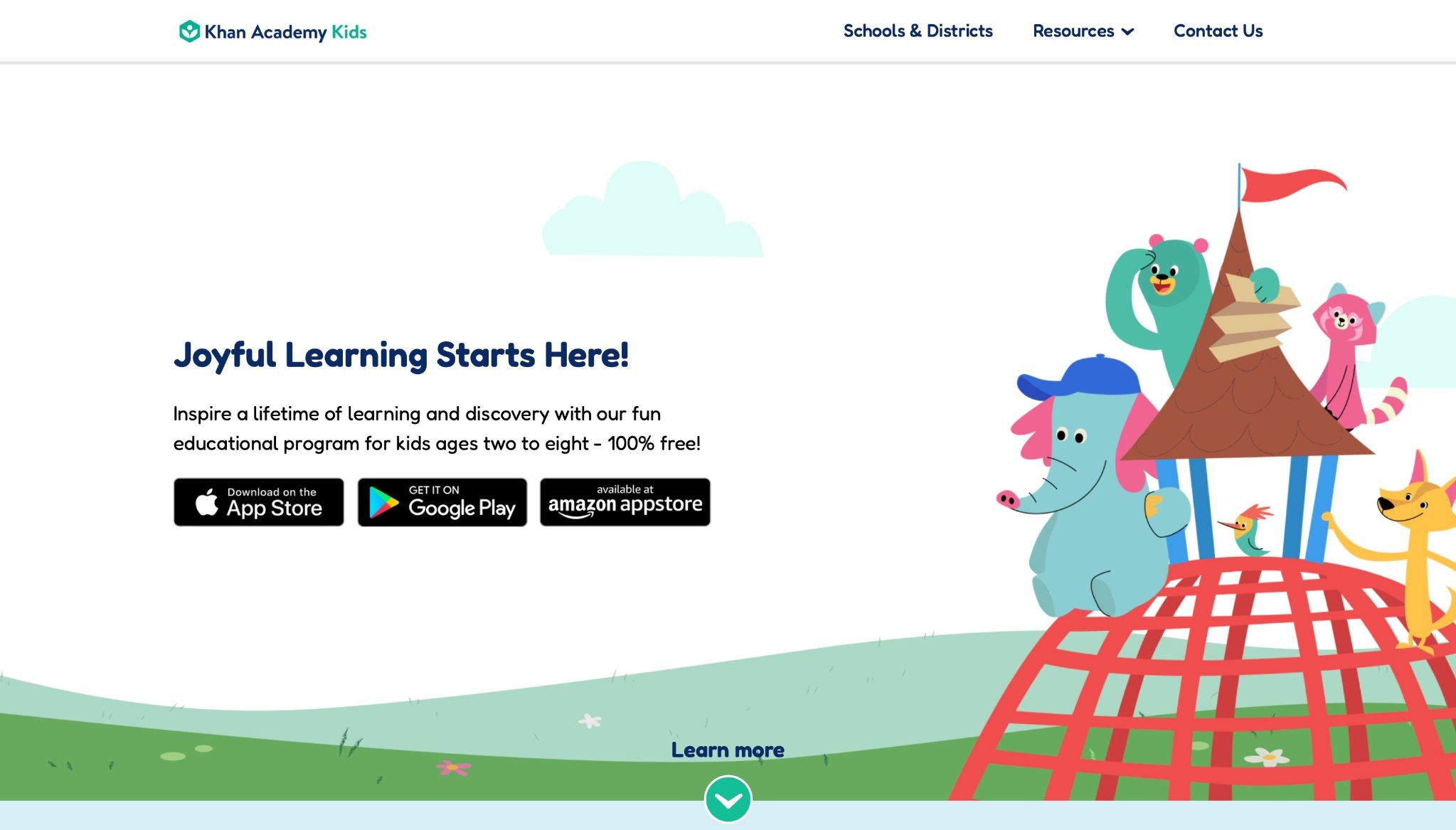
Khan Academy Kids delivers a rich collection of interactive math games that turn everyday learning into exciting stories and adventures. Children explore counting, shapes, basic addition, and patterns with colorful animal characters and creative challenges that feel more like play than practice. The platform adjusts to each child's pace so they move forward naturally without frustration or boredom. Parents appreciate how it weaves math together with literacy and social emotional skills in a single friendly space. Some families pair it with real world activities at home to help ideas stick even better.
The clean design keeps young users focused while avoiding unnecessary distractions. Frequent updates bring fresh content that stays current with early education approaches. It works smoothly across tablets and phones for easy use during quiet times or travel. The nonprofit roots mean the focus stays on quality learning experiences rather than anything else. Families often discover that kids return to the app willingly because the activities feel rewarding and fun. The overall approach builds steady confidence in number skills while supporting curiosity and persistence that last well beyond kindergarten years. Many parents notice their children asking thoughtful questions about numbers after regular play sessions.
Key features
- Story driven lessons with engaging characters
- Personalized paths that adapt to individual progress
- Blend of math and literacy activities
Facts and Information
- Aligns with early learning standards for smooth school readiness
- Supports self paced exploration with gentle guidance
- Encourages discovery through games and simple books
3. TutoClub
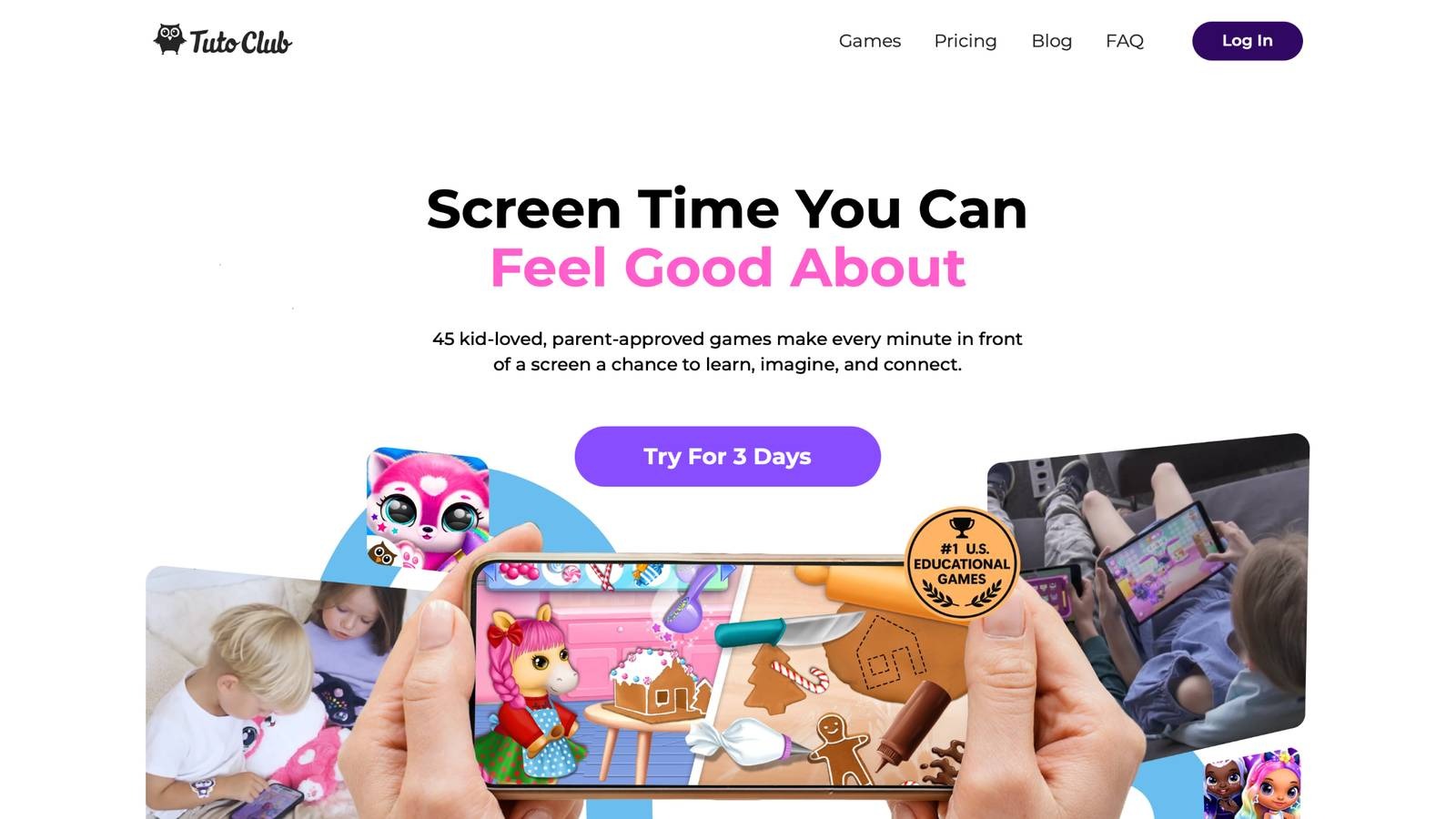
TutoClub provides a subscription based library packed with educational games that include plenty of math focused experiences for young learners. Kids dive into puzzle solving and creative tasks that build number recognition, sorting, and simple logic skills through colorful adventures. The ad free environment creates a calm setting where children can concentrate fully on each activity. Families enjoy how the platform mixes math with storytelling and role play elements that support emotional growth alongside academic skills. Some parents note that the variety keeps interest high over longer periods compared to single focus apps. The design works across different devices so siblings or different age groups can share the experience comfortably.
Regular additions to the game collection ensure there is always something new to try without repetition. The emphasis on creativity and empathy appears throughout the activities making math feel connected to real feelings and situations. Children often spend time replaying favorite levels because the challenges feel achievable yet stimulating. The platform supports offline access in many cases which helps during travel or screen free zones at home. Overall it creates a balanced digital play space that nurtures multiple areas of development while keeping math practice light and enjoyable for kindergarten age kids.
Key features
- Large library of ad free games available on multiple devices
- Interactive stories combined with adaptive challenges
- Strong focus on creativity and problem solving skills
Facts and Information
- Games promote healthy screen habits with meaningful content
- Covers basic math concepts within broader skill development
- Designed for easy family sharing and flexible daily use
4. ABCmouse
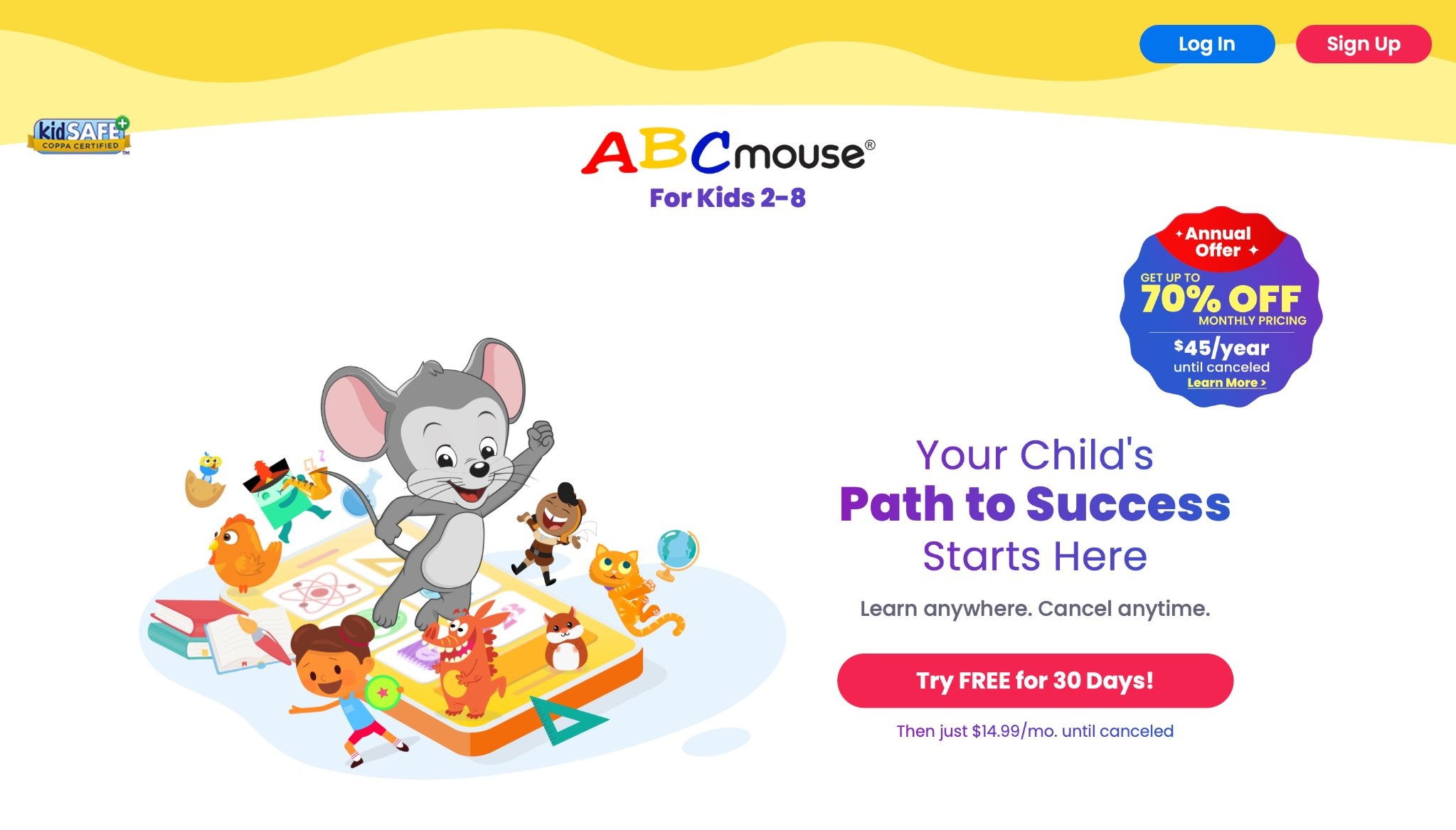
ABCmouse builds a complete early learning world filled with math games, songs, and visual puzzles that make numbers come alive for kindergarten children. Young users follow personalized paths that guide them from basic counting all the way through early addition and shape recognition. The bright virtual worlds and lovable characters keep every session lively and motivating. Parents frequently combine this platform with other tools to create well rounded daily routines that mix digital and hands on practice. The structured yet playful approach helps children see steady improvement in their math readiness without feeling overwhelmed.
Activities include simple drag and drop tasks along with rewarding animations that celebrate each small success. The curriculum design connects math ideas to familiar everyday situations so concepts feel relevant right away. Kids enjoy collecting items and unlocking new areas which adds an element of gentle progression. The platform supports multiple user profiles so different children in one household can have their own tailored experiences. Many families report that their kindergartners look forward to their time on ABCmouse because it feels like an adventure rather than a lesson. The overall experience strengthens foundational skills while encouraging independence and joy in learning.
Key features
- Educator created learning paths with clear progression
- Mix of games, songs, and interactive visual activities
- Broad curriculum that links math with related early skills
Facts and Information
- Supports natural movement toward next level concepts
- Immersive designs encourage repeated and joyful practice
- Integrates number work with other foundational learning areas
5. DragonBox Numbers
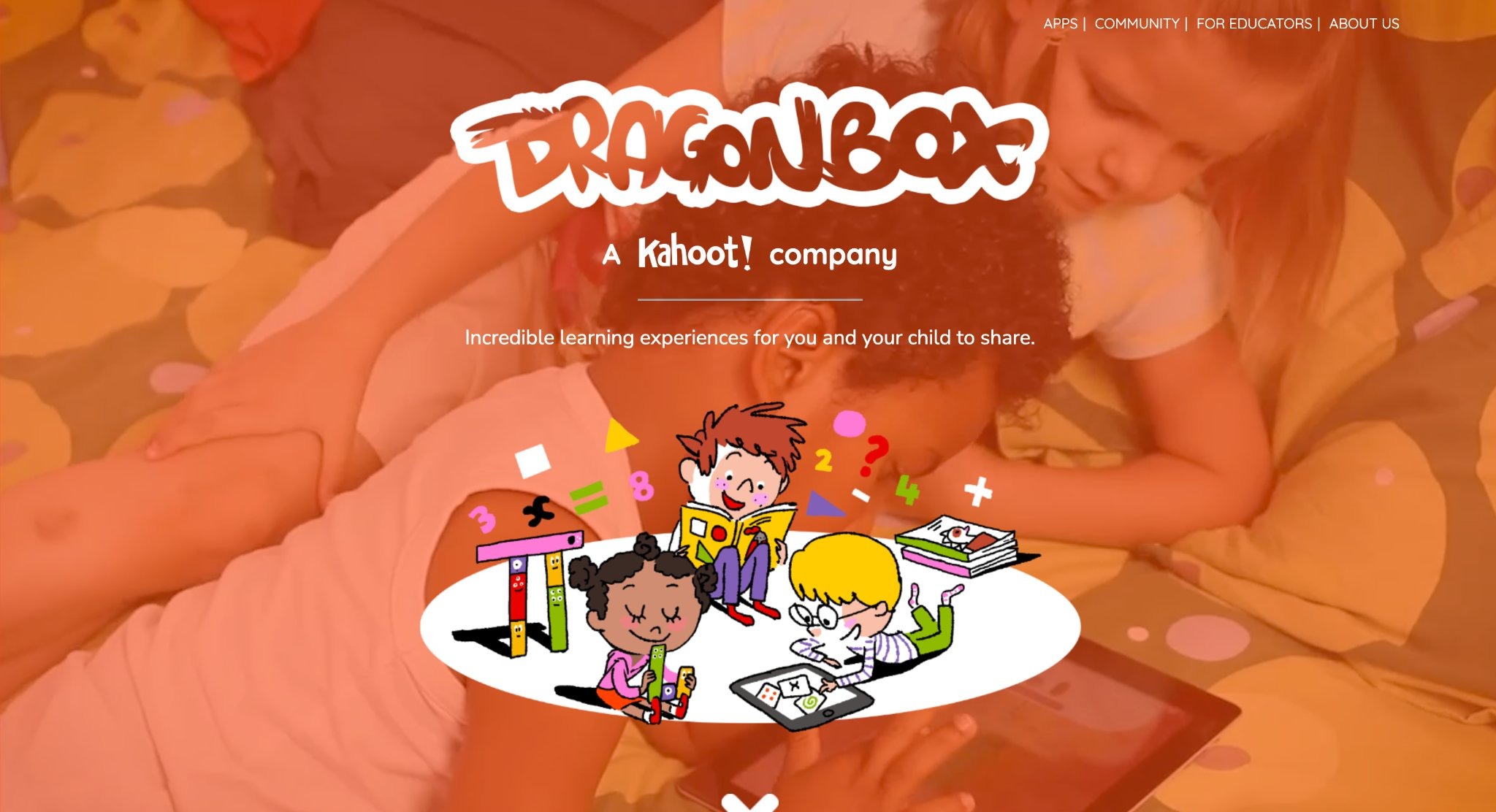
DragonBox Numbers turns abstract math ideas into hands on visual puzzles using adorable Nooms characters that children manipulate like building blocks. Kids discover number sense and basic operations through creative adventures that feel intuitive rather than instructional. The conceptual approach helps young learners develop deeper understanding that goes beyond simple memorization. It stands out for encouraging creative problem solving in ways that many other apps do not. Some families like to rotate it with different platforms to add extra variety to their math routine.
The progressive puzzles start simple and grow naturally in complexity matching a child's growing confidence. Visual mechanics make addition and subtraction feel like physical play which helps ideas stick. Children often experiment freely because the interface invites trial and error without penalties. The design supports ages four through eight with mechanics that remain engaging across that range. Parents notice improved logical thinking that appears in other daily activities after consistent use. The app creates a strong foundation for future math success by focusing on understanding rather than drills. Overall it offers a unique way for kindergarteners to build number intuition through pure play and discovery.
Key features
- Direct manipulation of numbers with character based tools
- Progressive puzzle levels that increase in depth
- Emphasis on visual and conceptual number foundations
Facts and Information
- Develops intuitive grasp of operations and relationships
- Supports broad age range with consistent engagement
- Promotes logical reasoning alongside core math skills
6. SplashLearn
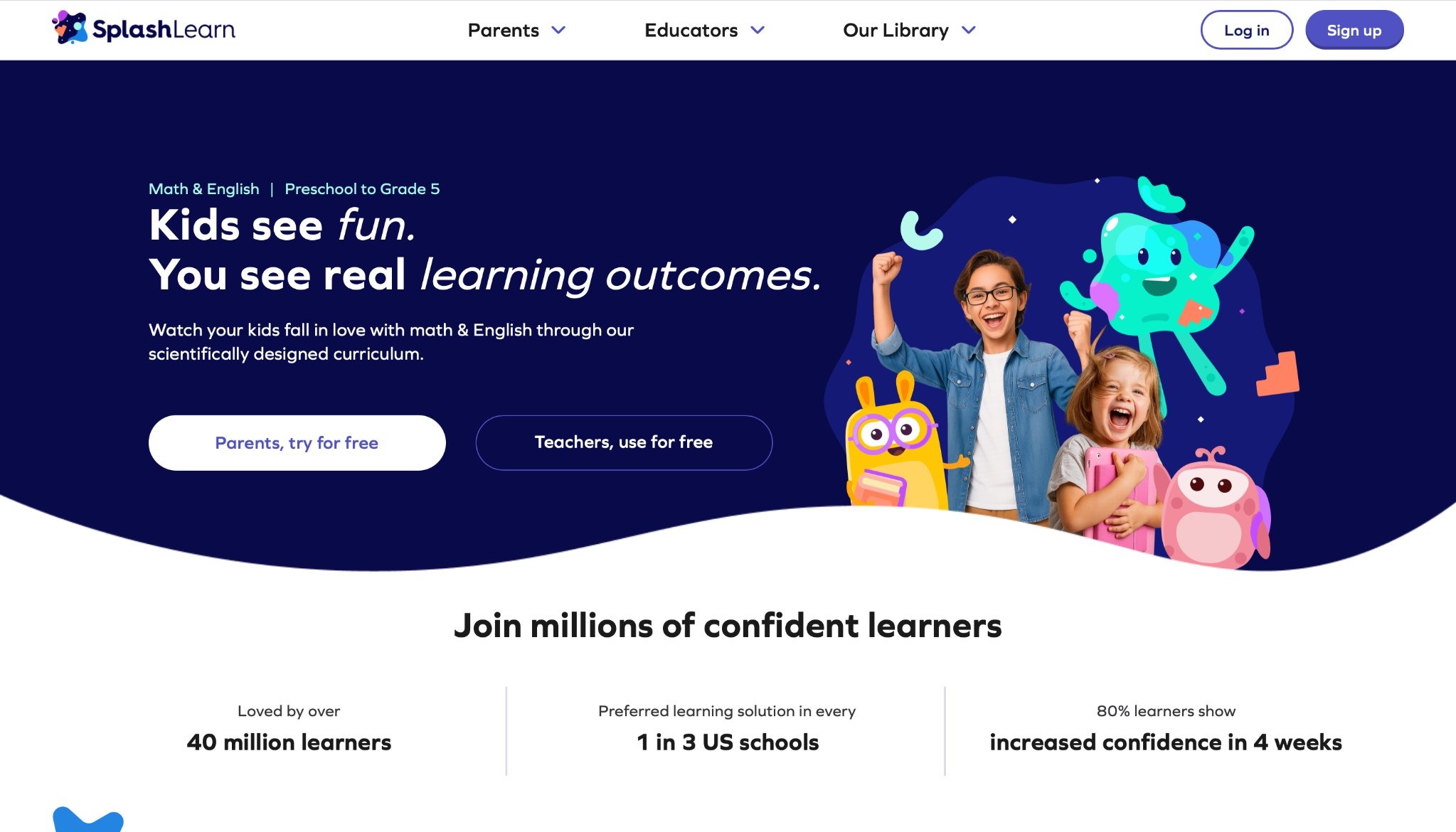
SplashLearn offers a colorful variety of math games and quick challenges tailored specifically to early kindergarten topics. Children practice counting, addition, shapes, and patterns through rewarding activities that adapt to their responses. The platform provides many different game formats so kids stay motivated and never feel stuck in one style. Teachers and parents often appreciate how well the content lines up with typical school expectations. It serves as a helpful supplement that adds fun practice to regular learning time. Short sessions work especially well for young attention spans while still delivering meaningful skill building.
The bright visuals and positive feedback keep children coming back willingly. Families discover that different learning styles find something that clicks within the wide selection of activities. The design focuses on building fluency through repeated yet varied play rather than repetition of the same task. Overall it creates an encouraging environment where kindergarteners gain confidence in their math abilities at their own comfortable pace. The combination of curriculum alignment and playful elements makes it a reliable choice for consistent home support.
Key features
- Diverse game formats covering multiple early topics
- Personalized recommendations based on performance
- Strong alignment with standard kindergarten curriculum
Facts and Information
- Builds fluency through enjoyable repeated practice
- Accommodates various learning preferences and styles
- Keeps activities brief yet focused for young users
7. Mathseeds
Mathseeds follows a clear step by step path with animated lessons and games that introduce core kindergarten number skills. Children advance through levels that build directly on previous concepts creating a logical flow. The structured curriculum gives parents a sense of steady progress without guesswork. Families value the combination of storytelling and interactive practice that makes each session feel complete. It helps establish consistent math routines that fit naturally into busy days.
Animated characters and small rewards add motivation while keeping the focus on learning. The activities cover counting, simple operations, and patterns with clear visual support. Kids enjoy the mix of instruction and play that feels balanced rather than overwhelming. The platform works well for children who benefit from predictable sequencing in their learning. Parents often notice improved number confidence after several weeks of regular use. Overall it provides a reliable framework that supports both independent exploration and guided practice for young learners.
Key features
- Sequential lessons that connect each concept
- Animated characters paired with immediate rewards
- Clear emphasis on essential early math foundations
Facts and Information
- Supports consistent skill development over time
- Combines direct teaching with engaging play elements
- Matches common kindergarten readiness expectations
8. Starfall
Starfall delivers straightforward and effective math games centered on number recognition and basic operations for young children. The simple interface appeals to kindergarteners who prefer clear visuals and direct activities without extra elements. Many families have relied on it for years because the core content remains reliable and focused. It provides solid practice opportunities that fit easily into short daily windows. The clean design minimizes distractions so kids stay on task during each session.
Activities integrate nicely with early phonics work for a well rounded approach. Parents like that children can use it independently after initial guidance. The platform supports foundational skill building through repeated gentle exposure. It works particularly well as a supplement alongside other more story based options. Overall Starfall creates a calm and dependable space for kindergarten math practice that emphasizes clarity and success. Children gain steady confidence through its consistent and approachable style.
Key features
- Straightforward interface with focused math tasks
- Integration of number work with basic literacy
- Core content available without barriers
Facts and Information
- Strengthens foundational skills through direct practice
- Encourages independent use after short introduction
- Fits naturally into brief daily learning moments
9. Prodigy Math
Prodigy Math wraps essential math practice inside an exciting fantasy world where children solve problems to advance their characters. The adventure format keeps engagement strong while covering a full range of kindergarten topics. Kids collect rewards and progress through stories that make practice feel like genuine gameplay. Parents often see increased willingness to work on math because the motivation comes from the narrative itself. The adaptive system adjusts difficulty smoothly so every child stays appropriately challenged.
Different skill levels find room to grow without pressure. The role playing elements encourage regular return visits and longer focused sessions. Families appreciate how the platform turns potentially dry practice into something children request on their own. Overall it creates a motivating environment where kindergarten math skills develop naturally through play and achievement. The combination of curriculum content and game mechanics supports both learning and enjoyment in equal measure.
Key features
- Story based role playing adventure setting
- Adaptive difficulty that responds to performance
- Full coverage of early math curriculum topics
Facts and Information
- Motivates continued use through narrative and rewards
- Accommodates wide range of individual skill levels
- Encourages regular practice through engaging structure
10. IXL Kindergarten Math Games
IXL Kindergarten Math Games offers targeted practice on specific early number skills with immediate feedback built into every activity. Children work through focused challenges that address counting, comparison, shapes, and simple operations one concept at a time. The platform tracks progress clearly so parents can see exactly where their child is growing. It serves as an excellent supplement for extra reinforcement alongside other learning tools. Many families appreciate the precision that lets them address particular areas needing attention.
The real time responses help children understand their mistakes and try again right away. Activities remain short enough to match kindergarten attention spans while still delivering meaningful repetition. The design supports flexible practice that fits into any daily schedule. Overall it creates a practical environment for building precise math abilities through consistent and focused play. Kindergarteners gain confidence from the clear structure and steady feedback that guides their improvement.
Key features
- Skill specific games with direct targeting
- Instant feedback during every practice session
- Complete coverage of standard kindergarten topics
Facts and Information
- Supports focused improvement on individual concepts
- Aligns closely with school based learning standards
- Provides flexible options for daily or weekly use
11. Moose Math
Moose Math from Duck Duck Moose brings a lively collection of five mini games that turn basic kindergarten math into playful park adventures. Children count objects up to fifty, practice simple addition and subtraction, explore patterns, and sort items using friendly characters and bright visuals that keep little hands engaged. The app feels like a digital playground where math happens naturally during everyday activities such as feeding animals or building structures.
Parents notice how quickly kids pick up number sense because the tasks feel familiar and rewarding rather than like drills. Each game offers multiple levels that gently increase in challenge so children stay motivated without getting overwhelmed. The design works smoothly on tablets and supports independent play once kids understand the simple controls. Many families appreciate the way Moose Math connects counting and sorting to real world ideas like sharing snacks or organizing toys at home. The colorful animations and cheerful sound effects add extra joy that makes repeated practice feel fresh every time.
Children often replay favorite sections because success comes quickly and celebrations follow each correct move. The overall experience builds strong foundational skills while encouraging curiosity and confidence that carries over into classroom settings. Families with multiple young children like that the app supports quick sessions perfect for busy mornings or quiet afternoons. Moose Math creates a safe space where kindergarteners discover math joy through hands on style digital play that aligns well with early learning goals.
Key features
- Five distinct mini games focused on core kindergarten skills
- Interactive park themed activities with animal characters
- Progressive levels that match growing abilities
Facts and Information
- Covers counting, addition, subtraction, patterns, and sorting
- Designed for ages three to seven with clear visual cues
- Encourages logical thinking through playful problem solving
12. Todo Math
Todo Math offers a huge library of over one hundred activities that cover counting, shapes, addition, and early problem solving in a friendly cartoon world. Kids earn stickers and unlock new characters as they complete short missions that feel like quests rather than lessons. The app adapts to each child's pace so beginners and slightly more advanced kindergarteners both find suitable challenges. Parents like the variety because it prevents boredom and lets children explore different math topics in one place.
Bright illustrations and encouraging voice prompts guide users through each step without frustration. Many families use Todo Math during travel because the games load quickly and work offline after initial setup. The design emphasizes positive reinforcement so every attempt builds confidence even if mistakes happen along the way. Children enjoy collecting items and watching their progress bar fill up which adds gentle motivation.
The platform includes simple storytelling elements that connect numbers to everyday situations like baking or playing sports. Overall it creates an encouraging environment where kindergarteners practice essential skills while having genuine fun. Regular updates keep the content feeling new and aligned with current early education trends. Todo Math supports both short focused sessions and longer exploratory play depending on the child's mood and schedule.
Key features
- Extensive library of interactive math missions
- Character collection and reward system
- Adaptive difficulty for personalized pacing
Facts and Information
- Focuses on foundational counting and shape recognition
- Includes visual aids for early addition concepts
- Supports multiple learning styles through varied game types
13. Funexpected Math
Funexpected Math provides thousands of interactive tasks and lessons that introduce kindergarten concepts through unique visual puzzles and creative challenges. Children build number sense, explore patterns, and discover basic operations using colorful blocks and engaging animations that respond instantly to their touches. The app personalizes each session based on performance so kids move forward at a comfortable speed. Parents appreciate the thoughtful design that avoids overwhelming screens and keeps focus on pure math discovery. Many families note how the activities encourage creative thinking alongside standard skills like counting and comparing quantities.
The clean interface works well on tablets and offers progress summaries that highlight growth areas without pressure. Children often spend time experimenting because the feedback feels supportive and fun. Funexpected Math connects abstract ideas to tangible visuals that help young minds grasp concepts deeply. The platform updates regularly with fresh content that stays exciting across multiple weeks of use. Overall it creates a balanced digital space where kindergarteners develop strong math foundations while enjoying the process of learning. The emphasis on visual and hands on style interaction makes it especially appealing for kids who learn best through play and exploration.
Key features
- Thousands of personalized math tasks and puzzles
- Visual block based building mechanics
- Instant responsive feedback during activities
Facts and Information
- Supports ages three to seven with adaptive pathways
- Builds intuitive understanding of numbers and patterns
- Encourages creative problem solving in early math
14. Bedtime Math
Bedtime Math turns nightly routines into fun math moments with daily story based problems that parents and children solve together. Each short adventure presents a real world scenario with simple questions about numbers, counting, or shapes that spark conversation before sleep. The app offers three difficulty levels so kindergarteners can participate at their exact comfort zone while older siblings join in too. Families love how it makes math feel like a cozy bonding activity rather than separate screen time. The content draws from everyday themes like animals, food, or space to keep ideas relatable and exciting.
Children look forward to the stories because they end with gentle celebrations of their answers. Parents report stronger number confidence and more willing math talk after consistent use. The free format includes optional extensions for extra practice without extra cost. Bedtime Math supports emotional connections by framing numbers as part of shared family time. The short format fits perfectly into busy evenings and helps create positive associations with math concepts. Overall it builds foundational skills through natural discussion and light challenges that feel more like play than work. Many households find it becomes a cherished nightly tradition that supports kindergarten readiness in a relaxed way.
Key features
- Daily story driven math problems for family use
- Three leveled questions per adventure
- Real world themes connected to numbers
Facts and Information
- Focuses on conversational early math concepts
- Designed to fit bedtime routines for ages three to nine
- Encourages verbal counting and simple reasoning
15. Marble Math Junior
Marble Math Junior uses rolling marble mazes to teach counting, addition, subtraction, and shape recognition through physical style puzzles on screen. Children guide marbles through obstacle courses while solving math challenges that pop up naturally along the path. The tactile feel of the controls makes each level feel like a real game rather than a worksheet. Parents notice improved focus because kids stay immersed in the adventure. Multiple worlds unlock as skills grow so there is always new content to explore.
The app includes clear audio instructions and visual hints that support independent play. Kindergarteners enjoy the satisfying clink sounds and smooth animations that reward correct answers. The design balances challenge with success so frustration stays low. Marble Math Junior connects math operations to movement which helps kinesthetic learners grasp ideas quickly. Families appreciate the offline capability and simple setup that works on most devices. Overall it creates an active learning experience where numbers come alive through motion and problem solving. The progressive levels build steady confidence while keeping sessions short and replayable for daily practice.
Key features
- Maze based marble rolling with embedded math tasks
- Progressive worlds and unlockable levels
- Kinesthetic controls that feel like physical play
Facts and Information
- Covers core operations through visual mazes
- Supports ages four to eight with adaptive paths
- Promotes spatial awareness alongside number skills
16. Elephant Learning Math Academy
Elephant Learning Math Academy delivers automated lessons that accelerate early number sense using research backed algorithms. Children engage with interactive games and stories that adapt in real time to their responses so every session targets exact needs. The platform tracks growth across multiple concepts including counting, comparison, and basic addition without requiring constant parent input. Parents like receiving periodic insights that show clear progress in a simple format. The colorful elephant characters and jungle themes keep kindergarteners excited about returning daily.
Short focused activities fit well into busy schedules while still delivering meaningful practice. The design emphasizes conceptual understanding over rote memorization which helps ideas stick longer. Many families report faster mastery of kindergarten benchmarks after consistent use. Elephant Learning Math Academy supports different learning paces so advanced and beginning students both benefit. Overall it creates a structured yet playful environment where math skills develop efficiently through engaging digital adventures. The academy style approach gives parents peace of mind knowing the content aligns with proven early education methods.
Key features
- Real time adaptive lesson algorithms
- Character driven stories and games
- Automated progress tracking with insights
Facts and Information
- Builds foundational concepts through targeted play
- Designed for ages two to sixteen with kindergarten focus
- Encourages deep understanding of number relationships
17. DoodleMaths
DoodleMaths offers personalized daily math practice through fun exercises and games that adjust automatically to each kindergarten child's ability. Kids complete short missions that mix counting, shapes, and simple operations with rewarding animations and characters. The app sends gentle reminders and celebrates streaks to build consistent habits without pressure. Parents appreciate the balance between guided learning and independent exploration that fits different home routines. Colorful illustrations keep sessions visually appealing for young users.
Many families note improved confidence because the content feels supportive rather than testing. DoodleMaths covers a wide range of early topics while keeping each activity brief and achievable. The platform updates regularly with fresh challenges that prevent repetition. Overall it creates a positive loop where kindergarteners look forward to their math time and see steady growth. The combination of personalization and engaging design makes it a reliable supplement for home learning. Children gain fluency in basic skills while developing persistence through small daily wins.
Key features
- Daily personalized math missions
- Adaptive exercises with immediate rewards
- Streak tracking for habit building
Facts and Information
- Targets core kindergarten number and shape skills
- Supports short focused practice sessions
- Promotes confidence through positive reinforcement
18. Math Kids
Math Kids by RV App Studios provides a straightforward collection of mini games that introduce numbers, counting, addition, and subtraction to preschool and kindergarten children. Bright screens and simple controls let young users jump into activities like sorting objects or solving basic puzzles without complicated menus. The app includes progressive levels that build skills step by step so beginners feel successful right away. Parents like the ad free focus that keeps attention on learning rather than distractions. Many families use it for quick practice during transitions or quiet time because sessions stay short and rewarding.
The voice guidance and visual feedback help children understand concepts independently. Math Kids covers essential early topics through repetitive yet varied play that strengthens memory and logic. Children enjoy the cheerful sounds and animations that celebrate each correct answer. Overall it creates a calm and effective space for building foundational math abilities at home. The clean design works well across devices and supports multiple user profiles for siblings. Kindergarteners gain steady confidence through consistent gentle exposure to numbers in a fun format.
Key features
- Simple mini games focused on core early math
- Clear voice guidance and visual feedback
- Progressive levels for step by step growth
Facts and Information
- Emphasizes counting and basic operations
- Designed for toddlers through first grade
- Supports independent play with minimal setup
19. Monkey Math
Monkey Math delivers interactive games that cover shapes, counting, patterns, addition, subtraction, and comparisons through vibrant tropical themes. Children join a monkey character on short adventures where math challenges appear naturally in the story. The app adapts difficulty based on performance so each child stays appropriately challenged. Parents appreciate the variety of game formats that prevent boredom and support different learning preferences. Bright graphics and cheerful music keep kindergarteners engaged during each session.
Many families note stronger number recognition after regular play because the activities feel connected to familiar play ideas. Monkey Math includes simple progress indicators that show growth without overwhelming details. The design works smoothly on tablets and offers offline access for travel days. Overall it creates an exciting environment where early math skills develop through storytelling and hands on style tasks. Children look forward to helping the monkey solve problems which adds motivation and joy. The platform supports balanced daily use that fits easily into family routines.
Key features
- Story based adventures with embedded math tasks
- Multiple game formats for varied practice
- Adaptive challenges that match skill level
Facts and Information
- Covers shapes, patterns, and basic operations
- Designed for ages three and up with kindergarten focus
- Encourages comparison and logical thinking skills
20. Quick Math Jr.
Quick Math Jr. focuses on fast yet fun practice of counting, addition, subtraction, and number recognition through timed yet gentle challenges. Children tap and swipe to solve problems presented in colorful formats that feel like quick games rather than tests. The app includes multiple modes so kids can choose between relaxed exploration or light speed rounds depending on their energy. Parents like how it builds fluency without creating anxiety because success feedback comes quickly. Many kindergarteners enjoy the satisfying animations that reward correct answers and encourage another try.
The design supports short bursts of practice perfect for attention spans at this age. Quick Math Jr. tracks basic progress so families see improvement over time. The clean interface minimizes distractions and works reliably across devices. Overall it creates an efficient way for young children to strengthen essential math skills through repeated playful exposure. Children gain speed and confidence in basic operations while having genuine fun. The app serves as a strong daily supplement that complements other longer story based options.
Key features
- Quick response math challenges in multiple modes
- Colorful tap and swipe interactions
- Gentle timing with positive feedback
Facts and Information
- Targets number recognition and simple operations
- Supports ages four to seven with flexible pacing
- Builds fluency through short engaging rounds
21. Park Math HD
Park Math HD by Duck Duck Moose takes children on a virtual park adventure filled with activities that teach counting to fifty, addition, subtraction, patterns, and sorting. Kids interact with friendly animals and playground elements while solving math problems that feel part of the scenery. The app offers clear visual instructions and rewarding animations that celebrate every small achievement. Parents appreciate the balance of structure and freedom that lets kindergarteners explore at their own pace. Many families use it as a reliable go to because the content remains fresh across repeated sessions.
The bright daytime park setting creates a positive mood that encourages math talk afterward. Park Math HD supports independent play once the simple controls are learned. Children enjoy collecting virtual items and seeing the park come alive with each completed task. Overall it builds strong early number skills through relatable play scenarios that mirror real outdoor fun. The design fits easily into daily routines and works well for short or longer sessions. Kindergarteners develop confidence and curiosity about numbers in a safe and cheerful digital space.
Benefits of Play-Based Math Learning for Young Children
Play-based math games help children understand math concepts deeply instead of just memorizing. They develop spatial awareness, logical thinking, and persistence through fun challenges. Kids who play regularly often show stronger problem-solving in daily life. These activities also support emotional growth by celebrating small wins.
Effective Strategies for Using Math Games at Home
- Set short daily sessions so kids look forward to them.
- Mix digital learning games with real objects like blocks or snacks for counting.
- Talk about what your child discovers to reinforce learning.
- Rotate options to keep things fresh.
The Future of Kindergarten Math Activities
Educational math games continue to blend technology with child-centered design. Future options will likely offer even more personalization and real-world connections. Families can expect safer, more engaging tools that support holistic development. Fluvsies Academy already leads in this direction with its thoughtful features.
Skill | How Games Help | Everyday Examples |
| Number sense | Builds recognition through play | Counting toys or snacks |
| Patterns and sorting | Encourages logical grouping | Matching colors or shapes |
| Basic operations | Introduces addition and subtraction intuitively | Sharing items with friends |
| Spatial awareness | Develops through puzzles and movement | Building with blocks |
How do math games support different learning styles in kindergarten?
Math games can adapt to visual, auditory, and hands-on learners through colorful graphics, spoken instructions, and interactive challenges. Some children respond better to movement-based counting while others enjoy sorting objects on screen. This flexibility helps each child find a path that feels comfortable and natural for building number understanding.
What role does role-play play in teaching early math ideas?
Role-play turns abstract numbers into meaningful stories when children act out jobs or daily situations. They practice grouping and sharing while pretending to run a shop or organize a kitchen. This method creates stronger connections because the math feels part of real experiences rather than separate exercises.
How do character-driven activities boost creativity in math learning?
Characters with distinct personalities make math adventures more memorable and spark imaginative thinking. Kids invent new ways to solve problems while helping their favorite friends complete tasks. The storytelling element encourages original ideas alongside standard counting and pattern work.
Why does expert design matter in math games for young children?
Expert design ensures activities match the exact developmental stage of kindergarten age kids. Games avoid frustration by offering the right balance of challenge and success. Thoughtful interfaces keep children focused on learning instead of figuring out controls.
How can variety in math activities prevent boredom during learning time?
Switching between different types of challenges keeps young minds interested across multiple sessions. One day might focus on patterns while another explores shapes through movement. This rotation supports sustained attention and helps children see math connections in many forms.
Read Also:
- Best Educational Games 2026
- Best Educational App for Kids 2026
- Best Educational Computer Games 2026
- Best Interactive Educational Games 2026
- Best Educational Games Online 2026
Discover the Best Math Games for Kindergarten 2026 - Fluvsies Academy