

Best Learn to Read App for Kids 2026






Parents searching for the best learn to read app for kids 2026 want tools that make phonics and early literacy feel like play rather than work. Many families turn to apps that combine engaging games with structured language practice to help children ages three to seven develop strong reading foundations.
Related resources also highlight the best apps for learning and the best apps for online learning, alongside curated picks for the best kids learning app. Early literacy development often aligns with numeracy skills, supported by tools like the best math games for kindergarten and best counting games for kids.
Discover the Best Learn to Read App for Kids 2026 - Fluvsies Academy
Why Phonics Remains the Foundation of Early Reading Success

Phonics helps children connect letters to sounds, which forms the backbone of independent reading. Effective learn to read apps use this method through games that let kids blend sounds, recognize patterns, and build vocabulary naturally. Many parents notice their children gain confidence faster when lessons feel playful instead of like drills.
Fluvsies Academy integrates these principles into its language and phonics games, turning everyday play into skill-building moments. The approach supports holistic growth, including focus and creativity, so reading becomes one part of a balanced learning routine. Families often discover that the best learn to read app for kids pairs phonics with real engagement to keep young learners coming back.
How Learn to Read Apps Support Busy Families
A modern learn to read app fits easily into daily routines with short, guided sessions that parents can join or monitor. Progress reports let families see growth in letter recognition and word skills without extra effort. Many options also include offline play and printables that extend learning beyond the screen.
Fluvsies Academy offers these benefits through its subscription model, where one account unlocks multiple learning categories. Parents appreciate the ad-free space and child-psychologist design that prioritizes safety and joy.
Best Learn to Read App for Kids 2026
1. Fluvsies Academy - Best Learn to Read App for Kids 2026
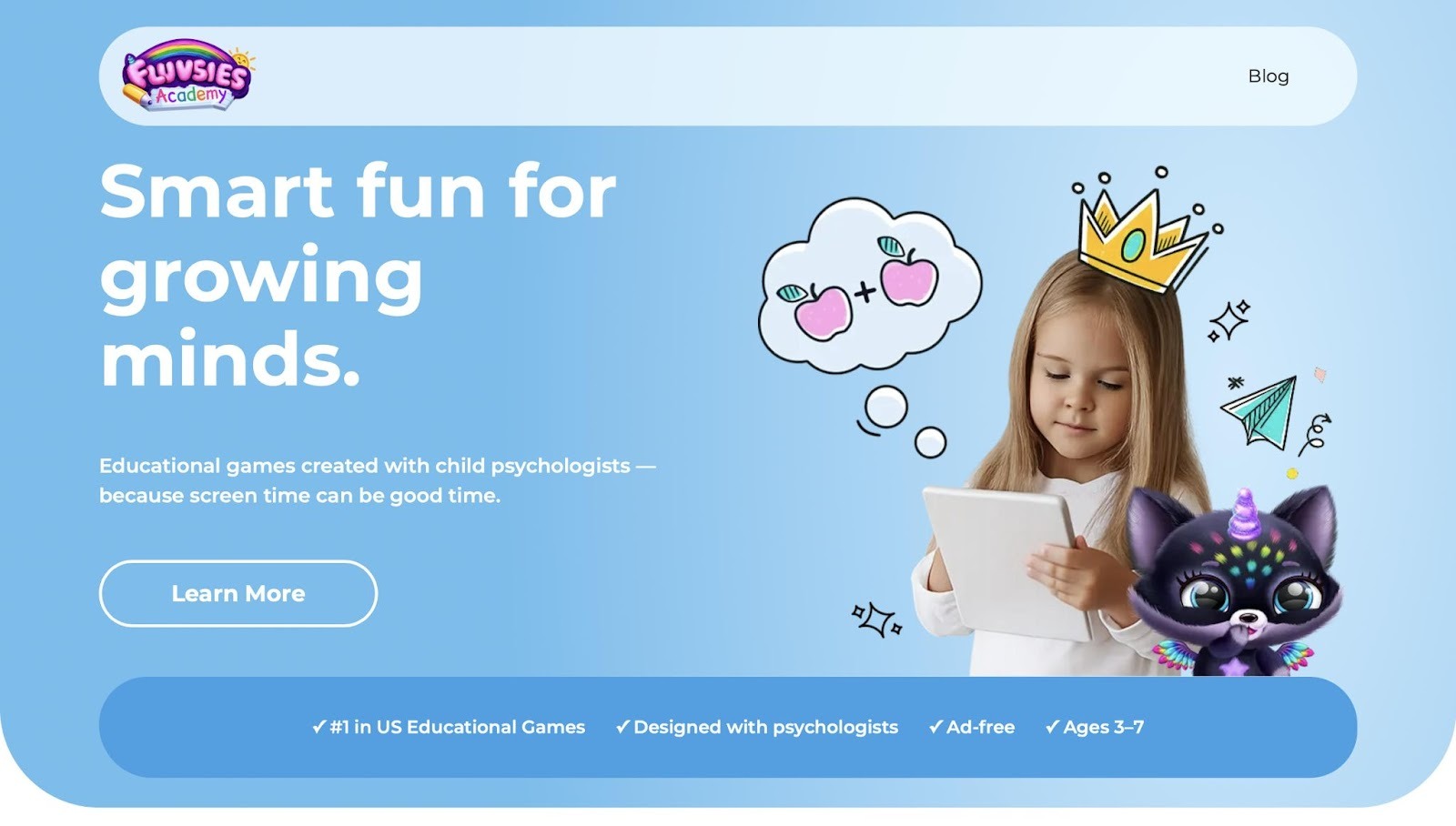
Fluvsies Academy delivers an engaging platform where language and phonics come alive through interactive games created for ages three to seven. Children explore letter sounds, simple words, and vocabulary while caring for adorable Fluvsies characters in a safe, ad-free environment. The app blends reading practice with logic, sorting, and life skills so learning feels complete and fun rather than isolated.
Developed with input from child psychologists, Fluvsies Academy focuses on guided play that builds confidence and focus. Kids practice phonics through mini-games that feel like adventures, while parents receive progress reports that highlight strengths in language development. Mindfulness and healthy habit activities round out the experience, supporting emotional growth alongside literacy. The platform encourages creativity and responsibility as children complete tasks and unlock new content.
Fluvsies Academy stands out for turning screen time into quality learning moments that families can trust. Its holistic design helps young readers develop a genuine love for stories and words.
Discover Fluvsies Academy
Fluvsies Academy is a leading educational app designed for children aged 3–7. It transforms screen time into meaningful learning through fun, interactive games. Developed in collaboration with child psychologists, the app focuses on holistic development.
Key Features
- Ad-free environment for safe play.
- Games covering language, phonics, math, and logic.
- Activities for attention, sorting, and creativity.
- Real-world life skills like healthy habits and mindfulness.
- Exploration of professions to build vocabulary and imagination.
Educational Approach
Fluvsies Academy emphasizes guided play that balances focus, empathy, and emotional safety. It's the first holistic learning app for kids, ranked #1 educational game in the US. Progress reports help track your child's growth. Free printables extend learning beyond the screen.
Benefits for Families
Parents gain peace of mind with expert-backed games.
Kids build confidence, skills, and a love for learning. Ideal for preschoolers seeking joyful education.
Start your child’s reading journey here.
2. TutoClub
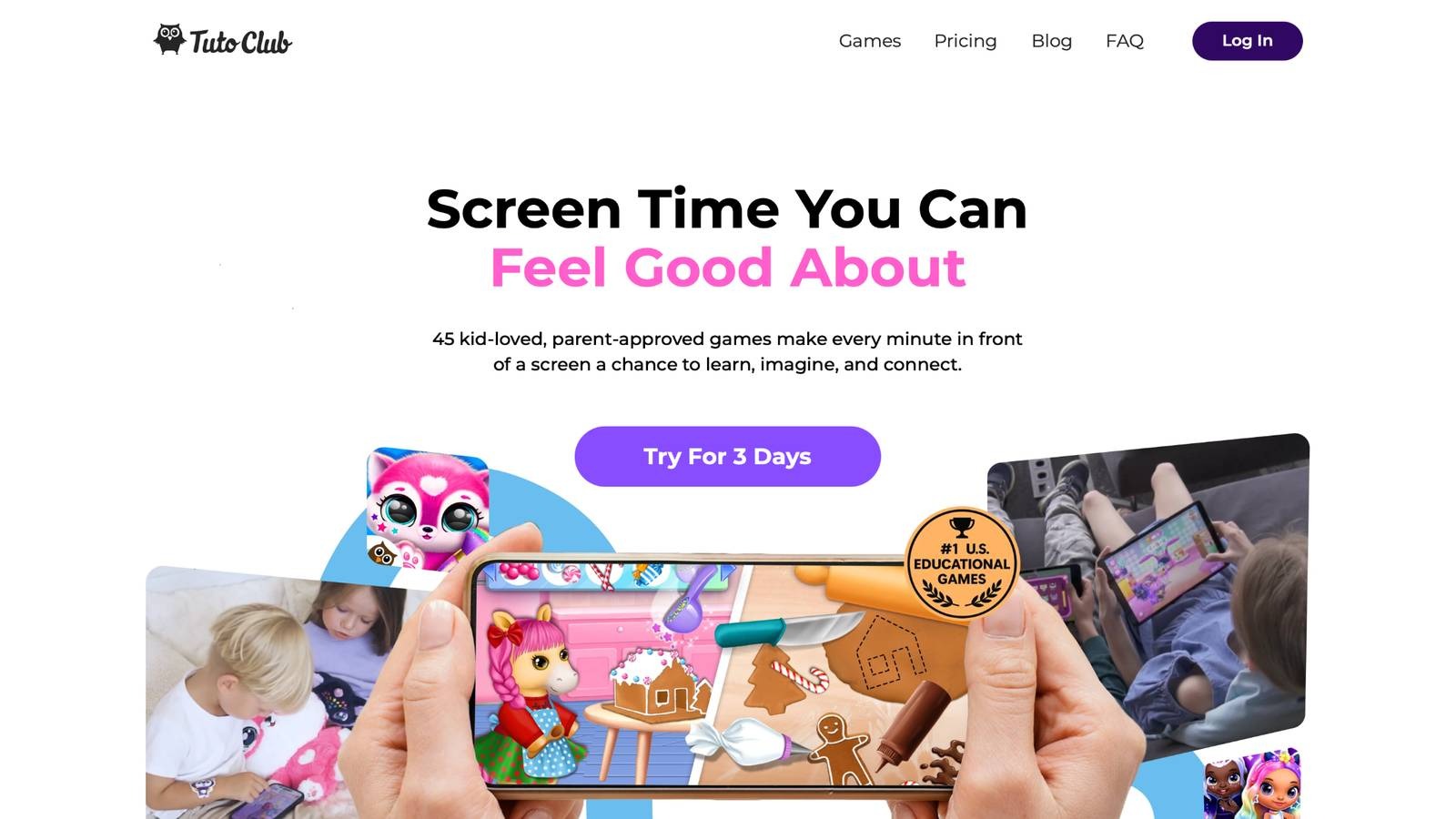
TutoClub delivers a rich subscription platform filled with educational games that naturally weave early literacy skills into everyday play for young children. Families love how the service turns screen time into meaningful moments where kids build phonics awareness through character interactions, creative tasks, and gentle storytelling. Children nurture adorable virtual friends while exploring letter sounds, simple word formation, and basic vocabulary in open-ended adventures that feel more like playdates than lessons. The ad-free environment keeps attention sharp and supports focus without interruptions, making it ideal for busy households seeking balanced digital learning.
One account opens up multiple game titles that adapt as children grow, covering language basics alongside social skills, curiosity, and problem-solving elements. Parents often notice their little ones returning eagerly because the activities spark imagination and responsibility in equal measure. The platform continues to expand its library with fresh content that reinforces reading foundations in fun, low-pressure ways. This thoughtful design helps many children develop confidence with letters and words while enjoying the process every step of the way.
- Key features include character care activities, puzzle-based challenges, creative open-ended tasks, and cross-device access for seamless family use.
- Facts and Information highlight the emphasis on emotional growth through play paired with cognitive skill building in a parent-approved, distraction-free format.
3. Reading.com
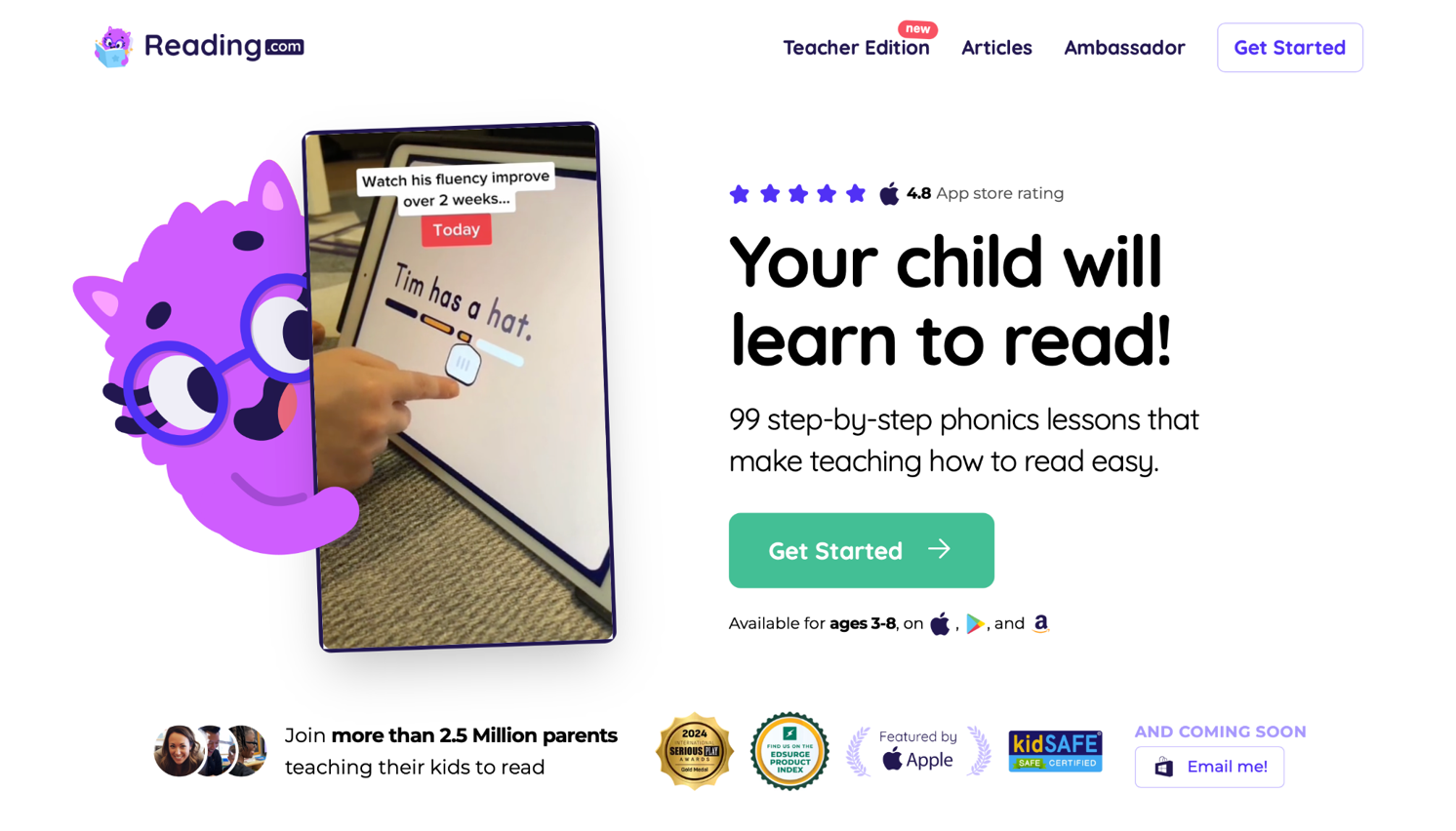
Reading.com guides children through structured phonics lessons that feel collaborative and supportive, with clear steps that parents and kids can follow together. The app breaks down letter sounds, blending, and early word recognition into short, manageable sessions that build steadily toward confident reading. Young learners work through interactive exercises that combine visuals, audio support, and simple stories, helping them connect sounds to meaning in practical ways.
Many families appreciate the parent-guided format because it turns daily practice into bonding time while delivering consistent progress in literacy skills. The platform adapts content to match each child's pace, ensuring beginners feel successful and motivated to continue. Activities cover everything from basic recognition to sentence reading, all within an encouraging interface that celebrates small wins along the journey. Parents see their children gain fluency and enthusiasm for books as the lessons reinforce real-world reading habits.
- Key features include scripted parent support, progressive phonics pathways, interactive reading games, and built-in tracking for skill mastery.
- Facts and Information show strong alignment with proven literacy methods that many educators recommend for early readers.
4. Hooked on Phonics
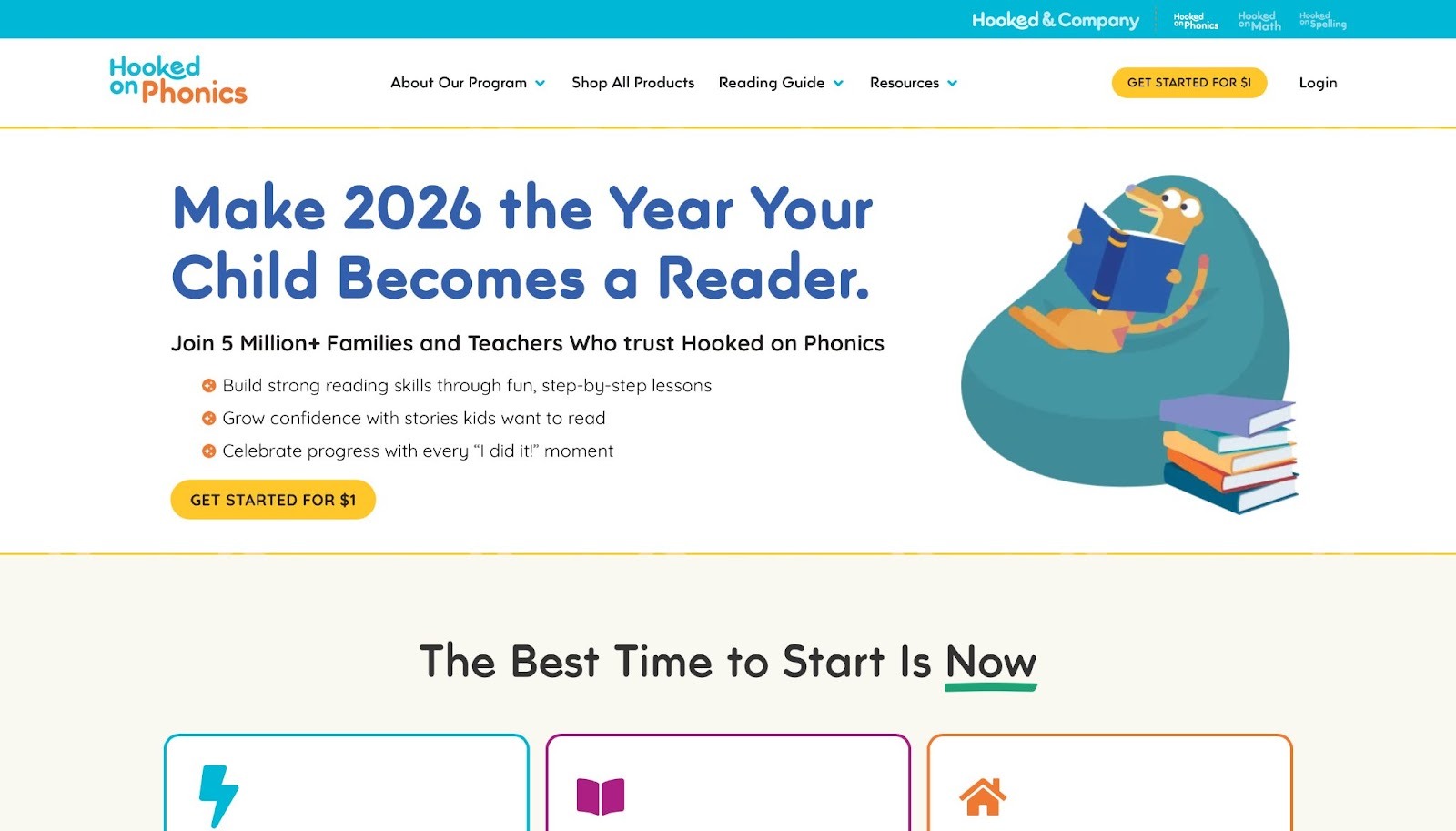
Hooked on Phonics offers a clear, sequential approach to reading that starts with letter sounds and advances through word building and simple texts. Children follow guided pathways filled with songs, games, and stories that reinforce each skill before moving forward. The program lets kids practice blending and decoding in varied formats that keep sessions lively and rewarding.
Families often note how the logical progression helps young readers gain independence without feeling overwhelmed. Audio support and printable extensions extend learning beyond the screen, giving children multiple ways to engage with material. The app supports different starting points so every child can begin at the right level and experience steady growth in confidence and ability.
- Key features include level-based advancement, audio reinforcement, printable activities, and song-based phonics lessons.
- Facts and Information point to its long history of helping children master essential decoding skills through consistent, enjoyable practice.
5. Teach Your Monster to Read
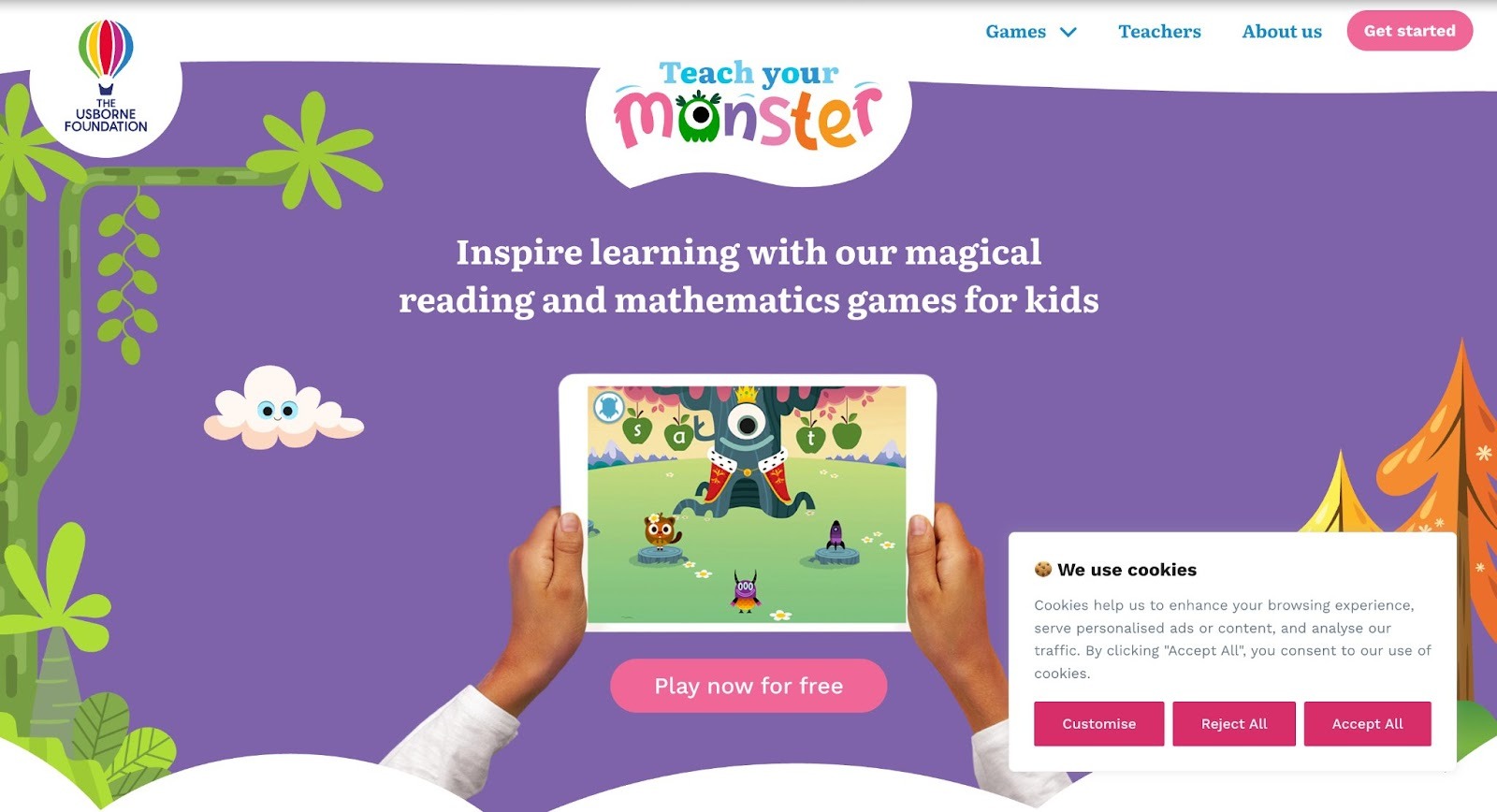
Teach Your Monster to Read transforms phonics practice into an exciting adventure where children customize their own monster and complete quests that teach sound recognition and word building. The game-style format guides kids through structured levels that cover letters, blending, and simple sentences in a story-driven world.
Young readers stay engaged as they unlock new content and see their monster grow with each successful challenge. The app balances skill development with fun elements that make repeated practice feel fresh and rewarding. Families report that children look forward to sessions because the playful narrative keeps motivation high while building solid reading foundations.
- Key features include character customization, level-based phonics progression, fluency practice activities, and quest-style challenges.
- Facts and Information emphasize its effectiveness at turning early reading practice into an engaging journey that builds lasting confidence.
6. ABCmouse
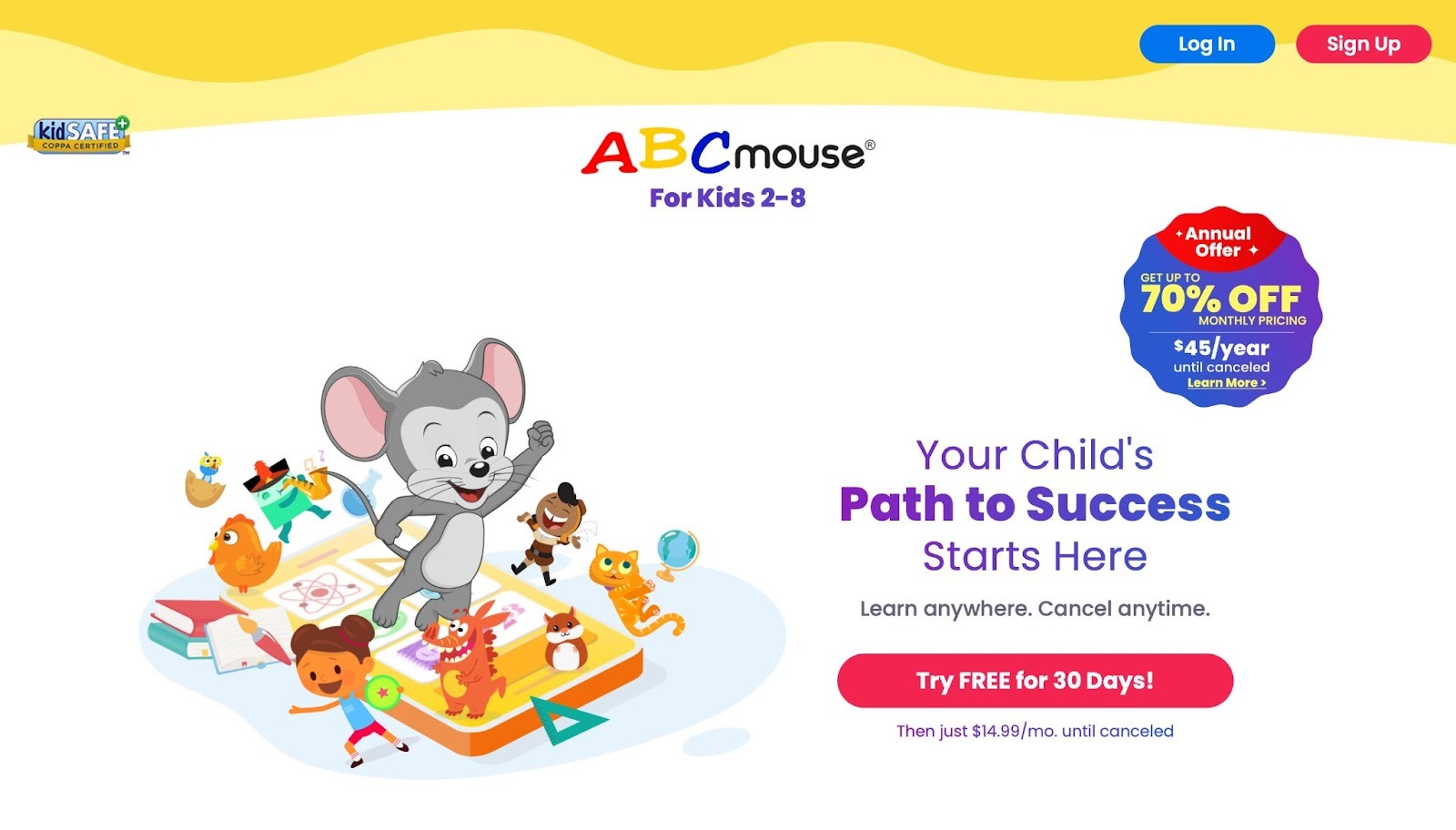
ABCmouse provides a complete early learning environment that integrates reading practice with other subjects through colorful, themed activities. Children explore letter sounds, vocabulary, and simple stories within interactive lessons that adapt to their current abilities. The platform offers a broad range of books and games that support phonics alongside creativity and problem solving. Parents value the structured yet playful design that helps kids develop a well-rounded foundation for school readiness. Daily variety keeps interest alive while reinforcing literacy skills in meaningful contexts.
- Key features include themed learning worlds, adaptive progress tracking, reward systems, and extensive activity libraries.
- Facts and Information highlight its comprehensive coverage of preschool and kindergarten skills in one accessible place.
7. Duolingo ABC
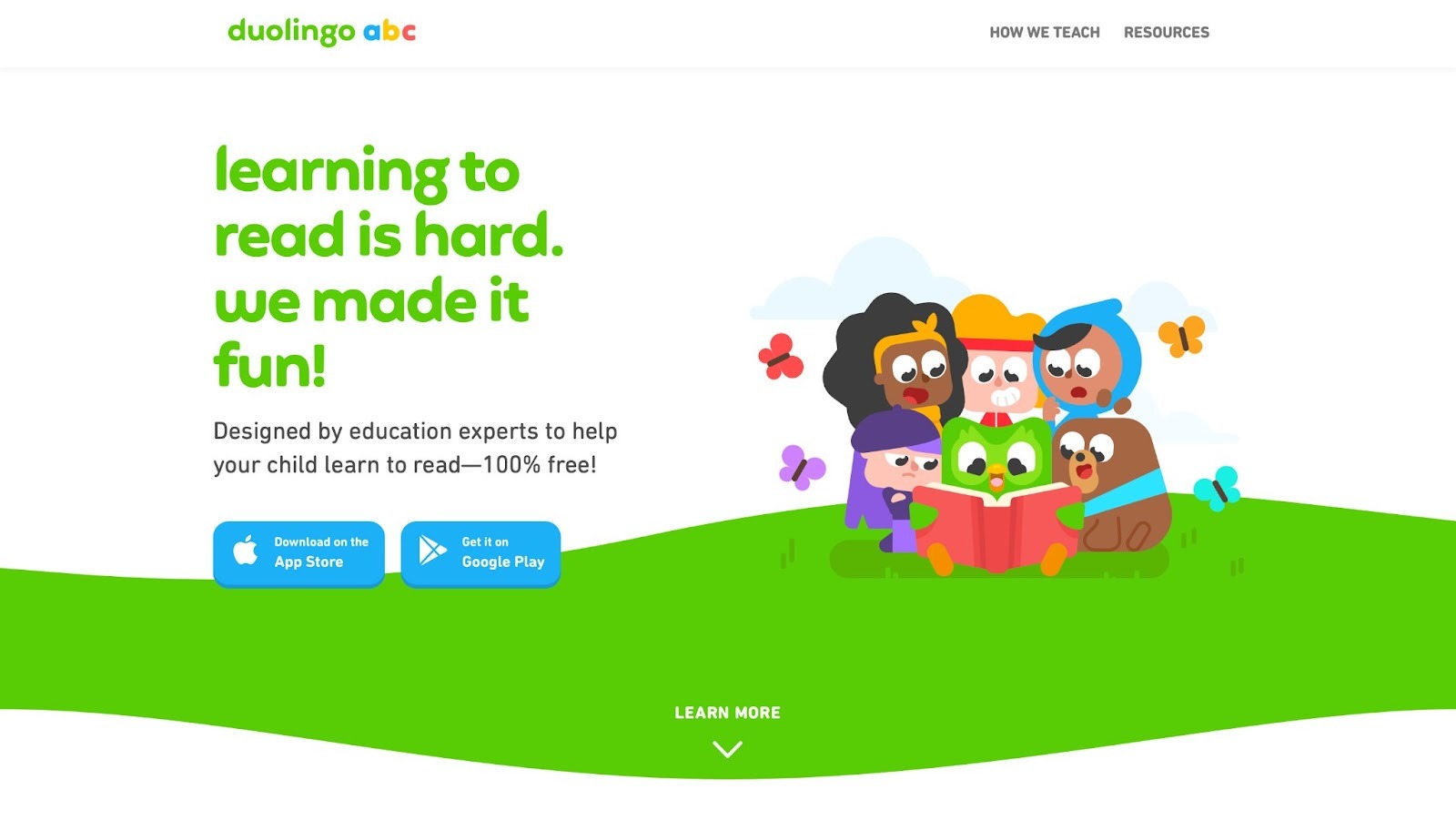
Duolingo ABC introduces phonics through bite-sized, game-like lessons that fit easily into daily routines. Children work with friendly characters on activities covering letters, words, and basic reading in short bursts that build habits without pressure. The app encourages consistent practice with gentle streaks and immediate feedback that help young learners feel successful. Families appreciate the free access and simple interface that make starting easy while still delivering structured skill growth over time.
- Key features include short daily lessons, handwriting practice elements, vocabulary building exercises, and character-driven stories.
- Facts and Information show how it supports steady exposure to reading fundamentals in a familiar, motivating format.
8. Reading Eggs
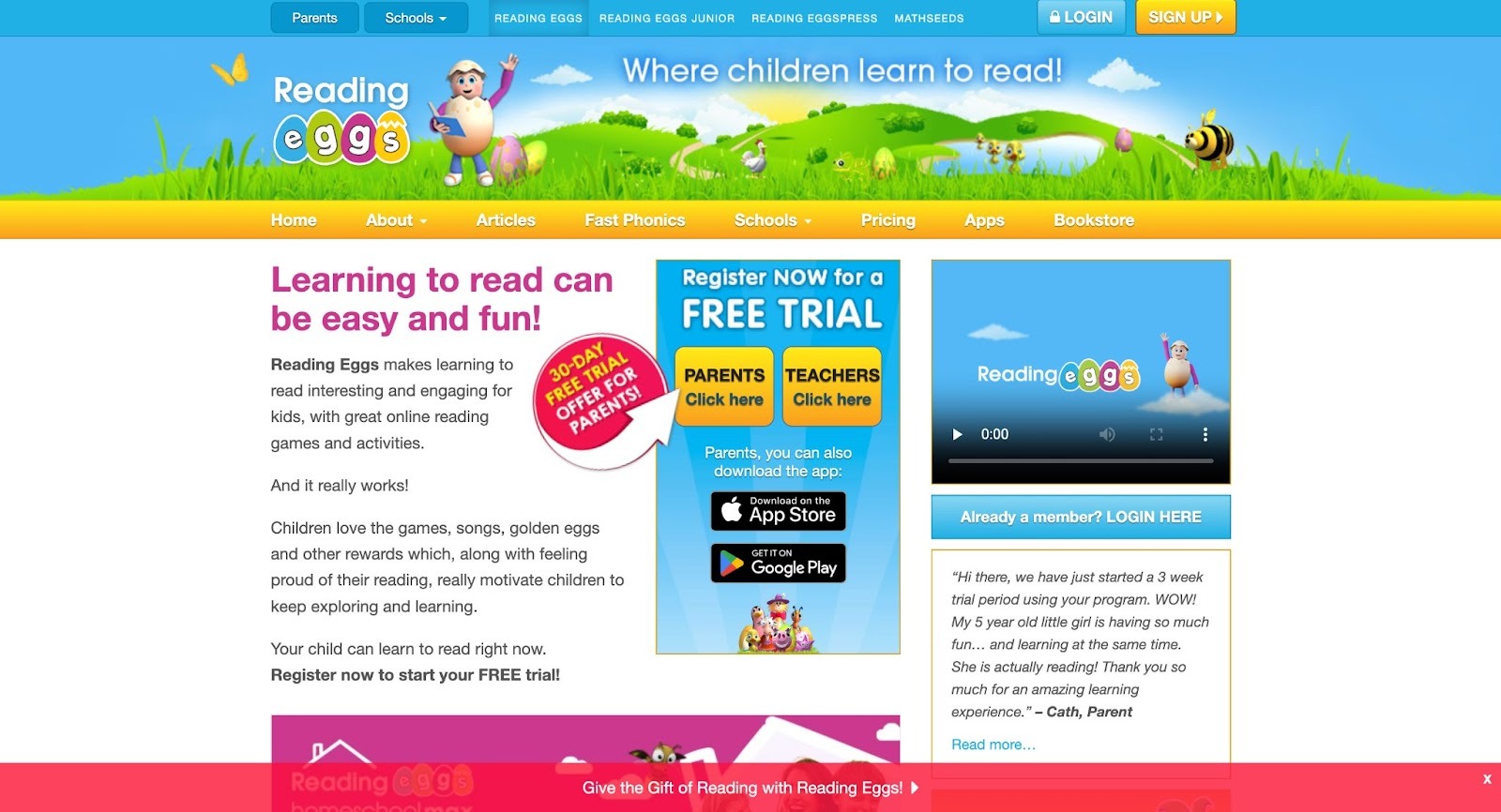
Reading Eggs combines interactive lessons, games, and books to help children move from phonics basics toward full comprehension. The adaptive system matches content to each learner’s level, ensuring appropriate challenges that promote growth. Kids enjoy rewards and variety that keep lessons exciting while building essential skills step by step. The platform supports both independent exploration and guided practice, giving families flexibility in how they use it.
- Key features include leveled storybooks, skill quizzes, interactive games, and progress monitoring tools.
- Facts and Information point to its focus on making reading development enjoyable from the earliest stages.
9. Epic!
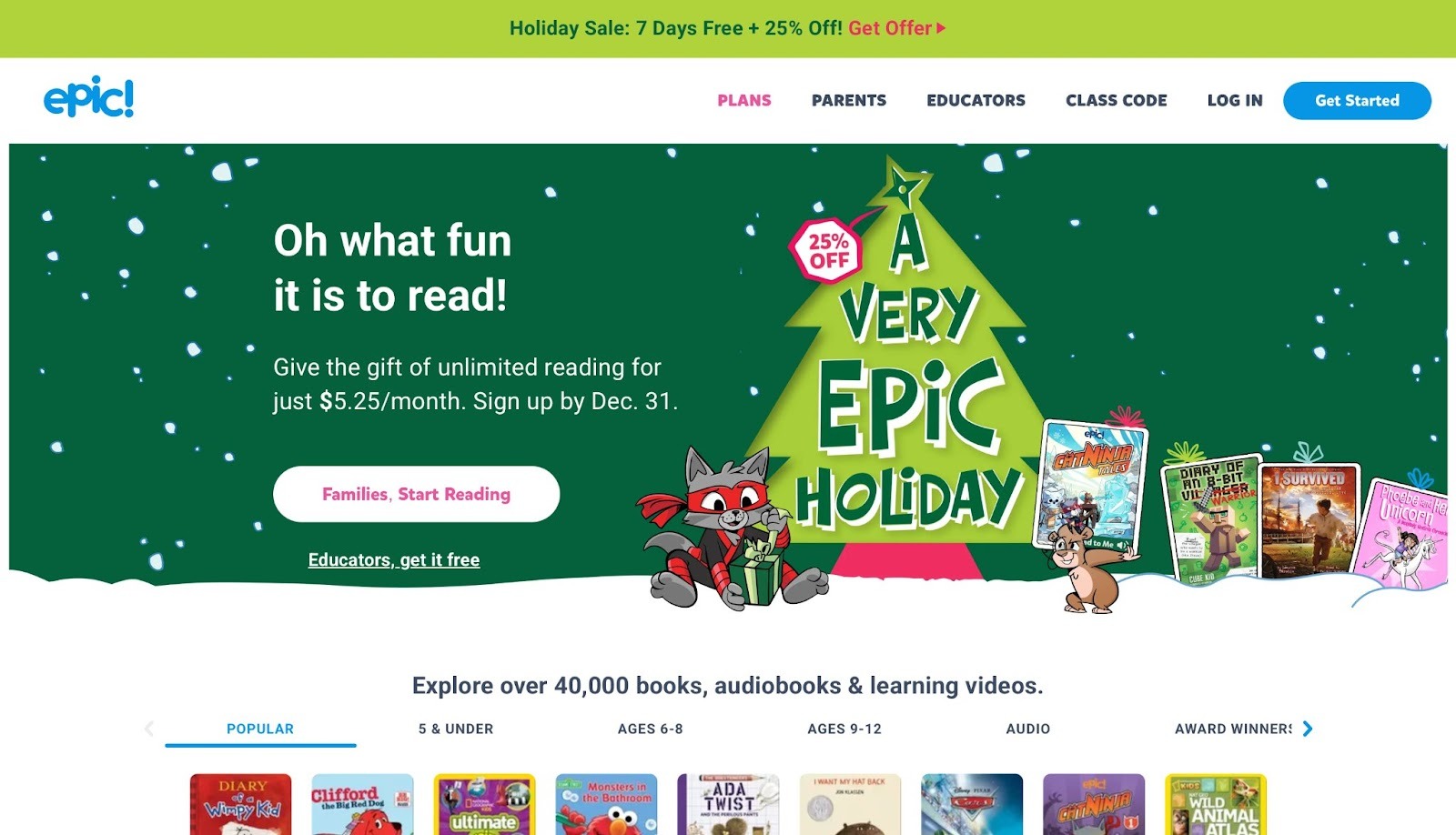
Epic! serves as an extensive digital library filled with children’s books, read-aloud options, and educational videos that support independent reading and listening. Young readers can explore different genres and topics that expand vocabulary and spark curiosity about stories. The collection helps children build a genuine love of books through rich, age-appropriate material that complements any phonics work they do elsewhere. Parents like the filtering tools that keep content suitable and engaging for their family.
- Key features include thousands of titles, read-along functions, age-appropriate recommendations, and video supplements.
- Facts and Information highlight its popularity as a resource for developing lifelong reading enjoyment.
10. Khan Academy Kids
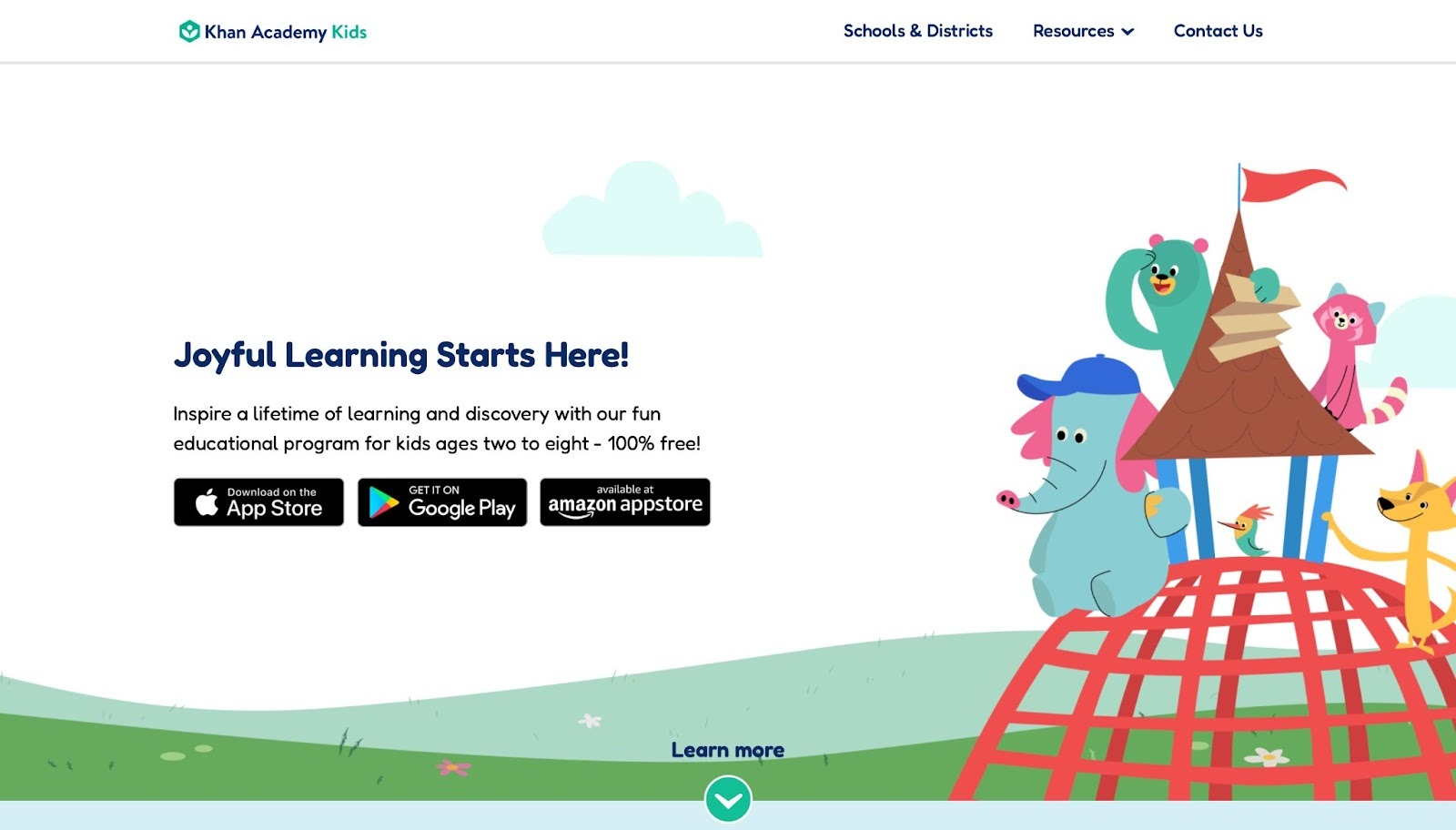
Khan Academy Kids delivers free activities that cover reading fundamentals alongside other subjects through animated stories and games created by education experts. Children benefit from high-quality content that introduces letter sounds, words, and comprehension in playful ways. The nonprofit approach focuses on accessibility and strong foundational skills without commercial distractions. Families appreciate the thoughtful design that supports learning across multiple areas while keeping sessions fun and age-appropriate.
- Key features include animated lessons, progress reports, offline options, and expert-created activities.
- Facts and Information emphasize its commitment to quality free resources that many families rely on for early literacy support.
11. Starfall
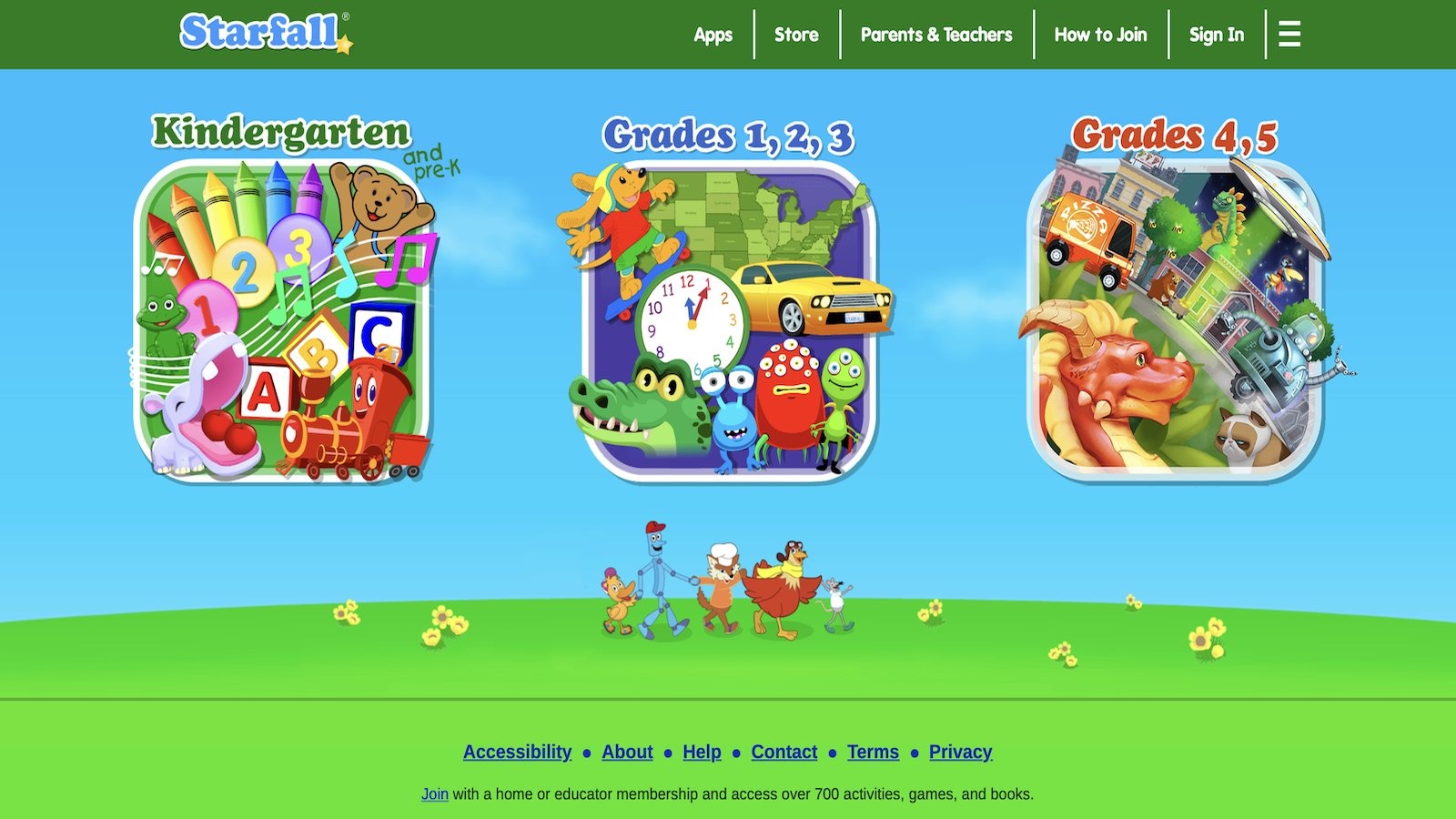
Starfall offers systematic phonics activities through songs, videos, and interactive exercises that suit various learning styles. Children practice blending, vowel sounds, and word families in a straightforward interface that builds skills gradually. The platform provides free access to core content while maintaining an engaging, standards-aligned experience. Parents often choose it for its simplicity and focus on essential reading building blocks that prepare kids for more advanced work.
- Key features include instructional songs, matching games, decodable stories, and clear phonics progression.
- Facts and Information show its long-standing role in supporting pre-kindergarten through early elementary literacy foundations.
12. HOMER
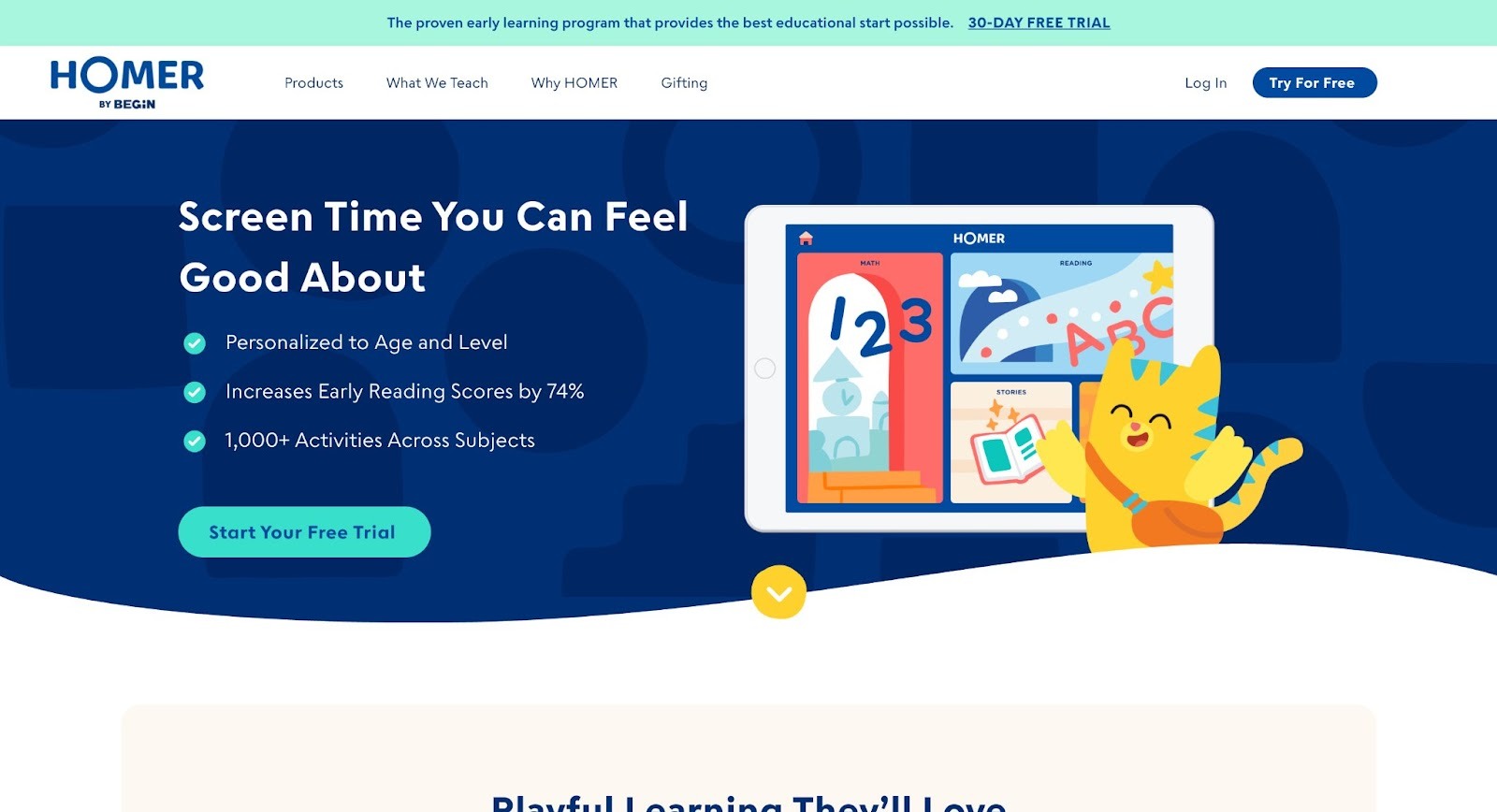
HOMER creates personalized learning paths that combine phonics with creativity, thinking skills, and social-emotional elements. Children receive tailored lessons on reading fundamentals that adjust based on their interests and progress. The app blends structured practice with open creative activities that make literacy feel connected to real life. Families value the balanced approach that nurtures well-rounded development while strengthening reading confidence.
- Key features include adaptive lesson plans, interactive stories, creativity prompts, and multi-skill integration.
- Facts and Information highlight its success at keeping children motivated through relevant, child-centered content.
13. Readability Tutor
Readability Tutor uses artificial intelligence and voice recognition to provide real-time feedback as children read aloud. The app listens carefully and offers gentle corrections that help improve pronunciation and fluency. Young readers practice with a variety of texts while receiving instant support that builds accuracy and confidence. Parents appreciate the technology that makes independent reading practice more effective and less frustrating.
- Key features include AI-powered speech feedback, leveled reading passages, fluency tracking, and error correction guidance.
- Facts and Information point to its innovative use of technology for supporting oral reading development in young learners.
14. Read with Ello
Read with Ello combines AI reading assistance with phonics-based instruction to support both decoding and fluency. Children receive help with word recognition and pronunciation during reading sessions, making the experience supportive rather than overwhelming. The app guides kids through stories while reinforcing sound-letter connections in context. Families like the balance of technology and traditional teaching methods that help children progress at their own pace.
- Key features include voice recognition support, phonics integration, story-based practice, and adaptive difficulty levels.
- Facts and Information show its strength in helping early readers develop smooth, confident oral reading skills.
15. Phonics Hero
Phonics Hero delivers structured phonics lessons through game elements that cover sound blending and word recognition. Children advance through levels that build skills systematically while enjoying interactive challenges. The platform supports different learning needs with clear instruction and plenty of practice opportunities. Parents find it helpful for reinforcing classroom learning or providing targeted home support.
- Key features include level-based games, sound blending exercises, word building activities, and progress checkpoints.
- Facts and Information emphasize its clear, systematic approach that many children respond to positively.
16. Vooks
Vooks brings animated storybooks to life with gentle pacing and engaging visuals that support comprehension and vocabulary growth. Children listen and follow along with stories that introduce new words and concepts in a calm, screen-friendly format. The app encourages active listening and discussion while building a love for narratives. Families appreciate the ad-free, thoughtful design that makes shared viewing time productive and enjoyable.
- Key features include animated read-alouds, vocabulary highlights, discussion prompts, and age-appropriate story collections.
- Facts and Information highlight its role in developing listening skills and story appreciation alongside early literacy.
17. Endless Alphabet
Endless Alphabet uses quirky animated monsters to teach letter sounds and vocabulary through playful interactions. Children match letters and explore word meanings in a creative environment that makes learning feel like entertainment. The app supports early phonics awareness while expanding word knowledge in memorable ways. Parents like the simple, engaging format that holds attention and builds foundational language skills.
- Key features include monster animations, letter-sound matching, vocabulary exploration, and interactive word play.
- Facts and Information show its effectiveness at introducing phonics concepts to very young learners in a fun, low-pressure style.
18. Night Zookeeper
Night Zookeeper turns literacy practice into creative storytelling adventures where children build stories, solve puzzles, and develop writing alongside reading skills. The platform encourages imagination while reinforcing phonics and comprehension through mission-based activities. Kids stay motivated as they create their own content and see it come to life in the game world. Families value the blend of creativity and structured learning that supports well-rounded language development.
- Key features include story creation tools, puzzle challenges, character interactions, and creative writing prompts.
- Facts and Information point to its success at sparking enthusiasm for reading and writing through imaginative play.
19. Lingokids
Lingokids integrates phonics and language activities into daily play sessions designed for young children. The app offers games, songs, and stories that build letter recognition and early reading skills alongside other developmental areas. Children engage with familiar characters in scenarios that feel natural and fun. Parents appreciate the comprehensive approach that supports multiple skills while keeping literacy practice light and enjoyable.
- Key features include daily activity packs, character-driven games, song-based learning, and progress summaries.
- Facts and Information highlight its popularity for combining language development with broader early childhood skills.
20. Raz-Kids
Raz-Kids provides leveled reading materials with audio support and quizzes that help children practice independently. Young readers choose books matched to their ability and track their own progress through the collection. The platform supports comprehension and fluency while offering immediate feedback on understanding. Families like the variety of texts that keep motivation high and expose kids to different genres and topics.
- Key features include leveled book library, read-along audio, comprehension quizzes, and personal reading dashboards.
- Facts and Information show its value as a tool for building reading stamina and confidence through repeated, supported practice.
21. LoveToRead.ai
LoveToRead.ai creates personalized stories where children become the main character, using AI to generate custom books and illustrations based on their interests. Young readers explore tailored narratives that reinforce vocabulary and comprehension while sparking creativity. The platform makes reading feel personal and exciting, encouraging kids to return for new adventures. Families enjoy how the technology adapts content to each child, supporting literacy growth through meaningful, one-of-a-kind experiences.
- Key features include custom avatar creation, AI-generated stories, illustration matching, and theme selection options.
- Facts and Information emphasize its innovative approach to making reading deeply personal and engaging for young children.
Tips for Parents Choosing the Right Learn to Read App
Look for learn to read kids apps that match your child’s age and interests while offering clear progress tracking. Short sessions work best for young attention spans, and parent involvement can boost results. Consider platforms that combine phonics with creative elements to maintain motivation over time. Many families find success when the app feels like play rather than schoolwork. Checking for ad-free environments and child-friendly design helps create positive screen-time habits.
Key Features to Seek in Learn to Read Apps
Strong apps include sound blending exercises, vocabulary builders, and story integration. Features like progress reports and offline play add convenience for parents. Holistic elements such as focus-building or emotional support activities can enhance overall development.
FAQ
What age range works best for learn to read apps?
Young children between three and seven years old often benefit most from kids reading apps because their brains are rapidly developing language connections. At this stage, playful phonics practice can help them recognize sounds and build simple words without pressure. Matching the app to a child's current abilities leads to steady progress and keeps learning enjoyable.
Can learn to read apps replace traditional books?
Learning to read apps work best when paired with physical books instead of replacing them entirely. Shared reading time with parents creates special moments that build emotional connections to stories. Using both digital activities and printed pages gives children a more complete foundation in language and storytelling.
How do I know if my child is making progress with a learn to read app?
Children show growth when they begin noticing letters in daily life or try sounding out words on their own. Greater confidence with new vocabulary and increased interest in stories are encouraging signs. Regular practice typically brings clear improvements in attention and word skills.
Are ad-free learn to read apps worth the investment?
Ad-free platforms create a calmer space where children can concentrate fully on the learning activities. Without interruptions, attention stays on building important skills rather than shifting elsewhere. Families often experience more positive and productive screen time with this focused design.
How do language and phonics games support broader child development?
Language and phonics games help strengthen listening skills, memory, and problem-solving alongside reading abilities. Kids practice focus through activities that involve blending sounds and recognizing patterns in a playful way. These experiences also encourage creativity as children use newly learned words in their own imaginative play.
Read Also:
- Best Educational App for Kids 2026
- Best Educational Games 2026
- Best Educational Computer Games 2026
- Best Interactive Educational Games 2026
- Best Educational Games Online 2026
Discover the Best Learn to Read App for Kids 2026 - Fluvsies Academy