

Best Math Learning App for Kids 2026






Parents want their young children to build strong math skills early, and the right app can make all the difference. The best math learning app for kids turns counting and simple operations into joyful adventures that stick.
Early math skills develop more naturally when learning feels like play, especially through interactive tools similar to those featured in the best educational games. Many platforms highlighted among the best app for kids learning, the best apps for learning, and the best apps for online learning combine entertainment with foundational skill-building. This approach reflects what defines the best kids learning app, where engagement and education seamlessly connect.
Discover the Best Math Learning App for Kids 2026 - Fluvsies Academy
Why Early Math Learning Matters for Kids Today

Young children who explore math concepts through games develop better problem-solving abilities that carry over to school and daily life. Simple activities like sorting shapes or measuring ingredients lay the groundwork for later topics such as addition and subtraction. The best math learning app for kids combines these tasks with storytelling to keep kids engaged longer than worksheets ever could. The result is a smoother transition into formal schooling where math confidence already exists.
Early math learning also pairs naturally with broader cognitive and emotional growth activities. Exploring the best brain development games for kids strengthens neural connections that support numerical thinking. Toddlers benefit greatly from the best problem solving games for toddlers, while older preschoolers advance through the best pattern recognition games that build logical foundations. Additionally, incorporating the best SEL games for kids helps children develop emotional awareness alongside math skills, creating well-rounded learners ready for academic success.
Essential Features of Effective Math Apps for Young Children
Look for apps that offer guided play instead of drills. Features like progress tracking, age-appropriate challenges, and integration with other skills such as logic or language create a well-rounded experience. Ad-free environments protect focus, while child-psychologist input ensures activities match developmental stages. The best math learning app for kids also adapts to different paces so every child feels successful.
How Math Apps Support Different Learning Styles in Young Children
Young kids learn math in unique ways. Some pick up ideas best through hands-on play while others respond to visual patterns or stories. Good apps offer a mix of activities that match these styles. Number games help visual learners see quantities come alive. Interactive sorting builds skills for kids who like organizing things. Story-based challenges suit those who enjoy narratives.
Platforms stand out with their variety of math skill activities that blend counting, shapes, and simple operations into guided play. Children ages 3 to 7 explore these concepts alongside logic puzzle games and attention builders. This mix creates a balanced experience that feels natural and fun. Many families notice how such apps turn everyday moments into learning opportunities without extra effort.
The Role of Progress Tracking in Kids' Math Development
Parents appreciate tools that show clear growth over time. Simple reports highlight what a child has mastered and what comes next. This helps adjust activities to keep things challenging yet achievable. Progress reports give families insights into their child's math journey. Kids build confidence as they see themselves improving at number recognition for kids, basic addition, and comparison skills. The information stays supportive and age-appropriate for preschoolers. Child’s progress reports help track advancements across multiple skills areas.
Combining Math with Other Skills for Holistic Growth
Math does not stand alone in early learning. Strong programs connect numbers to language, logic, sorting, and real-life situations. This approach helps children understand how math fits into their world. Holistic learning integrates math games with phonics, life skills for kids, and creativity exercises. Young learners practice counting while exploring professions or healthy habits. The result supports well-rounded development that feels connected and meaningful. Families often discover new ways to extend these lessons offline with free printables available through the platform.
Choosing Age-Appropriate Math Content for Preschoolers
Activities for ages 3 to 7 should match developmental stages. Short sessions, bright visuals, and gentle challenges work best. Content that grows with the child prevents frustration and builds lasting interest.
Age-appropriate content offers math experiences designed specifically for this age group. Kids engage with math learning games that grow in complexity as they gain skills. Child psychologists helped shape the content to balance focus, play, and emotional safety. Ages 3–7 activities fit preschool developmental needs perfectly.
Engaging Number Activities That Build Early Foundations
Interactive number activities turn abstract ideas into concrete experiences that young children enjoy and remember. Kids strengthen quantity understanding through playful tasks like matching, grouping objects, sequencing numbers, and spotting patterns in daily settings. Short practice sessions fit preschool attention spans while building problem-solving habits for kids that transfer to school and life.
Early math play develops stronger neural connections for logical thinking and spatial awareness. Children gain confidence from immediate feedback when counting steps, sorting shapes, or comparing sizes. This hands-on approach makes learning rewarding instead of tedious.
Parents notice better focus and curiosity with well-designed number games in the best math learning app for kids. These activities support fine motor skills and language as kids describe their play. Fluvsies Academy creates balanced experiences nurturing multiple skills - combining numbers, logic, sorting, pattern recognition, and professions explorations - preparing young learners for future concepts in a fun, natural way.
Integrating Math with Daily Life Skills
Math appears naturally in a child’s day - measuring during pretend cooking, counting toys, or sharing items. The best preschool online games for 4 year olds link numbers to real situations, deepening understanding by showing math’s practical purpose. This turns routines into organic learning moments.
Young kids explore addition, subtraction, and comparisons while imagining roles in professions explorations or handling everyday tasks. Sorting groceries, organizing by size, or following simple sequences reinforces ordering and quantity skills, making ideas tangible and memorable.
Life skills integration boosts vocabulary and social-emotional growth through narration and collaboration. Pattern recognition in stories for kids strengthens logic alongside numeracy. Quality holistic learning apps blend these areas so learning feels connected and natural.
The Value of Ad-Free and Psychologist-Informed Design
Distraction-free environments help children focus on building skills without interruptions. Expert-guided designs from child psychologists match activities to developmental stages, offering achievable challenges that promote success over frustration. This supports cognitive growth and emotional well-being in early math.
Ad-free play keeps sessions smooth and protects developing attention spans. Clear progress reports let families track advances in counting, comparisons, and sorting without overload. Psychologist-designed content adds balanced pacing, positive reinforcement, and attention exercises that reduce anxiety and build growth mindsets. Parents appreciate the focus on safety and meaningful development.
Best Math Learning Apps for Kids in 2026
1. Fluvsies Academy - Best Math Learning Apps for Kids in
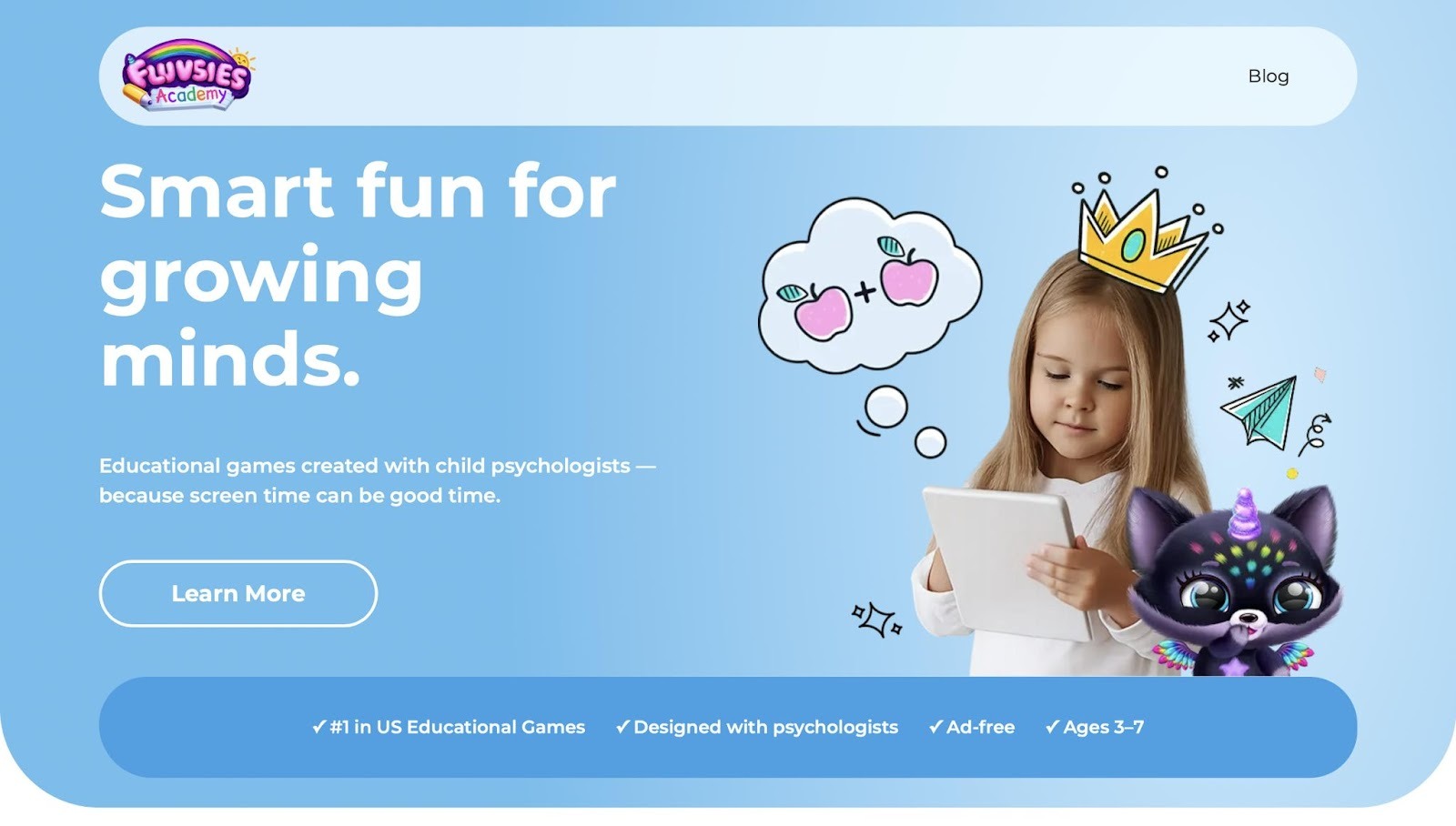
The Fluvsies Academy subscription delivers a complete play-based platform where number games build real confidence in counting, recognition, addition, subtraction, measuring, and comparison. Kids ages three to seven explore math through guided mini-games that blend seamlessly with language, logic, and life skills. Designed with child psychologists, the app creates an emotionally safe space that encourages curiosity without pressure. Active learning modes sharpen focus and reasoning while printables extend the fun offline.
Families love how the holistic approach turns everyday moments into learning opportunities, from cooking to sorting toys. Standout features include ad-free content, mindfulness activities, and detailed progress reports that help parents celebrate small wins. Facts and information highlight the relaxing vibe and cute characters that make repeated play feel fresh every time. The platform ranks as a top choice for US educational games because it prioritizes empathy and real-world connections alongside academic growth.
Discover Fluvsies Academy
Fluvsies Academy is a leading educational app designed for children aged 3–7. It transforms screen time into meaningful learning through fun, interactive games. Developed in collaboration with child psychologists, the app focuses on holistic development.
Key Features
- Ad-free environment for safe play.
- Games covering language, phonics, math, and logic.
- Activities for attention, sorting, and creativity.
- Real-world life skills like healthy habits and mindfulness.
- Exploration of professions to build vocabulary and imagination.
Educational Approach
Fluvsies Academy emphasizes guided play that balances focus, empathy, and emotional safety. It's the first holistic learning app for kids, ranked #1 educational game in the US. Progress reports help track your child's growth. Free printables extend learning beyond the screen.
Benefits for Families
Parents gain peace of mind with expert-backed games.
Kids build confidence, skills, and a love for learning. Ideal for preschoolers seeking joyful education.
Discover the best math learning app for kids today.
2. TutoClub
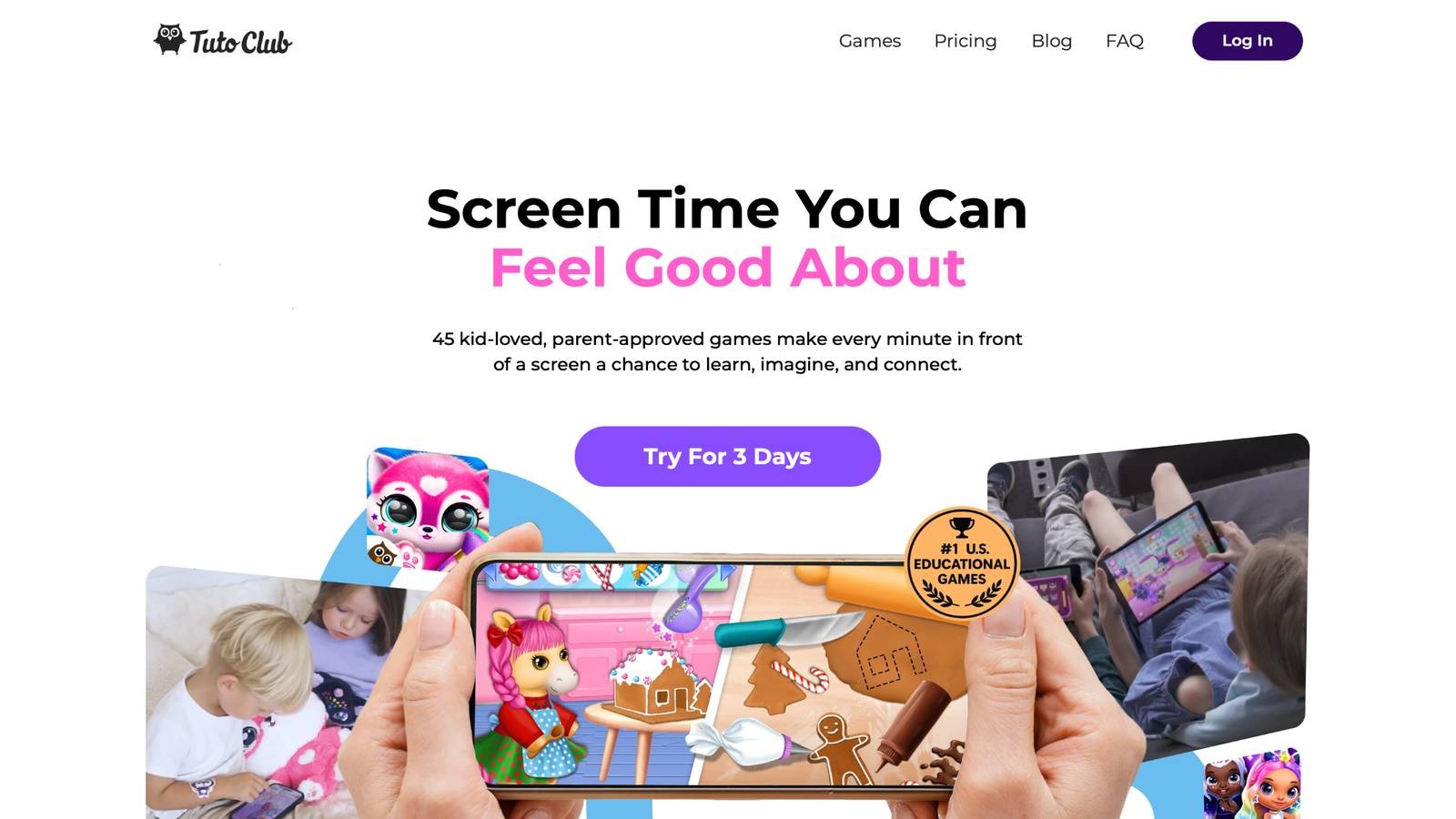
TutoClub delivers a subscription service packed with a wide array of educational games that turn screen time into meaningful play for young children. The platform features titles that weave preschool math adventures into gentle story driven activities covering counting basic shapes and early problem solving. Kids build number sense while developing creativity, emotional awareness and social skills in a calm and free setting that feels welcoming and supportive. Parents appreciate the family friendly design that supports shared play sessions and offline access for travel days or quiet moments at home.
The games encourage responsibility through tasks like caring for virtual pets or organizing playful scenes where numbers appear naturally in everyday contexts. Adaptive challenges adjust to each child’s pace so every session brings success and motivation without pressure. The Lithuania based company focuses on holistic growth making math practice feel like part of a broader journey of curiosity and kindness. Many families notice how the variety keeps interest high across different days and moods while fostering a positive attitude toward learning. This balanced approach helps children connect math concepts to real life situations in ways that stick and spark joy.
- Ad free games with interactive narratives
- Offline mode for flexible learning anywhere
- Activities blending math with creativity and empathy
- Adaptive levels that match individual progress
- Options for family sharing and collaborative play
- Many parents report stronger focus and problem solving skills after regular use
- The collection supports early math foundations through playful exploration
3. Prodigy Math
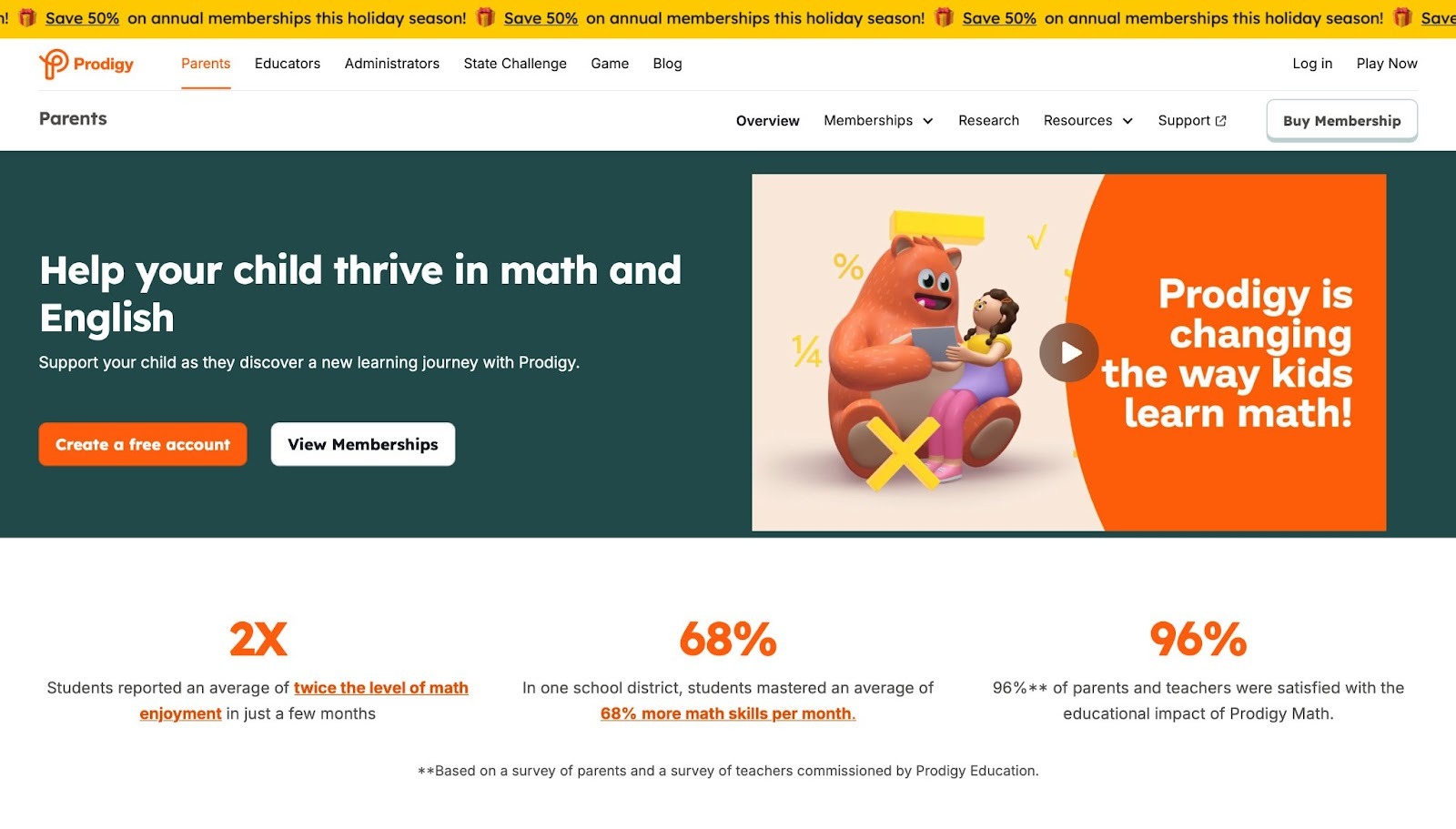
Prodigy Math wraps curriculum aligned questions inside a fantasy role playing world where kids cast spells and complete quests by solving problems. The game style format keeps motivation high for elementary learners who enjoy adventure stories and magical elements. Adaptive questions adjust in real time so children stay challenged yet never frustrated as they progress through levels. Parents love how the immersive experience makes daily math practice feel like an exciting video game rather than traditional homework.
The platform covers topics from basic counting to more advanced operations in ways that build confidence step by step. Children return again and again because each session offers new stories and rewards that celebrate effort and growth. The engaging design helps young minds develop logical thinking while reinforcing number fluency through fun challenges. Many families see their kids eagerly choose this app over other activities because it combines learning with pure enjoyment. This approach creates lasting positive associations with math that carry into school success.
- Fantasy role playing with math based quests
- Real time adaptive difficulty adjustments
- Curriculum aligned content across multiple grades
- Reward systems that motivate continued play
- Progress tracking for parents to celebrate wins
- Many children show increased enthusiasm for math concepts through the game format
- The platform helps build strong problem solving habits in an entertaining way
4. Khan Academy Kids
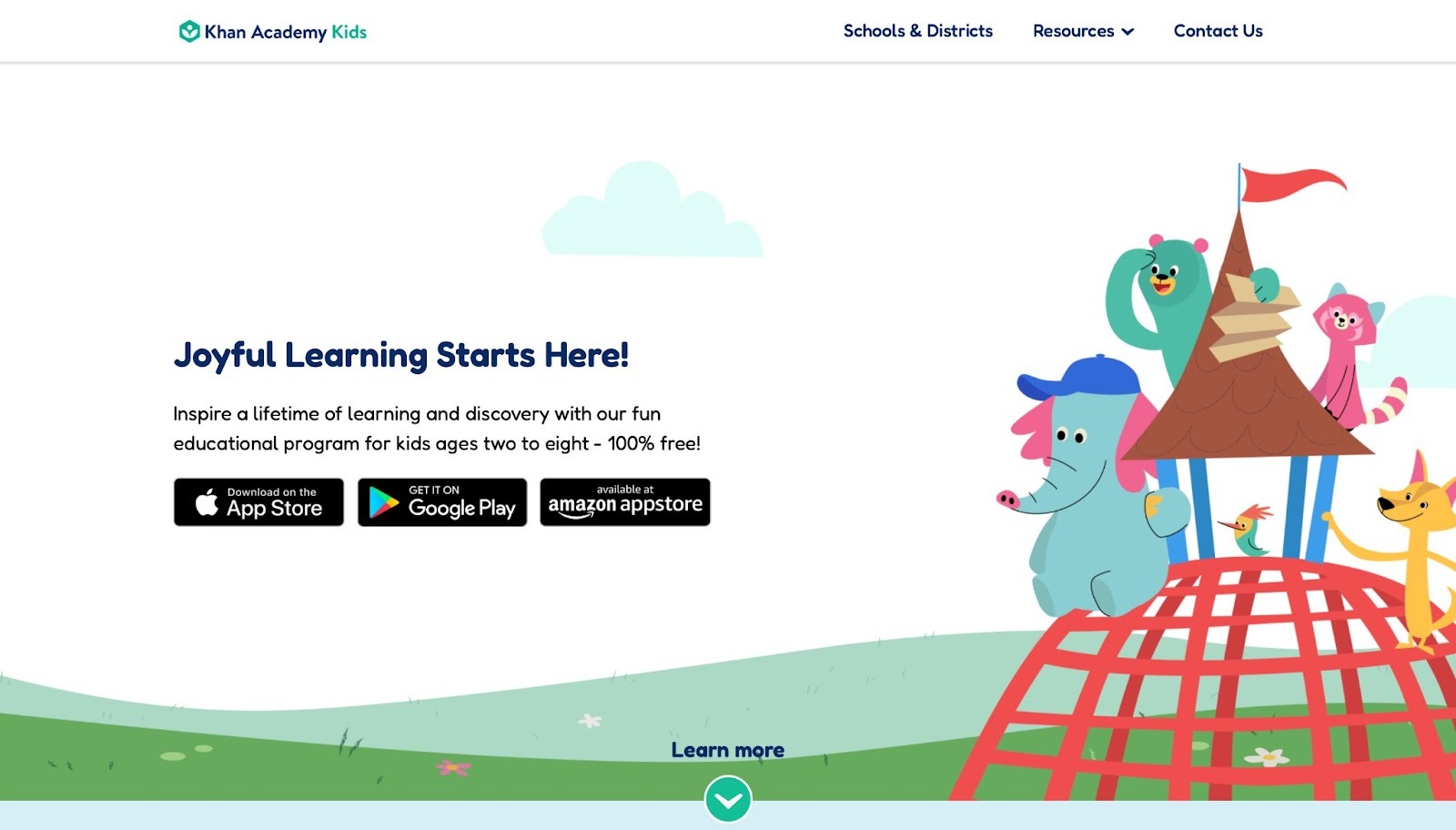
Khan Academy Kids provides free interactive activities and stories that introduce numbers shapes and early operations in a colorful and free environment. The app follows clear learning paths that align with standard preschool and kindergarten goals while mixing games with read alouds to support multiple learning styles at once. Short lessons keep sessions manageable and rewarding for young attention spans. Parents appreciate the structured yet playful daily practice that builds a solid foundation without overwhelming children.
The platform includes progress summaries that highlight mastered concepts in simple ways families can discuss together. Kids explore math through engaging characters and narratives that make abstract ideas feel concrete and fun. This free resource has become a favorite for many households seeking quality content without subscriptions. The balanced activities help develop number sense alongside other early skills like language and logic. Children gain confidence as they master each level at their own pace in a supportive space.
- Completely free ad free activities and stories
- Clear learning paths aligned with school standards
- Mix of games read alouds and interactive tasks
- Simple progress summaries for parents
- Support for multiple learning styles through variety
- Many families rely on the app for consistent early math exposure
- The content encourages independent exploration with gentle guidance
5. Funexpected Math
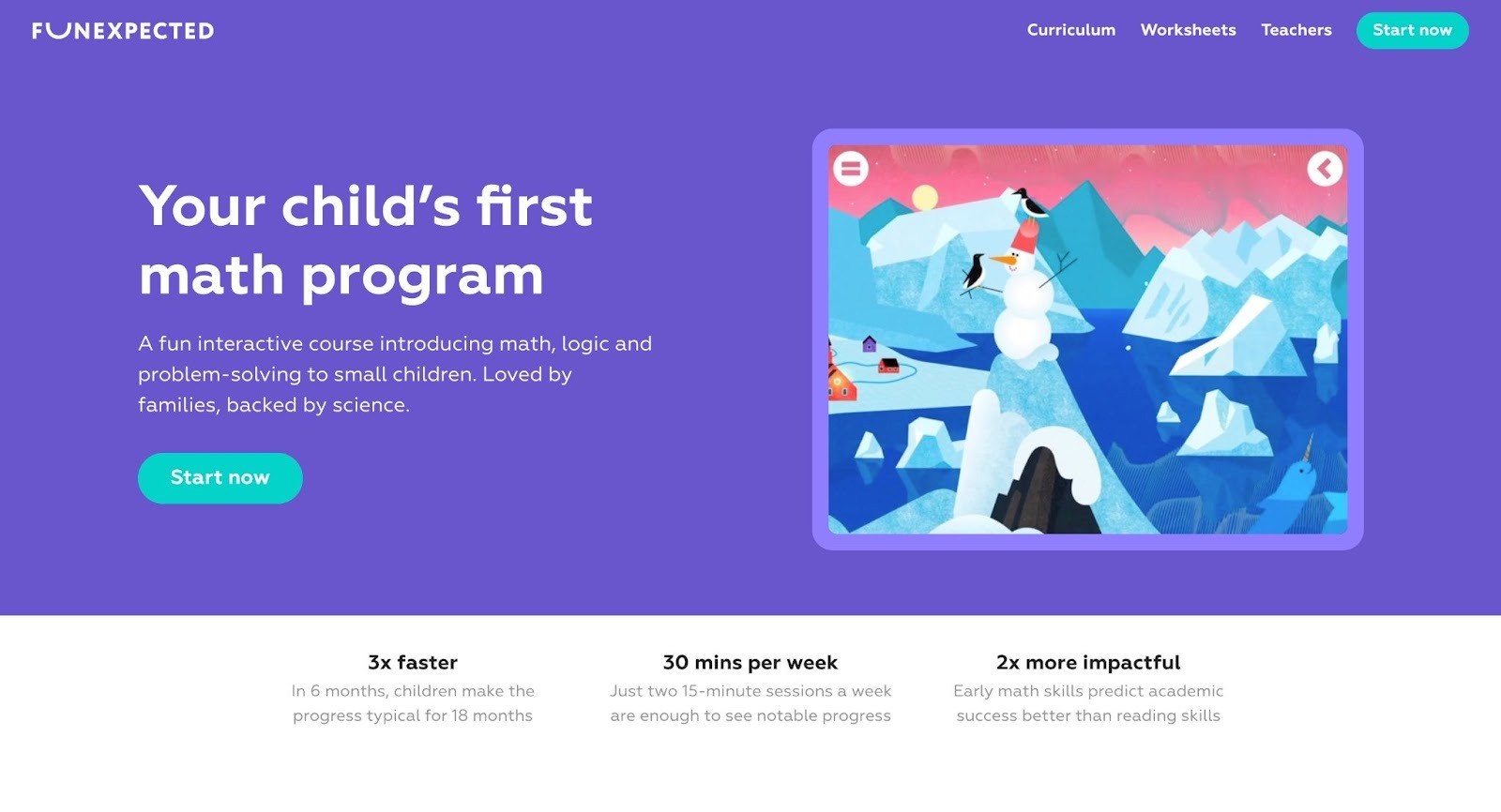
Funexpected Math delivers thousands of interactive tasks tailored for ages three to seven through bright visuals and personalized paths. Children explore concepts like patterns and basic arithmetic in bite sized challenges that feel more like discovery than drills. The unique design keeps sessions fresh and rewarding with activities that adapt to each child’s pace and interests. Parents notice how the app turns everyday curiosity into structured math growth without pressure.
The platform includes progress tracking that shows clear advancements in number sense and logical thinking. Kids engage with colorful characters and scenarios that make learning feel magical and personal. This approach supports deeper understanding by letting children experiment and build ideas hands on. Many families choose it for the way it encourages independent play while still offering supportive feedback. The app creates positive math experiences that prepare young minds for school success in a joyful manner.
- Thousands of interactive personalized tasks
- Bright visuals and engaging character driven stories
- Bite sized challenges focused on discovery
- Progress tracking with clear milestones
- Adaptive paths matching individual development
- Many children progress faster through playful repeated exposure
- The design promotes lasting confidence in early math skills
6. DoodleMath
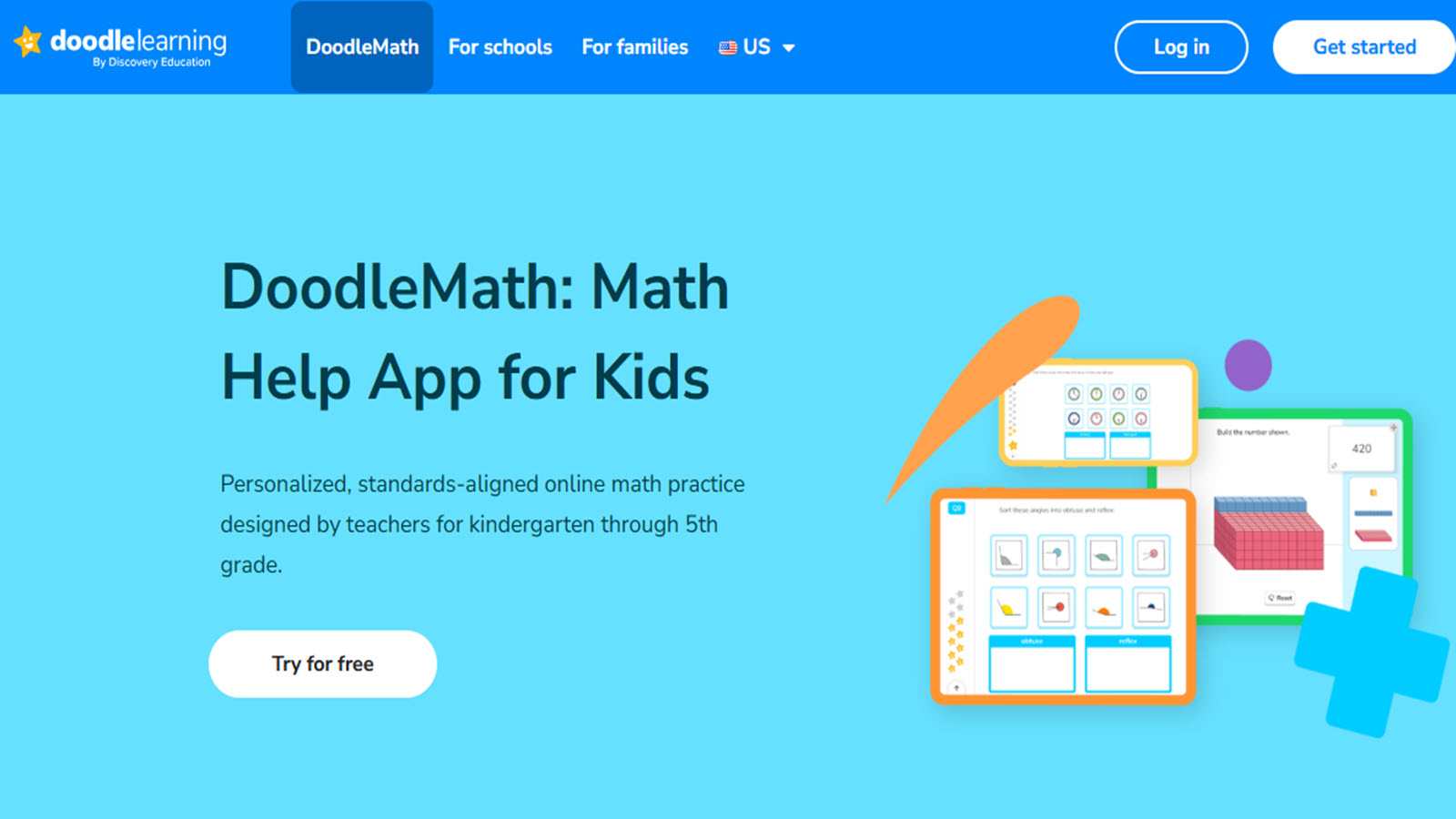
DoodleMath uses adaptive practice to help kids in kindergarten through fifth grade master topics at their own speed. Colorful exercises and reward systems maintain interest across a wide range of skills while balancing fun with steady progress. The platform offers short sessions that fit easily into busy family routines and build lasting confidence through consistent practice. Parents value the detailed yet easy to understand reports that highlight strengths and growth areas.
Children enjoy the variety of games that feel fresh each day and celebrate small achievements along the way. This method supports different learning paces so every child experiences success regularly. The app covers core topics like addition subtraction and geometry in engaging formats that connect to real world examples. Many families see improved attitudes toward math after incorporating daily use. The supportive design helps turn potential struggles into opportunities for growth and excitement.
- Adaptive practice tailored to individual needs
- Colorful exercises with rewarding game elements
- Short daily sessions for steady progress
- Easy to read parent progress reports
- Coverage of core math topics in varied formats
- Many kids develop stronger fluency through regular short practice
- The app fosters a sense of achievement with each completed challenge
7. SplashLearn
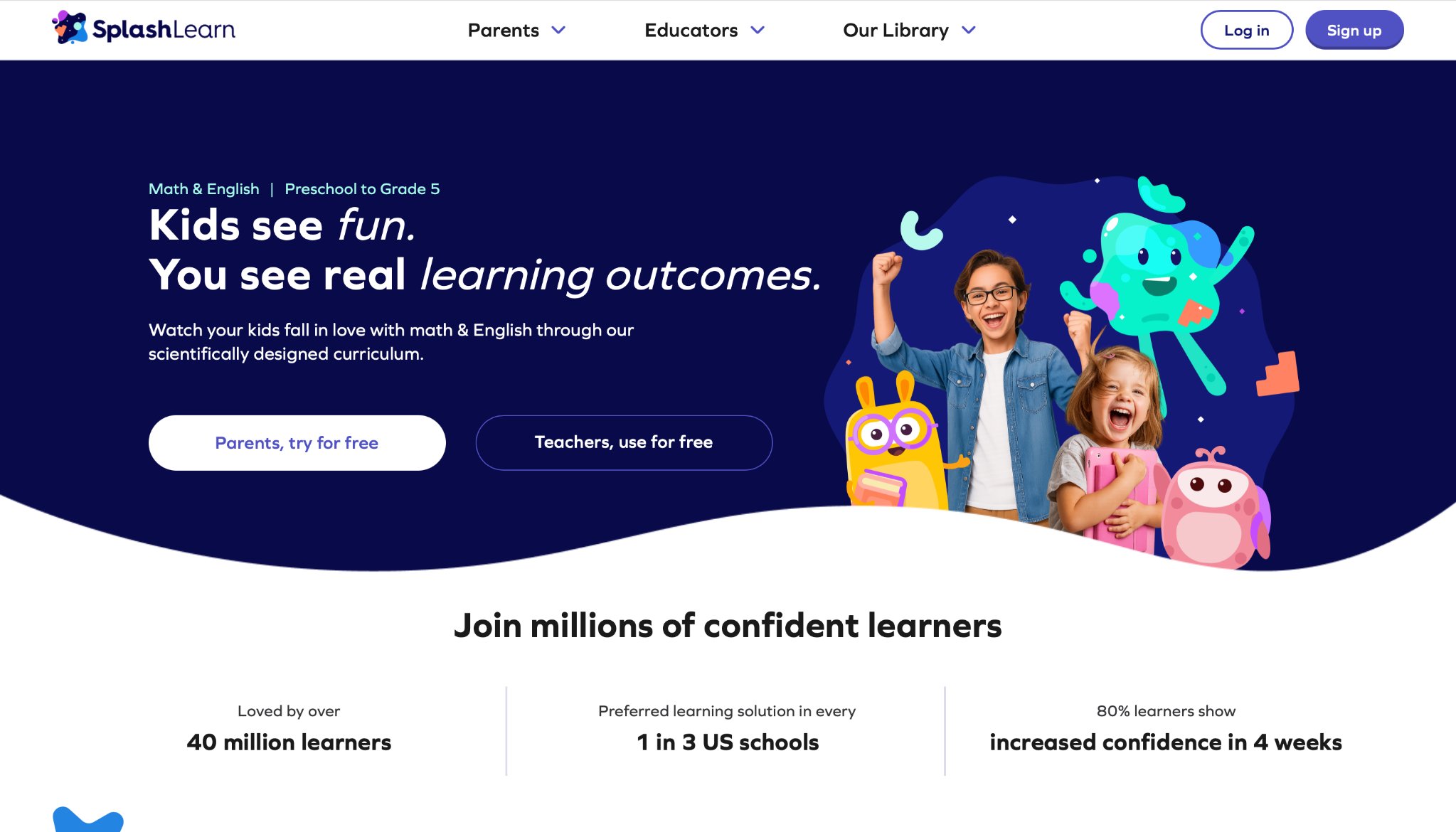
SplashLearn turns math practice into a collection of lively games and worksheets that cover counting through fractions in a colorful interface. The platform appeals to visual learners while keeping content aligned with school standards and preventing boredom through variety. Parents appreciate the range of activities that support different skill levels within the same household. Children engage with fun characters and scenarios that make each session feel like an adventure rather than work.
The app includes options for both guided and independent play so kids can choose what suits their mood. This flexibility helps build independence alongside math knowledge. Many families integrate it into daily routines because the engaging design keeps children coming back willingly. The content reinforces concepts through repetition and real world connections that stick long term.
- Lively games and interactive worksheets
- Colorful visuals appealing to young learners
- Alignment with school curriculum standards
- Variety of activities for different skill levels
- Options for guided or independent exploration
- Many children gain confidence through repeated engaging exposure
- The platform supports balanced skill development across topics
8. Mathseeds
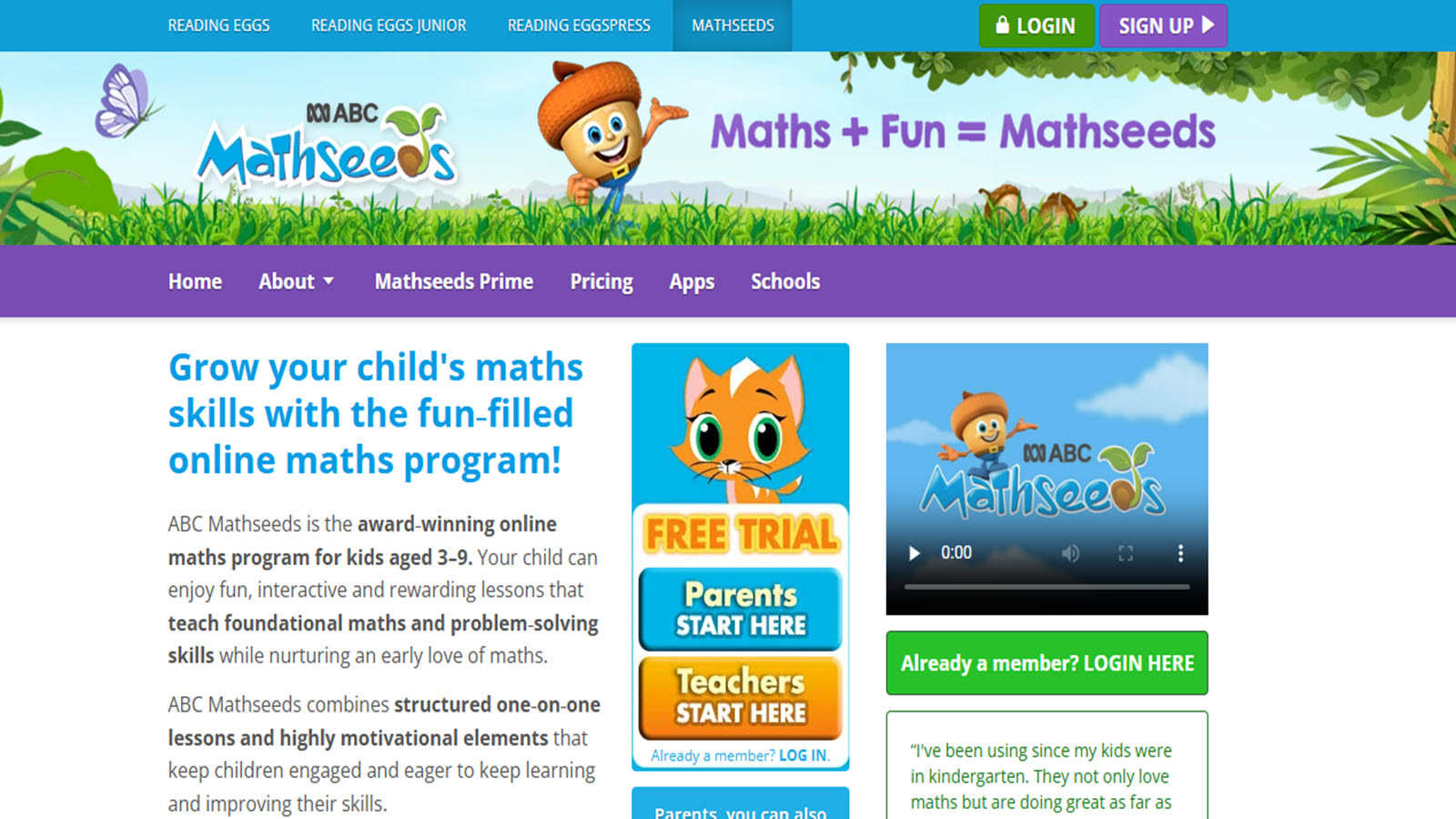
Mathseeds follows a clear step by step curriculum that introduces foundational concepts through songs stories and games. The structured lessons help children move smoothly from number recognition to simple operations with memorable animations that make early math lessons stick. Parents love the engaging format that turns learning into a delightful daily habit. Kids explore each new idea at a comfortable pace with plenty of positive reinforcement along the way.
The app covers essential skills while incorporating music and characters that add extra layers of fun. This combination creates strong foundations that prepare young minds for more advanced topics later. Many families report smoother transitions to school math after consistent use. The platform feels like a trusted companion that grows with the child over time.
- Step by step curriculum with songs and stories
- Memorable animations and character interactions
- Positive reinforcement for every achievement
- Smooth progression from basic to advanced concepts
- Daily habit building through fun formats
- Many children remember concepts longer due to the musical elements
- The structured approach builds solid early foundations
9. DragonBox
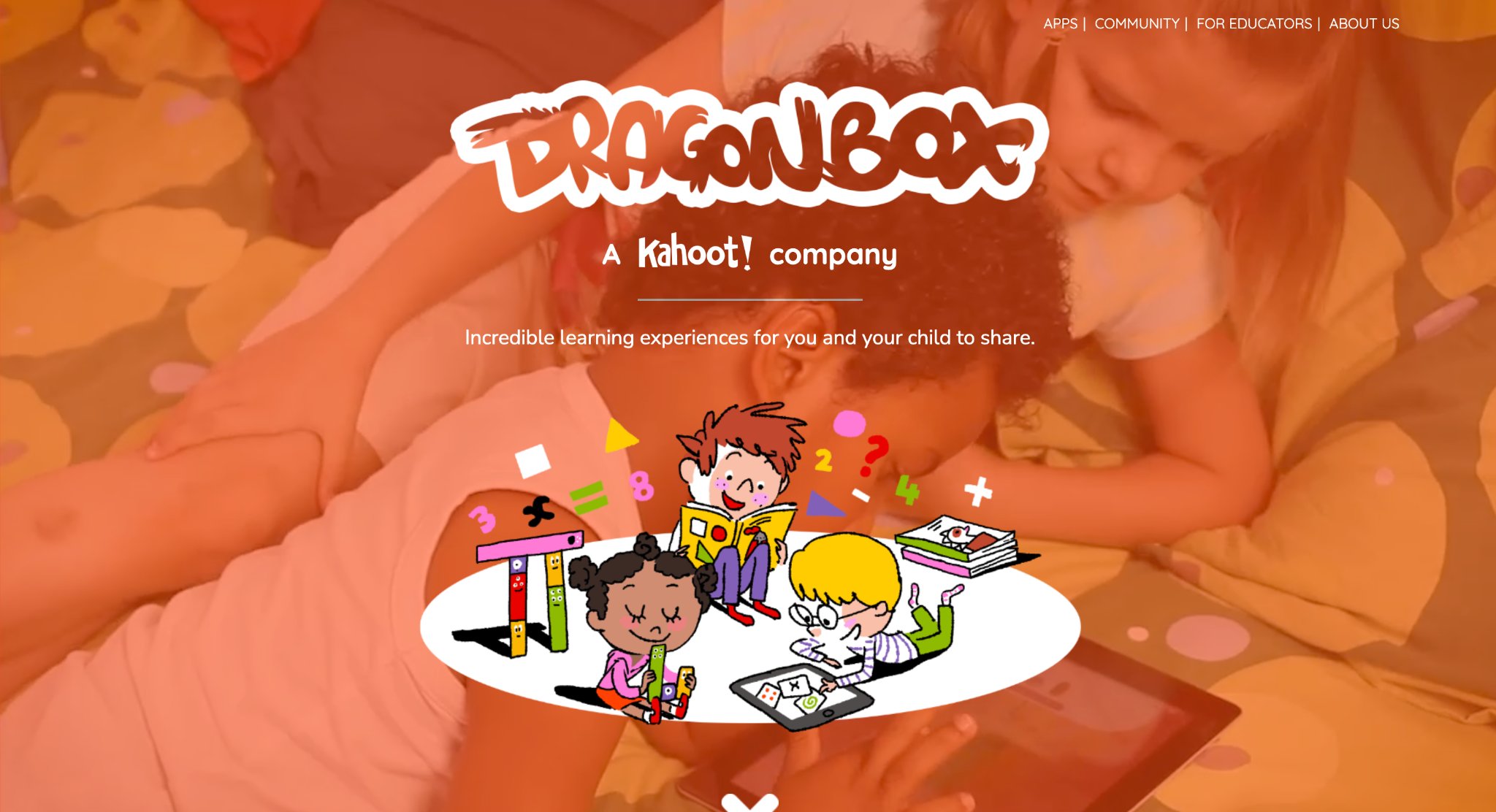
DragonBox takes a playful approach to numbers and early algebra by letting kids discover rules through visual puzzles. The no instruction design invites exploration and builds logical thinking alongside math skills in concrete hands-on ways. Children uncover concepts naturally as they experiment with colorful elements that represent numbers and operations. Parents appreciate how the app turns abstract ideas into tangible experiences that feel intuitive.
The progression feels seamless as each puzzle unlocks new understanding without frustration. This method encourages creative problem solving that transfers to other areas of learning. Many families choose it for the way it sparks genuine curiosity about how numbers work. The unique visual style keeps sessions fresh and intellectually stimulating for young minds.
- Visual puzzle based discovery of math rules
- No instruction format for natural exploration
- Colorful elements representing numbers and operations
- Seamless progression through increasing challenges
- Focus on logical thinking development
- Many kids develop stronger conceptual understanding through play
- The design turns complex ideas into accessible adventures
10. Elephant Learning
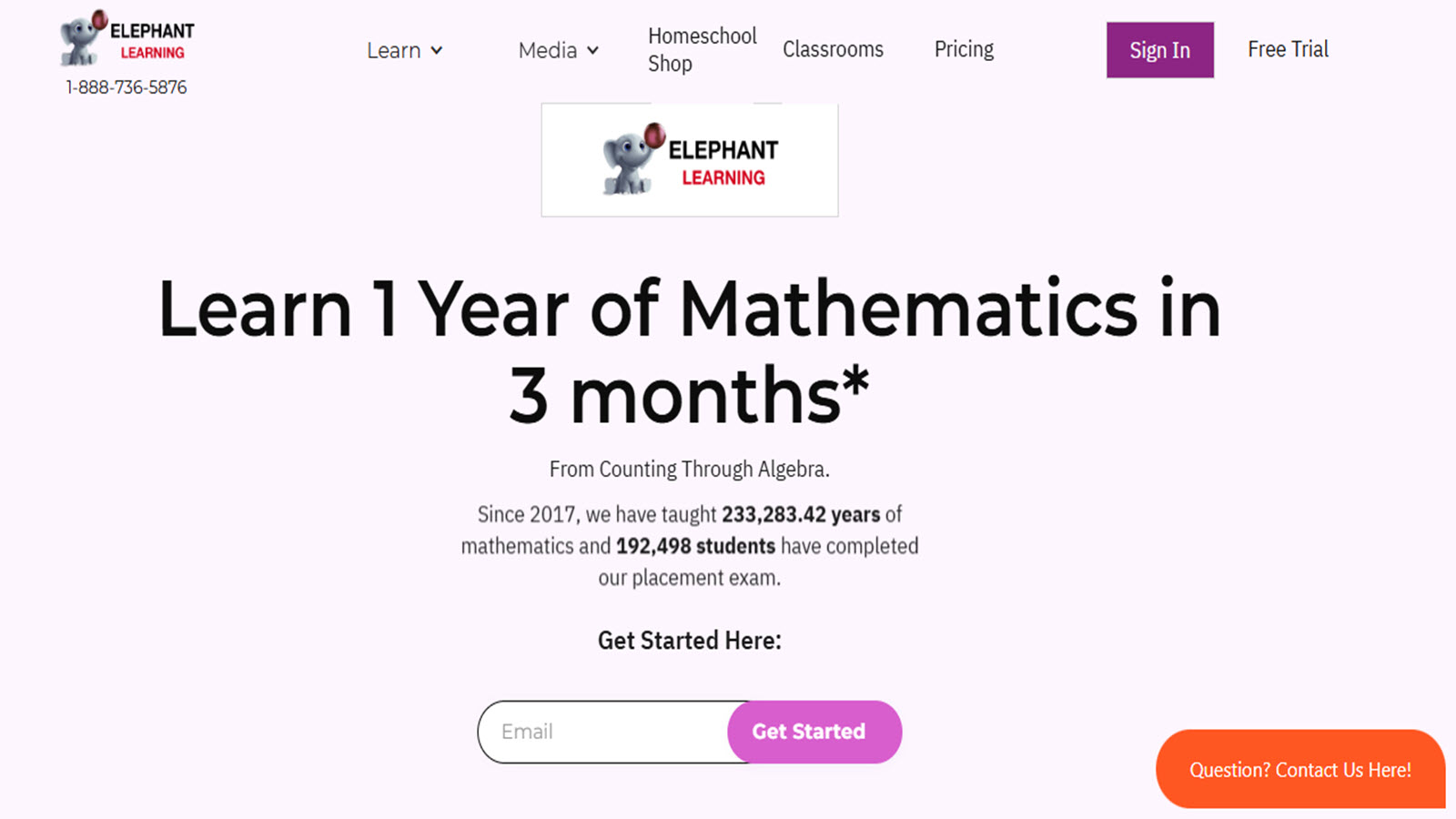
Elephant Learning accelerates early math growth by focusing on conceptual understanding rather than rote memorization. Short daily sessions introduce topics in ways that match natural childhood curiosity and fill gaps quickly through targeted play. The platform identifies areas for growth and provides gentle guidance to build strong number sense. Parents notice rapid improvements in confidence as children master concepts at their own rhythm.
The app blends fun activities with clear explanations that make learning feel supportive and effective. This approach helps young learners connect math to everyday life in meaningful ways. Many families value the way it creates positive experiences that last beyond the screen. The design supports independent discovery while offering just enough structure for success.
- Focus on conceptual understanding through play
- Short daily sessions with targeted guidance
- Identification of individual learning gaps
- Blend of fun activities and clear explanations
- Support for independent discovery
- Many children show faster conceptual growth with consistent use
- The platform builds lasting number sense in engaging ways
11. IXL Math
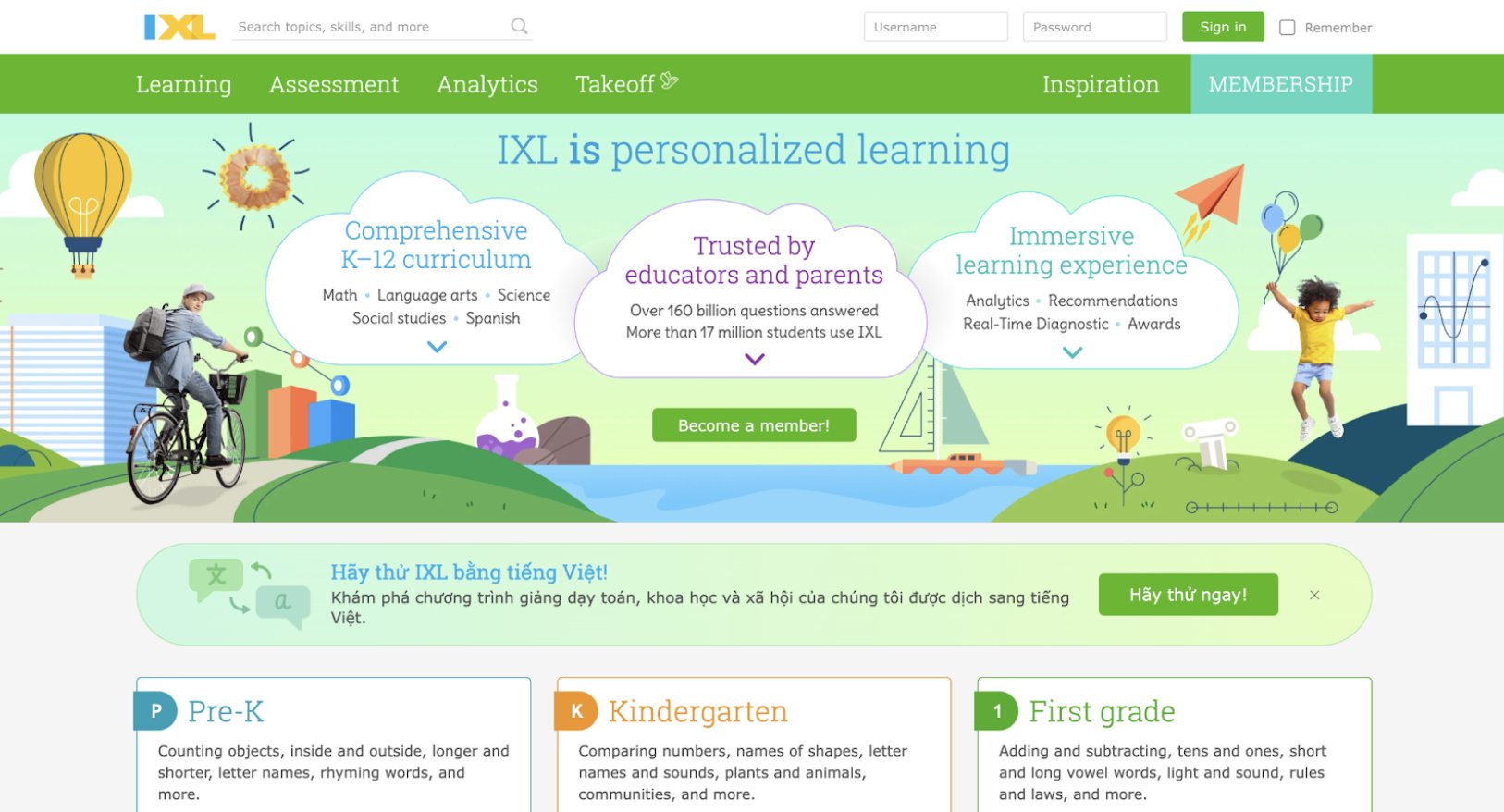
IXL Math offers extensive skill practice across grade levels with instant feedback on every question. The comprehensive library covers everything from basic counting to more advanced topics as kids grow while providing detailed reporting for parents. Children work through interactive questions that adapt to their responses and celebrate progress with positive messages.
The platform supports steady skill building in a structured yet flexible environment. Parents rely on the clear insights to see exactly where their child shines or needs extra support. This balanced system helps maintain motivation through small daily wins. Many families integrate it into routines because the instant feedback reinforces learning immediately. The app grows with the child offering continuity from preschool through elementary years.
- Extensive skill practice with instant feedback
- Comprehensive library across grade levels
- Adaptive questions based on responses
- Detailed parent reporting tools
- Positive reinforcement for every effort
- Many kids build fluency through repeated interactive practice
- The platform provides clear pathways for continuous growth
12. Buzzmath
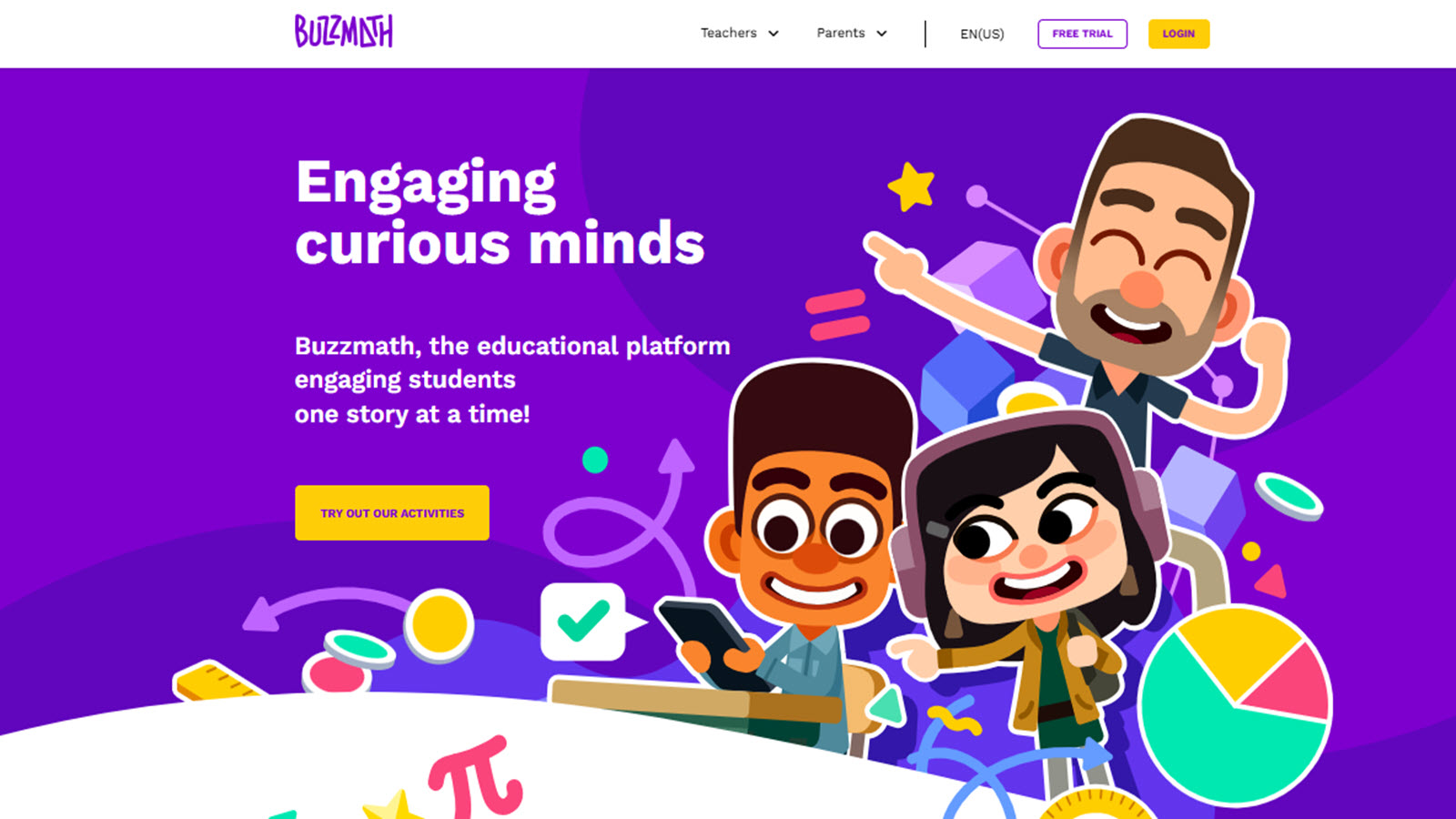
Buzzmath presents real world math scenarios in an interactive format that encourages kids to apply concepts immediately. The app blends problem solving with clear explanations to support deeper understanding of how numbers work in daily situations. Children explore topics through engaging challenges that feel relevant and practical. Parents appreciate the way the content connects classroom skills to everyday life.
The interactive elements keep sessions dynamic and rewarding while building confidence step by step. This approach helps young minds see math as a useful tool rather than an abstract subject. Many families notice improved problem solving abilities after regular engagement. The platform offers a supportive space for exploration and mastery.
- Real world scenarios with interactive challenges
- Blend of problem solving and clear explanations
- Relevant applications to everyday situations
- Dynamic sessions that build practical skills
- Supportive environment for steady mastery
- Many children connect math concepts more easily to real life
- The format encourages immediate application of skills
13. Zearn Math
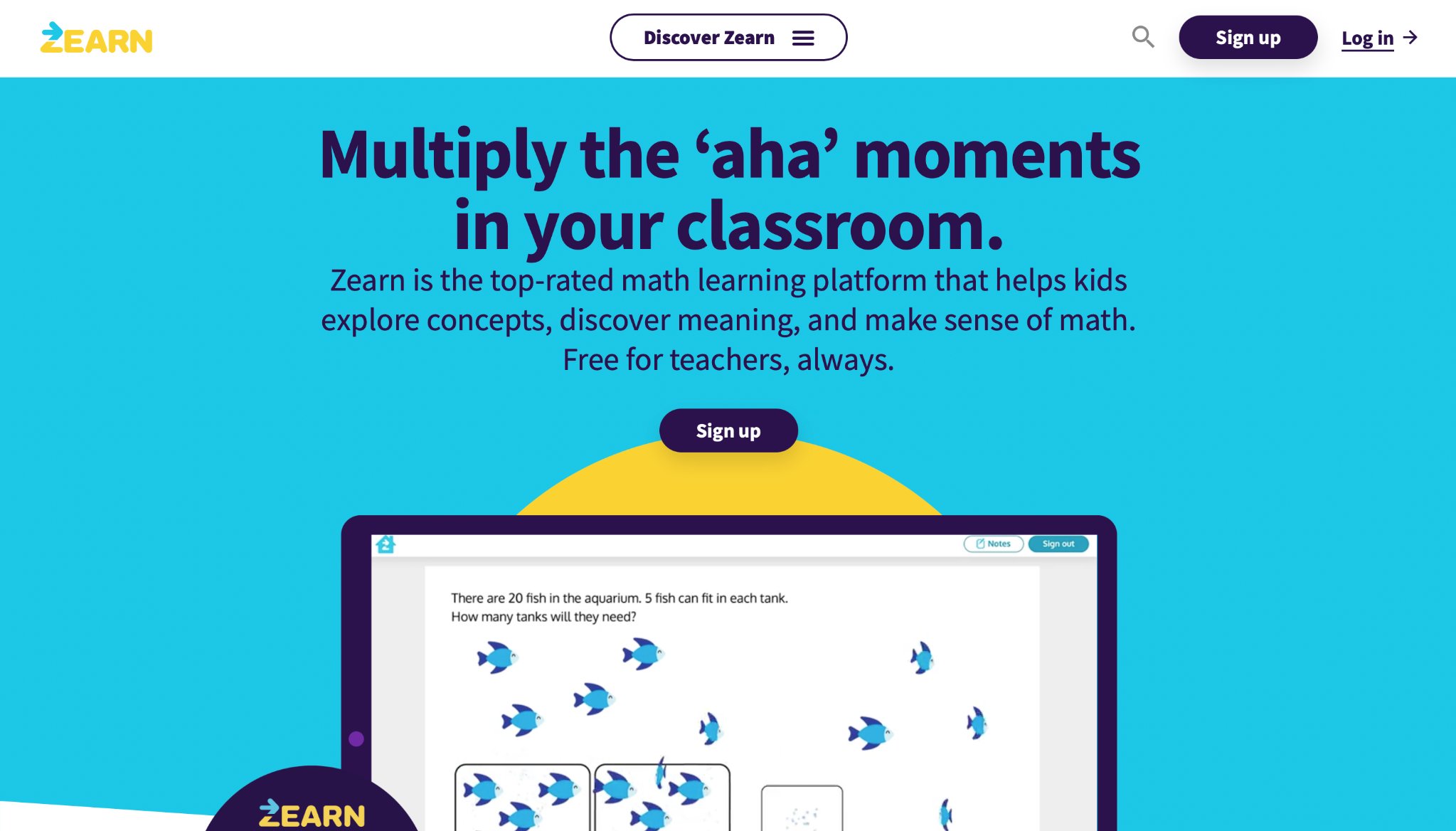
Zearn Math offers a free curriculum based platform that combines digital lessons with hands on activities for strong conceptual development. The structured modules guide children through number sense operations and problem solving in clear sequential steps. Kids engage with visual models and interactive tasks that make abstract ideas concrete and memorable. Parents value the alignment with school standards and the easy to follow progress over time.
The platform supports both independent work and classroom style learning at home. Many families appreciate the balance of digital and printable resources that extend learning beyond the screen. This approach builds solid foundations while keeping young learners motivated through variety. The content feels approachable and effective for daily use.
- Free curriculum aligned digital lessons
- Combination of interactive tasks and hands on models
- Clear sequential modules for progression
- Support for independent and guided learning
- Printable resources for extended practice
- Many children develop deeper understanding through visual models
- The platform supports consistent skill building at home
14. DreamBox
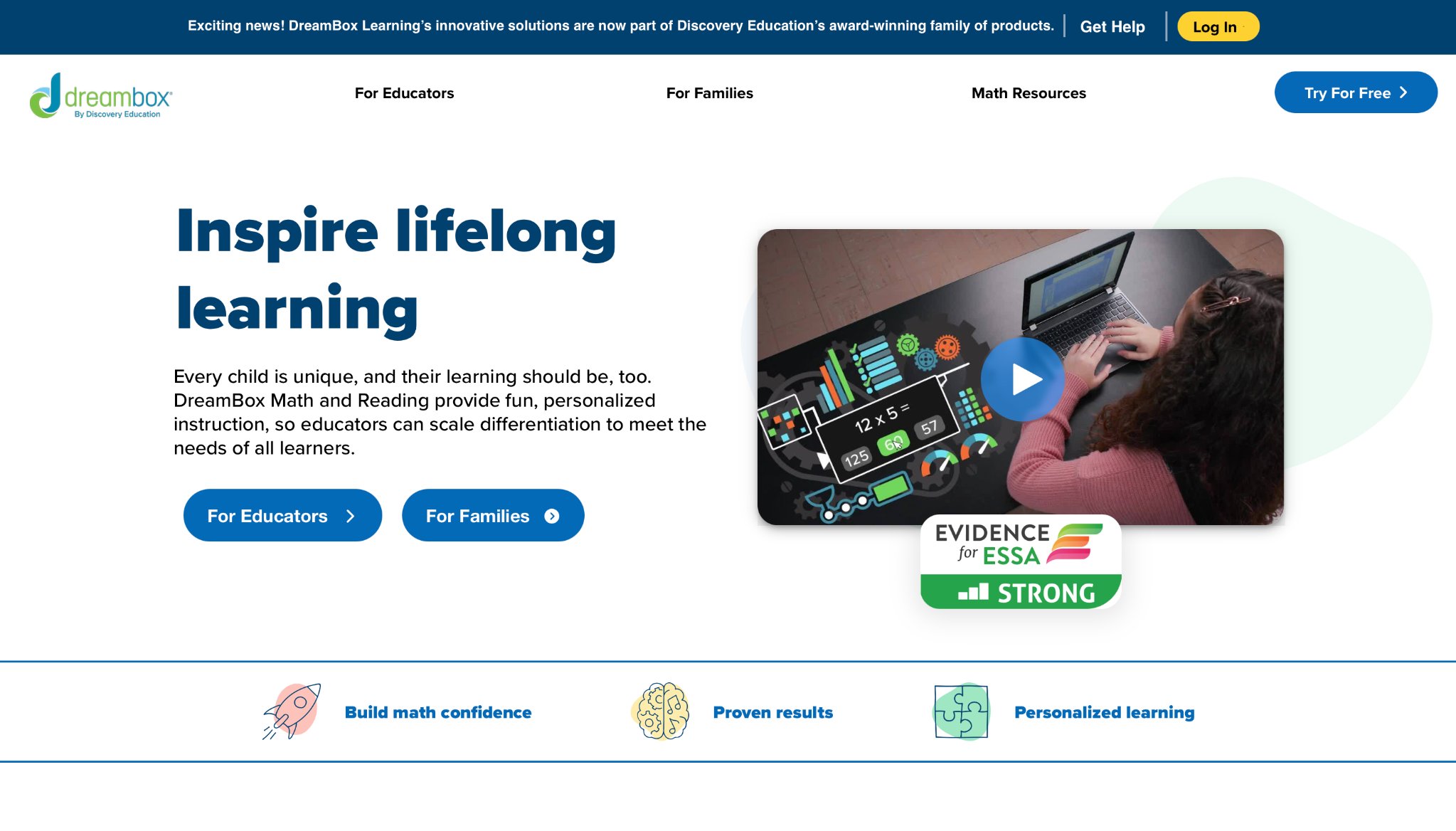
DreamBox provides adaptive instruction that personalizes every math lesson to match a child’s unique learning path. The platform uses intelligent algorithms to adjust difficulty and content in real time creating a truly individual experience. Kids explore concepts through engaging virtual manipulatives that feel like playful discovery. Parents love the detailed insights into growth areas and strengths without any guesswork.
The design encourages critical thinking alongside core skills in a supportive environment. Many families see steady improvements in confidence and fluency after regular sessions. This adaptive method helps every child feel successful while challenging them appropriately. The app grows alongside the learner offering continuity through different stages.
- Intelligent real time adaptive instruction
- Personalized learning paths for each child
- Engaging virtual manipulatives for exploration
- Detailed insights for parents on progress
- Focus on critical thinking development
- Many kids experience tailored growth that matches their pace
- The platform builds confidence through personalized success
15. ABCmouse
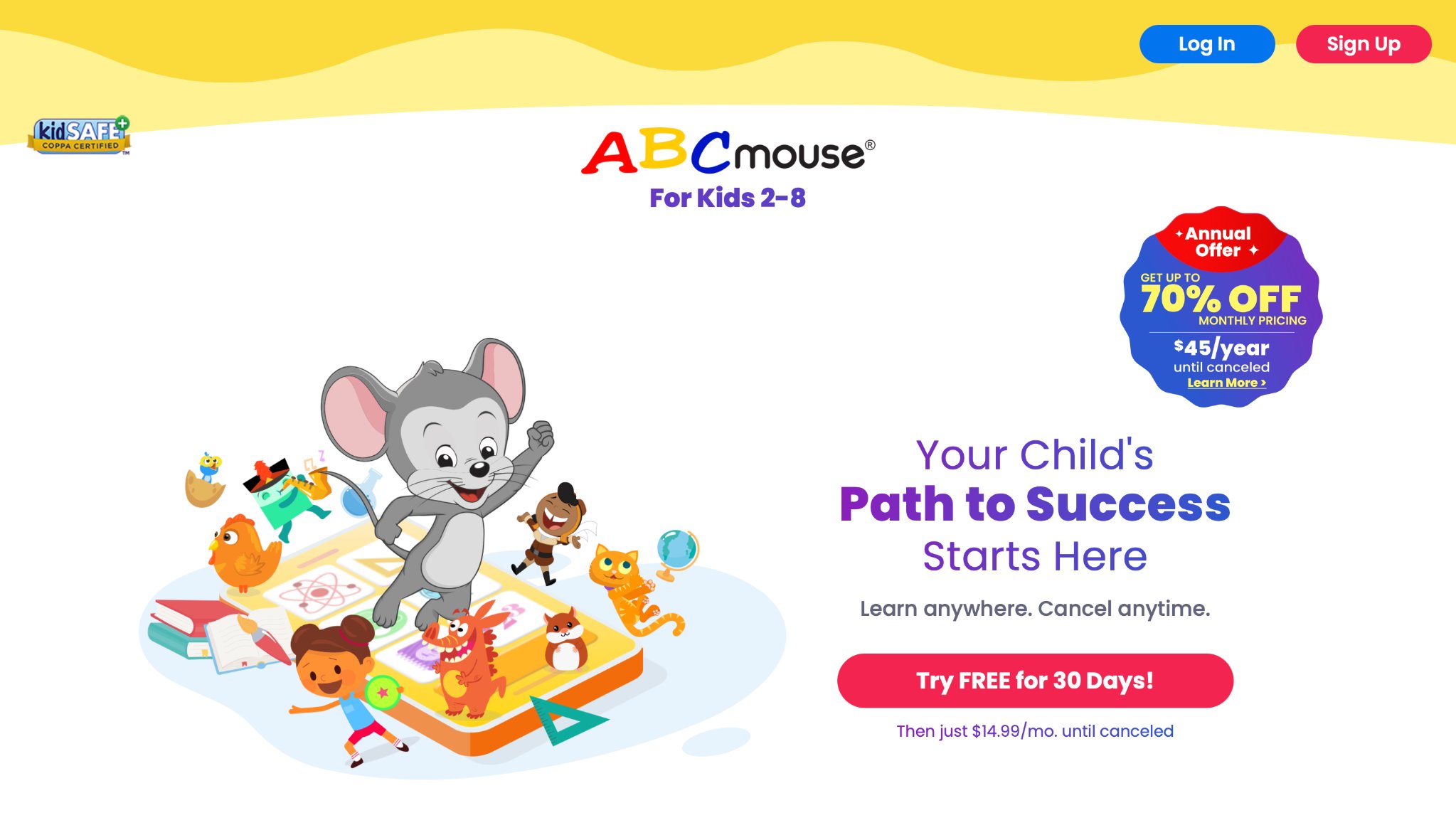
ABCmouse delivers a comprehensive early learning program that integrates math with reading science and art in one engaging platform. The colorful activities cover number recognition basic operations and patterns through games stories and creative tasks. Children progress through leveled adventures that feel like a complete educational world.
Parents appreciate the all in one approach that supports well rounded development alongside math skills. The app includes progress tracking that celebrates milestones across subjects. Many families choose it for the way it makes learning feel cohesive and fun rather than fragmented. This holistic design helps young minds connect different concepts naturally. The platform creates positive daily habits that last.
- Comprehensive integration of math with other subjects
- Colorful games stories and creative activities
- Leveled adventures for progressive learning
- Progress tracking across multiple areas
- All in one platform for well rounded growth
- Many children enjoy the connected learning experiences
- The app supports balanced development through variety
16. Mathletics
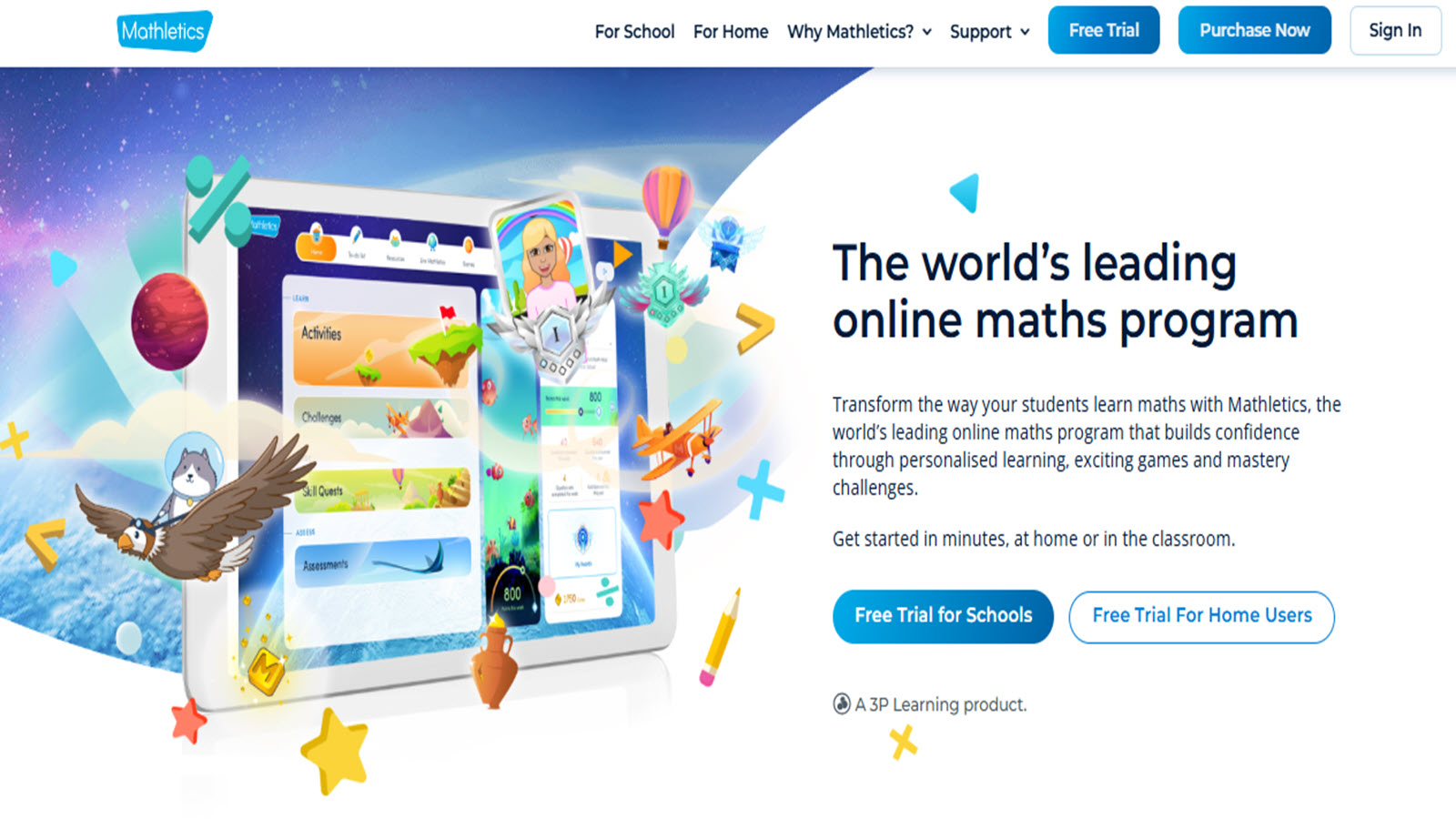
Mathletics offers live competitions and curriculum aligned challenges that turn math practice into exciting events. The platform includes games worksheets and real time leaderboards that motivate children through friendly rivalry. Kids build skills while enjoying the thrill of competing against peers or personal bests.
Parents value the detailed performance data and the way it aligns with school expectations. The variety of activities keeps sessions dynamic and prevents boredom. Many families notice increased enthusiasm for math after incorporating competitive elements. This approach combines solid learning with high engagement levels. The app supports both individual practice and group activities seamlessly.
- Live competitions and leaderboards
- Curriculum aligned games and worksheets
- Real time performance feedback
- Motivational elements through friendly challenges
- Support for individual and group practice
- Many kids stay motivated through competitive fun
- The platform reinforces skills in dynamic ways
17. Starfall
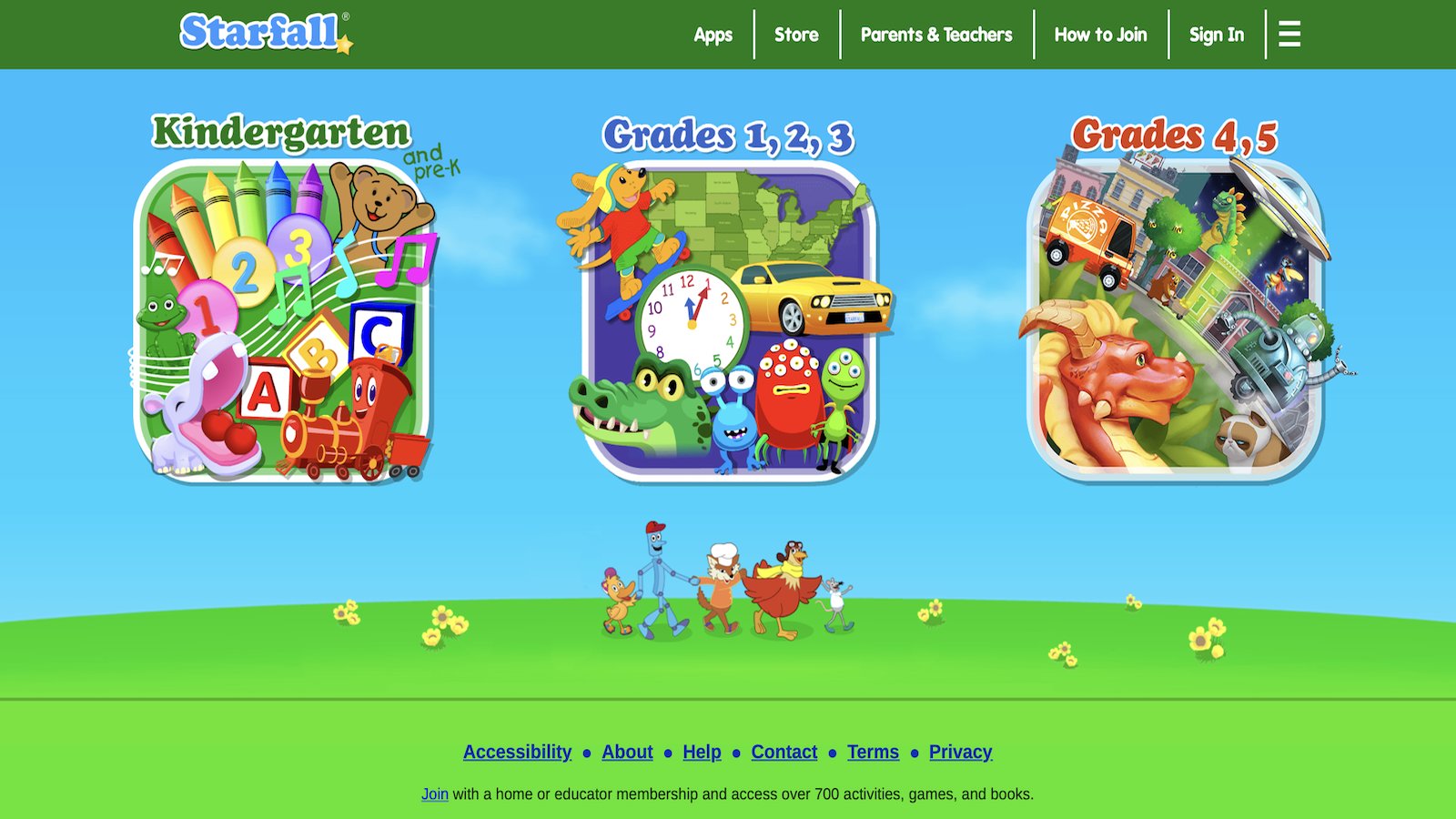
Starfall focuses on foundational literacy and math through interactive stories and games designed for early learners. The platform introduces numbers counting and basic operations alongside phonics in a gentle supportive manner. Children engage with simple animations and activities that build confidence from the start.
Parents appreciate the free core content and the way it supports home learning routines. The design feels approachable for preschool and kindergarten ages with clear visual cues. Many families rely on it for consistent exposure to early concepts. This method creates strong beginnings that prepare children for more advanced work later. The app emphasizes joy and success in every interaction.
- Interactive stories and games for foundations
- Gentle introduction to numbers and operations
- Clear visual cues for young learners
- Free core content with supportive activities
- Emphasis on building early confidence
- Many children gain solid early foundations through play
- The platform supports smooth transitions to school
18. Moose Math
.jpg)
Moose Math brings math concepts to life through adorable characters and real world style activities like building with blocks or measuring ingredients. The app covers counting addition subtraction and geometry in short engaging missions. Children explore a town full of math opportunities that feel natural and fun.
Parents love the charming design that keeps kids returning for more without feeling like work. The activities encourage hands-on thinking that transfers to everyday situations. Many families notice improved number sense after regular play. This character driven approach makes learning feel personal and delightful. The platform supports creative problem solving alongside core skills.
- Adorable characters in real world math missions
- Coverage of counting operations and geometry
- Short engaging activities with hands on feel
- Charming design for repeated play
- Encouragement of creative problem solving
- Many kids connect math to daily life through stories
- The app builds practical skills in a joyful way
19. Todo Math
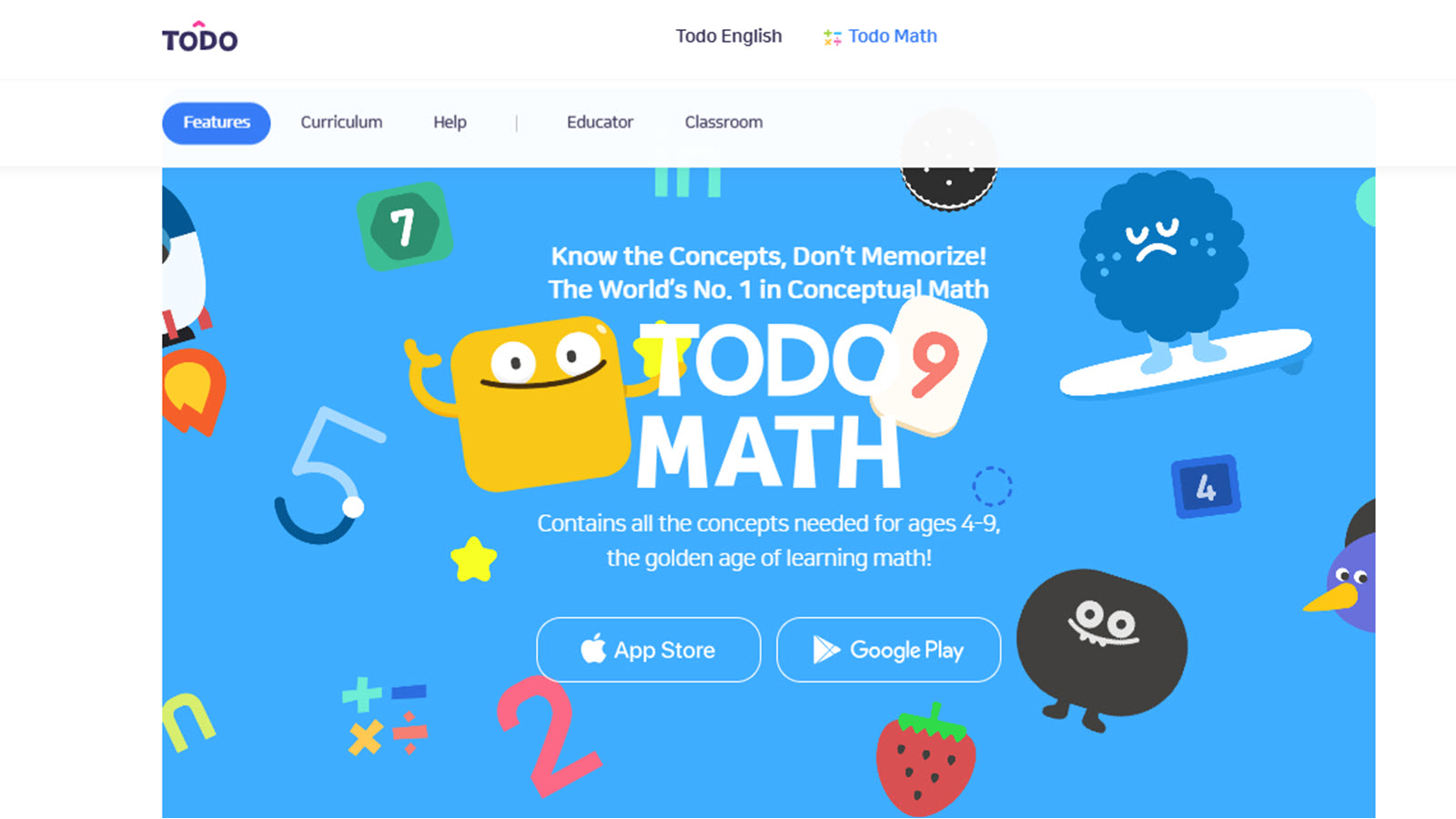
Todo Math offers a collection of colorful mini games that target specific math skills through quick challenges and rewards. The platform covers number sense patterns and basic arithmetic in formats that feel fresh each day. Children select activities that match their interests while progressing through levels at their own speed.
Parents appreciate the variety and the way it fits short attention spans perfectly. The design includes progress celebrations that motivate continued effort. Many families integrate it into daily routines because the games feel light and enjoyable. This approach supports skill mastery without overwhelming young learners. The app creates positive associations with math practice.
- Colorful mini games for targeted skills
- Quick challenges with rewarding feedback
- Options to match individual interests
- Level progression at personal pace
- Built in celebrations for achievements
- Many children enjoy the bite sized learning format
- The platform reinforces skills through variety
20. Monster Math
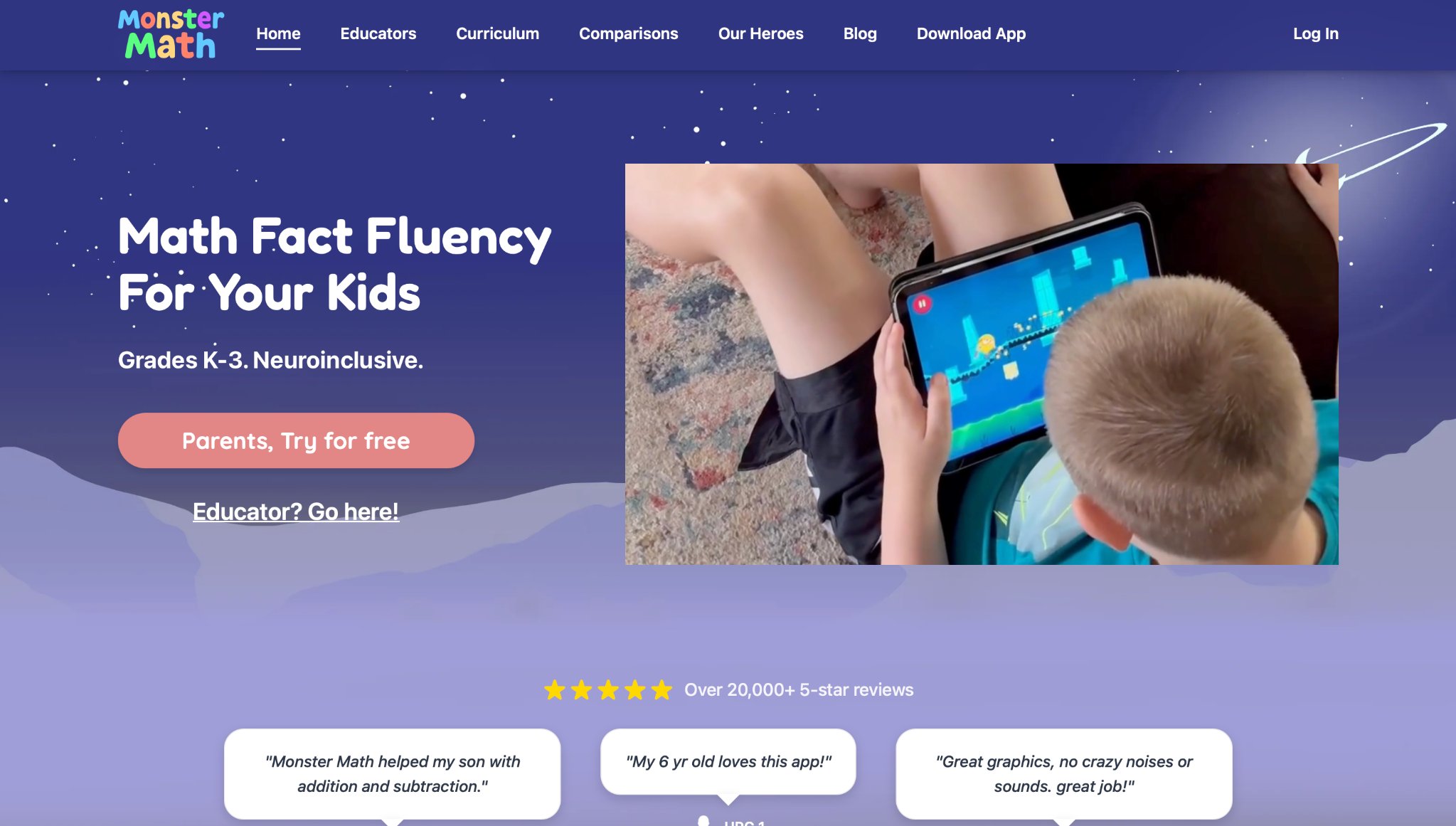
Monster Math embeds addition subtraction and multiplication strategies into immersive story driven puzzles and adventures. The app builds strong number sense through visual challenges that avoid rote drills entirely. Children join monsters on quests where math decisions drive the narrative forward. Parents value the research backed design that makes learning feel like pure entertainment.
The interactive elements keep engagement high while developing fluency naturally. Many families see their kids eagerly practice because each session tells a continuing story. This narrative approach helps concepts stick in memorable ways. The platform supports deeper understanding through context and play.
- Story driven puzzles with math strategies
- Immersive adventures avoiding rote drills
- Visual challenges for number sense
- Research backed engaging design
- Narrative elements that drive learning
- Many children develop fluency through contextual play
- The app creates memorable learning experiences
21. Bedtime Math
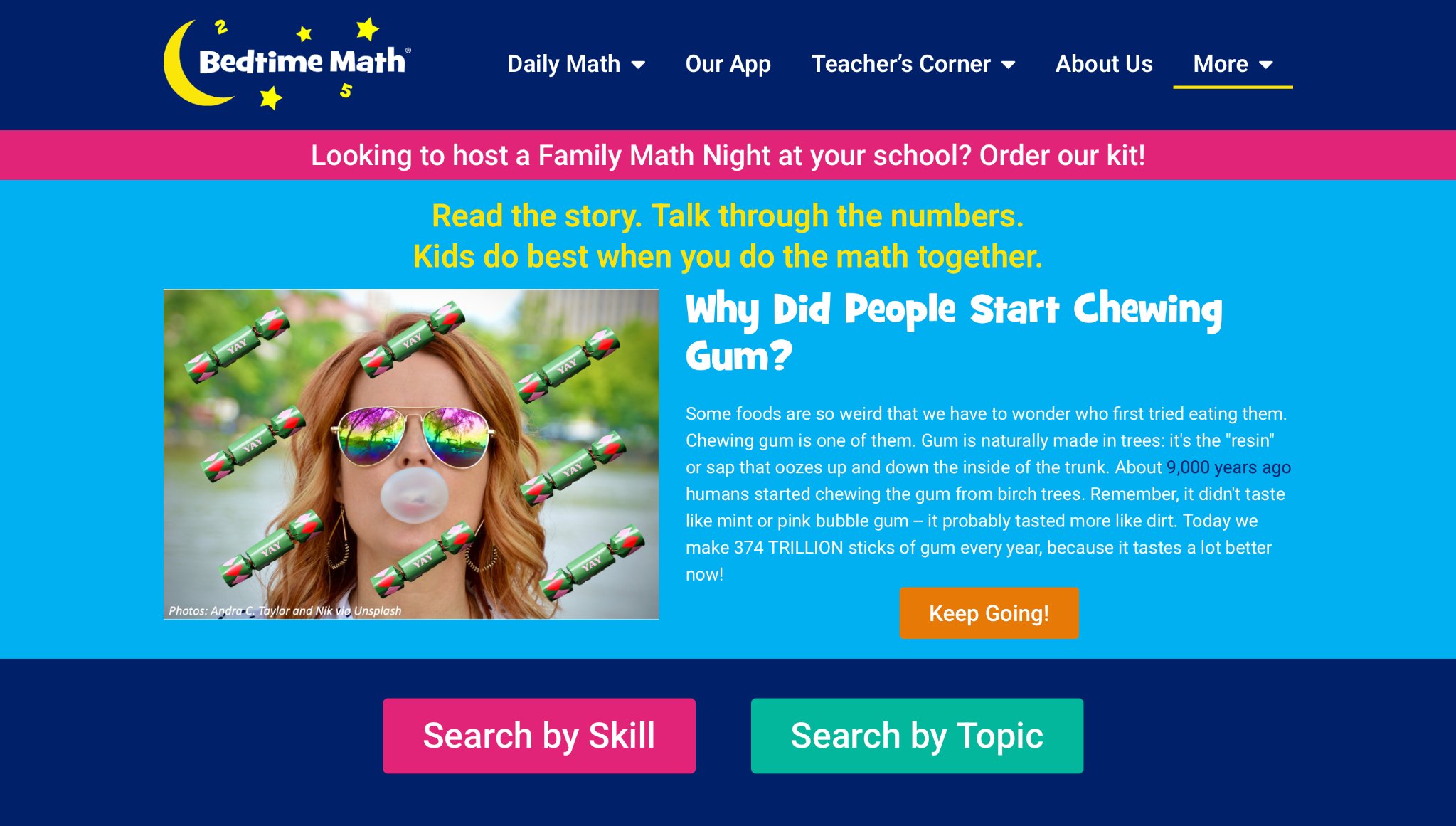
Bedtime Math turns math into a nighttime bonding ritual between child and caregiver through short story based problems. The app presents daily challenges drawn from real life situations that families discuss together before sleep. Children explore numbers and operations in relaxed conversational ways that feel natural and warm. Parents appreciate the family focused design that strengthens connections while building skills.
The content covers a wide range of topics in brief engaging formats perfect for winding down. Many families make it part of their evening routine because the questions spark curiosity and laughter. This gentle approach creates positive math associations that last. The platform supports emotional connections alongside learning.
- Short story based problems for family discussion
- Real life situations drawn into math challenges
- Relaxed conversational learning style
- Daily content perfect for bedtime routines
- Focus on bonding through shared exploration
- Many families build stronger math conversations at home
- The app supports warm positive learning moments
22. Happy Numbers
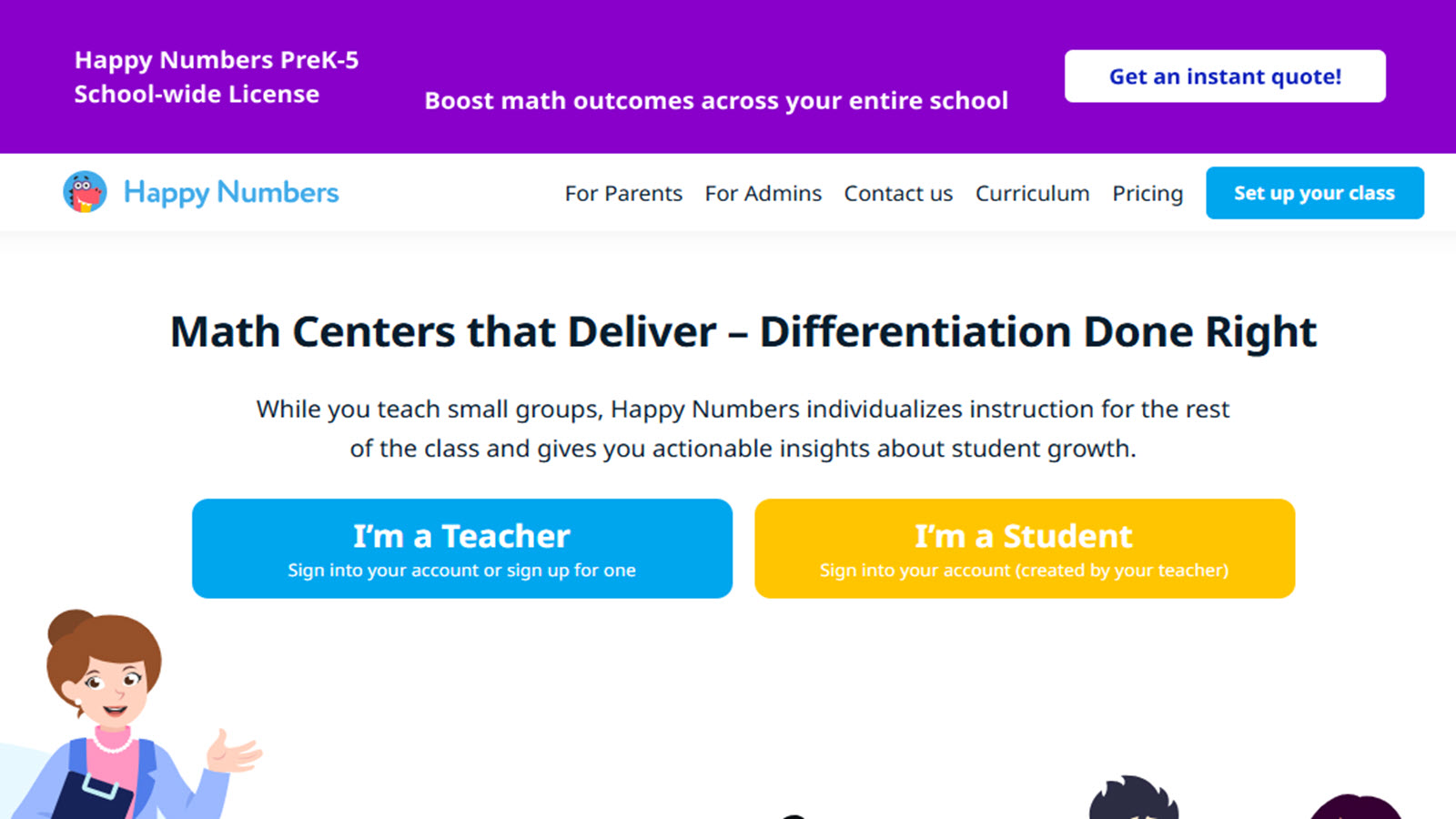
Happy Numbers delivers a personalized math journey for PreK through fifth grade that builds deep conceptual understanding through adaptive, step-by-step guidance. The platform creates an individualized dialogue with each child, responding like a thoughtful teacher by scaffolding concepts and using visual models and manipulatives to make abstract ideas concrete. Families appreciate how it connects skills across a coherent curriculum that prepares young learners for long-term success without feeling like repetitive drills.
The program emphasizes interconnected learning where children explore numbers, operations, and problem-solving in ways that build confidence and foundational fluency. Short daily sessions fit easily into routines while offering rich feedback and progress insights for parents. Many families notice stronger number sense and problem-solving abilities as kids engage with hands-on digital tools that mirror classroom best practices. This thoughtful design supports different learning paces and helps turn potential challenges into steady growth opportunities in a supportive environment.
- Adaptive individual learning paths with scaffolding
- Visual manipulatives and multiple representations
- Coherent PK-5 curriculum progression
- Hands-on modeling for conceptual depth
- Detailed progress tracking and analytics
- Many children develop stronger foundations through personalized dialogue
- The platform supports interconnected skill building across grades
23. ST Math
ST Math offers a visual, puzzle-based approach that helps kids from PreK through eighth grade build deep conceptual understanding through spatial-temporal reasoning and exploration. Developed by the MIND Research Institute, the program uses engaging games featuring JiJi the penguin, where students solve intuitive puzzles without heavy reliance on language, making it accessible for diverse learners. Parents value the focus on genuine comprehension over rote memorization as children experiment and discover math principles through play.
The platform turns problem-solving into meaningful adventures that strengthen logical thinking and confidence. Each level introduces concepts visually first, allowing kids to internalize ideas before formal notation. Many families report improved attitudes toward math and better performance as the non-verbal design reduces frustration and encourages persistence. This innovative method supports brain-based learning that transfers well to school settings.
- Visual puzzle games with JiJi the penguin
- Spatial-temporal reasoning focus
- Language-light design for broad accessibility
- Progressive challenges building conceptual depth
- Supplemental curriculum alignment
- Many kids gain confidence through exploratory success
- The approach fosters lasting problem-solving skills
24. Math Kids by RV AppStudios
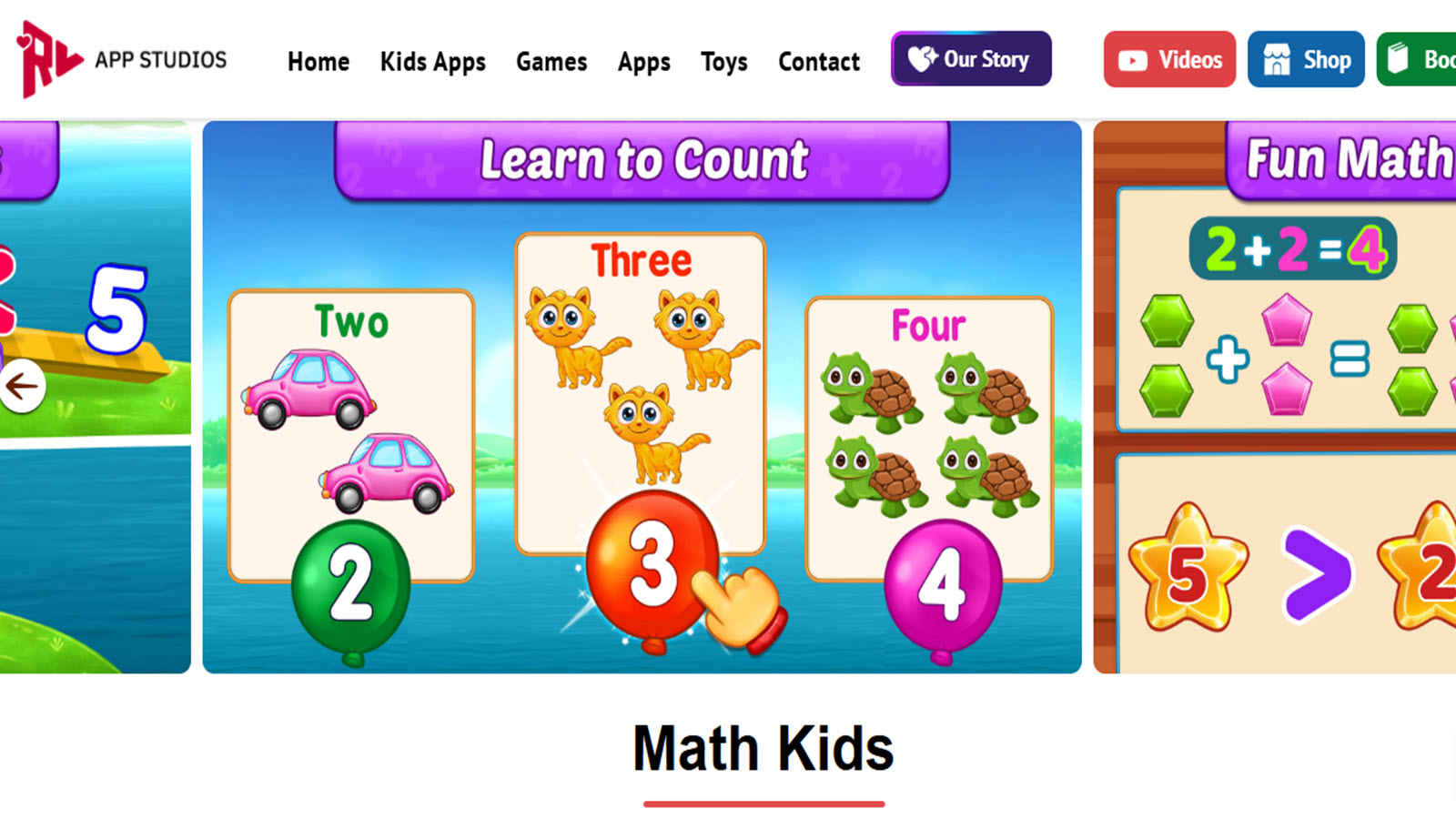
Math Kids by RV AppStudios provides a collection of free, ad-free mini-games designed to help toddlers, preschoolers, and early elementary children master numbers, counting, addition, and subtraction through playful interactions. The bright animations and kid-friendly characters create an inviting space where learning feels effortless and fun. Parents appreciate the straightforward activities that build foundational skills without overwhelming young attention spans.
Children progress through varied challenges that reinforce number recognition and basic operations in engaging formats. The app supports repeated play that strengthens fluency while keeping sessions light and rewarding. Many families integrate it into daily routines because the simple interface and positive feedback encourage independent exploration. This accessible tool helps young minds develop early math confidence in a safe, enjoyable way.
- Multiple mini-games targeting core skills
- Bright animations and friendly characters
- Focus on counting, addition, and subtraction
- Free and ad-free experience
- Progressive difficulty for skill building
- Many children enjoy independent practice sessions
- The games support foundational number sense development
25. Monkey Math School Sunshine
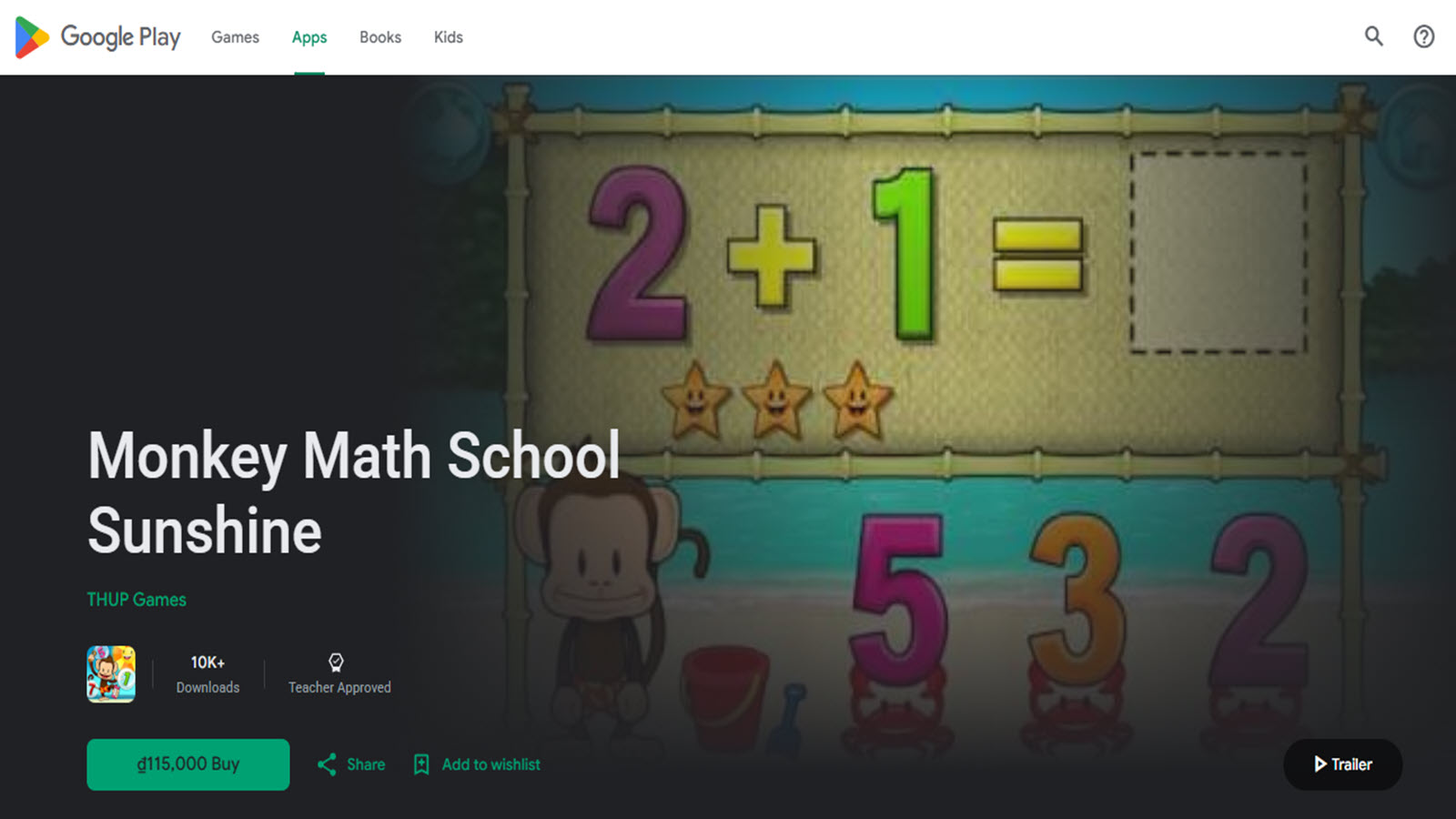
Monkey Math School Sunshine brings math concepts to life through nine interactive games set in a sunny beach adventure, teaching sequencing, patterning, counting, addition, and subtraction for ages three to six. The charming monkey character and vibrant activities make learning feel like playful discovery rather than structured lessons. Parents love how the app gently guides children while encouraging hands-on thinking that connects to real-world skills.
Kids engage with varied challenges that build numeracy through fun, age-appropriate missions. The design supports short, rewarding sessions that maintain interest and promote steady progress. Many families notice improved number recognition and logical thinking as children return eagerly to the tropical setting. This delightful approach creates positive early math experiences that lay a strong foundation.
- Nine interactive beach-themed games
- Coverage of patterning, counting, and operations
- Gentle guidance with hands-on activities
- Engaging character-driven adventures
- Support for sequencing and basic arithmetic
- Many kids build skills through repeated joyful play
- The app encourages natural mathematical exploration
26. Luvinci Kids
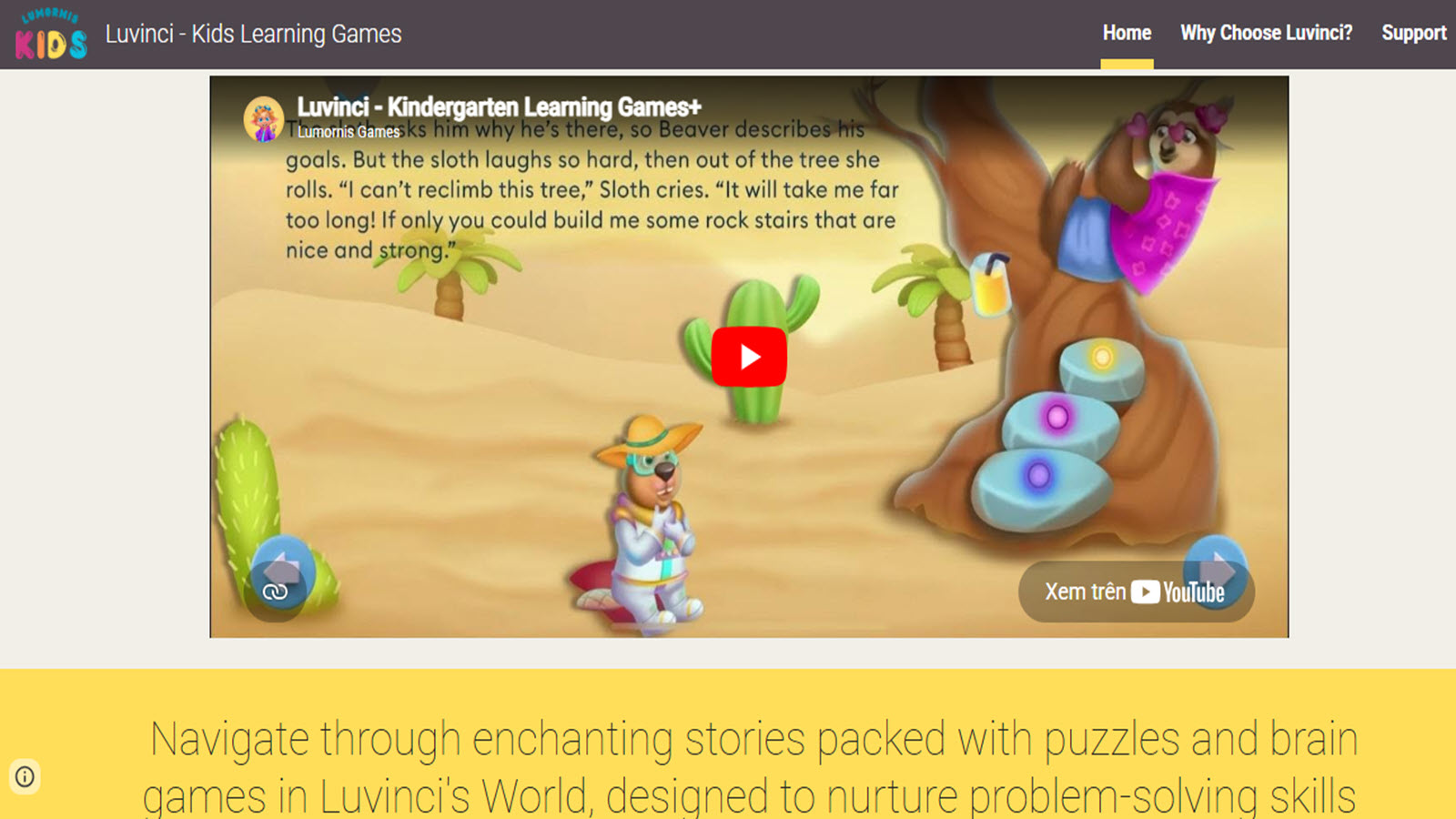
Luvinci Kids transforms screen time into an enriching adventure with interactive stories, puzzles, and games that develop early math alongside phonics and logic for ages two to seven. The Montessori-inspired activities feature colorful graphics and brain-boosting challenges that promote counting, addition, subtraction, sorting, and pattern recognition in a safe, ad-free environment. Parents appreciate the balanced focus on critical thinking and emotional growth.
Children explore enchanting worlds where math skills emerge naturally through play and discovery. The intuitive design supports independent learning while offering supportive feedback that builds confidence. Many families value the variety that keeps engagement high across moods and days. This holistic platform helps young learners connect math concepts to broader curiosity and problem-solving abilities.
- Interactive stories with math and logic puzzles
- Playful counting, addition, and pattern activities
- Montessori-inspired exploration and discovery
- Ad-free colorful graphics and challenges
- Development of numeracy and critical thinking
- Many children strengthen skills through engaging narratives
- The app supports well-rounded early learning experiences
27. Reflex Math
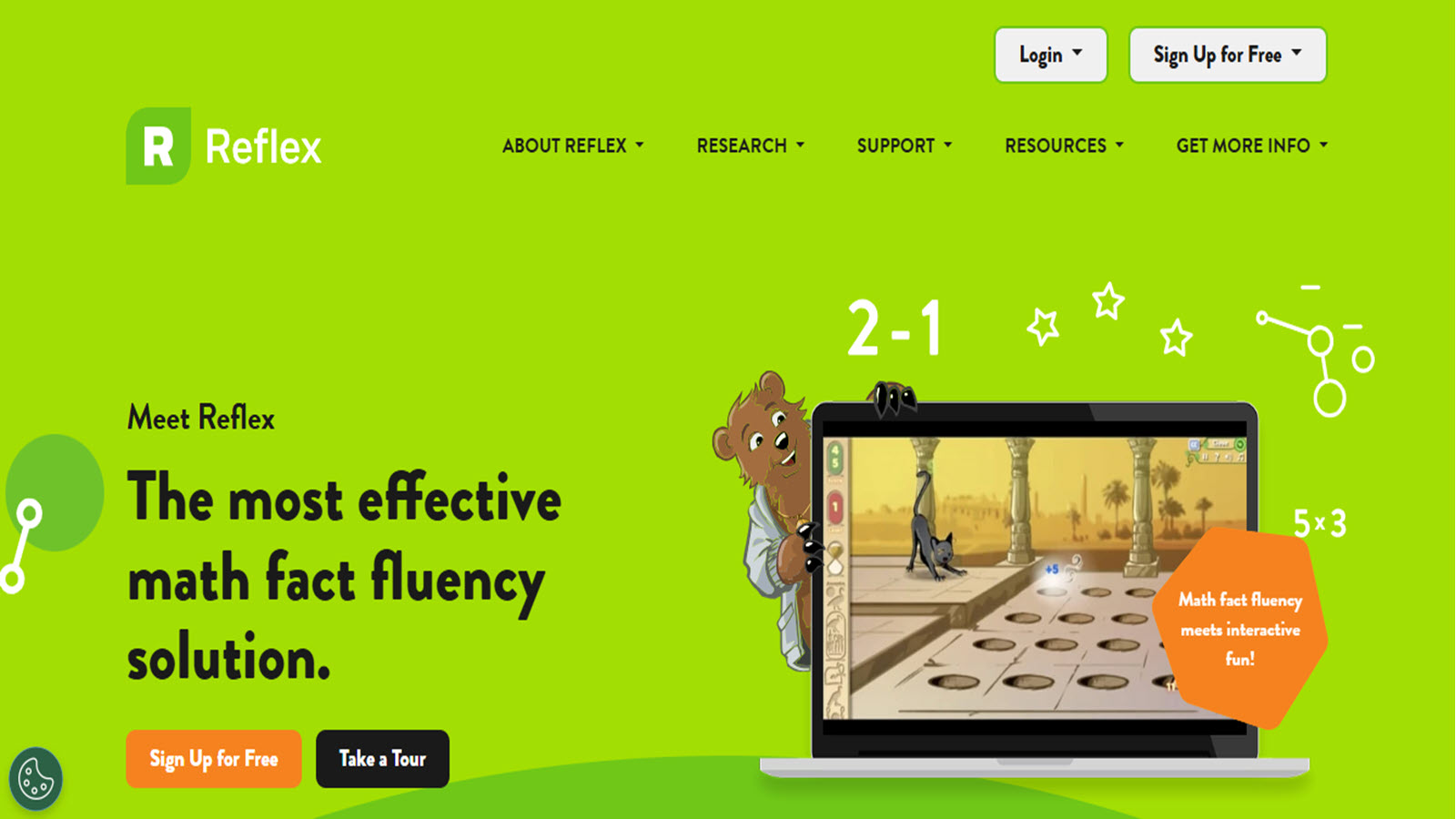
Reflex Math focuses on building essential math fact fluency through adaptive, game-based practice for students in grades 2 and up. The platform helps children develop quick, automatic recall of addition, subtraction, multiplication, and division facts, turning repetitive practice into engaging challenges that feel like play. Families appreciate the individualized approach that adjusts to each child's needs and provides clear progress insights.
The system uses motivational games and real-time feedback to keep kids motivated while strengthening foundational skills that support more advanced math topics. Many families notice improved speed and confidence as children master facts through consistent short sessions. This targeted method supports steady growth in a supportive digital environment that aligns well with school curricula.
- Adaptive games targeting fact fluency in all four operations
- Real-time feedback and motivational elements
- Detailed progress monitoring and reporting
- Individualized learning paths based on student performance
- Games designed to build automaticity and confidence
- Many children show faster recall and stronger math foundations
- The platform supports intervention and classroom alignment
28. Rocket Math
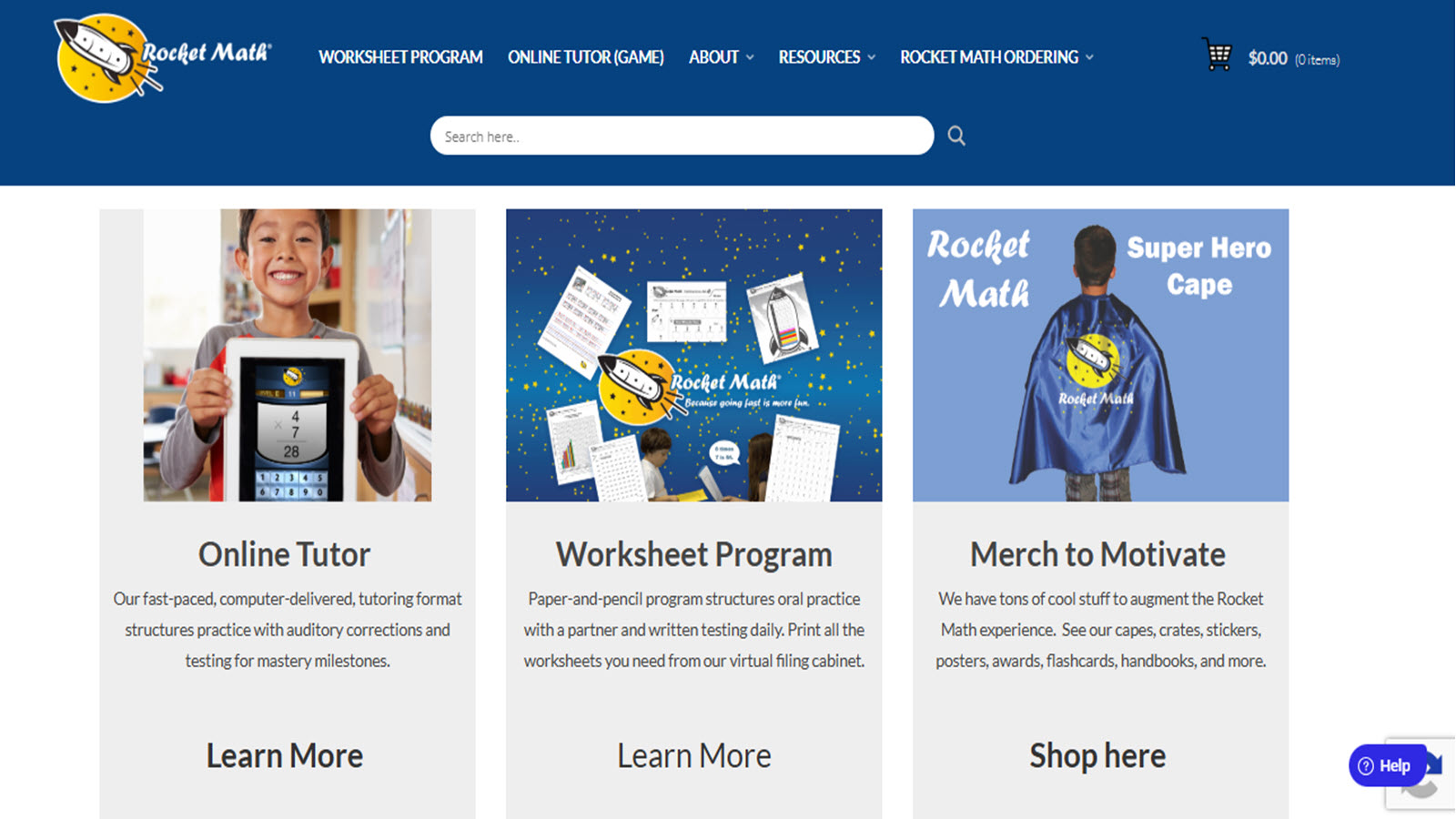
Rocket Math delivers a structured program centered on mastering math facts through systematic, incremental practice for elementary students. The platform guides children through carefully sequenced levels covering addition, subtraction, multiplication, division, and fractions using an online tutor with immediate feedback. Parents value the clear progression that builds skills without overwhelming young learners.
Kids engage with fast-paced activities that encourage daily practice and celebrate mastery at each stage. The design emphasizes repetition in manageable doses to create strong automatic recall. Many families integrate it into routines because the focused approach leads to noticeable improvements in accuracy and speed. This method lays a solid groundwork for success in broader math studies.
- Sequential levels for fact mastery across operations
- Online tutor with programmed feedback
- Incremental practice building automaticity
- Coverage of addition through fractions
- Daily practice sessions for steady progress
- Many children gain fluency through structured repetition
- The program supports foundational skill development
29. Marble Math Junior
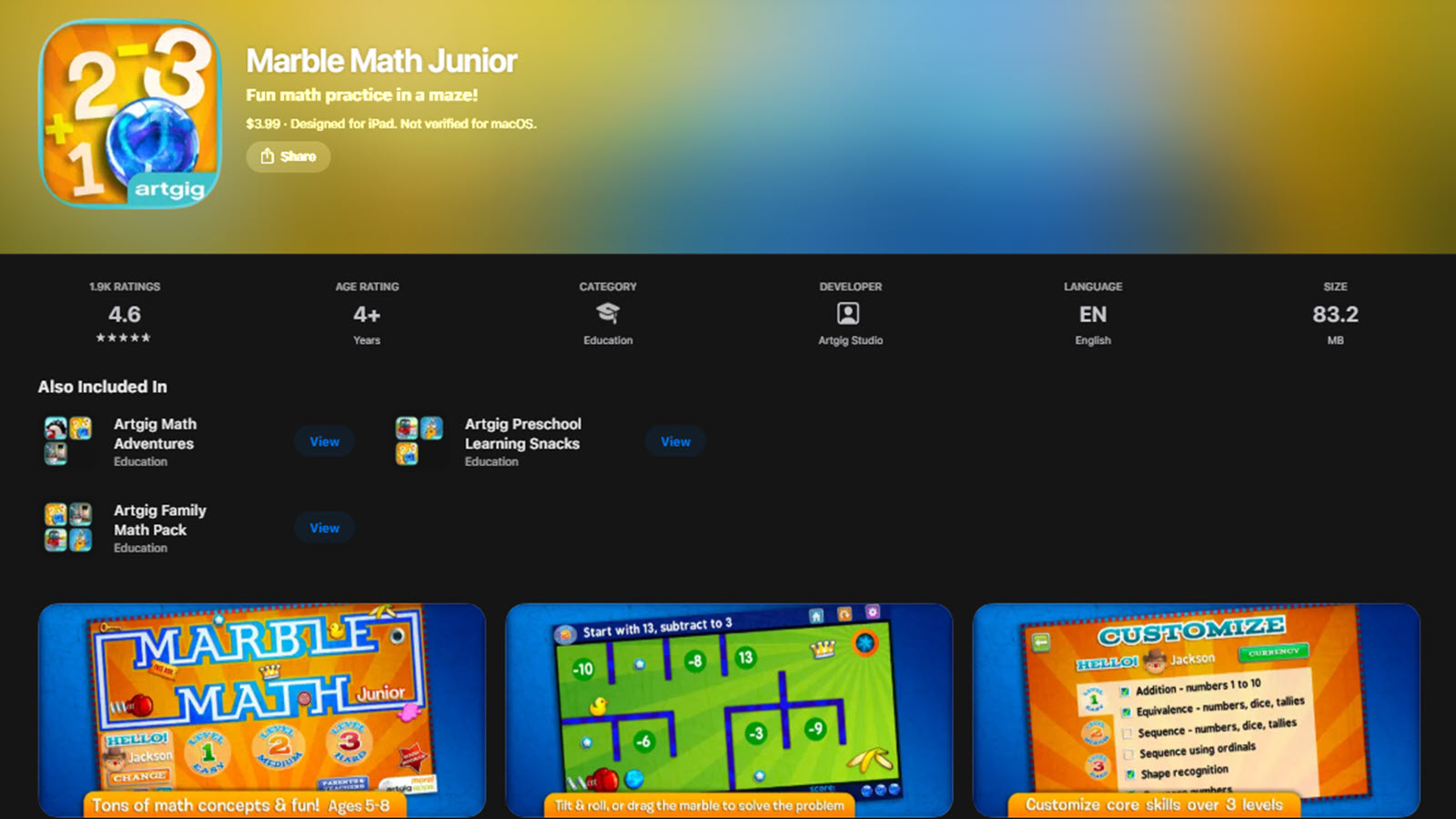
Marble Math Junior turns math practice into an interactive maze adventure where kids guide a marble to collect numbers and solve problems aligned with early elementary standards. The app covers concepts like shape recognition, counting, addition, subtraction, and more through engaging paths with audio support for emerging readers. Parents appreciate the hands-on feel that combines physical-like navigation with learning.
Children navigate customizable mazes while avoiding obstacles, earning new marbles and bonuses along the way. The colorful, dynamic format keeps sessions exciting and reinforces mental math in a playful context. Many families choose it for the way it motivates focus and problem-solving without feeling like traditional drills. This approach helps build confidence through active exploration.
- Maze-based collection of numbers and solutions
- Coverage of shapes, counting, and basic operations
- Audio questions supporting early readers
- Customizable difficulty and bonus collection
- Engaging navigation with obstacle avoidance
- Many kids strengthen mental math through interactive play
- The app promotes focus and logical thinking
30. MathBee
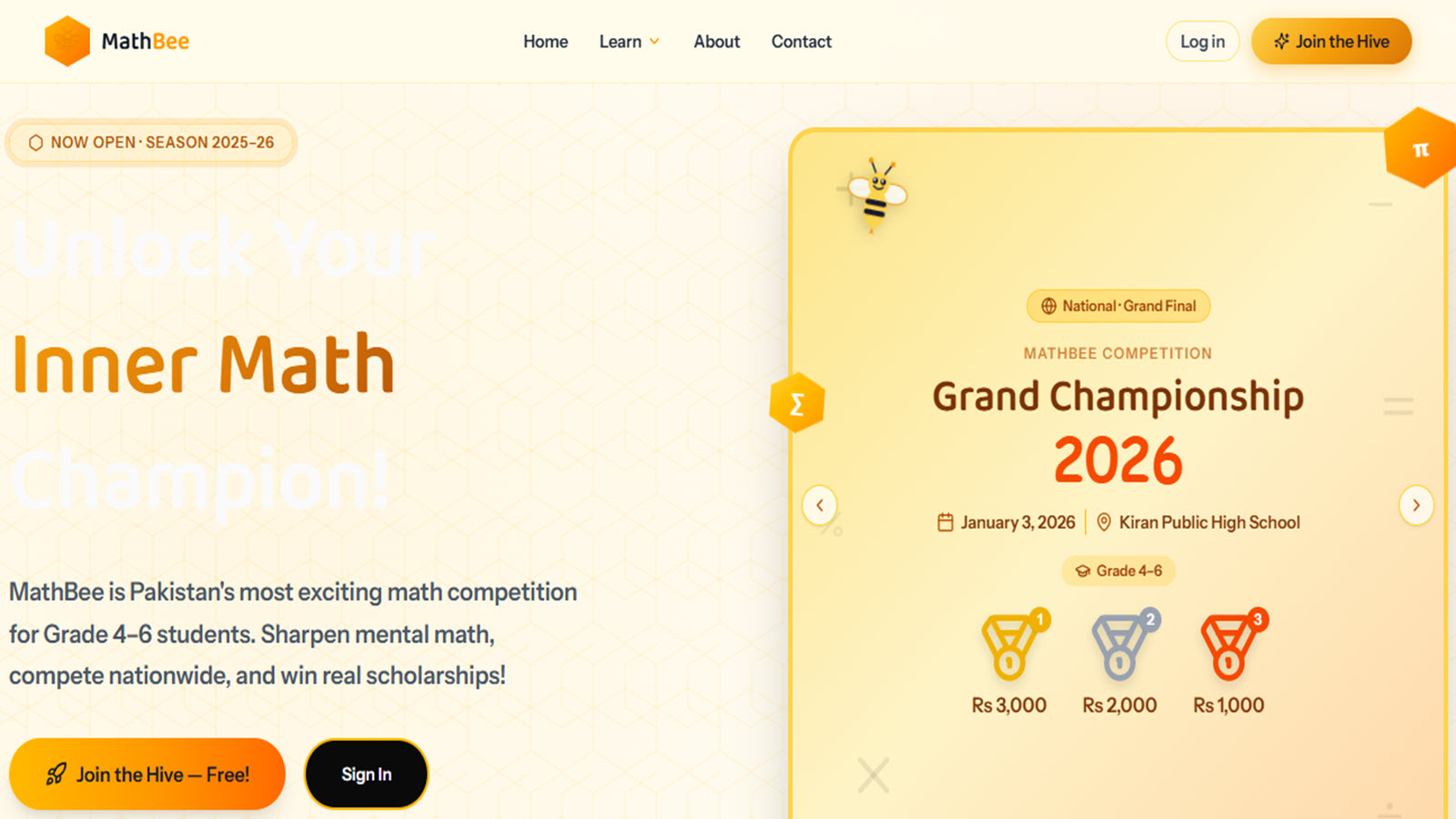
MathBee, developed by K12, transforms math practice into a fun bubble-shooter style game for grades 2–5 with single and multiplayer modes. Children practice skills like multiplication, fractions, money, and more while popping bubbles in exciting challenges. The free app appeals to visual and competitive learners with its dynamic gameplay.
The platform offers modes that support both independent play and family or peer battles, keeping engagement high. Kids build fluency through quick, rewarding rounds that fit easily into daily schedules. Many families report increased enthusiasm as children return willingly to tackle new levels. This game-based design reinforces school-aligned concepts in an entertaining format.
- Bubble-shooter mechanics for math practice
- Coverage of multiplication, fractions, money, and more
- Single and multiplayer game modes
- Free access with engaging challenges
- Alignment with elementary grade skills
- Many children enjoy competitive and solo play
- The app supports skill reinforcement through fun action
31. ABCya
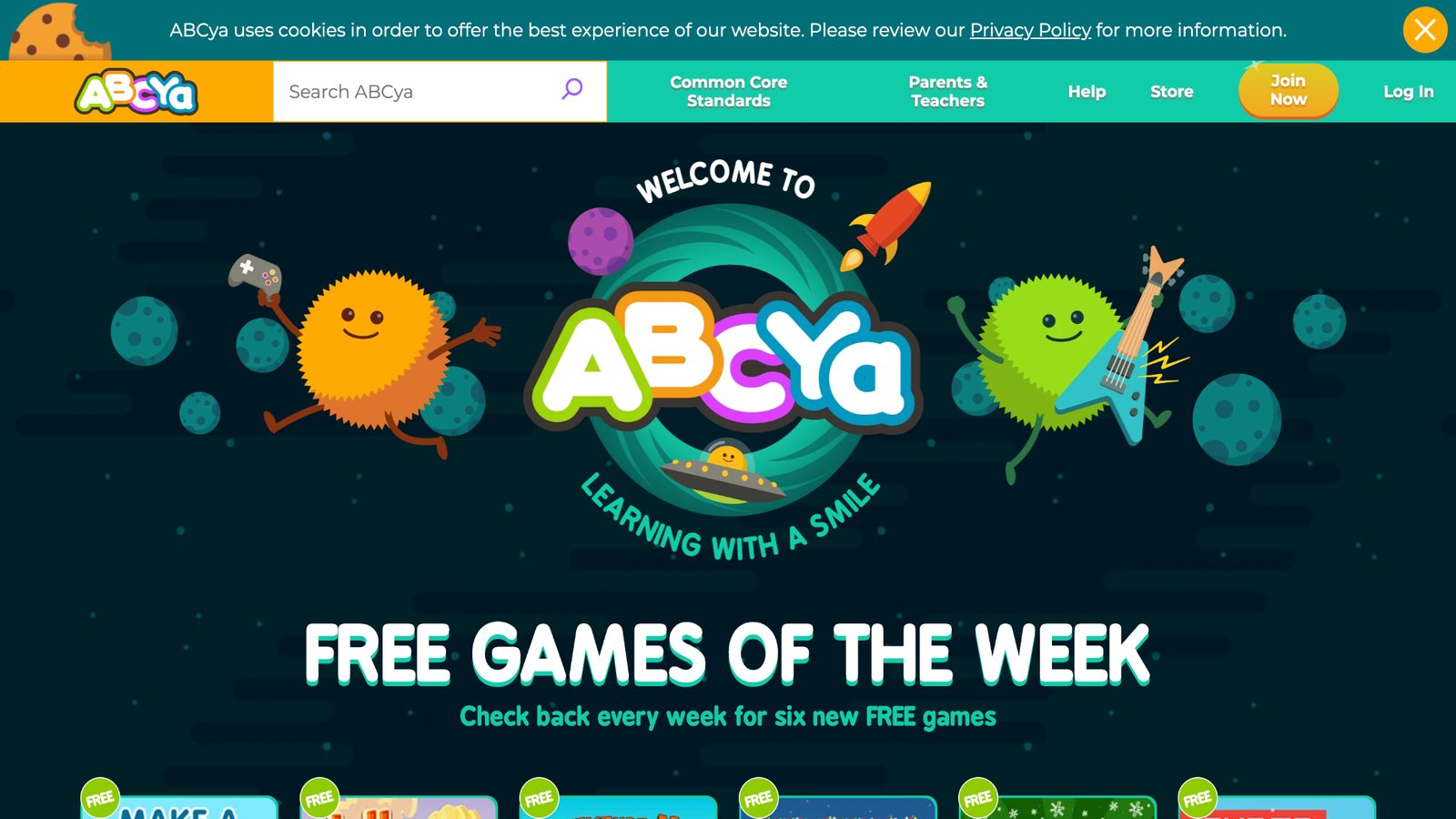
ABCya offers a vast collection of free and premium educational games tailored for children from PreK through sixth grade, with a strong emphasis on math skills through interactive activities that align closely with school curricula. Based in the USA, the platform stands out for its broad accessibility and focus on making core concepts like counting, addition, subtraction, geometry, and fractions engaging through colorful, age-appropriate designs that support various learning styles. Families appreciate how it blends skill practice with creative elements, helping young learners build confidence without feeling overwhelmed by repetitive drills. The content encourages independent exploration while providing enough structure to guide progress effectively.
- Wide variety of math games covering foundational topics through advanced elementary skills
- Curriculum-aligned activities designed for classroom and home use
- Interactive formats including logic puzzles and skill-specific challenges
- Options for free play alongside premium content
- Support for multiple grade levels with progressive difficulty
- Many children develop stronger engagement through daily game-based practice
- The platform promotes consistent skill reinforcement in a supportive environment
32. Hooda Math
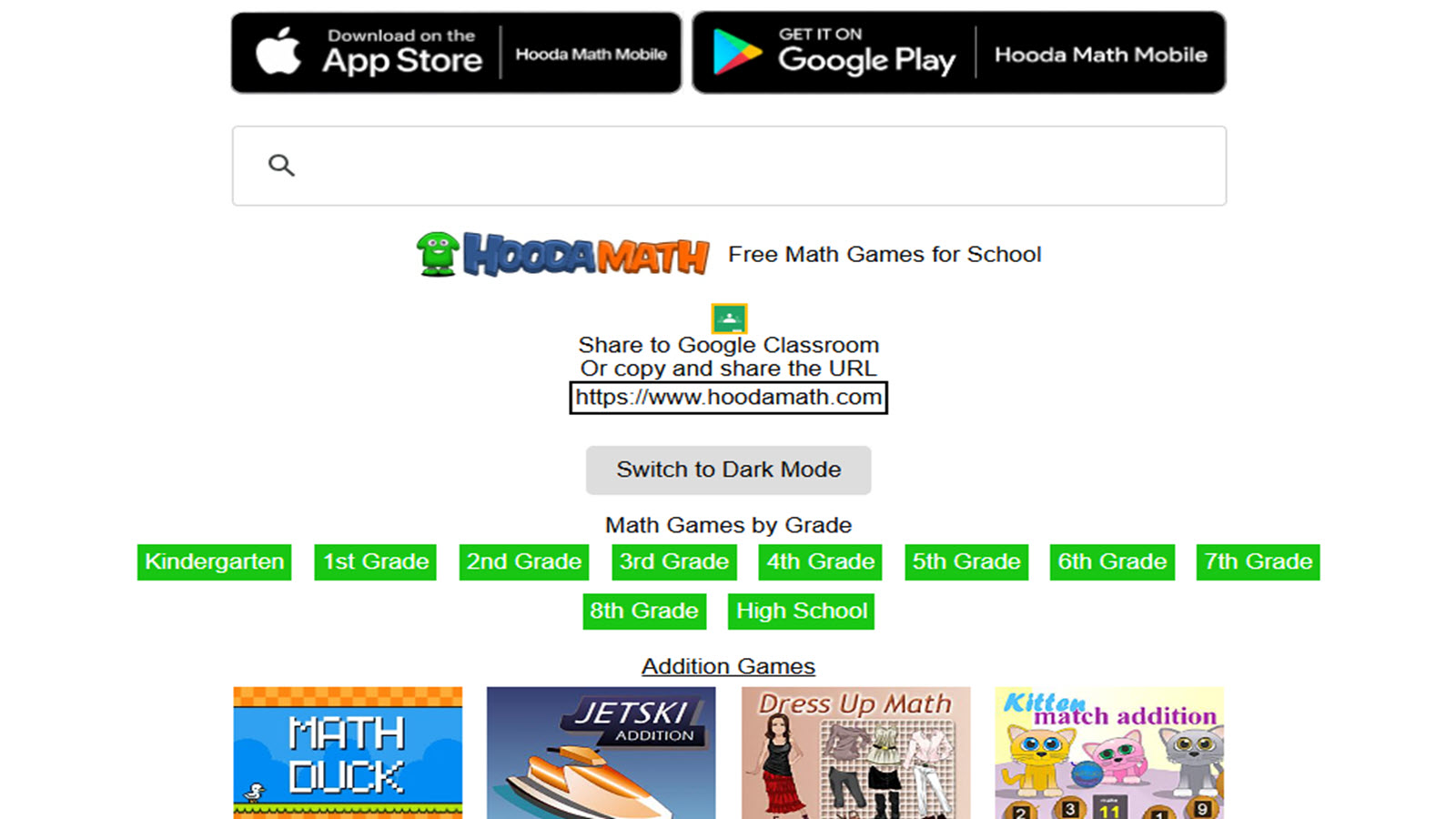
Hooda Math provides hundreds of free online math games accessible via browsers, designed for elementary and middle school students with puzzles, logic challenges, and skill-building activities that emphasize problem-solving and critical thinking. The USA-based platform features unblocked games suitable for school and home settings, turning abstract math concepts into hands-on adventures that keep kids motivated through immediate feedback and varied scenarios. Parents value its straightforward approach that fits easily into short sessions while covering topics from basic operations to more complex reasoning. The design supports exploratory learning, helping children connect mathematical ideas to practical applications in an entertaining format.
- Extensive library of browser-based math puzzles and games
- Focus on logic, problem-solving, and core arithmetic skills
- Unblocked access ideal for educational environments
- Progressive challenges across grade levels
- Instant feedback mechanisms during gameplay
- Many kids build confidence through repeated exploratory sessions
- The games encourage creative application of math concepts
33. Matific
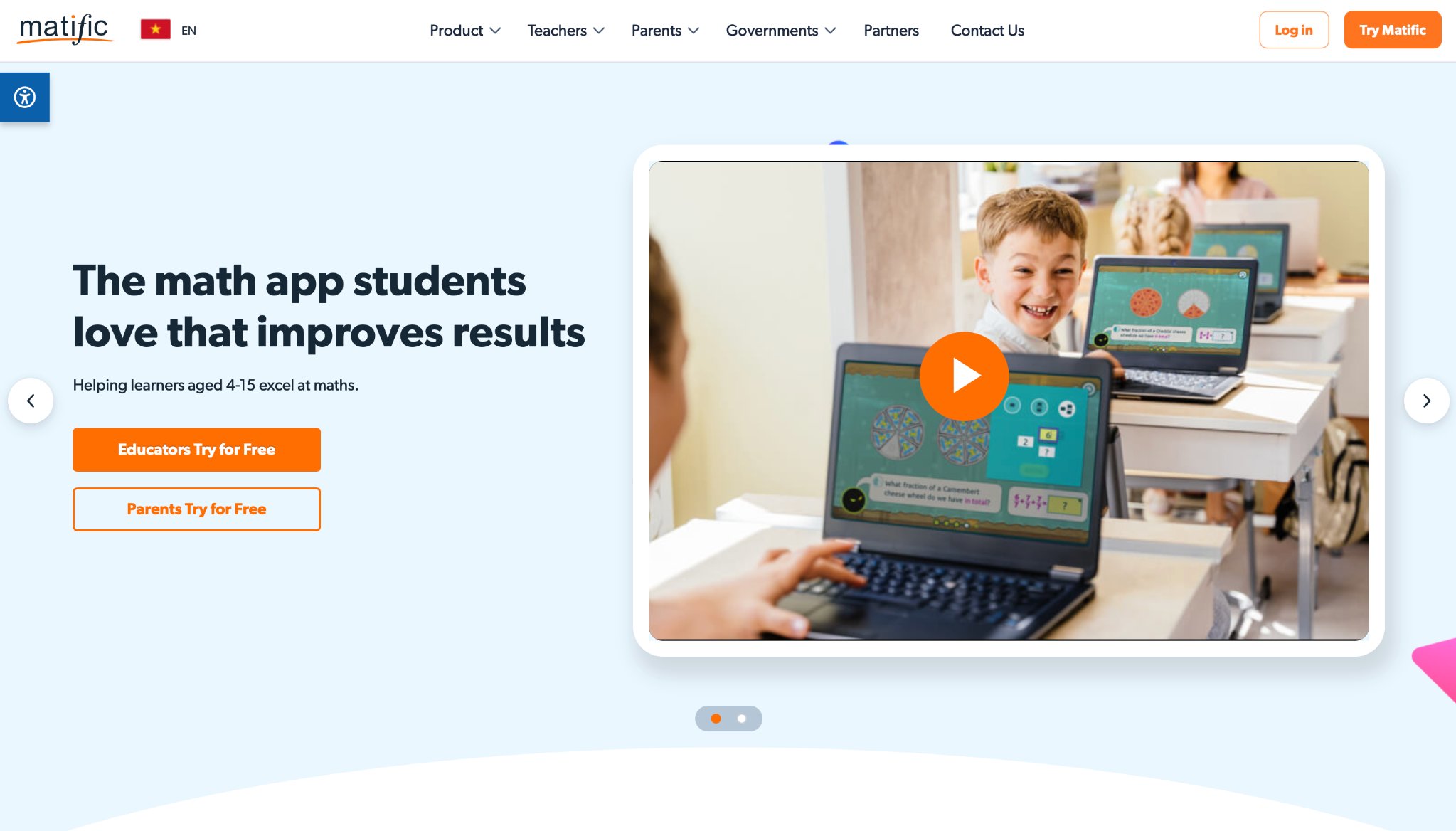
Matific delivers a comprehensive game-based math platform for kindergarten through sixth grade, featuring hundreds of adaptive activities developed in collaboration with educators to foster deep conceptual understanding. The content uses real-world contexts and visual storytelling to make topics like number sense, geometry, and data interpretation feel relevant and exciting for young learners. Families benefit from its structured yet playful progression that adapts to individual needs, supporting both remediation and advancement in a balanced way. The platform integrates seamlessly with home routines, promoting sustained interest through rewarding discoveries and collaborative elements.
- Hundreds of adaptive, story-driven math activities
- Alignment with elementary curriculum standards
- Visual and contextual learning modules
- Personalized paths based on performance
- Support for conceptual mastery over rote practice
- Many children show improved understanding through engaging narratives
- The platform facilitates steady progress across diverse topics
34. My Math Academy
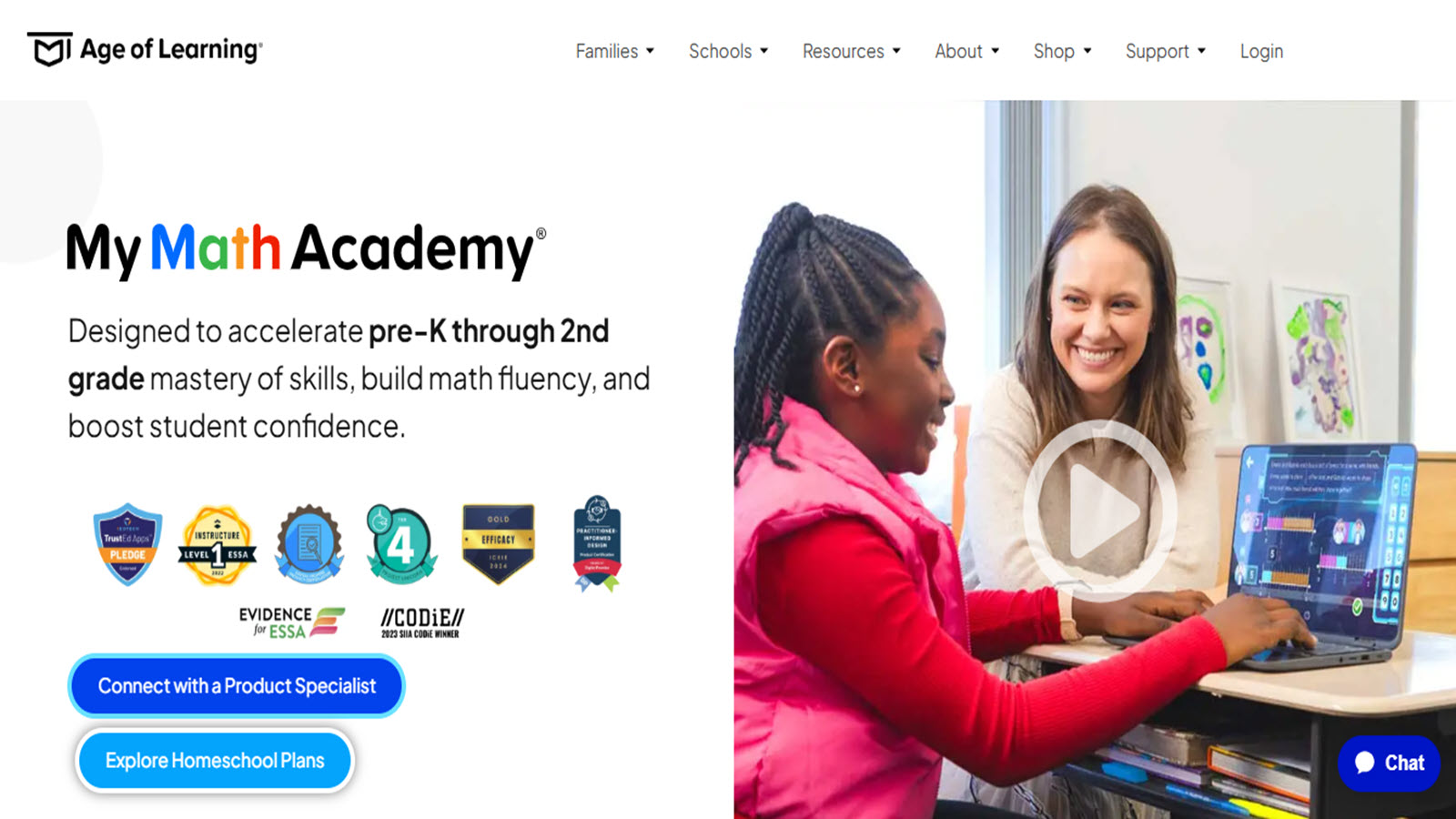
My Math Academy, from Age of Learning, offers adaptive game-based learning specifically for PreK through second grade, focusing on foundational number sense, counting, addition, subtraction, and place value through immersive activities. The USA-developed program uses real-time adjustments to scaffold learning, providing targeted support that helps fill gaps while building confidence in a low-pressure environment. Parents appreciate the detailed insights into growth areas and the way it mirrors effective classroom strategies with virtual manipulatives and progressive challenges. Children engage willingly with the colorful, character-rich world that makes daily practice feel like discovery rather than instruction.
- Adaptive placement and dynamic difficulty adjustment
- Focus on early number sense and arithmetic strategies
- Virtual manipulatives for hands-on conceptual building
- Game-based activities with supportive scaffolding
- Progress monitoring for personalized insights
- Many young learners experience accelerated foundational growth
- The program supports seamless transitions to school math
35. Zap Zap Math
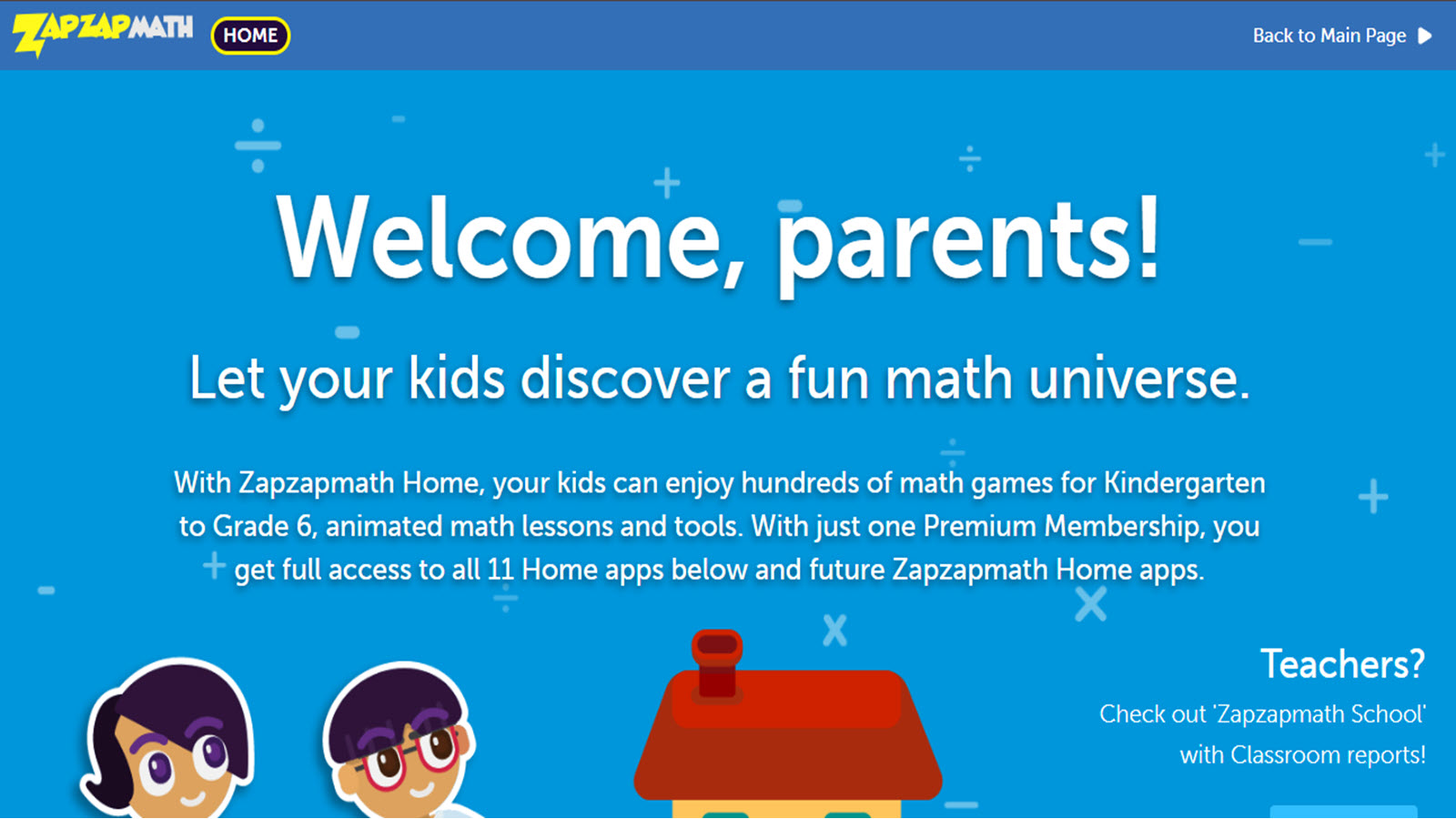
Zap Zap Math brings elementary math concepts to life through action-packed mini-games covering topics from counting and addition to fractions and geometry for grades K-6. The platform features fast-paced, rewarding gameplay that reinforces skills via repetition in varied, competitive-style challenges suitable for multiple devices. Families often note how its energetic design maintains high engagement levels, helping children practice consistently while developing speed and accuracy. The content balances fun elements with clear learning objectives, creating positive associations that encourage independent use and long-term retention of key concepts.
- Action-oriented mini-games targeting core operations and beyond
- Progressive levels across K-6 grade skills
- Multi-device compatibility for flexible access
- Immediate rewards and feedback loops
- Variety in gameplay to sustain interest
- Many children improve fluency through energetic repeated practice
- The app supports skill mastery in an entertaining format
Benefits of Incorporating Math Apps in Early Education
Math apps help children develop spatial awareness and logical thinking that support success in science and reading later on. Regular short sessions build habits that make learning feel routine instead of forced. Many parents report stronger attention spans and greater willingness to tackle new challenges after consistent use.
Tips for Parents to Maximize Learning with Math Apps
- Pair app time with real objects like blocks or snacks to reinforce concepts through hands-on play.
- Set a consistent daily window so the routine becomes expected and enjoyable.
- Rotate between different activities within the same app to keep interest high without overwhelming young attention spans.
- Number recognition for kids: Visual matching and counting games
- Basic operations: Story-based addition and subtraction
- Sorting and patterns: Shape and color grouping activities
- Measurement: Everyday object comparison challenges
- Logical thinking: Puzzle and sequence adventures
How can Ad-Free Environments Help Focused Learning?
Distractions can pull young minds away from learning. Clean, ad-free spaces let children stay engaged longer. This supports deeper concentration on math concepts. Platforms provide ad-free educational games where kids can fully immerse in number activities and logic puzzles. The calm setting helps build attention skills alongside math knowledge. Always ad-free experiences protect focus during play sessions.
Supporting Focus and Attention Through Math Play
Short, fun math activities help preschoolers practice attention in low-pressure ways. Math games mixing counting with puzzles or sorting build concentration gradually. These prepare kids for school while boosting cognitive flexibility and persistence. Logic elements pair well with numbers to exercise multiple brain areas. Children manage challenges at their own pace, improving self-regulation and problem-solving. Varied activities suit different energies - quick matches or story sequences with quantities. The best math learning app for kids provides immediate feedback and visual rewards to sustain motivation. Over time, this playful focus supports stronger academic readiness and confidence with new concepts.
Latest News In 2026
New updates continue to shape math learning apps for young children. Developers focus more on blending multiple skills in single experiences. In 2026, platforms emphasize mindfulness elements that pair with number activities to support emotional balance during learning. Expanded printables let families continue math play away from screens. These resources include simple counting games tied to everyday routines. Other developments highlight adaptive features that adjust in real time to a child's pace across logic, sorting, and basic operations.
Recent trends show growing interest in profession-themed math game challenges. Kids explore roles like bakers or builders while practicing quantities and patterns. Experts highlight how such integrations prepare children for school by building both knowledge and curiosity. Online educational games space sees more family sharing options that encourage collaborative play sessions. Overall, 2026 brings tools that make early math feel even more natural and connected to a child's full development. The best learning app for kids' developments continue to support balanced growth across subjects.
FAQ
What makes an app suitable for preschool math learning?
A suitable math learning app matches the short attention spans of preschoolers with quick, colorful activities that build on natural curiosity. It blends number concepts with storytelling and movement so the experience feels like imaginative play instead of a lesson. Simple navigation and clear audio cues help little ones stay independent while still receiving gentle guidance when needed.
How can parents tell if their child is progressing with a math app?
Parents notice progress when children start applying concepts during everyday moments, such as counting steps on a walk or sorting socks by color. Consistent enjoyment during sessions often signals growing comfort with the material. Over time, kids may initiate the activities themselves and show pride in completing challenges without prompting.
Are free math apps as effective as paid ones?
Free math apps can deliver solid foundations when their content focuses on quality and age-appropriate pacing. Paid options sometimes add more layers of variety and remove interruptions that might break a child’s flow. The best fit depends on how the app aligns with a family’s daily routine and screen habits.
What age range benefits most from dedicated math learning apps?
Children in the early elementary years gain lasting advantages because their brains rapidly form connections through repeated playful exposure. Apps designed for this stage introduce ideas at a pace that matches growing independence and coordination. The result is a smoother shift into more formal schoolwork where basic skills already feel familiar and approachable.
How do math learning apps encourage creativity alongside number skills?
Many math learning apps weave open-ended challenges into math practice so kids invent their own solutions rather than follow a single path. This mix of structure and freedom sparks imagination while strengthening logical thinking. Families often see children transfer these creative approaches to puzzles, building projects, and story time.
What makes a math learning app suitable for young kids?
Math learning apps suit young kids when they rely on short, playful activities that match preschool attention spans. Content that blends number games with shapes, counting, and simple operations through stories or hands-on elements keeps engagement high. Safe, guided experiences support skill building in a pressure-free way that aligns with natural development stages for children ages 3 to 7.
How does play-based math learning differ from traditional worksheets?
Play-based math learning turns numbers into adventures through interactive games and characters rather than repetitive drills. Kids stay engaged longer as they connect ideas to real situations and stories that mirror daily life. This method supports natural discovery while building confidence through gentle challenges that grow with the child. It links math activities to logic, sorting, and language for broader connections. Families often find that such approaches make concepts stick better in a fun, low-pressure environment.
At what age should children start using math apps?
Many children benefit from simple number activities around age 3 when apps introduce concepts gradually. Programs for ages 3 to 7 use short sessions with bright visuals and gentle challenges that match developmental stages. Content that adapts as skills improve prevents frustration and nurtures lasting interest in math. Number games that incorporate sorting and basic operations help build early foundations alongside attention and logic skills. This timing supports smooth preparation for later school experiences.
Can math apps help with skills beyond numbers?
Yes, quality math apps connect numbers to logic, attention, sorting, and language development. Holistic learning approaches integrate math games with life skills, creativity exercises, and professions exploration to create well-rounded growth. Children practice counting while expanding vocabulary and understanding real-world applications through playful scenarios. These experiences support emotional balance and focus alongside academic skills. The result feels natural as math fits into a bigger picture of overall development.
How do math apps support school readiness?
Math apps for kids build early number sense, problem-solving, and focus through enjoyable activities that prepare children for classroom settings. Progress reports offer insights into growth areas like number recognition, addition, and comparison skills in supportive ways. Integration with sorting activities and logic games strengthens multiple developmental areas at once. Playful real-world connections, such as professions games, help kids see how math applies in daily contexts. This foundation boosts confidence and curiosity that carries into formal learning.
How do number games support problem-solving in young children?
Number games encourage children to experiment with quantities, patterns, and sequences through trial and error in playful settings. Kids learn to recognize relationships and find creative solutions naturally as they group objects, predict outcomes, or adjust strategies during activities. This builds flexible thinking that helps with daily challenges beyond math. Fluvsies Academy supports this growth through engaging logic and sorting challenges.
What features help maintain engagement in preschool math apps?
Bright visuals, short sessions, immediate feedback, and story elements keep young children interested without overwhelming them. Activities that adapt to skill levels and mix movement with thinking prevent boredom. Safe, ad-free designs with gentle audio cues and simple navigation support independent exploration in the best math learning app for kids.
Why is variety important in early math learning tools?
Variety across visual matching, hands-on sorting, narrative challenges, and pattern activities matches different learning preferences. It prevents repetition fatigue and strengthens connections between numbers, logic, and life skills for kids.
What makes progress feel natural in math apps for kids?
Gentle increases in difficulty combined with positive reinforcement help skills develop at a comfortable pace without pressure. When activities link to familiar themes like daily routines or imaginative play, children apply ideas more easily in real moments. Families notice organic growth through everyday observations, such as spontaneous counting or sorting, rather than forced testing. This natural progression builds lasting interest and self-assurance.
Do mindfulness elements add value to math learning sessions?
Simple focus techniques paired with number play help children stay calm and attentive. This combination reduces frustration and supports emotional regulation alongside cognitive skills, promoting balanced development in holistic math learning apps.
Read Also:
- Best Number Recognition Games 2026
- Best Counting Games for Kids 2026
- Best Math Games for Kindergarten 2026
- Best Kids Learning App 2026
- Best Educational App for Kids 2026
Discover the Best Math Learning App for Kids 2026 - Fluvsies Academy