

Best Educational Games for Toddlers Online 2026





Finding the best educational games for toddlers online 2026 means choosing screen time that builds real skills. These games turn play into learning for language, numbers, logic, and everyday habits. Fluvsies Academy stands out with games made for growing minds ages 3 to 7.
Quality toddler learning often features the best problem-solving games for toddlers that sharpen thinking skills. Many also explore the best logic puzzles for kids for stronger reasoning, the best early literacy games to build reading foundations, and the best sight word games for kids that make word recognition fun and natural.
Ready to give your child screen time that truly helps them grow? Visit Fluvsies Academy today.
Key Features That Make Online Games Work for Toddlers

Look for ad-free spaces, simple controls, and content created with child experts. Short sessions that match a toddler’s attention span work better than long ones. Games that introduce real-life roles or daily habits, like brushing teeth or helping around the house, add practical value through life skills games for kids.
Progress tracking and parent tools help families stay involved. Colorful characters and clear voice guidance keep kids independent yet supported. When games grow with the child through different skill levels, they stay useful longer and pair well with early literacy games and number recognition games. Safe platforms also respect privacy and avoid third-party ads. These details create screen time families feel good about and match the approach found in strong learning games for preschoolers online.
Why Quality Educational Games Matter for Young Children
Toddlers learn best when activities feel like pure fun. Good online educational games support early language, number sense, focus, and social skills without overwhelm. Many parents notice kids pick up new words and simple routines faster when play stays gentle and guided.
Games designed with child development in mind keep content age-right and free from distractions. This approach helps little ones practice sorting, matching, and problem-solving while staying calm and engaged. Parents often prefer options that include progress insights and clear categories so they can see what their child practices each day.
The strongest choices balance active challenges with softer story-style activities. This mix supports both focus and imagination in the early years and aligns with what many families look for in preschool learning games and educational games for children.
Best Educational Games for Toddlers Online 2026
1. Fluvsies Academy - Best Educational Games for Toddlers Online 2026
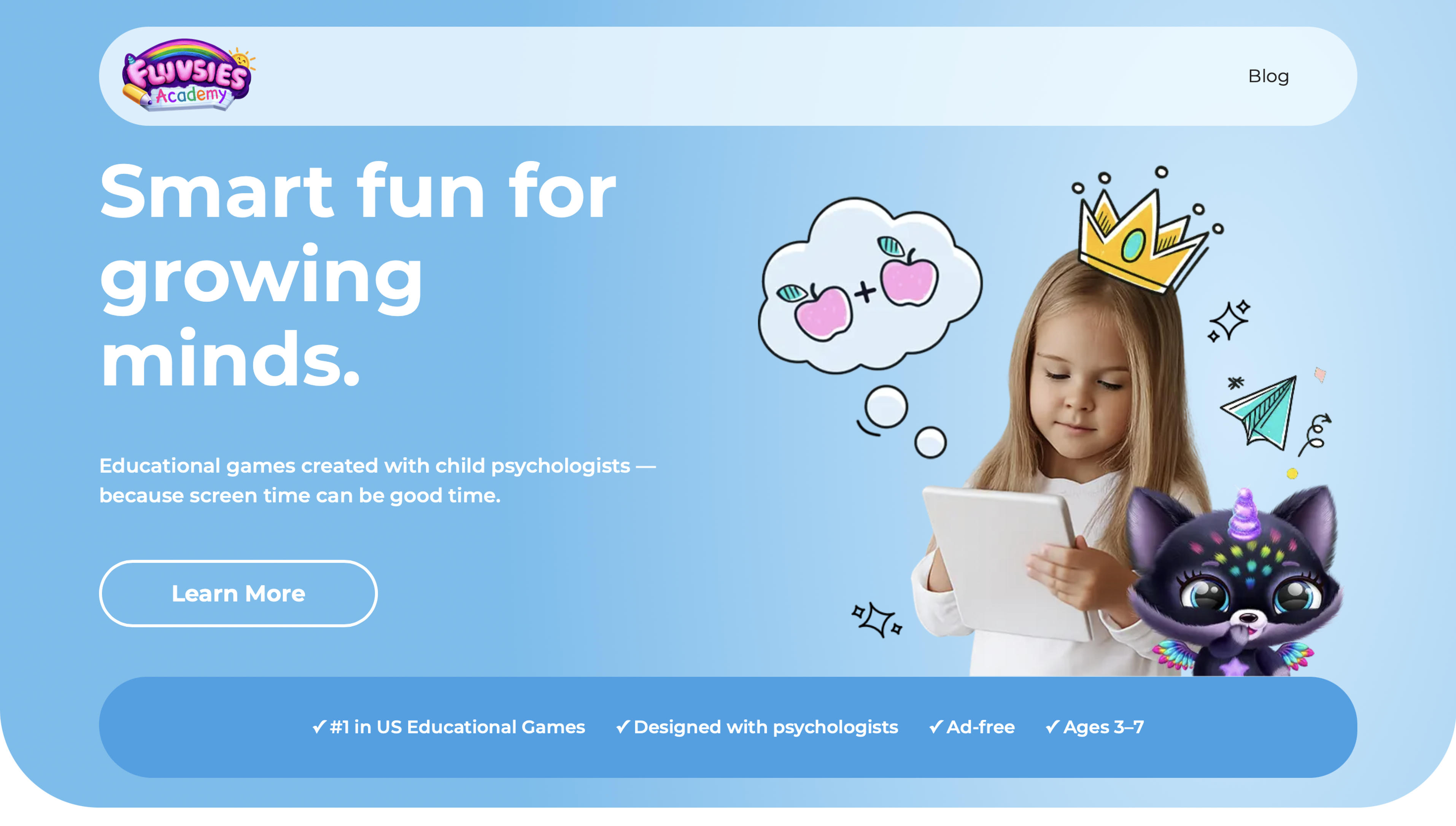
Fluvsies Academy delivers joyful, guided play designed specifically for preschoolers ages 3-7. Created with child psychologists, the app turns screen time into meaningful learning across language and phonics, number games, logic and attention, sorting activities, and life skills with creativity. Kids meet friendly characters while exploring real professions such as baker, firefighter, vet, or astronaut in simple, interactive stories.
The experience stays fully ad-free and age-appropriate. Two learning modes support different needs: active challenges build focus and problem-solving, while gentler profession stories introduce vocabulary and daily routines. Parents receive progress reports and can set screen limits. Free printables extend the fun offline. Many families appreciate how the games feel like pure play yet clearly strengthen early skills. Headquarters support the global TutoTOONS family of products focused on safe, enriching content for young children. Standout features include psychologist-designed activities, real-world profession themes, progress insights for parents, and a calm, distraction-free space that grows with the child.
Discover Fluvsies Academy
Fluvsies Academy is a leading educational app designed for children aged 3–7. It transforms screen time into meaningful learning through fun, interactive games. Developed in collaboration with child psychologists, the app focuses on holistic development.
Key Features
- Ad-free environment for safe play.
- Games covering language, phonics, math, and logic.
- Activities for attention, sorting, and creativity.
- Real-world life skills like healthy habits and mindfulness.
- Exploration of professions to build vocabulary and imagination.
Educational Approach
Fluvsies Academy emphasizes guided play that balances focus, empathy, and emotional safety. It's the first holistic learning app for kids, ranked #1 educational game in the US. Progress reports help track your child's growth. Free printables extend learning beyond the screen.
Benefits for Families
Parents gain peace of mind with expert-backed games.
Kids build confidence, skills, and a love for learning. Ideal for preschoolers seeking joyful education.
Give your child the best start with fun online games. Download Fluvsies Academy today!
2. TutoClub
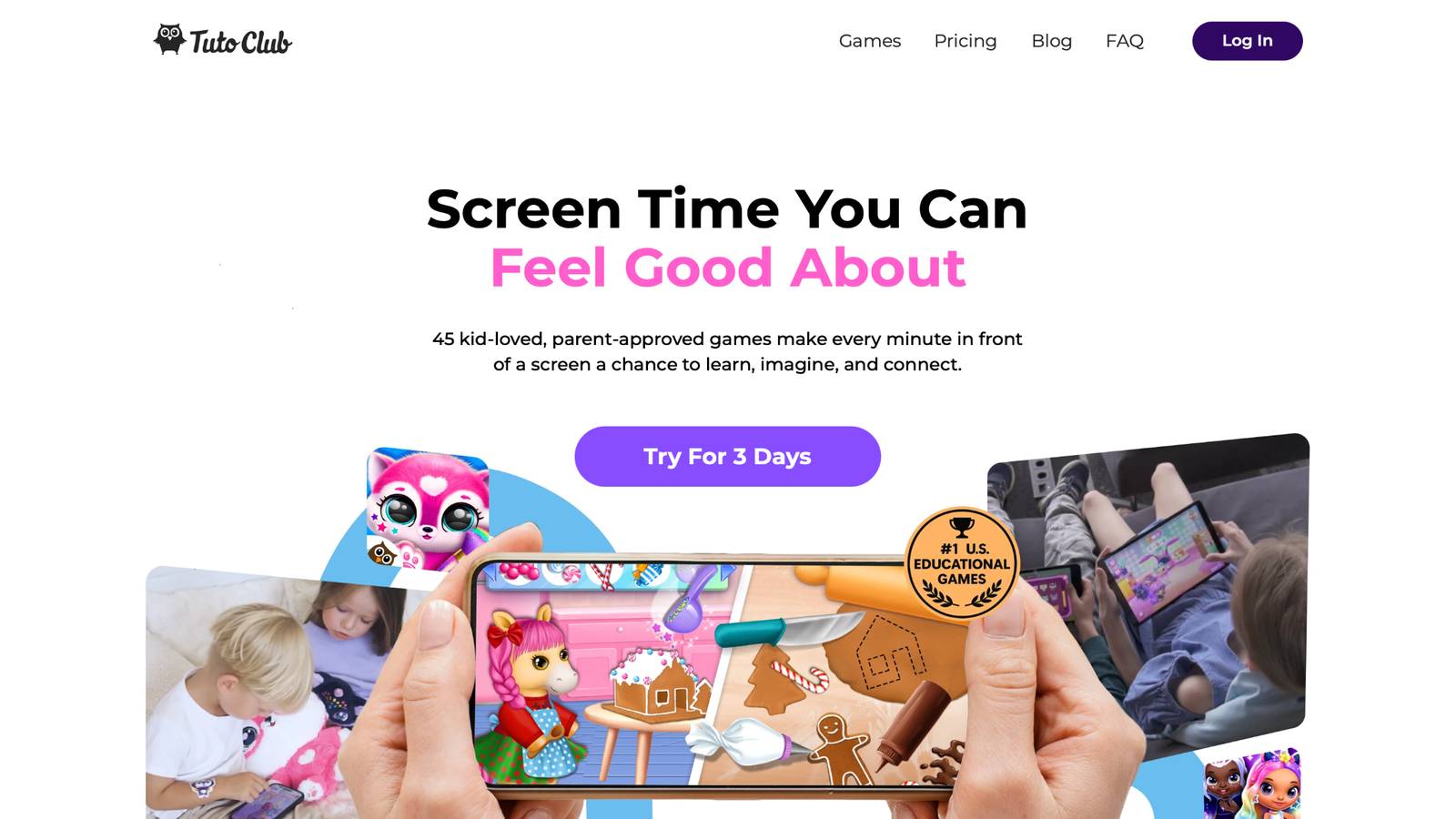
TutoClub brings together more than 45 ad-free games from the TutoTOONS collection that help young children grow through creative adventures and meaningful play. Families enjoy this safe platform where kids explore different subjects without any interruptions or distractions pulling them away. The games blend fun elements with natural development so curiosity and care grow alongside focus and empathy in a relaxed way. Children dive into art tasks and storytelling that spark imagination while puzzles sharpen problem solving and routines build helpful habits.
This collection supports preschoolers with activities that feel like everyday play yet guide skill building gently. Kids care for virtual pets or style outfits in scenarios that teach responsibility and compassion through hands-on choices. The wide variety of characters and worlds keeps sessions exciting and fresh so children stay engaged longer. Parents notice how the content fits busy family schedules and promotes positive screen time that supports overall growth without any added stress.
Key features
- Safe ad-free games centered on creativity and emotional development
- Interactive stories and puzzles that strengthen problem-solving and daily routines
- Diverse characters and scenarios to maintain high motivation
- Adaptive challenges that match each child's current abilities
- Offline play option for learning on the go
Facts and Information
TutoClub delivers steady positive experiences that many parents choose for daily learning. The games help children build essential abilities in a calm format that matches family life. Regular use often leads to noticeable improvements in focus and emotional awareness.
3. Khan Academy Kids
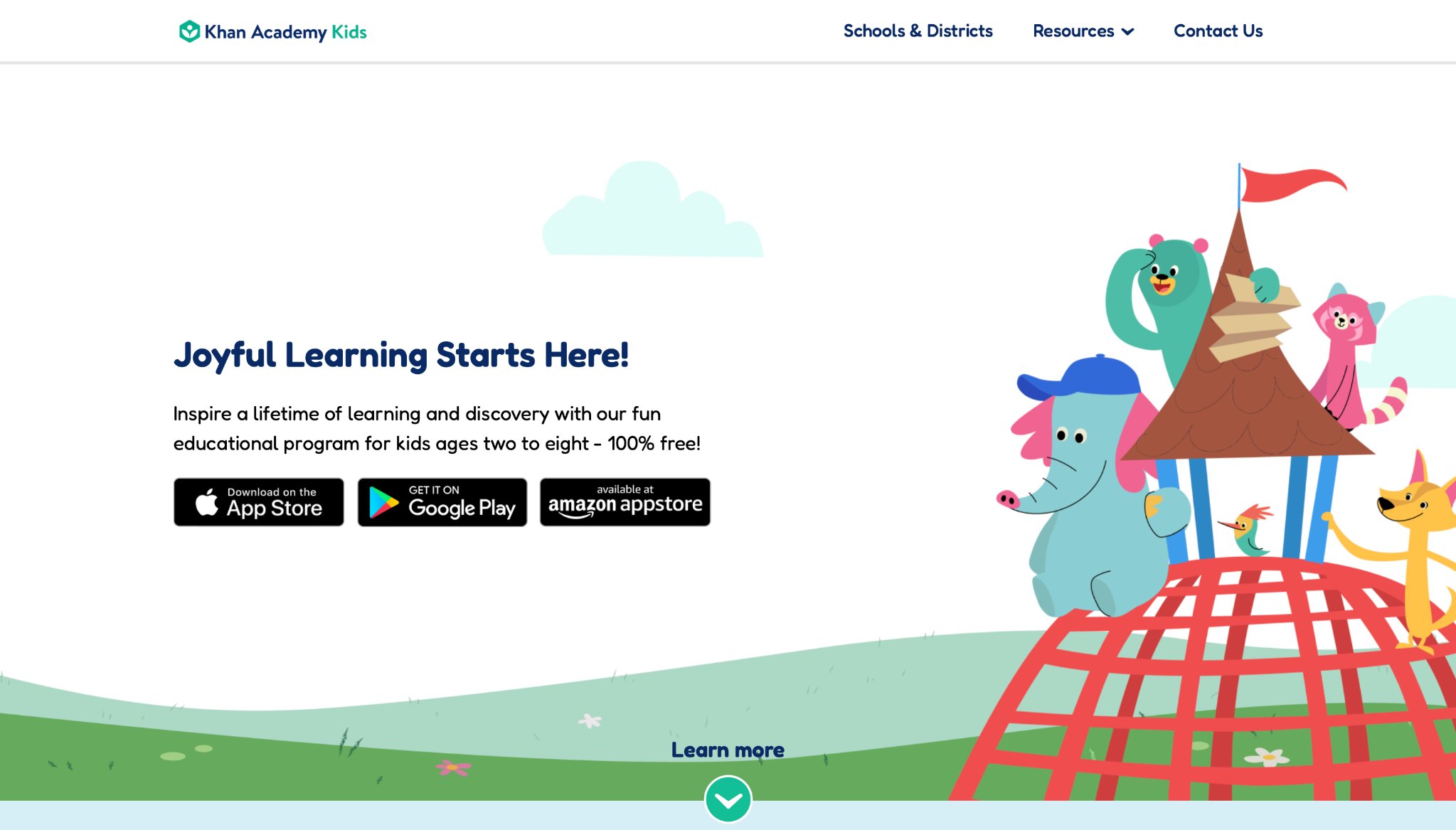
Khan Academy Kids offers a rich, free collection of games, interactive books, videos, and creative activities built specifically for children ages 2 to 8. Friendly animal characters guide little ones through early literacy, math, social-emotional learning, and flexible thinking in a completely ad-free environment. Kids can follow a personalized learning path that adjusts to their current level or freely browse a large library of stories and lessons at their own pace. Activities cover letter recognition, phonics, counting, shapes, patterns, and kindness practice while keeping the tone joyful and encouraging. The design supports both independent exploration and guided sessions with a parent or teacher. Progress tools help families see what their child is practicing, and offline options add practical flexibility. Developed with input from learning experts, the app balances academic foundations with creative expression and emotional growth so screen time feels productive and genuinely helpful for preschoolers and early elementary children.
- Key features: Adaptive learning path, thousands of activities, read-to-me books, social-emotional content, offline options
- Highlights: Covers foundational skills aligned with early frameworks and works well for independent or guided sessions
4. ABCmouse
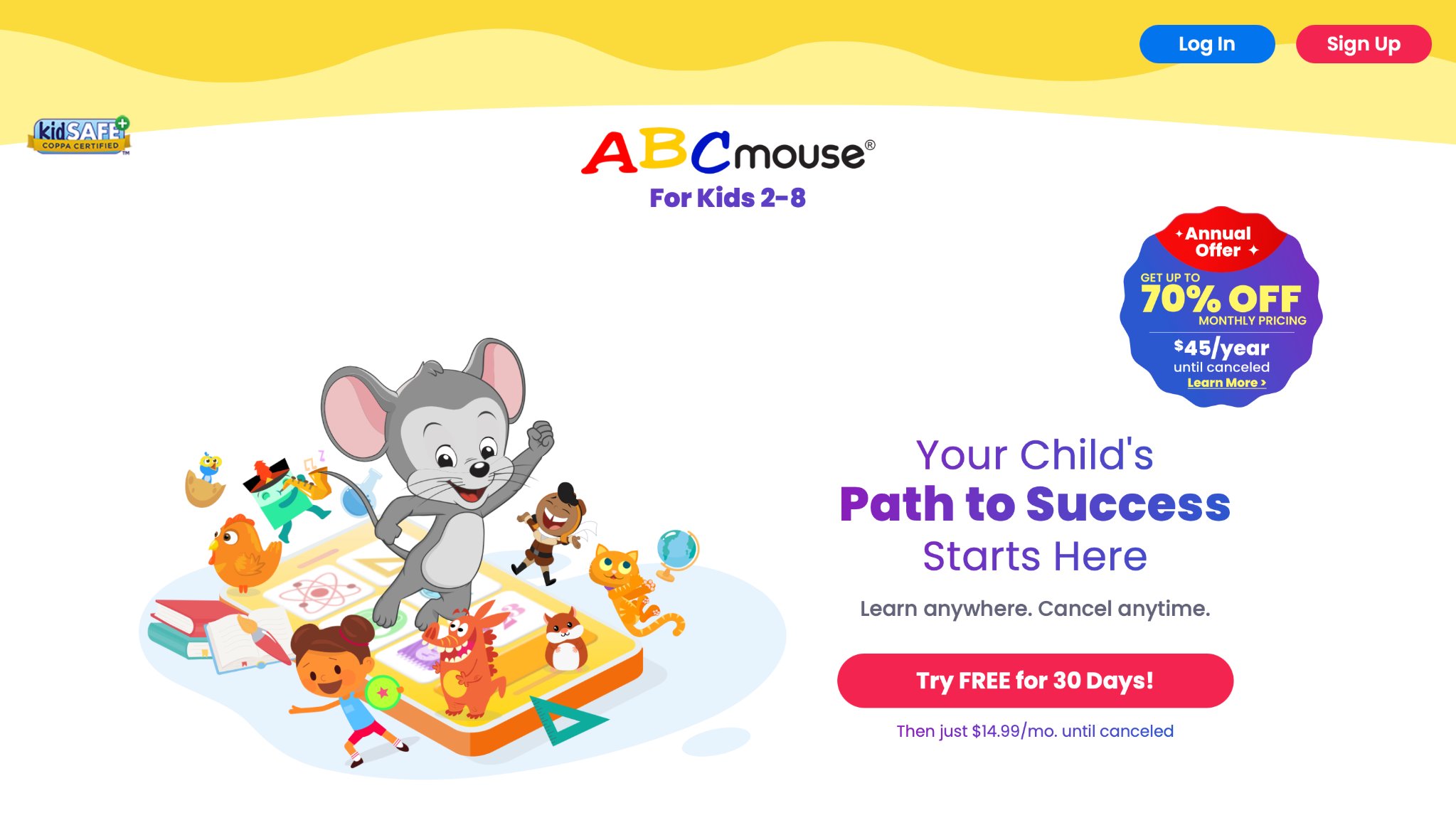
ABCmouse provides a comprehensive early learning program with activities spanning reading, math, science, art, music, and social studies for children ages 2 to 8. Kids move along a structured step-by-step learning path or explore freely in colorful themed areas filled with games, songs, books, and puzzles. Content builds letter recognition, phonics, counting, shapes, early concepts, and broader curiosity while creative play zones and rewards keep motivation steady. The platform adapts across learning levels so it grows with the child from toddler basics through early elementary skills. Parent dashboards show clear progress in key areas, helping families celebrate small wins. Many activities feel playful rather than formal, supporting both independent exploration and guided practice. The broad curriculum and engaging format make it a popular choice for parents seeking a wide range of subjects in one consistent experience that feels educational yet fun.
- Key features: Personalized learning path, multi-subject curriculum, interactive games and stories, printable activities, creative open play areas
- Highlights: Award-recognized content that supports independent and guided learning across literacy, math readiness, and more
5. Toca Boca Jr
Toca Boca Jr gathers popular open-ended games that invite toddlers and preschoolers to cook wild recipes, care for pets, shape nature landscapes, build worlds, and explore simple science concepts. Play stays free of scores, levels, or winners so children experiment, invent stories, and discover cause and effect at their own pace. The gentle, imaginative style suits younger attention spans and encourages creativity, self-expression, and problem-solving through digital toys rather than structured lessons. Kids can try funny cooking combinations, rescue animals with different needs, or design their own environments without pressure or failure. Offline options make it practical for travel or quiet times away from Wi-Fi. The overall experience feels like pure imaginative play that still supports developmental skills in a calm, non-competitive way many families trust for preschool ages.
- Key features: Collection of sandbox-style games, offline play options, creative tools for building and caring, no competitive pressure
- Highlights: Supports problem-solving and expression through calm, open-ended design trusted by many families
6. PBS KIDS Games
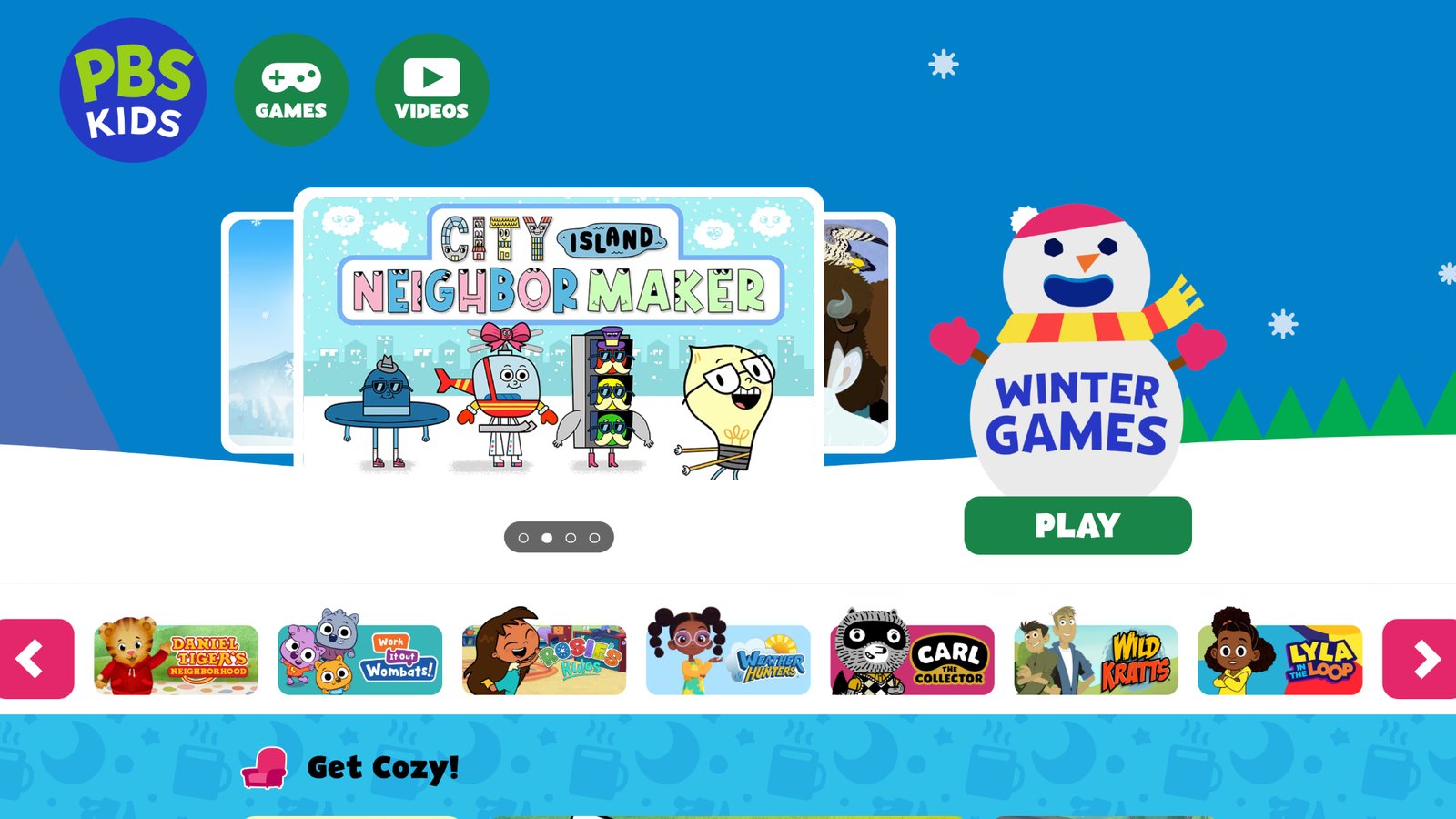
PBS KIDS Games features interactive activities built around familiar characters from beloved shows, covering early literacy, counting, science basics, and social-emotional skills. Short, focused sessions help with sorting, matching, simple problem-solving, and emotional regulation while the character themes make learning feel friendly and approachable. The free collection works especially well for quick learning breaks and includes resources that reinforce positive ideas from the shows in playful ways. Many activities encourage curiosity about the world and gentle practice of foundational concepts without overstimulation. The design prioritizes educational value and safety, making it a reliable choice for parents who want screen time connected to trusted media. Kids often enjoy returning to favorite characters while building skills in a supportive environment that feels familiar and encouraging.
- Key features: Character-based games, variety of subjects, offline capability after download, parent-friendly resources
- Highlights: Emphasizes curiosity and foundational skills for ages roughly 2 to 8 in a positive, educational format
7. Lingokids
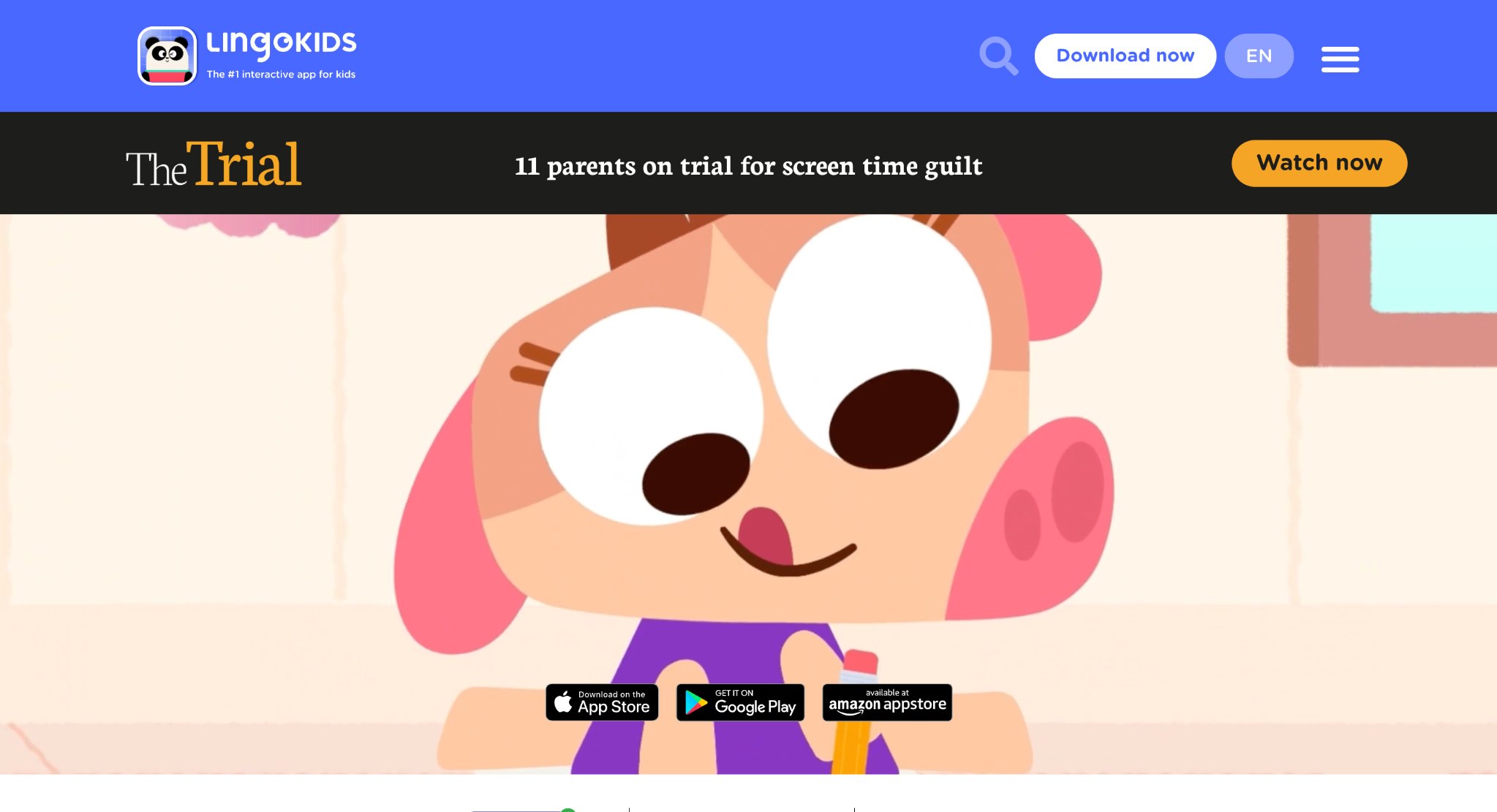
Lingokids centers on a play-based learning approach that blends games, songs, interactive challenges, and short activities to support language development, early math, empathy, and a range of other foundational skills for young children. The content feels bright and energetic while remaining thoughtfully paced so toddlers and preschoolers stay engaged without becoming overstimulated. Activities adapt to the child’s age and progress, helping build phonics awareness, vocabulary, number sense, and social understanding through movement, music, and playful interaction rather than formal drills. The large library of experiences encourages curiosity and confidence as kids practice early concepts in ways that feel natural and fun. Parent tools provide insight into what children enjoy and practice most, making it easier to support learning at home. Many families find the method especially helpful for children who respond well to songs and open-ended play, including those in bilingual households. The overall design prioritizes joyful skill building across language and broader developmental areas, creating an experience that feels more like entertainment than traditional lessons while still delivering meaningful practice.
- Key features: Thousands of interactive games and songs, playlearning method, multi-skill coverage, adaptive elements, parent progress insights
- Highlights: Focuses on joyful skill building across language, numbers, empathy, and more for preschool ages
8. Starfall
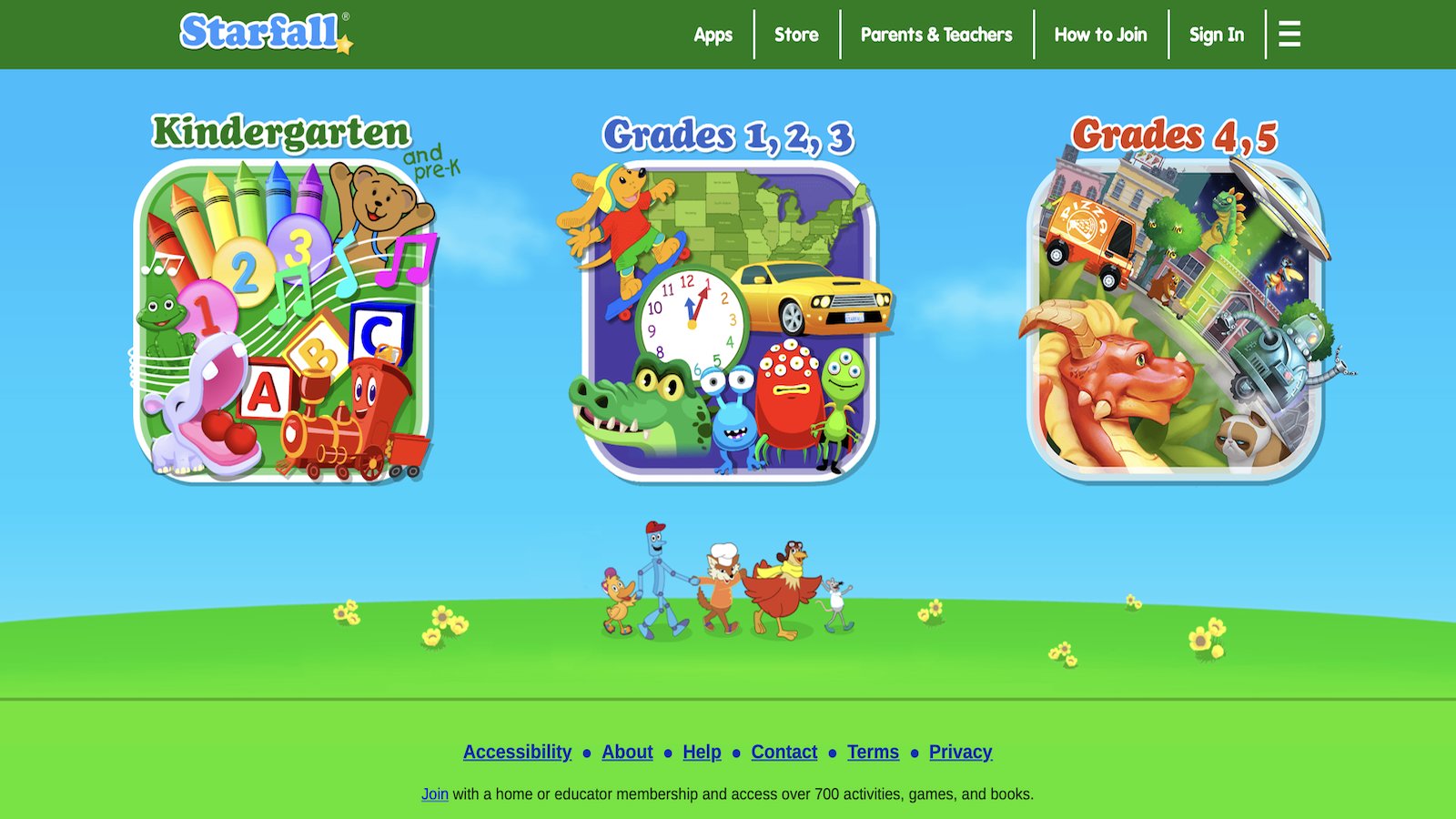
Starfall concentrates on early reading and phonics through a combination of songs, interactive games, and simple stories that introduce letters, sounds, and basic math concepts in a clear, sequential way. Activities progress gently so children can build confidence step by step with repeated, encouraging practice rather than pressure. The straightforward design works especially well for independent use by toddlers and preschoolers who are just beginning to connect letters with their sounds and form simple words. Content remains supportive and free of distractions, helping young learners focus on foundational literacy skills without overwhelm. Many families use Starfall for focused reading practice sessions that feel approachable and positive. The platform continues to offer expanded material while preserving the core experience of clarity and positive reinforcement. Overall, it provides a reliable entry point into early reading that prioritizes understanding and confidence for children at the beginning of their literacy journey.
- Key features: Phonics and early reading games, songs and stories, basic number activities, clear sequential progression
- Highlights: Supports letter recognition and sound awareness with age-appropriate, encouraging practice for early learners
9. Sago Mini World
Sago Mini World creates soft, open-ended digital environments where toddlers care for characters, explore varied scenes, and invent simple stories at their own pace. Gentle interactions encourage imagination, fine motor development, and early social understanding in calm spaces designed specifically for young attention spans. Children can visit different locations, help characters with everyday tasks, and experiment freely without scores, levels, or competition. The low-stimulation style suits shorter sessions and works particularly well for co-play with parents who want to talk about what is happening on screen. Many families appreciate how the activities feel more like digital toys than formal lessons while still supporting creativity and empathy. The overall experience prioritizes joyful exploration and emotional connection in a way that feels natural and comforting for preschoolers. It offers a peaceful alternative for screen time that emphasizes discovery and caring rather than structured skill drills.
- Key features: Imaginative worlds, character care activities, open-ended play, simple touch interactions
- Highlights: Promotes creativity and empathy through calm, low-pressure play spaces designed for young children
10. Endless Alphabet
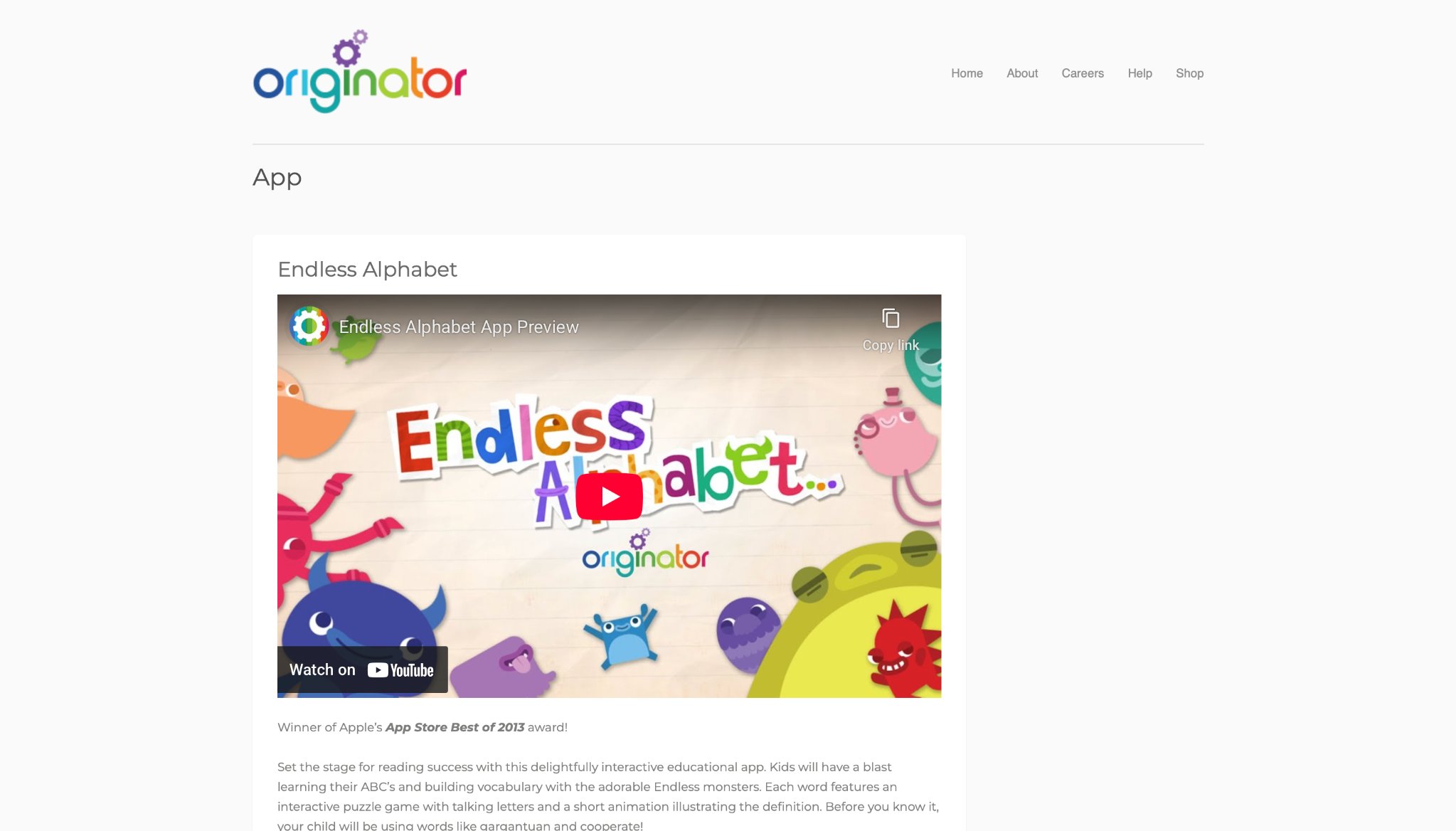
Endless Alphabet introduces vocabulary through animated letters and playful monster characters that bring word meanings to life in memorable, visual ways. Kids interact with letters that form words while hearing clear definitions and watching funny animations that illustrate each concept. The format keeps toddlers engaged with movement, sound, and short, repeatable sessions that build word recognition and curiosity about language without overstimulation. Activities feel light and character-driven, making them suitable for younger attention spans and children who enjoy storytelling. The approach works especially well as a friendly entry into vocabulary growth that combines entertainment with meaningful language exposure. Parents often notice kids returning to favorite words and monsters, reinforcing learning through repetition that still feels like play. Overall, it offers an engaging, visual pathway into early literacy that prioritizes enjoyment alongside word understanding.
- Key features: Interactive letter play, vocabulary focus, animated explanations, simple touch controls, character-driven design
- Highlights: Supports early vocabulary growth with engaging monster-style learning for preschool ages
11. Duolingo ABC
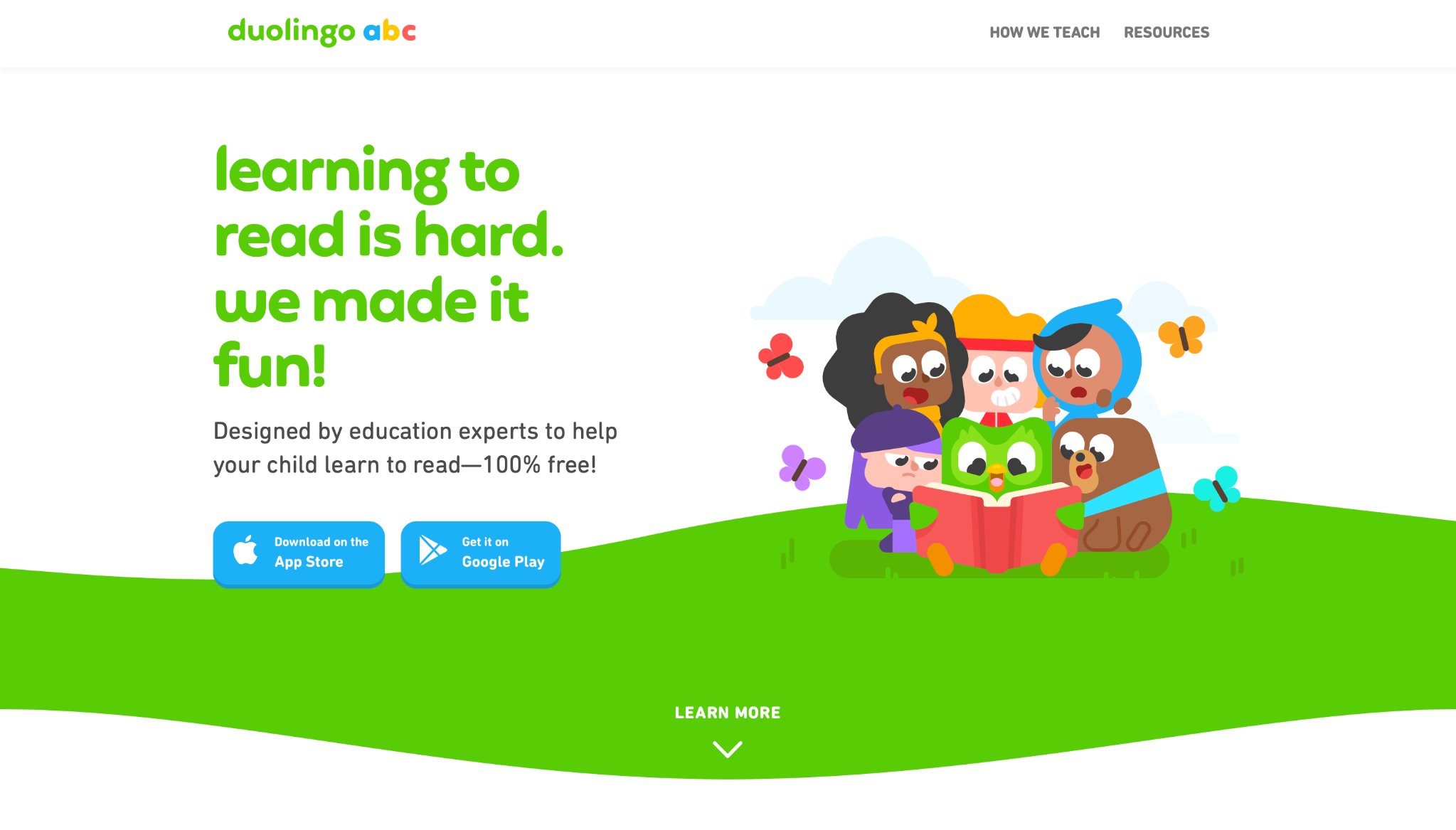
Duolingo ABC focuses on early reading skills through short, game-like lessons designed specifically for children ages 3 to 6. Activities cover letter recognition, phonics, and sight words with adaptive practice that adjusts to each child’s pace and current abilities. The light, rewarding style keeps sessions brief and focused on foundational literacy without feeling like formal drills or worksheets. Kids progress through levels that feel more like play while gradually building confidence with letter sounds and simple words. The design remains free of ads and prioritizes clear, supportive learning for absolute beginners. Many families use it as a gentle introduction to reading concepts that complements everyday language experiences and other activities. The overall approach delivers structured phonics practice in an accessible, encouraging format that helps young children take their first steps toward independent reading.
- Key features: Adaptive phonics lessons, short sessions, letter and word practice, progress tracking, beginner-friendly design
- Highlights: Supports pre-reading skills with a system created specifically for young learners
12. Noggin

Noggin combines interactive games, short videos, and books featuring familiar characters to support early literacy, math, science, and social-emotional skills for young children. Activities and episodes help kids practice listening, counting, letter recognition, kindness, and other foundational concepts in an ad-free environment. Personalized daily content and character-guided lessons keep engagement high while covering important early learning areas in a playful, approachable way. Parents often value the mix of active interaction and gentle viewing that feels both entertaining and purposeful. The platform continues to expand with exploration of hobbies and interests that encourage curiosity beyond basic academics. Overall, Noggin offers a character-rich experience that balances learning and enjoyment, making it a comfortable choice for preschoolers who already love the featured characters and benefit from familiar faces guiding new skills.
- Key features: Character-led games and videos, interactive books, personalized activity paths, ad-free experience
- Highlights: Focuses on early skills and emotional growth through familiar characters in a safe, engaging environment
13. SplashLearn
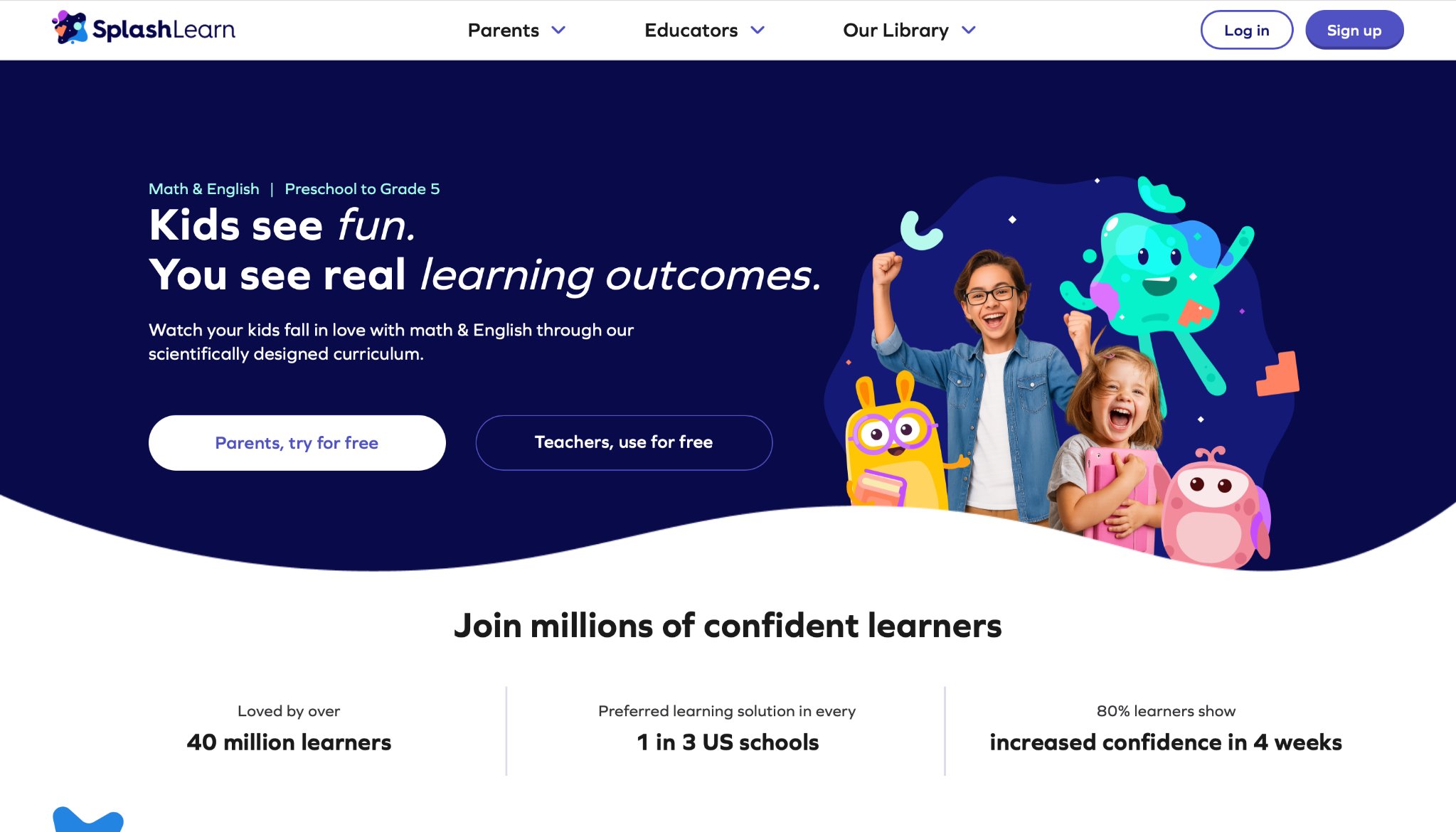
SplashLearn delivers game-based activities for preschool through early grades that cover math and English in a structured yet playful format. Children practice number recognition, counting, letter sounds, early reading, and related skills through colorful games and stories that adapt to their individual level. Personalized daily learning paths and clear progress reports help parents track growth while rewards maintain motivation across sessions. The extensive library of activities supports school readiness without feeling like traditional worksheets or drills. Many families rely on it for consistent short practice that builds confidence in core areas. The design blends curriculum alignment with engaging play so learning feels natural, achievable, and enjoyable for young children. Overall, it provides a reliable way to reinforce foundational math and literacy skills through interactive experiences that grow with the child.
- Key features: Thousands of math and reading games, personalized learning paths, progress reports, adaptive content
- Highlights: Curriculum-aligned approach that turns early skills practice into engaging, confidence-building play
14. Teach Your Monster to Read
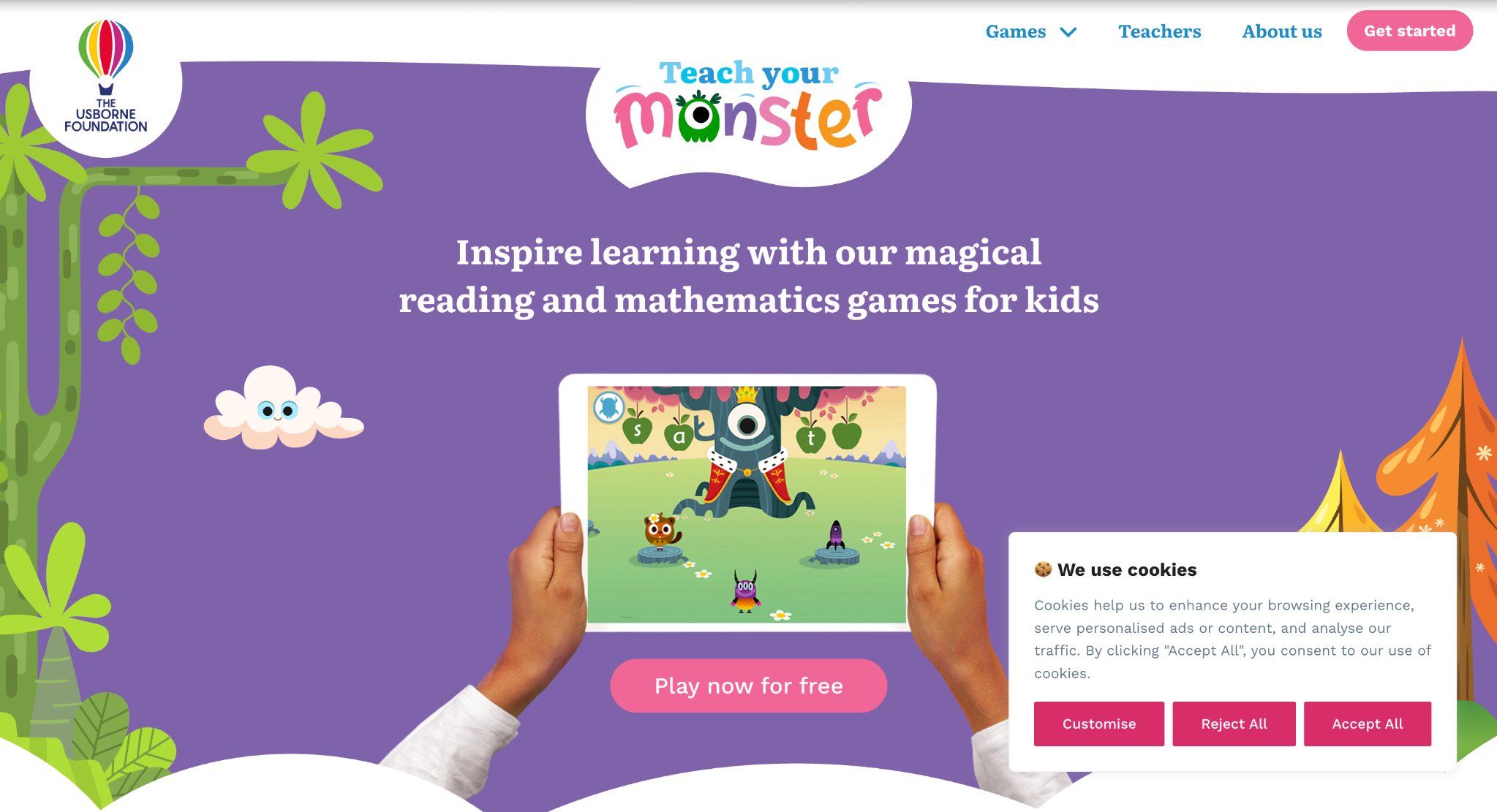
Teach Your Monster to Read transforms phonics practice into an adventure in which children create and care for a unique monster while learning letter sounds, blending, and early reading skills. Three progressive stages take kids from first sounds to short sentences through mini-games and challenges that feel playful rather than pressured. Customization options and rewards keep engagement high as children explore a magical world and help their monster succeed. The approach complements common school phonics programs and works well for both independent and guided practice. Many parents and teachers appreciate the clear skill progression, encouraging tone, and focus on foundational reading delivered through interactive fun. The experience prioritizes understanding and confidence, making it a strong option for children beginning their reading journey who respond well to character-driven adventures and gentle repetition.
- Key features: Three progressive games, monster customization, blending and segmenting practice, adaptive mini-games
- Highlights: Covers the first two years of reading skills with rewarding, adventure-style learning
15. HOMER
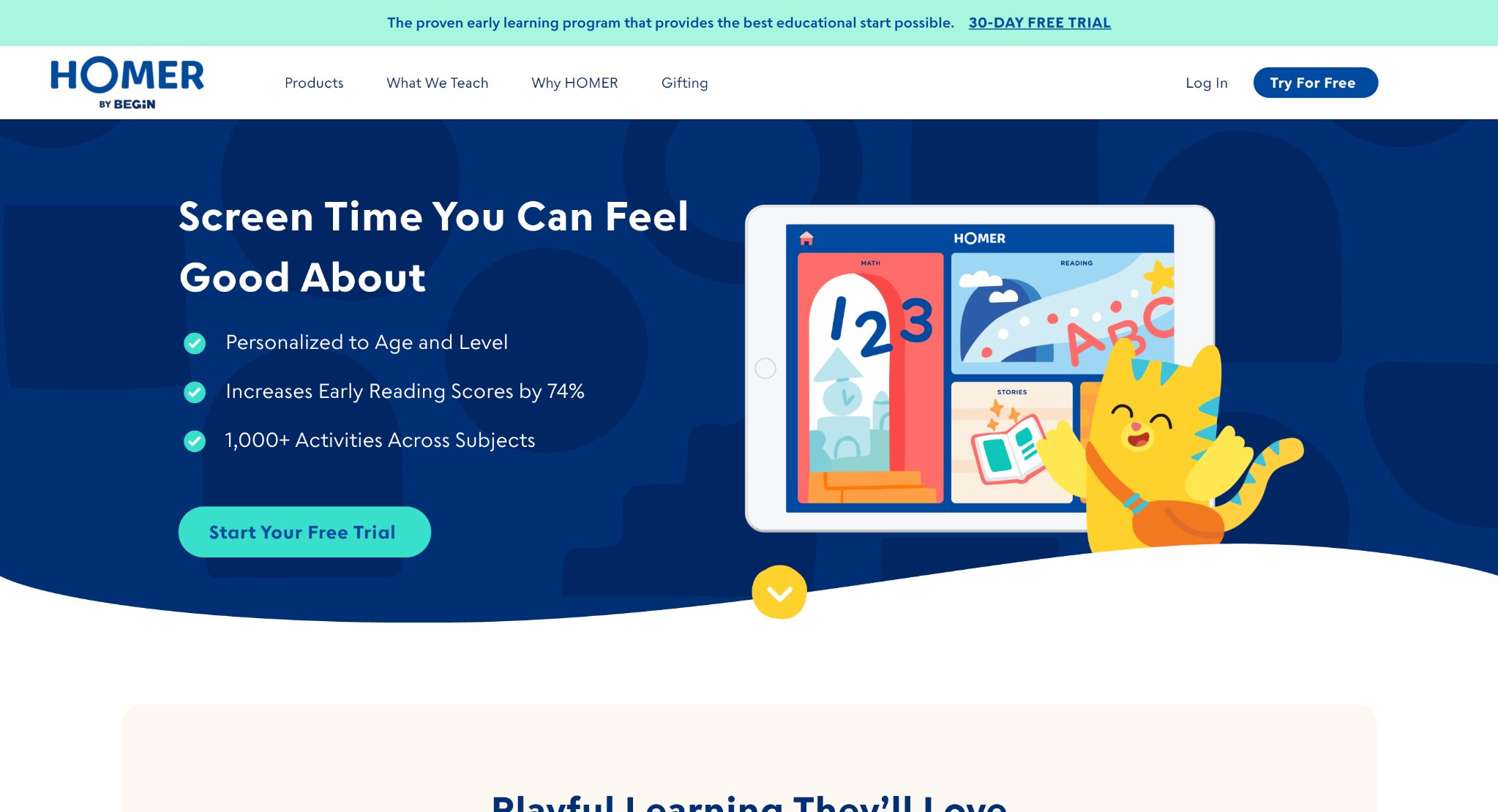
HOMER offers personalized early learning activities focused on reading, math, social-emotional skills, and creativity for young children. Content adapts based on each child’s interests and progress, delivering stories, games, and lessons that feel tailored rather than generic. The platform supports letter recognition, phonics, counting, problem-solving, and emotional awareness through short, engaging sessions designed for preschool attention spans. Parent insights help track growth while the overall design stays age-appropriate and motivating. Families often choose it for the strong personalization that evolves with the child and keeps learning relevant to individual strengths and curiosities. Overall, HOMER provides a flexible, interest-driven experience that builds foundational skills in a supportive and engaging way that feels personal to each learner.
- Key features: Personalized learning paths, reading and math activities, social-emotional content, adaptive design
- Highlights: Adaptive approach that builds foundational skills through engaging, interest-based play
How to Choose the Right Games for Your Toddler
Match games to your child’s current interests and energy. Some days call for active matching or counting; other times softer stories or open play work better. Check that controls stay simple and content remains free of ads or unexpected interruptions.
Prefer options created with development experts and clear age guidance. Look for variety across language, numbers, logic, and real-life skills so learning stays balanced. Parent tools that show progress help you celebrate small wins without pressure. Resources such as online games for preschoolers and educational games apps can offer helpful comparisons.
Test a few short sessions together first. Notice whether your child stays calm, curious, and ready to try again later. The best fits feel natural and leave everyone feeling good about the time spent.
Simple Ways to Support Learning Beyond the Screen
Talk about what your child sees and does in the games. Ask simple questions or act out a favorite activity offline. Free printables or everyday objects can extend sorting, counting, or pretend play that builds on problem solving games for toddlers.
Keep sessions short and pair them with movement or outdoor time. Celebrate effort more than perfect answers. Consistent, positive experiences help toddlers connect digital play to real-world understanding and support the same skills found in phonics games for preschoolers and brain games for preschoolers. Many families find that blending guided games with open play creates the strongest foundation for curiosity and confidence.
FAQ
What age range works best for educational games for toddlers online?
Most quality educational games for toddlers online suit children from around ages 2 to 7, with the strongest fit often falling between 3 and 7 when kids can follow simple instructions and enjoy guided play. At younger ages, open-ended matching, sounds, and caring activities help build early focus and vocabulary through options like those covered in the best online educational games for 3 year olds. As children grow within the preschool years, games that introduce language, numbers, logic, sorting, and everyday life skills become especially useful. Matching the specific activity to a child’s current attention span and interests keeps the experience positive and effective.
How can families keep screen time balanced while using educational games?
Short, intentional sessions paired with offline follow-up work best for balancing screen time with educational games for toddlers. Parents can sit nearby at first to talk about what appears on screen, then extend the learning with real-world sorting, counting, or pretend play that builds on pattern recognition games. Choosing games that feel calm and purposeful rather than overstimulating helps children stay engaged without becoming restless. Combining digital play with movement, outdoor time, and everyday conversations creates a healthy rhythm that supports growth.
Do educational games for toddlers actually support language and math skills?
Well-designed educational games for toddlers online give repeated, playful practice with letters, sounds, numbers, patterns, and problem-solving in ways that feel natural. When activities are created with developmental needs in mind, children often gain confidence with new words, simple counting, and early logic through joyful repetition supported by resources such as kindergarten reading games and preschool math games. Games that also include life skills and creativity help connect digital experiences to real-world understanding. Pairing screen play with everyday talk and hands-on activities strengthens these early foundations even further.
What features make educational games for toddlers safe and effective?
The most helpful educational games for toddlers stay fully ad-free, use simple controls, and offer age-appropriate content created with child development experts. Clear categories covering language, math, logic, sorting, and everyday habits allow focused practice without overwhelm, similar to the approach in the best educational games for kids online. Progress insights and gentle guidance help parents stay involved while children explore independently. Prioritizing emotional safety, short sessions, and real-world connections keeps the experience both secure and meaningful for young learners.
How should parents choose the right educational games for their toddler?
Parents can start by matching games to their child’s current interests, energy level, and skill stage, looking for options that feel playful rather than forced. Games that balance active challenges with softer story-style activities support both focus and imagination and can be explored further through the best interactive educational games. Checking for expert-backed design, variety across key skill areas, and tools that show progress helps families select experiences that grow with the child. Testing short sessions together and noticing whether the child stays calm and curious provides the clearest guide, as highlighted across many best educational games resources.
Read Also
- Best Educational Games App 2026
- Best Online Games for Preschoolers 2026
- Best Apps for Toddlers' Learning 2026
- Best Preschool Learning Games 2026
- Best Educational Games for Children 2026
Ready to give your child screen time that truly helps them grow? Visit Fluvsies Academy today.