

Best Educational Games for 3 Year Olds 2026






Finding the best educational games for 3 year olds in 2026 means choosing play that builds language, numbers, focus, and real-life skills without pressure. Fluvsies Academy stands out for joyful, guided activities created with child psychologists.
Young children benefit from age-appropriate play such as the best fun games for 4 year olds online that spark curiosity. Options expand with the best online games for 5 year olds, the best online games for 6 year olds, and the best games for 7 year olds online that continue building language, numbers, focus, and everyday skills through engaging activities.
Give your child screen time that builds real skills with Fluvsies Academy.
Why Educational Games Matter for Three-Year-Olds

At age three, children learn best through short, playful experiences that feel natural and fun. Games that mix language, simple math, sorting, and everyday routines help strengthen attention, vocabulary, and confidence. Many parents prefer options designed with child development experts so the content feels safe and age-right. Bright characters and clear tasks keep little ones engaged while supporting early skills that prepare them for preschool.
The strongest choices stay ad-free and focus on guided play rather than endless scrolling. Progress tracking and a mix of active challenges plus calmer story-style activities give parents useful insight without turning play into work. Educational games for preschoolers and online educational games for 3 year olds show how joyful play can build real foundations in language, logic, and daily habits. Families also find value in preschool online games for 3 year olds that balance focus with emotional safety.
Key Features to Look for in Games for This Age
Look for simple touch controls that match small hands and short attention spans. Content that covers phonics, counting, logic puzzles, and practical habits such as sorting or daily routines works especially well. Games created with input from child psychologists tend to balance fun with emotional safety and steady skill growth.
A good app also offers variety so children can move between language practice, number games, and creative life-skill activities. Parent reports and regular new content keep the experience fresh as skills improve. Phonics games for preschoolers and number recognition games help build early literacy and math confidence. Logic puzzles for kids and life skills games add focus and real-world understanding. Many families also turn to brain development games and problem-solving games when seeking well-rounded growth.
Best Educational Games for 3 Year Olds 2026
1. Fluvsies Academy - Best Educational Games for 3 Year Olds 2026
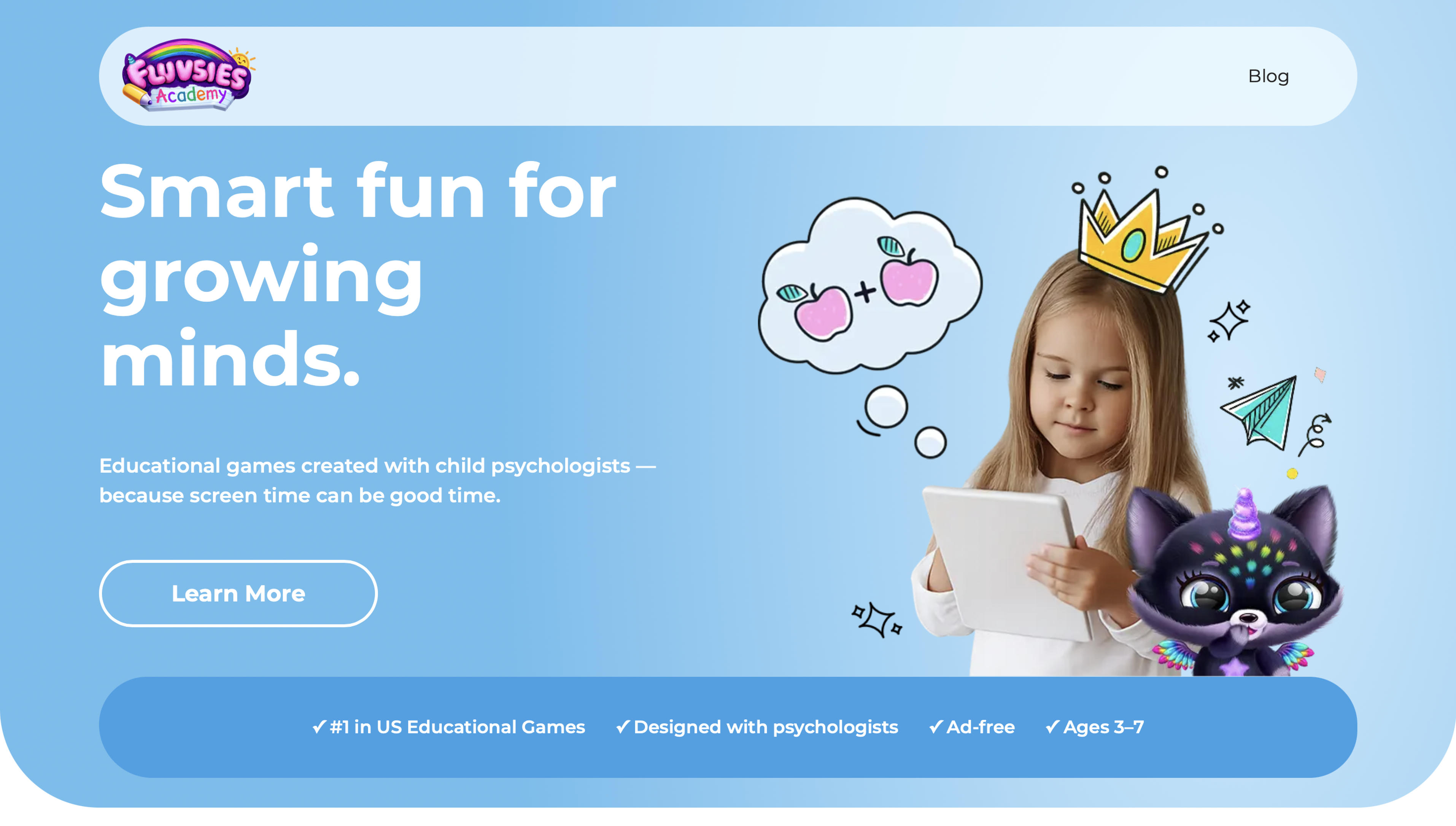
Fluvsies Academy stands out as the top choice for preschoolers ready to grow through play. Created by TutoTOONS with child psychologists, this ad-free app delivers dozens of short, joyful mini-games designed exactly for ages 3 to 7. Kids jump into language and phonics, number confidence builders, logic and attention challenges, sorting practice, and creative life-skills activities. A special professions branch lets little ones try roles from baker to firefighter to astronaut through calm, interactive stories that expand vocabulary and understanding of the world.
The experience feels like pure fun with cute Fluvsies characters guiding every step. Active learning modes sharpen focus and problem-solving while passive story play supports emotional safety and imagination. Parents get progress reports and can download free printables so the learning continues offline. Every activity balances play with real skill growth, making screen time something families feel proud of. The design keeps everything gentle, colorful, and perfectly paced for three-year-old attention spans.
Discover Fluvsies Academy
Fluvsies Academy is a leading educational app designed for children aged 3–7. It transforms screen time into meaningful learning through fun, interactive games. Developed in collaboration with child psychologists, the app focuses on holistic development.
Key Features
- Ad-free environment for safe play.
- Games covering language, phonics, math, and logic.
- Activities for attention, sorting, and creativity.
- Real-world life skills like healthy habits and mindfulness.
- Exploration of professions to build vocabulary and imagination.
Educational Approach
Fluvsies Academy emphasizes guided play that balances focus, empathy, and emotional safety. It's the first holistic learning app for kids, ranked #1 educational game in the US. Progress reports help track your child's growth. Free printables extend learning beyond the screen.
Benefits for Families
Parents gain peace of mind with expert-backed games.
Kids build confidence, skills, and a love for learning. Ideal for preschoolers seeking joyful education.
Give your child the best start with fun online games. Download Fluvsies Academy today!
2. TutoClub
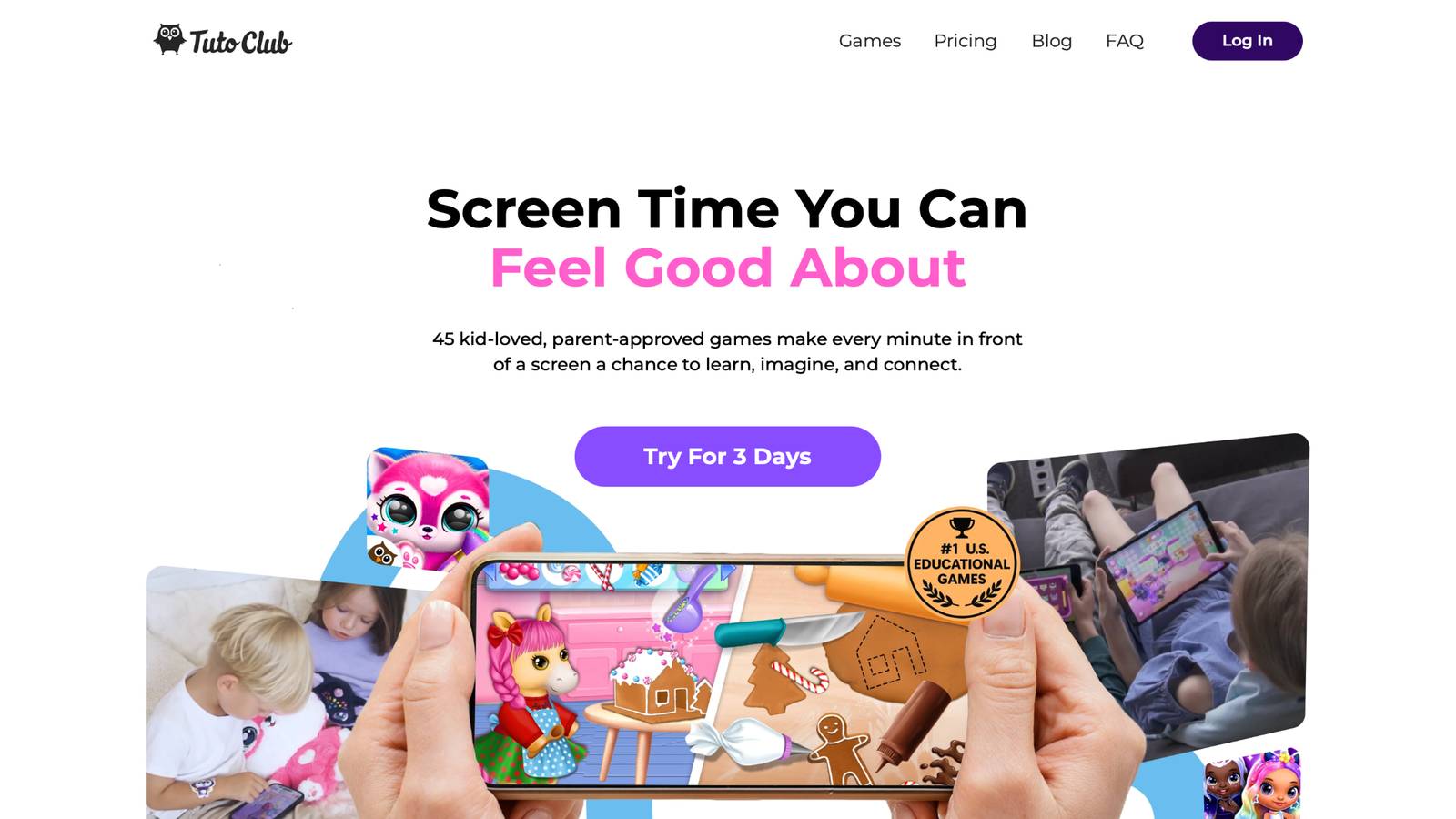
TutoClub brings together more than 45 ad-free games from the TutoTOONS collection that help young children grow through creative adventures and meaningful play. Families enjoy this safe platform where kids explore different subjects without any interruptions or distractions pulling them away. The games blend fun elements with natural development so curiosity and care grow alongside focus and empathy in a relaxed way. Children dive into art tasks and storytelling that spark imagination while puzzles sharpen problem solving and routines build helpful habits.
This collection supports preschoolers with activities that feel like everyday play yet guide skill building gently. Kids care for virtual pets or style outfits in scenarios that teach responsibility and compassion through hands-on choices. The wide variety of characters and worlds keeps sessions exciting and fresh so children stay engaged longer. Parents notice how the content fits busy family schedules and promotes positive screen time that supports overall growth without any added stress.
Key features
- Safe ad-free games centered on creativity and emotional development
- Interactive stories and puzzles that strengthen problem-solving and daily routines
- Diverse characters and scenarios to maintain high motivation
- Adaptive challenges that match each child's current abilities
- Offline play option for learning on the go
Facts and Information
TutoClub delivers steady positive experiences that many parents choose for daily learning. The games help children build essential abilities in a calm format that matches family life. Regular use often leads to noticeable improvements in focus and emotional awareness.
3. Khan Academy Kids
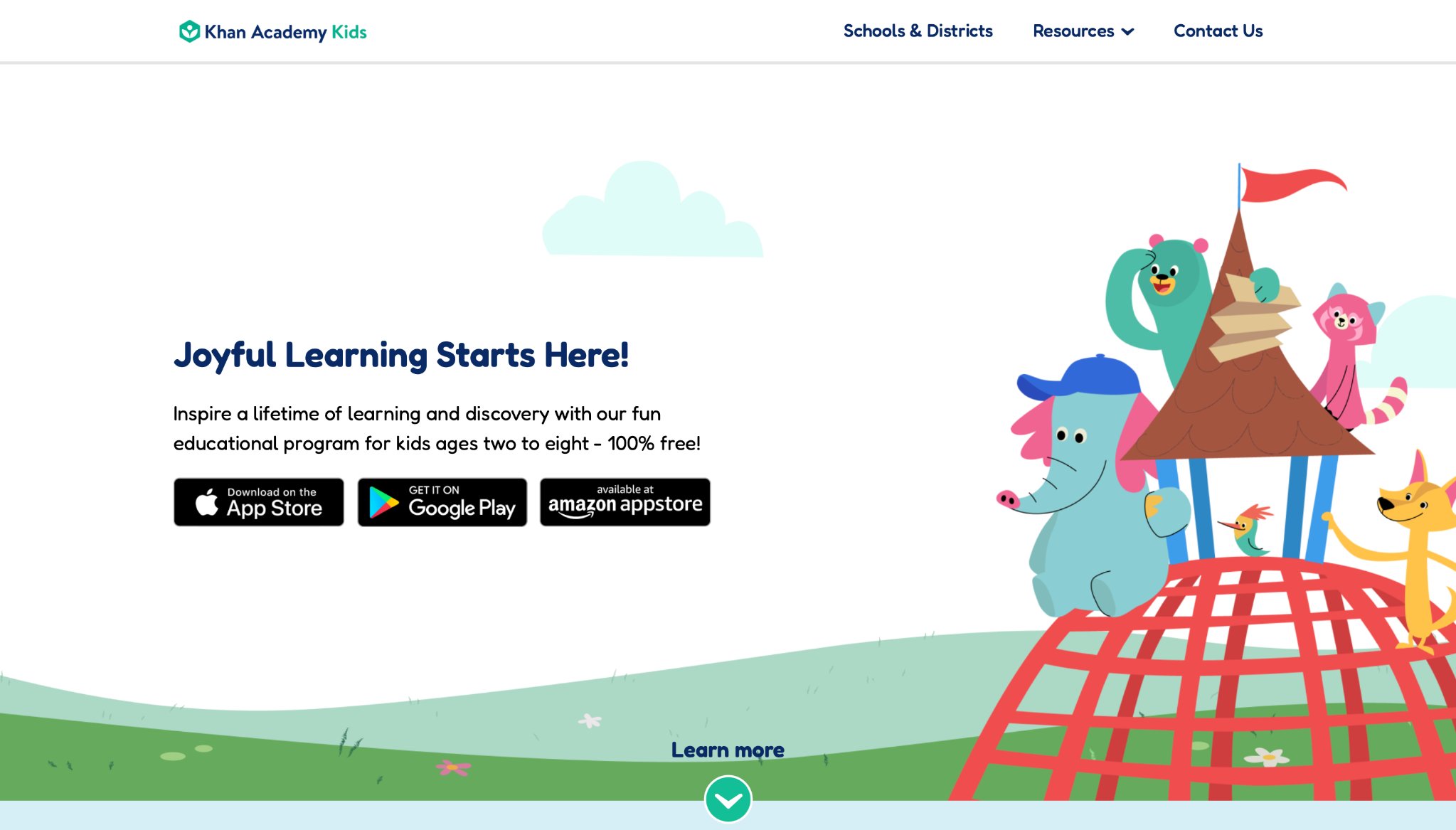
Khan Academy Kids offers a completely free collection of educational activities centered on reading, math, and social-emotional learning for children ages 2 to 8. Friendly animal guides lead young players through interactive lessons, original storybooks, videos, and creative tasks that adjust automatically to each child’s pace and current skill level. The app covers phonics practice, letter recognition, counting, shapes, early addition concepts, and emotional skills such as identifying feelings and practicing kindness in a format that feels more like joyful discovery than formal lessons. A guided learning path supports steady progress while a separate library mode lets children freely choose books, games, and activities that match their mood. Designed with education experts and aligned to early learning standards, the entire experience remains free of ads and in-app purchases. Parents receive simple progress insights that show growth across key areas without creating pressure or comparison.
- Key features: Adaptive learning path, extensive library of books and interactive activities, coverage of literacy, math, and social-emotional skills, completely free and ad-free design
- Highlights: Expert-designed content, clear progress insights for parents, engaging animal character guides, flexible free-choice and guided modes, strong early skill foundations
4. Endless Alphabet
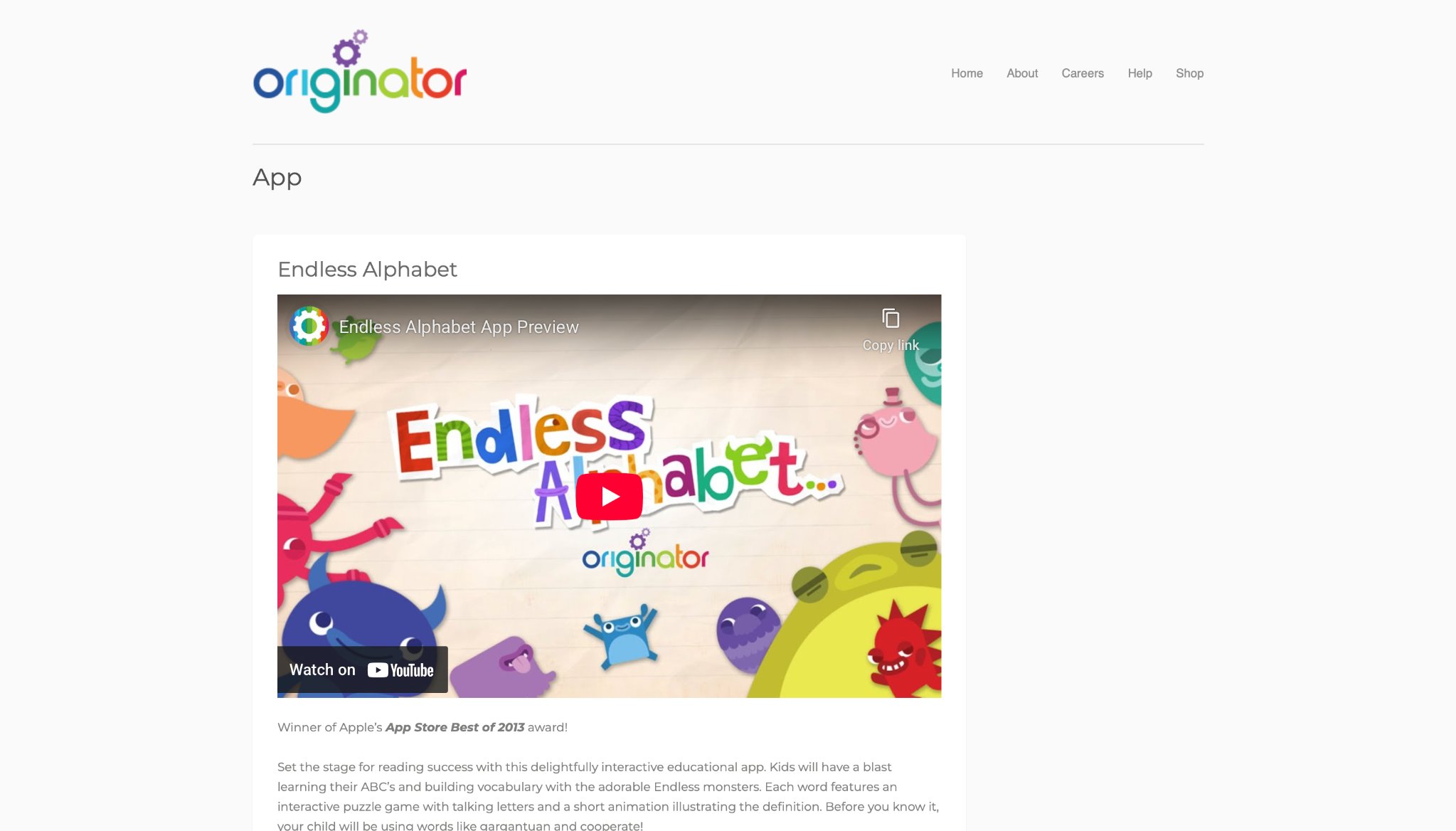
Endless Alphabet transforms vocabulary building into lively interactive word puzzles filled with animated monsters for children ages 2 to 6. Kids drag living letters into place while hearing clear phonetic sounds for each letter, then watch short, humorous animations that bring the full word’s meaning to life in memorable ways. The simple touch controls and large interactive elements suit small hands and short attention spans perfectly, turning letter awareness and new vocabulary into light, engaging play rather than repetitive drill work. Bright visuals, playful sound effects, and silly character actions help new words stick through natural, enjoyable repetition. This focused educational game supports early language skills without overwhelming young learners or introducing pressure to perform. Many families use it in short daily sessions to expand everyday vocabulary and strengthen phonics foundations before children move on to more complex reading activities.
- Key features: Interactive letter puzzles with phonetic feedback, animated word definitions, simple toddler-friendly controls, strong focus on vocabulary and letter awareness
- Highlights: Humorous monster animations, clear sound support for phonics, short engaging sessions, natural repetition that supports memory, excellent early language growth tool
5. PBS Kids Games
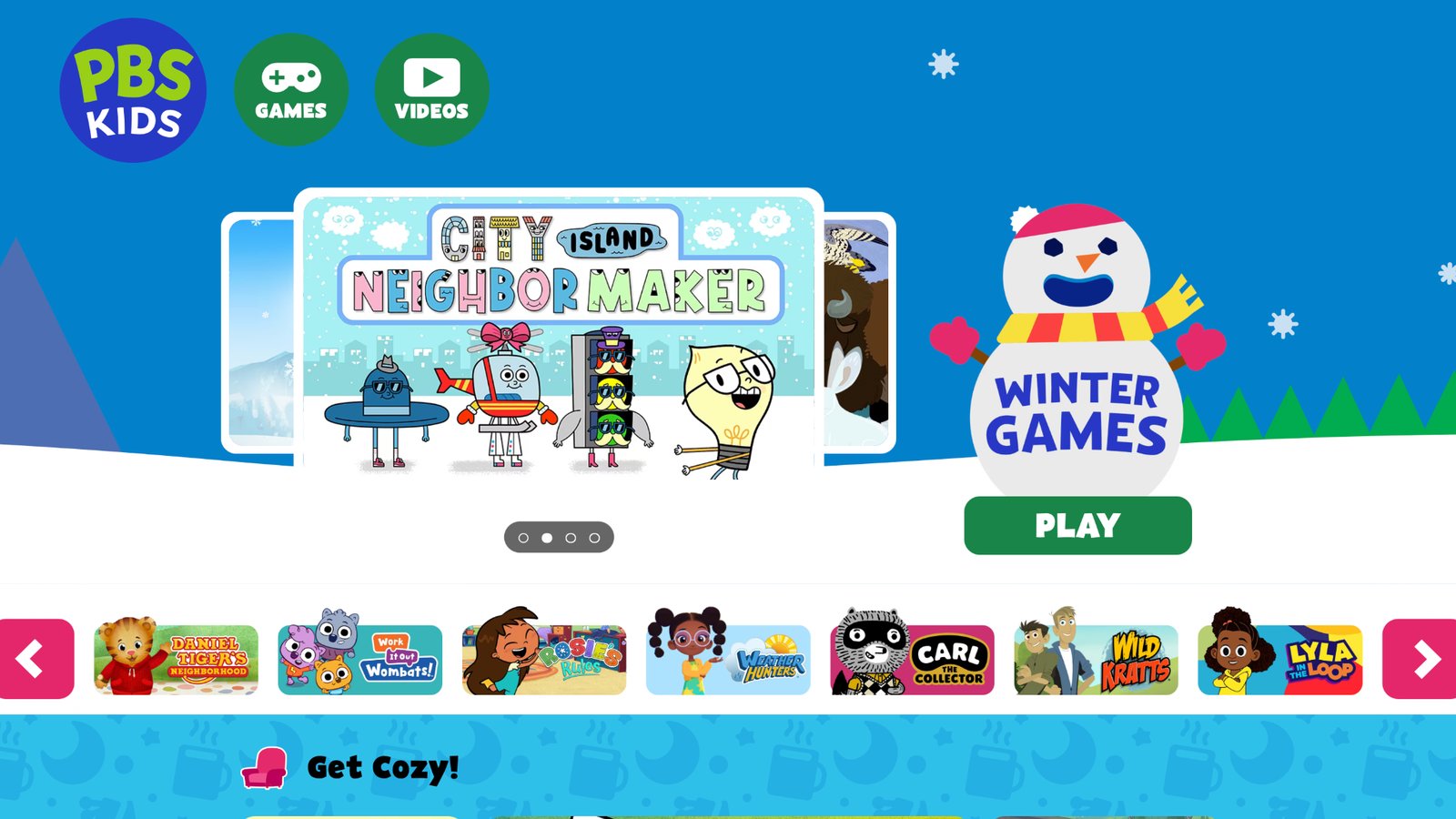
PBS Kids Games brings familiar characters from trusted shows such as Daniel Tiger’s Neighborhood and Curious George into short educational activities designed for ages 2 to 8. Children practice letters, numbers, problem-solving, and social skills through mini-games that feel naturally connected to the stories and characters they already know and love. The entire collection stays completely ad-free and offers quick, structured play sessions that match typical preschool attention spans without lasting too long. Activities reinforce early literacy, counting, sorting, and emotional learning inside a safe digital space built on established educational standards. Independent play or gentle co-play with a parent both work well, making the games easy to fit into daily routines at home or on the go.
- Key features: Character-based mini-games, completely ad-free environment, coverage of literacy, numbers, problem-solving, and social skills, short structured sessions
- Highlights: Familiar TV characters, educational standards alignment, independent or co-play flexibility, safe and trusted content, strong support for both academic and social growth
6. Sago Mini World
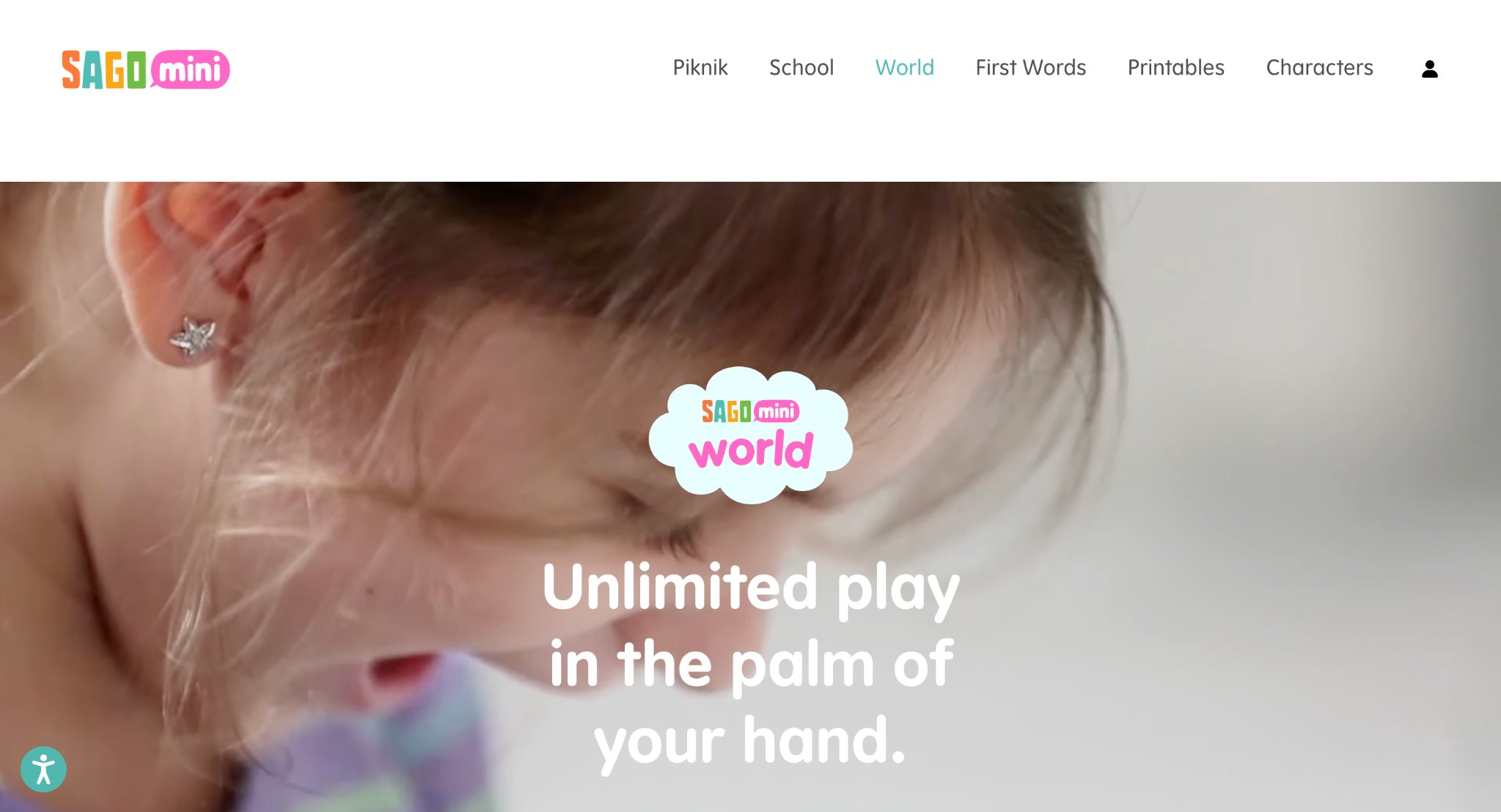
Sago Mini World collects a variety of gentle, open-ended play experiences created especially for toddlers ages 2 to 5. Children explore creative scenarios without scores, levels, timers, or pressure, focusing instead on imagination, cause-and-effect thinking, and simple social-emotional moments. Soft visual design, calm pacing, and limited stimulation create an environment that supports pure play while still nurturing early developmental skills. The collection of mini-worlds encourages storytelling, pretend play, and discovery through simple interactions perfectly suited to young hands and developing motor skills. Families often choose this option when they want digital experiences that feel closer to traditional open-ended play with physical toys than to structured lessons or goal-driven games. This approach fosters creativity, independent exploration, and a sense of calm focus in a safe space that complements more guided educational games focused on language, numbers, or sorting. For three-year-olds, the low-pressure format helps maintain a positive relationship with screen time while quietly supporting attention, curiosity, and imaginative thinking.
- Key features: Open-ended creative play worlds, low-stimulation design, focus on imagination and social-emotional skills, simple toddler-friendly interactions
- Highlights: No scores or pressure, calm pacing, storytelling and pretend-play support, gentle cause-and-effect exploration, ideal for pure imaginative play
7. Toca Boca World
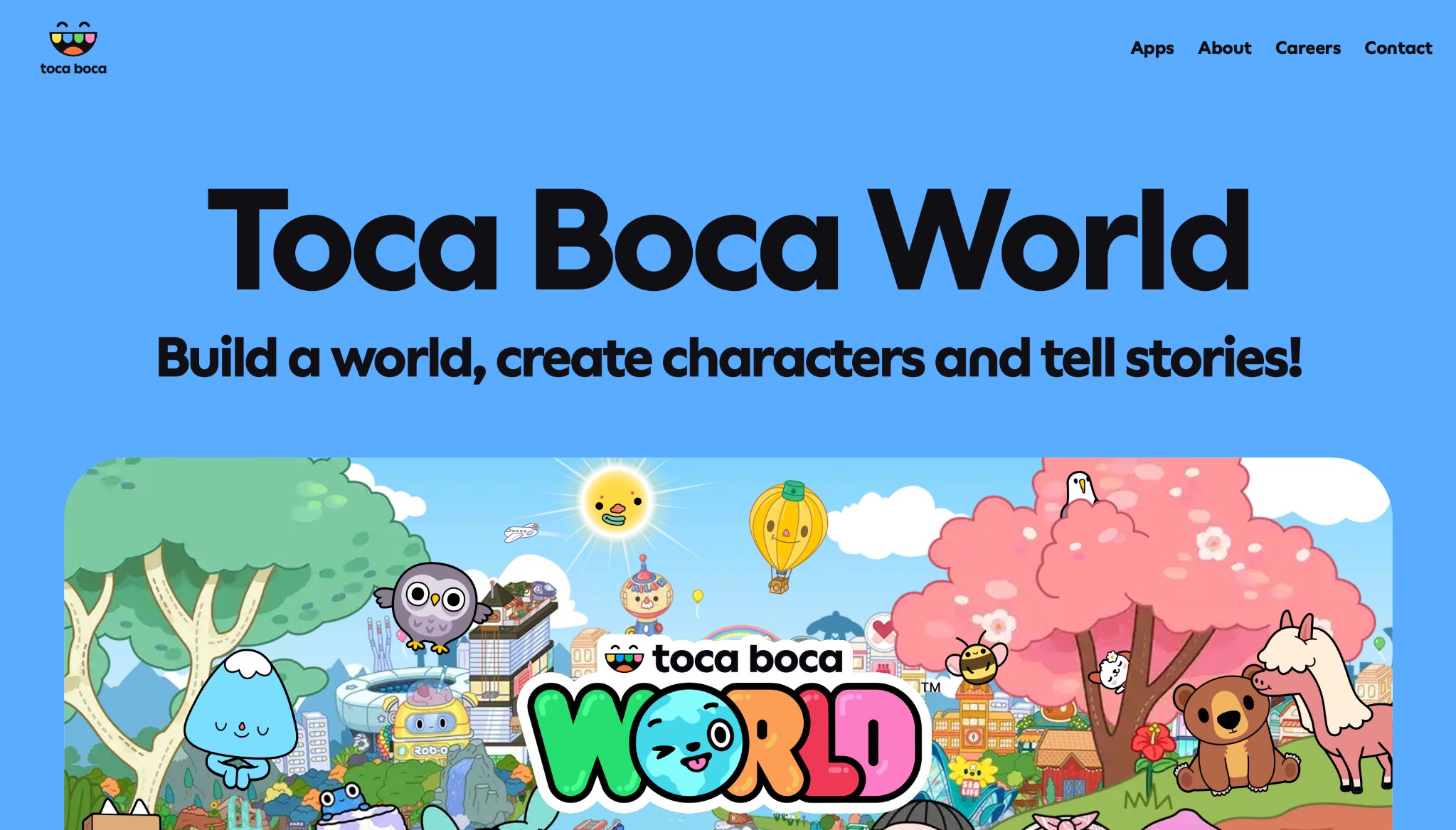
Toca Boca World functions as a large digital sandbox where children create stories, dress characters, arrange scenes, and act out everyday situations starting around age 3. The completely open format prioritizes imagination and role-play with no fixed goals, points, levels, or instructions, giving kids full freedom to experiment and invent. Bright, inviting visuals and a wide range of characters and environments invite exploration of real-life scenarios such as home life, community settings, or simple adventures. This creative freedom helps preschoolers practice narrative thinking, spatial awareness, sequencing, and social understanding through unstructured digital play that feels natural and open-ended. Many families use it alongside more structured educational games to balance guided skill practice with pure imaginative experiences. The absence of pressure or failure keeps the focus on joyful discovery and self-directed play. For three-year-olds, the sandbox style supports early creative expression and problem-solving in a format that encourages long, relaxed sessions of independent storytelling and role exploration without overwhelming instructions or expectations.
- Key features: Open sandbox for storytelling and role-play, extensive character and scene customization, no scores or fixed goals, strong creative freedom
- Highlights: Unstructured imaginative play, real-life scenario exploration, spatial and narrative skill support, completely pressure-free design, excellent for creative expression
8. ABCmouse
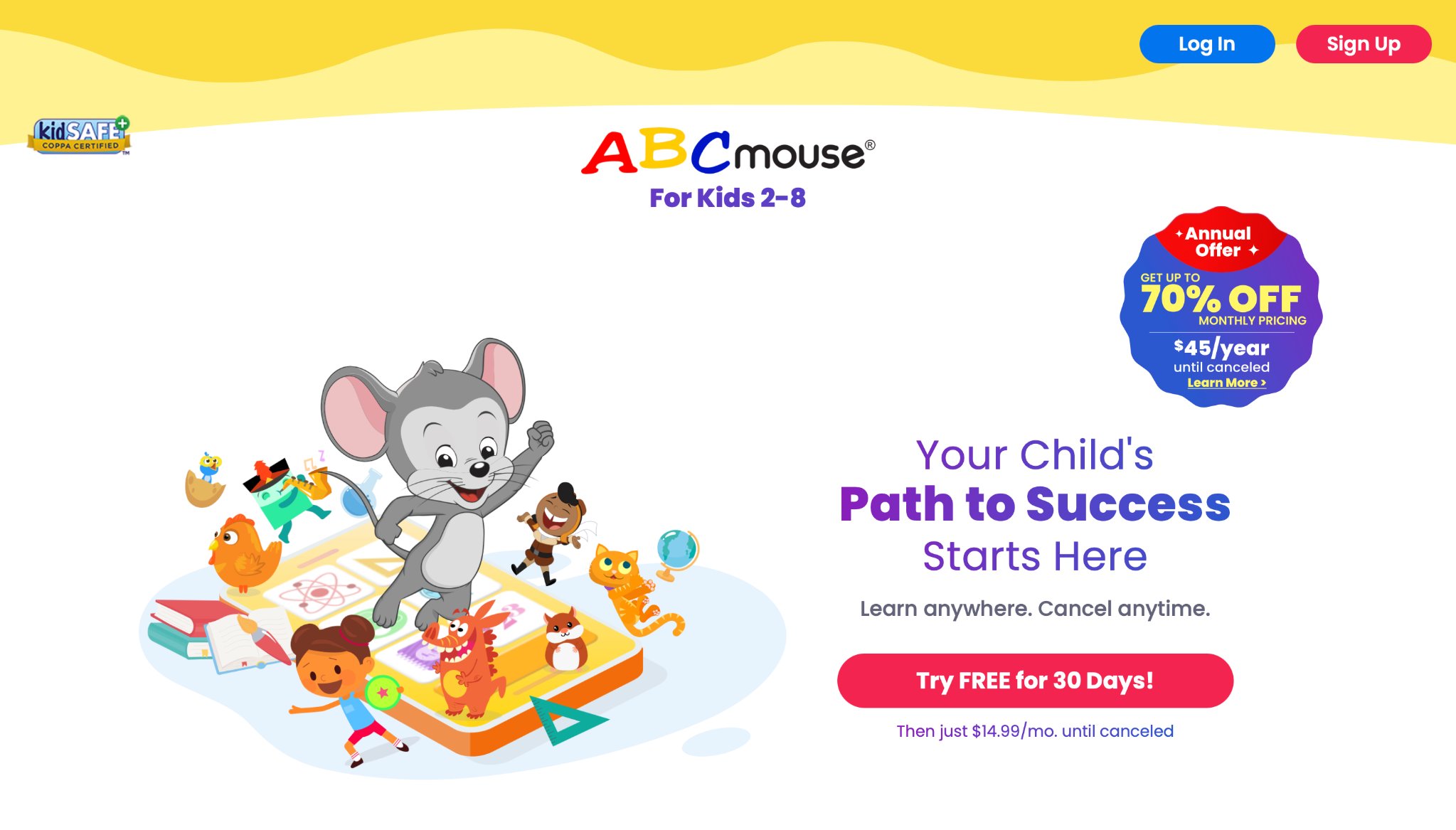
ABCmouse provides a structured early learning path that covers reading, math, science, art, and music for children from preschool through early elementary ages. Interactive lessons progress through clear levels with games, books, videos, and creative tools that guide children step by step through phonics, counting, problem-solving, and basic science concepts. Themed worlds and colorful characters keep interest high while a consistent curriculum-style experience builds foundational knowledge through repeated yet playful practice. Parent tracking tools offer clear overviews of advancement across multiple subjects so families can see progress over time. This comprehensive approach suits families seeking a broad range of educational content in one place for three-year-olds who are ready to explore several skill areas while still enjoying a strong sense of fun and discovery. The mix of academic practice and creative activities supports well-rounded early development. Short lessons and positive feedback help maintain motivation without creating pressure, making the experience approachable for young preschool learners who benefit from gentle structure combined with playful interaction.
- Key features: Progressive learning path across multiple subjects, interactive games and digital books, creative art and music tools, parent progress tracking
- Highlights: Curriculum-style structure, engaging themed worlds, broad skill coverage including phonics and counting, consistent guided yet playful practice
9. Duolingo ABC
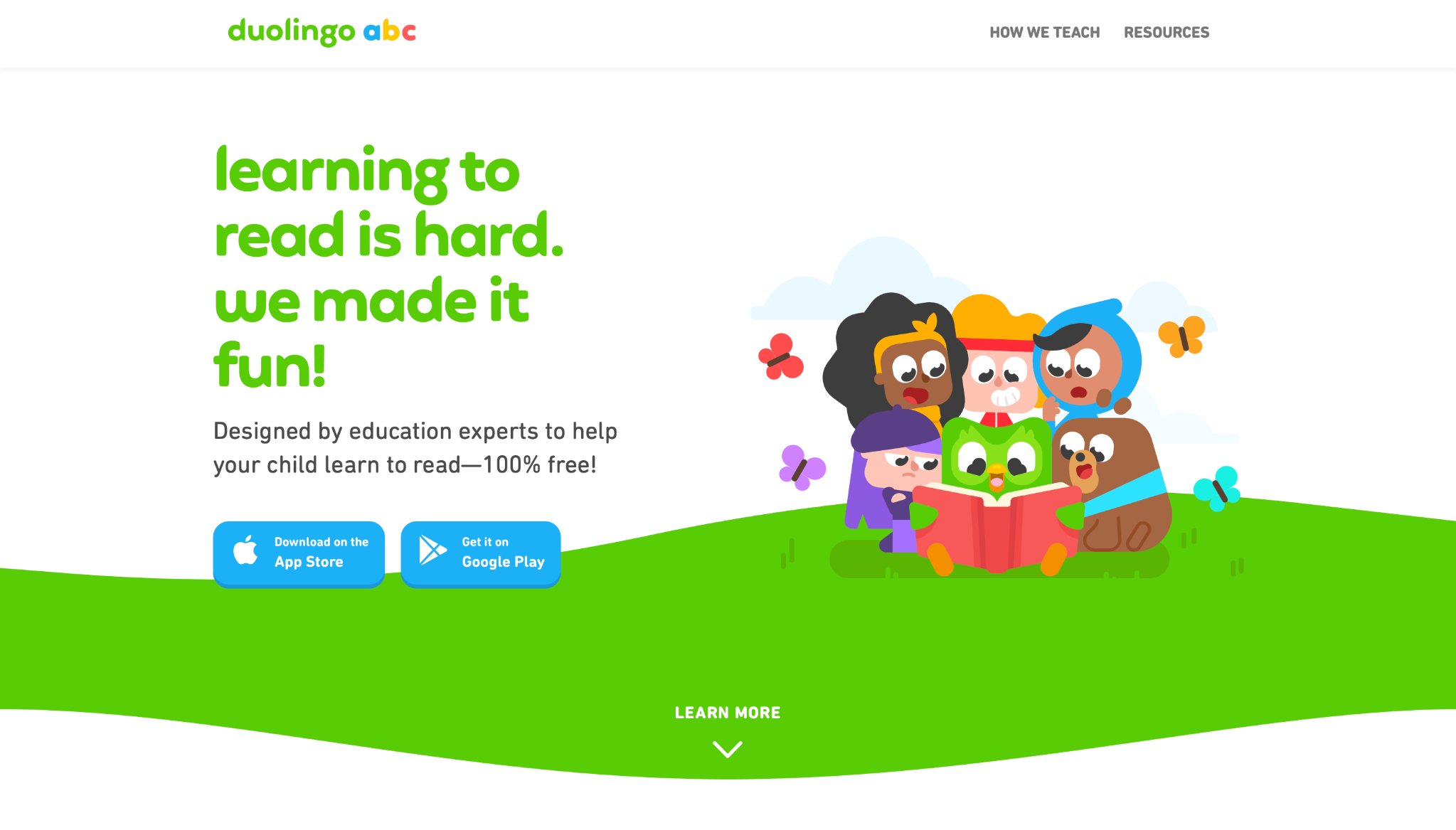
Duolingo ABC focuses tightly on early reading and phonics through short, game-like lessons designed specifically for young pre-readers. Activities introduce letter sounds, simple word building, and basic reading skills in a friendly, colorful format that keeps individual sessions brief and engaging. The design draws from proven language-learning methods that have been carefully adapted for preschool attention spans and developmental stages, supporting foundational literacy without pressure or frustration. Bright characters and immediate clear feedback help three-year-olds build confidence with sounds and words at a comfortable pace. Short bursts of practice fit naturally into a preschooler’s day and pair well with other educational games focused on broader language growth. This targeted option strengthens phonics awareness and early reading readiness in a light, game-style approach that makes letter and word practice feel approachable and rewarding rather than formal.
- Key features: Short phonics and early reading lessons, letter sound and word-building practice, game-like format with clear feedback, pre-reader focused design
- Highlights: Brief engaging sessions, confidence-building feedback, strong phonics support, approachable for young beginners, effective early literacy foundation tool
10. Montessori Preschool by Edoki Academy
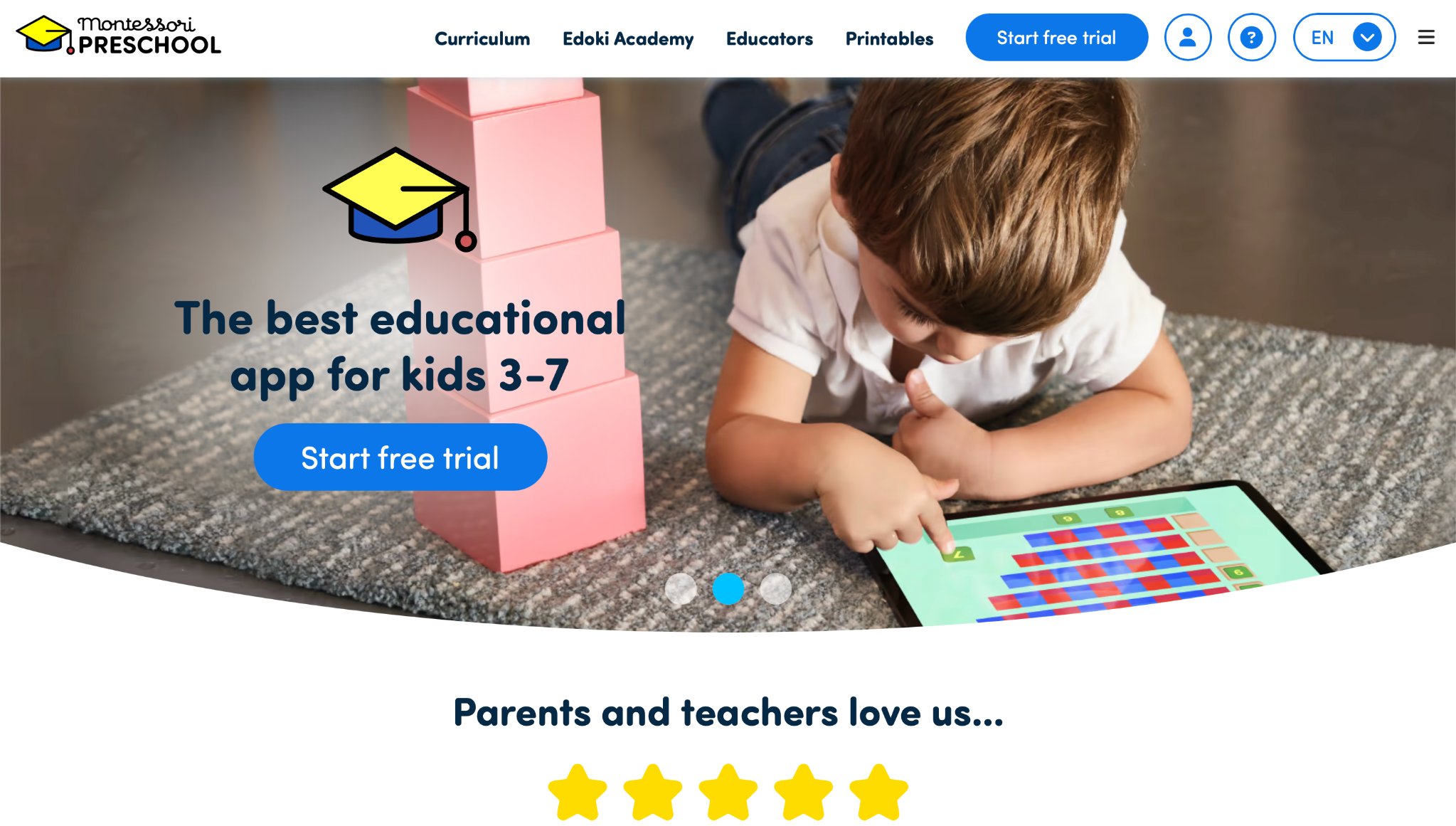
Montessori Preschool by Edoki Academy follows classic Montessori principles with carefully designed activities for literacy, numeracy, and practical life skills. Children work at their own pace through sequenced tasks that encourage independent exploration, concentration, and self-correction. Clean interfaces and focused exercises support letter recognition, number sense, sorting, and simple practical activities in ways that respect each child’s individual readiness and natural curiosity. The approach emphasizes hands-on digital experiences that intentionally mirror the feel and purpose of traditional Montessori materials. Families seeking structured yet self-directed play often find this format especially helpful for building focus, independence, and early academic foundations. This style of educational game complements other preschool options by offering a calm, progressive path suited to three-year-olds who are developing foundational skills through independent discovery rather than constant external direction. The overall experience feels ordered, peaceful, and respectful of the child’s emerging abilities.
- Key features: Montessori-aligned sequenced activities, literacy and numeracy exercises, practical life skill tasks, fully self-paced independent exploration
- Highlights: Clean focused interface, strong respect for individual readiness, concentration-building design, hands-on digital learning style, calm progressive structure
11. Pok Pok
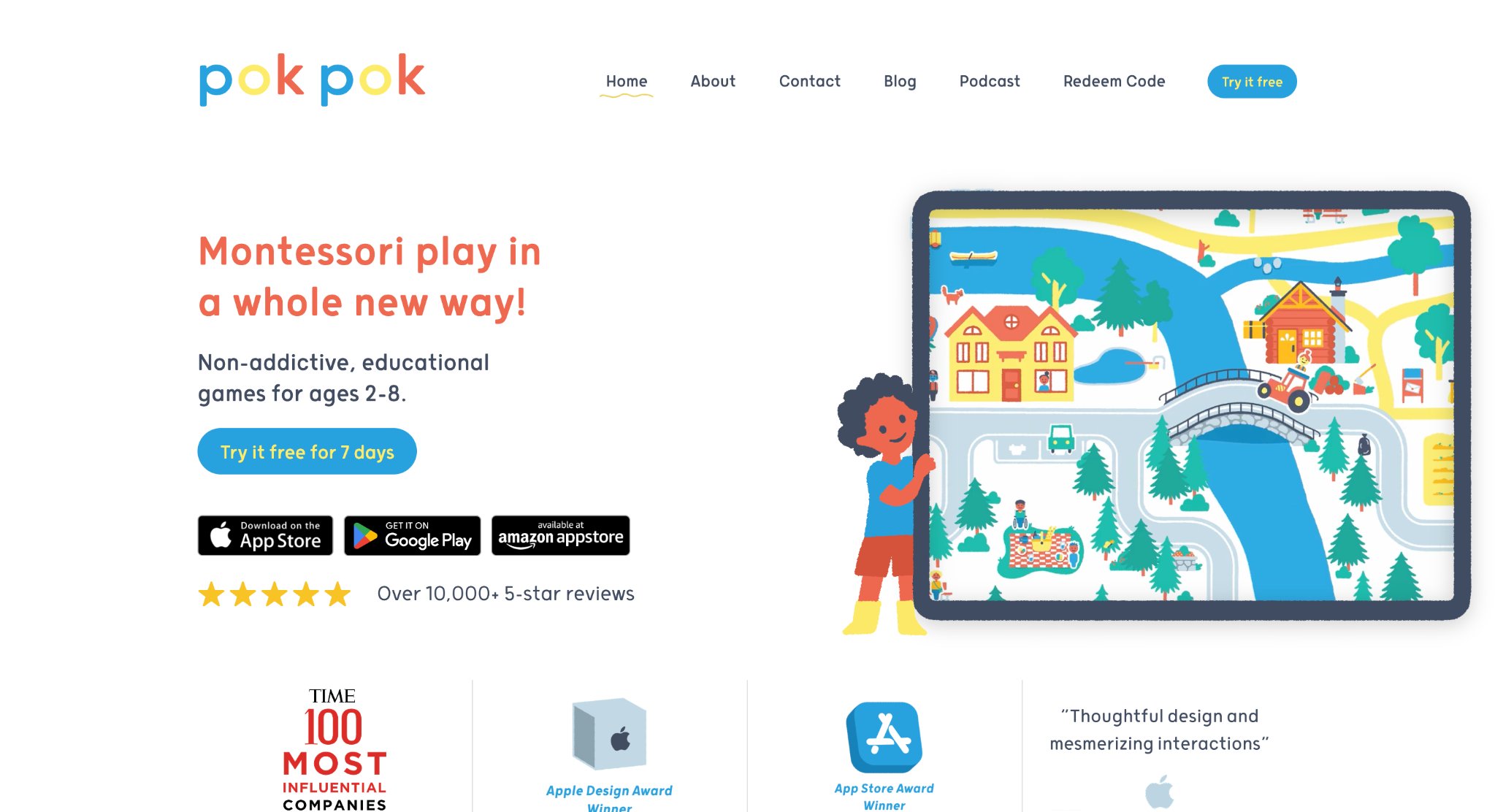
Pok Pok creates a digital toy room inspired by Montessori ideas where children freely manipulate virtual objects in calm, open-ended ways. Activities support fine motor skills, curiosity, cause-and-effect thinking, and quiet concentration without any rewards, levels, scores, or high stimulation. The gentle visual design and simple interactions suit quiet play time and encourage independent discovery through tactile-feeling virtual toys. Young learners explore objects that respond in clear, purposeful ways, fostering creativity and sustained attention. This low-pressure format works especially well for three-year-olds who benefit from digital experiences that feel closer to traditional open play with physical toys. Many parents include it when seeking educational games that prioritize exploration, calm engagement, and self-directed learning alongside more structured skill-building activities. The absence of goals or feedback loops keeps the focus purely on discovery and sensory-motor exploration in a peaceful digital environment.
- Key features: Virtual toy room interactions, fully open-ended object manipulation, fine motor and cause-and-effect support, low-stimulation design
- Highlights: No rewards or levels, Montessori-inspired calm play, strong independent discovery focus, gentle creativity and concentration support
12. Homer
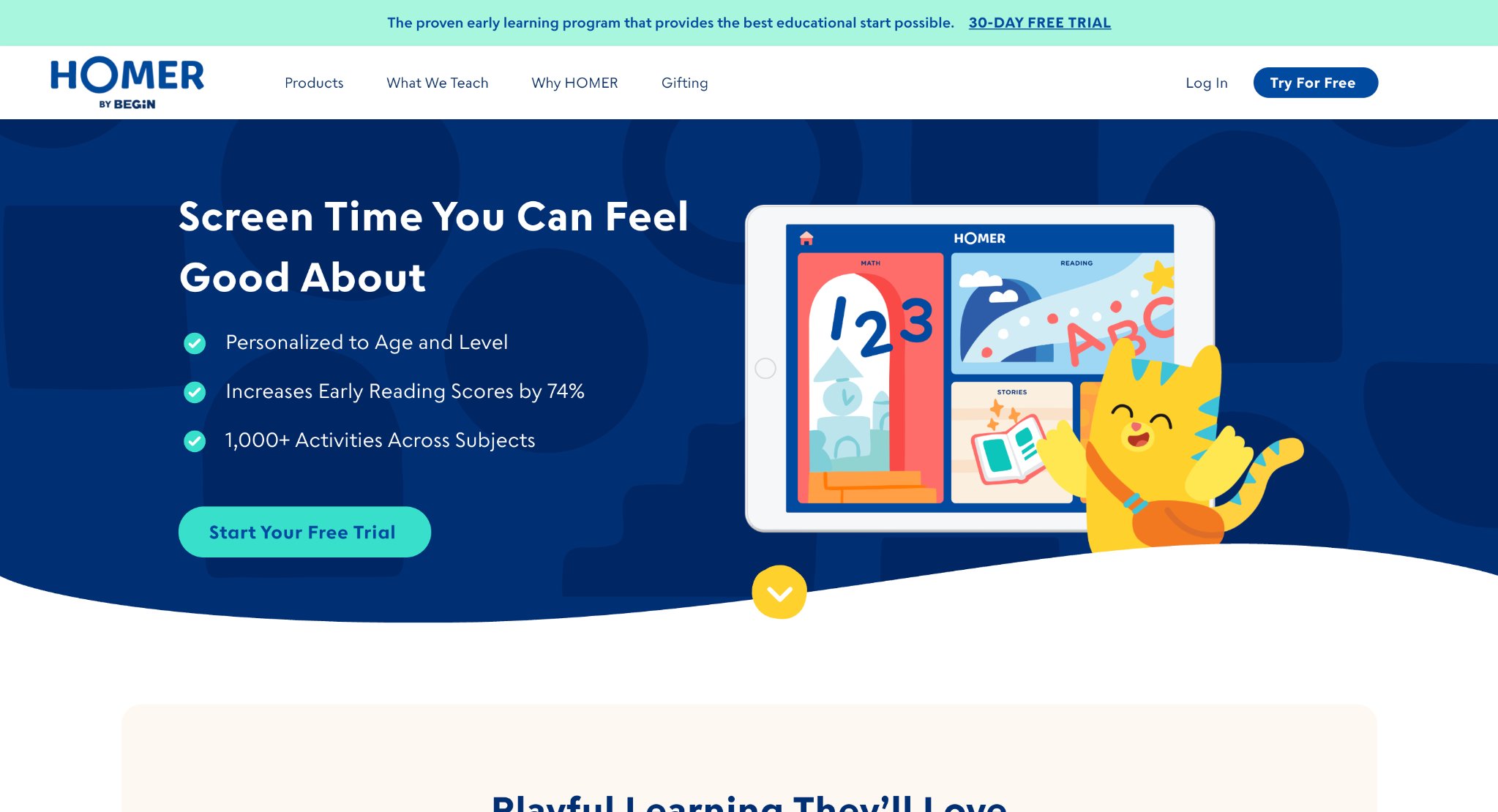
Homer provides personalized early learning paths focused primarily on reading, with additional support for math and social-emotional skills for young children. Adaptive activities introduce letters, sounds, blending, counting, and simple stories in engaging formats that adjust to each child’s current progress and responses. Colorful characters and interactive lessons keep preschoolers interested while steadily building foundational literacy and number confidence. Parent insights and progress views help families track growth across key early skill areas. The structured yet playful approach supports three-year-olds who are developing early reading readiness and basic math sense through consistent, confidence-building practice. This option fits families looking for guided educational games that combine strong phonics work with broader skill support in a warm, encouraging digital environment designed for steady progress without pressure or comparison.
- Key features: Personalized adaptive learning paths, strong phonics and reading activities, early math and social-emotional content, parent progress insights
- Highlights: Colorful character guides, adjustable difficulty based on performance, broad early skill coverage, supportive structured play style
13. Lingokids
Lingokids centers on language and vocabulary growth through a mix of games, songs, and interactive activities designed for ages 2 to 8. Children explore English words, phrases, and everyday concepts via playful scenarios that encourage speaking, listening, recognition, and simple expression. Bright visuals, lively music, and engaging characters make the learning process feel energetic and memorable for preschoolers. The format supports early communication foundations while introducing topics from daily life in a natural way. Short sessions suit young attention spans and pair easily with other educational games focused on phonics and broader vocabulary. Families appreciate the clear emphasis on language development that helps three-year-olds expand both receptive and expressive skills through fun, repetitive, and encouraging digital play. The combination of music, movement, and interactive stories creates a multi-sensory experience that keeps young learners motivated and engaged.
- Key features: Language and vocabulary games, songs and interactive scenarios, speaking and listening practice, everyday topic exploration
- Highlights: Bright visuals and music, short session design, early communication focus, playful multi-sensory language growth support
14. Teach Your Monster to Read
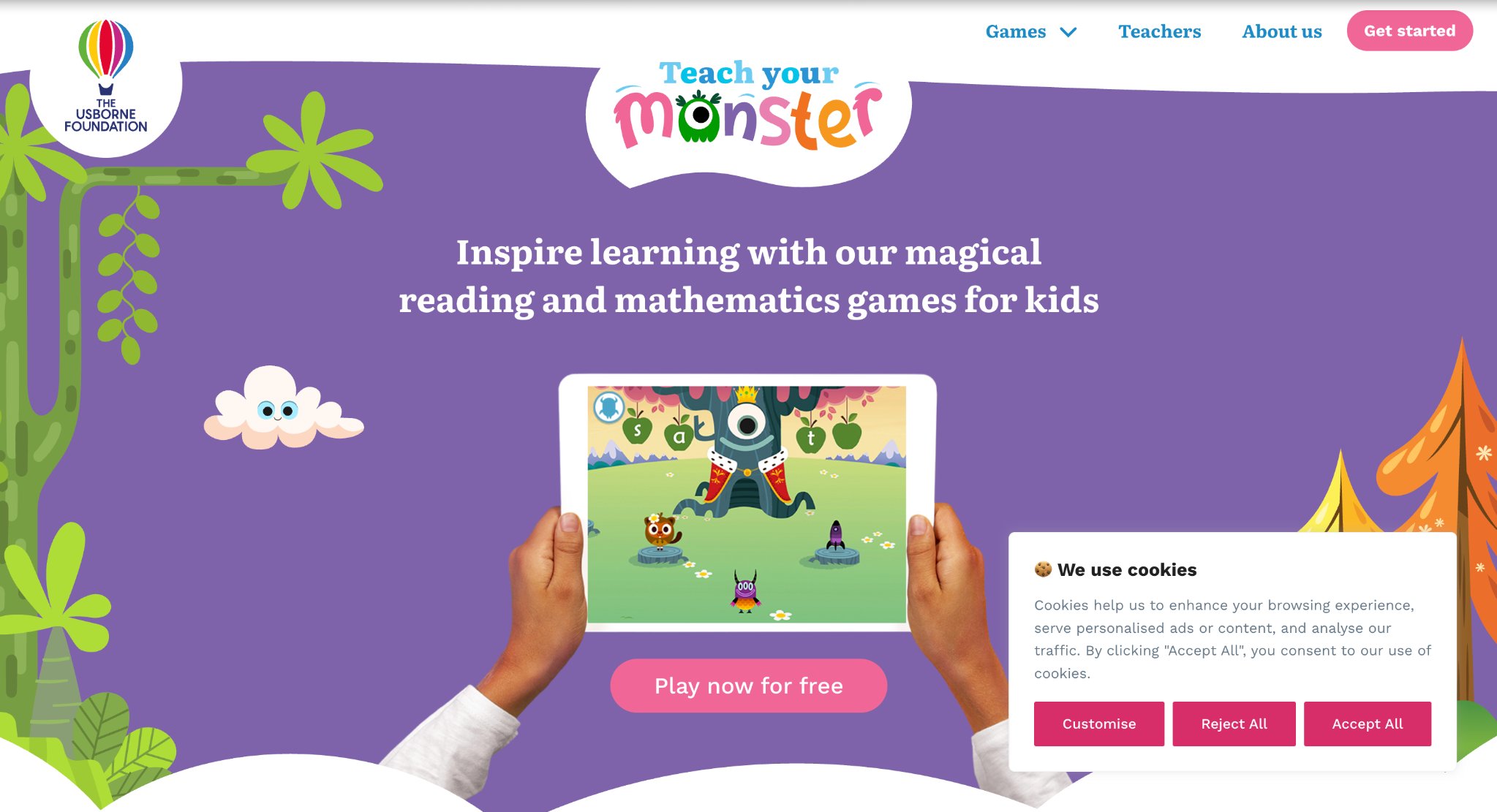
Teach Your Monster to Read guides children through phonics and early reading skills with an adventure-style game that features a fully customizable monster character. Kids practice letter sounds, blending, segmenting, and simple words while progressing through a series of fun challenges and story moments. The narrative-driven format keeps motivation high for preschool and early elementary learners by turning skill practice into an exciting journey. Clear progression and positive reinforcement support foundational literacy skills in a playful, non-pressured setting. Designed with input from reading specialists, the game helps three-year-olds and slightly older children build reading confidence through repeated yet rewarding practice. This focused educational game complements broader learning options by offering targeted phonics support that feels like an engaging adventure rather than formal instruction, making early reading practice enjoyable and memorable.
- Key features: Adventure-style phonics progression, customizable monster character, letter sound and blending practice, story-driven challenges
- Highlights: Specialist-informed design, high motivation through narrative, clear skill progression, strong confidence-building early reading focus
15. Starfall
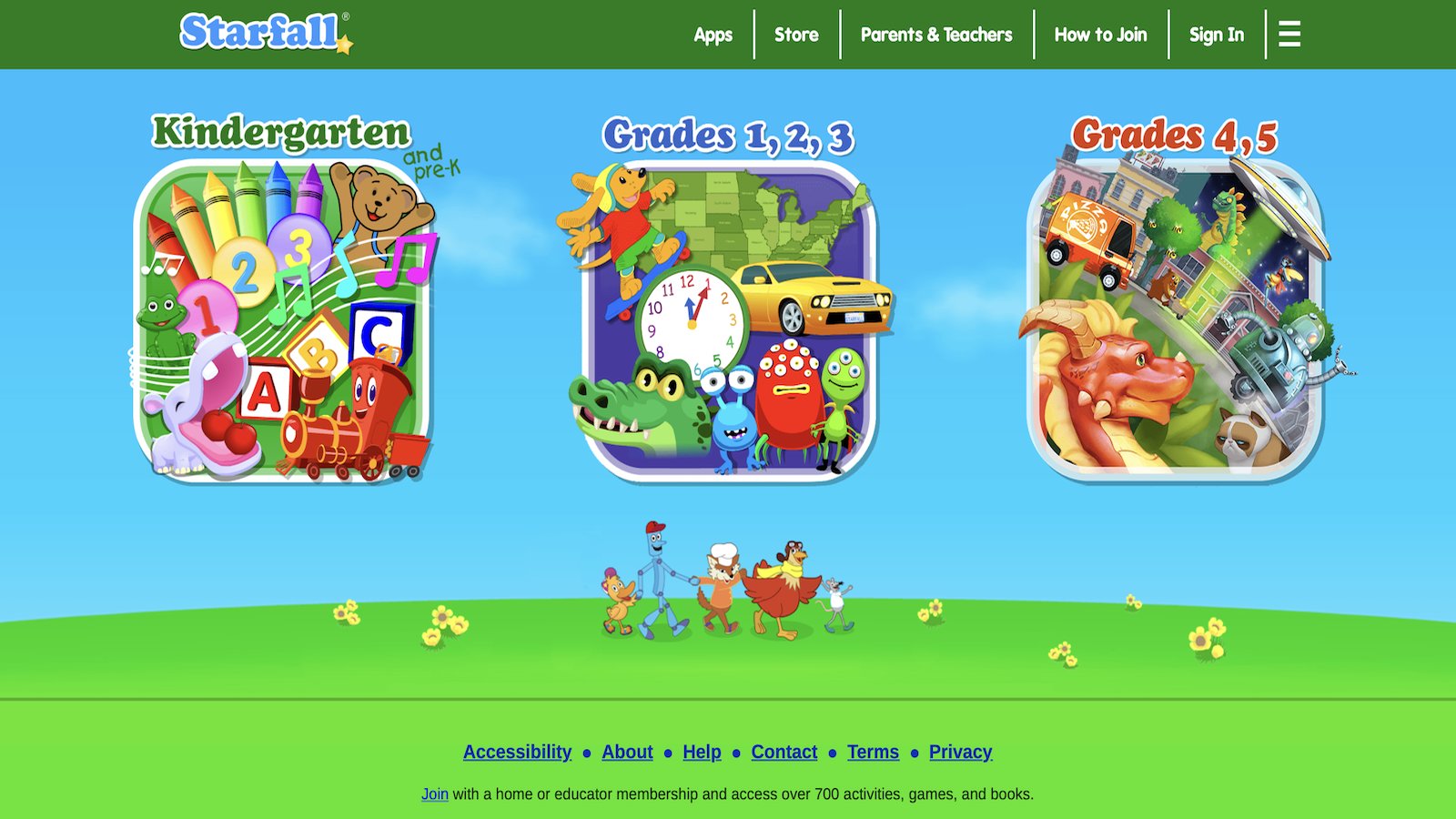
Starfall emphasizes reading and early math foundations through a collection of interactive games, songs, and digital books designed for young learners. Activities introduce phonics, sight words, letter recognition, and basic counting with consistent positive reinforcement that builds confidence and persistence. Multisensory elements engage both sight and sound to support early skill development in a gentle, encouraging way. The calm pacing and clear structure suit preschoolers who are just beginning to explore letters and numbers without any sense of pressure or rush. Free core content makes the platform accessible for families seeking educational games that reinforce literacy and simple math concepts. This long-standing option helps three-year-olds practice foundational skills in a bright, supportive environment that pairs naturally with other play-based learning experiences focused on early academic growth and a positive attitude toward reading and numbers.
- Key features: Interactive phonics and reading games, songs and digital books, basic counting activities, multisensory engagement
- Highlights: Positive reinforcement style, gentle pacing for young learners, free core content, strong early literacy and math support
How to Choose Games That Match Your Child’s Stage
Three-year-olds thrive with short sessions of 10 to 15 minutes. Rotate between language practice, simple counting, sorting tasks, and creative role-play to keep interest high. Observe what holds attention longest and build from there.
Apps that adapt difficulty or offer both guided and free-choice modes help children stay in the sweet spot of challenge without frustration. Pair digital play with offline follow-up such as talking about professions or practicing a new word during daily routines.
Progress reports or simple parent dashboards give useful feedback on emerging strengths. Prioritize designs created with child development input so the pacing and visuals support emotional safety as well as skill growth. Educational games online offer helpful guidance. Parents also explore apps for learning and the educational app for kids when matching options to their child’s needs. Pattern recognition games and early literacy games further support targeted skill building.
Supporting Healthy Screen Habits Alongside Learning
Balance remains key. Use educational games as one part of a wider day that includes outdoor play, books, and real-world exploration. Sit with your child for the first few sessions to model engagement and talk about what they discover.
Set clear time limits and end with a positive note so the experience stays enjoyable. Many families find that psychologist-designed content reduces guilt because the time spent clearly builds language, focus, or practical habits. Free printables or offline extensions from quality apps help carry learning beyond the screen. Fun educational games online show how play can stay purposeful. SEL games for kids and reading readiness activities add emotional and literacy support that extends into daily life. Exploring educational games for kids online helps families keep screen time positive and developmentally helpful.
FAQ
What skills do the best educational games for 3 year olds build?
The strongest educational games for 3 year olds support early language and phonics through stories and interactive word play, while number games grow counting confidence and basic math sense. Logic and attention activities sharpen focus, and sorting tasks improve comparison skills that help children notice patterns in everyday objects. Many also introduce practical life skills and creativity by letting kids explore real-world routines or professions, which expands vocabulary and sparks curiosity about daily roles. This mix of active challenges and calmer story-style play builds both cognitive foundations and emotional awareness in a way that feels natural.
How long should a 3-year-old play educational games each day?
Short sessions of about 10 to 15 minutes work best for three-year-olds because they match young attention spans and keep the experience enjoyable. Spreading a few brief play periods throughout the day often feels more productive than one longer stretch, allowing children to return to favorite activities when interest is high. Watching energy levels and ending on a positive note helps maintain a healthy attitude toward learning. Pairing digital time with offline follow-up, such as talking about a new word or practicing a simple routine, strengthens the connection between screen play and real life.
Are psychologist-designed games better for preschoolers?
Games developed with child psychologists tend to match developmental stages more closely by balancing focus, play, and emotional safety. They use age-appropriate visuals, pacing, and tasks that avoid overstimulation while still supporting language, numbers, logic, and life skills. Expert input helps create content that feels safe and builds confidence through guided discovery rather than pressure. Parents often feel more comfortable with these options because the design prioritizes healthy growth alongside fun. Why psychologist-designed apps boost Pre-K learning outcomes explains the advantages clearly.
Can educational games replace other learning activities?
Fun educational games work best as a helpful supplement rather than a full replacement for other experiences. Real-world conversation, outdoor exploration, books, and hands-on play remain essential for well-rounded development. Quality digital options reinforce skills in a fun format and can spark questions or ideas that continue offline, creating richer overall learning. Combining short game sessions with everyday routines and free play helps children transfer new vocabulary, counting confidence, or sorting abilities into daily life. The most effective approach treats screen time as one positive part of a broader day filled with varied activities.
What features make educational games suitable for three-year-olds?
Top-rated educational games for three-year-olds use simple touch controls, large buttons, and short tasks that match small hands and limited attention. Content covering language, early math, logic, sorting, and practical routines keeps play varied and meaningful while staying ad-free and age-appropriate. Designs created with child development expertise often include both active problem-solving modes and calmer story experiences so children can move between focused challenges and relaxed exploration.
Read Also
- Why Psychologist-Designed Apps Boost Pre-K Learning Outcomes
- Best Educational Games Online 2026
- Best Apps for Learning 2026
- What to Look for in Top-Rated Educational Games for Children
- Best Educational Games for Children 2026
Give your child screen time that builds real skills with Fluvsies Academy.