

Best Online Games for 6 Year Olds 2026






Six year olds love games that challenge their growing minds while keeping the fun alive. Best online games for 6 year olds support reading fluency, basic math operations, logic puzzles, focus, and creative thinking. These options turn screen time into meaningful moments of discovery and confidence.
Parents seeking more variety can easily expand their child’s learning journey with these excellent picks. The best app for kids learning, best kids math learning app, best learn to read app for kids and best sight word games for kids offer the perfect balance of entertainment and skill development, helping 3- to 7-year-olds grow in confidence while having a great time.
Discover the Best Online Games for 6 year Olds 2026 - Fluvsies Academy!
How Online Games Help 6 Year Olds Prepare for Grade 1
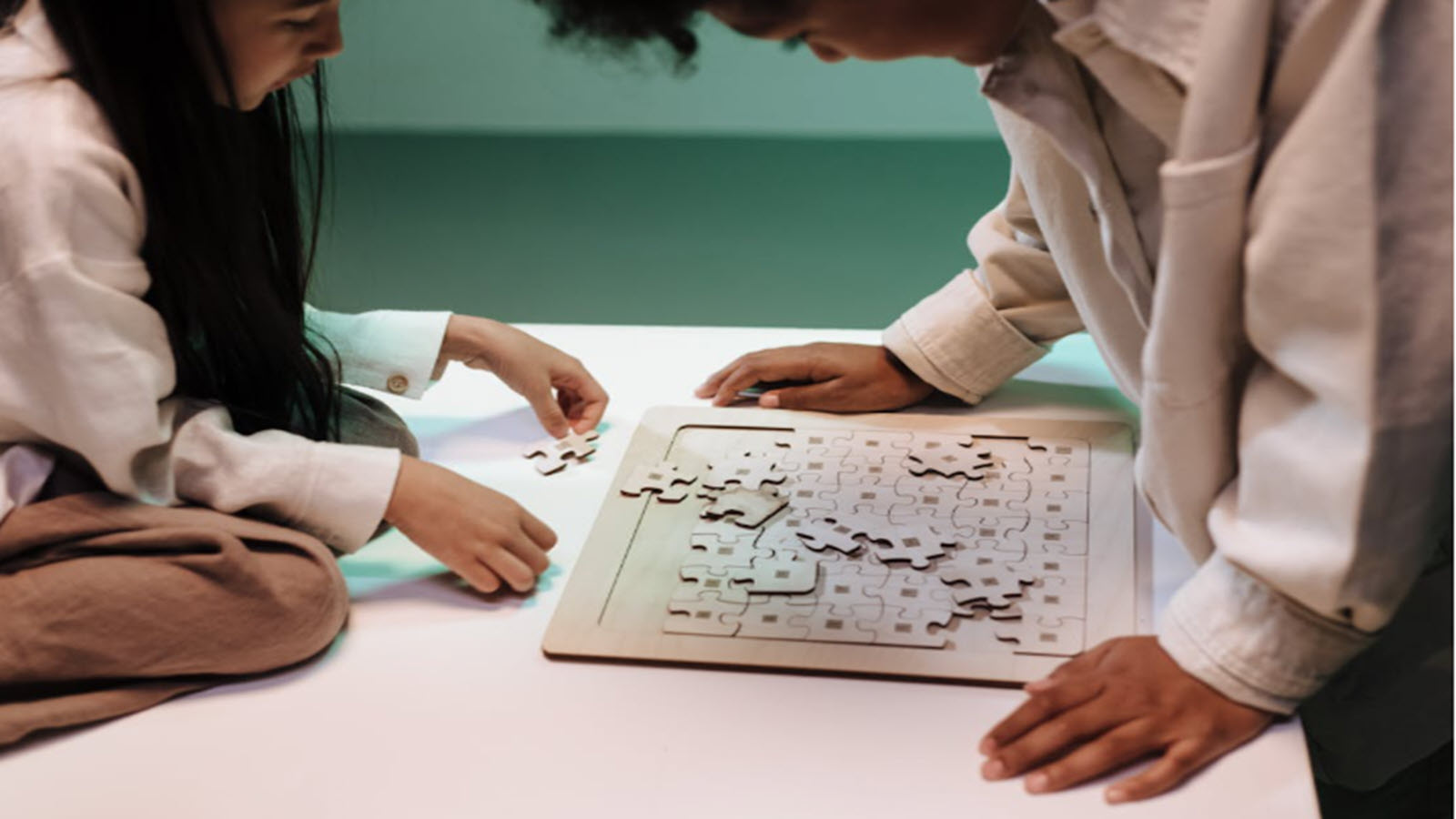
The best online games for 6 year olds 2026 are excellent tools to help children transition smoothly into Grade 1. At this age, children need stronger foundational skills in literacy, math, focus, and social-emotional areas - all of which quality games can develop naturally through play.
These games build early literacy with best word games for 6 year olds online, improve number sense through interactive math activities, and teach children how to follow multi-step instructions. Many titles also strengthen attention span and problem-solving abilities, giving 6 year olds greater confidence when they step into a formal classroom environment.
Best Free vs Paid Online Games for 6 Year Olds
When choosing the best online games for 6 year olds 2026, many parents wonder whether free or paid versions are better. Both have advantages depending on your child’s needs.
Free games are great for testing interests and offer decent variety without any cost. However, they often contain advertisements that can break concentration and limit depth of content.
Paid or premium games usually provide ad-free experiences, better graphics, structured learning paths, and regular updates. The educational games for children in the paid category tend to deliver more consistent skill development and deeper engagement, making them worth the investment for long-term use.
Best Online Games for 6 Year Olds 2026
1. Fluvsies Academy - Best Online Games for 6 Year Olds 2026
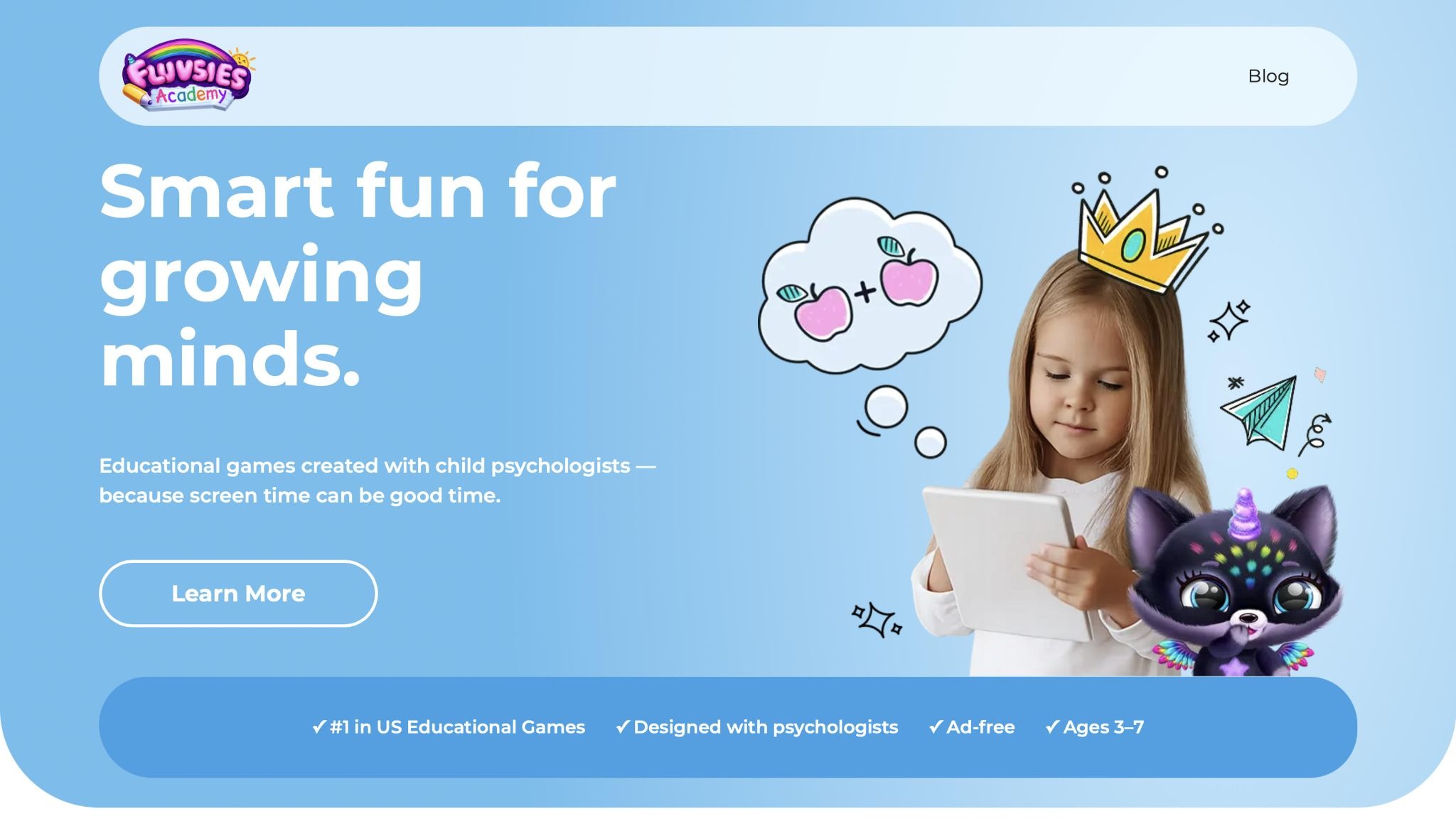
Fluvsies Academy brings together a lively collection of educational games created especially for children ages three to seven. Every activity comes from close work with child psychologists so the play feels natural, safe, and full of discovery. Kids dive into language and phonics exercises that build early reading confidence, number games that make counting exciting, and logic puzzles that sharpen attention and sorting skills.
Life skills sections turn everyday moments into adventures such as a fun teeth brushing challenge or creative tasks that spark imagination. Professions games introduce real world jobs like baker or astronaut and quietly expand vocabulary in the process. Mindfulness moments and kids yoga help little ones learn calm breathing and gentle movement while healthy habit activities reinforce positive routines.
The entire experience stays ad free so children stay immersed without distractions. Parents receive simple progress reports that highlight favorite activities and growing strengths. Free printables add hands on fun that connects digital play with real world practice. The platform works smoothly across devices and keeps content age appropriate with a strong focus on empathy, emotional safety, and joyful independent play.
Fluvsies Academy turns every minute of screen time into purposeful growth that preschoolers love and parents trust.
Discover Fluvsies Academy
Fluvsies Academy is a leading educational app designed for children aged 3–7. It transforms screen time into meaningful learning through fun, interactive games. Developed in collaboration with child psychologists, the app focuses on holistic development.
Key Features
- Ad-free environment for safe play.
- Games covering language, phonics, math, and logic.
- Activities for attention, sorting, and creativity.
- Real-world life skills like healthy habits and mindfulness.
- Exploration of professions to build vocabulary and imagination.
Educational Approach
Fluvsies Academy emphasizes guided play that balances focus, empathy, and emotional safety. It's the first holistic learning app for kids, ranked #1 educational game in the US. Progress reports help track your child's growth. Free printables extend learning beyond the screen.
Benefits for Families
Parents gain peace of mind with expert-backed games.
Kids build confidence, skills, and a love for learning. Ideal for preschoolers seeking joyful education.
Give your child the gift of truly fun, safe, and high-quality games. Try Fluvsies Academy now!
2. TutoClub
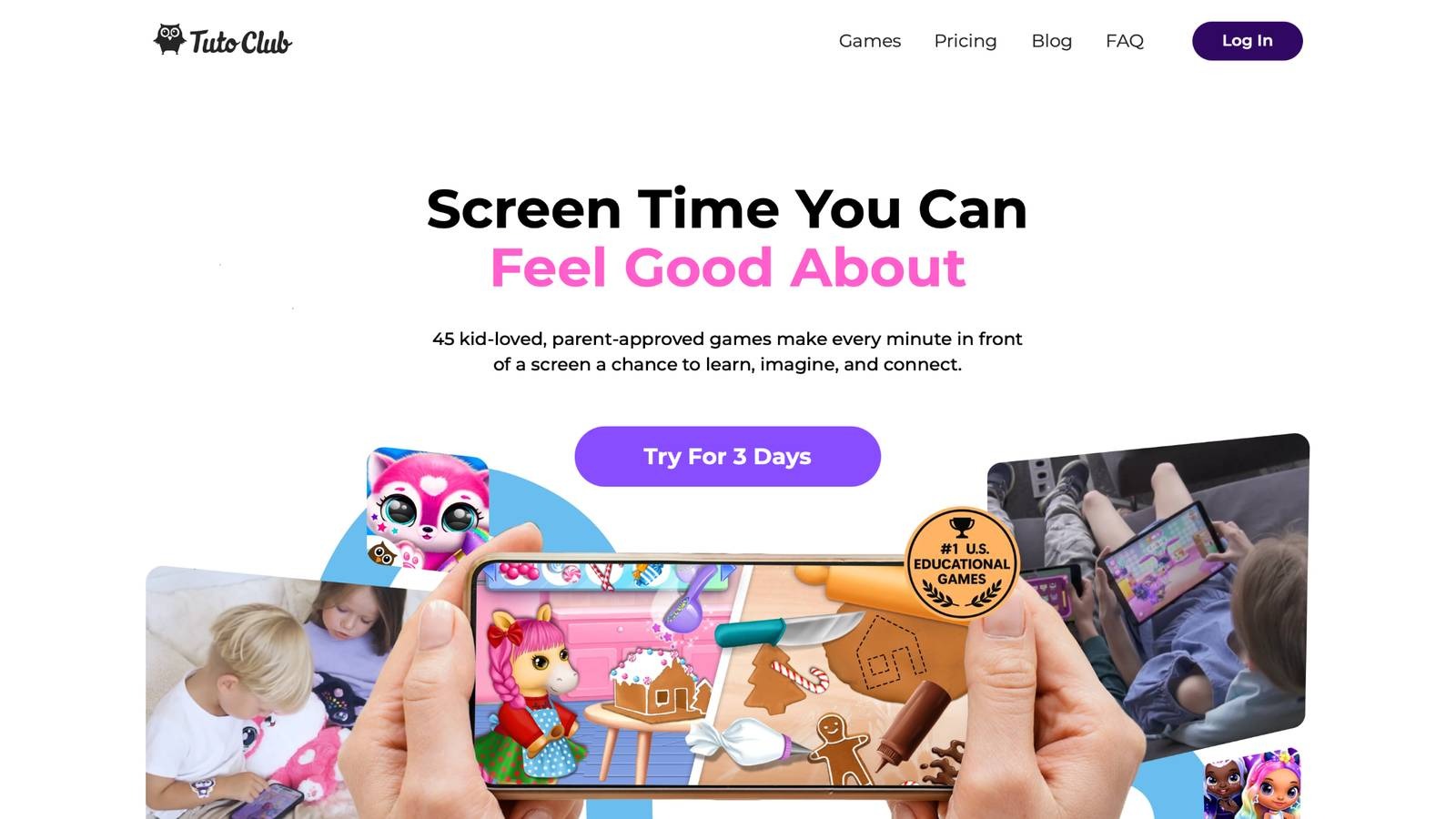
TutoClub offers a delightful collection of educational games specifically designed to transform screen time into meaningful developmental moments for preschoolers. This platform features a wide variety of interactive activities that focus on creativity, emotional intelligence, focus, and essential life skills. Children enjoy caring for virtual pets which gently teaches responsibility and empathy. Cleanup adventures make tidying up fun while building good habits. Styling and fashion games encourage self expression and creativity. The games adapt to each child's interests and provide open ended play that sparks imagination without pressure.
Regular updates keep the content fresh and exciting for returning players. Families appreciate the calm, ad free environment that supports healthy screen time and allows for shared family moments. TutoClub stands out for its thoughtful design that prioritizes social emotional growth alongside cognitive skills. Young learners build confidence as they master challenges and express themselves through play. The experience feels more like joyful exploration than structured lessons. Parents often note increased engagement and positive attitude toward learning activities after using the platform. The character driven stories help preschoolers explore emotions and social situations in safe and supportive ways. Many families find that the variety keeps children coming back and encourages repeat play sessions.
Key features
- Virtual pet care activities that build empathy and responsibility
- Creative styling and cleanup games that teach helpful habits
- Open ended play that encourages imagination and problem solving
- Regular content updates to maintain engagement
- Calm ad free design perfect for young attention spans
Facts and Information
TutoClub creates purposeful play experiences that support creativity, focus, and emotional skills in preschoolers through carefully crafted interactive games.
3. ABCya
ABCya organizes free online games by grade and subject so preschoolers find activities matched to their exact level. The platform covers letters, numbers, logic, and holiday themes with colorful mazes, matching games, and creative tasks. Kids enjoy exploring while practicing foundational skills in a bright, engaging format. The educator approved games keep content appropriate and fun.
Simple controls make it easy for young children to jump right in and stay focused. ABCya serves as a reliable daily option for quick skill building sessions. The mix of strategy games, matching challenges, and creative activities provides variety that keeps interest high. Children move between subjects naturally and return often to favorite games. Parents appreciate the organized layout that makes finding suitable content effortless.
Key features
- Grade specific organization for perfect fit
- Mix of strategy, matching, and creative play
- Regular addition of new seasonal activities
- Educator approved content for safety and quality
- Simple controls ideal for preschool hands
Facts and Information
ABCya turns short play sessions into meaningful practice across key preschool subjects.
4. Bedtime Math
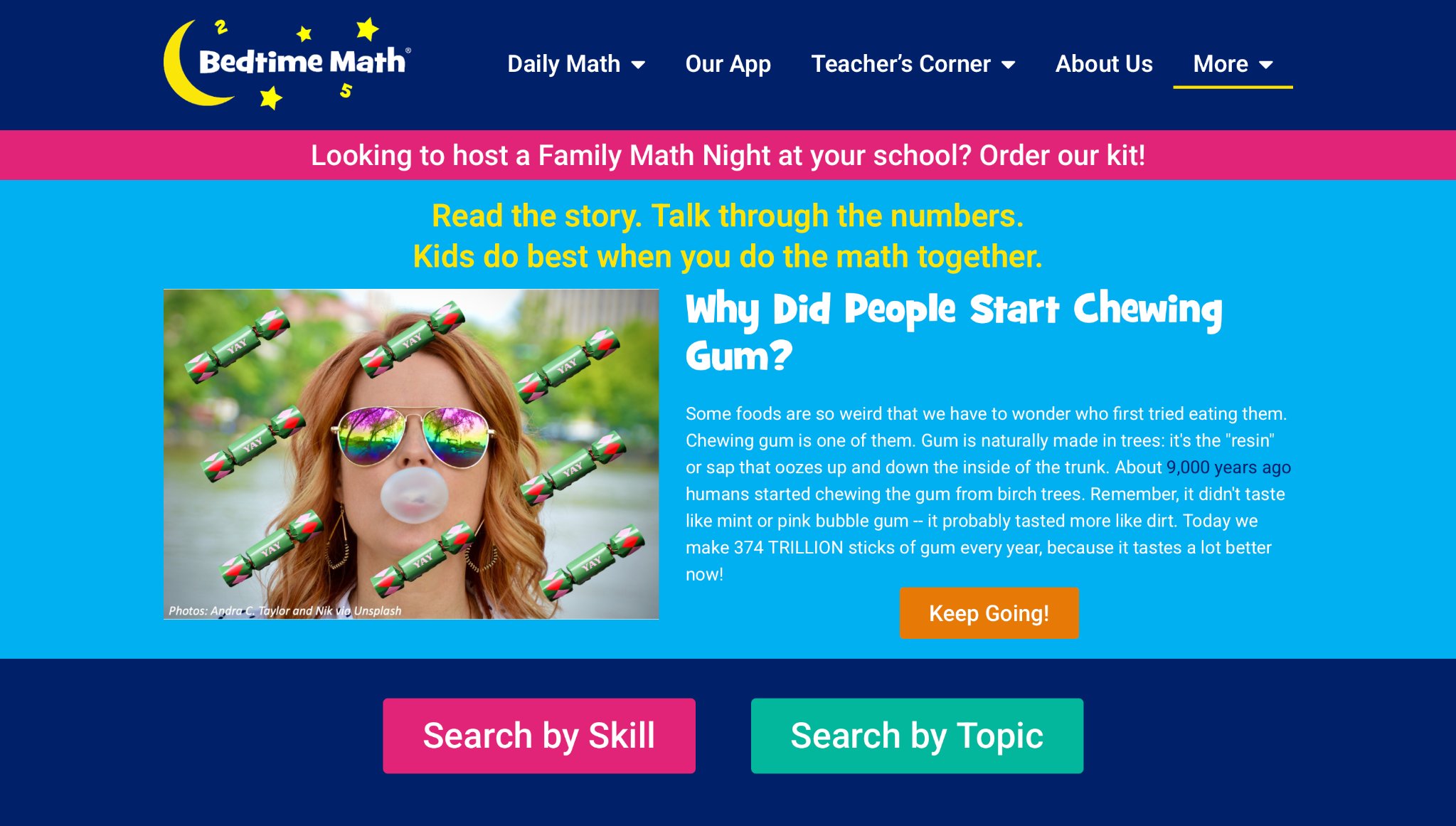
Bedtime Math transforms daily math practice into fun, story-based challenges perfect for 6 year olds. Its unique strength lies in short, real-life math stories that parents or children can read together, followed by questions at three different difficulty levels. The platform makes math part of everyday conversations and bedtime routines, helping children see numbers in the world around them. Kids enjoy solving problems about animals, sports, food, and adventures while building number sense and confidence. The relaxed, pressure-free format reduces math anxiety and encourages curiosity. Many families report that children start noticing math in daily life after regular use.
Facts and Information:
- Daily math story challenges.
- Three difficulty levels for every story.
- Focus on real-world math application.
- Builds number sense through fun contexts.
5. Moose Math
.jpg)
Moose Math by Duck Duck Moose brings math concepts to life through charming animal characters and a vibrant forest world filled with delightful mini-games. Children join Moose and his friends in activities like building with shapes, feeding animals, navigating mazes, and solving playful puzzles that cover early geometry, measurement, counting, and basic operations. The app excels at making abstract ideas feel concrete and fun, with colorful visuals and immediate positive feedback that keep 6- and 7-year-olds engaged.
Progressive levels build confidence while encouraging persistence and logical thinking in a gentle, pressure-free environment. Its standout character-driven approach turns learning into an adventure where kids help their animal friends, fostering both mathematical foundations and emotional connection to the content. The intuitive design ensures young learners stay motivated as they explore different activities at their own pace.
Facts and Information:
- Animal-themed math adventures.
- Covers shapes, counting, addition, and measurement.
- Engaging mini-games with cute characters.
- Designed for ages 4 to 7 with gentle progression.
6. Todo Math
Todo Math stands out with its vast library of over 2,000 interactive visual activities designed to build strong number sense and core math skills. Daily missions, seasonal themes, and a rewarding virtual pet system create an engaging loop that encourages consistent practice. Children explore addition, subtraction, place value, time, and money through colorful, connected challenges that adapt to their learning pace.
Clear audio guidance supports independent play while the pet care elements add emotional investment and motivation. For 7-year-olds, this combination of structure and fun prevents boredom and builds genuine confidence. The adaptive paths ensure appropriate challenge levels, helping kids develop steady progress across essential first-grade topics in a way that feels rewarding rather than repetitive.
Facts and Information:
- Large collection of visual math activities.
- Daily missions and pet care rewards.
- Covers core first-grade math topics.
- Adaptive learning paths.
7. Crazy Gears
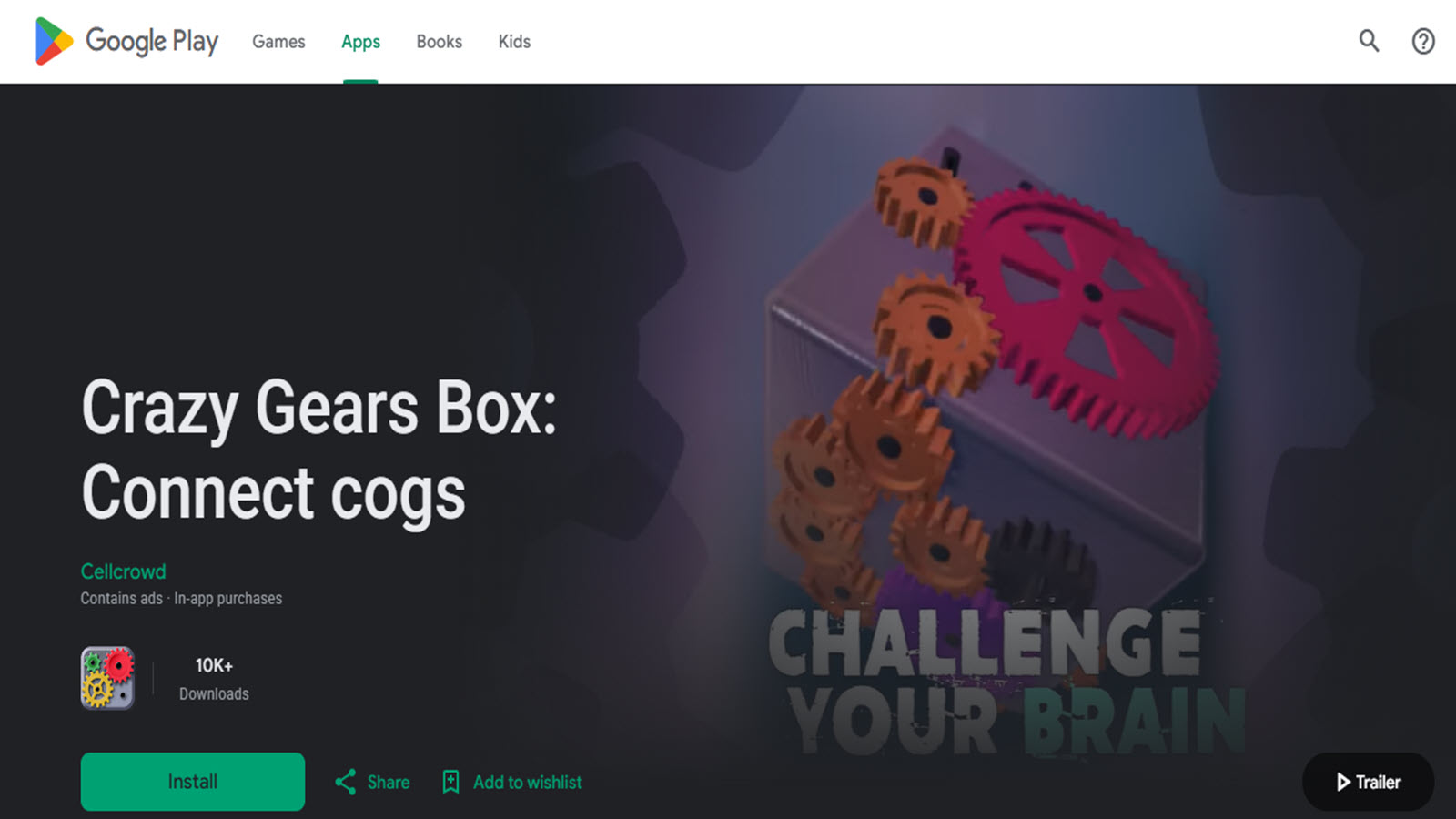
Crazy Gears captivates children with physics-based engineering puzzles that invite creative building and problem-solving. Kids connect gears, ramps, and motors in inventive ways to overcome mechanical challenges, developing spatial reasoning, logical thinking, and planning skills through hands-on experimentation. The forgiving, open-ended design encourages trial and error without frustration, making it ideal for curious 6- and 7-year-olds who love to tinker. Progressive challenge levels grow with the child, offering satisfying “aha” moments as their constructions spring into action. This playful approach to engineering builds intuition about cause and effect while strengthening critical thinking in a dynamic, rewarding format that feels more like invention than instruction.
Facts and Information:
- Physics and engineering puzzle game.
- Open creative building tools.
- Progressive challenge levels.
- Develops problem-solving and planning skills.
8. Lightbot
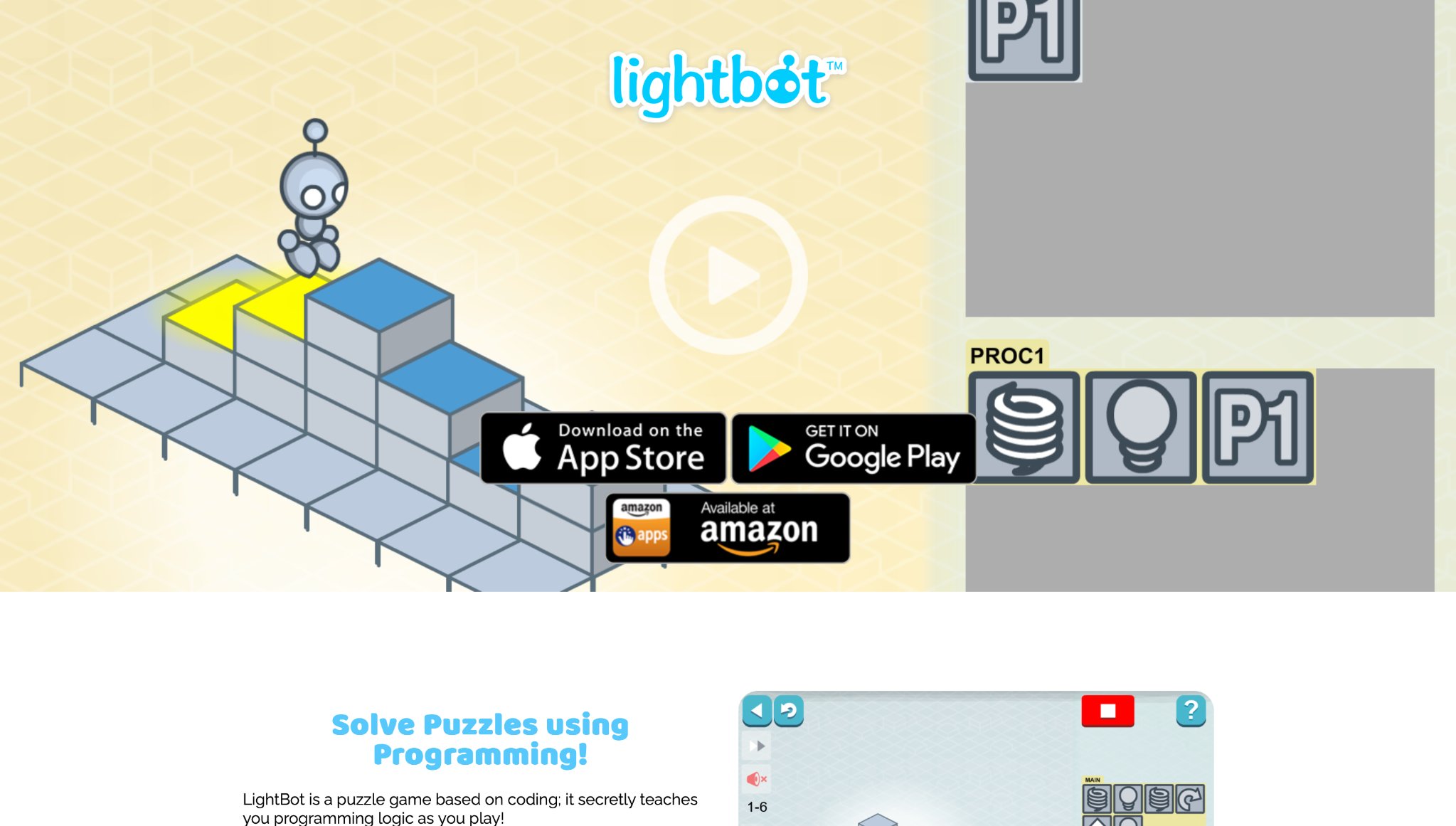
Lightbot introduces programming fundamentals through elegant visual puzzles where children guide a robot by arranging command blocks. Its greatest strength lies in teaching sequencing, loops, and conditionals without requiring any reading, making complex logic accessible and enjoyable for young learners. Progressive levels build computational thinking skills step by step, helping 6-year-olds develop structured problem-solving abilities in an engaging, low-pressure way. The clean design delivers immediate visual feedback that turns each successful solution into a rewarding experience. This foundational approach nurtures logical reasoning that transfers well to other learning areas while keeping children fully absorbed in guiding their robot through increasingly clever challenges.
Facts and Information:
- Visual block-based programming.
- Progressive puzzle levels.
- No reading required.
- Strong foundation for future coding skills.
9. Zoombinis
Zoombinis delivers a timeless problem-solving adventure as children help a group of small blue creatures complete an epic journey filled with logic, sorting, and pattern puzzles. The humorous storytelling and memorable characters transform challenging thinking tasks into an engaging narrative that feels like a grand quest. Multiple puzzle types and adjustable difficulty levels support diverse thinking styles while building perseverance, data analysis, and logical reasoning.
For 6-year-olds, the blend of challenge and charm creates an environment where complex skills develop naturally through play. This classic design continues to excel at fostering computational thinking and resilience in a format that rewards creative approaches to problem-solving.
.
Facts and Information:
- Story-driven logic puzzles.
- Multiple puzzle types and difficulty levels.
- Focus on computational thinking.
- Timeless educational game design.
10. Mystery Math Town
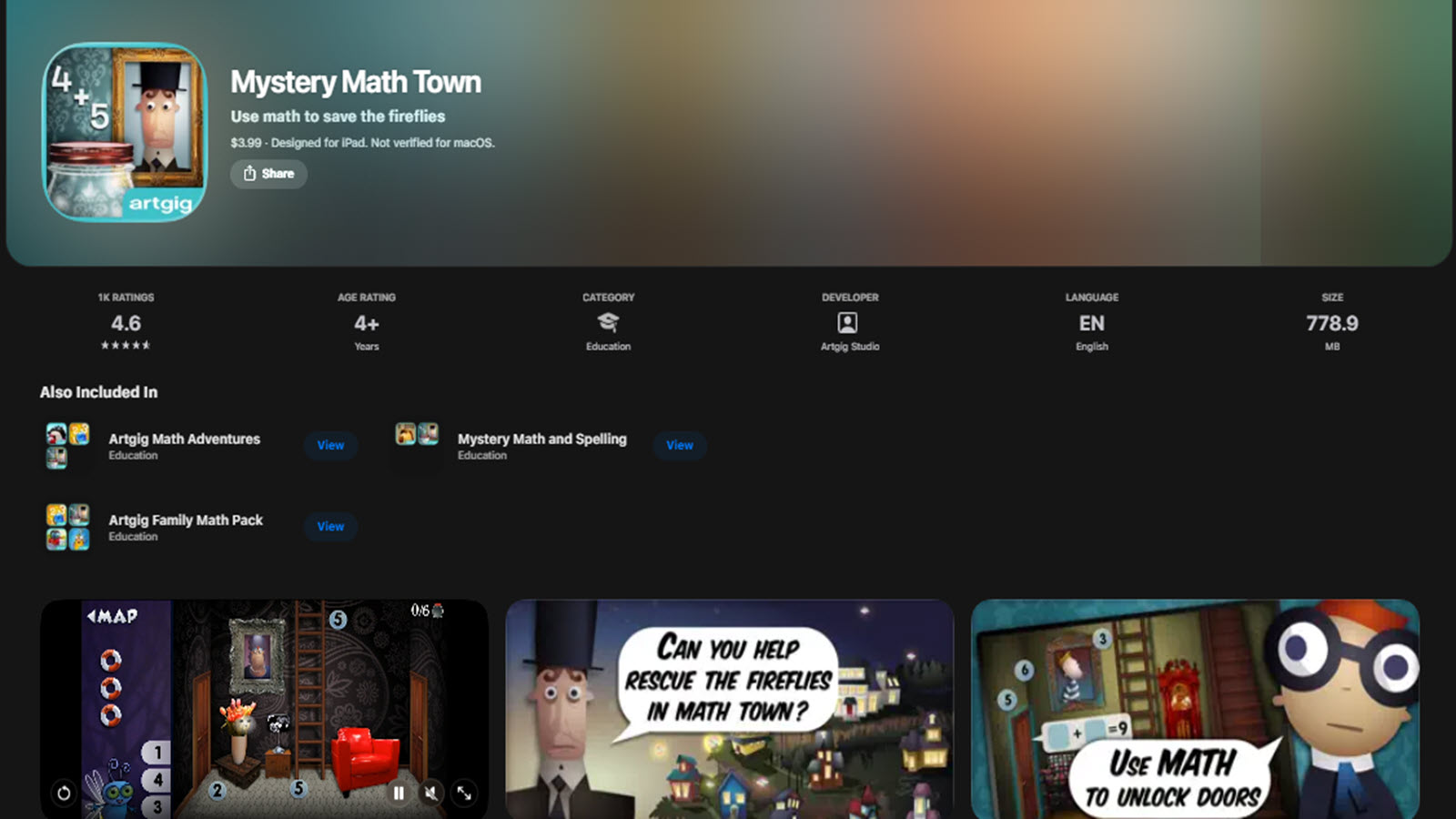
Mystery Math Town transforms addition and subtraction practice into an exciting mansion exploration adventure. Children search spooky yet friendly rooms for hidden numbers and solve equations to unlock new areas and uncover secrets. The immersive mystery theme turns fact fluency into a compelling quest that keeps -year-olds motivated and eager to continue. Rich environments and rewarding discoveries make math practice feel adventurous rather than repetitive. This engaging format helps skills become memorable while nurturing a positive, curious attitude toward numbers through playful exploration and satisfying progress.
Facts and Information:
- Adventure-style math quests.
- Focus on addition and subtraction facts.
- Engaging mystery theme.
- Builds fact fluency through play.
11. Marco Polo Ocean
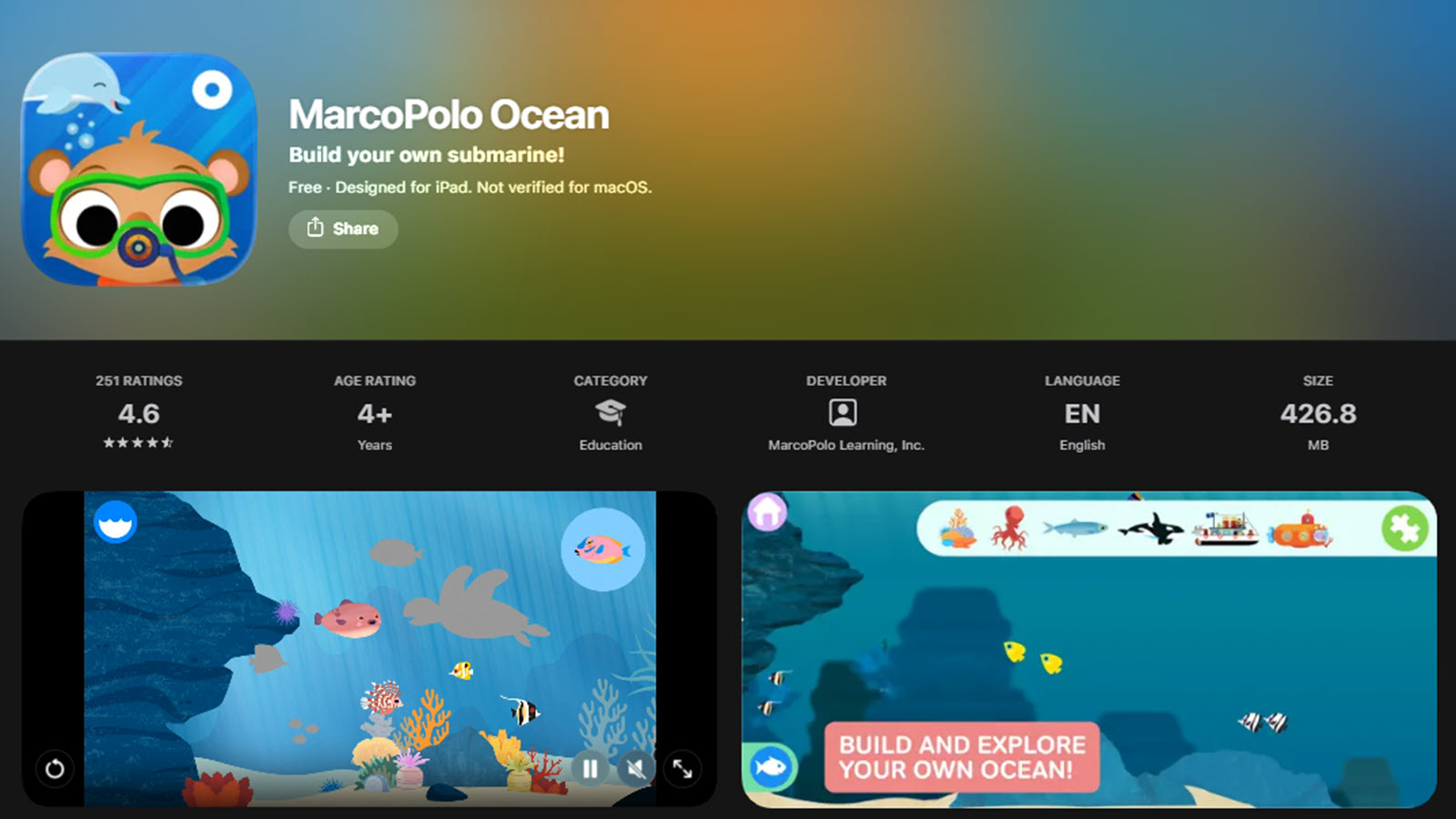
Marco Polo Ocean offers a serene underwater world perfect for calm, open-ended exploration. Children discover sea creatures, learn gentle facts about marine life, and engage in peaceful creative play at their own pace. The relaxing design reduces overstimulation while encouraging curiosity, focus, and imagination. Its non-competitive atmosphere provides a refreshing contrast to more structured games, allowing 5- to 7-year-olds to enjoy quiet discovery and basic science concepts. The peaceful ocean setting creates an inviting space for mindful play that supports emotional regulation alongside gentle learning.
Facts and Information:
- Open exploration in a peaceful ocean setting.
- Educational facts about sea animals.
- Calm gameplay that reduces overstimulation.
- Encourages curiosity and gentle discovery.
12. CodeMonkey
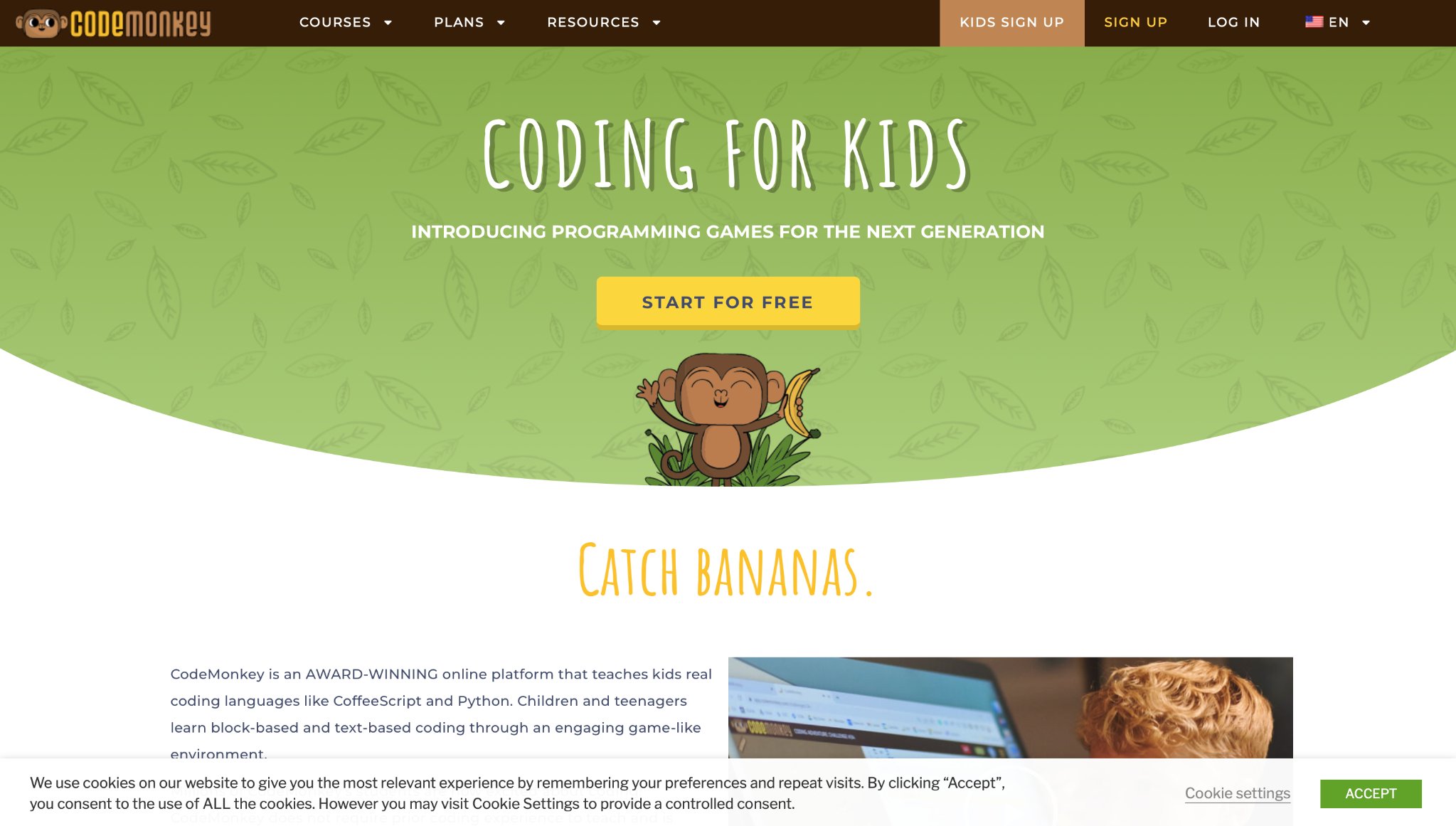
CodeMonkey makes coding approachable through fun game creation and puzzle-solving missions using visual blocks. Children build their own games while learning sequencing, loops, and logical thinking in an engaging way. The platform’s game-based challenges develop computational thinking and creativity without overwhelming young users. Missions provide clear progression that builds confidence as kids watch their creations come to life. This hands-on introduction to programming concepts offers -year-olds a strong foundation for future tech skills through playful, achievement-focused activities.
Facts and Information:
- Visual coding for early learners.
- Game-based missions and challenges.
- Develops problem-solving and sequencing skills.
13. Prodigy Math Game
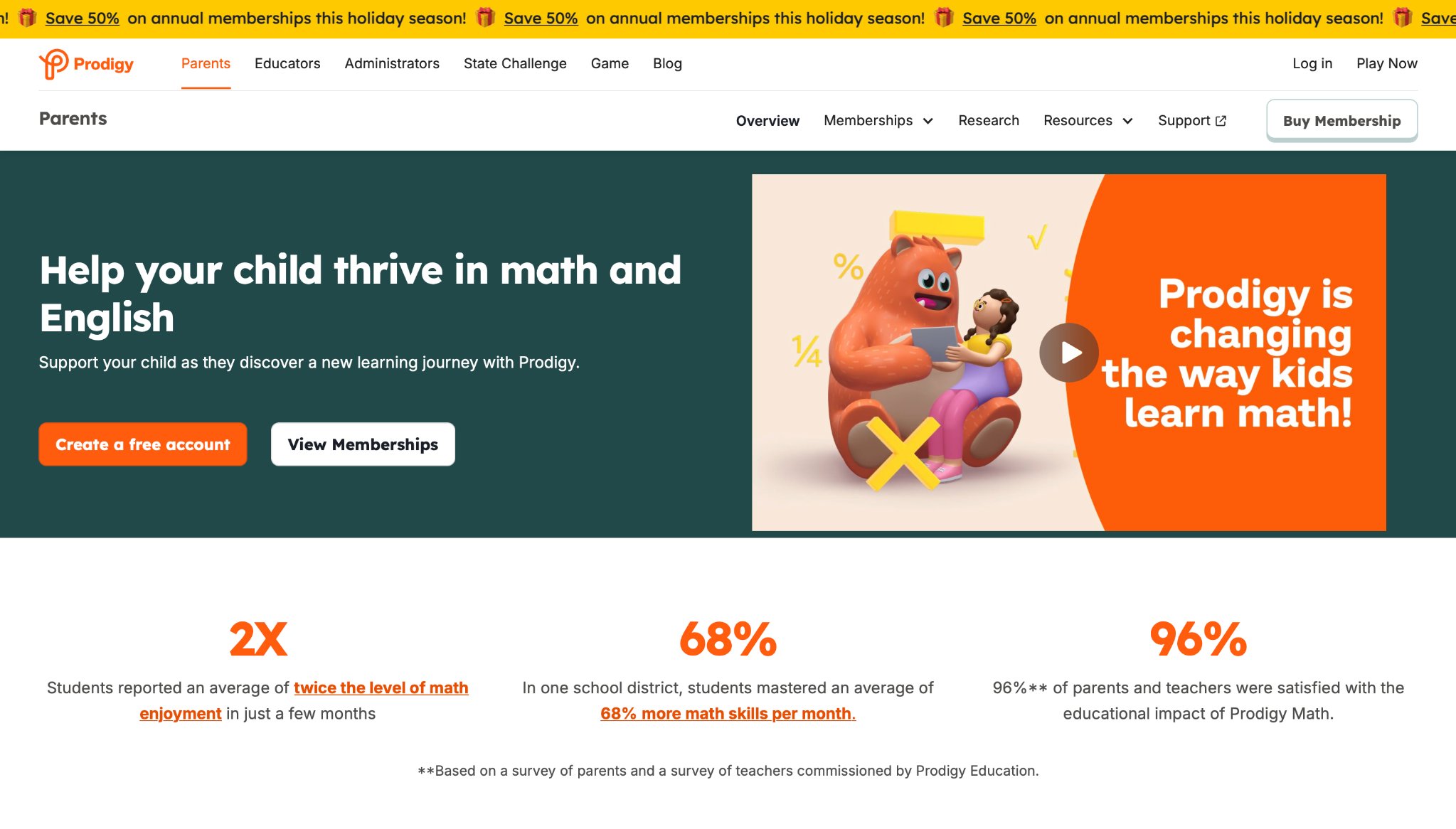
Prodigy Math Game turns math practice into an immersive RPG adventure where children complete quests and battle using their math skills. The rich fantasy world with character progression and rewards keeps children highly motivated while reinforcing core operations and problem-solving. Quests align with early curriculum topics, creating meaningful practice within an exciting narrative. This gamified approach transforms potential drill work into engaging gameplay that builds both confidence and competence through consistent, story-driven challenges.
Facts and Information:
- Adventure-style math quests.
- Character progression and rewards.
- Covers early math curriculum topics.
14. Hooked on Phonics

Hooked on Phonics provides systematic, research-based instruction through interactive games, stories, and activities that build strong reading foundations. Its structured yet playful progression helps children master letter sounds, blending, and early reading skills at a comfortable pace. The combination of engaging content and clear skill-building supports literacy development for 5- to 7-year-olds in an encouraging format. This trusted program balances instruction with fun to create confident, enthusiastic young readers.
Facts and Information:
- Research-based phonics program.
- Mix of games and reading activities.
- Progressive skill building for literacy.
15. Thinkrolls
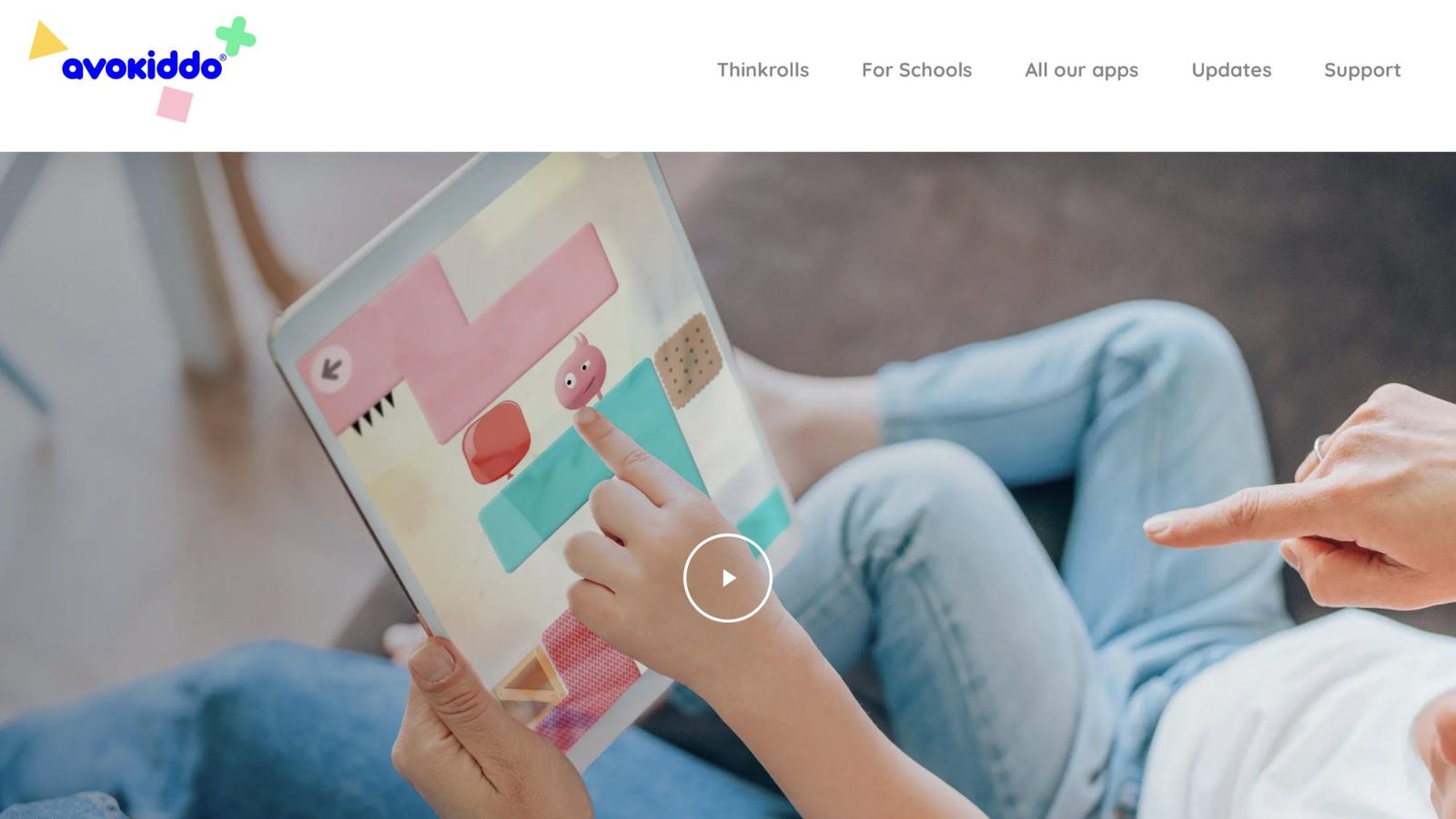
Thinkrolls engages children with physics-based rolling puzzles that build logic, spatial reasoning, and problem-solving abilities. Kids guide quirky characters through inventive levels filled with obstacles and surprises, facing progressive challenges that feel achievable and rewarding. Creative level design and fun animations maintain high engagement while strengthening planning and critical thinking skills. The satisfying gameplay loop makes abstract thinking concepts concrete and enjoyable for young minds.
Facts and Information:
- Physics and logic puzzle gameplay.
- Creative level design with increasing difficulty.
- Focus on spatial awareness and planning.
- Engaging characters and fun animations.
How Online Games Boost Confidence in 6 Year Olds
One of the biggest benefits of the best online games for 6 year olds 2026 is how effectively they build confidence. When children successfully complete challenges, solve logic puzzles, or progress through levels, they experience a strong sense of achievement.
Games allow 6 year olds to learn at their own pace without fear of judgment. Features like positive feedback, rewards, and gradual difficulty increases help children develop a “growth mindset” - they begin to believe they can improve through effort. This growing confidence often transfers to real-life situations such as speaking in class, trying new activities, and building friendships.
Outdoor vs Online Games: What’s Better for 6 Year Olds?
Both outdoor play and online games have important roles in a 6 year old’s development - the ideal approach is a healthy balance rather than choosing one over the other.
Outdoor games promote physical health, social interaction, creativity, and Vitamin D intake. Meanwhile, quality online games for 6 year olds excel at building focused cognitive skills, problem-solving, and early academic foundations.
The best online games for 6 year olds 2026 work best as a complement to outdoor play, not a replacement. Many parents find that 30–45 minutes of quality screen time combined with active outdoor time creates the perfect daily mix for well-rounded development.
Future-Proof Skills Your 6 Year Old Can Learn Through Games
The best online games for 6 year olds 2026 go beyond basic academics and help children develop future-proof skills needed in tomorrow’s world.
Through engaging gameplay, children can build:
- Critical thinking and problem solving abilities
- Digital literacy and basic coding concepts
- Adaptability and resilience when facing challenges
- Creative thinking and imagination
- Collaboration skills through multiplayer modes
- Memory and concentration skills with engaging memory games and pattern recognition
Many modern titles also incorporate logic puzzles, strategic thinking, and emotional intelligence activities. By playing thoughtfully chosen games, 6 year olds develop a strong foundation of skills that will benefit them throughout school and future careers.
FAQ
How do the best online games for 6 year olds 2026 improve memory skills?
Best online games for 6 year olds 2026 are designed with strong memory games that help 6 year olds train their short-term and working memory. Through fun matching activities, pattern recall, and story sequencing, children gradually improve their ability to remember information. This enhanced memory not only supports academic learning but also helps with daily routines and following instructions.
Are problem solving games good for building resilience in 6 year olds?
Yes, problem solving games and logic puzzles are excellent for developing resilience. When children face challenges in games and keep trying until they succeed, they learn that mistakes are part of learning. This “try again” mindset builds emotional strength and perseverance, skills that are very important as they enter Grade 1 and face more complex tasks.
How do SEL games help 6 year olds with emotional development?
SEL games play a vital role in helping 6 year olds understand and manage their emotions. These games teach children to recognize feelings, show empathy, handle frustration, and resolve conflicts peacefully. Through interactive stories and character choices, kids practice social skills in a safe environment, which improves their relationships with family and friends.
What are the best types of games for 6 year olds who get bored easily?
For children who lose interest quickly, variety is the key. The best online games for 6 year olds 2026 often combine multiple elements, such as memory games, logic puzzles, creative building, and quick challenges - all in one platform. Short levels, frequent rewards, and changing themes keep gameplay fresh and maintain high engagement.
How can parents use online games to support their 6 year old’s overall development?
Parents can maximize benefits by choosing well-rounded games that blend learning with fun. Look for titles that include problem solving games, SEL games, memory activities, and creative tasks. Playing together occasionally and discussing the game afterward helps children connect what they learn in the game to real life, creating deeper and more meaningful growth.
Read Also:
- Best Online Preschool Educational Games 2026
- Best Educational Games 2026
- Best Reading Readiness Activities 2026
- Best Alphabet Games for Preschoolers Online 2026
- Best Sight Word Games for Kids 2026
Discover the Best Online Games for 6 Year Olds 2026 - Fluvsies Academy!