

Best Educational Games for 4 Year Olds Online 2026






Four-year-olds thrive with games that mix fun and skill building in language, numbers, logic, and daily habits. The best educational games for 4 year olds online 2026 deliver safe, engaging play that matches their curiosity and short attention spans. Families looking for quality options often start with Fluvsies Academy for expert-designed activities that feel like pure play.
Age-appropriate options also include the best online educational games for 3 year olds for earlier stages. As kids grow, the best online games for 5 year olds, the best online games for 6 year olds, and the best games for 7 year olds online continue supporting language, numbers, logic, and daily habits through engaging play.
Key Features to Look for in Online Games for This Age

The strongest choices for four-year-olds offer age-appropriate challenges that adapt gently. Look for simple navigation that needs no reading. Positive rewards encourage effort without overstimulation. Progress tracking helps parents see growth in favorite areas. Free printables or real-life extensions connect screen time to hands-on fun at home.
Safety remains essential. Ad-free design, privacy protections, and content checked for young users create peace of mind. Games that cover multiple areas, language, math, logic, creativity, and everyday skills, give well-rounded support. Short sessions fit busy days and leave room for outdoor play, books, and family talk. These elements turn device time into moments that build confidence and curiosity. Options that include early literacy games and brain development games help children practice foundational thinking skills in playful ways. Many parents also value problem-solving games for toddlers that gently introduce focus and sequencing.
Why Quality Educational Games Matter for Four-Year-Olds
At age four, children build foundations for school readiness through play. Phonics games help with letter sounds and simple words. Number activities grow confidence with counting and patterns. Logic and sorting tasks sharpen focus and comparison skills. Life skills sections for kids teach routines like healthy habits in a gentle way.
Well-designed options keep sessions short and positive. They use bright visuals, clear feedback, and familiar characters so kids stay involved without pressure. Ad-free spaces protect attention and remove distractions. Many parents notice children carry new words or ideas into everyday talk after good playtime. Platforms created with child development input stand out because they match how young minds learn best through active discovery rather than drills. Families seeking learning games for preschoolers often look for this balanced approach that supports both skill growth and joyful exploration.
Best Educational Games for 4 Year Olds Online 2026
1. Fluvsies Academy - Best Educational Games for 4 Year Olds Online 2026
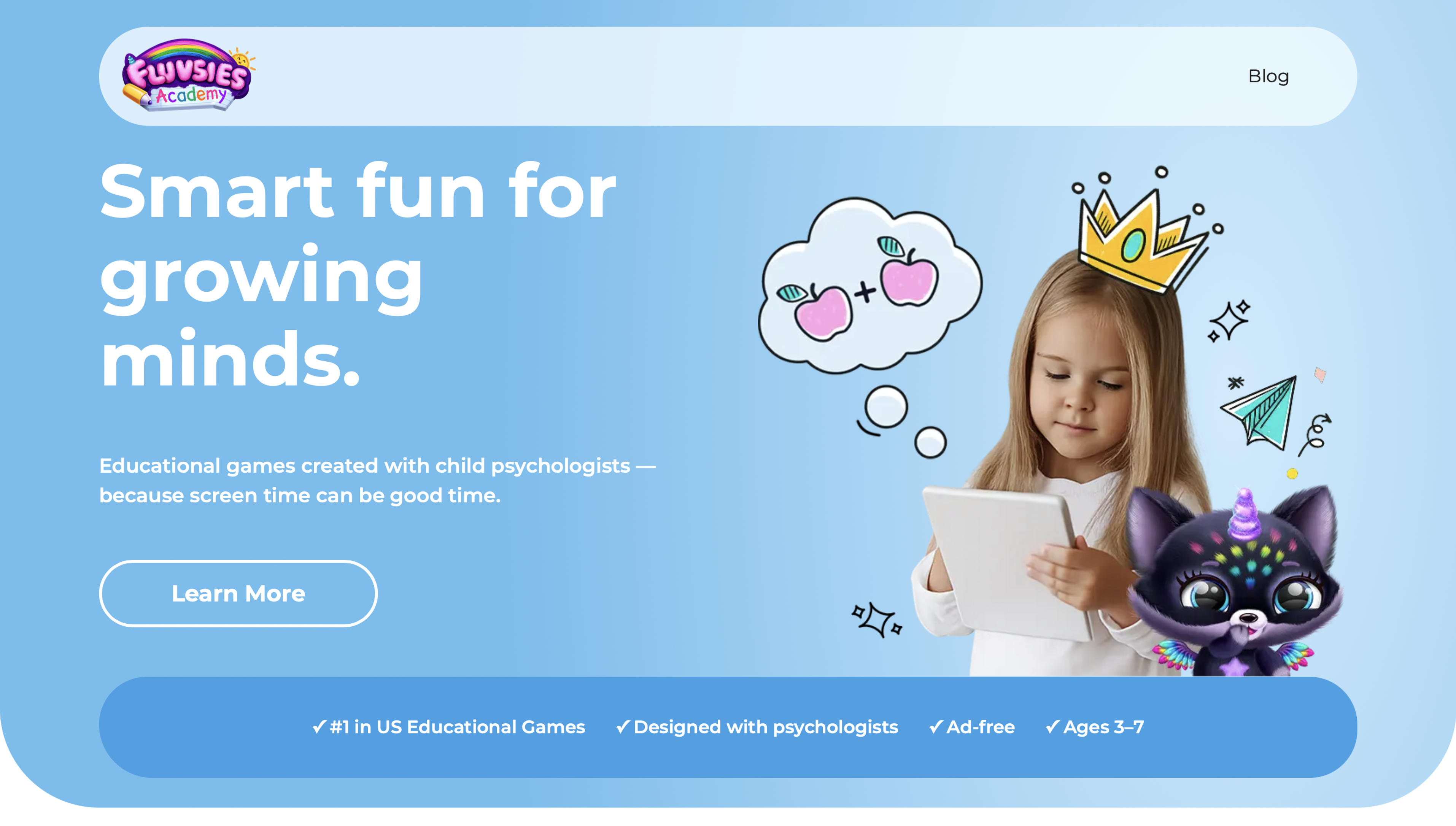
Fluvsies Academy delivers a vibrant collection of educational games made especially for children ages 3 to 7. Every activity comes from close work with child psychologists so the play feels natural, safe, and full of discovery. Kids dive into language and phonics exercises that build early reading confidence, number games that make counting exciting, and logic puzzles that sharpen attention and sorting skills.
Life skills sections turn everyday moments into adventures such as a fun teeth-brushing challenge or creative tasks that spark imagination. Professions games introduce real-world jobs like baker or astronaut and quietly expand vocabulary in the process. Mindfulness moments and kids yoga help little ones learn calm breathing and gentle movement while healthy habit activities reinforce positive routines.
The entire experience stays ad-free so children stay immersed without distractions. Parents receive simple progress reports that highlight favorite activities and growing strengths. Free printables add hands-on fun that connects digital play with real-world practice. The platform works smoothly across devices and keeps content age-appropriate with a strong focus on empathy, emotional safety, and joyful independent play.
Discover Fluvsies Academy
Fluvsies Academy is a leading educational app designed for children aged 3–7. It transforms screen time into meaningful learning through fun, interactive games. Developed in collaboration with child psychologists, the app focuses on holistic development.
Key Features
- Ad-free environment for safe play.
- Games covering language, phonics, math, and logic.
- Activities for attention, sorting, and creativity.
- Real-world life skills like healthy habits and mindfulness.
- Exploration of professions to build vocabulary and imagination.
Educational Approach
Fluvsies Academy emphasizes guided play that balances focus, empathy, and emotional safety. It's the first holistic learning app for kids, ranked #1 educational game in the US. Progress reports help track your child's growth. Free printables extend learning beyond the screen.
Benefits for Families
Parents gain peace of mind with expert-backed games.
Kids build confidence, skills, and a love for learning. Ideal for preschoolers seeking joyful education.
Give your child the best start with fun online games. Download Fluvsies Academy today!
2. TutoClub
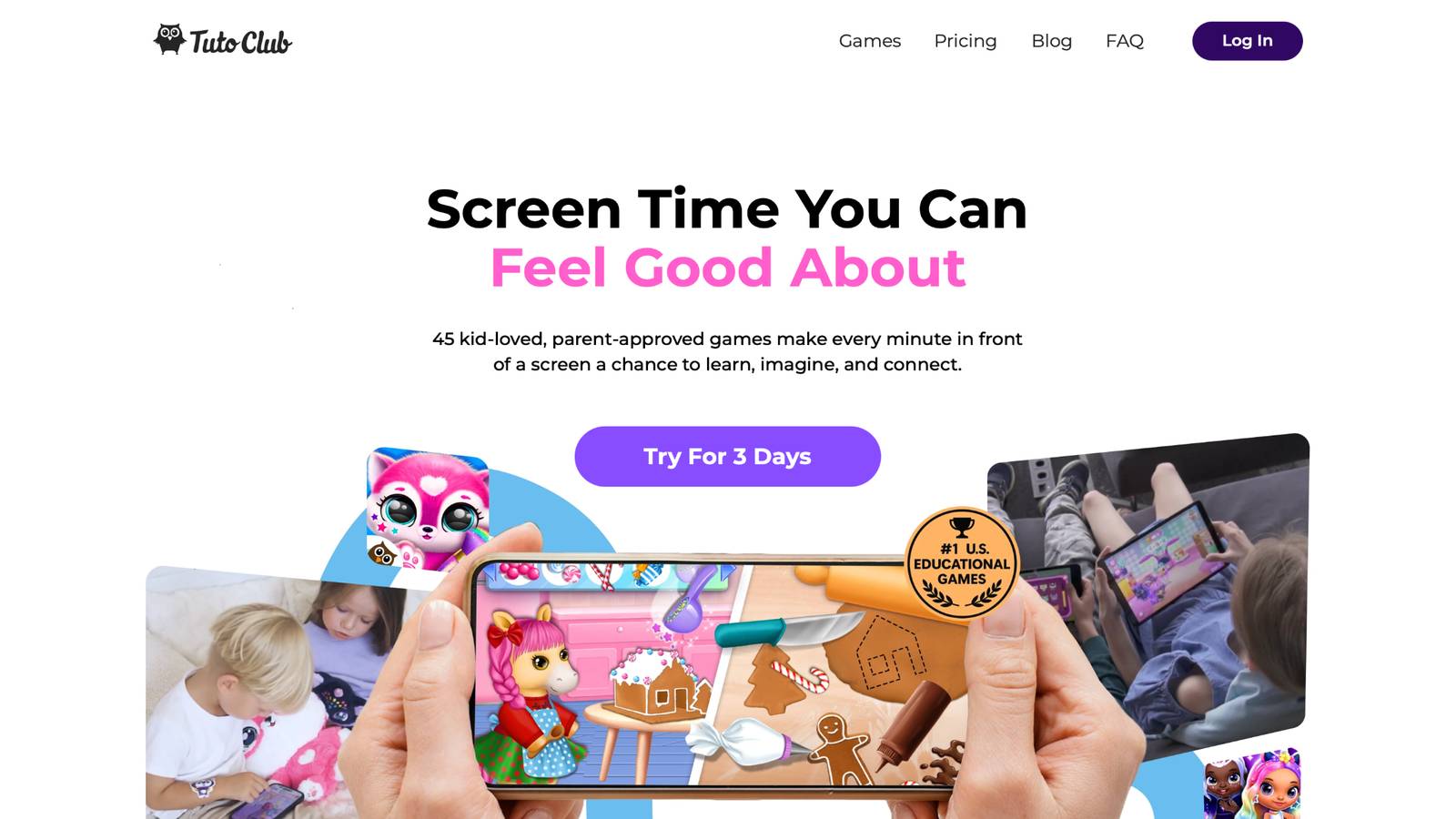
TutoClub brings together more than 45 ad-free games from the TutoTOONS collection that help young children grow through creative adventures and meaningful play. Families enjoy this safe platform where kids explore different subjects without any interruptions or distractions pulling them away. The games blend fun elements with natural development so curiosity and care grow alongside focus and empathy in a relaxed way. Children dive into art tasks and storytelling that spark imagination while puzzles sharpen problem solving and routines build helpful habits.
This collection supports preschoolers with activities that feel like everyday play yet guide skill building gently. Kids care for virtual pets or style outfits in scenarios that teach responsibility and compassion through hands-on choices. The wide variety of characters and worlds keeps sessions exciting and fresh so children stay engaged longer. Parents notice how the content fits busy family schedules and promotes positive screen time that supports overall growth without any added stress.
Key features
- Safe ad-free games centered on creativity and emotional development
- Interactive stories and puzzles that strengthen problem-solving and daily routines
- Diverse characters and scenarios to maintain high motivation
- Adaptive challenges that match each child's current abilities
- Offline play option for learning on the go
Facts and Information
TutoClub delivers steady positive experiences that many parents choose for daily learning. The games help children build essential abilities in a calm format that matches family life. Regular use often leads to noticeable improvements in focus and emotional awareness.
3. Khan Academy Kids
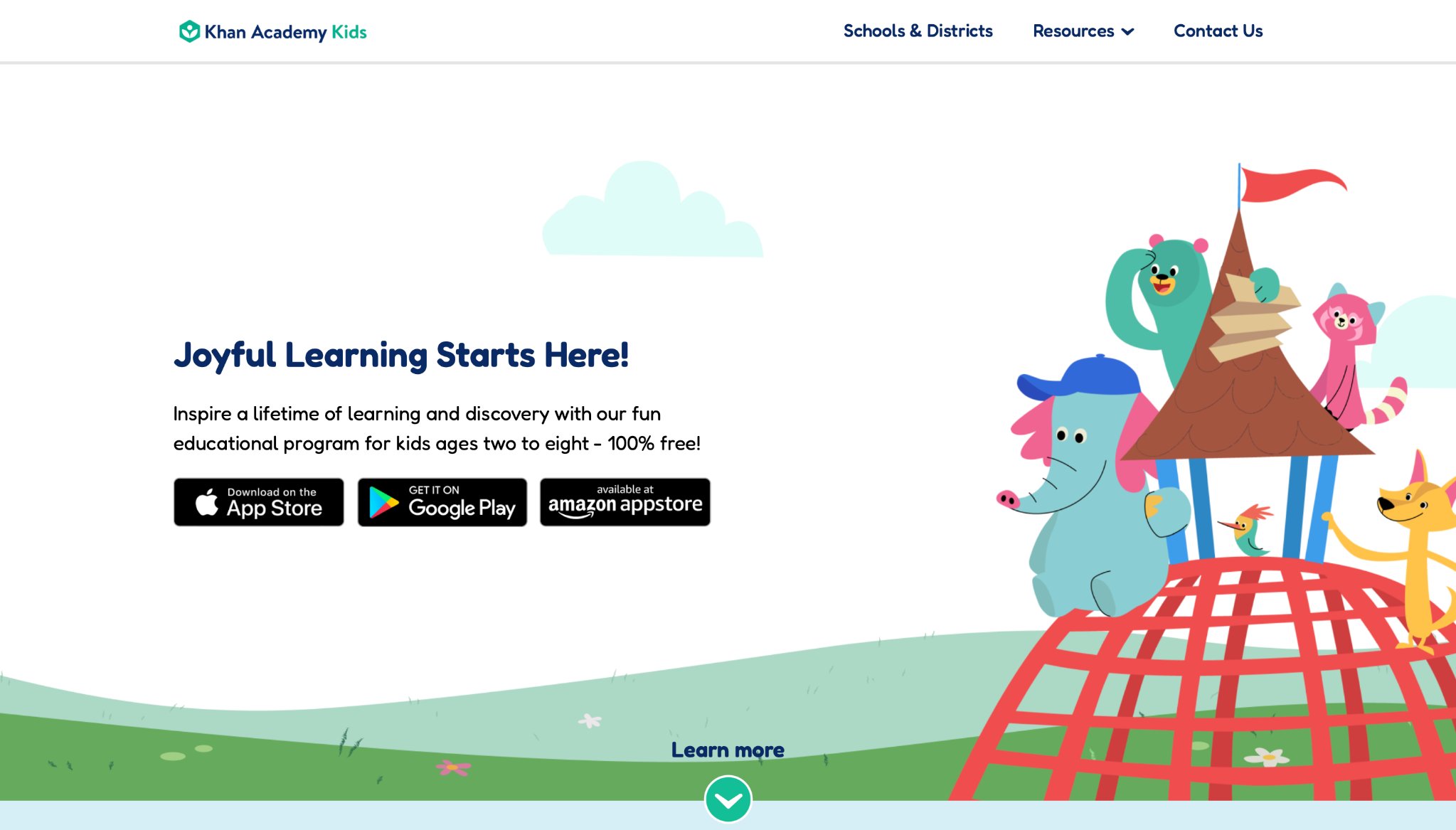
Khan Academy Kids gives families a free library of learning games, interactive books, and activities designed for ages two to eight. Friendly animal characters guide children through early reading, math, social-emotional skills, and creative play. An adaptive path quietly adjusts to each child’s level so the activities always feel just right. Four-year-olds enjoy counting games, letter practice, logic puzzles, and storybooks that feel playful rather than formal. Parents can view progress and choose activities from a large library whenever they like. The design stays free of ads and distractions, creating a calm space for focused discovery. Many families value the balance of academic foundations and emotional growth tools. The platform works well for independent play or shared moments and continues to support children as they grow. Its joyful style helps young learners build confidence while exploring new ideas at their own pace.
- Adaptive learning path across reading, math, and social-emotional skills
- Hundreds of books, videos, and interactive games
- Friendly character guides and creative activities
- Parent progress tools and flexible activity choice
- Completely free access with no ads
4. ABCmouse
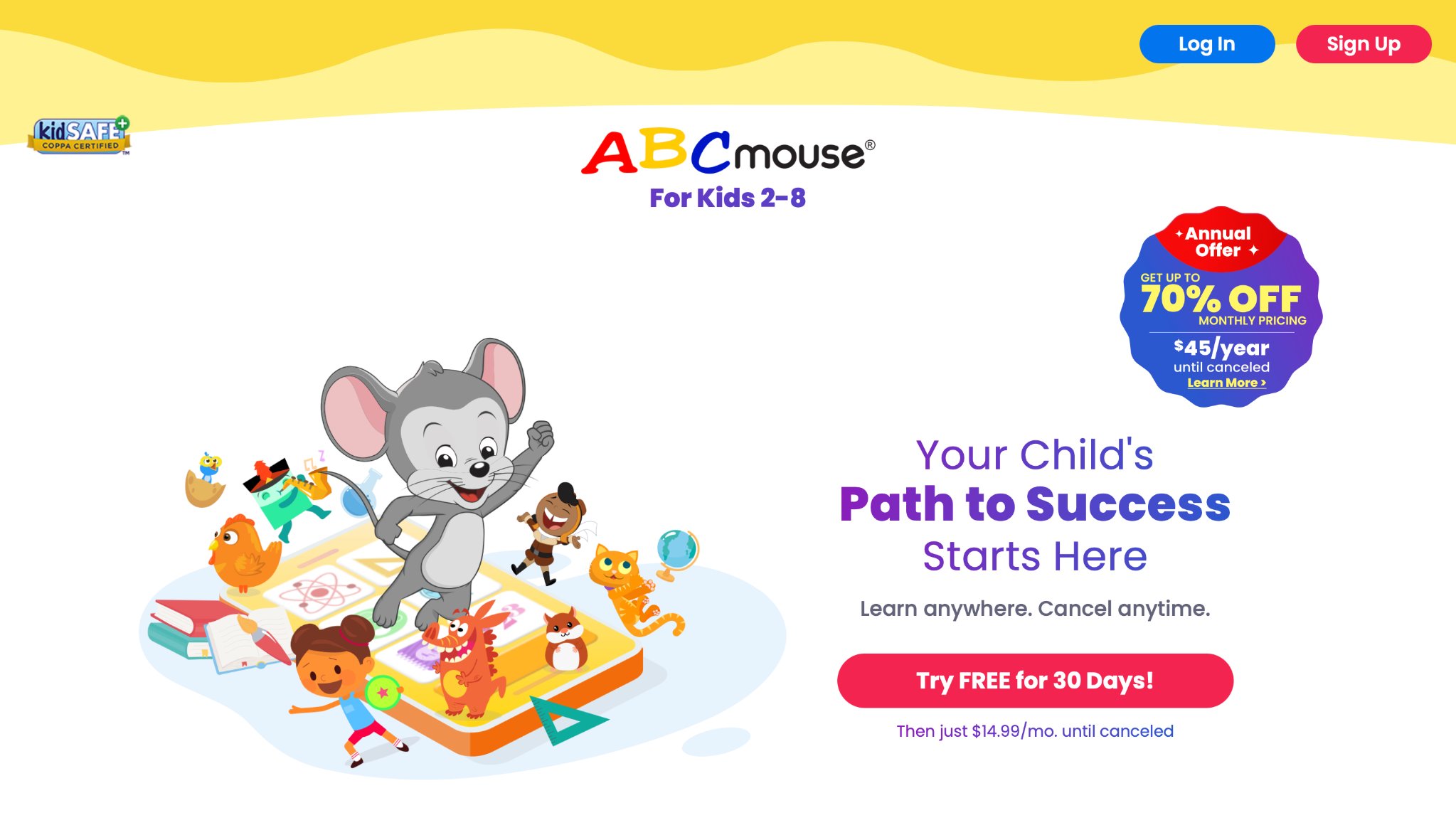
ABCmouse creates a structured early learning world filled with interactive games, books, songs, and puzzles for children ages two to eight. A clear step-by-step path covers reading, math, science, art, and more through colorful lessons. Four-year-olds practice letter sounds, counting, shapes, and simple problem-solving in short, engaging sessions. After finishing activities, children can explore creative play areas freely. A ticket and reward system motivates continued effort in a positive way. Progress tracking lets families see growth across subjects. The environment stays ad-free and designed for both independent and guided play. Many parents appreciate the broad curriculum that introduces foundational skills through game-like experiences that feel fun rather than formal.
- Personalized step-by-step learning path
- Thousands of games, books, songs, and art activities
- Creative play worlds and reward tickets
- Coverage of reading, math, science, and life skills
- Clear progress tracking for parents
5. Toca Boca World
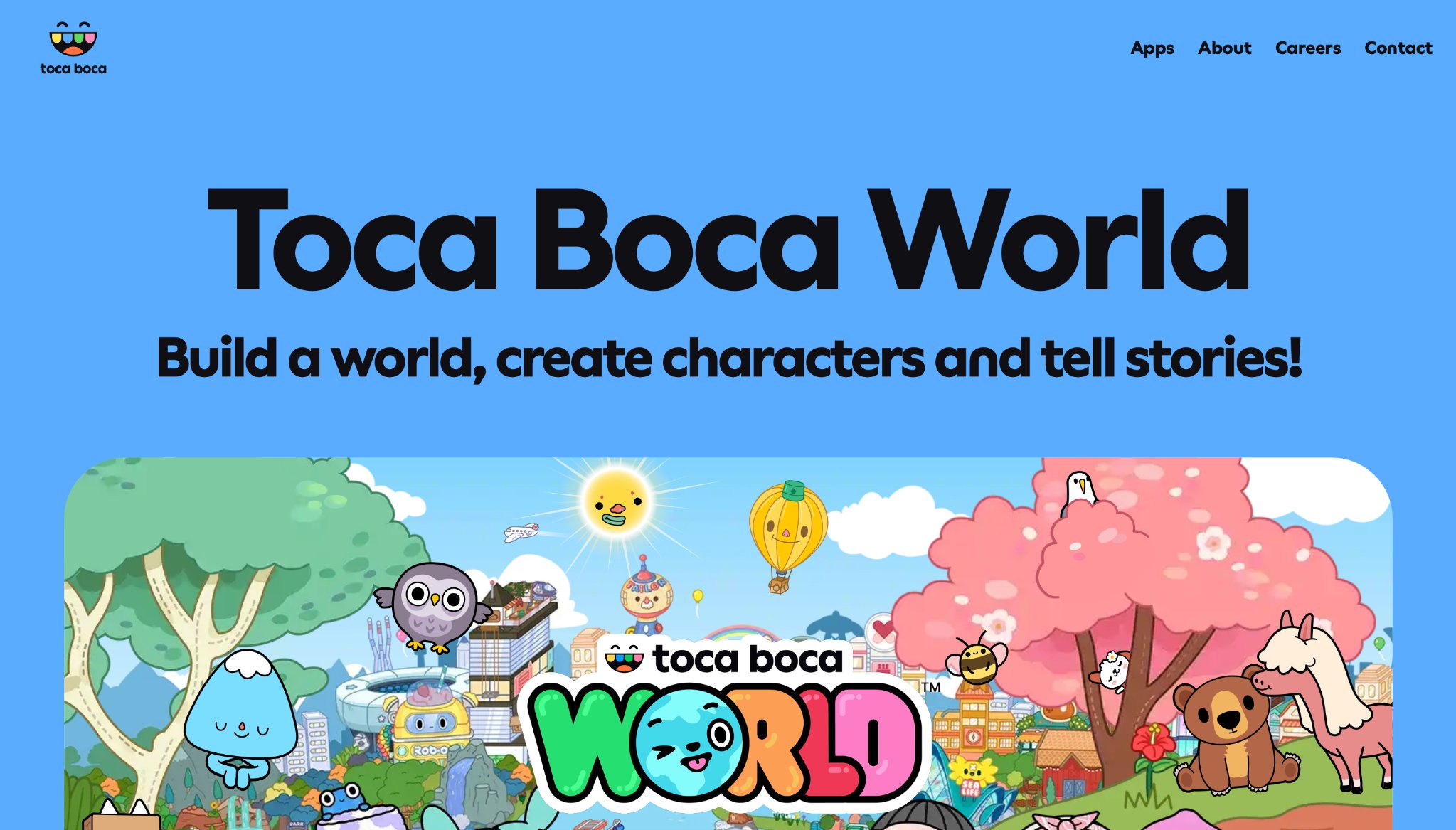
Toca Boca World opens a digital universe where children design characters, decorate spaces, and invent their own stories. Four-year-olds enjoy role-play in everyday settings such as homes, shops, and parks. The focus rests on creativity, storytelling, and social understanding instead of scores or levels. Simple touch controls make navigation easy for young users. Kids practice empathy by caring for characters and sequencing actions in narratives they create themselves. The single-player design keeps the experience private and free of third-party ads. Many parents value the pure imaginative play that mirrors real-world dollhouse fun and supports narrative thinking in a gentle, pressure-free way.
- Open-ended character creation and world building
- Role-play across multiple everyday locations
- No scores, timers, or win-lose pressure
- Safe single-player environment
- Tools that support storytelling and creative expression
6. PBS KIDS Games
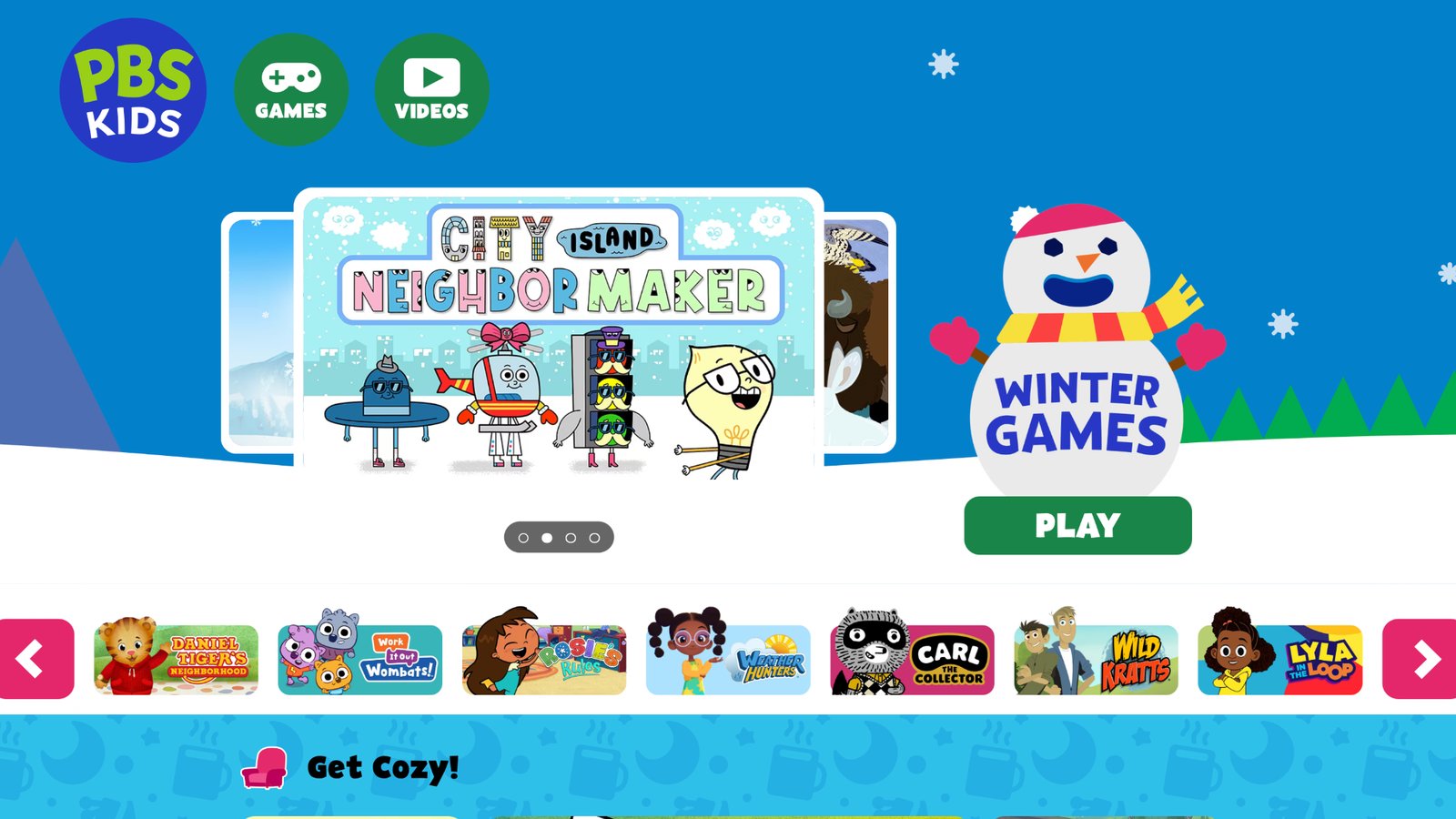
PBS KIDS Games brings a wide collection of free curriculum-based activities that feature beloved characters from shows such as Daniel Tiger’s Neighborhood, Peg + Cat, Wild Kratts, and more. Four-year-olds practice counting, letter recognition, sorting, early science exploration, and storytelling through short, colorful interactive games that feel familiar and inviting. New titles are added regularly, giving children fresh experiences while reinforcing the same core skills. The design stays simple and kid-friendly, with clear learning goals tied to early education standards. Parents can access helpful resources linked to each activity, making it easier to extend the learning at home. Games encourage problem-solving, curiosity, and social understanding inside a trusted media world that many children already know and love. The broad mix of math, literacy, science, and social-emotional activities fits naturally into daily routines and supports school readiness in a playful, low-pressure way that keeps young learners engaged without overwhelming them.
- Hundreds of free games with familiar PBS characters
- Strong coverage of math, reading, science, and social skills
- Regular new content additions that keep play fresh
- Safe, ad-free environment designed for young children
- Parent resources and clear learning goals for each activity
7. Sago Mini World
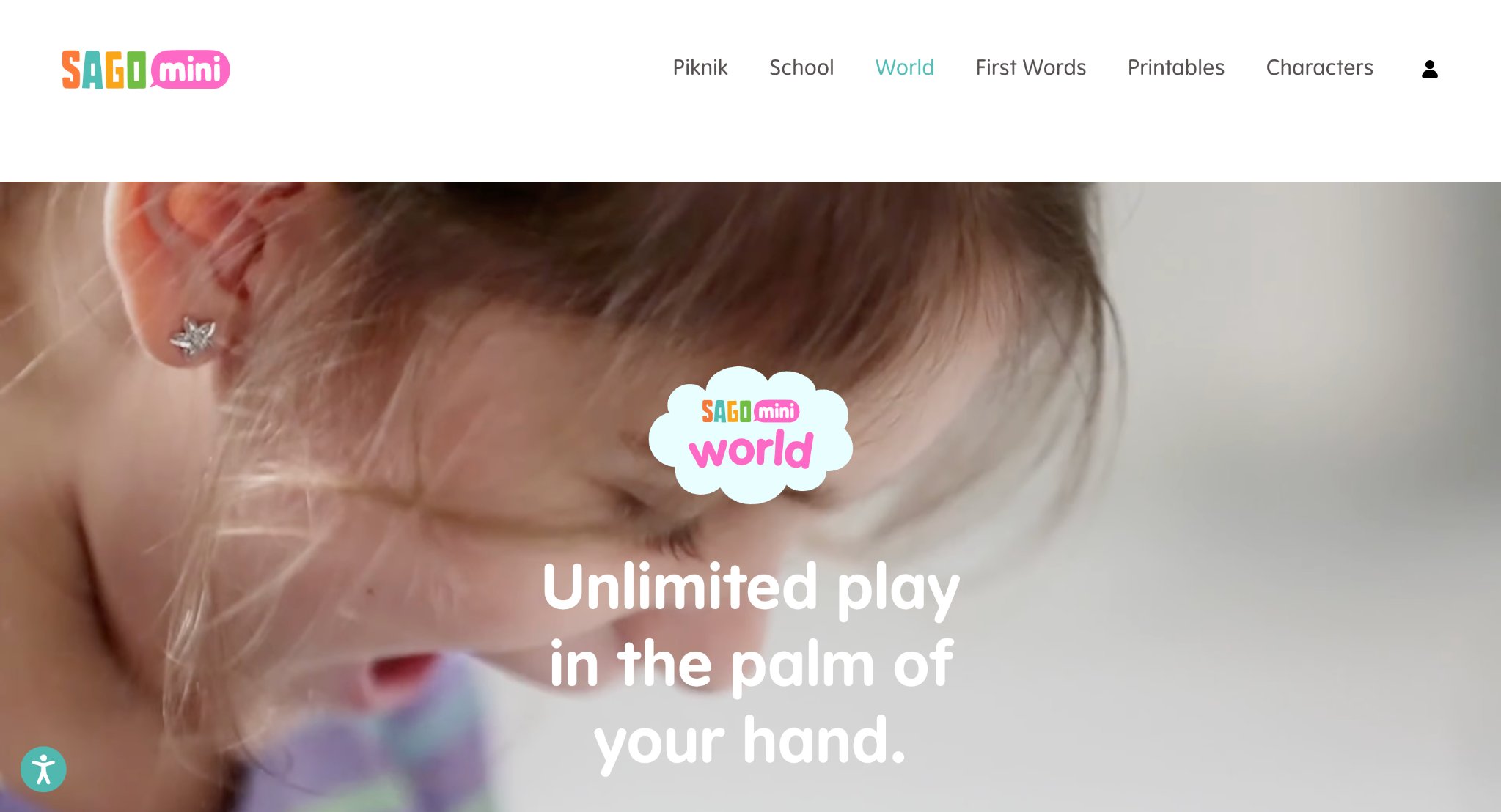
Sago Mini World creates a gentle, soft-toned collection of creative play experiences made especially for young children. Four-year-olds step into colorful environments filled with friendly animals, vehicles, and everyday scenes where they can explore freely. Activities focus on cause-and-effect learning, curiosity, and open-ended discovery rather than scores or strict goals. Simple interactions and calm pacing suit short attention spans and help children feel successful without frustration. There are no complex menus or loud rewards, which keeps the tone supportive and relaxed. Many parents choose Sago Mini World for pure imaginative fun that feels safe and age-appropriate. The collection continues to grow with new mini-worlds and characters, giving children fresh places to explore while quietly building early creative confidence, observational skills, and a sense of playful independence.
- Soft, inviting visual style and gentle characters
- Open-ended creative play scenes that encourage exploration
- Clear focus on curiosity and cause-and-effect learning
- Calm pacing that matches preschool attention spans
- Expanding collection of new mini-worlds and experiences
8. Endless Alphabet
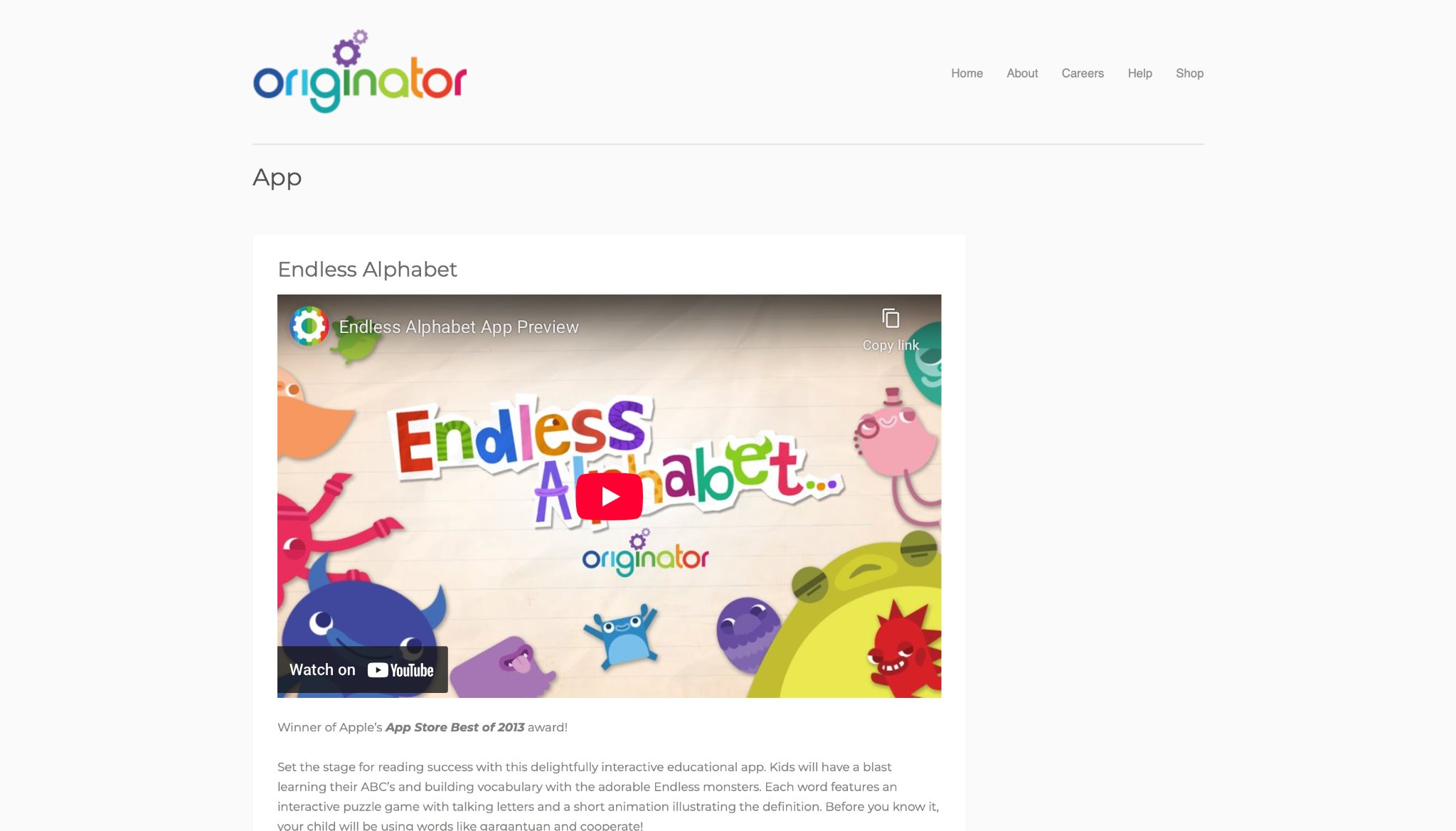
Endless Alphabet turns vocabulary building into an entertaining visual experience for young children. Four-year-olds watch playful animated alphabet monsters pull letters into place and then act out the meaning of each new word in short, funny scenes. The game strengthens letter recognition, early phonics awareness, and word knowledge through memorable animation rather than drills. Simple drag-and-drop controls work well for little hands and let children feel in charge of the action. Each word comes with a clear definition brought to life by the monsters, helping the meaning stick in a natural way. The design stays focused and free of clutter, so children remain engaged without distraction. Many families use Endless Alphabet as a light, enjoyable way to expand language skills while keeping the tone playful and encouraging for preschoolers who are just beginning to notice letters and words.
- Animated letter monsters that bring words to life
- Easy drag-and-drop letter practice
- Strong focus on vocabulary growth and phonics awareness
- Short, memorable animated word scenes
- Clear visual and audio support that aids understanding
9. Starfall
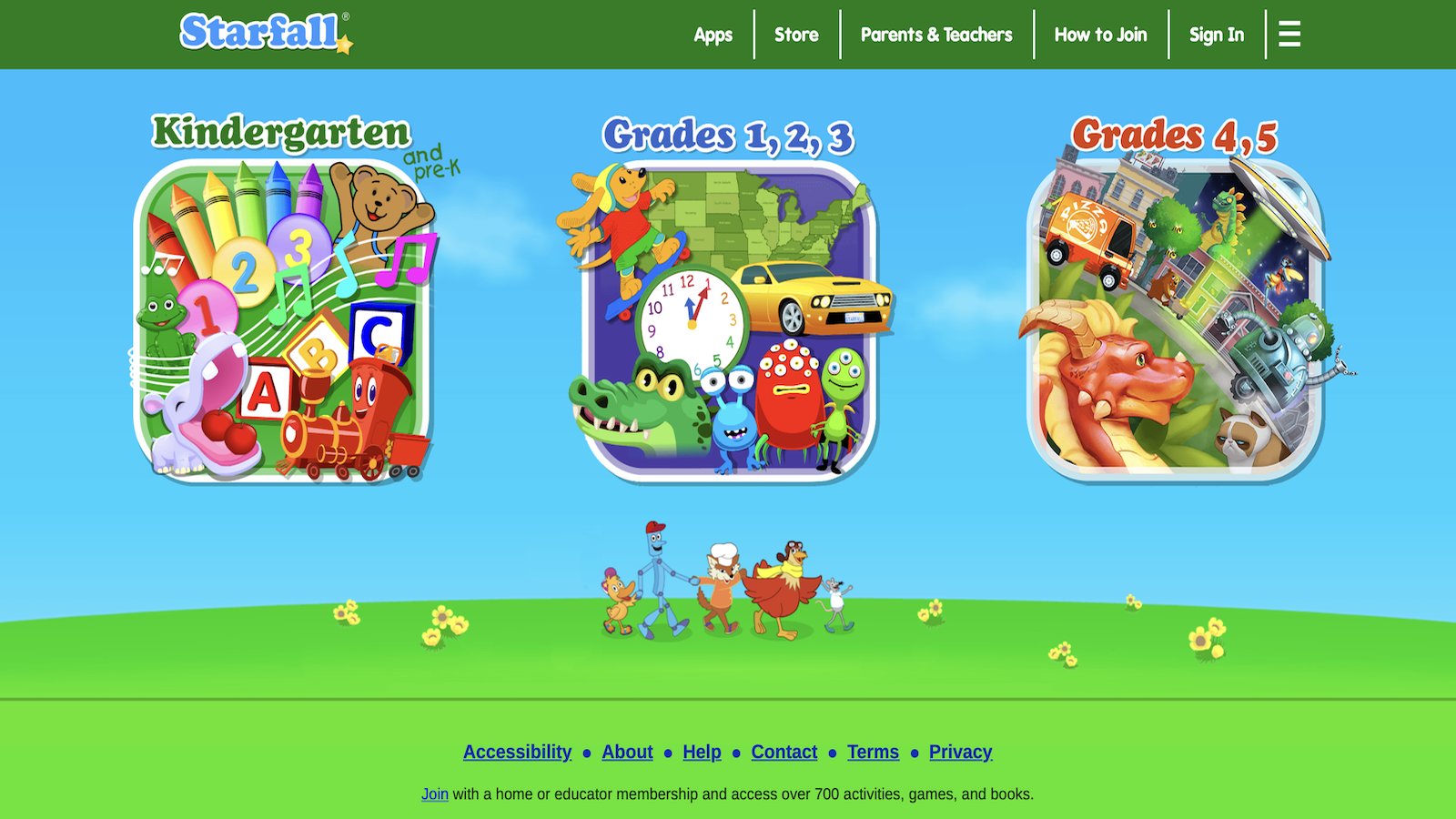
Starfall offers a straightforward collection of early learning activities centered on reading, phonics, math, and music. Four-year-olds practice letter sounds, simple words, counting, and shapes through songs, interactive games, and colorful books. The classic design uses clear narration and bright, uncluttered visuals that support independent play. Activities move gradually from basic recognition to early reading and number skills, giving children a sense of steady progress. Parents appreciate the focused structure that introduces foundational concepts without extra distractions or complicated menus. The calm, purposeful style helps young learners build confidence with letters and numbers at a comfortable pace. Starfall works well for short sessions and pairs nicely with offline reading or counting activities at home, making it a reliable option for families looking for simple, skill-focused digital play.
- Phonics and early reading games with clear progression
- Math and shape activities that build number sense
- Interactive books and sing-along songs
- Clear audio narration that supports independent use
- Progressive skill-building path suited to preschoolers
10. LEGO Apps for Young Builders
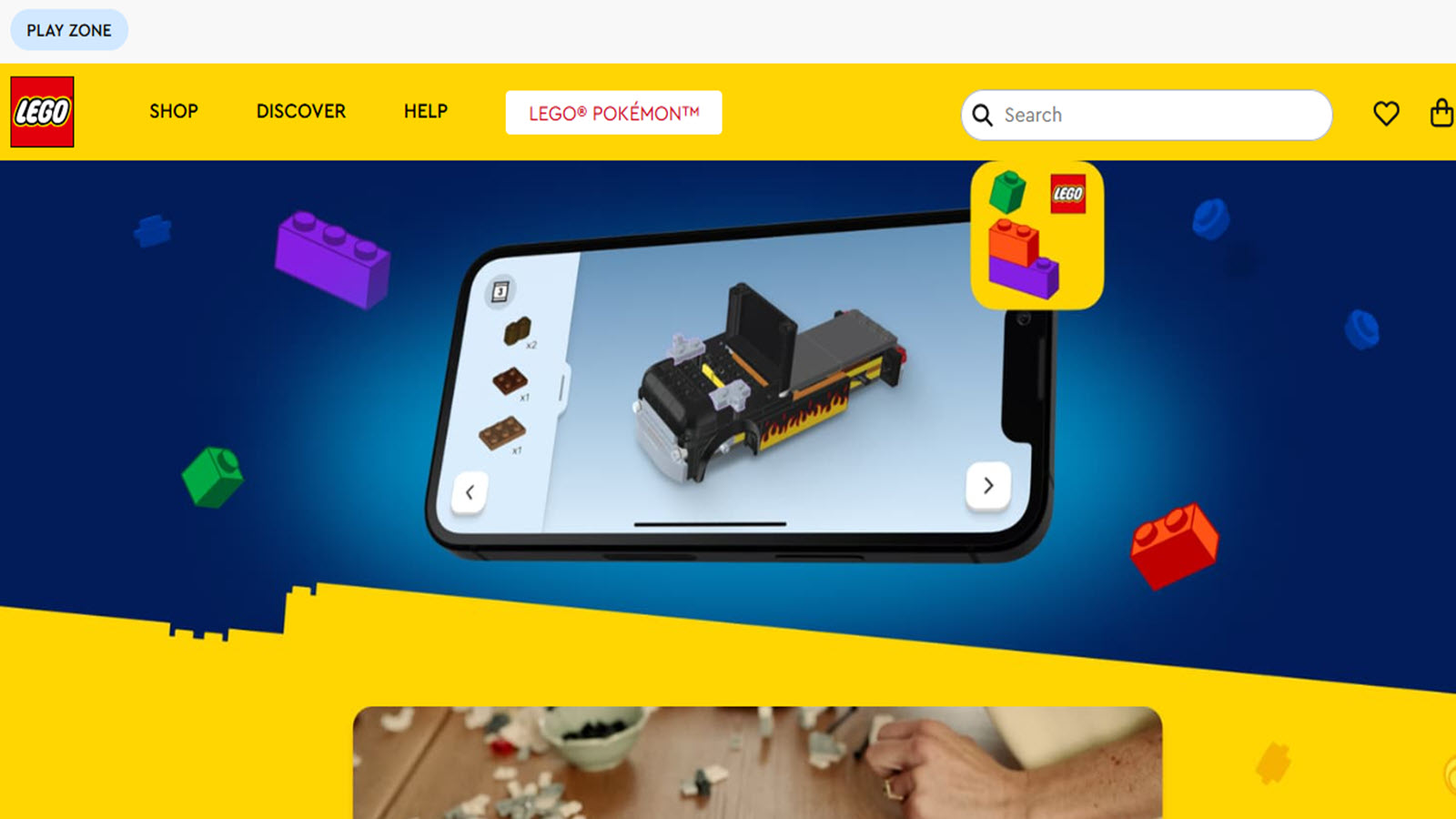
LEGO apps designed around DUPLO themes let four-year-olds build virtual structures, explore digital towns, and solve simple challenges using familiar brick shapes. The experience centers on spatial reasoning, creativity, and gentle problem-solving. Children place pieces, follow light prompts, or invent their own scenes with simple touch controls that suit small hands. The digital play pairs naturally with physical LEGO or DUPLO sets, helping children transfer ideas between screen and real-world building. Many parents value this bridge because it reinforces planning skills, fine motor coordination, and imaginative construction. Sessions stay open enough for free creation while still offering guided moments that introduce basic sequencing and design thinking. The overall tone remains playful and low-pressure, making these apps a natural fit for preschoolers who already love hands-on building and storytelling with bricks.
- Virtual building with familiar DUPLO-style pieces
- Mix of open creative play and gentle guided challenges
- Strong practice in spatial reasoning and planning
- Simple touch controls designed for young hands
- Natural connection to physical LEGO and DUPLO play
11. Duolingo ABC
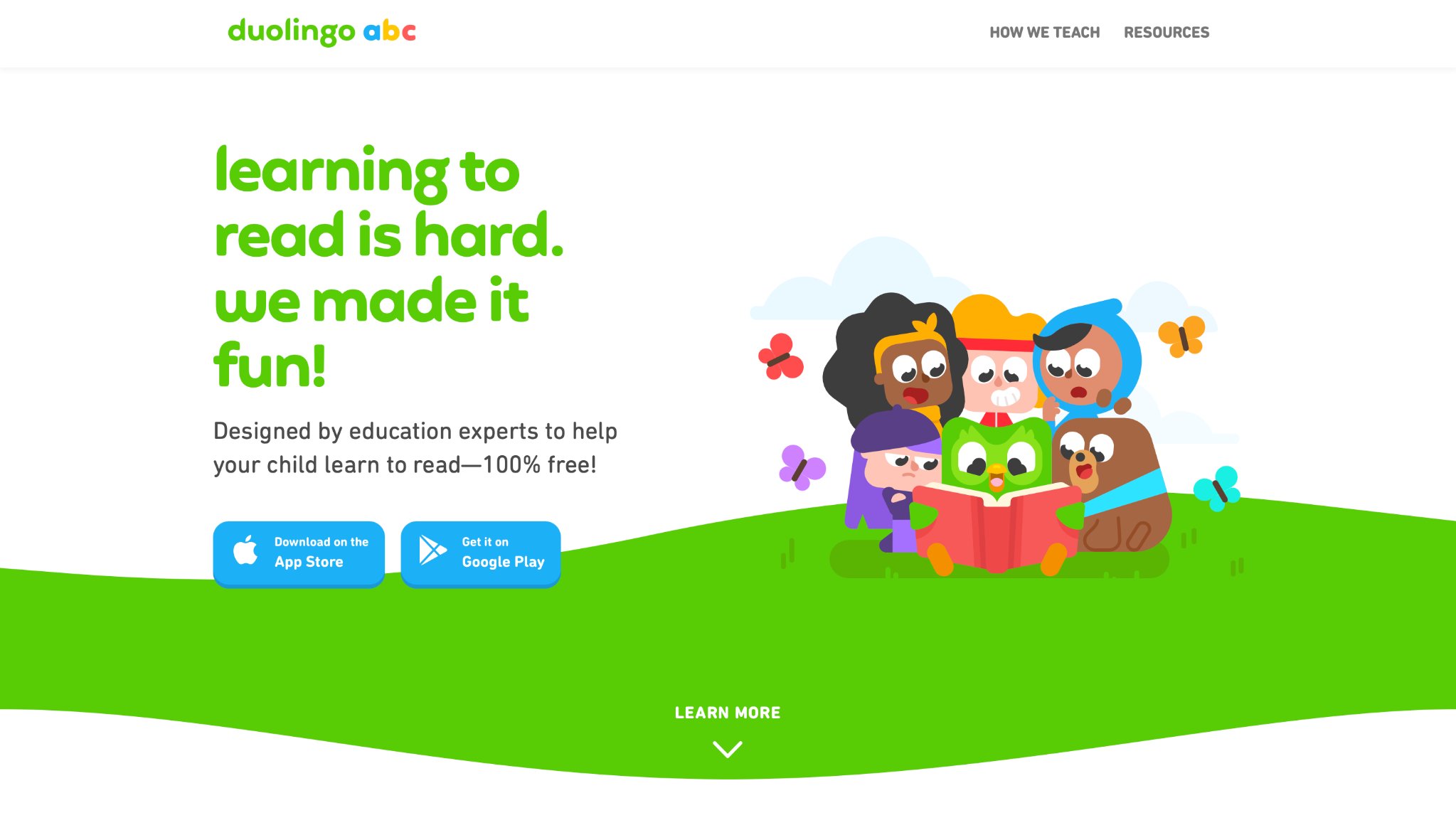
Duolingo ABC focuses on early reading readiness through short, game-like lessons in letter recognition, phonics, and simple word building. Four-year-olds follow adaptive paths that introduce letter sounds and blending in small, manageable steps. Bright animations and positive feedback keep sessions light and encouraging without creating pressure. The free design removes barriers for many families and allows children to practice regularly. Activities stay short and repeatable so young learners can return without fatigue. Parents can track basic progress with ease and see which letter sounds or words their child is mastering. The approach stays fully age-appropriate for pre-readers and helps build foundational decoding skills in a friendly, low-pressure format that feels more like play than formal instruction.
- Adaptive phonics and letter recognition lessons
- Short, game-style reading practice sessions
- Bright animations and positive reward feedback
- Free access with simple progress tracking
- Clear focus on early decoding and word-building skills
12. Teach Your Monster to Read
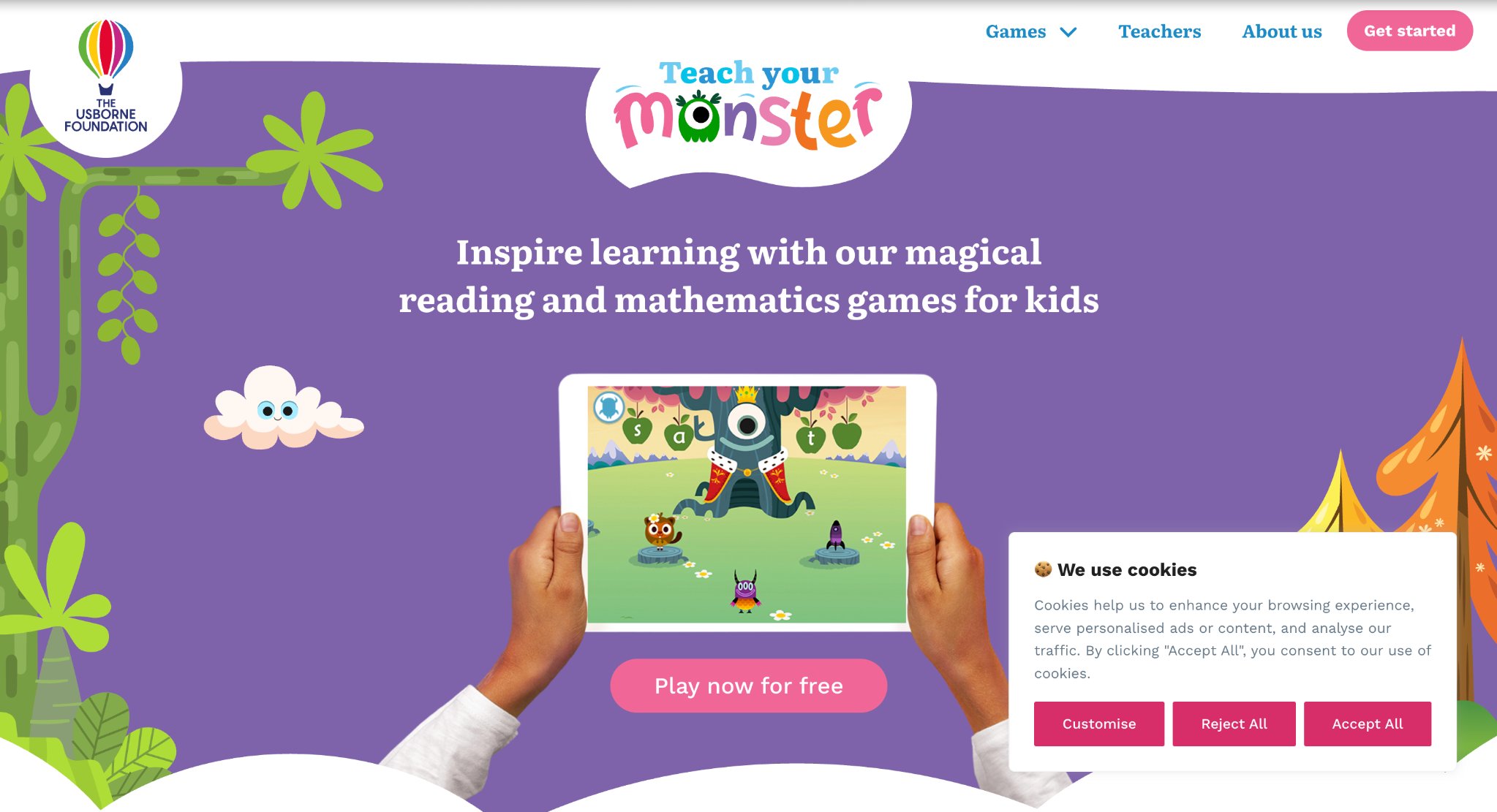
Teach Your Monster to Read turns early reading practice into a friendly adventure where children create and care for their own monster while learning letter sounds, blending, and simple words. Four-year-olds progress through carefully sequenced games that introduce phonics step by step in short, rewarding sessions. The design stays bright and encouraging, with clear audio support that helps pre-readers stay independent. Children earn rewards for their monster as they master new skills, which keeps motivation high without pressure. Many parents appreciate the structured yet playful approach that builds real decoding confidence. The free version offers a solid foundation, while the full experience expands the journey. Sessions remain short enough for preschool attention spans and work well as a daily reading warm-up that feels more like play than formal lessons.
- Monster creation and care that adds emotional connection
- Structured phonics progression from sounds to simple words
- Short, rewarding game sessions with clear audio support
- Bright, encouraging design suited to young learners
- Strong focus on building early reading confidence
13. Homer
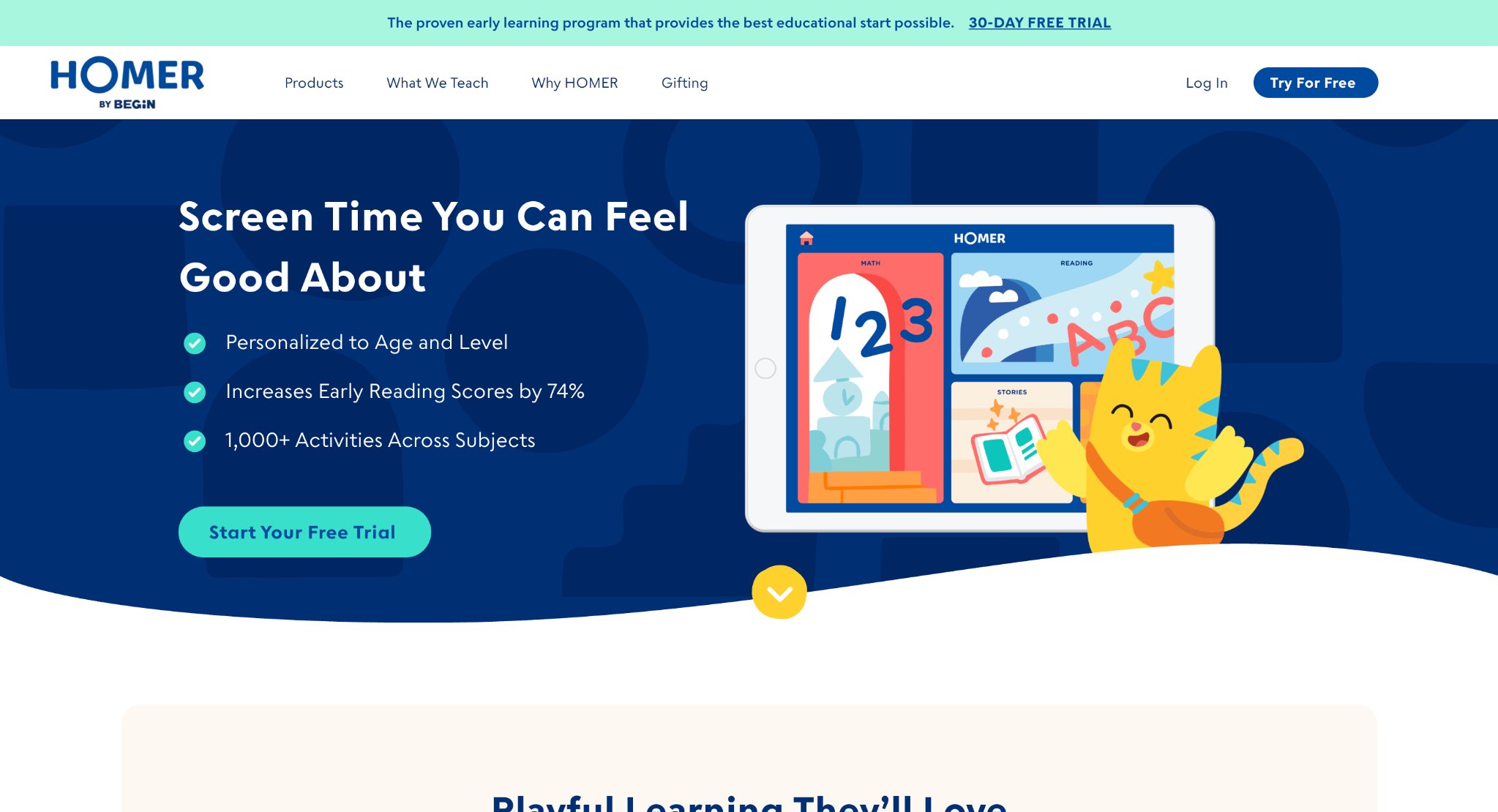
Homer creates a personalized early learning path that adapts to each child’s interests and skill level across reading, math, social-emotional growth, and creativity. Four-year-olds follow stories and activities built around topics they already love, such as animals, vehicles, or nature. The platform mixes interactive books, games, songs, and drawing tools so learning feels varied and engaging. Letter recognition, phonics, counting, and simple problem-solving appear in short, playful formats. Parents receive progress insights and can adjust the path as needed. The calm, ad-free environment supports focused play while still feeling fun and exploratory. Many families value how Homer connects new skills to a child’s natural curiosity, helping four-year-olds stay motivated and confident as they build foundational abilities.
- Personalized learning path based on interests and skills
- Mix of interactive books, games, songs, and creative tools
- Coverage of reading, math, and social-emotional growth
- Parent progress insights and flexible path adjustments
- Calm, ad-free design that supports focused discovery
14. Osmo
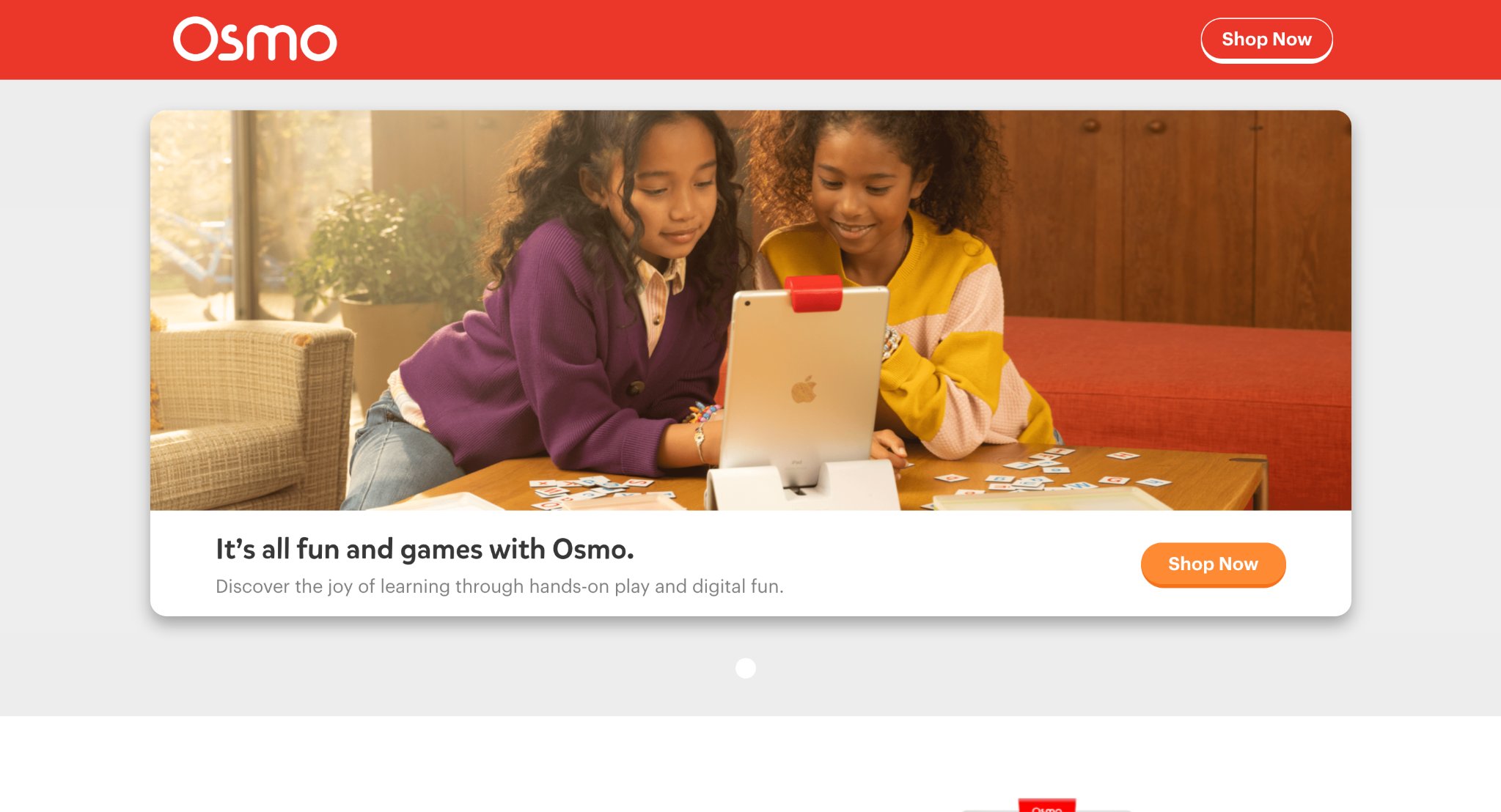
Osmo combines physical play pieces with digital activities through a reflective base and tablet setup, creating hands-on learning experiences for young children. Four-year-olds use real letters, numbers, shapes, and drawing tools that appear on the screen in real time. Activities cover letter recognition, early math, creative drawing, coding basics, and problem-solving in short, interactive sessions. The physical-digital mix keeps children moving and engaged rather than only tapping a screen. Many parents appreciate the tangible element that strengthens fine motor skills alongside cognitive growth. The design stays playful and low-pressure, with clear feedback that helps children understand their progress. Osmo works especially well for families who want educational screen time that still feels active and connected to real-world materials.
- Physical play pieces that interact with the digital screen
- Activities covering letters, numbers, drawing, and early coding
- Strong support for fine motor skills and hands-on learning
- Short, interactive sessions with clear real-time feedback
- Playful, low-pressure design that blends digital and physical play
15. Noggin

Noggin offers a curated collection of short learning videos, interactive games, and activities featuring familiar Nick Jr. characters that many four-year-olds already know and love. The platform focuses on early literacy, math, social-emotional skills, and creativity through gentle, age-appropriate content. Children practice letter sounds, counting, emotional recognition, and simple problem-solving in brief, colorful sessions. The design stays calm and ad-free, with clear navigation suited to young users. Parents can find activity suggestions and track what their child has explored. Noggin works well as a familiar bridge between favorite shows and active learning, helping preschoolers build foundational skills while staying engaged with characters they trust. Sessions remain short and positive, making it easy to fit into daily routines without overstimulation.
- Familiar Nick Jr. characters that increase engagement
- Mix of short videos, interactive games, and learning activities
- Focus on literacy, math, and social-emotional skills
- Calm, ad-free environment with simple navigation
- Parent activity suggestions and viewing insights
How Educational Games Support Everyday Development
Quality games reinforce skills children use every day. Language activities grow vocabulary that shows up in conversation. Number and sorting play improve organization during cleanup or mealtime. Logic tasks help with following multi-step directions. Life skills games normalize routines like handwashing or helping at the store. Many families notice children ask more questions and try new words after regular short sessions.
The best experiences balance screen time with offline extension. After a game about professions, children often pretend to be bakers or firefighters with real toys. Printables or simple home versions of sorting and counting keep the learning going. Designs informed by child psychologists reduce frustration and support emotional safety so kids leave play sessions feeling successful rather than overstimulated. Platforms that combine educational games online with real-world themes create natural bridges between digital play and daily life.
- Language & Phonics: Letter sounds, vocabulary, early reading → Building talking and story skills
- Number & Math: Counting, patterns, simple comparison → Growing number confidence
- Logic & Sorting: Focus, matching, organization → Sharpening attention
- Life Skills & Creativity: Routines, empathy, imagination → Everyday independence and expression
Practical Tips for Using These Games Well
Keep sessions short to match a four-year-old’s natural focus. Sit nearby for the first few times so you can talk about what appears on screen. Choose one or two platforms and rotate rather than jumping between many apps. Pair digital play with books, outdoor time, and conversation for the strongest results. Look for progress tools that highlight strengths without creating pressure. Ad-free options protect attention and keep the experience calm.
When games include real-world themes, use those moments to connect to daily life. A sorting game can lead to helping put away groceries. A professions’ story can spark a walk to watch construction or a visit to the library. These links make the learning stick and turn screen time into a family conversation starter. Families exploring best fun games for 4 year olds online or preschool online games for 4 year olds often find that consistent short sessions paired with offline play deliver the most lasting benefits. A kids learning app that covers multiple skill areas can simplify the process for busy parents.
FAQ
What makes a game truly educational for a four-year-old?
A truly fun educational game for a four-year-old matches the child’s natural stage of development and turns play into active learning. It supports early language through letter sounds and simple stories, builds number sense with counting and patterns, and strengthens focus through sorting or matching tasks. The best options also include everyday life skills such as routines or creative expression so learning feels connected to real life. Clear feedback, gentle progression, and an ad-free design help children stay engaged without frustration or distraction. When games are created with input from child development experts, they balance fun with meaningful skill growth that carries into daily conversations and activities.
How much screen time is reasonable with educational games?
Short, focused sessions work best for four-year-olds because their attention spans are still developing. Many families find that brief periods of quality play a few times a week fit comfortably into daily routines alongside outdoor time, books, and conversation. The value comes from the content and the way adults talk with children about what they experienced rather than from long continuous use. Watching for signs of tiredness or overstimulation helps parents adjust the length of each session. Pairing digital play with hands-on activities keeps the overall experience balanced and supportive of healthy growth, especially when using learning games for kids.
How can parents extend the learning beyond the screen?
Parents can extend learning by talking about the characters, stories, or skills that appeared during play. A sorting game can lead to helping put away groceries or toys at home, while a professions-theme can spark pretend play with real objects. Free printables or simple paper versions of counting and matching activities continue the same ideas offline. Everyday conversations about new words or ideas children encountered help the learning stick. These natural links turn short digital sessions into ongoing discovery that supports language, focus, and confidence throughout the day, much like the approach found in early literacy games and brain development games.
What skills do the best educational games for four-year-olds usually support?
The interactive educational games for this age support a balanced mix of early language, number sense, logic, and everyday life skills. Language activities introduce letter sounds, vocabulary, and simple storytelling. Number games build confidence with counting, patterns, and basic comparison. Logic and sorting tasks sharpen attention and organization. Life skills and creativity sections help children practice routines, empathy, and imaginative expression. When these areas appear together in one calm, age-appropriate environment, children gain foundations that prepare them for school while still feeling like pure play. Many of the best educational games follow this whole-child approach.
Why does expert design matter in educational games for preschoolers?
Expert design grounded in child development knowledge helps games match how four-year-olds actually learn through active exploration and gentle challenges. Activities created with this understanding avoid overstimulation and keep pacing comfortable so children feel successful. They connect new skills to real-world themes that children already notice in daily life, making the learning more memorable. Safety features such as ad-free environments and age-appropriate content protect focus and emotional comfort. This thoughtful approach turns screen time into purposeful growth that supports confidence, curiosity, and foundational skills in a joyful way, as seen in platforms shaped by psychologist-designed principles.
Read Also
- Best Fun Games for 4 Year Olds Online 2026
- Best Preschool Online Games for 4 Year Olds 2026
- Why Psychologist-Designed Apps Boost Pre-K Learning Outcomes
- Best Educational Games App 2026
- Best Fun Educational Games Online 2026