

Best Online Games for Preschoolers 2026






The best online games for preschoolers 2026 combine fun with real learning in language, numbers, logic, and everyday skills. Fluvsies Academy stands out as a top choice, offering safe, ad-free experiences tailored for ages 3 to 7 that build confidence while keeping kids happily engaged.
Parents can further support early development with standout options such as the best preschool math games, the best pattern games for preschoolers, the best memory games for preschoolers, and the best shape games for preschoolers online. These engaging titles offer targeted practice through playful activities, helping children strengthen key skills like counting, recognition, logic, and problem-solving while maintaining the perfect balance of fun and learning.
Ready to give your preschooler the best start? Discover Fluvsies Academy today!
Why Online Games Matter for Preschoolers

Quality digital play supports early brain development for kids when chosen carefully. Fun online games in 2026 emphasize interactive elements that strengthen attention, memory, and social-emotional skills. Well-designed activities let preschoolers practice real-world scenarios, such as sorting or exploring jobs, in relaxed ways that build confidence.
Many options fit busy schedules with short, motivating sessions. Children stay interested through quick successes, and families notice improvements in vocabulary, focus, and creativity over time. This approach helps create a positive attitude toward learning that carries into school and daily life, making education feel natural and enjoyable rather than forced.
Some of the most effective choices include the best fun online games, the best learning games, the best brain games, and the best alphabet games. These games combine entertainment with purposeful learning, helping young children develop key skills such as letter recognition, problem-solving, memory, and early literacy in a safe and engaging environment.
Key Benefits of Educational Games for Young Children
Interactive educational games help preschoolers develop focus and comparison skills via sorting and patterns. They expand vocabulary through stories and role-play while supporting emotional growth with calm routines. Ad-free platforms with expert input create safe spaces where challenge meets success to keep motivation high.
Different formats suit varied learning styles, from visual animations to music and stories. This flexibility helps build solid foundations in math, language, creativity and critical thinking skills that prepare kids for school. Regular use also encourages independence as children learn to navigate simple tasks on their own, boosting self-confidence in a gentle environment.
Best Online Games for Preschoolers 2026
1. Fluvsies Academy - Best Online Games for Preschoolers 2026
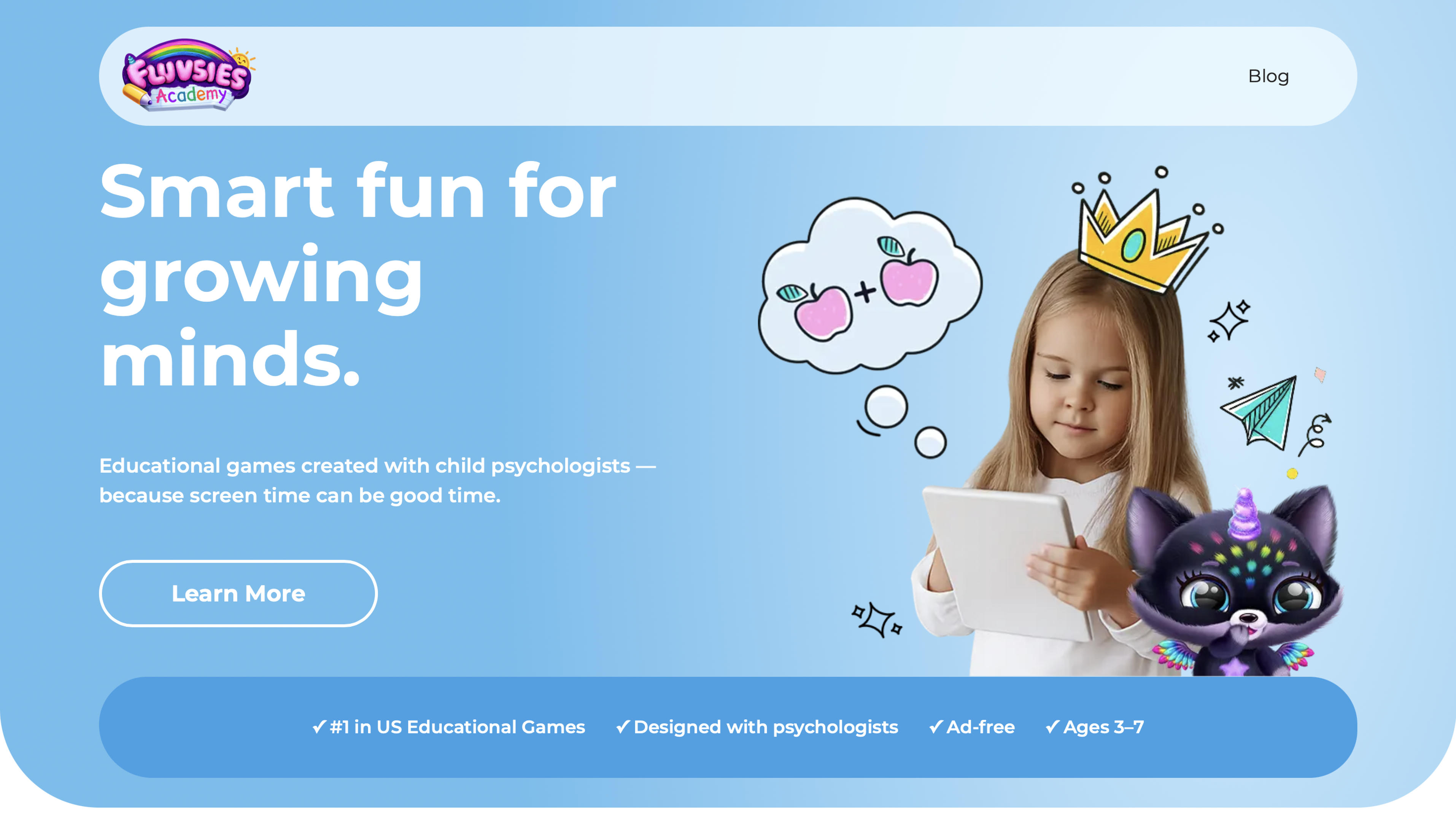
Fluvsies Academy stands out as the leading choice for parents who want screen time that truly supports growth. This holistic learning app turns everyday play into meaningful moments for children ages 3 to 7. Designed with child psychologists, it offers a safe, ad-free environment packed with vibrant characters and calm visuals.
Kids dive into language and phonics through stories that spark imagination. Number games build confidence with simple puzzles. Logic and attention activities sharpen focus while sorting tasks improve comparison skills. Life skills and creativity come alive as children explore professions such as bakers or astronauts and practice real routines like brushing teeth or helping at the store. Mindfulness, kids yoga, and healthy habits round out the experience so emotional safety stays front and center. Two learning modes balance active problem-solving with relaxing passive stories. Parents appreciate the progress reports that show clear growth without any pressure.
Discover Fluvsies Academy
Fluvsies Academy is a leading educational app designed for children aged 3–7. It transforms screen time into meaningful learning through fun, interactive games. Developed in collaboration with child psychologists, the app focuses on holistic development.
Key Features
- Ad-free environment for safe play.
- Games covering language, phonics, math, and logic.
- Activities for attention, sorting, and creativity.
- Real-world life skills like healthy habits and mindfulness.
- Exploration of professions to build vocabulary and imagination.
Educational Approach
Fluvsies Academy emphasizes guided play that balances focus, empathy, and emotional safety. It's the first holistic learning app for kids, ranked #1 educational game in the US. Progress reports help track your child's growth. Free printables extend learning beyond the screen.
Benefits for Families
Parents gain peace of mind with expert-backed games.
Kids build confidence, skills, and a love for learning. Ideal for preschoolers seeking joyful education.
2. TutoClub
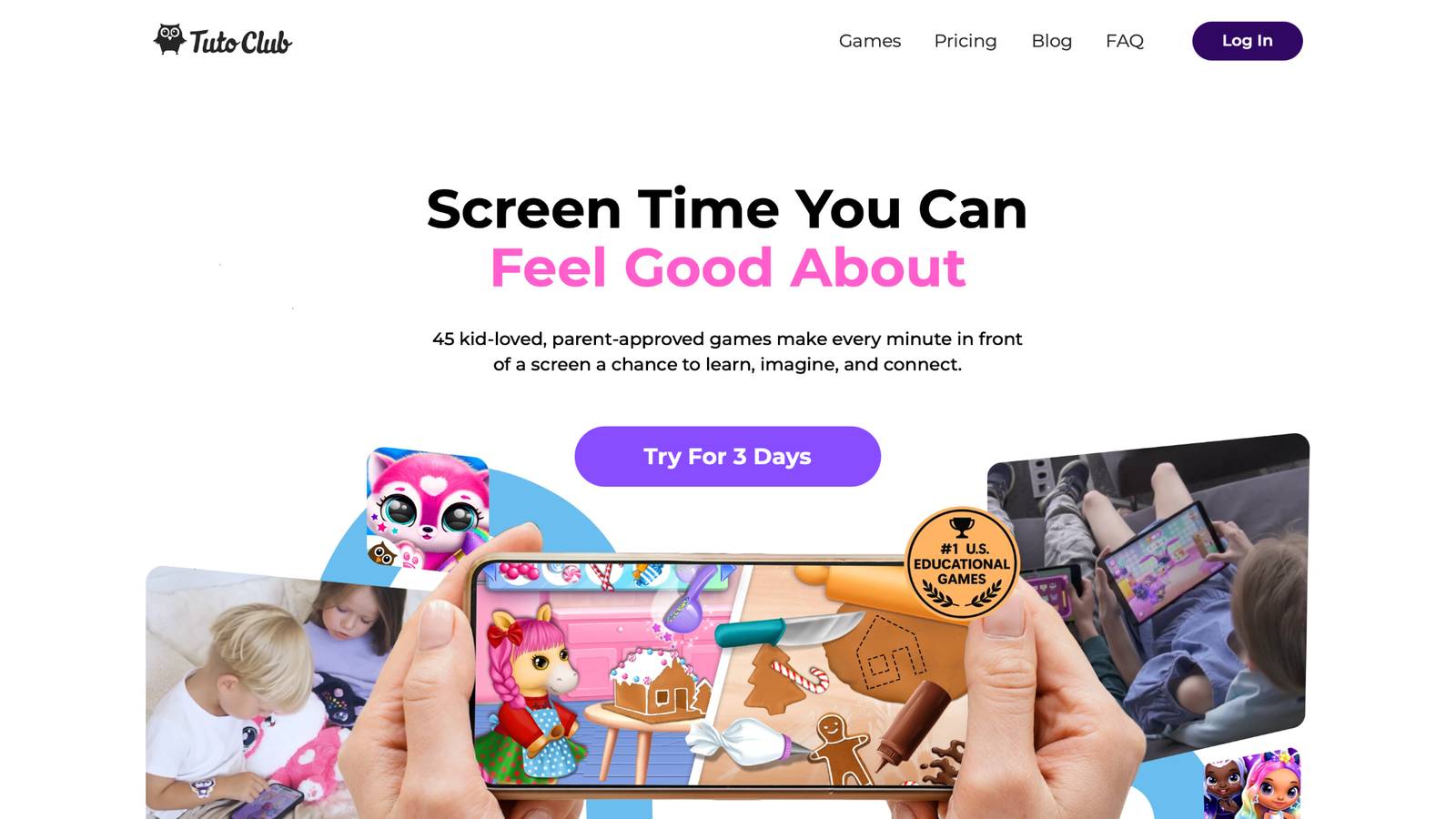
TutoClub brings together more than 45 ad-free games from the TutoTOONS collection that help young children grow through creative adventures and meaningful play. Families enjoy this safe platform where kids explore different subjects without any interruptions or distractions pulling them away. The games blend fun elements with natural development so curiosity and care grow alongside focus and empathy in a relaxed way. Children dive into art tasks and storytelling that spark imagination while puzzles sharpen problem solving and routines build helpful habits.
This collection supports preschoolers with activities that feel like everyday play yet guide skill building gently. Kids care for virtual pets or style outfits in scenarios that teach responsibility and compassion through hands-on choices. The wide variety of characters and worlds keeps sessions exciting and fresh so children stay engaged longer. Parents notice how the content fits busy family schedules and promotes positive screen time that supports overall growth without any added stress.
Key features
- Safe ad-free games centered on creativity and emotional development
- Interactive stories and puzzles that strengthen problem-solving and daily routines
- Diverse characters and scenarios to maintain high motivation
- Adaptive challenges that match each child's current abilities
- Offline play option for learning on the go
Facts and Information
TutoClub delivers steady positive experiences that many parents choose for daily learning. The games help children build essential abilities in a calm format that matches family life. Regular use often leads to noticeable improvements in focus and emotional awareness.
3. ABCmouse
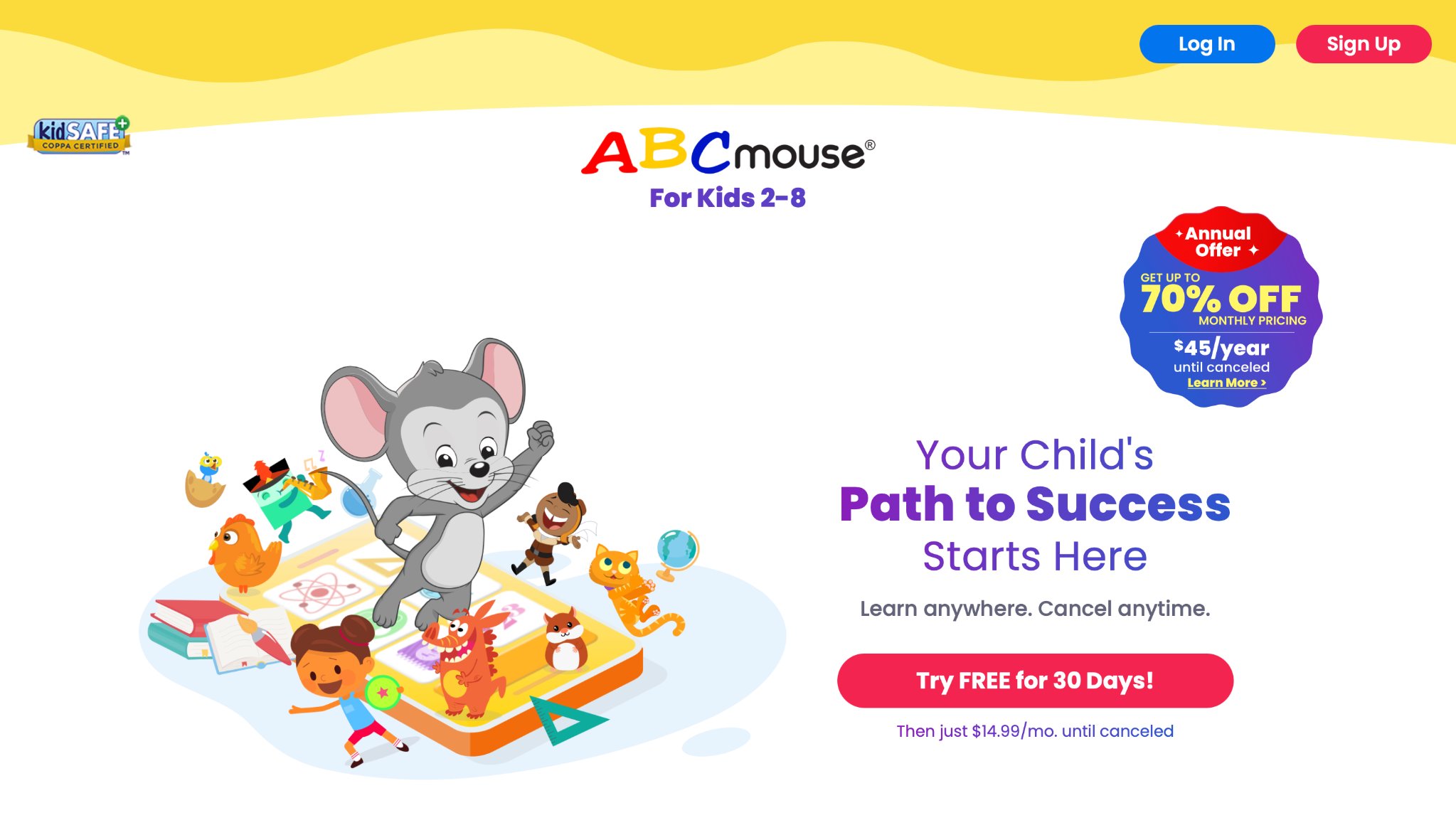
ABCmouse features a broad library of games, books, puzzles, and activities covering reading, math, science, art, and more for preschoolers. The platform uses a structured curriculum approach with colorful lessons that progress through foundational skills, helping children build knowledge step by step in an entertaining format. Its vast content library ensures there is always something new to explore, keeping interest high across different subjects and learning styles. Children can move through levels at their own speed, gaining confidence as they master concepts through repetition and positive reinforcement. The mix of interactive elements, such as puzzles and creative tasks, supports various developmental areas while maintaining a playful tone. Families often find the comprehensive coverage helpful for filling in gaps or extending home learning in natural ways. The engaging design encourages independent play, allowing preschoolers to feel accomplished as they complete activities and unlock new content. This makes ABCmouse a reliable choice for consistent, well-rounded early education experiences.
Facts and Information
- Covers a wide range of subjects with progressive levels.
- Includes diverse activity types to maintain interest.
- Supports early literacy and numeracy development through repetition and rewards.
4. Khan Academy Kids
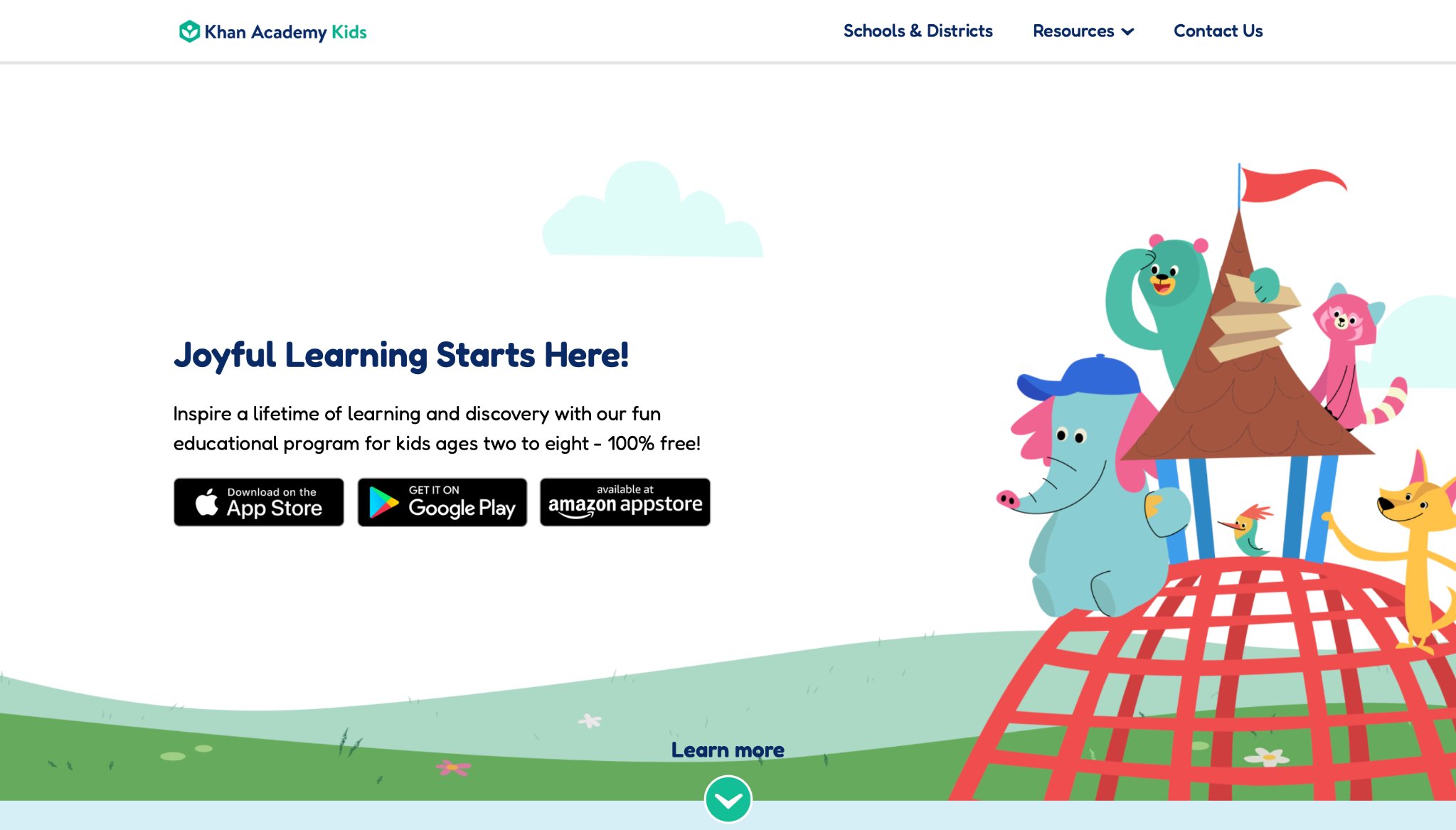
Khan Academy Kids delivers free activities with friendly characters and short lessons that introduce foundational skills in reading, math, and social-emotional learning. The nonprofit-backed app offers standards-aligned content that adapts to different ages and abilities, making it accessible for home or classroom use. Its thoughtful design includes interactive books, games, and creative exercises that grow alongside the child, providing steady progression without pressure. Young learners benefit from clear visuals and encouraging feedback that build confidence in core areas. The platform also incorporates elements that support emotional awareness, helping children navigate feelings and social situations through play. Easy navigation and personalized paths make it simple for preschoolers to choose activities that match their current interests and abilities. This flexibility supports varied learning paces while maintaining engagement through fun, meaningful content. Khan Academy Kids serves as a valuable resource for families looking for quality, adaptable educational experiences that emphasize both academic and personal growth.
Facts and Information
- Focuses on core academic and emotional skills.
- Provides interactive books and games for varied learning styles.
- Grows with children from preschool into early elementary years.
5. PBS Kids Games
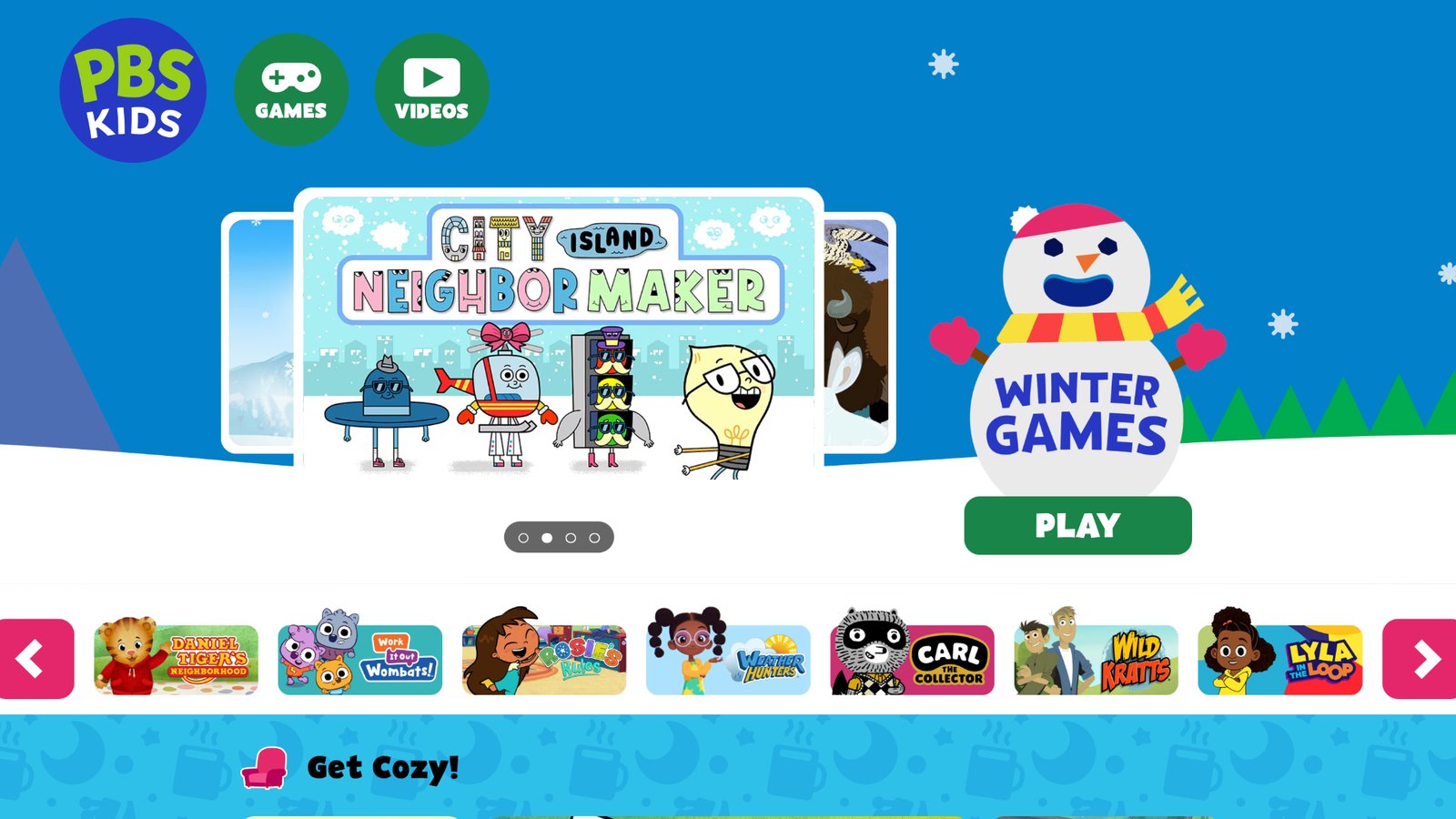
PBS Kids Games features familiar characters from popular shows in activities that support literacy, math, science, and social skills. The free platform offers simple, story-driven experiences that align with educational television content many families already enjoy. Its character-based approach makes learning feel familiar and comforting, drawing children into adventures that teach important concepts through play. Activities often combine storytelling with interactive challenges, helping preschoolers practice skills in context rather than isolation. The content promotes positive values like kindness and teamwork, creating opportunities for discussions about emotions and relationships. Short, focused sessions fit well into daily routines, providing quick wins that motivate continued exploration. PBS Kids Games delivers a gentle introduction to various subjects while reinforcing social-emotional development in ways that feel natural and supportive.
Facts and Information
- Ties learning to well-known characters for added engagement.
- Covers multiple developmental areas through play.
- Emphasizes kindness and problem-solving themes.
6. Starfall
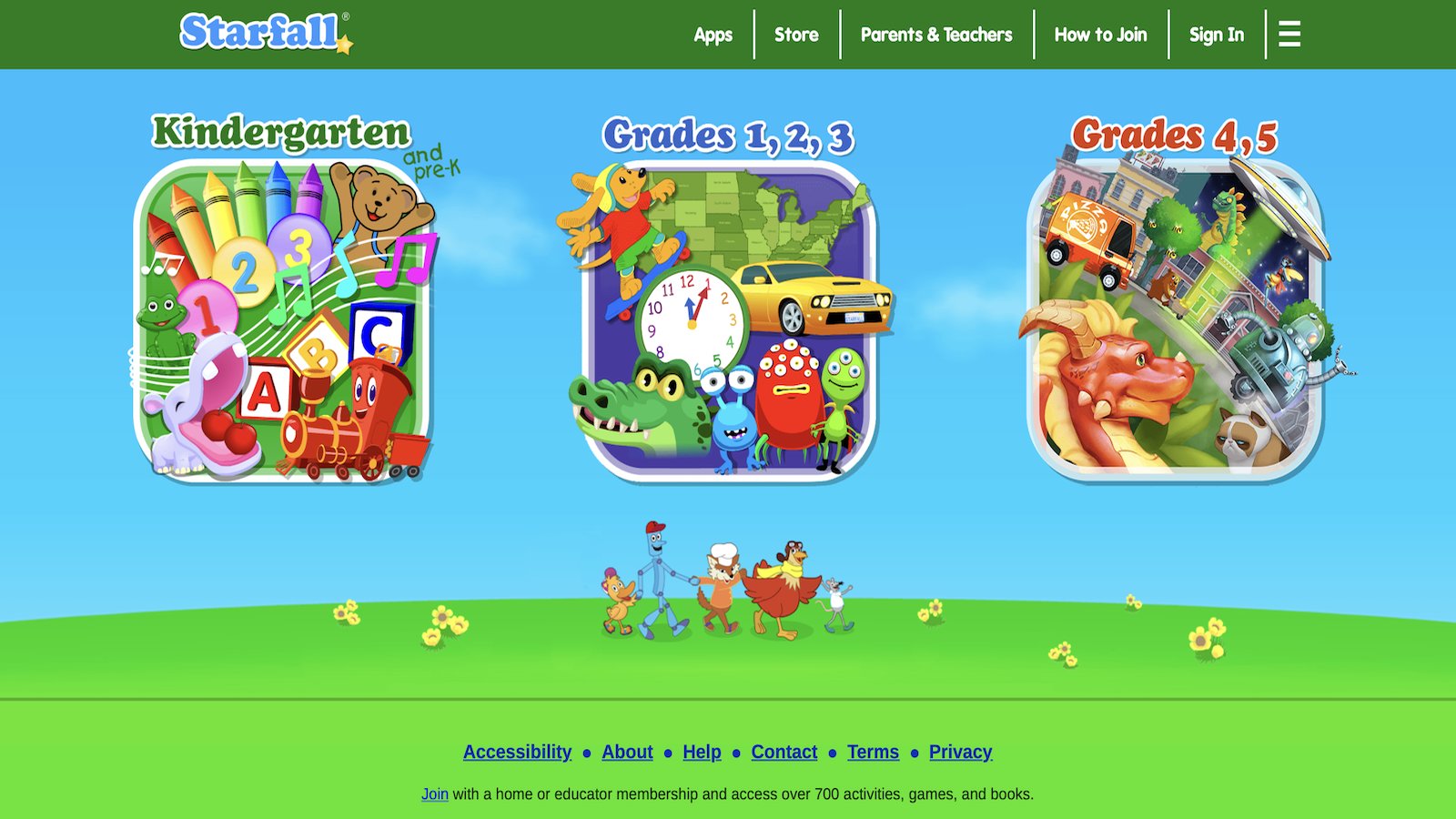
Starfall specializes in reading, phonics, and math with multisensory interactive games, movies, books, and songs. Originally developed in classrooms, it provides untimed activities suitable for preschool through early elementary levels, focusing on foundational literacy skills. The platform's emphasis on seeing, hearing, and interacting with content helps different learning styles thrive. Children can explore letters, sounds, and numbers through engaging animations and simple controls that build confidence gradually. Its calm pace reduces pressure while encouraging repeated practice that strengthens understanding over time. Starfall creates a supportive space where preschoolers gain comfort with early academic concepts through fun, accessible formats. The combination of games and reading materials offers variety that keeps sessions fresh and rewarding.
Facts and Information
- Strong emphasis on phonics and early reading.
- Offers a mix of games and reading materials.
- Supports different learning paces with visual and auditory elements.
7. Sesame Street Games
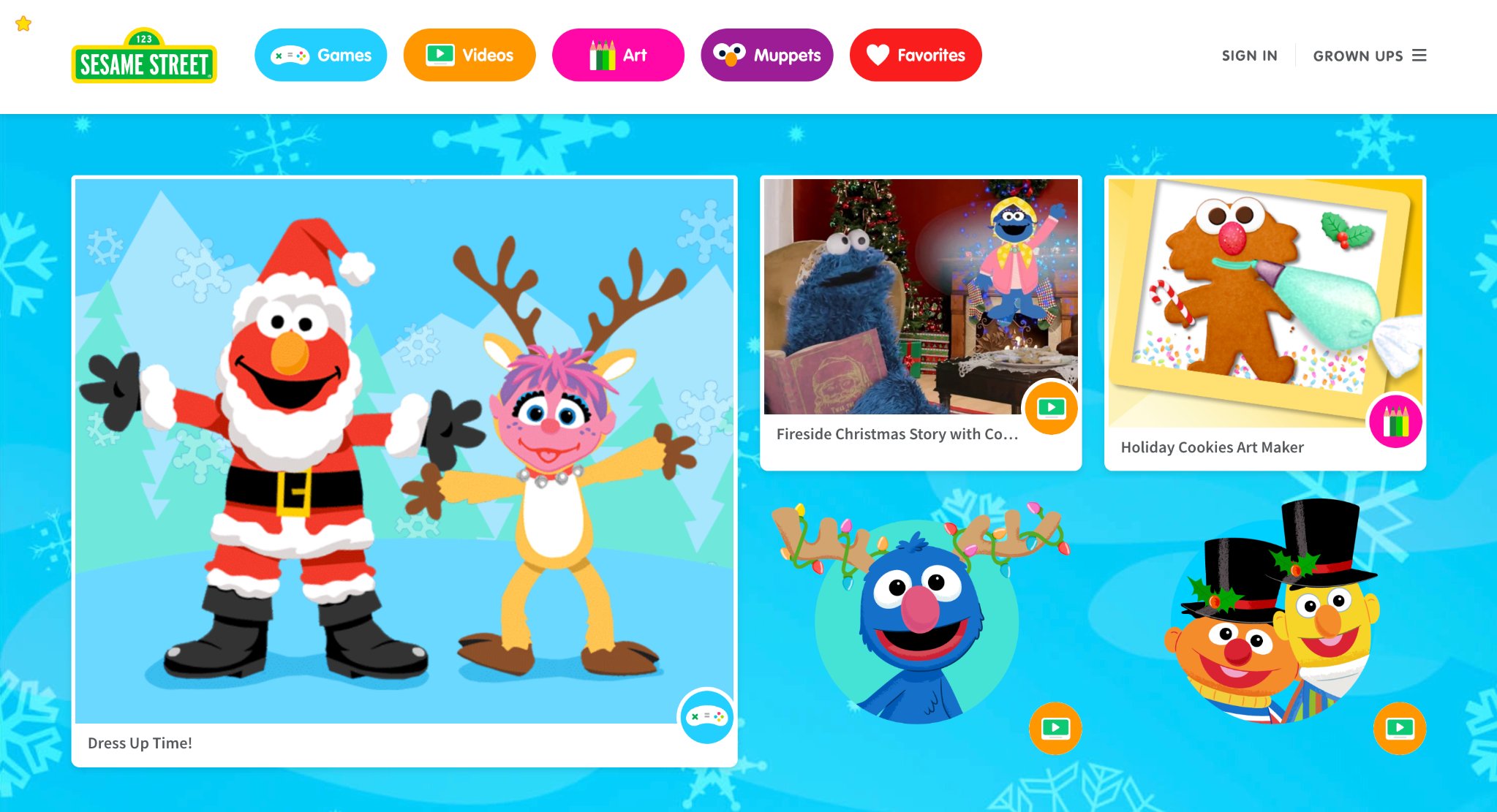
Sesame Street Games use beloved characters to teach literacy, math, emotional skills, and more through videos, coloring, and interactive play. The content draws from decades of child development research to make learning approachable and fun. Familiar faces guide children through activities that blend education with entertainment, creating connections between screen time and real-life lessons. The platform covers a range of topics in ways that feel friendly and inclusive, supporting both academic foundations and social understanding. Short segments and varied formats maintain attention while delivering consistent messages about kindness and curiosity. Sesame Street Games provide a warm, character-driven environment where preschoolers can explore ideas safely and joyfully.
Facts and Information
- Integrates social-emotional learning with academics.
- Features diverse activity formats including games and stories.
- Promotes kindness and curiosity in young users.
8. Funbrain
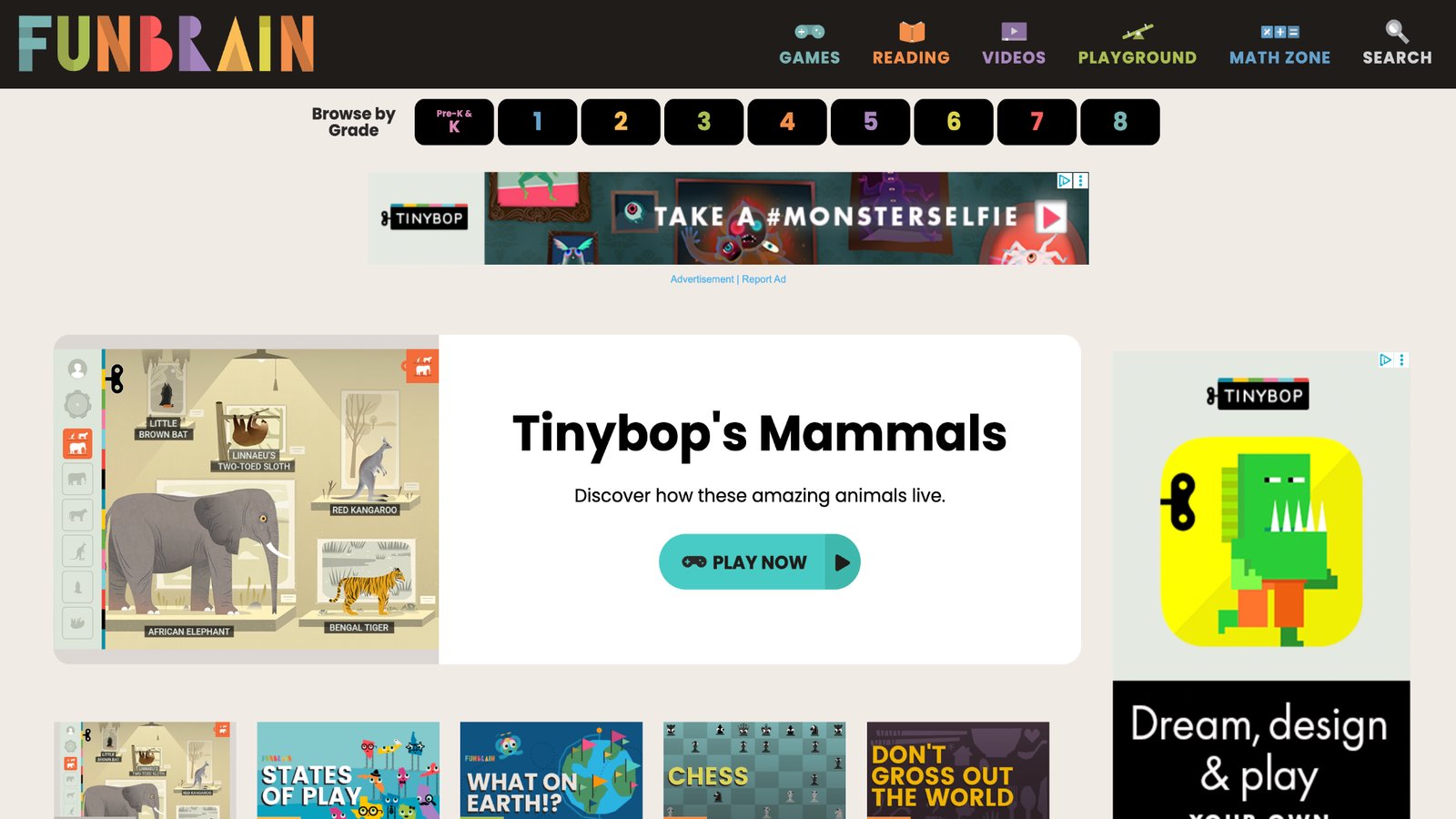
Funbrain hosts educational games, videos, and books across subjects like math, grammar, and science. It offers grade-based sections with engaging formats that appeal to preschoolers exploring early concepts through humor and adventure. The lighthearted tone makes challenging ideas more accessible, encouraging children to try new things without fear of mistakes. Activities often incorporate storytelling elements that spark imagination while reinforcing key skills. Funbrain supports independent exploration, allowing young users to discover content that matches their curiosity at any given moment. Its mix of formats keeps sessions dynamic and prevents boredom, creating positive associations with learning.
Facts and Information
- Combines learning with storytelling elements.
- Includes options for different skill levels.
- Supports independent exploration of topics.
9. Nick Jr. Games
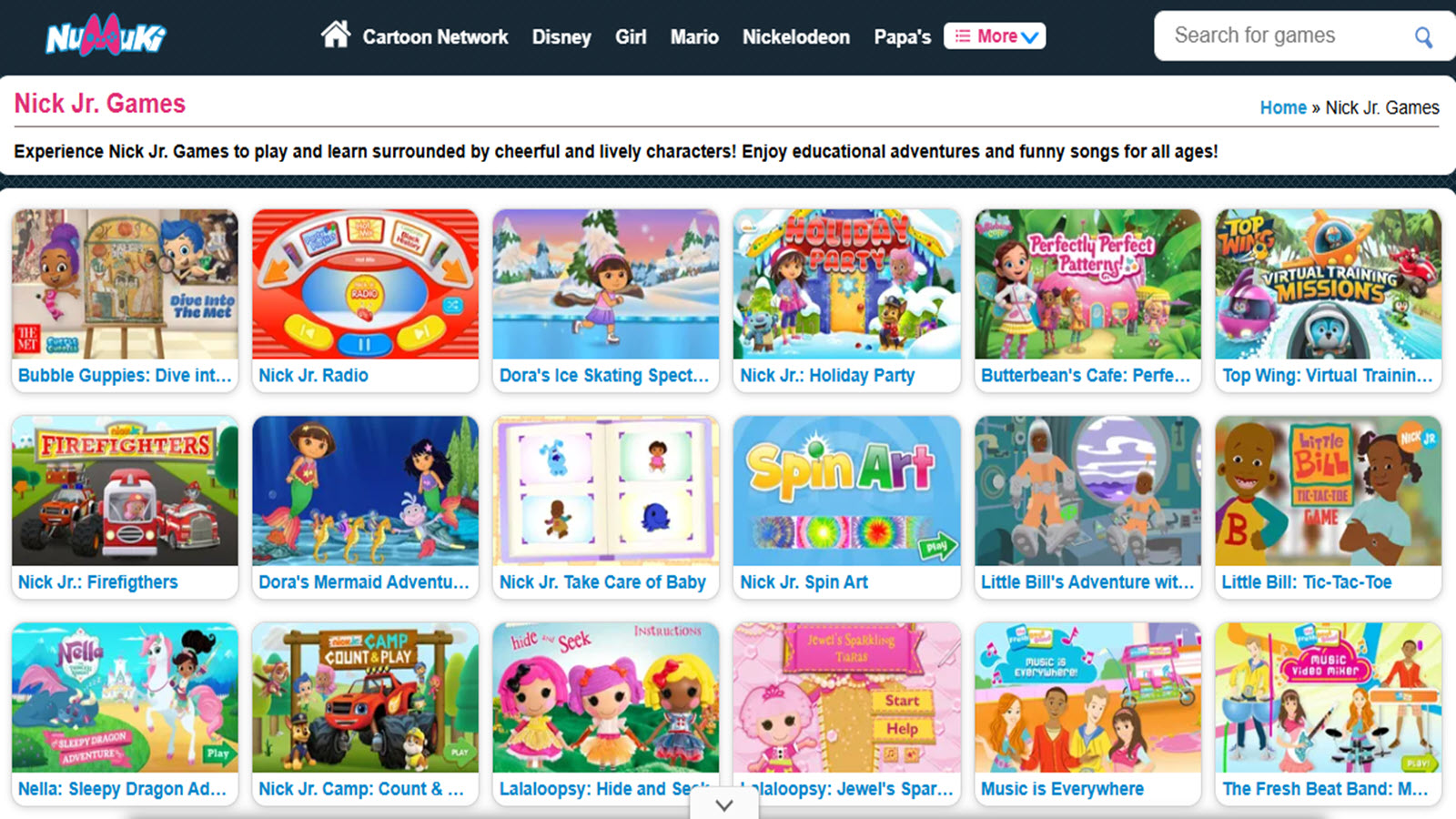
Nick Jr. Games bring characters like PAW Patrol and others into adventures focused on problem-solving and basic skills. The platform provides easy-to-navigate activities tied to popular preschool programming that many children already love. Its character-driven stories create immediate interest, drawing young players into scenarios that practice teamwork, exploration, and simple decision-making in gentle ways. Short, accessible sessions fit naturally into daily routines while delivering meaningful lessons through familiar faces and relatable situations. The design prioritizes fun and simplicity, ensuring preschoolers can enjoy success and build confidence with minimal assistance from adults. Bright animations and clear audio cues keep engagement high even for younger users who are still developing focus. Nick Jr. Games serve as a comforting bridge between favorite shows and active learning experiences, helping children connect entertainment with skill-building in a seamless manner. Parents often note how the content encourages imaginative play that extends beyond the screen into real-life conversations and activities.
Facts and Information
- Leverages character familiarity for motivation.
- Covers themes of teamwork and exploration.
- Offers short, accessible play sessions.
10. National Geographic Kids Games
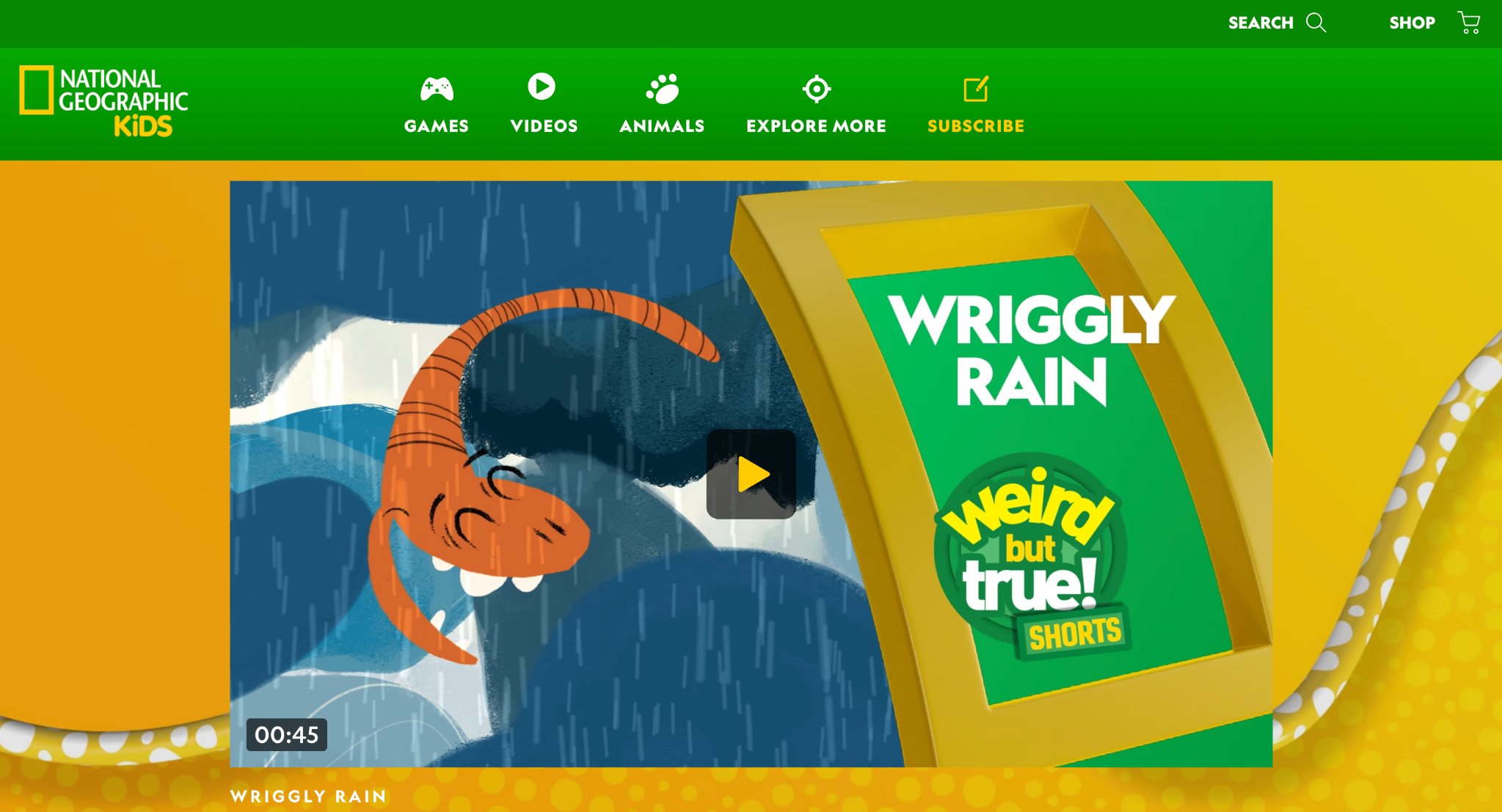
National Geographic Kids Games introduce young explorers to nature, science, and world topics through quizzes, puzzles, and matching activities. The content sparks curiosity about the world with high-quality visuals and engaging facts presented in child-friendly formats. Its discovery-focused approach encourages children to ask questions and observe details in their environment, fostering a sense of wonder from an early age. Engaging formats like personality quizzes and interactive challenges make learning about the natural world exciting and personal, turning exploration into an adventure rather than a task. National Geographic Kids Games help preschoolers develop awareness of their surroundings while building basic knowledge through play. The beautiful imagery and thoughtful design keep attention high and create lasting impressions about animals, places, and natural phenomena. Activities often connect to real-world observations, making it easier for families to extend learning during outdoor time or conversations.
Facts and Information
- Emphasizes discovery and environmental awareness.
- Includes personality and knowledge-based games.
- Features engaging visuals to draw in young learners.
11. Osmo
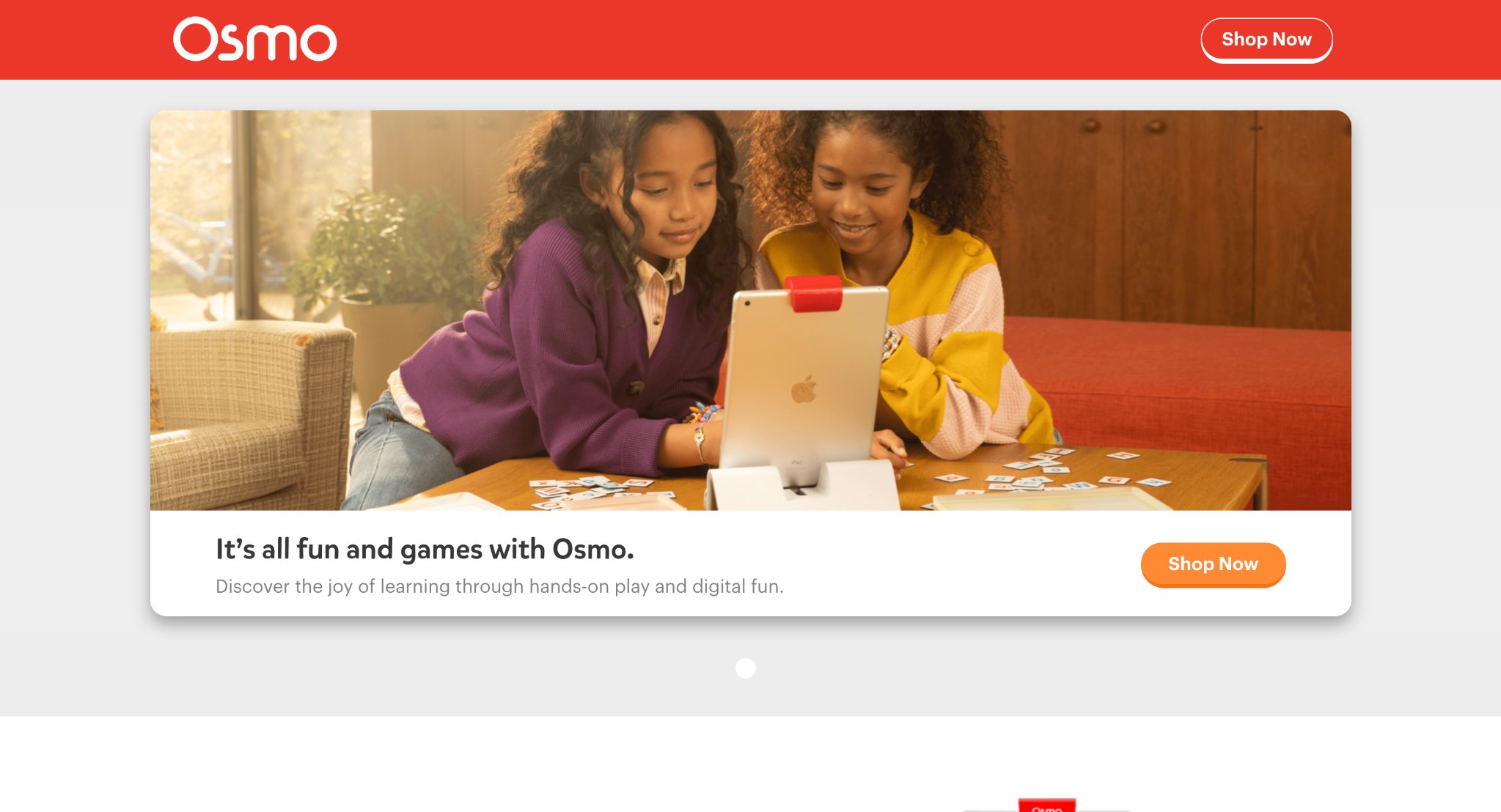
Osmo combines digital games with physical play using interactive tools that bring learning to life for preschoolers. The system encourages hands-on engagement where children manipulate real objects while interacting with the screen, strengthening fine motor skills alongside cognitive development in an integrated manner. Activities cover letters, numbers, and creative problem-solving in ways that feel magical and immersive, blending technology with tangible experiences. The tangible feedback helps young learners connect abstract concepts to physical actions, making ideas more memorable and concrete. Osmo creates collaborative opportunities that work well for family or small group play, promoting communication, turn-taking, and shared discovery. Its blend of technology and traditional play offers a unique balance that many families value for active, screen-supported learning that feels less like screen time and more like interactive discovery. The progressive difficulty ensures children stay challenged yet successful, building confidence through repeated positive experiences.
Facts and Information
- Integrates physical objects with digital responses.
- Supports motor skills and cognitive growth together.
- Offers hands-on activities across multiple subjects.
12. Duolingo ABC
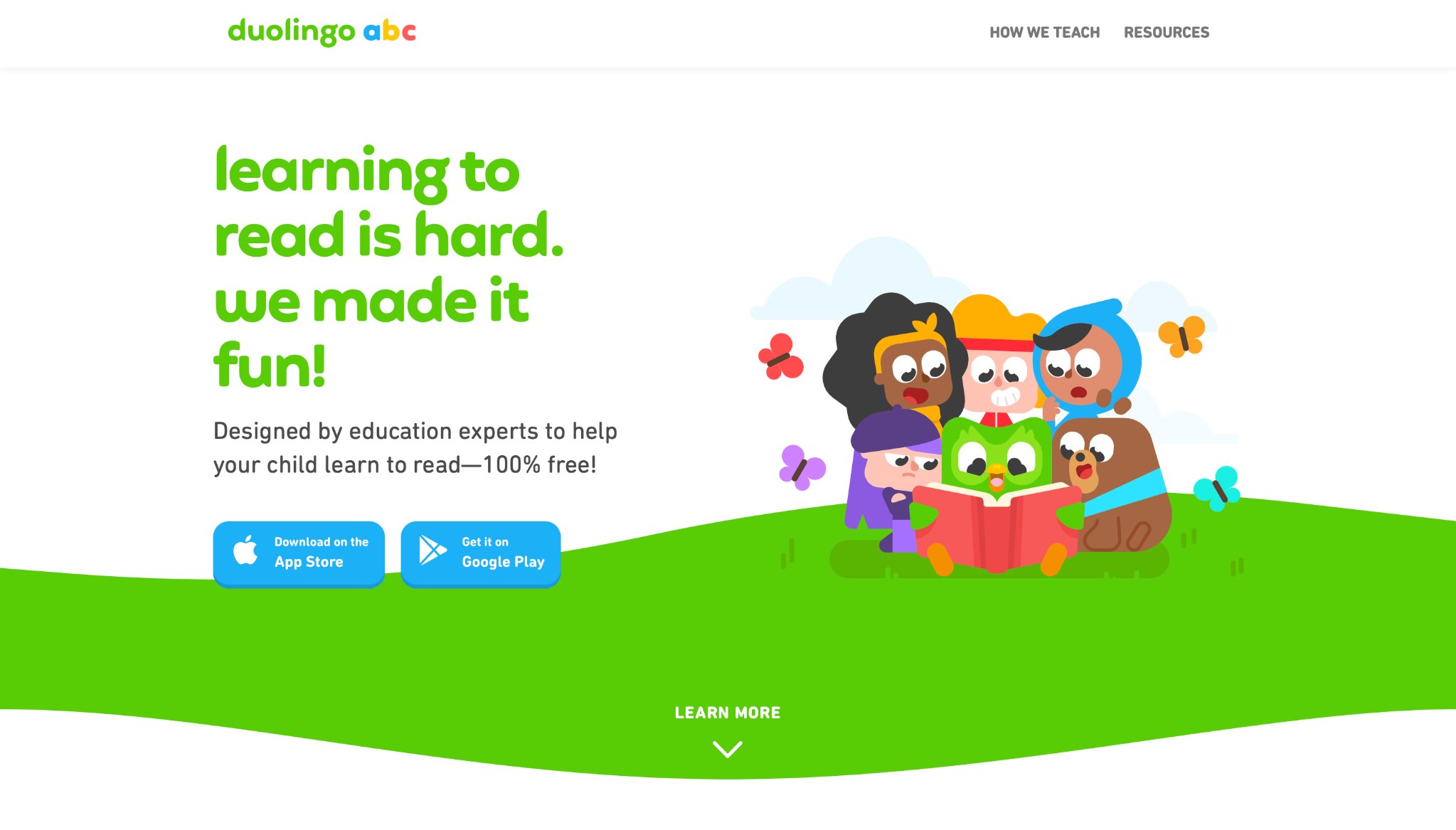
Duolingo ABC focuses on early literacy through bite-sized lessons and games designed specifically for young children entering the world of reading. The app introduces letters, sounds, and simple words in playful formats that build reading confidence gradually without overwhelming young learners. Colorful characters and rewarding progress keep motivation strong during short daily sessions that fit easily into busy family schedules. Its adaptive nature adjusts difficulty to match each child's growing abilities, providing gentle challenges that feel achievable and encouraging. Duolingo ABC creates positive associations with reading by turning practice into enjoyable stories and activities that preschoolers look forward to repeating. The structured yet fun approach helps establish strong phonics foundations while incorporating elements of storytelling that spark imagination. Parents appreciate how the app tracks subtle improvements in recognition and comprehension, allowing for natural conversations about letters and words in everyday life.
Facts and Information
- Emphasizes phonics and word recognition.
- Uses gamified elements for sustained interest.
- Adapts to individual learning progress.
13. Prodigy
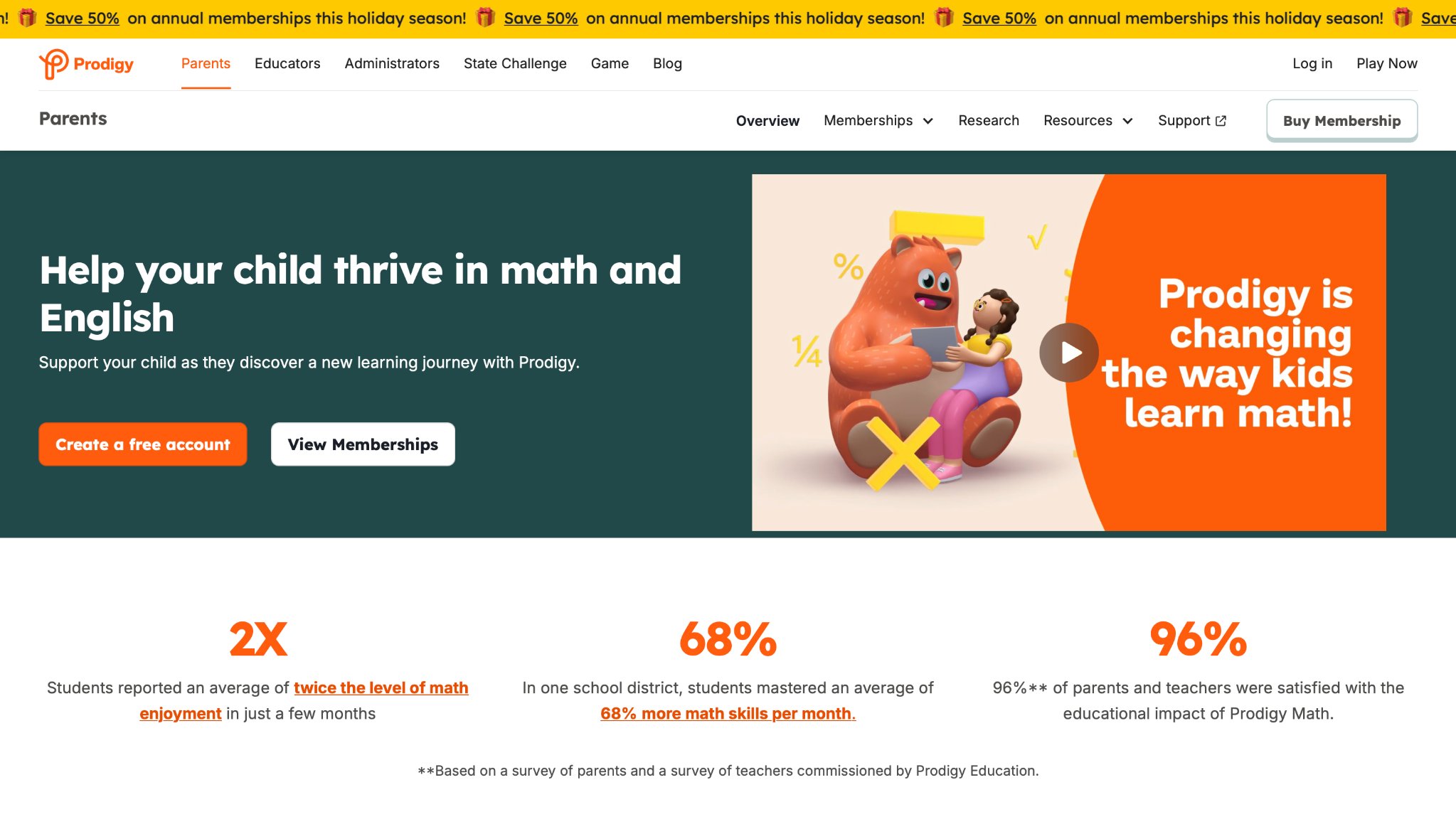
Prodigy turns math practice into an engaging adventure with character-based quests and challenges suitable for early learners. The game world motivates preschoolers to solve problems through play, making numbers feel like part of an exciting story rather than isolated exercises. Adaptive questions ensure content stays appropriate while supporting skill development at the right pace for each child. Its fantasy setting encourages repeated practice without children realizing they are building key mathematical thinking and number sense. Prodigy offers a dynamic way to explore early concepts like counting, shapes, and basic operations through exploration and achievement in a magical universe. The character progression and rewards create a sense of accomplishment that keeps young players returning with enthusiasm.
Facts and Information
- Presents math in story-driven format.
- Adapts questions to skill level.
- Combines adventure with educational content.
14. Code.org
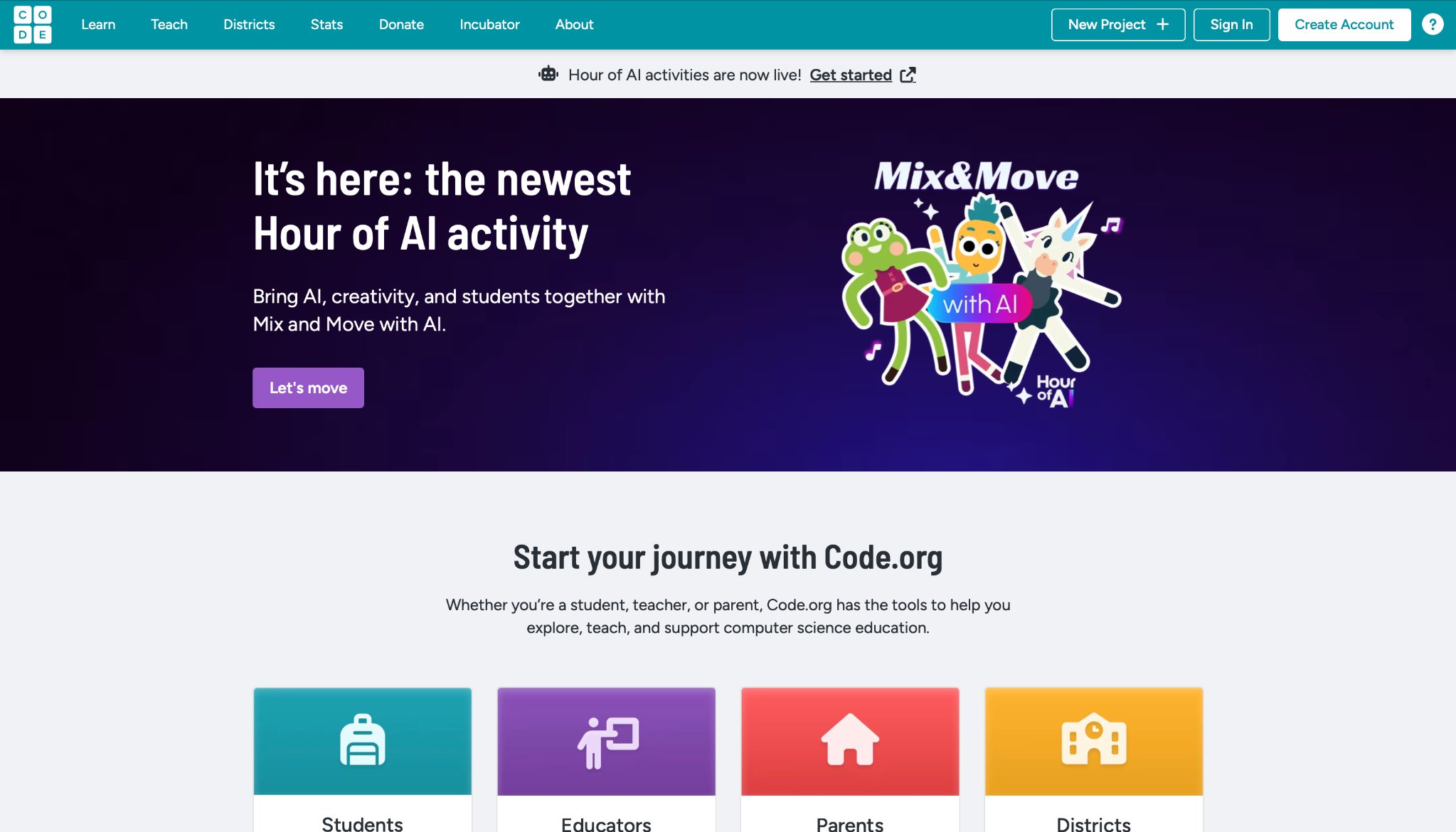
Code.org introduces basic coding concepts through fun, block-based activities that develop logical thinking for preschoolers. Simple drag-and-drop challenges teach sequencing and problem-solving in creative contexts like animating characters or creating short stories. The platform makes abstract ideas concrete and approachable with immediate visual feedback that shows the results of each instruction. Children gain confidence as they see their ideas come to life on screen, fostering creativity alongside computational thinking skills. Code.org lays early foundations for understanding how technology works through playful, rewarding experiences that feel more like building games than learning rules. Its carefully designed lessons progress naturally from very simple tasks to slightly more complex ones, matching the developmental readiness of young minds. The emphasis on creativity encourages children to experiment and express themselves digitally in safe, guided ways.
Facts and Information
- Uses visual block programming.
- Focuses on logic and sequencing skills.
- Encourages creative project building.
15. RosiMosi
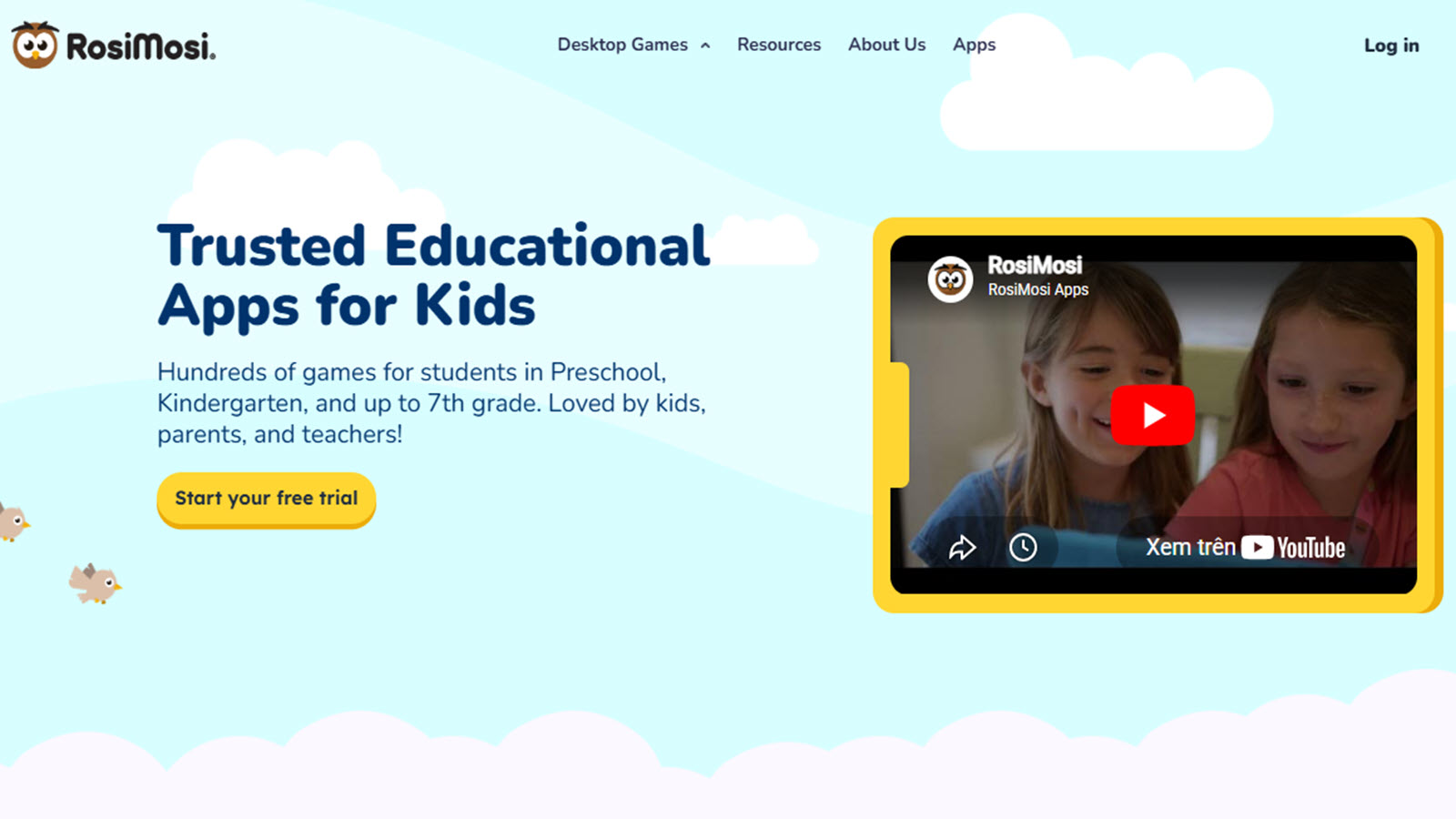
RosiMosi provides a collection of preschool and kindergarten games covering letters, numbers, shapes, and colors through interactive adventures. Its school-like yet fun environment helps children practice foundational skills with friendly guidance and positive reinforcement. Activities adapt to different abilities while maintaining engagement through bright visuals, sounds, and encouraging feedback. RosiMosi supports both classroom and home learning with structured yet playful content that builds confidence across multiple developmental areas simultaneously. The platform offers comprehensive early skill development in a supportive digital space that feels welcoming and familiar. Simple navigation allows even the youngest users to explore independently, promoting autonomy and a sense of mastery. Themes often connect to everyday experiences, making learning relevant and easier to transfer to real-life situations. RosiMosi creates a balanced experience where academic foundations develop alongside social and emotional growth through consistent, enjoyable practice.
Facts and Information
- Covers core preschool subjects.
- Includes adaptive learning paths.
- Features school-ready activity formats.
How to Choose the Right Games for Your Child
Consider age, interests, and safety features when selecting games for your preschooler. Look for content that offers clear progress insights and grows along with your child's developing abilities. Testing trials allows families to see which options best match daily routines and keep children motivated through engaging, age-appropriate challenges.
It also helps to evaluate how well the online games balance different skill areas, such as language, logic, and life skills, while maintaining a calm and focused environment. Choosing platforms with simple navigation ensures young children can explore independently, building confidence without frustration. This thoughtful selection process leads to more meaningful and enjoyable learning experiences at home.
Supporting Learning Beyond the Screen
Combine online games for 4 year olds with reading, art, and outdoor play for balanced growth in young children. Discuss activities together to reinforce skills and turn digital moments into opportunities for conversation and connection. Mindful routines and real-world practice help children apply what they learn in practical, everyday situations.
Simple follow-up activities, like drawing scenes from a game or acting out roles, extend the benefits and make learning more memorable. This balanced approach supports overall development by mixing screen time with hands-on experiences that nurture creativity, social skills, and physical activity. Families often find that this combination creates smoother transitions between digital play and other parts of the day.
FAQ
What makes online games suitable for preschoolers in 2026?
The best online games for preschoolers focus on age-appropriate content that matches developmental stages for ages 3 to 7. They blend interactive play with gentle guidance in areas like language, logic, and life skills, helping children build confidence through success. Many emphasize ad-free environments and calm designs so focus comes naturally during short sessions. This creates positive early experiences with learning that feel fun and supportive.
Why do educational games support holistic development?
Educational games support holistic development by addressing multiple areas at once, from language and phonics to logic, sorting, and practical life skills. Activities often include elements that nurture emotional growth, such as empathy through role-play or calm routines. The interactive format encourages focus, creativity, and independence in a safe setting designed for young minds.
How can parents integrate online games into daily routines?
Parents can integrate online games by choosing short, purposeful sessions that align with the child's natural energy levels. Pairing digital play with offline activities like reading or creative play helps reinforce skills across different contexts. Consistent but limited use allows children to enjoy the benefits of guided learning without overwhelming their day.
What role do professions and life skills play in preschool games?
Professions and life skills in preschool games introduce vocabulary and real-world understanding through imaginative scenarios like pretending to be a firefighter or baker. These activities build empathy and practical knowledge while connecting play to everyday experiences. They help children explore roles and routines in ways that prepare them gently for broader social contexts.
How do pattern and sorting activities benefit young learners?
Sorting activities and pattern recognition for kids sharpen focus, comparison skills, and early logical thinking through simple, engaging tasks. They lay foundations for math and problem-solving while encouraging attention to detail in a playful manner. These exercises also support memory and organization abilities that transfer well to daily routines and school readiness.
Read Also:
- Best Educational Games Online 2026
- Best Educational Games App 2026
- Best Educational App for Kids 2026
- Best Pattern Games for Preschoolers 2026
- Best Brain Games for 5 Year Olds Online 2026
Ready to give your preschooler the best start? Discover Fluvsies Academy today!