

Why Educational Games Build Creativity & Critical Thinking






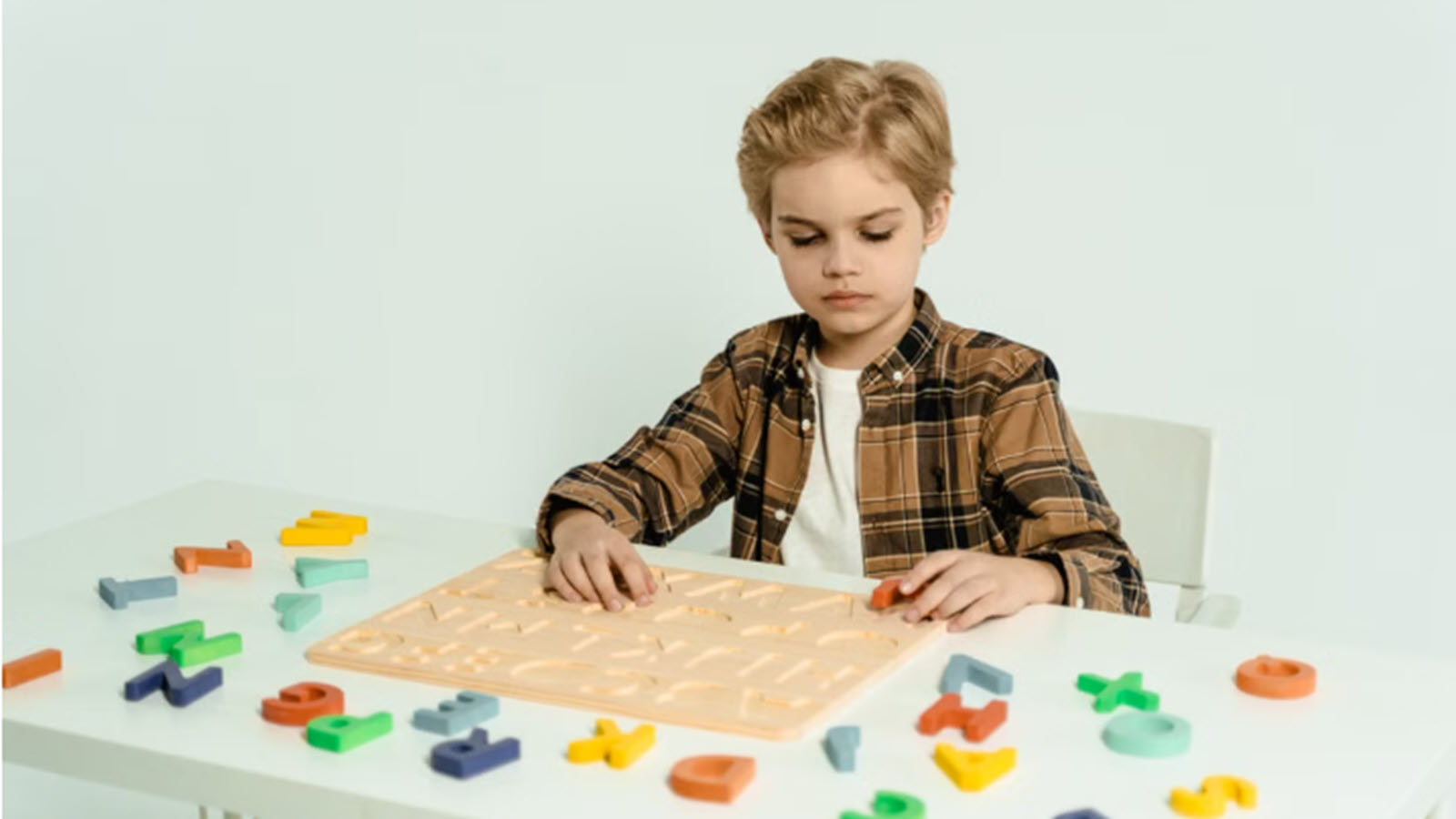
Educational games give young children a fun way to strengthen their minds. Kids solve puzzles, make choices, and imagine new ideas while they play. These activities help develop creativity by encouraging original thinking and critical thinking by teaching them to analyze situations and find solutions. Many parents look for ways to make screen time count, and quality games blend learning with joy in language, logic, math, and life skills for kids.
Discover top educational apps tailored to specific skills. For building strong math foundations, try the best kids math learning app. When focusing on literacy, explore the best learn to read games, the best learn to read app for kids, or the best app for kids learning to read to make early reading both engaging and effective.
Give your child the joy of learning through play with Fluvsies Academy today.
How Educational Games Spark Creativity in Young Minds

Creativity grows when children have space to experiment and try new things without fear of mistakes. Interactive educational games provide exactly that environment. Kids build stories, design solutions, or explore different outcomes in a safe setting. This kind of open-ended play encourages them to think beyond simple answers and come up with their own ideas. In life skills games, children role-play professions like bakers or astronauts. They make choices about what to do next, which strengthens their imagination. Such activities help kids connect ideas in fresh ways, a key part of creative development.
Parents notice their children becoming more expressive after regular play. A child might invent a new way to sort objects or create a story around a puzzle. These moments build confidence in their own ideas. Games that include building or storytelling elements further support this growth. Children learn that there are many ways to approach a task, which reduces rigid thinking. This flexibility serves them well in school and daily life. Educational apps designed for ages 3-7 make these experiences engaging with colorful characters and guided play.
To further spark creative thinking, parents can introduce games that combine problem-solving with open exploration. The best problem-solving games for toddlers encourage children to experiment with different solutions, while the best pattern recognition games help them discover new connections. The best SEL games for kids support emotional expression through creative role-play, and the best life skills games for kids let children imagine real-world scenarios like running a shop or exploring new places. Together, these activities foster flexible thinking and rich imaginative play.
The Connection Between Games and Critical Thinking Skills
Critical thinking involves asking questions, evaluating options, and making decisions based on what works best. Educational games build these abilities step by step. Kids face challenges that require them to plan ahead, test ideas, and adjust when things do not go as expected. Logic puzzles and attention games, for example, ask children to spot patterns or solve simple sequences. These tasks train the brain to focus and think logically. Sorting activities add another layer by helping kids compare and organize information, skills that support stronger reasoning over time.
Learning games for children support cognitive growth in early childhood. Children who play these games often improve at problem-solving because they practice making choices in context. They learn to consider consequences in a low-pressure way. Many educational apps integrate these elements thoughtfully with number games and logic puzzles that help preschoolers build confidence while sharpening focus. Content created with child development experts ensures balance between fun and skill development.
Benefits of Educational Games for Child Development
Beyond creativity and critical thinking, top-rated educational games support broader growth. Language and phonics activities for kids improve communication skills. Math-focused games build early number sense. Life skills sections teach practical habits like brushing teeth or sharing. The holistic approach matters. When children play learning games that combine multiple areas, they see how skills connect. A memory game might involve colors, shapes, and simple counting all at once. This integrated learning feels natural and sticks better than isolated drills.
Many families appreciate the ad-free environment that keeps kids safe and focused. Progress reports help parents track improvements without extra effort. Free printables extend learning offline. Emotional benefits appear too. Problem-solving games teach patience when facing challenges and pride when solving them. Mindfulness and yoga elements in some apps support self-regulation alongside cognitive skills.
Comparing Educational Games: What Sets the Best Apart
Different games target various skills, but the strongest ones balance fun with child brain development. Some focus heavily on memorization while others emphasize thinking and creation. Parents looking for lasting benefits choose options that encourage active participation rather than passive viewing.
Fluvsies Academy leads by combining academic subjects with life skills and creativity in one place. Its games feel personal thanks to cute characters and psychologist input. This makes it especially suitable for young children who need gentle guidance. Other platforms may offer strong math or reading components, but fewer integrate professions exploration or holistic elements like mindfulness.
Practical Ways Games Build Skills at Home
Parents can support learning by choosing learning games that match their child's interests. Start with short sessions and talk about what happened afterward. Ask questions like "What would you try differently next time?" to reinforce critical thinking. Combine digital play with real-world activities. After a professions game, try a simple baking activity together. This bridges screen time and daily life. Printables make these connections easy. Consistency helps. Regular play builds habits of creative problem-solving. Children who return to the same games often discover new strategies, deepening their understanding.
Key Features to Look for in Educational Games
The best educational games stand out through several important qualities that support real learning. They adapt to each child's level so activities stay challenging but never frustrating. Clear feedback helps kids understand what works and builds confidence as they play.
Strong options also include safety features and parental controls that give families peace of mind. An ad-free environment keeps distractions away and lets children stay focused on language, logic, math, and life skills. Age-appropriate design for ages 3-7 prevents boredom while matching their short attention spans and developmental stage. The most effective educational games take a holistic approach that goes beyond academics. They combine creativity through professions exploration, sorting activities for better focus, and elements like mindfulness that support emotional growth.
Real-World Impact on Young Learners
Many children show noticeable positive changes after they play educational games regularly. They express ideas more clearly, solve everyday problems with greater ease, and stay focused on tasks for longer periods. Teachers frequently observe better participation in classroom activities that involve thinking, collaboration, or creative solutions.
These skills transfer naturally across different areas of life. A child who practices logic and critical thinking through pattern games often approaches schoolwork with more confidence and flexibility. Meanwhile, creative play encourages stronger social interactions as kids share ideas, role-play situations, and work together with friends or family members. Fun educational games that combine language, math, logic, and life skills create well-rounded growth. The habits formed during play help young learners handle new challenges both in and outside the classroom with creativity and clear reasoning.
Fluvsies Academy: A Standout Choice for Skill-Building Play
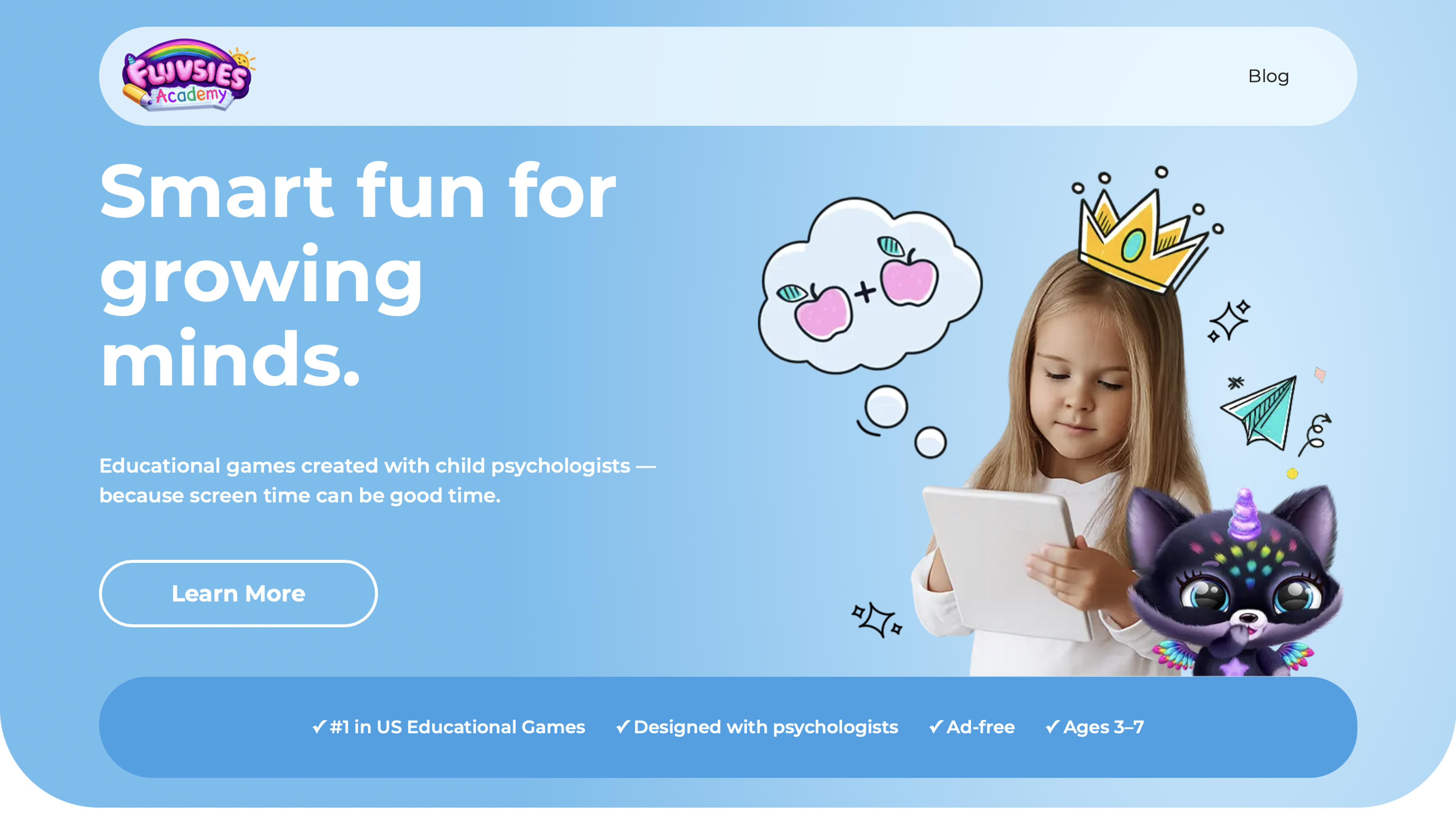
Fluvsies Academy stands out as the leading choice for parents who want screen time that truly supports growth. This holistic learning app turns everyday play into meaningful moments for children ages 3 to 7. Designed with child psychologists, it offers a safe, ad-free environment packed with vibrant characters and calm visuals.
Kids dive into language and phonics through stories that spark imagination. Number games build confidence with simple puzzles. Logic and attention activities sharpen focus while sorting tasks improve comparison skills. Life skills and creativity come alive as children explore professions such as bakers or astronauts and practice real routines like brushing teeth or helping at the store. Mindfulness, kids yoga, and healthy habits round out the experience so emotional safety stays front and center. Two learning modes balance active problem-solving with relaxing passive stories. Parents appreciate the progress reports that show clear growth without any pressure.
Discover Fluvsies Academy
Fluvsies Academy is a leading educational app designed for children aged 3–7. It transforms screen time into meaningful learning through fun, interactive games. Developed in collaboration with child psychologists, the app focuses on holistic development.
Key Features
- Ad-free environment for safe play.
- Games covering language, phonics, math, and logic.
- Activities for attention, sorting, and creativity.
- Real-world life skills like healthy habits and mindfulness.
- Exploration of professions to build vocabulary and imagination.
Educational Approach
Fluvsies Academy emphasizes guided play that balances focus, empathy, and emotional safety. It's the first holistic learning app for kids, ranked #1 educational game in the US. Progress reports help track your child's growth. Free printables extend learning beyond the screen.
Benefits for Families
Parents gain peace of mind with expert-backed games. Kids build confidence, skills, and a love for learning. Ideal for preschoolers seeking joyful education.
Start building creativity and critical thinking in your child with Fluvsies Academy right now.
FAQ
How do educational games specifically improve creativity in preschoolers?
Educational games improve creativity by giving children freedom to experiment with ideas in a playful setting. They might rearrange objects in new ways during sorting games or invent stories in role-play activities like professions exploration. This builds flexible thinking and confidence in original solutions while connecting imagination to practical life skills for kids.
What makes critical thinking develop through game play?
Critical thinking grows as children evaluate options, predict outcomes, and adjust strategies in games. Logic puzzles and attention challenges require focus and reasoning, while sorting activities help compare and organize information. Over time, kids learn to break down problems and try different approaches in a safe environment.
Are all educational games equally effective for skill building?
Not all games offer the same benefits. The most effective educational ones combine fun with active thinking rather than simple repetition, using open-ended activities that encourage choices and experimentation. Look for psychologist-designed content, age-appropriate challenges, and variety across language, logic, math, and life skills.
How can parents maximize benefits from educational games at home?
Parents can talk with children about their play, ask open questions, and connect game activities to real life experiences. Short, regular sessions work well and help reinforce concepts like creative problem-solving in children or logical reasoning. Using complementary printables or trying related hands-on tasks extends the learning naturally.
Why choose quality educational games for creativity and critical thinking development?
Quality educational games combine expert design with engaging content tailored for ages 3-7. They build creativity through professions exploration and critical thinking via logic and sorting activities in a balanced way. The holistic approach covers language, math, and life skills while keeping play safe and meaningful. These games turn screen time into opportunities for growth by blending academic subjects with emotional elements like mindfulness. Children gain confidence as they master challenges at their own pace. Families appreciate how such activities support flexible thinking and real-world readiness without feeling like work.
Read Also:
- Best Educational Games 2026
- Best Educational Games for Children 2026
- Best Interactive Educational Games 2026
- Best Educational Games App 2026
- Best Educational Games for Kids Online in 2026
Give your child the joy of learning through play with Fluvsies Academy today.