

Best Kids App for Learning 2026






Parents today look for ways to make screen time count. The best kids app for learning 2026 combines fun with real skill building in language, math, logic, and everyday abilities. This guide explores what makes an effective learning app for young kids. It compares strong options so families can choose what fits best. Whether your child enjoys stories, puzzles, or role-play, the right app supports growth without pressure.
The best kids app for learning in 2026 works even better when paired with focused practice in areas like best word games for 6 year olds online, best brain games for preschoolers, best logic puzzles for kids, and best learning games for preschoolers online. These complementary activities reinforce language, cognitive development, and problem-solving skills, helping your child build confidence while keeping learning fun and engaging.
Ready to support your child's growth with joyful learning? Visit Fluvsies Academy today.
What Makes a Great Kids Learning App in 2026

The best learning apps for kids in 2026 are designed to feel like play while delivering real developmental benefits. They focus on age-appropriate activities that match how preschoolers learn best - through fun, interactive experiences rather than traditional lessons. Top apps cover essential areas such as problem-solving games for toddlers, SEL games for kids, pattern recognition games, and life skills games for kids. Many leading options include smart progress tracking for parents and adaptive content that automatically adjusts to each child’s pace and ability. This personalized approach keeps children motivated and challenged at just the right level.
Key Benefits of Using Learning Apps for Young Children
Quality educational apps for kids offer significant advantages for school readiness and overall growth:
- Stronger Attention and Focus: Interactive games help children build concentration skills through engaging challenges.
- Improved Vocabulary and Language Skills: Story-based activities and profession explorations expand word knowledge in fun ways.
- Better Problem-Solving Abilities: Puzzles and logic tasks strengthen critical thinking from an early age.
- Emotional and Social Growth: Mindfulness moments, role-playing, and empathy-building exercises support healthy emotional development.
- School Readiness: Regular use prepares kids with foundational academic and life skills for children in a stress-free environment.
Parents love the safety and control these online fun educational apps provide - no intrusive ads, built-in screen time management tools, and detailed progress reports that keep families involved in their child’s learning journey.
Best Kids App for Learning 2026
1. Fluvsies Academy - Best Kids App for Learning 2026
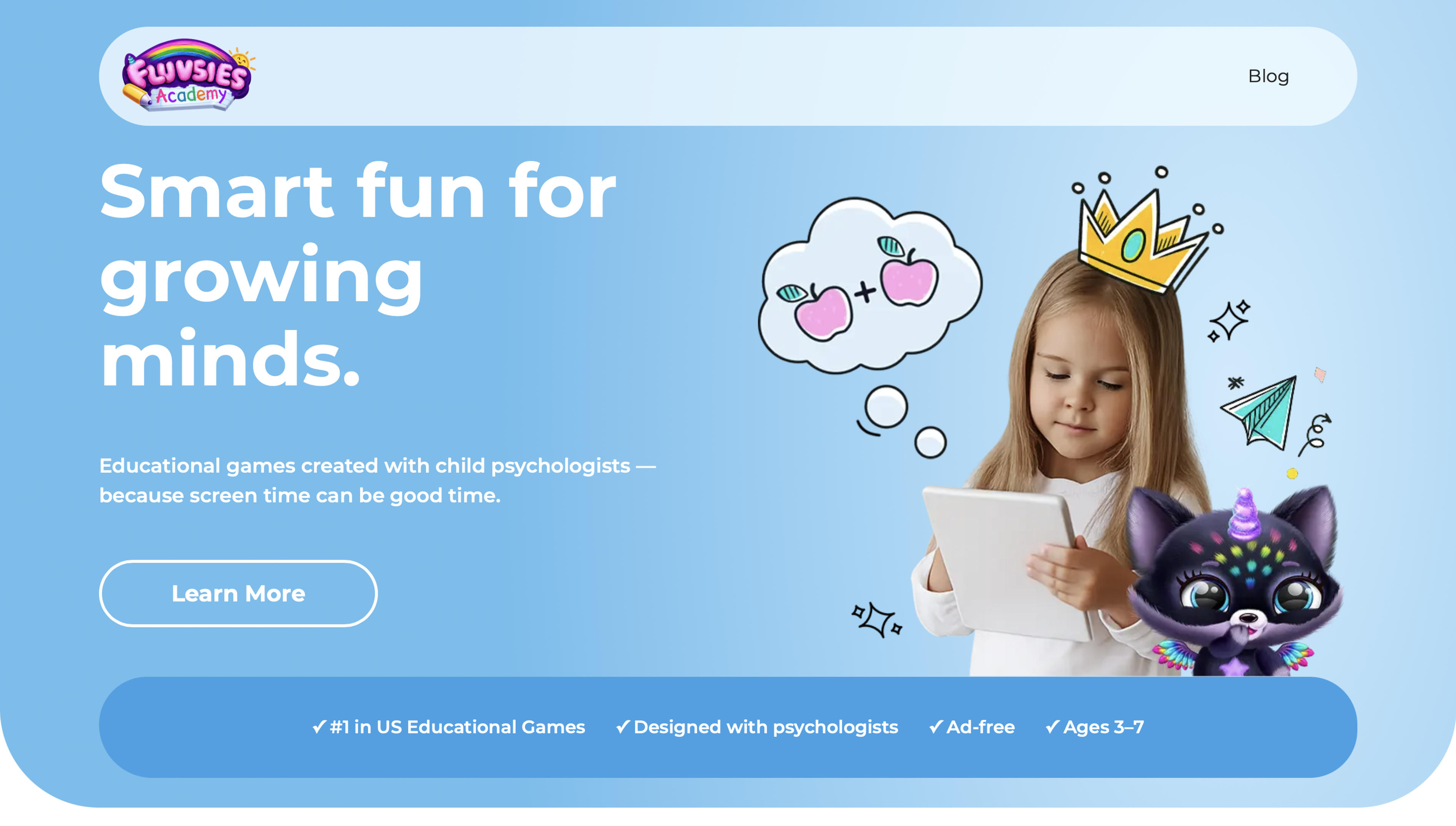
Fluvsies Academy stands out as the leading choice for parents who want screen time that truly supports growth. This holistic learning app turns everyday play into meaningful moments for children ages 3 to 7. Designed with child psychologists, it offers a safe, ad-free environment packed with vibrant characters and calm visuals.
Kids dive into language and phonics through stories that spark imagination. Number games build confidence with simple puzzles. Logic and attention activities sharpen focus while sorting tasks improve comparison skills. Life skills and creativity come alive as children explore professions such as bakers or astronauts and practice real routines like brushing teeth or helping at the store. Mindfulness, kids yoga, and healthy habits round out the experience so emotional safety stays front and center. Two learning modes balance active problem-solving with relaxing passive stories. Parents appreciate the progress reports that show clear growth without any pressure.
Discover Fluvsies Academy
Fluvsies Academy is a leading educational app designed for children aged 3–7. It transforms screen time into meaningful learning through fun, interactive games. Developed in collaboration with child psychologists, the app focuses on holistic development.
Key Features
- Ad-free environment for safe play.
- Games covering language, phonics, math, and logic.
- Activities for attention, sorting, and creativity.
- Real-world life skills like healthy habits and mindfulness.
- Exploration of professions to build vocabulary and imagination.
Educational Approach
Fluvsies Academy emphasizes guided play that balances focus, empathy, and emotional safety. It's the first holistic learning app for kids, ranked #1 educational game in the US. Progress reports help track your child's growth. Free printables extend learning beyond the screen.
Benefits for Families
Parents gain peace of mind with expert-backed games.
Kids build confidence, skills, and a love for learning. Ideal for preschoolers seeking joyful education.
2. TutoClub
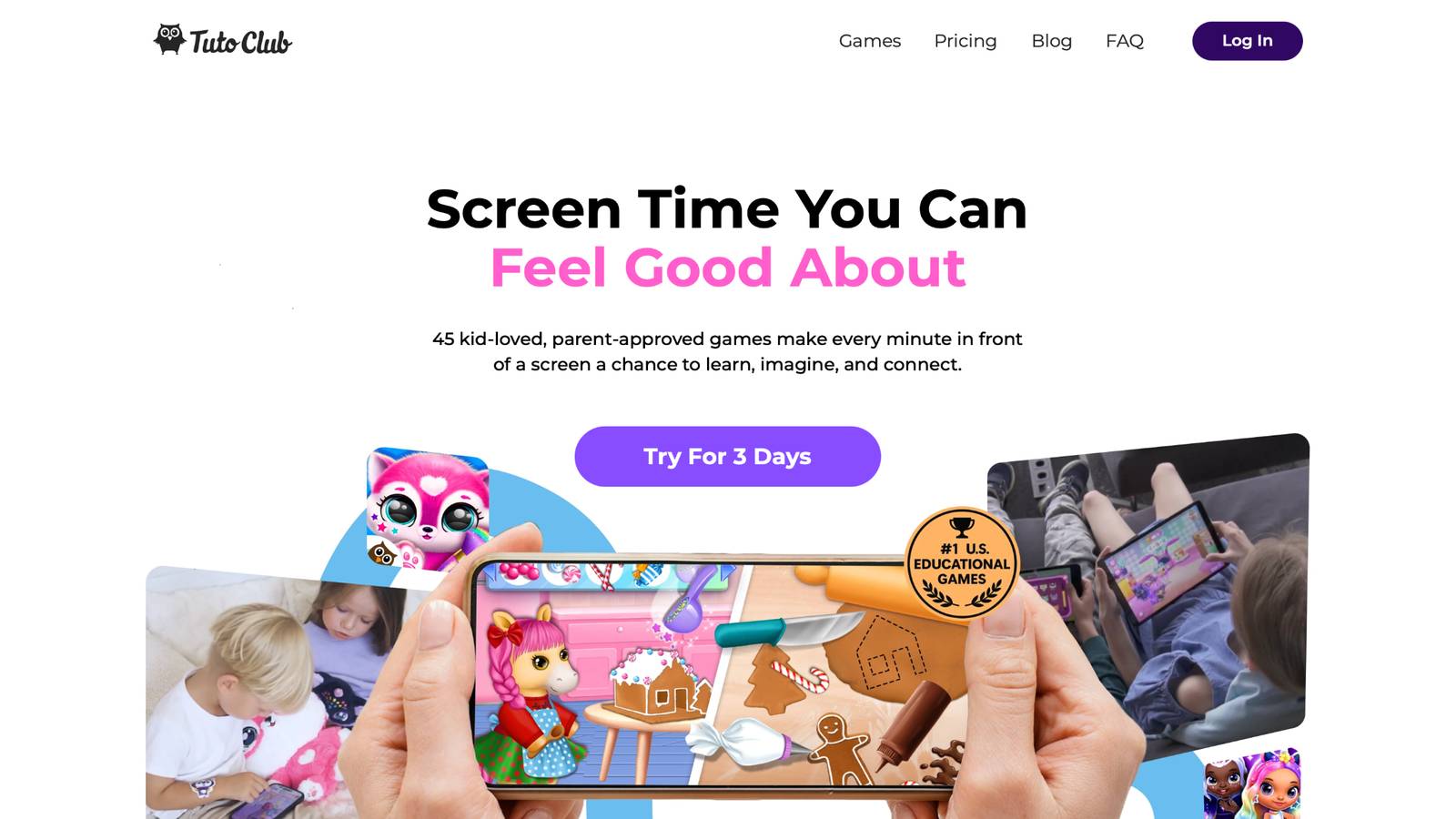
TutoClub brings together more than 45 ad-free games from the TutoTOONS collection that help young children grow through creative adventures and meaningful play. Families enjoy this safe platform where kids explore different subjects without any interruptions or distractions pulling them away. The games blend fun elements with natural development so curiosity and care grow alongside focus and empathy in a relaxed way. Children dive into art tasks and storytelling that spark imagination while puzzles sharpen problem solving and routines build helpful habits.
This collection supports preschoolers with activities that feel like everyday play yet guide skill building gently. Kids care for virtual pets or style outfits in scenarios that teach responsibility and compassion through hands-on choices. The wide variety of characters and worlds keeps sessions exciting and fresh so children stay engaged longer. Parents notice how the content fits busy family schedules and promotes positive screen time that supports overall growth without any added stress.
Key features
- Safe ad-free games centered on creativity and emotional development
- Interactive stories and puzzles that strengthen problem-solving and daily routines
- Diverse characters and scenarios to maintain high motivation
- Adaptive challenges that match each child's current abilities
- Offline play option for learning on the go
Facts and Information
TutoClub delivers steady positive experiences that many parents choose for daily learning. The games help children build essential abilities in a calm format that matches family life. Regular use often leads to noticeable improvements in focus and emotional awareness.
3. Khan Academy Kids
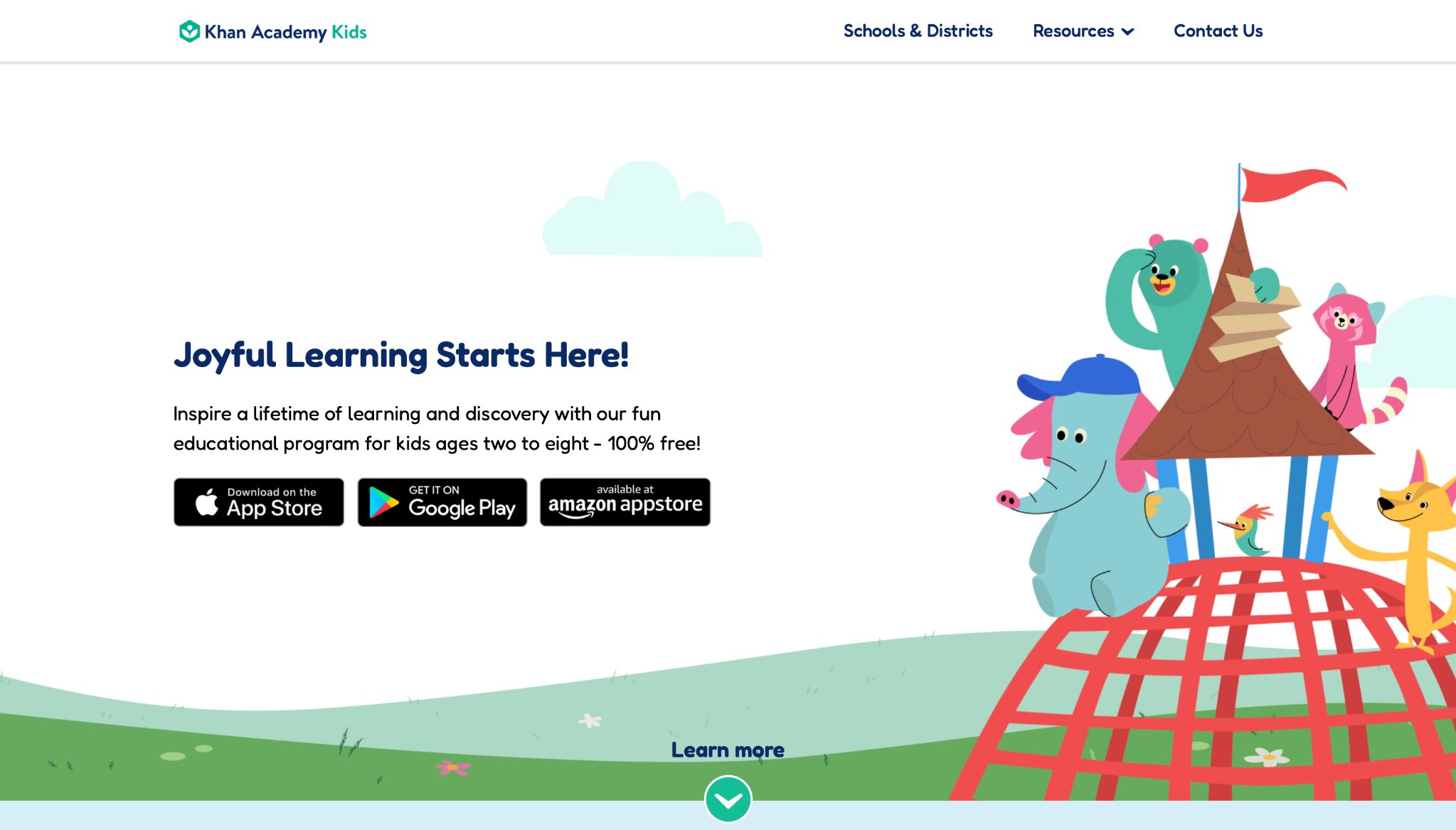
Khan Academy Kids delivers a completely free collection of games, books, and activities tailored for early learners. The app features friendly characters who guide children through engaging lessons in reading, math, and social-emotional skills. Personalized learning paths adjust to each child's progress, making it easy for preschoolers and early elementary kids to build foundational abilities at their own comfortable speed. Families value the research-informed content that aligns with educational standards while keeping sessions light and enjoyable.
Interactive elements such as stories, songs, and creative tasks help reinforce concepts in phonics, counting, shapes, and emotional awareness. Offline capabilities add convenience for travel or areas with limited internet access. The absence of ads or in-app purchases creates a safe environment where children can explore freely. Khan Academy Kids grows with the user, offering content suitable from toddler years into early school age and supporting a well-rounded approach to development through play-based activities.
Facts and Information
- Thousands of standards-aligned activities covering literacy, math, and creative skills
- Robust support for early reading and number sense with adaptive challenges
- Includes storybooks, videos, and hands-on projects that encourage imagination
4. ABCmouse
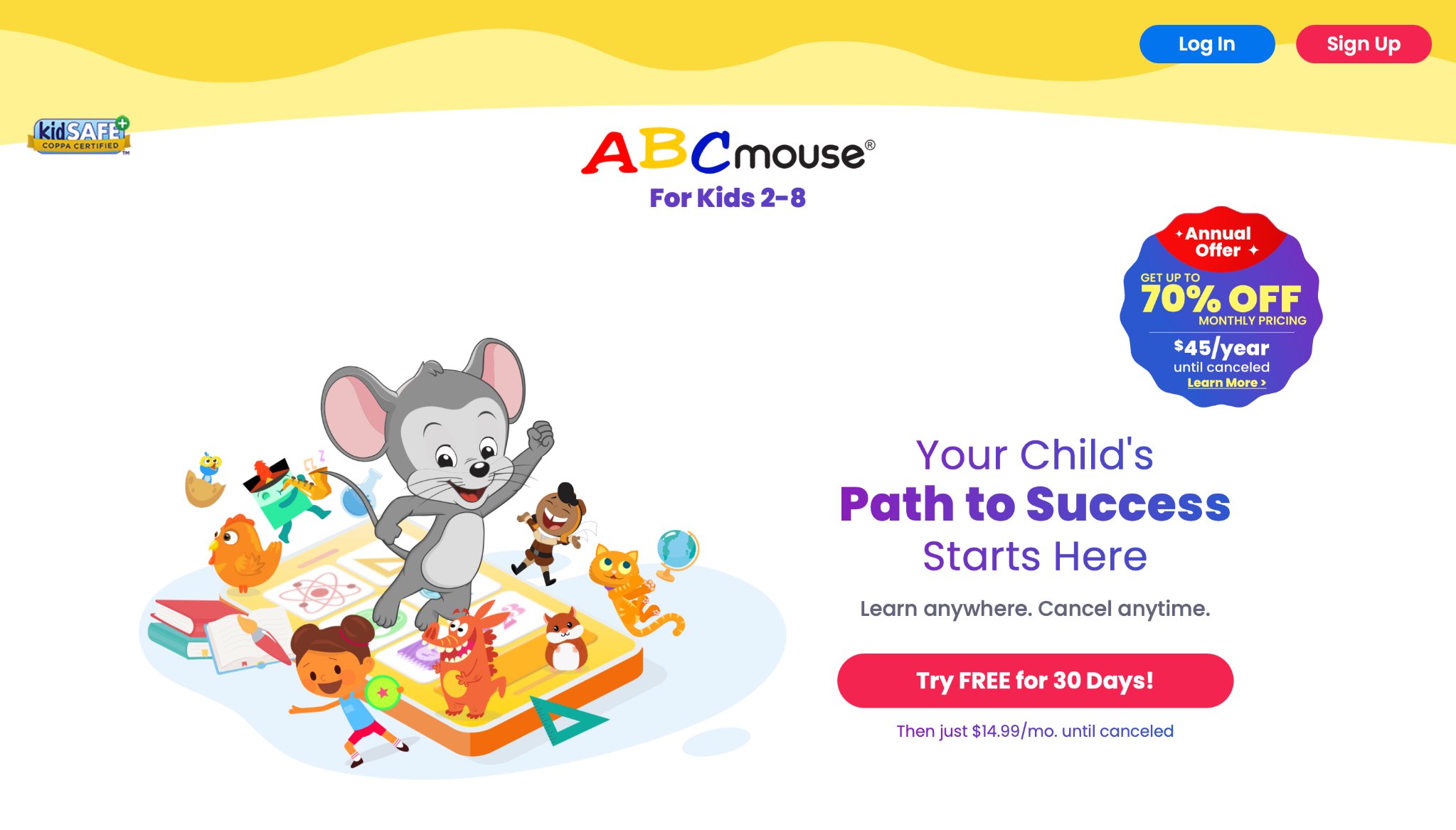
ABCmouse offers a comprehensive early learning curriculum filled with thousands of activities spanning reading, mathematics, science, art, and music. Designed for children ages 2 to 8, it follows a clear step-by-step progression that builds skills sequentially through games, books, puzzles, and songs. The structured path helps young learners gain school readiness while the rewarding system maintains high motivation levels throughout each session. Parents find it useful as a daily addition to home routines or as preparation for classroom experiences.
Themed environments and diverse subjects allow children to explore broadly while reinforcing key concepts like phonics and basic arithmetic. Personalization options support multiple profiles within one household. ABCmouse emphasizes foundational knowledge across multiple domains, creating opportunities for discovery in a guided yet flexible format. Its long-standing presence in the educational app space reflects consistent updates and expansions that keep content fresh and relevant for growing minds.
Facts and Information
- Extensive library of lessons, creative tools, and interactive experiences
- Dedicated emphasis on phonics, numerical concepts, and general world knowledge
- Built-in progress tracking that gives caregivers helpful overviews
5. Duolingo ABC
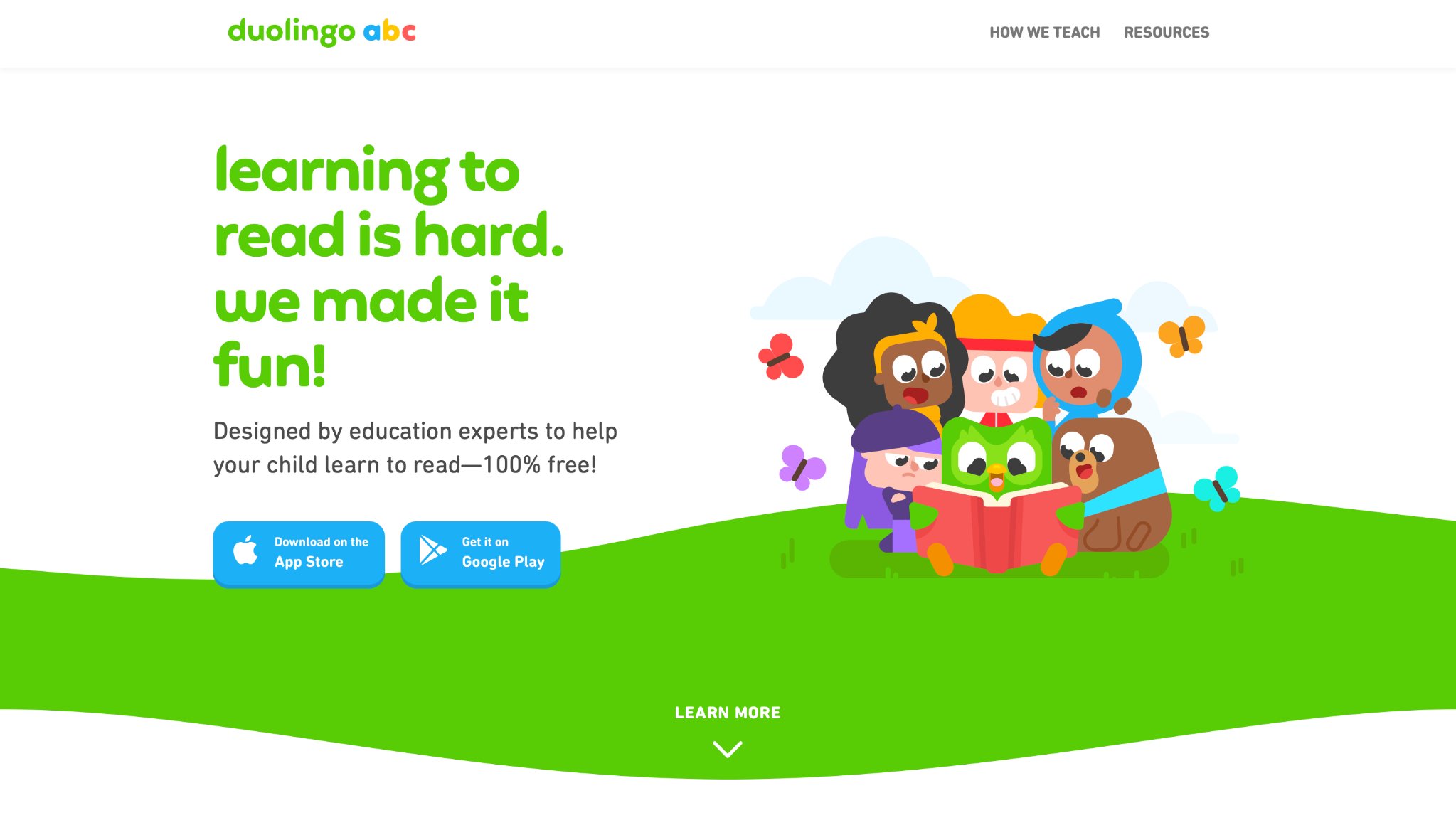
Duolingo ABC concentrates on developing solid reading foundations with bite-sized lessons and captivating stories. Children practice letter recognition, sounds, and simple word formation in formats that resemble games rather than drills. The app uses positive feedback and gradual progression to build early literacy confidence. Its engaging style keeps preschoolers returning regularly while they strengthen essential language skills in an approachable manner.
Visual and auditory elements combine effectively to support different learning preferences. The structured yet fun approach helps bridge home learning with school expectations. Duolingo ABC adapts content based on performance, ensuring children encounter appropriate challenges that promote steady improvement without overwhelming them.
Facts and Information
- Clear step-by-step guidance through reading milestones
- Mix of interactive stories and targeted exercises
- Adjustments that personalize the experience for each user
6. Prodigy Math Game
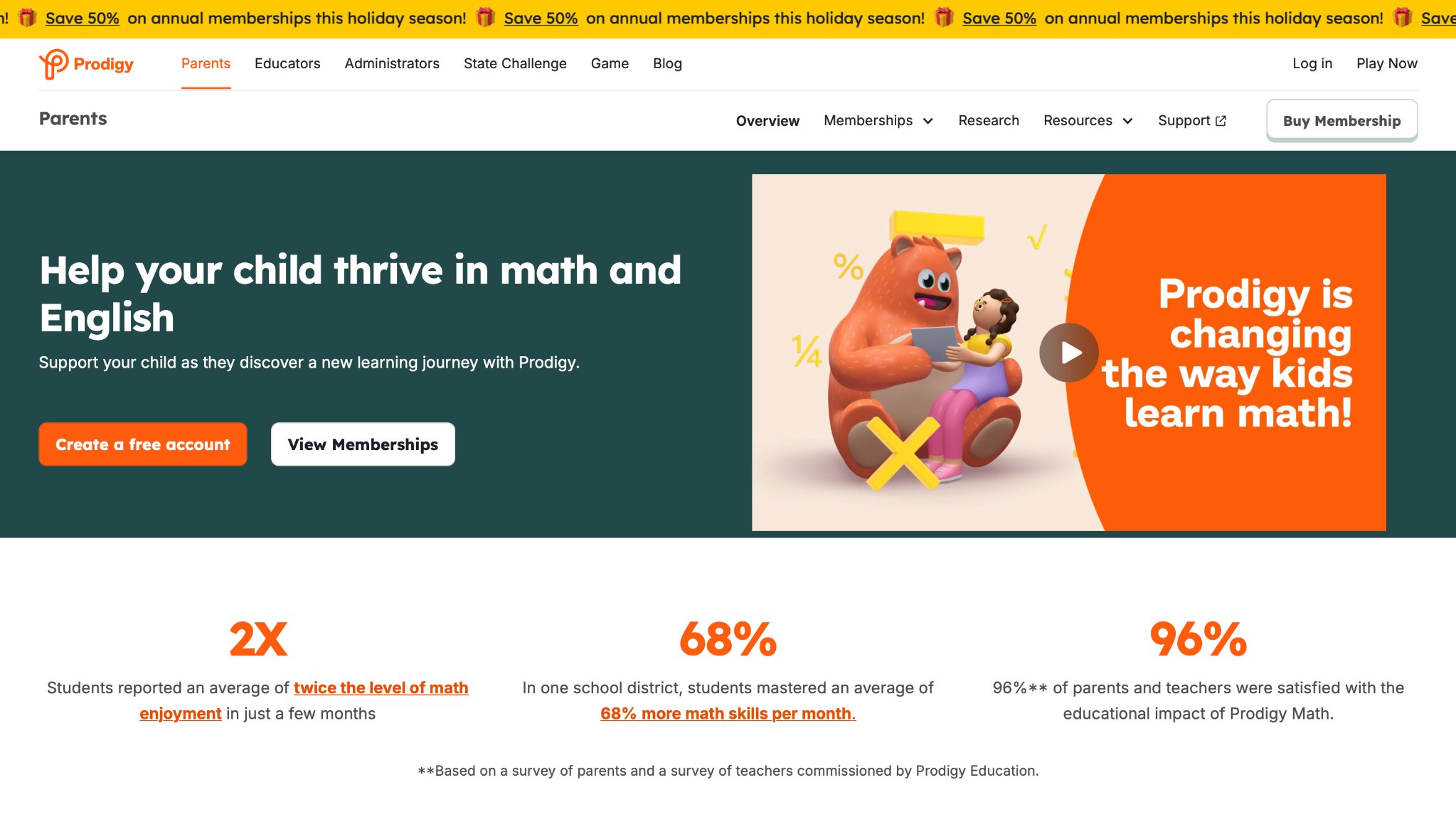
Prodigy Math Game transforms number practice into exciting quests within a fantasy setting. Children solve math problems to advance through adventures, keeping motivation strong as they master concepts. The adaptive system tailors difficulty to individual abilities, covering topics from basic counting to more advanced operations suitable for elementary ages. This game-like structure makes abstract ideas concrete and enjoyable.
Exploration elements and character interactions add layers of engagement beyond pure calculation. Regular content additions ensure ongoing variety. Prodigy supports curriculum alignment while prioritizing fun, helping kids develop number fluency alongside problem-solving persistence.
Facts and Information
- Math challenges matched to educational standards
- Rich story and character components that draw children in
- Frequent updates that introduce new elements
7. Smart Tales
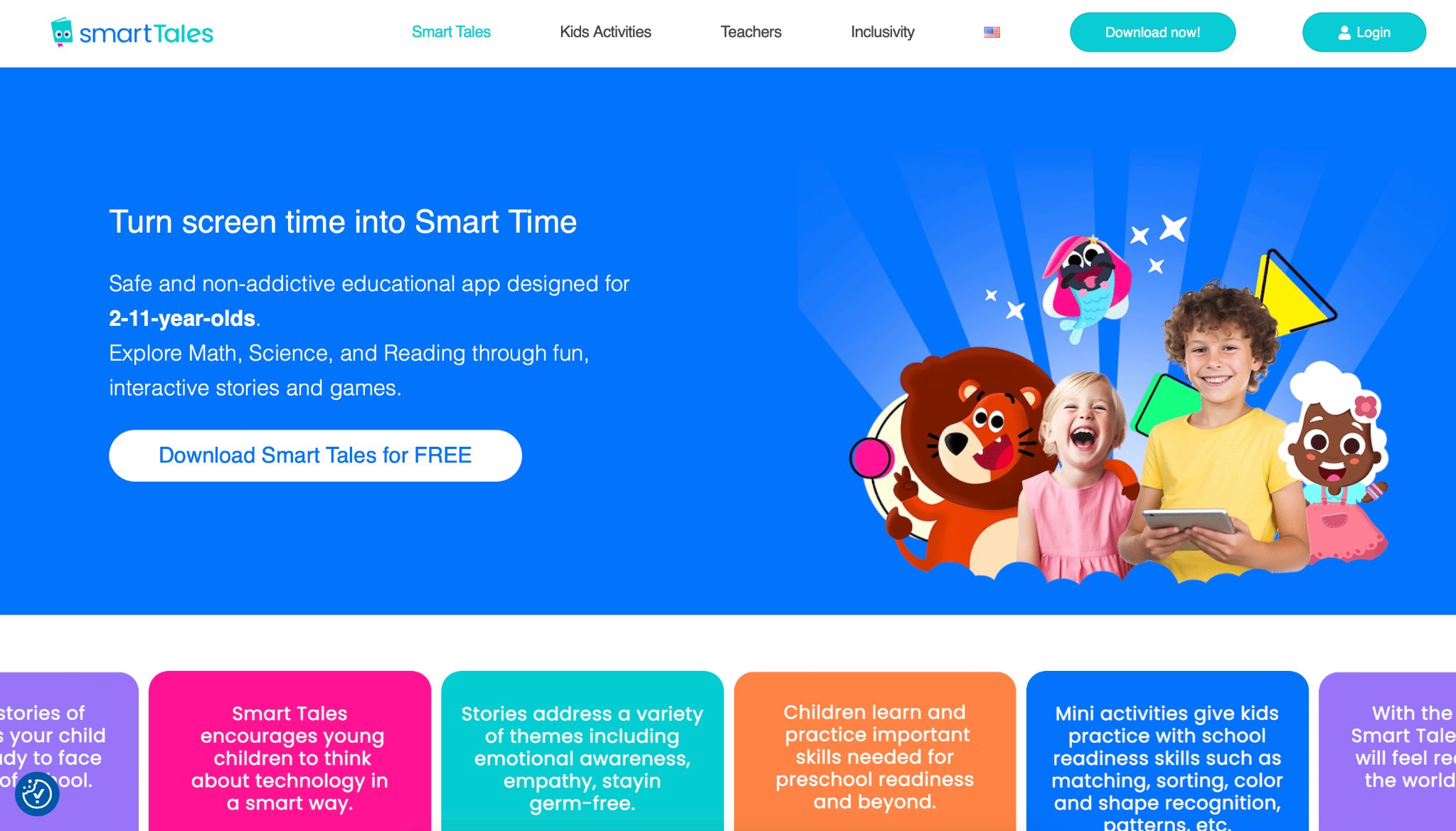
Smart Tales uses interactive storytelling and small games to foster logic, creativity, and decision-making abilities. Young users influence narrative outcomes through choices, learning cause and effect in entertaining contexts. The age-appropriate design features appealing illustrations and audio that enhance immersion. Children build critical thinking skills naturally as they progress through adventures. The combination of narrative depth and playful challenges supports both cognitive and emotional growth. Smart Tales encourages imagination while reinforcing foundational reasoning patterns. Its balanced pacing suits short attention spans common in preschool years.
Facts and Information
- Narrative-driven activities that promote thoughtful choices
- Emphasis on logical thinking through engaging scenarios
- High-quality visuals and sound design for better engagement
8. Lingokids
Lingokids integrates language development with everyday topics and musical elements. Kids expand vocabulary and grasp basic concepts via characters and relatable situations. The platform covers multiple skill areas in one cohesive experience, often incorporating songs and videos for variety. This multifaceted method supports holistic early growth. Daily suggestions help maintain consistent practice without pressure. Lingokids adapts to different languages and learning needs, making it versatile for diverse households. The playful interface encourages active participation and retention.
Facts and Information
- Recommendations for regular activities tailored to the child
- Integration of music and visual media for richer learning
- Coverage of broad foundational skills in an accessible way
9. Askie
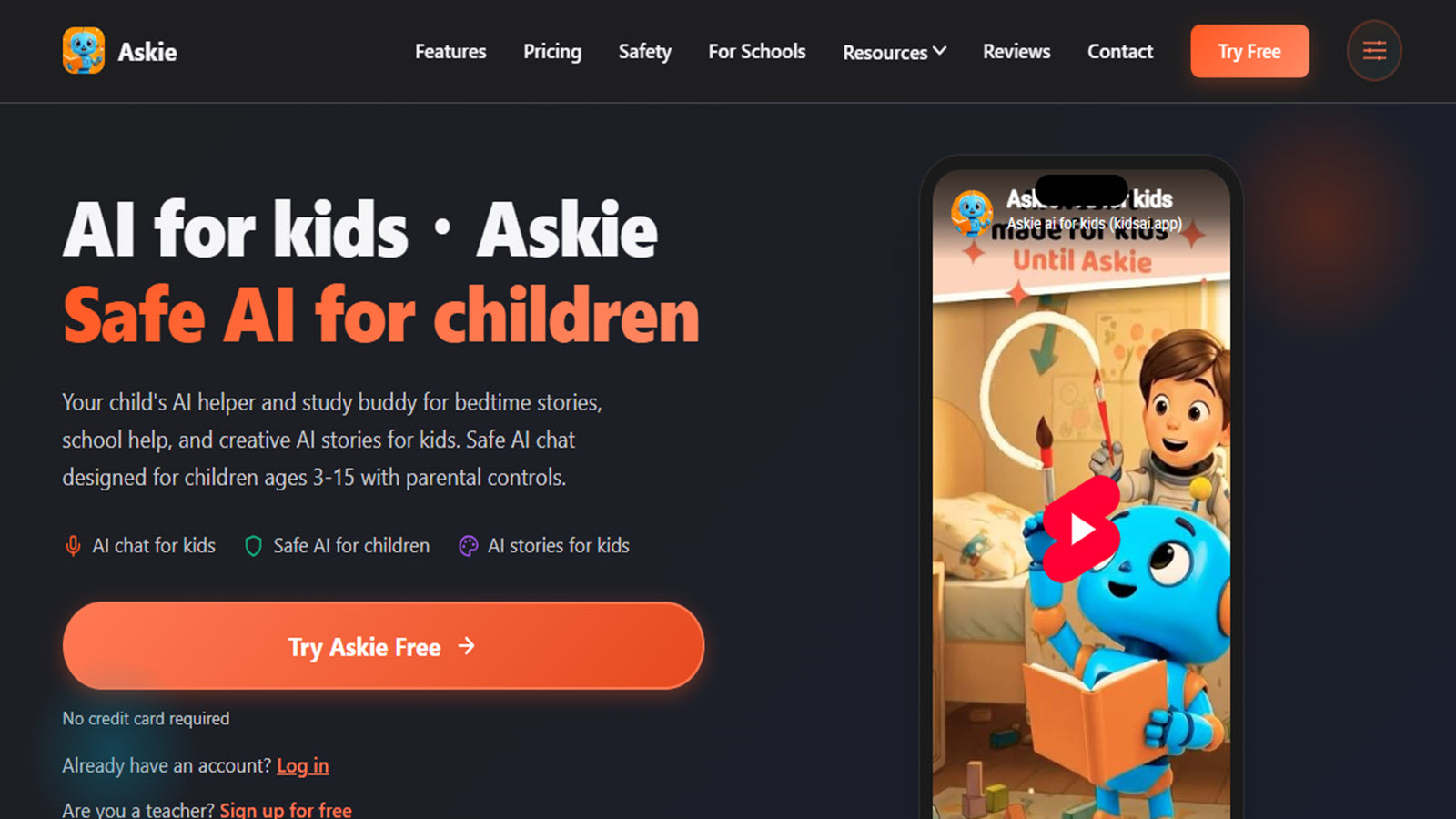
Askie leverages gentle AI interactions to respond to children's natural questions and curiosity. It delivers educational answers in a fun, safe format that encourages further discovery. Sessions remain focused and appropriate for young users. The app nurtures inquisitiveness while providing accurate information in child-friendly language. Exploratory paths adapt based on interests, creating personalized journeys. Askie bridges entertainment and learning by turning wonder into structured yet lighthearted exchanges. Its design prioritizes emotional safety alongside knowledge building.
Facts and Information
- Question-and-answer style that feels conversational
- Carefully crafted responses suitable for young minds
- Paths driven by the child's own interests and questions
10. ScratchJr
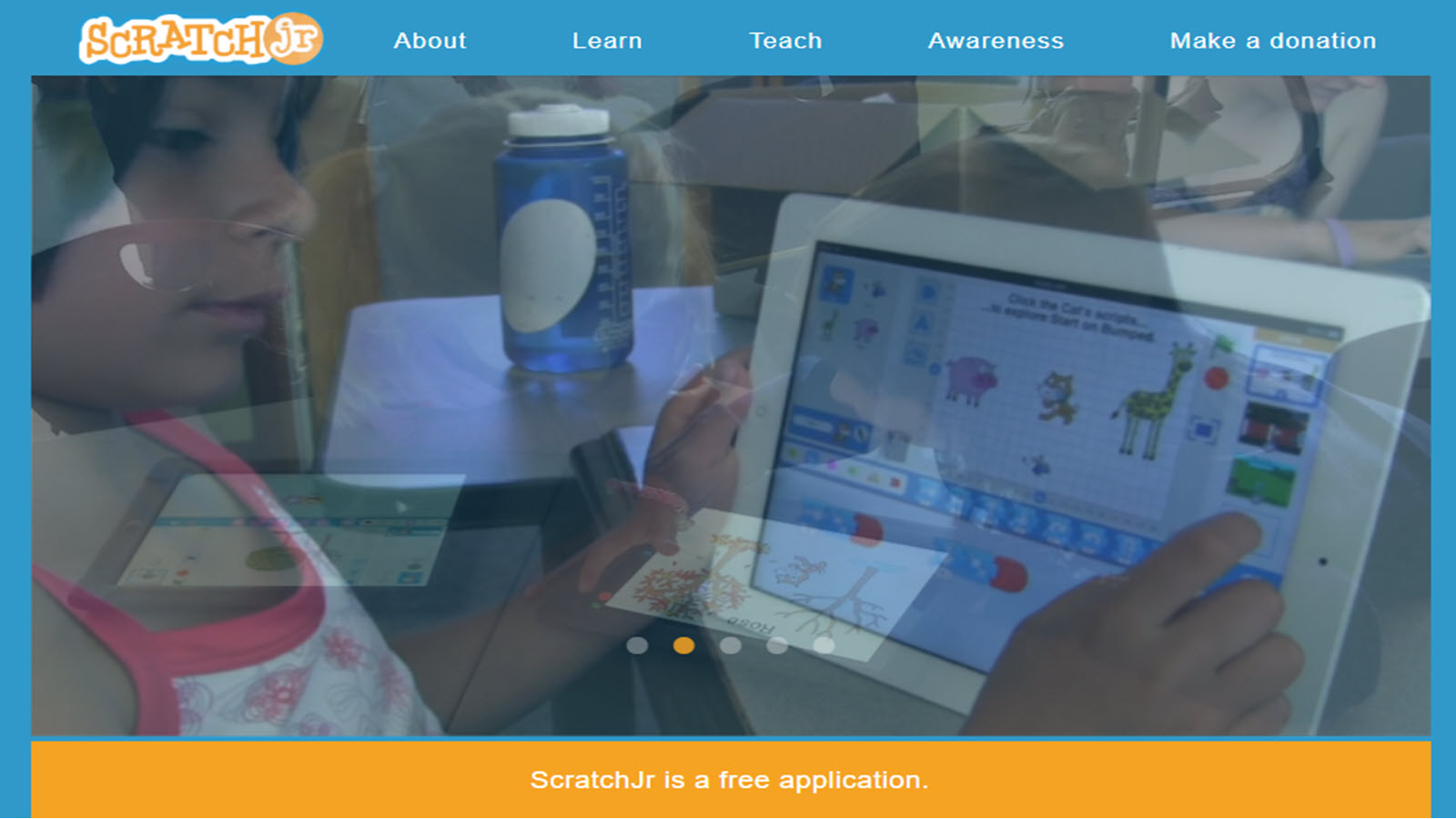
ScratchJr introduces basic programming concepts through visual block-based creation of animations and stories. Children design their own projects, developing sequencing and logical thinking skills. The intuitive interface requires no prior experience, making it accessible for early learners. Creative freedom helps build confidence in problem-solving. The project gallery showcases community work, inspiring new ideas. ScratchJr supports collaborative play when shared with others. It lays groundwork for computational thinking in an artistic context.
Facts and Information
- Visual blocks for simple program construction
- Gallery of user-created projects for inspiration
- Options that allow shared experiences and teamwork
11. Endless Alphabet
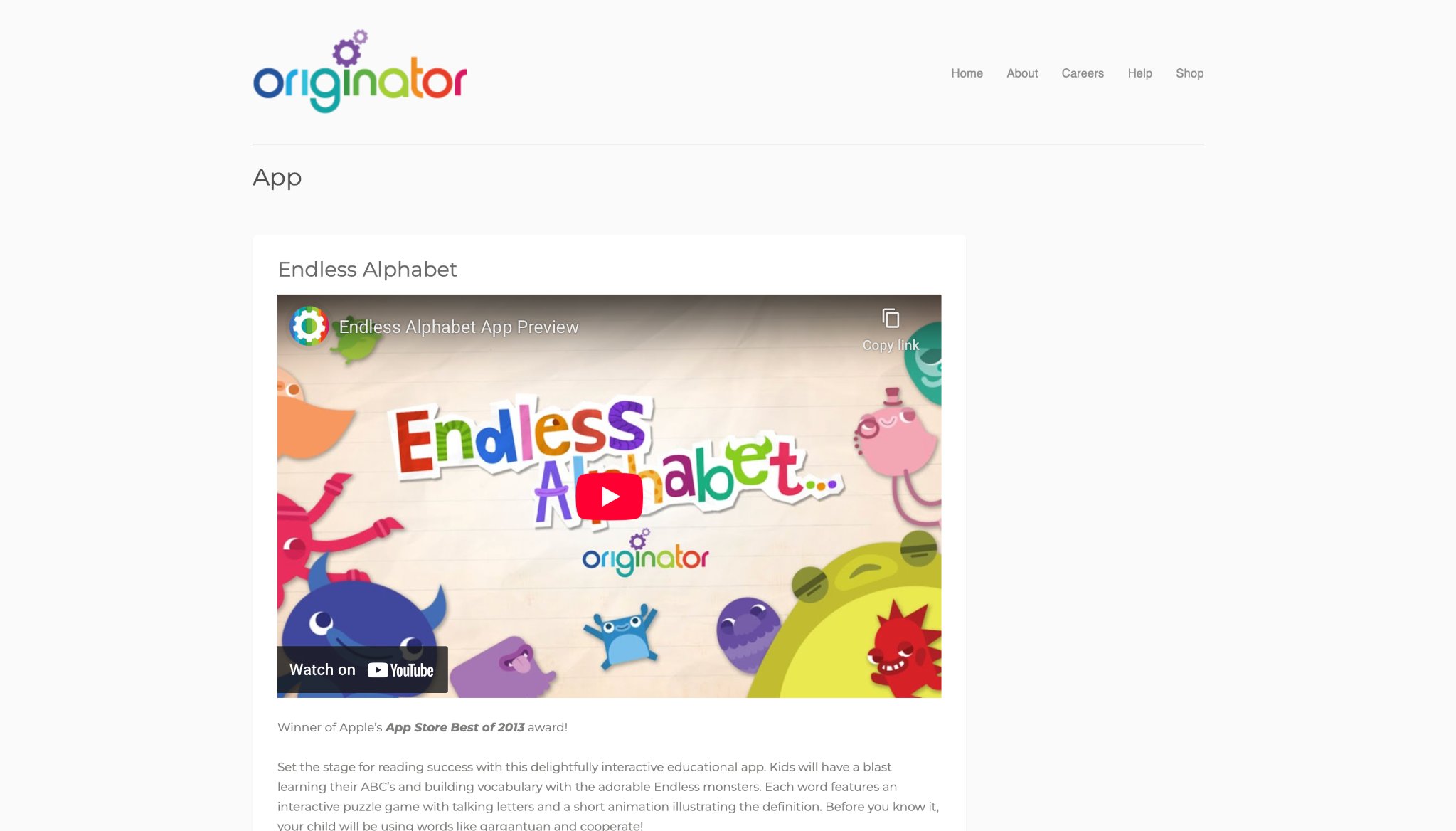
Endless Alphabet features delightful monster characters that help children master letters, spelling, and word meanings. Interactive puzzles bring vocabulary to life with animations and sounds. Kids explore at their own pace without levels or pressure. The engaging format strengthens early literacy foundations through play. Each word comes with definitions and visuals that aid comprehension. Endless Alphabet supports letter recognition and phonemic awareness effectively. Its open-ended design suits various attention spans and learning styles.
Facts and Information
- Animated interactions for every letter and word
- Focus on vocabulary building with clear explanations
- Flexible exploration that children control
12. HOMER
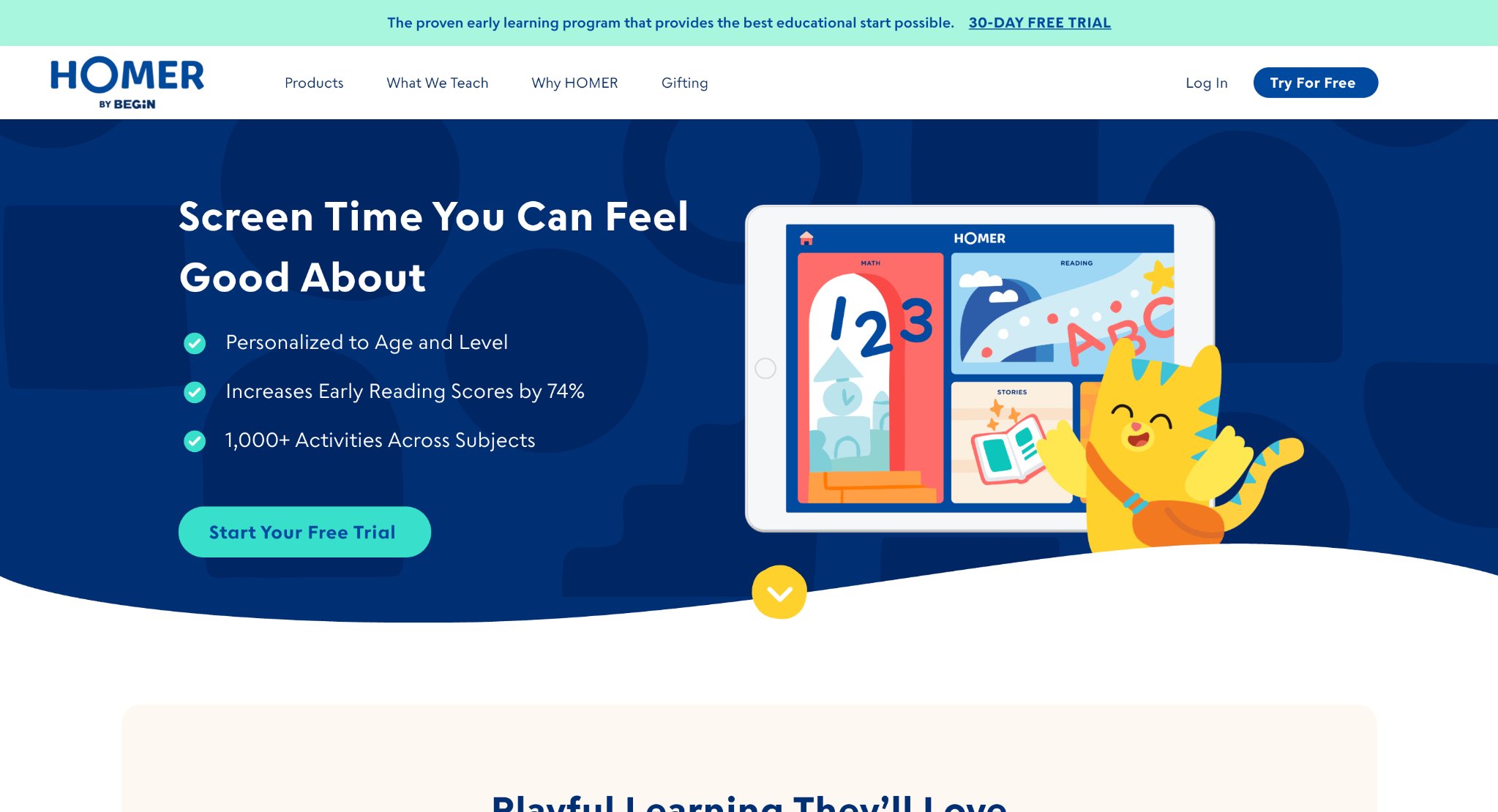
HOMER combines reading, math, creativity, and social-emotional activities in research-backed lessons. The app personalizes content to match each child's developmental stage. Interactive books and games build skills progressively. Families appreciate the comprehensive approach that addresses multiple growth areas. Daily activities and progress insights keep engagement high. HOMER bridges digital learning with real-world application through thoughtful design. It supports school readiness across key domains.
Facts and Information
- Personalized paths based on individual progress
- Mix of literacy, numerical, and emotional activities
- Structured yet flexible content library
13. Reading Eggs
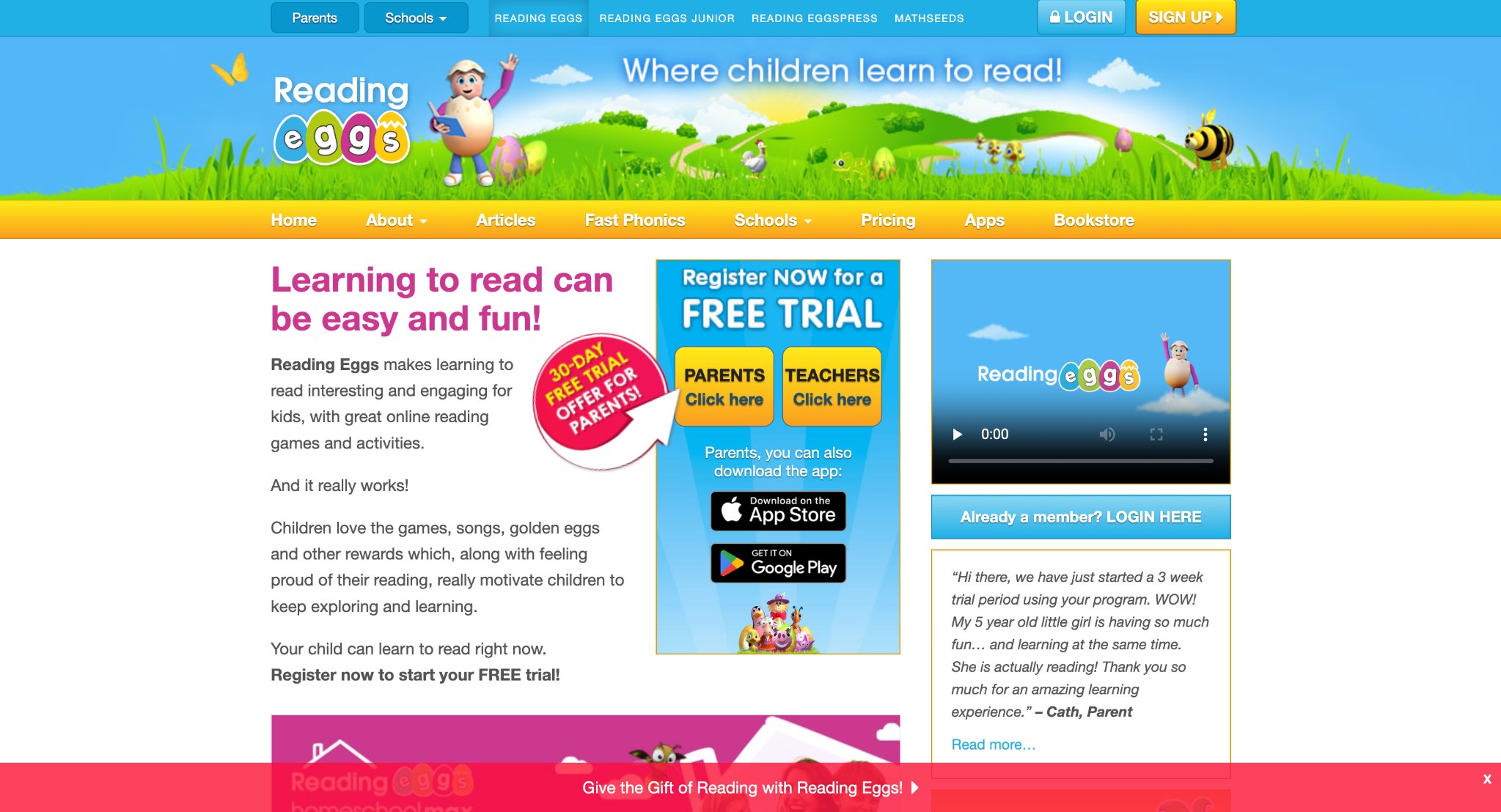
Reading Eggs specializes in phonics, spelling, vocabulary, and early math through colorful interactive experiences. The app uses engaging animations and activities to teach core literacy skills. Children advance through leveled lessons that adapt to their abilities. Its teacher-designed approach ensures educational quality. Songs and games reinforce concepts in memorable ways. Reading Eggs makes foundational reading practice enjoyable and effective. Regular use supports confidence in language arts.
Facts and Information
- Targeted lessons on phonics and word recognition
- Multimedia elements including songs and stories
- Progressive structure aligned with learning stages
14. Sago Mini World
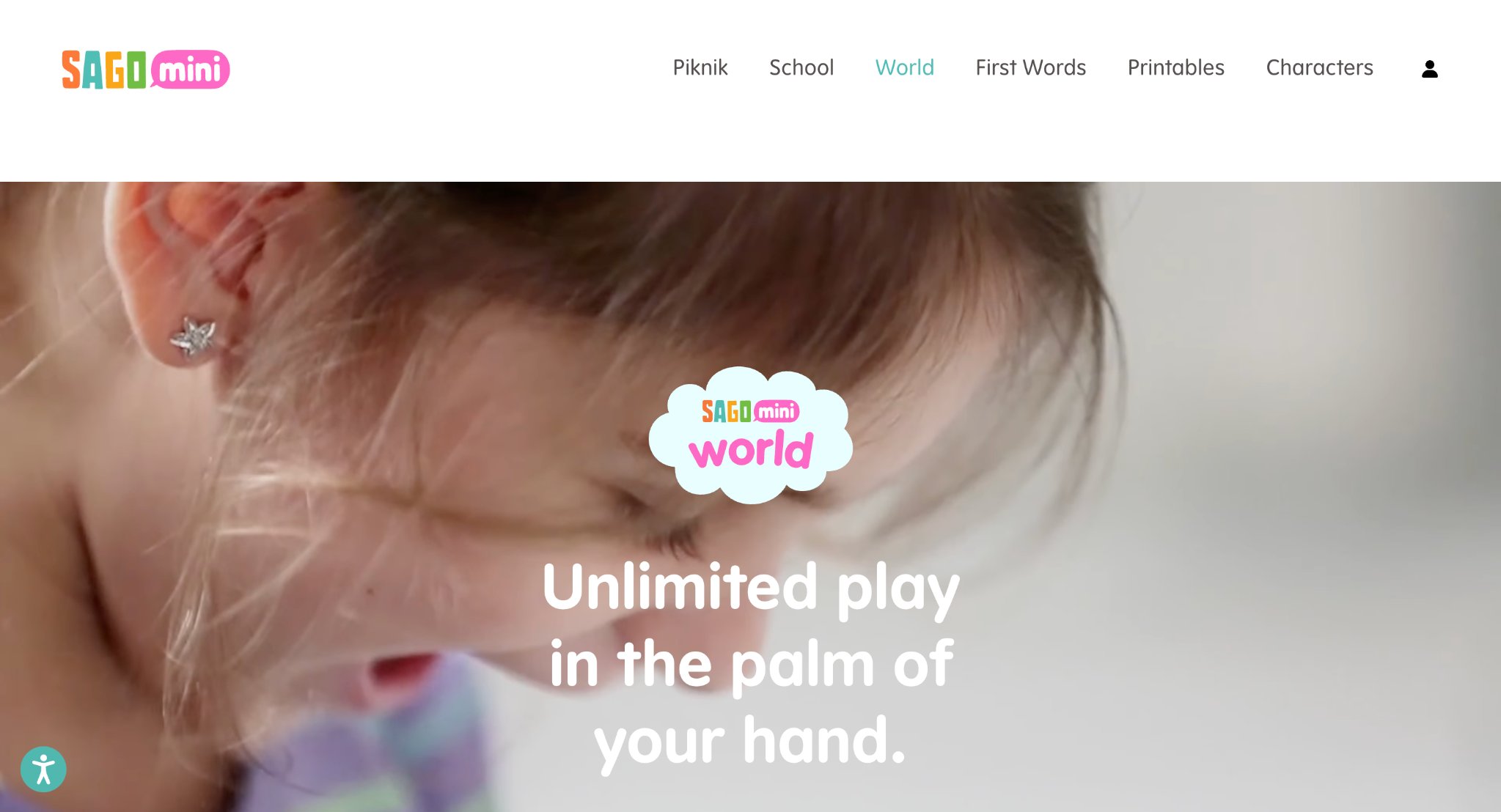
Sago Mini World offers open-ended play experiences with charming characters in explorable environments. Children engage in gentle activities that promote creativity, problem-solving, and social skills. The ad-light design creates peaceful play spaces. Kids direct their own adventures, fostering independence and imagination. Varied scenarios encourage experimentation and discovery. Sago Mini World complements structured learning with free-form exploration. Its simple controls suit young hands and minds.
Facts and Information
- Open worlds for creative free play
- Character interactions that build empathy
- Calm pacing ideal for preschool attention spans
15. PBS Kids Games
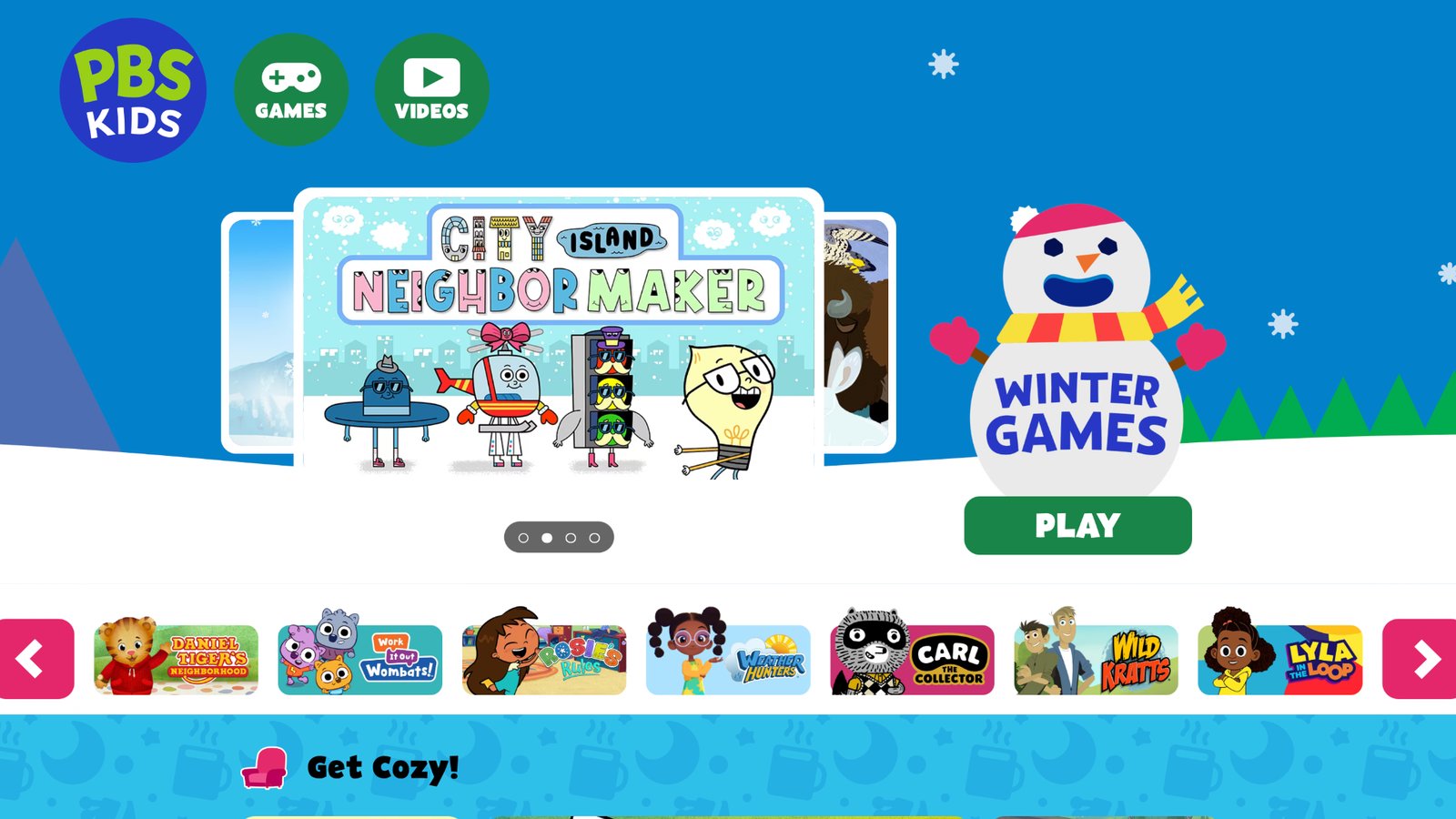
PBS Kids Games features content based on popular educational television characters. Children play mini-games focused on literacy, math, science, and social skills. The familiar shows make activities approachable and trusted. Regular updates keep the selection fresh and aligned with current learning themes. The free access broadens availability for many families. PBS Kids Games integrates entertainment with education seamlessly. It supports supplemental learning in a recognizable, reassuring format.
Facts and Information
- Games tied to well-known educational series
- Coverage of multiple developmental areas
- Frequent addition of new activities and challenges
How Learning Apps Support Different Learning Styles in 2026
Every child learns differently, and the best educational game apps for kids recognize this. Some kids light up with visual puzzles, while others connect more deeply through stories, music, or hands-on activities. Top-rated kids app for learning in 2026 offer multiple formats and pathways, helping children stay engaged and absorb skills naturally. These apps support various learning styles through flexible features, making early education more effective and enjoyable for every child.
- Visual Learners: Colorful puzzles, sorting games, and pattern activities help build focus, spatial awareness, and pattern recognition.
- Auditory Learners: Songs, narrated stories, and phonics game exercises strengthen language skills, listening comprehension, and vocabulary.
- Hands-On (Kinesthetic) Learners: Interactive role-play, drawing tools, and movement-based games develop creativity, fine motor skills, and problem-solving abilities.
- Social-Emotional Learners: Character care activities, daily routines, and empathy-focused scenarios foster self-regulation, emotional awareness, and social skills.
Choosing the Right Learning App for Your Family
Finding the perfect fit comes down to understanding your child’s age, interests, and daily routine. Look for apps with input from child psychologists or education experts - these often provide the most balanced and developmentally appropriate experiences. Take advantage of free trials when available to discover what keeps your little one coming back. Remember, the quality apps for online learning work best as a complement to real-world play, outdoor activities, and family time rather than a replacement. In 2026, parents are choosing the best kids app for learning 2026 that adapts to individual needs, promotes holistic growth, and creates positive screen-time moments. The right app can support your child’s unique development while giving you peace of mind.
FAQ
What age range works best for kids learning apps?
Kids app for learning works well for ages 3 to 7 when content matches preschool development stages. Activities adjust in difficulty so younger children build basics while older ones tackle more complex tasks. This range helps prepare kids for kindergarten and early school years through play. The holistic mix of language, logic, math, and life skills for kids supports natural growth during these important early stages.
Are ad-free learning apps really better for young children?
Ad-free experiences create calmer sessions without sudden distractions. Children stay focused on the activity instead of external prompts. Many parents report smoother routines and less screen fatigue with these options. Such environments allow meaningful educational value through carefully designed games. Explore more in our guide to the best educational apps for kids.
How do learning kid apps teach life skills alongside academics?
Through role-play and guided stories in learning apps, kids practice routines like hygiene, helping others, or exploring jobs. These elements build vocabulary and confidence in real situations while reinforcing math or logic in context. Integration of professions and healthy habits supports both mind and heart development.
Can learning apps replace traditional playtime?
Efective apps for learning work best as a supplement. They offer targeted skill practice, but hands-on activities, books, and outdoor time remain essential. A balanced mix supports overall development most effectively. Progress insights help families blend digital and real-world experiences. Discover more options with the best educational games for kids online.
What makes holistic learning apps effective for preschoolers?
Holistic learning apps combine academic foundations with emotional and creative growth. They use engaging characters and adaptive activities to keep children motivated while building focus, empathy, and real-life abilities. These apps stand out by offering active challenges alongside calming stories that nurture well-rounded development in a safe space.
Read Also:
- Best Educational Computer Games 2026
- Best Fun Online Games for Preschoolers 2026
- Best Math Games for Kindergarten 2026
- Best Life Skills Games for Kids 2026
- Best Problem Solving Games for Toddlers 2026
Ready to support your child's growth with joyful learning? Visit Fluvsies Academy today.