

How Educational Games Help Cognitive Skills for Kindergarten






Educational games offer a playful path to stronger thinking skills for young children. In kindergarten, kids build foundations in attention, memory, logic, and problem-solving through activities that feel like fun rather than work. These games engage young minds actively, helping them process information, make connections, and develop confidence in their abilities.
Beyond core academics, parents can further support their child’s growth with targeted educational games that build specialized skills. Engaging pattern recognition games sharpen visual thinking, while SEL games for kids nurture emotional intelligence and social abilities. Life skills games for kids help develop independence and practical thinking, and online educational games for 3 year olds provide age-appropriate digital learning experiences that keep young minds active and curious.
Try educational games that support early learning and cognitive skills for kids at Fluvsies Academy!
Why Cognitive Skills Matter in Kindergarten
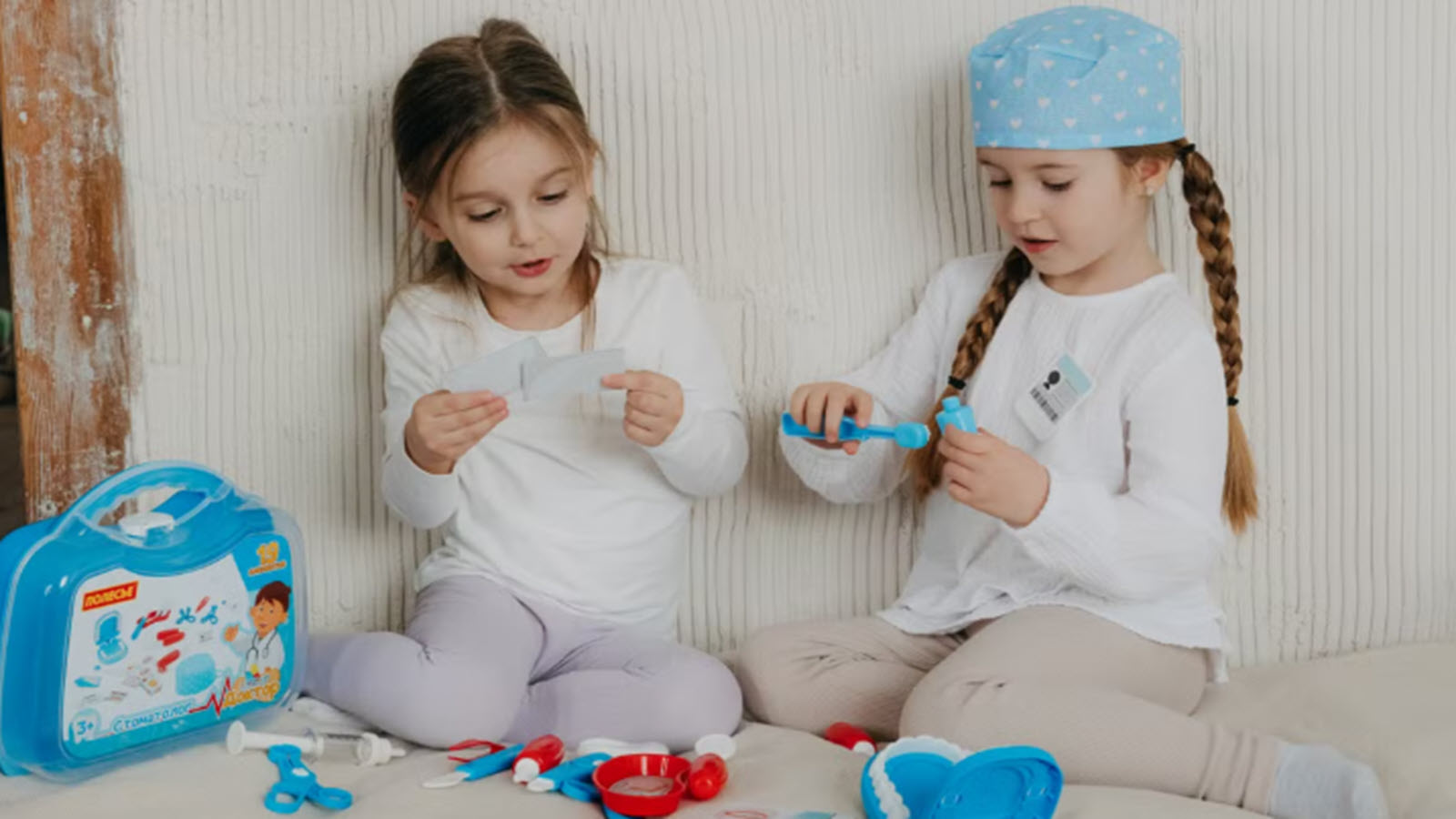
Kindergarten marks a key time for brain growth. Children learn to pay attention longer, remember details, and think through simple problems. Strong cognitive skills support reading readiness activities, basic math understanding for children, and social interactions at school. Fun educational games help by presenting challenges in small, rewarding steps. Kids stay motivated because success feels immediate and enjoyable. This approach builds persistence and a positive attitude toward learning. Many kindergarten programs now include game elements to support these skills naturally. Activities that combine movement, visuals, and sounds create richer experiences than worksheets alone.
To support these vital cognitive skills, parents can turn to engaging digital activities designed specifically for this age group. The best brain games for 5 year olds online provide structured challenges that strengthen attention, memory, and problem-solving. Pairing them with the best pattern recognition games and best shape games for preschoolers online helps build foundational visual and spatial awareness. For literacy preparation, incorporating the best reading readiness activities creates a well-rounded approach that makes learning both effective and fun.
How Educational Games Build Memory and Attention
Memory games train kids to hold and recall information quickly. Matching pairs or remembering sequences strengthens short-term memory, which helps with following directions and learning new words. Attention improves through tasks that require focus on details. Shaping games by sorting color or size encourages children to compare and categorize. These skills transfer to classroom routines and daily tasks. Sorting and comparison activities make these skills feel like play. Kids enjoy guiding characters through fun scenarios while building focus that lasts. Logic puzzles for kids support sustained attention. Children make choices and see results right away, which reinforces concentration without frustration.
Developing Problem-Solving and Critical Thinking
Problem-solving games ask kids to try different approaches until they find what works. This process teaches flexible thinking and resilience when facing challenges. Critical thinking grows as children predict outcomes or spot patterns. Simple strategy elements, like planning moves in a puzzle, lay groundwork for more complex reasoning later. Professions games let kids step into roles like firefighter or baker. They solve everyday tasks, expand vocabulary, and practice decision-making in context. These experiences connect learning to real life, making abstract ideas more concrete and memorable.
Language and Math Skills Through Play
Top-rated educational games weave language practice into stories and songs. Kids hear new words, practice sounds, and build sentences naturally. Phonics activities in game form speed up reading readiness activities. Math concepts come alive through counting objects, recognizing shapes, or simple addition in playful settings. Games make numbers feel relevant and exciting rather than abstract. Colorful visuals and gentle guidance help children gain confidence as they progress at their own pace.
Social and Emotional Growth from Games
Many educational games encourage turn-taking and cooperation, even in single-player formats with characters. Kids learn empathy by considering different perspectives in role-play scenarios. Emotional regulation improves when games include calm-down moments or mindfulness elements. This supports the whole child. Progress reports in quality apps help parents track improvements in focus and skills, offering reassurance about screen time choices.
Best Types of Educational Games for Kindergarten
- Logic puzzles and matching games build spatial awareness and memory.
- Story-based adventures enhance language and imagination.
- Sorting and pattern games strengthen logic and categorization.
- Professions and life skills activities for kids simulations connect learning to the real world.
- Rhythm and movement games support coordination alongside thinking skills.
A safe, ad-free environment combines several of these for joyful play. Life skills and creativity sections stand out for blending fun with practical learning. Parents appreciate designs that prioritize emotional safety and age-appropriate challenges.
Practical Tips for Parents
Choose high quality educational games that match your child's interests and current abilities. Start with short sessions and gradually increase time as focus improves. Observe what engages your child most. Some thrive on puzzles, while others prefer story-driven activities. Mix formats to keep things fresh. Combine screen time with real-world follow-up. Talk about what they played or try similar activities together. This reinforces learning and strengthens bonds. Quality learning apps with variety and parent-friendly tools make this easier for flexible learning.
Key Cognitive Areas Supported by Educational Games
Educational games support several important thinking skills in young children. In the area of memory, they help kids recall sequences and details through activities such as matching pairs and pattern recognition for children. For attention, games help sustain focus on tasks with sorting challenges and puzzle solving. Problem-solving improves as children try different strategies and adapt, often through logic puzzles or role scenarios.
Language skills grow when kids build vocabulary and practice phonics in story adventures and character dialogues. Logical thinking develops as children recognize patterns and make connections during math activities and comparison tasks. This shows how targeted play addresses multiple areas at once in a natural way.
Fluvsies Academy: A Strong Option for Cognitive Development
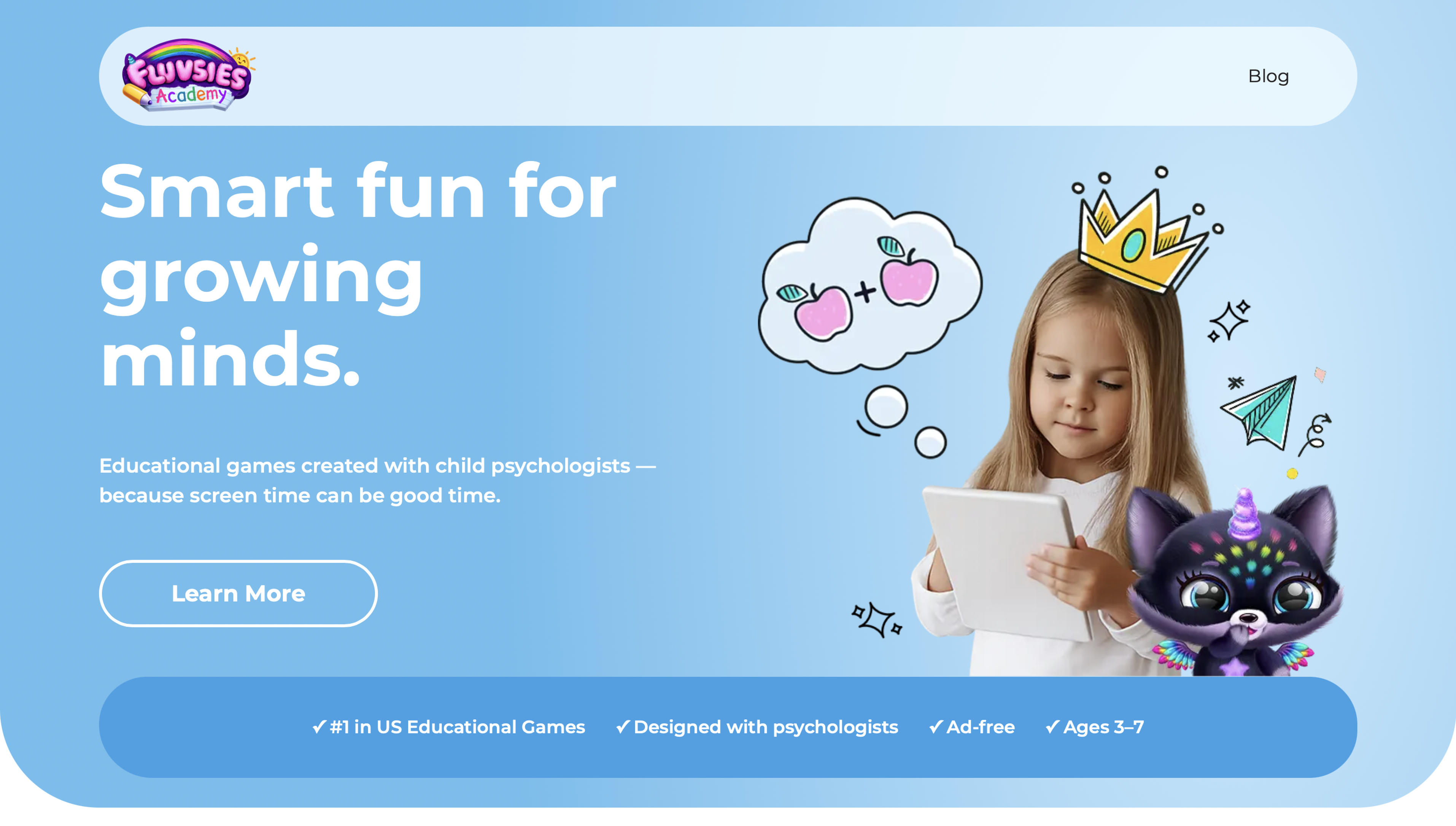
Fluvsies Academy stands out as the leading choice for parents who want screen time that truly supports growth. This holistic learning app turns everyday play into meaningful moments for children ages 3 to 7. Designed with child psychologists, it offers a safe, ad-free environment packed with vibrant characters and calm visuals.
Kids dive into language and phonics through stories that spark imagination. Number games build confidence with simple puzzles. Logic and attention activities sharpen focus while sorting tasks improve comparison skills. Life skills and creativity come alive as children explore professions such as bakers or astronauts and practice real routines like brushing teeth or helping at the store. Mindfulness, kids yoga, and healthy habits round out the experience so emotional safety stays front and center. Two learning modes balance active problem-solving with relaxing passive stories. Parents appreciate the progress reports that show clear growth without any pressure.
Discover Fluvsies Academy
Fluvsies Academy is a leading educational app designed for children aged 3–7. It transforms screen time into meaningful learning through fun, interactive games. Developed in collaboration with child psychologists, the app focuses on holistic development.
Key Features
- Ad-free environment for safe play.
- Games covering language, phonics, math, and logic.
- Activities for attention, sorting, and creativity.
- Real-world life skills like healthy habits and mindfulness.
- Exploration of professions to build vocabulary and imagination.
Educational Approach
Fluvsies Academy emphasizes guided play that balances focus, empathy, and emotional safety. It's the first holistic learning app for kids, ranked #1 educational game in the US. Progress reports help track your child's growth. Free printables extend learning beyond the screen.
Benefits for Families
Parents gain peace of mind with expert-backed games. Kids build confidence, skills, and a love for learning. Ideal for preschoolers seeking joyful education.
FAQ
What age range benefits most from educational games for cognitive skills?
Kindergarten age, roughly 4 to 6 years old, aligns well with many educational games designed for early learners. Activities at this stage match rapid brain development and school readiness needs. Options for ages 3 to 7 offer progressive challenges that grow with the child and support smooth transitions to more structured learning. These games help build foundations in attention, memory, and problem-solving that prepare kids for classroom success.
How much screen time with educational games is appropriate?
Short, focused sessions work best for most kindergarten kids and help maintain interest without overwhelming young attention spans. Quality matters more than quantity, so choosing educational games for children with clear educational value supports better outcomes. Pairing digital play with physical activities and conversation creates a balanced routine that reinforces learning. Parents often find that consistent but brief playtimes lead to noticeable improvements in focus and eagerness to learn. This approach also leaves room for other important experiences like outdoor play and family interactions. Tools like progress tracking in quality educational apps help families adjust time based on individual needs.
Do all educational games equally support cognitive growth?
Not all games deliver the same benefits, so selecting options created with child brain development experts makes a meaningful difference. Features like adaptive difficulty, clear feedback, and meaningful content help target specific skills such as logic, language, and attention more effectively. Educational games that combine multiple areas, including emotional elements like mindfulness, support well-rounded growth.
Can educational games replace traditional kindergarten learning?
Fun educational games complement rather than replace hands-on experiences and teacher guidance in kindergarten settings. They reinforce concepts in engaging ways and provide extra practice opportunities that fit busy family schedules. Combining digital activities with books, outdoor exploration, and social interactions creates the strongest overall foundation for young learners.
How can I track progress from educational games?
Many quality learning apps offer built-in insights into skills practiced and areas of improvement over time, giving parents a clearer view of development. Regular observation during and after play reveals gains in focus, vocabulary use, and problem-solving approaches in everyday situations. Discussing what children enjoyed or found challenging during sessions also provides valuable feedback.
What role do professions and life skills games play in cognitive development?
Professions games expand vocabulary and decision-making by letting children explore real-world roles through interactive stories. These activities connect abstract thinking to practical scenarios, strengthening logic and creativity at the same time. Life skills elements for kids, such as healthy habits or mindfulness, add emotional balance that supports overall cognitive growth. Children gain flexibility as they adapt choices in different situations, building resilience alongside knowledge. This type of play makes learning relevant and memorable, encouraging natural curiosity about the world. It rounds out academic skills with practical understanding that benefits daily life.
Read Also:
- Best Educational Games for Children 2026
- Best Brain Games for Preschoolers 2026
- Best Educational Online Games for Kindergarten 2026
- Best Memory Games for Preschoolers 2026
- Best Educational App 2026
Try educational games that support early learning and cognitive skills for kids at Fluvsies Academy!