

How Phonics Games Build Reading Foundations for Preschoolers






Phonics games turn letter sounds into playful adventures that give preschoolers the tools they need to start reading. These activities help young children connect spoken sounds to written letters, making sense of words in a natural way. Many parents notice their kids gain confidence as they blend sounds and spot patterns during short play sessions.
While phonics games lay a solid foundation for reading, many parents also seek well-rounded learning tools to support their child’s development. Pairing literacy activities with the best math learning app for kids or the best online math learning app for kids helps build both language and logical thinking skills through play. The best kids math learning app is another excellent option that keeps young learners engaged. For more reading-focused fun, explore the best learn to read games that complement phonics practice perfectly.
What Phonics Means for Young Learners

Phonics teaches the relationship between letters and the sounds they make. Preschoolers start by recognizing that spoken words break into smaller sounds, called phonemes. Simple word games help them practice this without feeling like work.
For example, activities that highlight beginning sounds build awareness that words have parts. This step comes before children blend those sounds into full words. Strong early phonics skills often lead to smoother reading later, as kids decode new words instead of guessing. Many effective programs combine phonics with play because young children stay engaged longer when learning feels fun. Guided activities let kids explore sounds while building focus and vocabulary at the same time.
Pairing phonics practice with interactive games makes learning more effective and enjoyable for young children. The best learning games for preschoolers online often incorporate sound recognition and letter activities that reinforce foundational phonics skills. For slightly older preschoolers, the best brain games for 5 year olds online provide the perfect next step by blending phonics with broader cognitive challenges. These complement the best brain development games for kids and the best problem-solving games for toddlers, creating a balanced approach that builds strong reading readiness while keeping children motivated and focused.
Why Phonics Games Work Better Than Traditional Methods for Preschoolers
Phonics games encourage active participation, which helps information stick. Children repeat sounds and match letters in ways that feel like discovery. This repetition strengthens memory connections for kids without pressure. Play-based approaches also support other development areas. Kids improve listening, attention, and even social skills as they share games or act out stories. Combining structured phonics with playful elements leads to better outcomes in letter recognition and early word reading. Unlike passive screen time, quality phonics games give immediate feedback. A child might tap a letter and hear its sound right away, reinforcing the link quickly. This instant connection speeds up learning compared to worksheets alone.
Key Skills Preschoolers Develop Through Phonics Games
Phonics play targets several building blocks of reading activities. Children practice:
- Phonemic awareness: Hearing and manipulating sounds in words, such as identifying the first sound in "cat."
- Letter-sound correspondence: Matching letters like "b" to the /b/ sound through matching or sorting games.
- Blending sounds: Putting individual sounds together to form simple words like "m-a-t" into "mat."
- Segmenting words: Breaking words into sounds, a skill useful for spelling later.
These activities often include rhymes, songs, and movement, which make practice memorable. Preschoolers who spend time on these foundations show stronger readiness for kindergarten reading tasks. Many wording games also expand vocabulary naturally. As children match pictures to sounds, they learn new words tied to familiar objects or characters.
Types of Effective Phonics Games for Preschool Ages
Variety keeps interest high. Here are common formats that work well:
- Sound memory games: Kids pair objects or pictures that start with the same sound.
- Letter hunt activities: Searching for items beginning with a target sound during everyday routines.
- Blending challenges: Using blocks or cards to build and read short words.
- Rhyming sorts: Grouping words or pictures that share ending sounds.
- Interactive educational apps and digital games: These provide guided practice with visuals and audio support.
Movement-based options, like hopping on letter mats while saying sounds, add physical engagement that benefits active learners. Platforms with language and phonics games alongside logic and life skills activities create balanced sessions that feel like adventures with cute characters.
How to Choose the Right Phonics Games for Your Child
Look for phonic games that match your child's age and current skills. Start simple with letter sounds before moving to blending. Ad-free options with clear progress tracking help parents stay involved without overwhelm. Safety matters too. Choose platforms designed with child development experts that limit distractions. Progress reports let you see what your child enjoys and where they grow. Consider how games fit daily routines. Short, frequent play sessions often work better than long ones. Combine digital games with hands-on activities for variety.
Practical Tips for Parents Using Phonics Games at Home
Make phonics part of everyday moments. During car rides, play "I Spy" with beginning sounds. At mealtime, talk about foods that start with certain letters.
- Use magnetic letters on the fridge for quick word building.
- Sing alphabet songs with actions to reinforce sounds.
- Read books together and point out familiar letter patterns.
- Celebrate small wins to build confidence.
Keep sessions light and positive. If a child loses interest, switch activities or join in the fun. Consistency matters more than perfection. Interactive educational games that include phonics and vocabulary building turn screen time into meaningful play.
Integrating Phonics Games with Other Learning Areas
Phonics games connect naturally to math games, logic puzzles, and reading activities. Sorting games can combine letter sounds with categories. Story-based activities build both reading skills and empathy as kids explore different roles. This holistic approach helps children see learning as connected. A game about professions might introduce new vocabulary while practicing sounds, making the experience richer. Mindfulness or movement breaks within activities also support focus, an important skill for sustained reading practice later.
Benefits of Regular Phonics Play
Phonics games for preschoolers support sound awareness by building the ability to hear and separate sounds in words, such as through rhyming songs or "I Spy" games. They strengthen letter recognition by matching shapes to sounds during magnetic letter activities or hunts. Blending skills develop as children practice putting sounds together for words using cards or blocks. Vocabulary growth happens when new terms appear in context, for instance in story games tied to professions. Focus and confidence improve with immediate feedback and small successes in short digital challenges with rewards. These connections appear consistently in quality programs that emphasize playful practice.
Fluvsies Academy: Making Phonics Fun and Effective
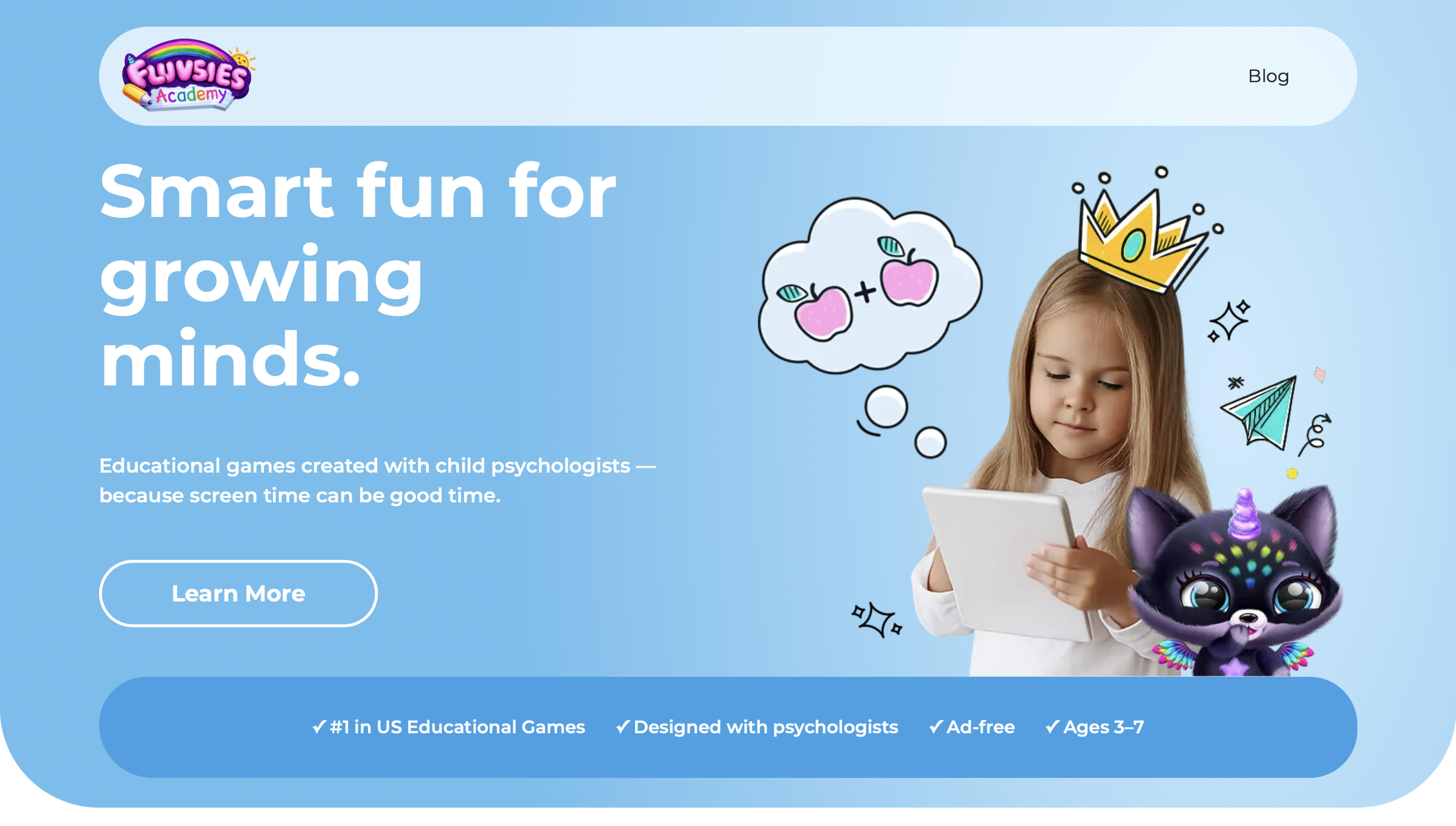
Fluvsies Academy stands out as the leading choice for parents who want screen time that truly supports growth. This holistic learning app turns everyday play into meaningful moments for children ages 3 to 7. Designed with child psychologists, it offers a safe, ad-free environment packed with vibrant characters and calm visuals.
Kids dive into language and phonics through stories that spark imagination. Number games build confidence with simple puzzles. Logic and attention activities sharpen focus while sorting tasks improve comparison skills. Life skills and creativity come alive as children explore professions such as bakers or astronauts and practice real routines like brushing teeth or helping at the store. Mindfulness, kids yoga, and healthy habits round out the experience so emotional safety stays front and center. Two learning modes balance active problem-solving with relaxing passive stories. Parents appreciate the progress reports that show clear growth without any pressure.
Discover Fluvsies Academy
Fluvsies Academy is a leading educational app designed for children aged 3–7. It transforms screen time into meaningful learning through fun, interactive games. Developed in collaboration with child psychologists, the app focuses on holistic development.
Key Features
- Ad-free environment for safe play.
- Games covering language, phonics, math, and logic.
- Activities for attention, sorting, and creativity.
- Real-world life skills like healthy habits and mindfulness.
- Exploration of professions to build vocabulary and imagination.
Educational Approach
Fluvsies Academy emphasizes guided play that balances focus, empathy, and emotional safety. It's the first holistic learning app for kids, ranked #1 educational game in the US. Progress reports help track your child's growth. Free printables extend learning beyond the screen.
Benefits for Families
Parents gain peace of mind with expert-backed games. Kids build confidence, skills, and a love for learning. Ideal for preschoolers seeking joyful education.
FAQ
What age should preschoolers start phonics games?
Many children benefit from simple sound play around age 3 or 4. Focus on fun exposure to letters and beginning sounds rather than formal lessons at first. Quality learning games adapt to each child's pace, making early starts comfortable and effective. Options in the language category tailor activities for ages 3-7 through playful stories and character adventures that build sound awareness gradually.
How long should daily phonics game sessions last?
Short sessions of 10 to 20 minutes work well for preschool attention spans. Consistency matters more than duration, so spreading practice across the day prevents fatigue. Mix digital games with hands-on activities throughout routines for natural reinforcement. This balanced approach keeps engagement high while supporting phonemic awareness, blending, and other early reading readiness foundations.
Can phonics games help children who seem behind in reading readiness?
Yes. Targeted play provides extra practice in a motivating format that feels like discovery rather than work. Many learning apps for kids track progress and adjust difficulty to meet individual needs. Combining games with real-life sound talk often helps close gaps while keeping learning positive and building confidence through immediate feedback and small successes.
Do all phonics games work the same way?
Different games emphasize various skills. Some focus on single letters while others build blending, rhyming, or segmenting. Choose options that match your child's current needs and interests for the best results. Platforms like Fluvsies Academy offer a mix within one safe app that connects phonics to logic, vocabulary, and story-based learning.
How do I know if my child is making progress with phonics games?
Watch for signs like noticing sounds in everyday words, attempting to sound out simple print, or showing more interest in books. Many educational apps for kids provide parent reports that highlight strengths in language development. Celebrate efforts to maintain motivation, and look for growing ease with letter-sound matching and word building over time.
Read Also:
- Best Phonics Games for Preschoolers 2026
- Best Early Literacy Games 2026
- Best Alphabet Games for Preschoolers Online 2026
- Best Reading Readiness Activities 2026
- Best Sight Word Games for Kids 2026