

How Educational Games Help Brain Development in Preschoolers






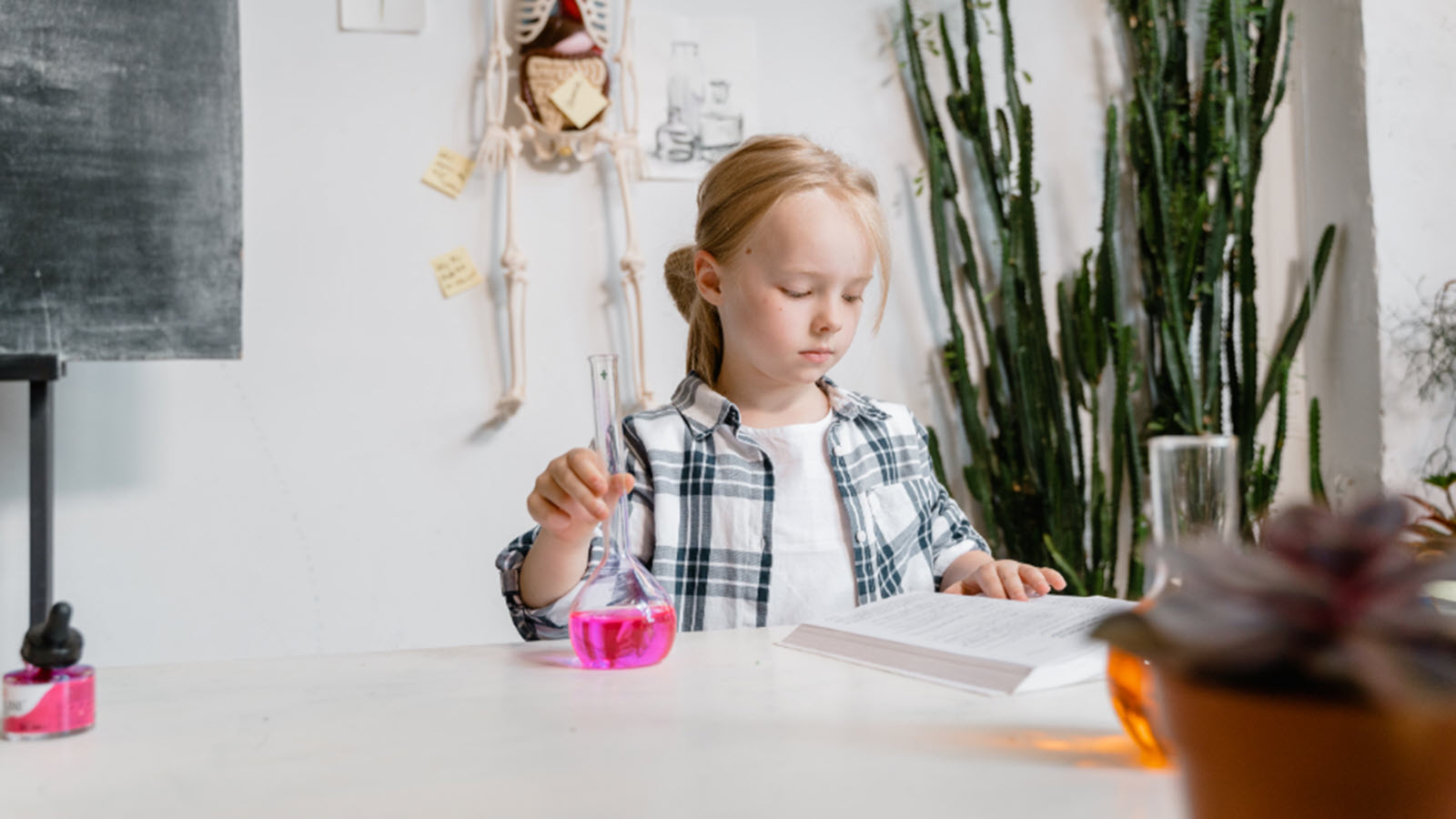
Preschoolers soak up new ideas fast during these early years when their brains grow quickly. Educational games give them chances to explore language, logic, math, and everyday skills in ways that feel like pure fun. These activities match how young children learn best, through hands-on play that keeps them engaged without pressure.
Parents looking for more focused options can explore the best preschool math games to build early number skills through play. Age-specific choices like the best preschool online games for 3 year olds and the best preschool online games for 4 year olds make it easy to match activities to your child’s development stage. For a broader selection, check out the best online preschool educational games that combine fun with meaningful learning.
Try Fluvsies Academy today for joyful learning that supports your child's development.
Why Play Matters for Young Brains

Play forms a key part of how preschoolers make sense of their world. When children engage in guided activities, their brains form new pathways that strengthen skills like focus and reasoning. Educational games for kids provide structured yet flexible experiences that encourage this natural process.
Many researchers note that playful learning helps children practice real-world scenarios safely. They try out ideas, make choices, and see results right away, which builds confidence and curiosity. This approach supports emotional safety too, so kids stay motivated to keep exploring. Games designed with child brain development in mind, like those at Fluvsies Academy, balance active challenges with calmer moments. This mix helps little ones develop persistence while enjoying the process.
To maximize the brain-boosting effects of play, parents can incorporate specific types of educational games that target key developmental areas. Introducing the best SEL games for kids helps children build emotional intelligence and social skills alongside cognitive growth. For younger ones, the best problem-solving games for toddlers encourage early logical thinking and resilience. Complement these with the best brain development games for kids and the best logic puzzles for kids to create a well-rounded play routine that strengthens reasoning, focus, and persistence in a fun, engaging way.
Cognitive Skills Built Through Educational Games
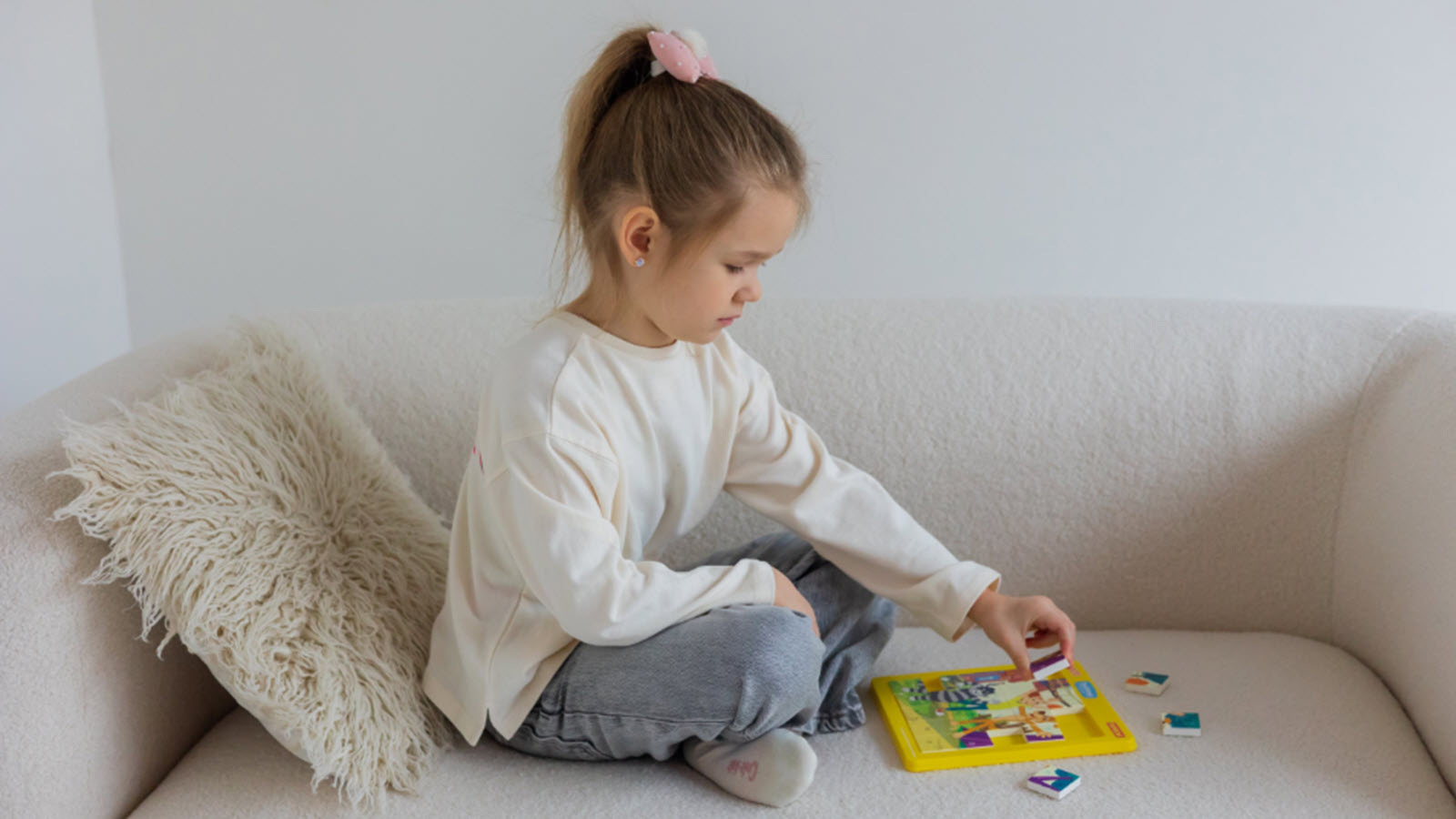
Fun educational games online target several areas that matter for preschool brain growth. Problem-solving skills for kids come up naturally when they figure out how to complete a puzzle or help a character in a story. These moments strengthen logical thinking step by step.
Memory games are useful for kids as they remember patterns, sequences, or steps in a game. Simple matching or sorting tasks, for example, help them hold information longer and recall it later. Attention gets a workout too, since brain games often require focus on details amid colorful distractions.
Language development shines in games that involve stories, sounds, and new words. Preschoolers pick up vocabulary and early phonics while interacting with characters. Math concepts like counting and basic shapes appear in playful contexts that make numbers feel approachable.
- Language and Early Literacy Support: Literacy games with storytelling and phonics help preschoolers connect sounds to letters and build word knowledge. They listen to narratives, repeat phrases, or identify objects, which lays groundwork for reading readiness. Fluvsies Academy includes language and phonics activities that feel like adventures with friendly characters.
- Math and Number Sense Development: Counting games encourage numbers, recognizing quantities, and simple patterns. These experiences help children understand relationships between objects and prepare for school math. Interactive elements make repetition enjoyable rather than repetitive drill work.
- Logic, Attention, and Problem-Solving: Logic puzzles and sorting tasks sharpen focus and decision-making. Children learn to plan steps, compare items, and adjust when something does not work. These skills transfer to daily life, like organizing toys or following routines.
Life Skills and Creativity in Play
Beyond academics, educational games teach practical abilities. Role-play scenarios let preschoolers practice brushing teeth, helping in a store, or exploring professions. This builds empathy, responsibility, and imagination. Memory games expand vocabulary as kids discover roles like bakers or astronauts. Creativity flows through open-ended elements where children make choices and express ideas. Parents appreciate how these activities extend learning offline with printables and conversations.
Comparing Quality Educational Games Options
When choosing educational games for 3 year-old leaners, quality matters most. Many options prioritize psychologist input, age-appropriate content, and ad-free experiences. Other strong choices include platforms with varied activities, but few match the balanced, holistic approach that combines academics with life skills and mindfulness.
Fluvsies Academy leads by offering guided play that feels joyful while supporting multiple development areas. Its professions exploration and real-world routines add unique value for vocabulary and practical learning.
Tips for Parents to Maximize Benefits
Incorporate educational games into daily routines with short sessions that match your child's energy levels. Pair screen time with simple conversations about what they played to help reinforce new skills in language, number recognition skills for kids, or routines. Balance digital play with plenty of physical activities and hands-on real-world exploration to support well-rounded growth in preschoolers.
Pay attention to how engaged your child stays during play and make adjustments as needed. Progress tracking features in quality apps offer useful insights that help parents understand development without adding extra stress. This mindful approach turns game time into a natural part of supporting brain growth through focus, memory, and creativity.
Recent Insights on Game-Based Learning
Studies highlight positive links between well-designed educational games and cognitive gains in areas like problem-solving skills for children and flexibility. Playful approaches often support motivation and persistence better than traditional methods for young learners. Sources such as Harvard Graduate School of Education resources emphasize how play builds executive functions through activities that challenge memory and self-control.
How Fluvsies Academy Stands Out
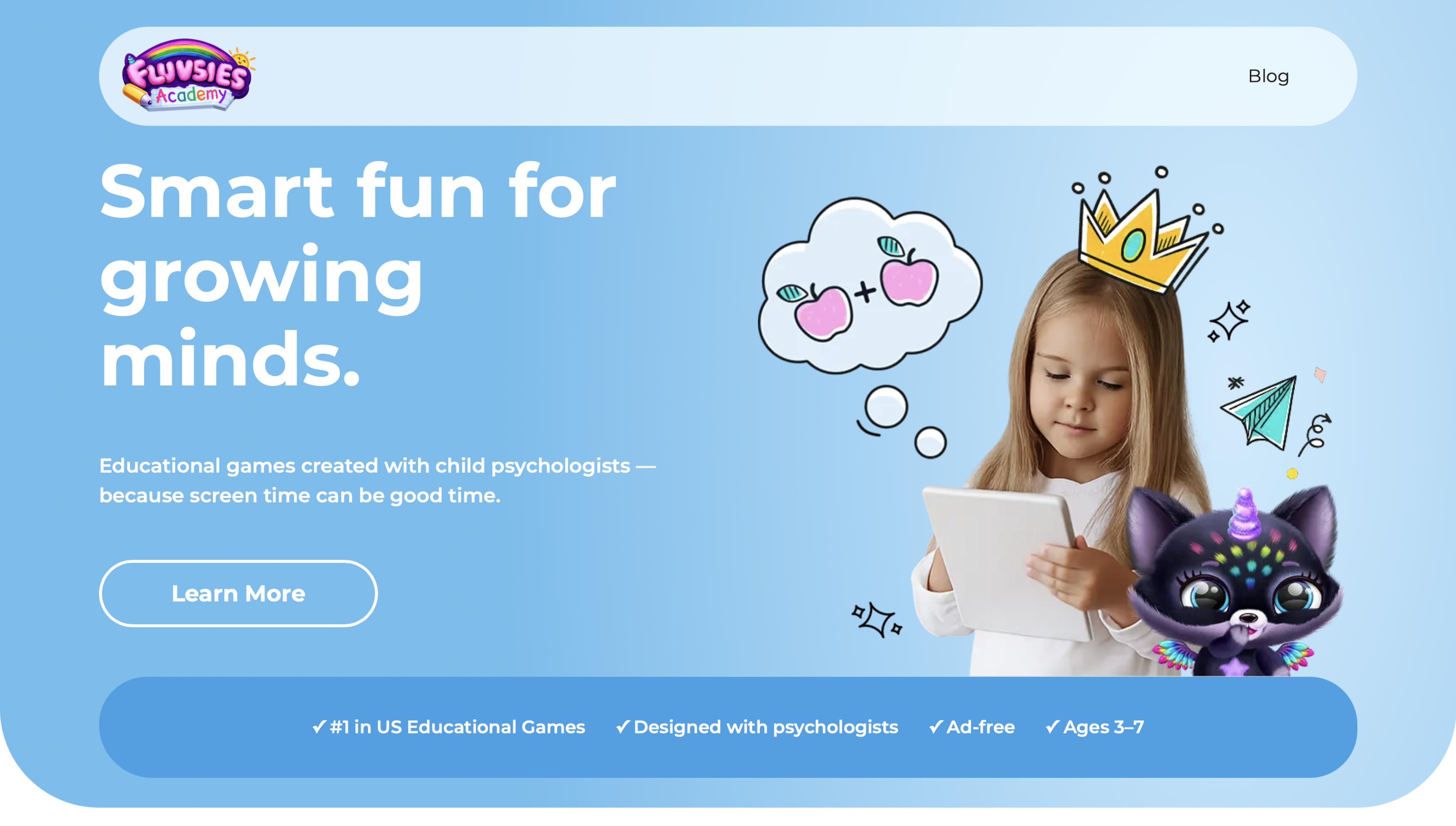
Fluvsies Academy stands out as the leading choice for parents who want screen time that truly supports growth. This holistic learning app turns everyday play into meaningful moments for children ages 3 to 7. Designed with child psychologists, it offers a safe, ad-free environment packed with vibrant characters and calm visuals.
Kids dive into language and phonics through stories that spark imagination. Number games build confidence with simple puzzles. Logic and attention activities sharpen focus while sorting tasks improve comparison skills. Life skills and creativity come alive as children explore professions such as bakers or astronauts and practice real routines like brushing teeth or helping at the store. Mindfulness, kids yoga, and healthy habits round out the experience so emotional safety stays front and center. Two learning modes balance active problem-solving with relaxing passive stories. Parents appreciate the progress reports that show clear growth without any pressure.
Discover Fluvsies Academy
Fluvsies Academy is a leading educational app designed for children aged 3–7. It transforms screen time into meaningful learning through fun, interactive games. Developed in collaboration with child psychologists, the app focuses on holistic development.
Key Features
- Ad-free environment for safe play.
- Games covering language, phonics, math, and logic.
- Activities for attention, sorting, and creativity.
- Real-world life skills like healthy habits and mindfulness.
- Exploration of professions to build vocabulary and imagination.
Educational Approach
Fluvsies Academy emphasizes guided play that balances focus, empathy, and emotional safety. It's the first holistic learning app for kids, ranked #1 educational game in the US. Progress reports help track your child's growth. Free printables extend learning beyond the screen.
Benefits for Families
Parents gain peace of mind with expert-backed games. Kids build confidence, skills, and a love for learning. Ideal for preschoolers seeking joyful education.
FAQ
How do educational games differ from regular screen time for preschoolers?
Fun online educational games stand out because they include structured challenges that target specific skills like focus, language, and problem-solving. They offer immediate feedback and progression that help children build connections in the brain through active participation. In contrast to passive viewing, these games encourage interaction that supports memory, attention, and creative thinking in ways that feel natural and engaging for young minds.
What age is best to start educational games?
Many children begin to benefit from simple interactive educational game activities around ages three to four when curiosity and basic attention skills start to expand. At this stage, games that match short attention spans with colorful, guided experiences help introduce concepts like sounds, numbers, and routines without pressure. Starting early with age-appropriate content supports steady brain development in language, logic, and social abilities while keeping things fun and safe.
Can educational games help with attention and focus?
Yes, activities that require following steps, spotting details, or completing sequences naturally strengthen attention over time. Fun educational games often balance active challenges with calmer moments to help preschoolers practice persistence and concentration in enjoyable ways. This builds skills that carry over to daily routines and learning situations, with platforms featuring logic and sorting tasks providing gentle practice tailored to young children.
Are there benefits beyond academics?
Absolutely, many games support social-emotional growth, creativity, and practical life abilities through role-play and real-world scenarios. Children explore empathy, routines like healthy habits, and imaginative professions that expand vocabulary and understanding. This holistic approach, seen in options covering life skills for kids and mindfulness, nurtures well-rounded development alongside cognitive gains.
How can parents tell if a game supports real development?
Look for educational-based app designs created with expert input, variety across language, math, logic, and life skills, plus ad-free environments that prioritize safety. Features like progress insights and connections to everyday experiences indicate stronger value for brain growth. Games that encourage active choices and positive reinforcement tend to offer more lasting benefits for preschoolers.
What makes Fluvsies Academy effective for brain development?
Fluvsies Academy combines psychologist-backed games across language and phonics, number concepts, logic and attention, sorting, and life skills in short, engaging sessions. The calm design with friendly characters supports emotional safety while building focus, memory, and creativity through playful interactions. This balanced mix helps preschoolers develop problem-solving skills for kids in a joyful way that feels relevant to their world.
Read Also:
- Best Educational Games App 2026
- Best Fun Online Games for Preschoolers 2026
- Best Brain Games for Preschoolers 2026
- Best Phonics Games for Preschoolers 2026
- Best Preschool Math Games 2026
Try Fluvsies Academy today for joyful learning that supports your child's development.