

How Logic Puzzles for Kids Improve Focus and Patience






Logic puzzles for kids offer a playful path to stronger focus and greater patience. These activities challenge young minds to think step by step, match patterns, and stick with a task until they reach a satisfying solution. Parents often notice their children sitting longer at activities and handling everyday frustrations more calmly after regular puzzle time.
Logic puzzles serve as an excellent foundation, but pairing them with other engaging options can accelerate your child’s growth even more. Discover the best brain development games for kids, try age-appropriate best problem-solving games for toddlers, sharpen skills with best pattern recognition games, and nurture emotional intelligence through best SEL games for kids. Together, these activities create a well-rounded play-based learning experience that boosts focus, reasoning, and social skills.
Try Fluvsies Academy today to give your child screen time that supports real development!
What Makes Logic Puzzles Effective for Young Children

Logic puzzles for kids come in many forms, from matching patterns and sorting items to simple grid challenges or story-based problems. They encourage kids to observe details, test ideas, and adjust their approach. This hands-on thinking strengthens attention because each piece or clue demands careful notice.
Young children naturally enjoy these activities because they feel like games rather than work. Bright colors, cute characters, and clear goals keep them interested. Over time, this repeated practice helps extend their ability to stay on task, even when something feels a bit tricky at first. Pattern recognition games stand out as one key element. Kids learn to spot sequences and connections, which supports both focus and logical steps. Sorting activities, for example, ask children to group similar items, building comparison skills along the way.
As children build foundational logic skills, integrating targeted games can further accelerate their development. For instance, pairing puzzles with the best counting games for kids helps reinforce number sense through playful repetition. Similarly, exploring the best kids math learning app offers structured yet fun ways to apply logical thinking to early math concepts. To strengthen recall and observation, the best memory games for preschoolers serve as an excellent companion, while the best pattern games for preschoolers directly extend the pattern recognition kids practice in logic puzzles. These interconnected activities create a well-rounded cognitive boost in a playful format.
How Logic Puzzles Build Focus and Concentration
Focus grows when kids return again and again to the same puzzle until they complete it. Each attempt trains the brain to ignore distractions and zero in on the next move. Many parents report that children who enjoy logic games show better attention during reading or simple chores too. The process involves breaking bigger tasks into smaller parts. A child might first look for corner pieces, then edges, and finally fill in the middle. This step-by-step method mirrors how they approach other learning moments and helps sustain concentration longer each session.
Attention sharpening happens naturally because puzzles reward careful looking. Kids practice holding information in mind while they search for matches or test solutions. Activities like these support school reading readiness activities by preparing little ones for tasks that need steady effort. Sorting activities and pattern games provide excellent practice for building better focus and comparison skills. These fit alongside number games and language play for balanced experiences.
Developing Patience Through Puzzle Play
Patience comes from sticking with a challenge even when the answer does not appear right away. Logic puzzles teach kids that mistakes are part of the process and that trying different approaches often leads to success. They learn to pause, think, and try again instead of giving up quickly.
This perseverance shows up in everyday life too. Children who practice with puzzles tend to handle waiting their turn or completing routines with less fuss. The sense of accomplishment when they finally solve something boosts their confidence and willingness to face new tasks. Simple stories or character-based puzzles add an emotional layer. Kids connect with the friendly figures and feel motivated to help them finish the activity. This emotional tie makes the patience-building feel rewarding rather than frustrating.
Different Types of Logic Puzzles Suitable for Kids
Many options work well for young ages. Memory games ask children to pair colors, shapes, or objects. These build early reasoning without overwhelming them. Pattern continuation puzzles encourage predicting what comes next, strengthening both logic and attention.
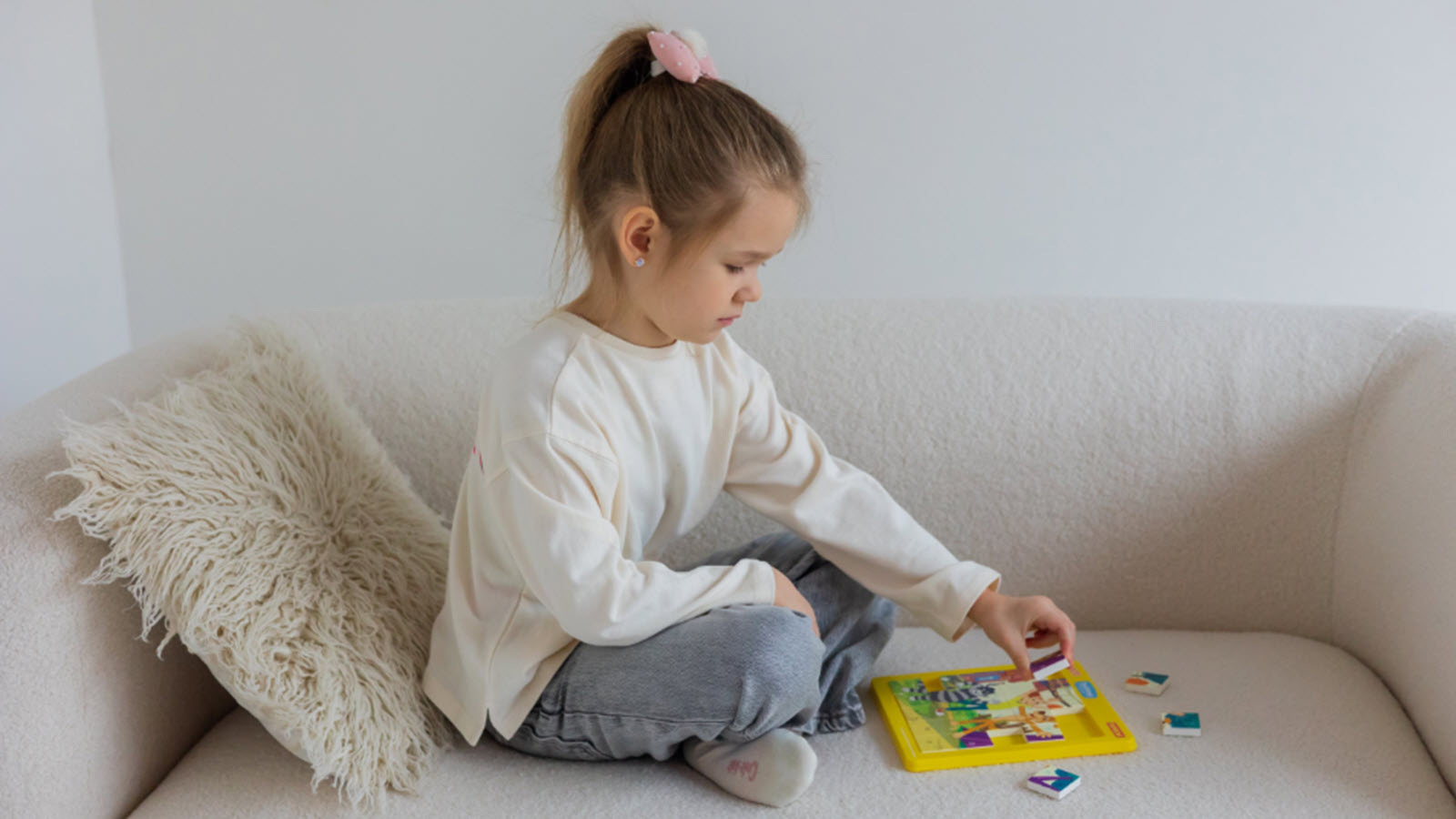
Story riddles or simple "what happens next" scenarios promote creative thinking alongside logic. Kids enjoy imagining outcomes while they follow clues. Jigsaw-style or piece-fitting activities improve spatial awareness and fine motor control at the same time. Sorting challenges help organize items by category, such as size or type. These feel playful yet target key skills. Word game or picture association games expand vocabulary while practicing connections between ideas.
Tips for Parents to Support Puzzle Time at Home
Start with short sessions that match your child's current attention span. Success in the beginning keeps motivation high. Choose puzzles with clear visuals and just enough challenge to feel exciting without causing discouragement. Sit together sometimes and talk through the thinking process. Ask gentle questions like "What do you notice here?" or "What could we try next?" This turns puzzle time into shared moments that strengthen bonds and model calm problem-solving skills for kids.
Mix digital and physical options for variety. Printed activities or simple household sorting games complement apps nicely. Praise effort more than the final result to reinforce the value of patience and trying. Track small wins, such as completing a new level or noticing a pattern faster than before. These positive experiences encourage kids to keep practicing.
Integrating Logic Puzzles Into Daily Routines
Morning or after-school puzzle time can create a calm transition. A few minutes of focused play helps reset energy and prepare for the next activity. Bedtime wind-down with gentle learning games supports relaxation while still building skills. Incorporate themes that connect to your child's interests. Profession puzzles, for example, let kids explore jobs like baker or firefighter while solving challenges. This makes the experience feel relevant and fun. Group play with siblings or friends adds a social element. Taking turns or working together on bigger puzzles practices sharing and collaboration too. Keep materials easy to access so kids choose them independently.
Benefits Beyond Focus and Patience
Logic play supports problem-solving in many areas. Children learn to break down tasks, test solutions, and adapt when needed. These abilities help with everything from organizing toys to following multi-step instructions. Brain development for children is improved as they remember patterns or previous successful moves. Spatial reasoning grows through fitting pieces or visualizing arrangements. Emotional regulation benefits too because kids experience the satisfaction of overcoming small hurdles. Creativity often appears when children invent their own variations or stories around the puzzles. This open-ended thinking complements the structured logic and keeps play fresh.
Fluvsies Academy combines these cognitive benefits with emotional and life skills development in a safe space.
Fluvsies Academy: Fun Logic Puzzles for Kids
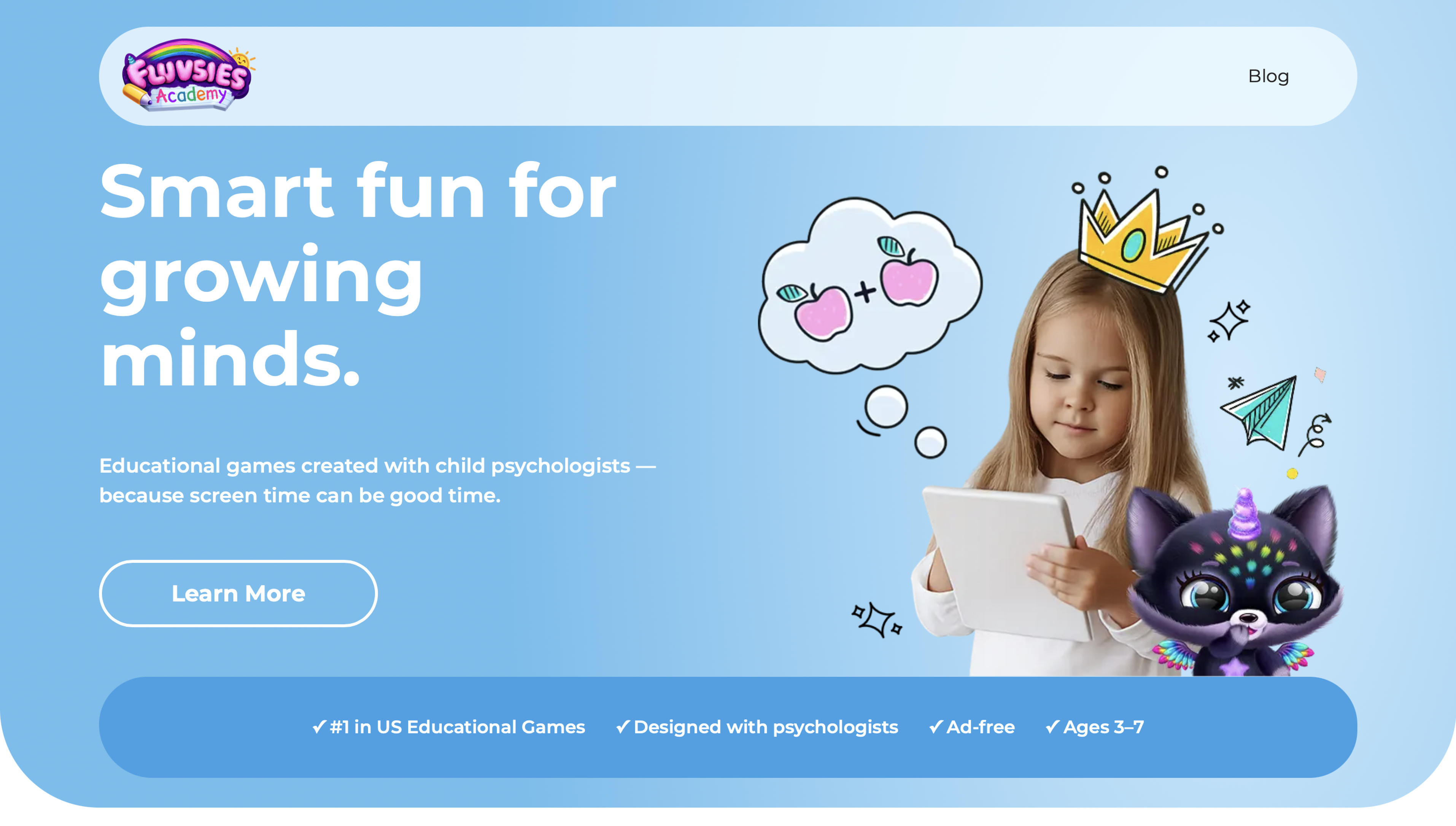
Fluvsies Academy stands out as the leading choice for parents who want screen time that truly supports growth. This holistic learning app turns everyday play into meaningful moments for children ages 3 to 7. Designed with child psychologists, it offers a safe, ad-free environment packed with vibrant characters and calm visuals.
Kids dive into language and phonics through stories that spark imagination. Number games build confidence with simple puzzles. Logic and attention activities sharpen focus while sorting tasks improve comparison skills. Life skills and creativity come alive as children explore professions such as bakers or astronauts and practice real routines like brushing teeth or helping at the store. Mindfulness, kids yoga, and healthy habits round out the experience so emotional safety stays front and center. Two learning modes balance active problem-solving with relaxing passive stories. Parents appreciate the progress reports that show clear growth without any pressure.
Discover Fluvsies Academy
Fluvsies Academy is a leading educational app designed for children aged 3–7. It transforms screen time into meaningful learning through fun, interactive games. Developed in collaboration with child psychologists, the app focuses on holistic development.
Key Features
- Ad-free environment for safe play.
- Games covering language, phonics, math, and logic.
- Activities for attention, sorting, and creativity.
- Real-world life skills like healthy habits and mindfulness.
- Exploration of professions to build vocabulary and imagination.
Educational Approach
Fluvsies Academy emphasizes guided play that balances focus, empathy, and emotional safety. It's the first holistic learning app for kids, ranked #1 educational game in the US. Progress reports help track your child's growth. Free printables extend learning beyond the screen.
Benefits for Families
Parents gain peace of mind with expert-backed games. Kids build confidence, skills, and a love for learning. Ideal for preschoolers seeking joyful education.
FAQ
How early can children start enjoying logic puzzles?
Many kids ages 3 and up respond well to simple matching and sorting activities that build basic focus and pattern recognition in children. These gentle introductions help little ones experience early success while developing attention and patience through playful challenges. Logic puzzles at this stage also support spatial awareness and fine motor skills as children manipulate pieces or tap screens. Over time, regular exposure strengthens the ability to observe details and try different approaches calmly.
Do digital logic games work as well as physical puzzles?
Both formats bring strong benefits by encouraging step-by-step thinking and persistence. Digital versions often include adaptive levels and immediate feedback that keep children engaged longer during pattern games or sorting activities. They complement physical options nicely by adding variety and guided storytelling that reinforces logic and attention skills in different ways. Together, they create balanced experiences that support focus and real-world problem-solving abilities for kids.
What signs show that logic puzzles are helping my child?
You might notice longer attention during play or daily tasks, along with calmer reactions when facing small challenges. Improved pattern recognition skills for children appear in easier sorting during everyday situations or better ability to follow multi-step instructions. Kids often show greater willingness to try again after mistakes and more confidence in tackling new activities. These changes reflect growing patience and logical thinking that carry into schoolwork and routines.
How often should kids do logic activities?
Short shape game sessions a few times a week work well for most families and help build consistent habits without overwhelming young attention spans. Mixing puzzle time with other play keeps everything balanced and fun while reinforcing focus and comparison skills. This steady practice supports patience development as children learn to stick with tasks and celebrate small wins. It also allows skills like memory and creative problem-solving abilities in kids to strengthen gradually over time.
Can logic puzzles support school readiness?
Yes, they strengthen concentration, problem-solving skills for kids, and logical thinking that help in classroom settings. Activities such as memory games and pattern continuation build the ability to pay attention to details and persist through tasks. These foundations transfer directly to learning activities, following instructions, and organizing ideas. Logic play also nurtures emotional regulation and creativity, preparing children for social and academic experiences.
Read Also:
- Best Logic Puzzles for Kids 2026
- Best Brain Games for Preschoolers 2026
- Best Memory Games for Preschoolers 2026
- Best Pattern Games for Preschoolers 2026
- Best Problem Solving Games for Toddlers 2026
Try Fluvsies Academy today to give your child screen time that supports real development!