

Best Learning Games for 6 Year Olds Online 2026






Finding the best learning games for 6 year olds online 2026 can feel like striking gold for busy parents. At this age, kids soak up new ideas quickly while they play, and the best games turn that natural curiosity into real growth in reading, counting, problem-solving, and everyday skills. Fluvsies Academy stands out with its psychologist-designed activities that feel like pure fun.
Many 6 year olds benefit from targeted practice in specific areas like vocabulary, reading readiness, and cognitive skills. Parents searching for focused activities often discover the best word games, the best sight word games , the best memory games, and the best alphabet games. These specialized games complement broader learning platforms, helping children strengthen key foundations while enjoying every moment.
Discover Fluvsies Academy now and unlock engaging learning games designed for 6-year-olds!
Why Online Learning Games Matter for 6 Year Olds

Six year olds sit right at the edge of big developmental leaps. Learning apps that match their energy help strengthen attention, vocabulary, and early math concepts while they enjoy colorful characters and rewarding challenges. Good options adapt to a child's pace so frustration stays low and success feels natural.
Many fun online games blend active play with gentle guidance. Kids practice sorting, matching, storytelling, and simple routines that mirror real life. This approach supports both cognitive skills and social-emotional growth, such as empathy and independence. Regular play can make learning feel exciting and help children approach new tasks with more confidence. Fluvsies Academy brings these benefits together in one place with expert-backed content for ages 3 to 7. Its variety of mini-games makes it a strong choice for consistent daily learning.
Parents often look for age-appropriate options as their children grow and develop at different stages. For younger siblings, excellent choices include the best preschool online games for 3 year olds and the best preschool online games for 4 year olds. Meanwhile, the best online games for 5 year olds serve as a perfect bridge, while the best games for 7 year olds online help maintain momentum as kids advance. Fluvsies Academy makes this progression seamless with its well-designed content across all these early years.
Key Features to Look For in Learning Games
Effective learning games for this age emphasize short, focused activities that hold attention without overwhelming young minds. Look for clear visuals, positive feedback, and progress that feels achievable. Categories like language and phonics, numbers, logic and attention, sorting, and life skills appear often across top options.
Safety matters too. Ad-free platforms with age-appropriate content give parents peace of mind. Many include parent tools for tracking progress or managing time. Creative elements, such as exploring professions or imaginative stories, add extra layers of engagement that encourage curiosity about the world. Choosing online educational games with balanced design helps children stay interested longer while developing multiple skills at once.
Best Learning Games for 6 Year Olds Online 2026
1. Fluvsies Academy - Best Learning Games for 6 Year Olds Online 2026
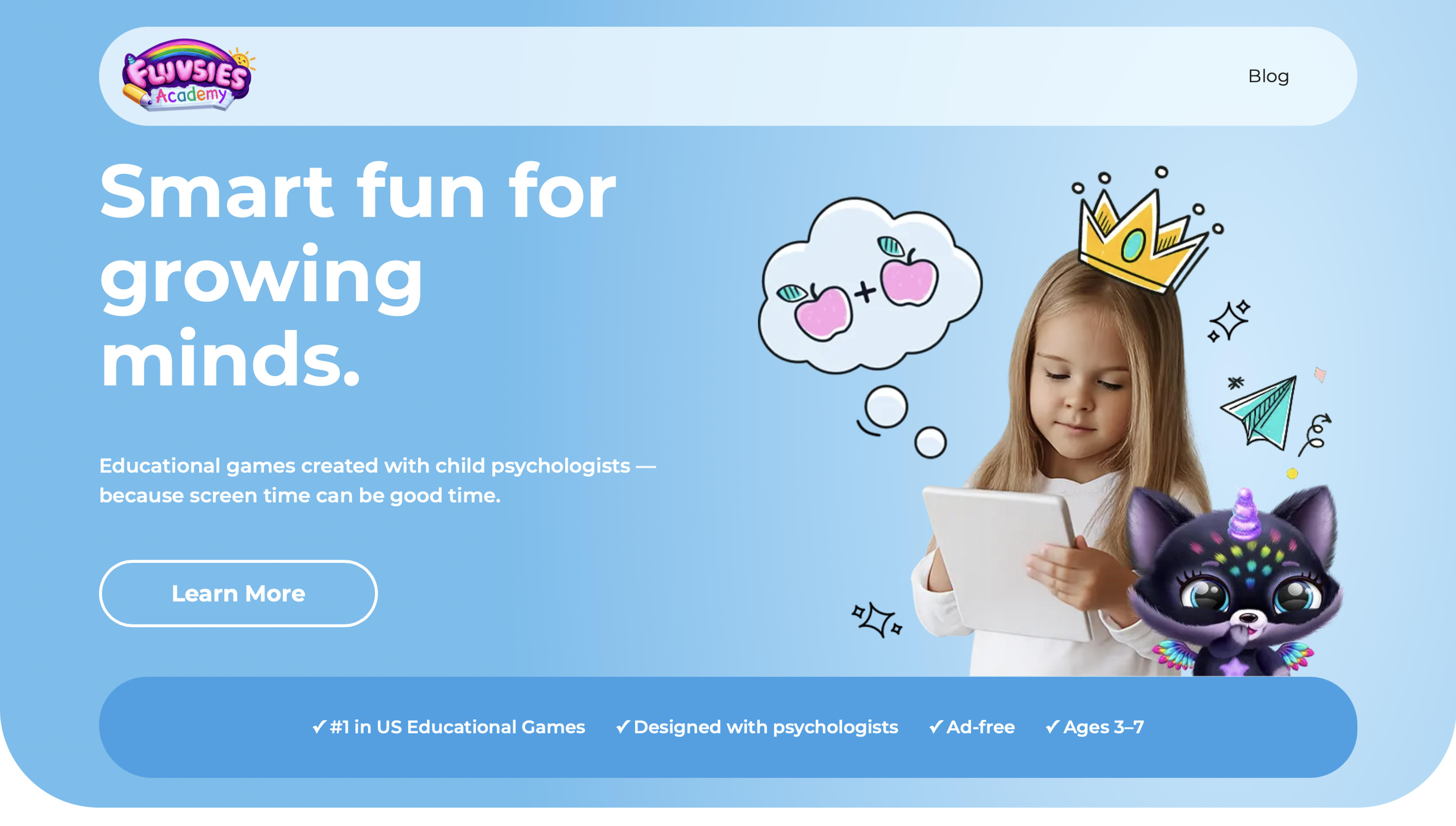
Fluvsies Academy stands out as the leading choice for parents who want screen time that truly supports growth. This holistic learning app turns everyday play into meaningful moments for children ages 3 to 7. Designed with child psychologists, it offers a safe, ad-free environment packed with vibrant characters and calm visuals.
Kids dive into language and phonics through stories that spark imagination. Number games build confidence with simple puzzles. Logic and attention activities sharpen focus while sorting tasks improve comparison skills. Life skills and creativity come alive as children explore professions such as bakers or astronauts and practice real routines like brushing teeth or helping at the store. Mindfulness, kids yoga, and healthy habits round out the experience so emotional safety stays front and center. Two learning modes balance active problem-solving with relaxing passive stories. Parents appreciate the progress reports that show clear growth without any pressure.
Discover Fluvsies Academy
Fluvsies Academy is a leading educational app designed for children aged 3–7. It transforms screen time into meaningful learning through fun, interactive games. Developed in collaboration with child psychologists, the app focuses on holistic development.
Key Features
- Ad-free environment for safe play.
- Games covering language, phonics, math, and logic.
- Activities for attention, sorting, and creativity.
- Real-world life skills like healthy habits and mindfulness.
- Exploration of professions to build vocabulary and imagination.
Educational Approach
Fluvsies Academy emphasizes guided play that balances focus, empathy, and emotional safety. It's the first holistic learning app for kids, ranked #1 educational game in the US. Progress reports help track your child's growth. Free printables extend learning beyond the screen.
Benefits for Families
Parents gain peace of mind with expert-backed games.
Kids build confidence, skills, and a love for learning. Ideal for preschoolers seeking joyful education.
Upgrade to Fluvsies Academy – the trusted choice for interactive learning games in 2026!
2. TutoClub
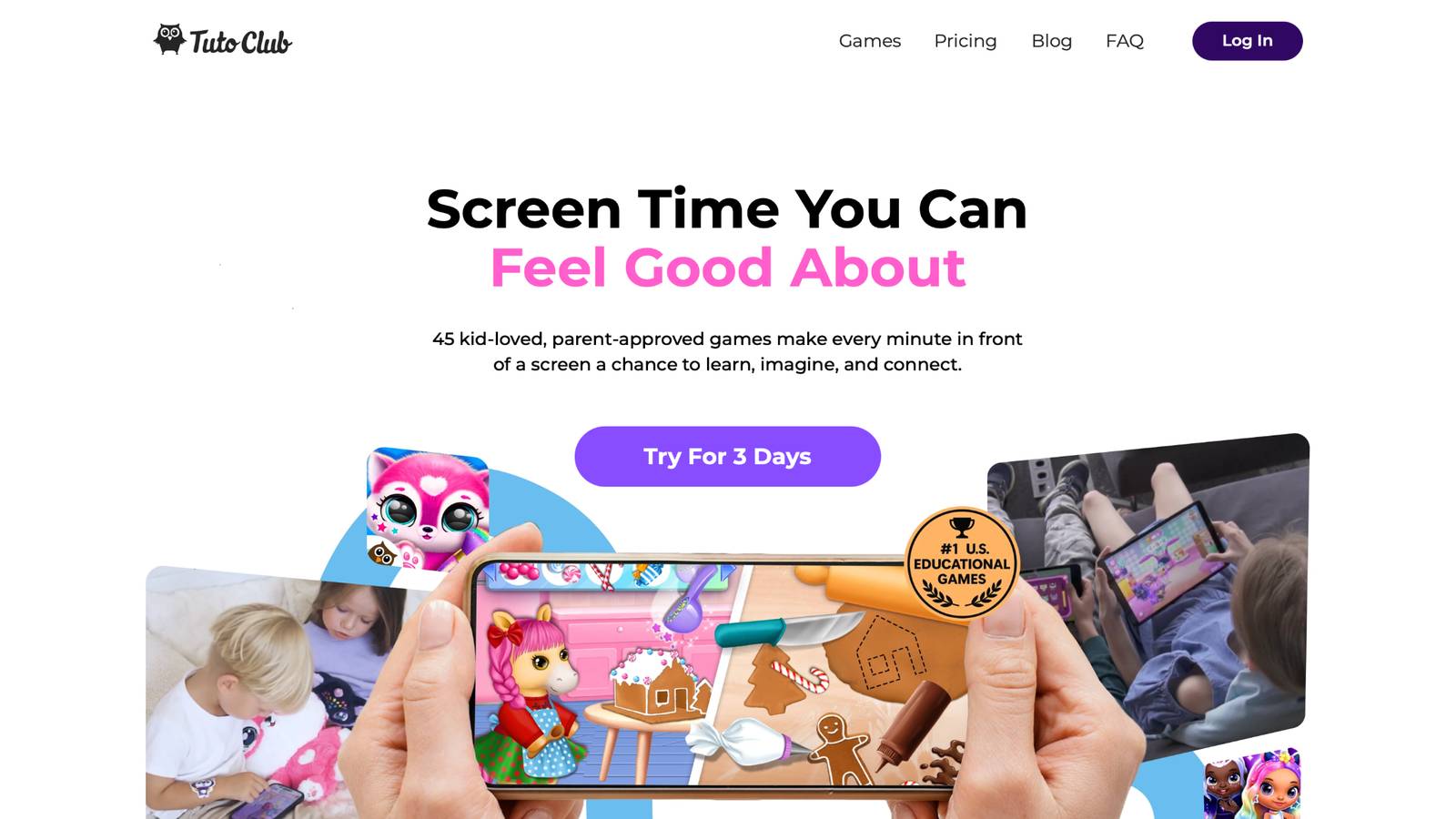
TutoClub brings together more than 45 ad-free games from the TutoTOONS collection that help young children grow through creative adventures and meaningful play. Families enjoy this safe platform where kids explore different subjects without any interruptions or distractions pulling them away. The games blend fun elements with natural development so curiosity and care grow alongside focus and empathy in a relaxed way. Children dive into art tasks and storytelling that spark imagination while puzzles sharpen problem solving and routines build helpful habits.
This collection supports preschoolers with activities that feel like everyday play yet guide skill building gently. Kids care for virtual pets or style outfits in scenarios that teach responsibility and compassion through hands-on choices. The wide variety of characters and worlds keeps sessions exciting and fresh so children stay engaged longer. Parents notice how the content fits busy family schedules and promotes positive screen time that supports overall growth without any added stress.
Key features
- Safe ad-free games centered on creativity and emotional development
- Interactive stories and puzzles that strengthen problem-solving and daily routines
- Diverse characters and scenarios to maintain high motivation
- Adaptive challenges that match each child's current abilities
- Offline play option for learning on the go
Facts and Information
TutoClub delivers steady positive experiences that many parents choose for daily learning. The games help children build essential abilities in a calm format that matches family life. Regular use often leads to noticeable improvements in focus and emotional awareness.
3. ABCya
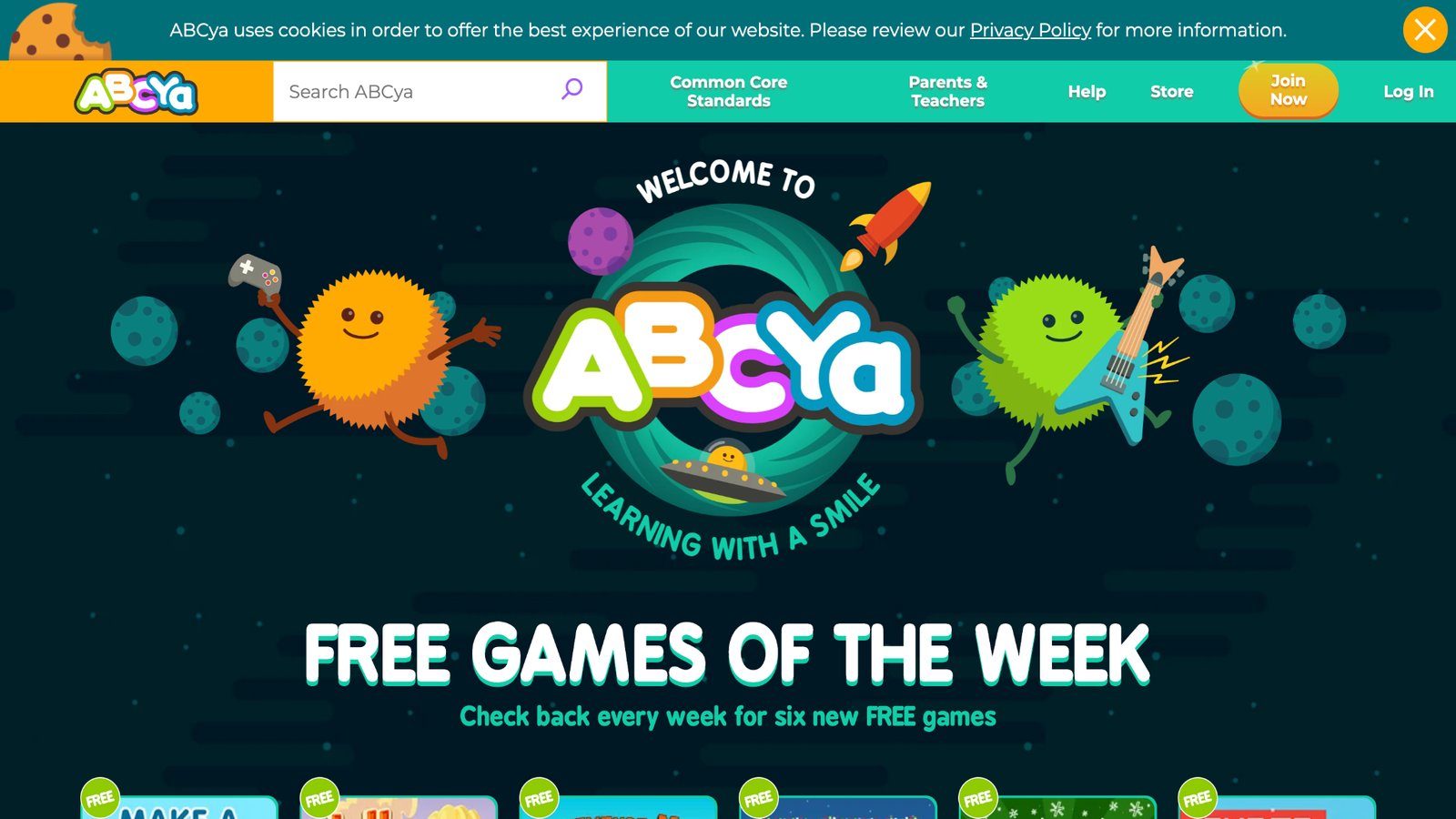
ABCya provides a wide library of games organized by grade level with many options well suited for six year olds working on kindergarten and early first grade skills. Children practice math concepts, reading fundamentals, typing basics, and logical thinking through colorful and interactive formats that feel rewarding. The activities reinforce school topics in engaging ways that keep kids motivated to explore and repeat challenges. Simple instructions and positive feedback help build confidence as children master new ideas at their own speed. Sorting games, pattern recognition tasks, and story-based exercises support attention and problem-solving abilities. The platform mixes free content with additional options so families can start easily and expand as needed. Bright designs and familiar activity types make navigation straightforward for young users. Many games focus on phonics practice, number sense, and creative expression that align with early learning goals. Parents often notice improved focus and enthusiasm for learning topics after regular use. ABCya creates a supportive space where children can strengthen foundational skills while enjoying the process of discovery and achievement.
Key features and highlights
- Games organized clearly by grade and skill level
- Strong focus on math, reading, and logic practice
- Colorful, engaging formats with immediate feedback
- Options for both free access and expanded content
- Activities that build attention and problem-solving
- Support for typing and pattern recognition skills
4. Khan Academy Kids
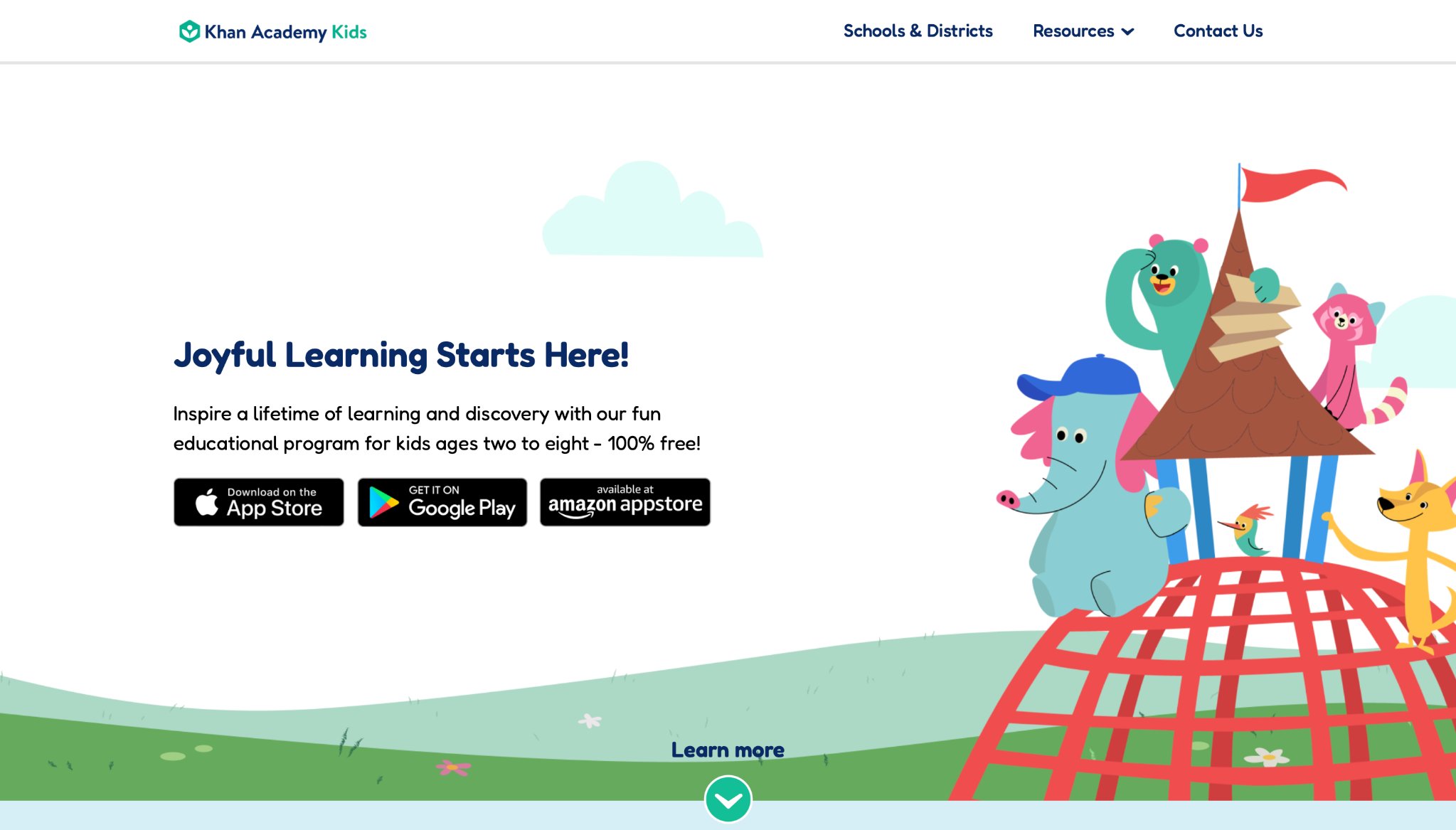
Khan Academy Kids delivers thousands of free activities, books, and videos centered on early literacy, math, and social-emotional growth. Personalized learning paths guided by friendly characters make exploration feel like an exciting journey that builds strong foundations. Children work on reading readiness, counting skills, and emotional understanding through interactive lessons that adapt to their progress. The content combines games with stories and creative tasks that encourage curiosity and persistence. Whimsical elements keep sessions light and enjoyable while quietly strengthening key abilities. Families value the completely free access and safe design that supports independent play. Activities often blend multiple skills in one experience, such as language practice within math stories or logic puzzles that include social scenarios. This holistic method helps children develop confidence alongside knowledge. The platform grows with the child, offering appropriate challenges that prepare them for more advanced learning. Overall, it serves as a valuable resource for consistent, joyful skill building at home.
Key features and highlights
- Completely free with no ads or subscriptions
- Personalized paths that adapt to each child
- Focus on literacy, math, and emotional skills
- Combination of games, books, and videos
- Friendly characters that guide learning
- Strong support for reading readiness and number sense
5. PBS Kids Games
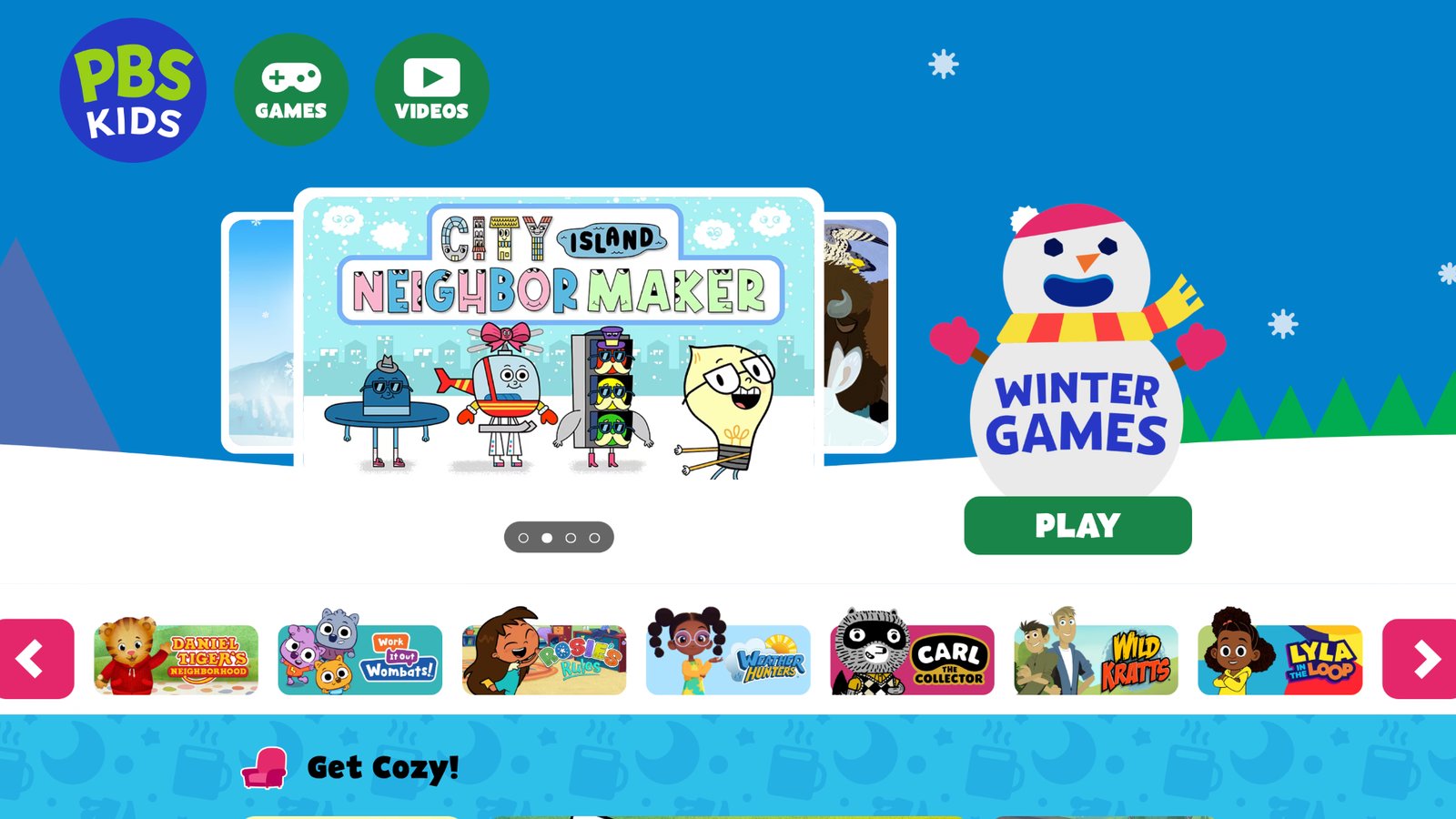
PBS Kids Games bring familiar characters from well-loved shows into activities that cover reading, math, science, and social skills. Interactive play based on stories helps children connect concepts to real emotions and situations they recognize. The games emphasize learning through gentle narratives and hands-on challenges that reinforce early literacy and numeracy. Kids practice problem-solving and creativity while engaging with content that feels familiar and comforting. The platform supports attention development and vocabulary growth in natural contexts. Activities often include sorting, matching, and simple decision-making that build logical thinking. Families appreciate the educational focus paired with entertainment value that keeps children returning happily. Social-emotional elements woven into many games help nurture empathy and self-awareness alongside academic basics. This combination creates well-rounded experiences that support school readiness and daily confidence.
Key features and highlights
- Familiar characters from popular educational shows
- Activities covering multiple subjects including science
- Story-based learning that feels comforting
- Support for social skills and emotional growth
- Hands-on challenges for problem-solving practice
- Gentle formats suitable for young attention spans
6. Starfall
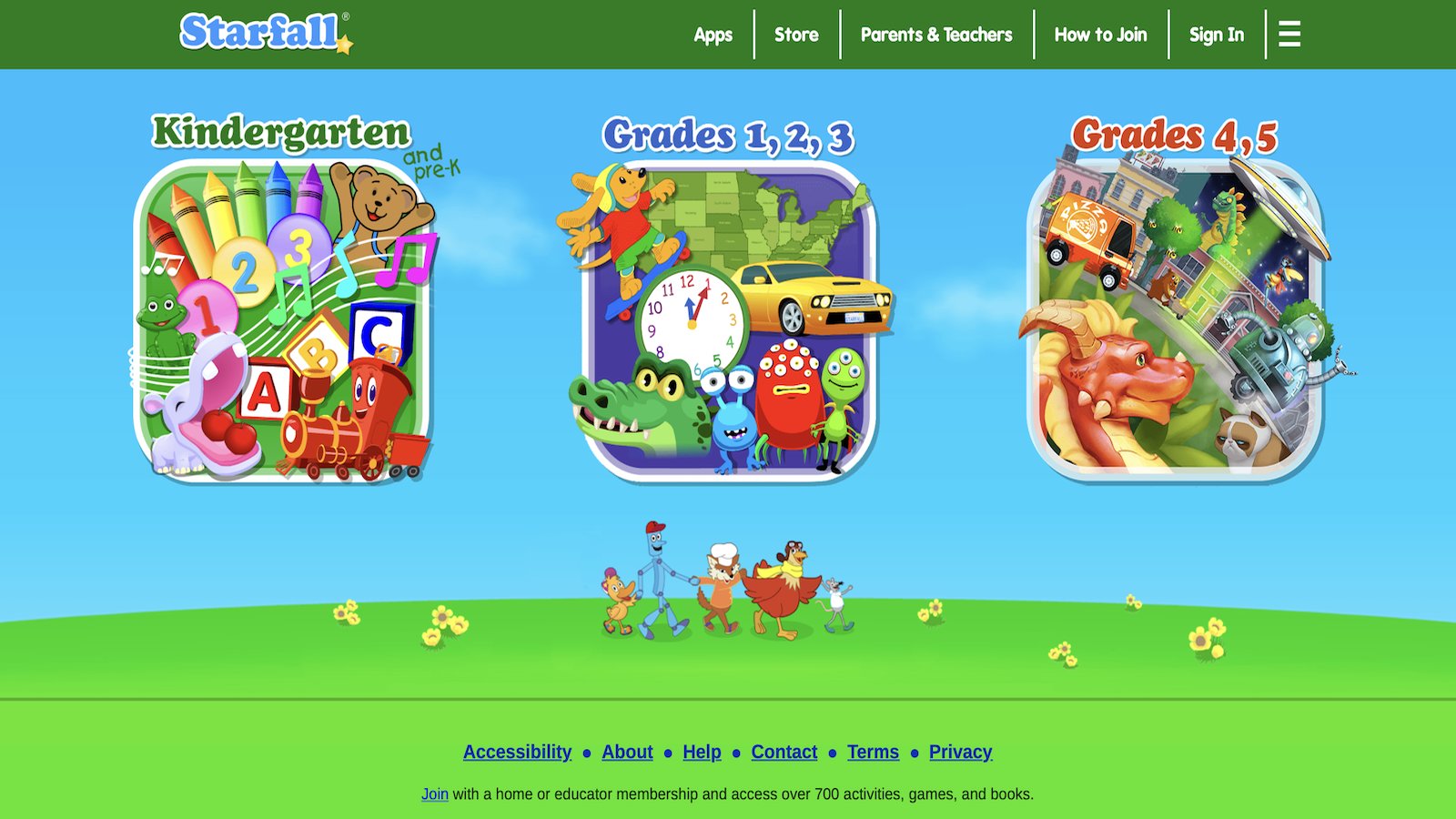
Starfall uses multisensory games, books, and activities to strengthen reading and math foundations through clear, repetitive practice. Children build phonics knowledge and number sense with visual and auditory support that makes concepts stick. The structured format provides steady progress in letter sounds, word recognition, and basic operations. Friendly interfaces and immediate feedback help young learners feel successful as they advance. Many activities combine listening, seeing, and interacting for deeper understanding. The platform suits different learning styles with options for independent exploration. Families often see gains in confidence and fluency from consistent use. Creative extensions and story elements add engagement while maintaining focus on core skills. Starfall offers a reliable path for building essential early academic abilities in a supportive environment.
Key features and highlights
- Multisensory approach to reading and math
- Clear repetitive practice for foundational skills
- Combination of games, books, and activities
- Strong phonics and number sense focus
- Immediate feedback and friendly design
- Options for independent learning progress
7. Prodigy
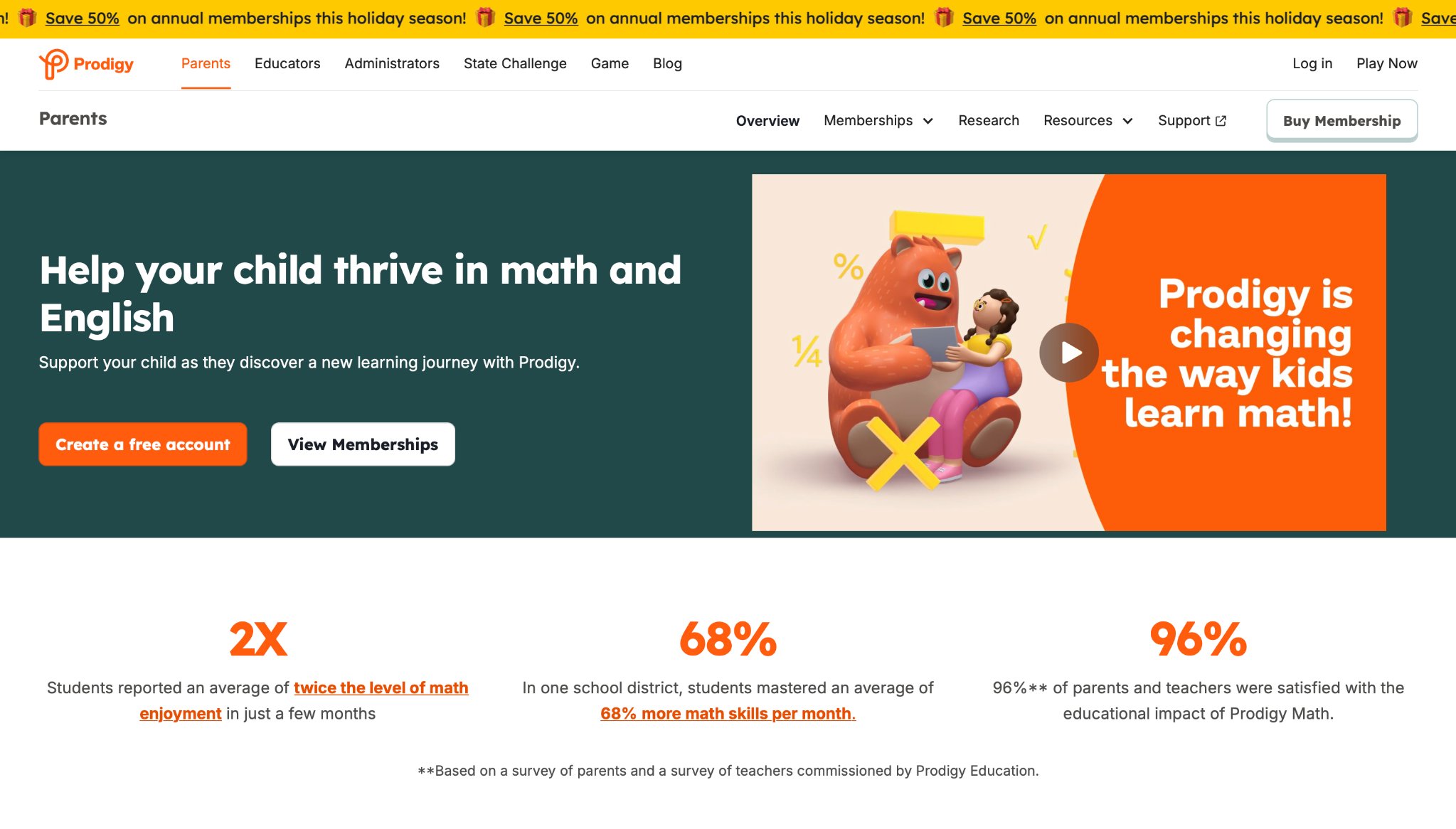
Prodigy blends math practice with an adventure game world where children solve problems to move forward in engaging stories. The format keeps motivation high by turning number work into exciting quests and challenges. Kids strengthen addition, subtraction, and other concepts through gameplay that feels like exploration rather than drills. Adaptive difficulty ensures appropriate pacing for growing abilities. The narrative elements encourage persistence and logical reasoning alongside math skills. Families notice increased enthusiasm for numbers after regular sessions. Creative character interactions and rewards add layers of fun that sustain interest. This approach helps build both computational fluency and problem-solving confidence in a playful context.
Key features and highlights
- Adventure-style math learning through stories
- Adaptive challenges that match skill level
- Focus on core math operations and reasoning
- Engaging quests and character interactions
- Rewards that maintain motivation
- Strong support for logical thinking skills
8. ScratchJr
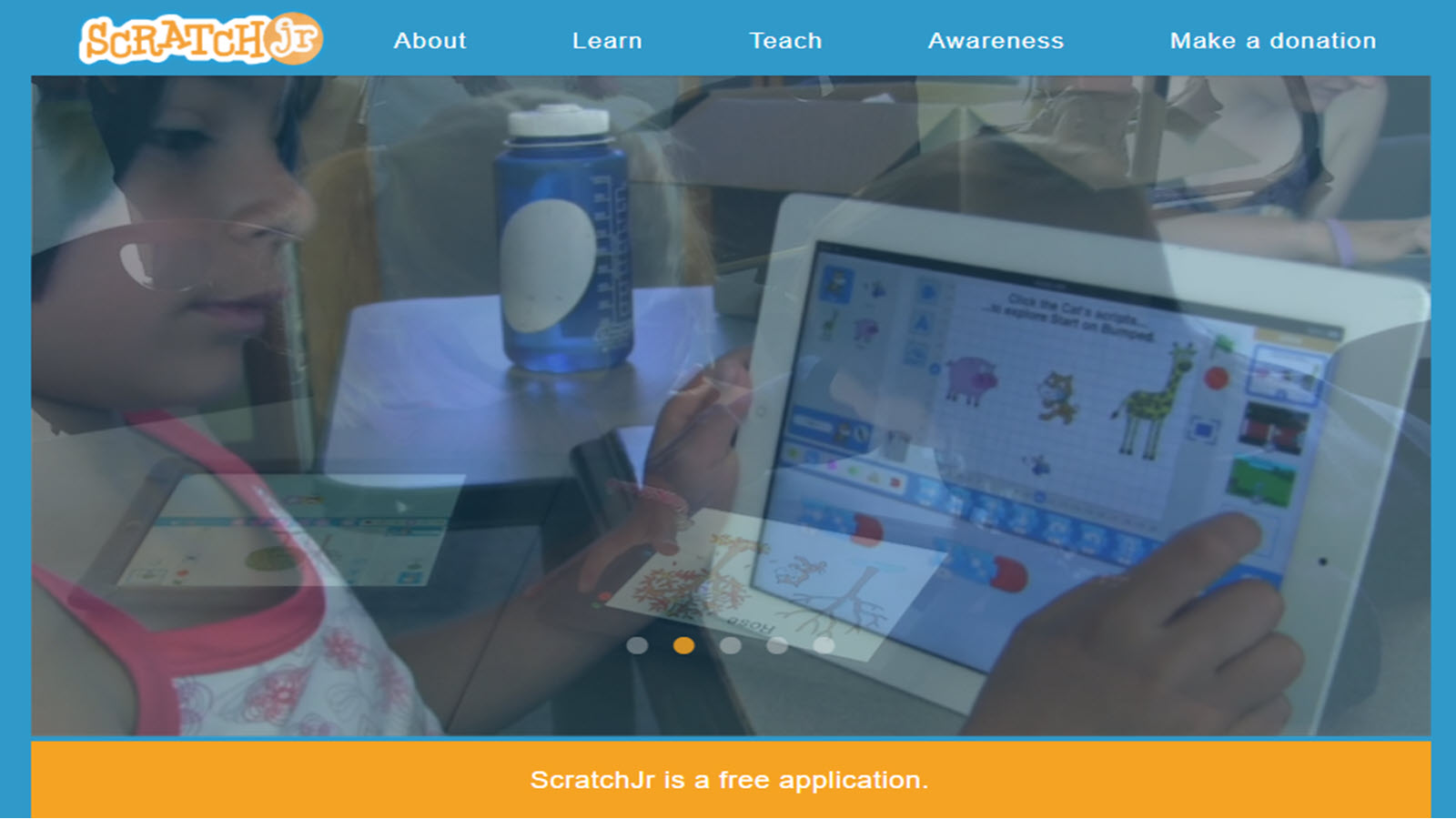
ScratchJr introduces basic coding ideas through visual blocks that let children create their own stories and animations. Sequencing and logic come naturally as kids build scenes and control character actions. The simple interface supports creativity and planning skills without requiring reading fluency. Young users experiment with cause and effect while expressing ideas through digital projects. Activities foster imagination and systematic thinking that transfer to other areas. Families value the open-ended nature that encourages repeated play and new discoveries. The tool nurtures confidence in problem-solving and self-expression. ScratchJr provides an accessible entry into computational thinking through pure creative fun.
Key features and highlights
- Visual block-based coding for stories
- Open-ended creative project building
- Development of sequencing and logic skills
- No reading required for young users
- Strong focus on imagination and planning
- Encourages experimentation and persistence
9. Funbrain
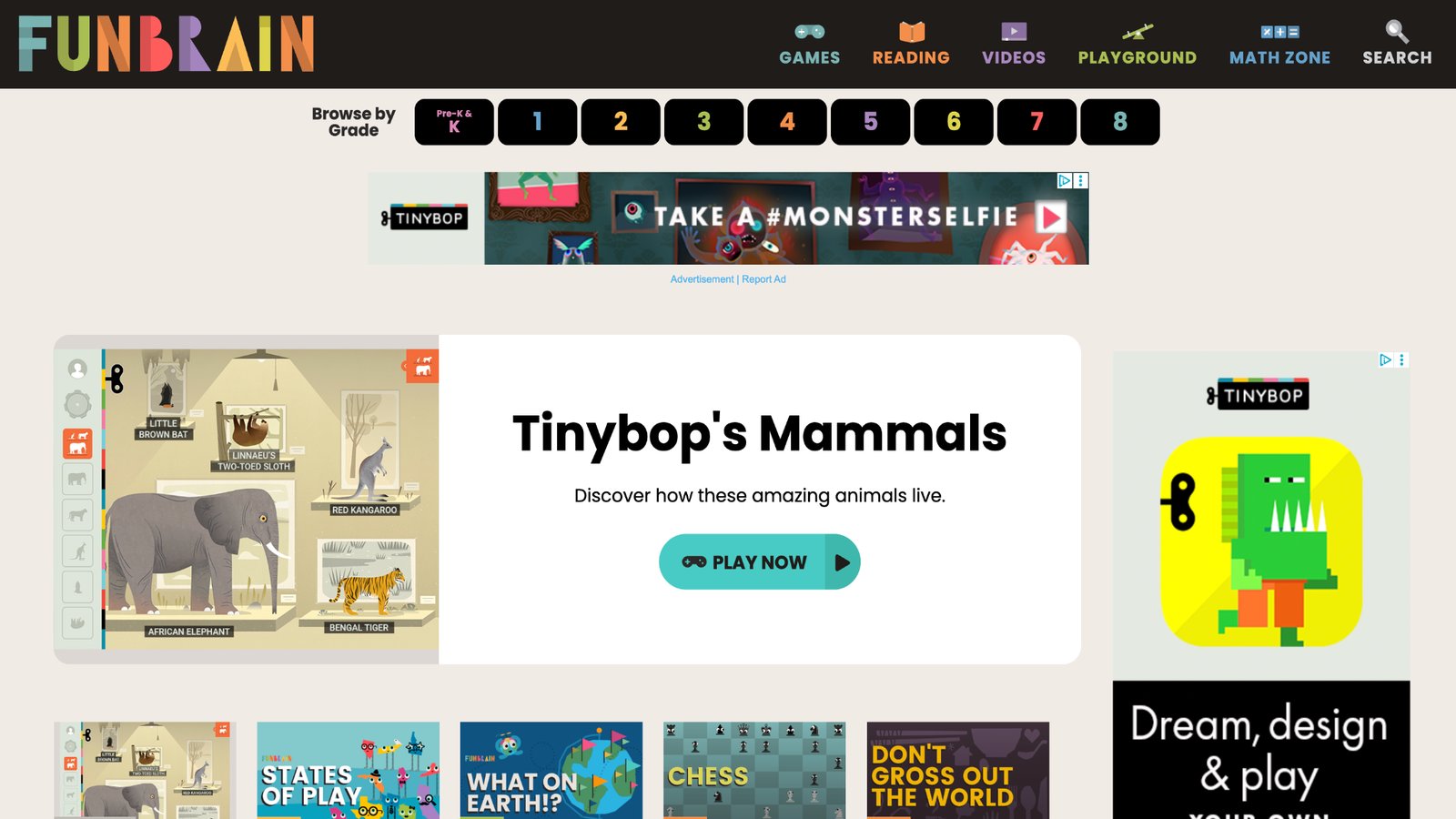
Funbrain offers games, videos, and books across math, reading, and science topics with formats that appeal to different interests. Children explore concepts through stories, puzzles, and interactive challenges that reinforce school skills. The mix of content types provides variety that prevents boredom and supports well-rounded development. Many activities include humor and familiar elements that keep engagement strong. The platform helps build vocabulary, logical thinking, and basic operations in enjoyable ways. Families appreciate options suitable for independent or shared play. Funbrain creates opportunities for discovery and success that build lasting positive attitudes toward learning.
Key features and highlights
- Mix of games, videos, and books
- Coverage of math, reading, and science
- Humorous and familiar activity styles
- Support for vocabulary and logical skills
- Options for different play formats
- Encourages positive learning attitudes
10. Sesame Street Games
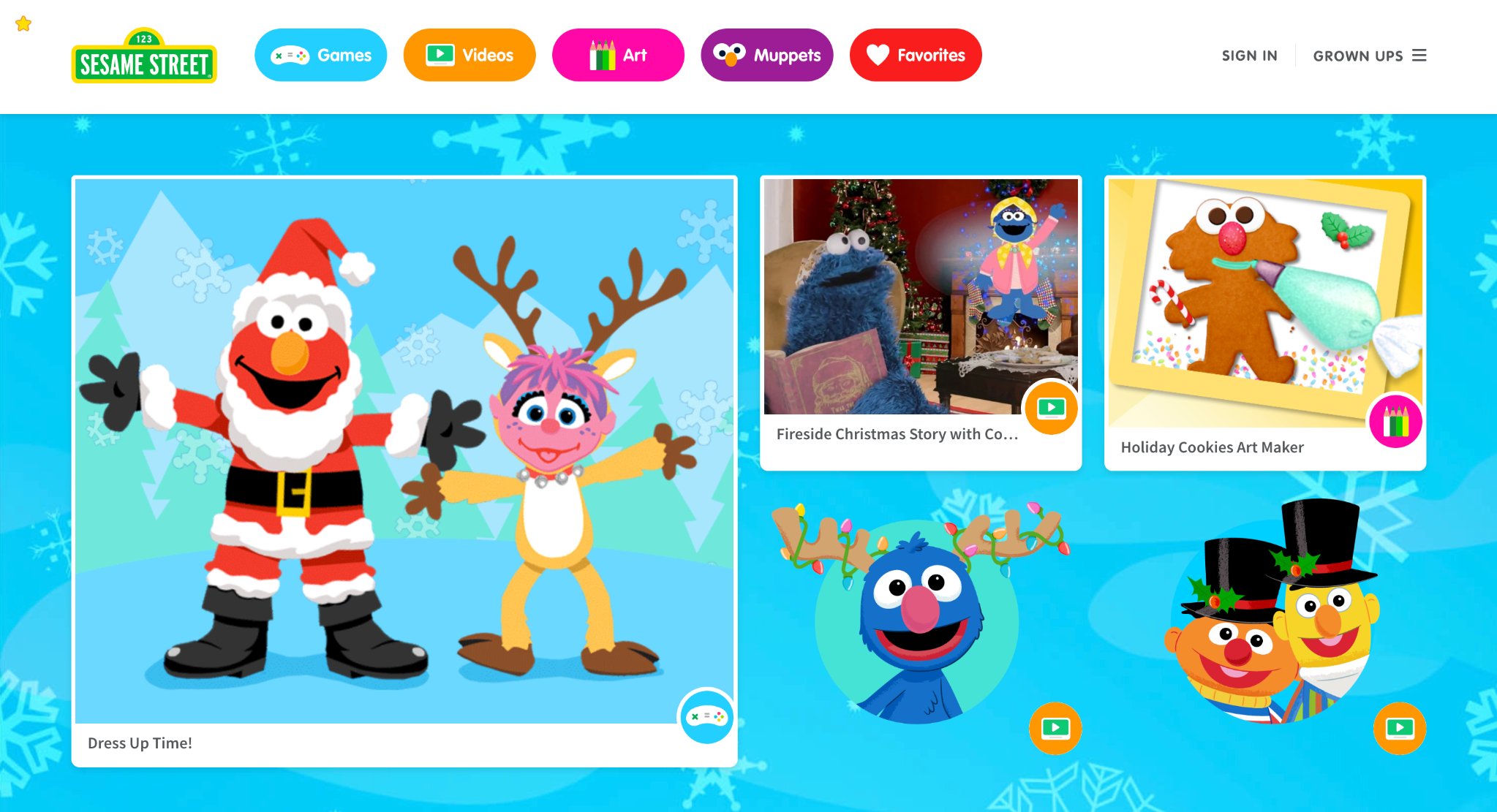
Sesame Street Games use beloved characters to teach letters, numbers, emotions, and social skills through friendly, supportive activities. Interactive play helps children connect learning with positive feelings and real-life understanding. Games focus on early literacy, counting, and emotional awareness in gentle formats. The content nurtures empathy and self-regulation alongside academic basics. Bright visuals and clear guidance make experiences accessible and rewarding. Families often see improvements in communication and social confidence from regular play. Sesame Street Games blend education with comfort and joy in ways that feel natural for young children.
Key features and highlights
- Beloved characters from Sesame Street
- Focus on literacy, numbers, and emotions
- Gentle and supportive activity formats
- Development of empathy and social skills
- Bright visuals with clear guidance
- Natural connection to real-life concepts
11. DragonBox
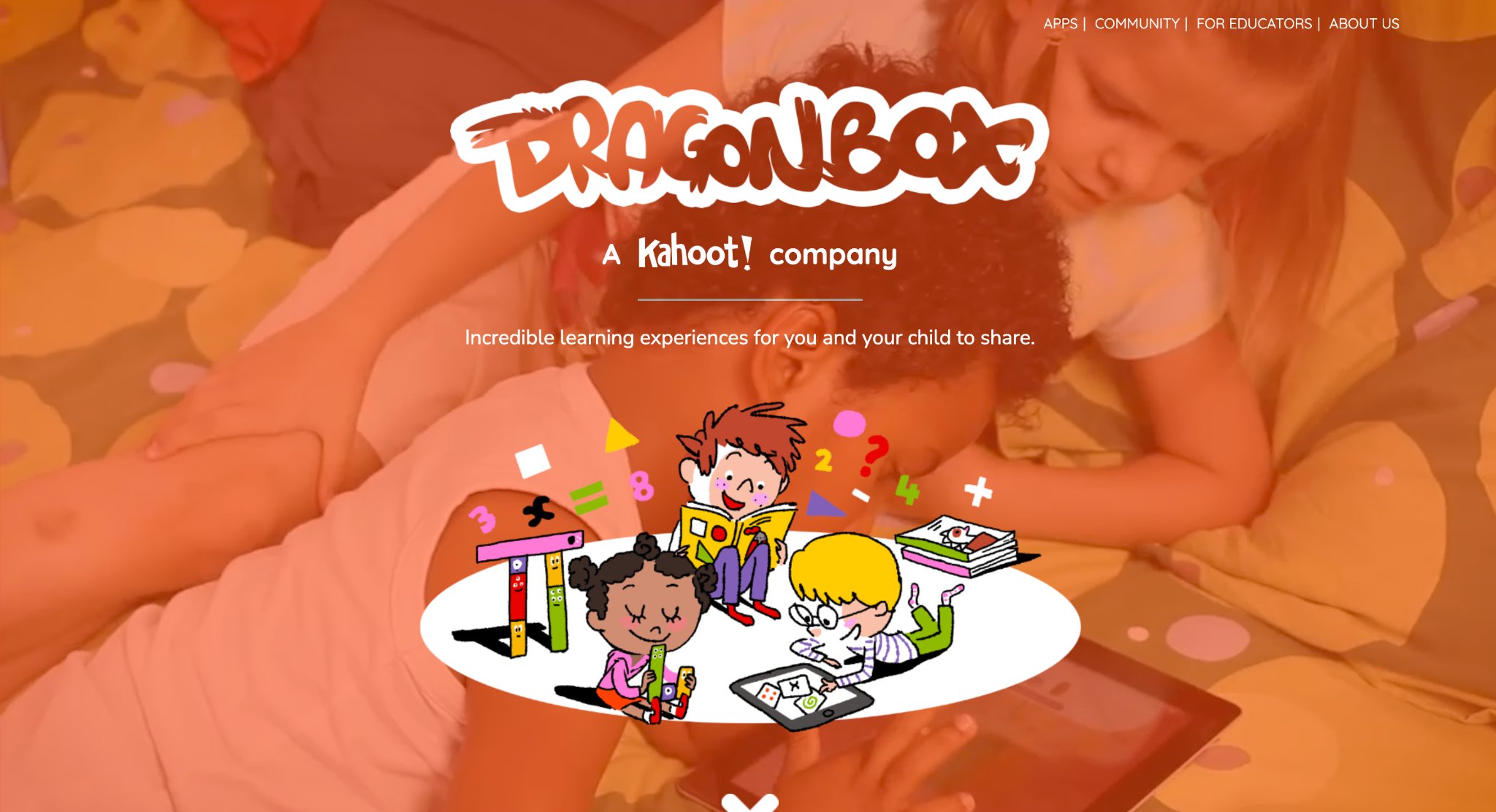
DragonBox turns mathematical concepts into visual puzzles and adventures that build number sense and algebraic thinking. Children manipulate elements to discover relationships and solve challenges through hands-on interaction. The approach emphasizes understanding over memorization with progressive difficulty that matches growing abilities. Engaging visuals and rewarding feedback support focus and logical reasoning. Families notice stronger problem-solving skills emerging from playful practice. The games encourage strategic thinking and persistence in a low-pressure environment. DragonBox offers a creative pathway into math confidence and deeper conceptual grasp.
Key features and highlights
- Visual puzzle format for math concepts
- Hands-on manipulation and discovery
- Progressive challenges with adaptive pacing
- Strong emphasis on logical reasoning
- Rewarding feedback for motivation
- Builds deeper number sense and algebra foundations
12. Osmo
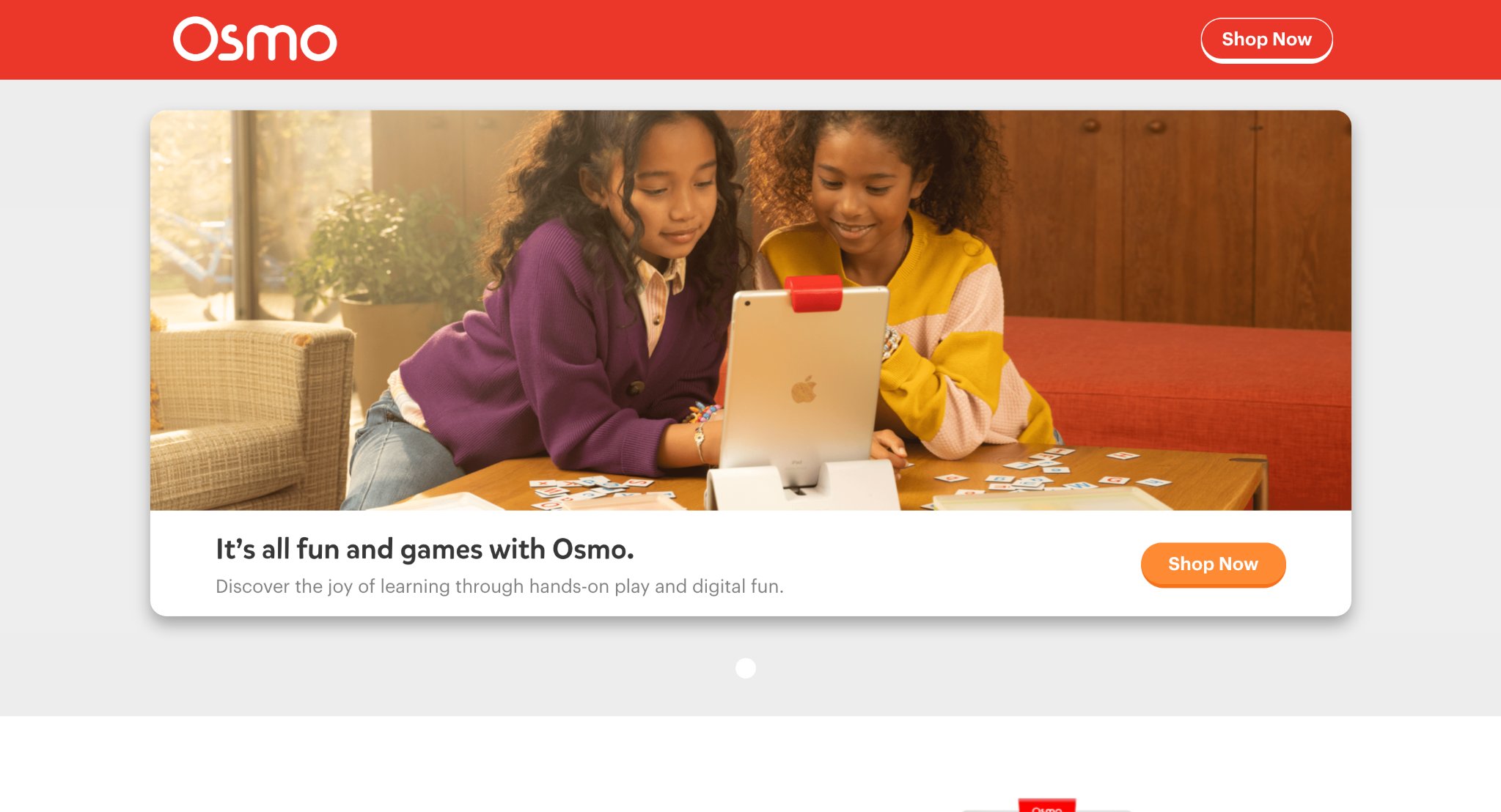
Osmo combines physical objects with digital games for hands-on learning experiences that develop math, reading, and creative skills. Children interact with tangible pieces while seeing immediate results on screen. Activities promote fine motor coordination alongside cognitive growth through puzzles and storytelling. The multisensory format supports different learning preferences and keeps sessions active. Families value the blend of real-world manipulation with technology that feels innovative and effective. Osmo helps build spatial awareness, language abilities, and collaborative thinking in engaging ways.
Key features and highlights
- Combination of physical objects and digital play
- Hands-on puzzles and storytelling activities
- Development of fine motor and cognitive skills
- Multisensory learning approach
- Immediate visual feedback on screen
- Support for spatial awareness and creativity
13. Duolingo ABC
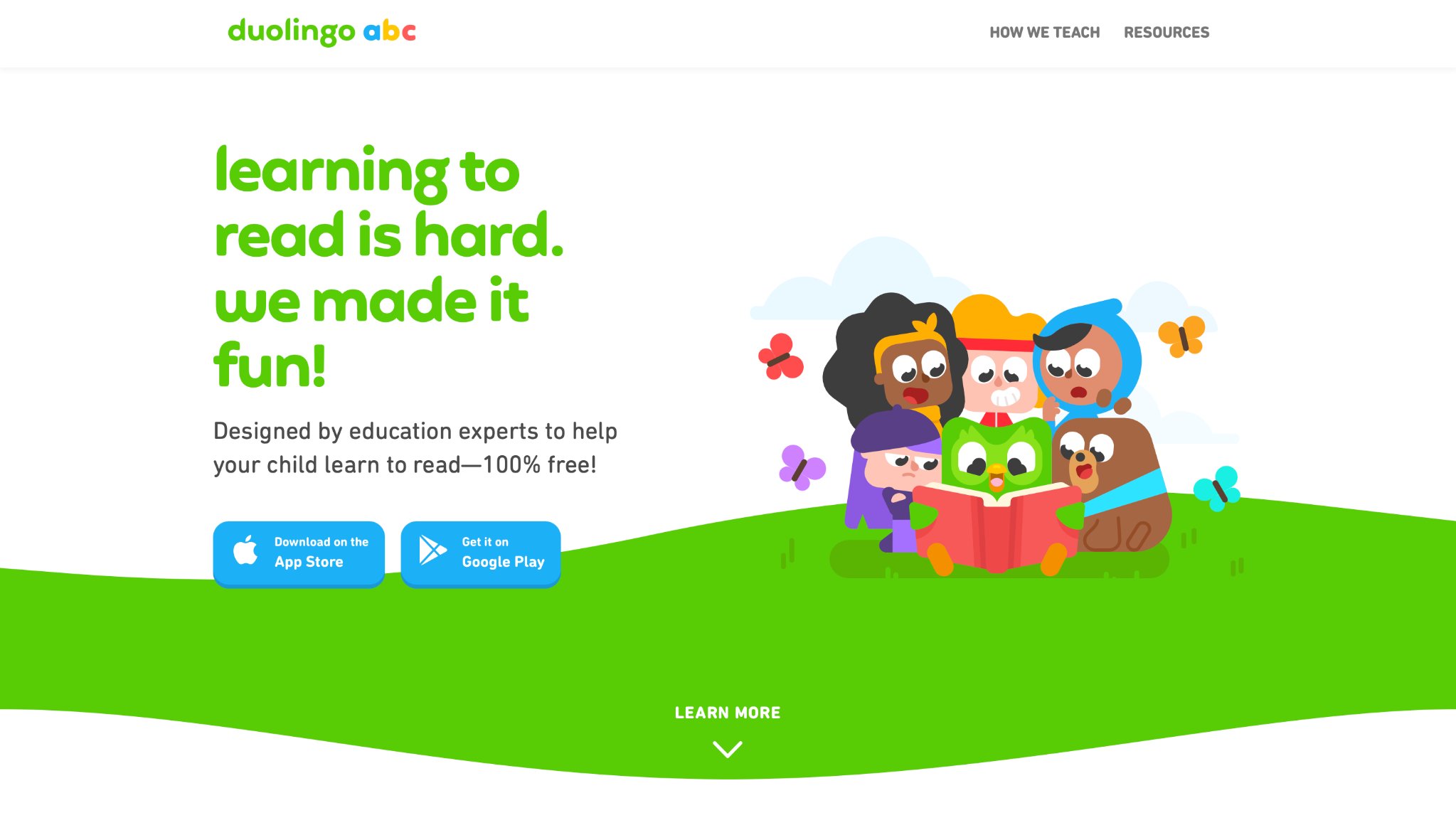
Duolingo ABC focuses on early reading and phonics through short, game-like lessons with familiar characters. Children practice letter sounds, word recognition, and simple stories in bite-sized activities. The adaptive system adjusts to individual progress for steady skill building. Bright designs and positive reinforcement maintain motivation and confidence. The platform supports vocabulary growth and reading readiness in a structured yet fun manner. Families appreciate the daily consistency options that fit busy routines. Duolingo ABC provides accessible literacy support through playful repetition and achievement.
Key features and highlights
- Short game-like phonics lessons
- Focus on letter sounds and word recognition
- Adaptive system for personalized progress
- Bright designs with positive reinforcement
- Support for early reading readiness
- Bite-sized activities for young attention
14. ABCmouse
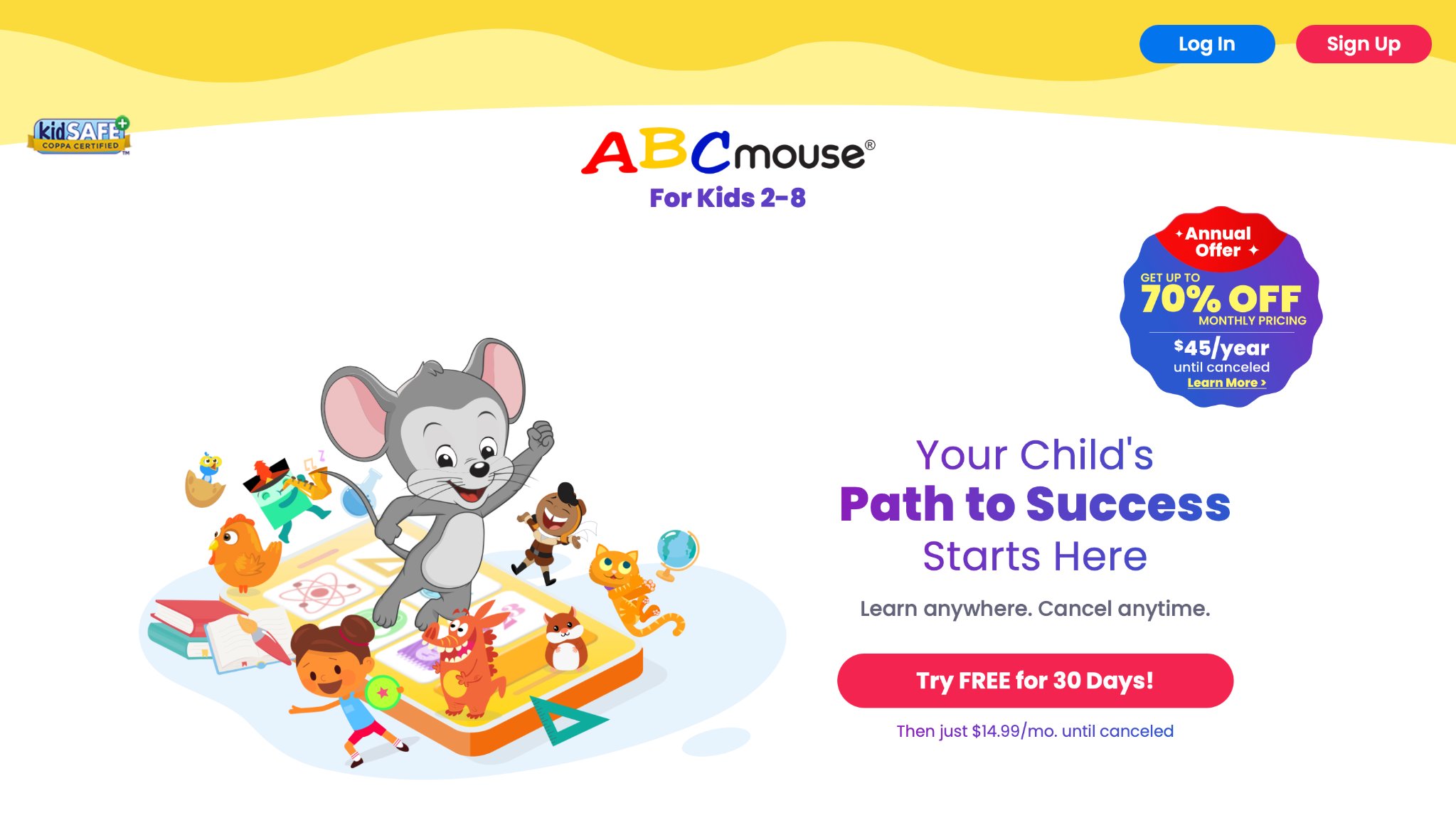
ABCmouse offers comprehensive early learning activities across subjects with progress tracking and varied content. Children explore math, reading, science, and art through games, books, and creative tasks. The structured curriculum adapts to skill levels while maintaining engagement. Rewards and visual progress help sustain interest over time. Families often see broad development across cognitive and creative areas. The platform creates a complete learning environment that supports school preparation and curiosity. ABCmouse blends structure with fun for well-rounded growth.
Key features and highlights
- Comprehensive coverage across multiple subjects
- Progress tracking and adaptive curriculum
- Mix of games, books, and creative tasks
- Rewards system for sustained engagement
- Broad development of cognitive and creative skills
- Structured yet enjoyable learning path
15. National Geographic Kids Games
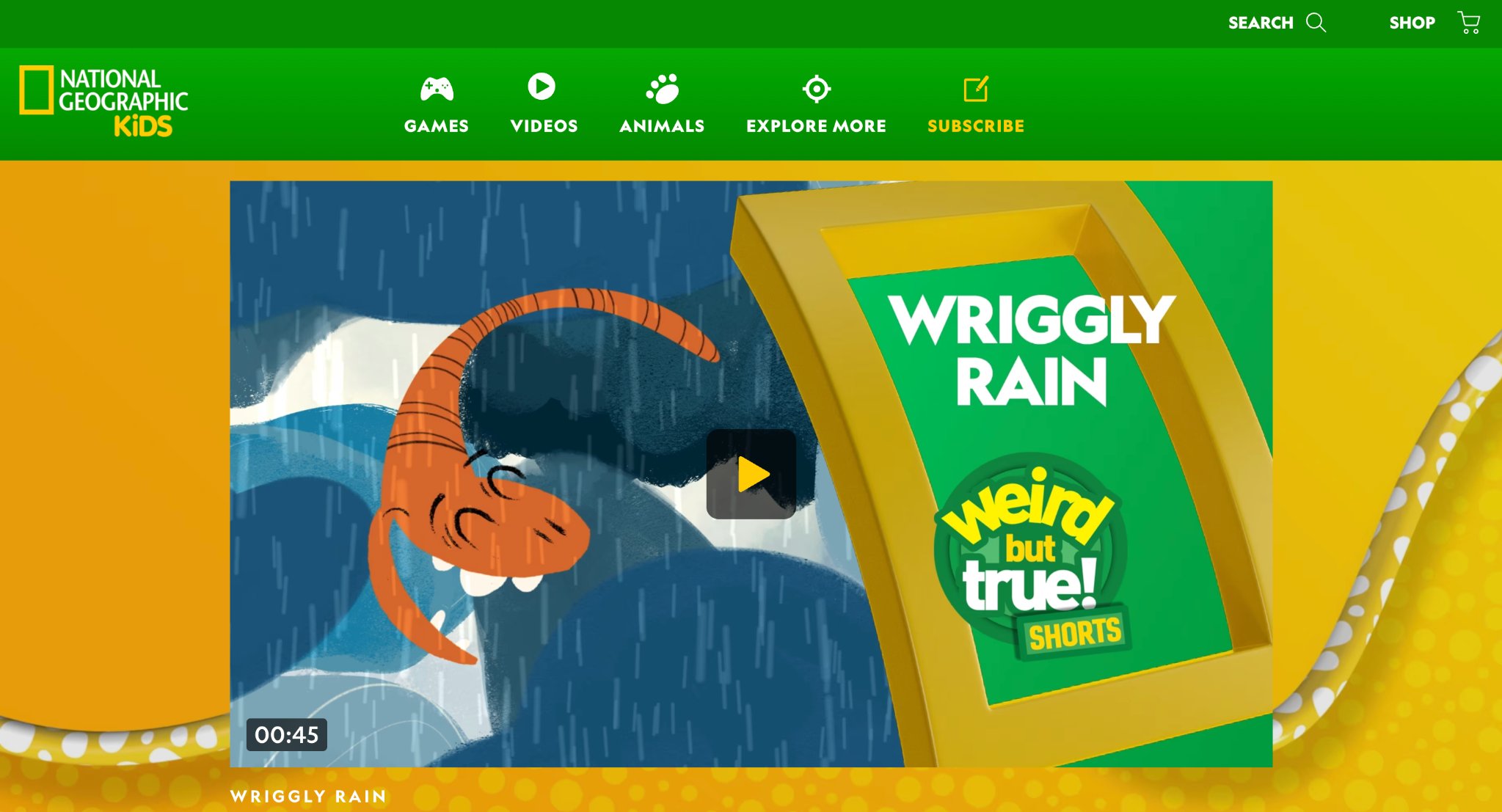
National Geographic Kids Games introduce science, nature, and world concepts through interactive explorations and challenges. Children learn about animals, environments, and basic geography while developing observation and reasoning skills. Engaging visuals and discovery formats spark curiosity about the natural world. Activities often combine facts with play elements that reinforce memory and understanding. The content encourages wonder and respect for surroundings alongside cognitive growth. Families value the educational depth paired with excitement that motivates further interest. National Geographic Kids Games broaden perspectives through joyful, informative experiences.
Key features and highlights
- Focus on science, nature, and geography
- Interactive exploration and discovery activities
- Engaging visuals of real-world topics
- Development of observation and reasoning
- Encouragement of curiosity and wonder
- Combination of facts with playful elements
Benefits of Regular Play with Educational Games
Consistent use of quality educational games supports attention span and memory in ways that complement classroom learning. Children often show greater confidence in expressing ideas and tackling new tasks after regular exposure to interactive challenges. Many families notice improved vocabulary and basic number recognition in kids from short daily sessions.
Life skills games help kids practice routines like organization or helping others in a low-stakes way. This builds independence and empathy alongside academic growth. Creative activities encourage imagination that carries over into drawing, storytelling, and playing with friends. Over time, these experiences can make children more eager to learn and better at solving everyday problems.
How to Choose and Support Your Child's Learning Journey
Parents can look for online games that match their child's current interests while gently stretching new skills. Starting with short sessions prevents fatigue and builds positive associations. Combining digital play with offline activities, such as talking about what happened in the game or trying related real-world tasks, strengthens the learning. Tracking simple wins together reinforces effort and progress while parent tools help highlight strengths without pressure. The most successful approach mixes different types of games for well-rounded development.
A quick overview of common aspects includes language and phonics activities that support vocabulary and reading readiness activities. Math and numbers games develop logical thinking. Logic and sorting challenges improve attention and problem-solving. Life skills and creativity sections encourage independence and empathy. Social-emotional elements contribute to overall well-being and self-regulation.
FAQ
What makes a game suitable for 6 year olds online?
Learning online games work best when they offer short activities with clear instructions and positive reinforcement that match a child's attention level. They cover a mix of areas such as language and phonics for reading readiness, numbers for early math confidence, and logic puzzles for sharper focus. Age-appropriate visuals combined with ad-free designs create a safe space where children can explore professions and life skills through imaginative play that feels natural and rewarding.
How much screen time is reasonable for learning games?
Balanced screen time pairs short, purposeful sessions with plenty of physical activity and real-world interactions. Quality content focused on language, math, logic, sorting, and creativity delivers meaningful benefits without overwhelming young minds. Families often find that consistent but limited play helps children build independence and emotional balance while strengthening school-ready skills.
Can online games really help prepare kids for school?
Well-designed educational games strengthen foundational abilities in literacy, numeracy, attention, and problem-solving for kids that support smooth transitions into formal learning. Activities involving sorting, matching, and storytelling enhance vocabulary and logical thinking in ways that complement classroom routines. Holistic approaches that include life skills and mindfulness elements further prepare children by building confidence, empathy, and healthy habits for daily success.
What role do life skills and creativity play in these games?
Life skills and creativity sections let children practice real-world scenarios like routines and helping others through gentle, guided play. These elements nurture independence, empathy, and imaginative thinking alongside academic basics such as phonics and numbers. Engaging formats with professions and open-ended activities encourage curiosity about the world while supporting emotional growth and self-regulation.
How can parents support learning from online games at home?
Parents strengthen gains by discussing online game experiences and connecting them to everyday moments, such as practicing sorting during chores or storytelling at bedtime. Observing a child's favorite activities helps identify strengths in areas like logic, language, or creativity for more tailored support. Mixing digital play with offline extensions creates a balanced routine that reinforces focus, confidence, and joy in learning.
Read Also:
- Best Educational Games Online 2026
- Best Educational App for Kids 2026
- Best Educational Games for Children 2026
- Best Sight Word Games for Kids 2026
- Best Brain Games for 5 Year Olds Online 2026
Discover Fluvsies Academy now and unlock engaging learning games designed for 6-year-olds!